Artwork
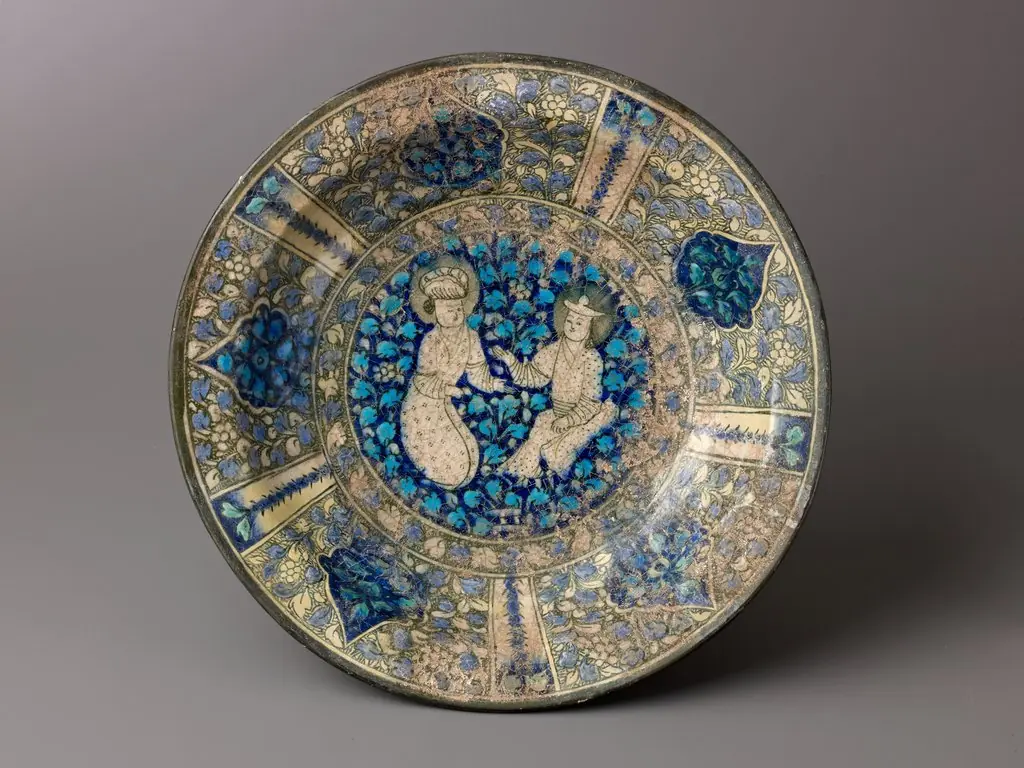
Biconical bowl
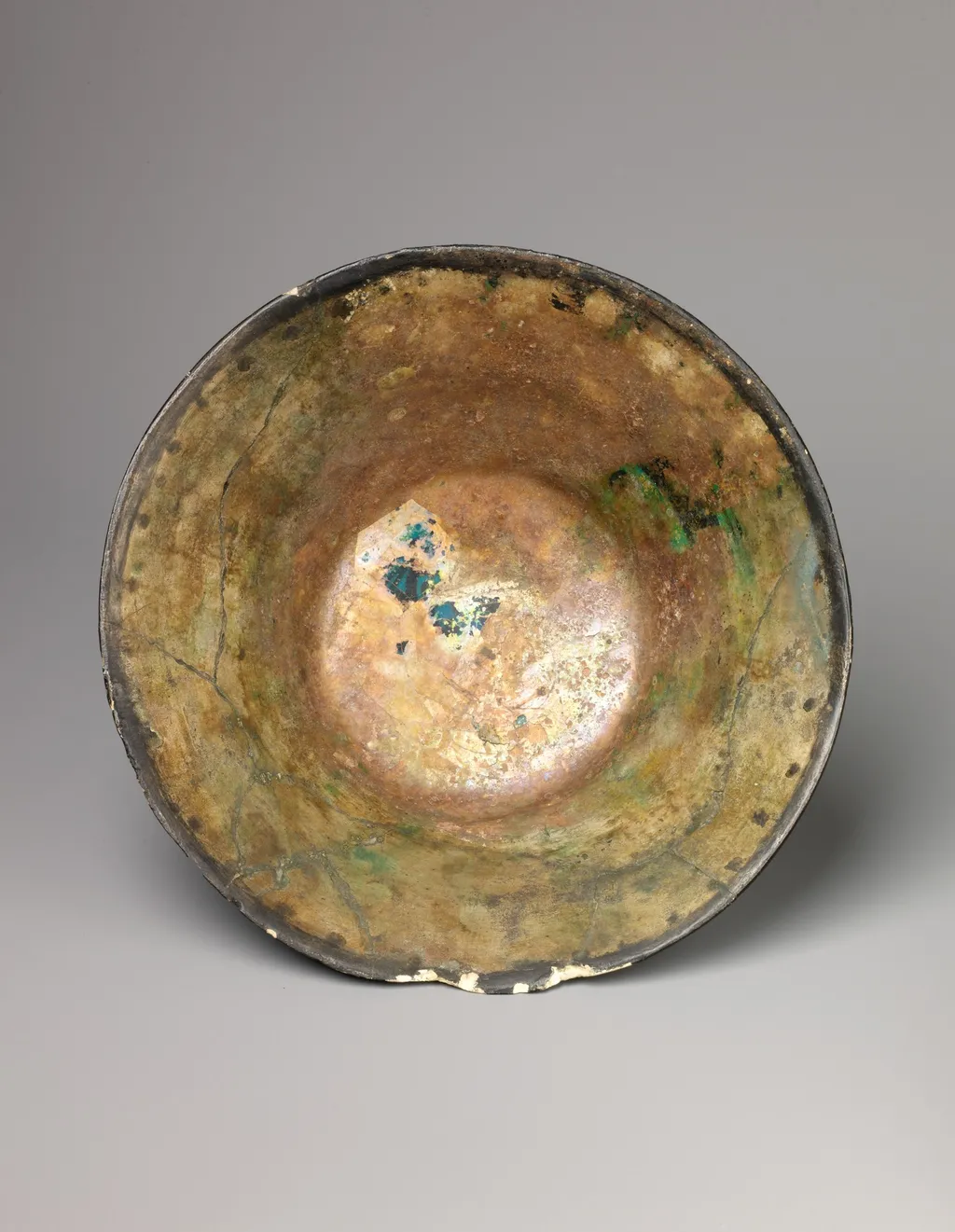
Biconical bowl is an unspecified painting by Unknown. It dates from 1224 and is held in the collection of the Metropolitan Museum of Art.
About this work
Overview
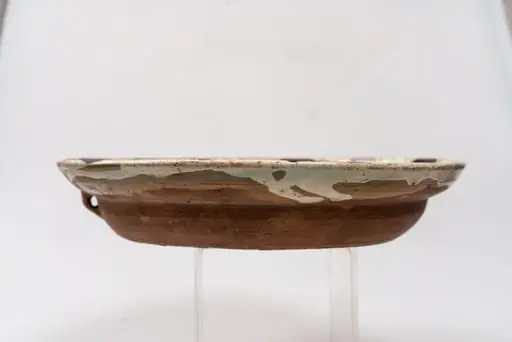
The object is a biconical bowl, characterized by two opposing rounded forms that meet at a central waist, giving it a broader profile at both the rim and the base. Its surface shows extensive wear: the glaze has faded to a greenish‑brown tone, the interior displays an uneven, mottled pattern of light and dark patches, and the rim is chipped and slightly irregular, indicating prolonged use.
Subject & Meaning
The bowl’s simple, symmetrical shape suggests a utilitarian function, likely for holding liquids or food. The faded coloration and crackled surface hint at an original decorative coating, perhaps intended to convey modest aesthetic value rather than elaborate symbolism.
Technique & Style
The piece appears to have been formed from a ceramic material that was glazed and possibly painted before firing. Over time the glaze has deteriorated, revealing a cracked, uneven texture on the interior. The greenish‑brown hue is typical of early glazing recipes that used iron oxide pigments, and the biconical silhouette aligns with traditional forms found in historic domestic ware.
History & Provenance
While the precise origin of the bowl is not documented, its condition and glaze characteristics are consistent with objects produced in the early modern period. The wear pattern suggests long-term domestic use before entering a collection, and comparable examples are held by institutions such as The Metropolitan Museum of Art.
Context
Biconical bowls of this type were common in everyday households across various cultures, serving practical needs while occasionally receiving modest decorative treatment. Their durability made them suitable for daily service, and the gradual loss of glaze reflects the typical lifecycle of ceramic wares that were repeatedly handled, cleaned, and stored over centuries.
Artist & collection









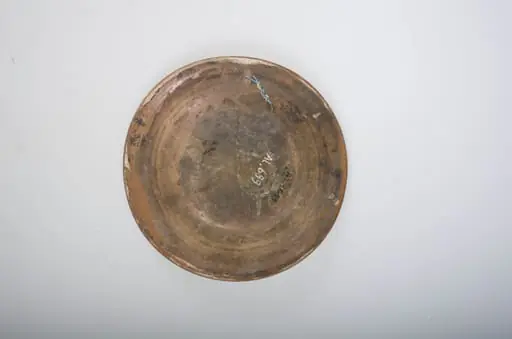
- Blid de formă tronconică cu buza evazată și decor amplasat pe întreaga suprafață interioară. Blidul este decorat cu motive geometrice, linie, cerc, spirală, și motive vegetale stilizate. Cromatică: fond: crem; decor: cărămiziu; albastru; verde.
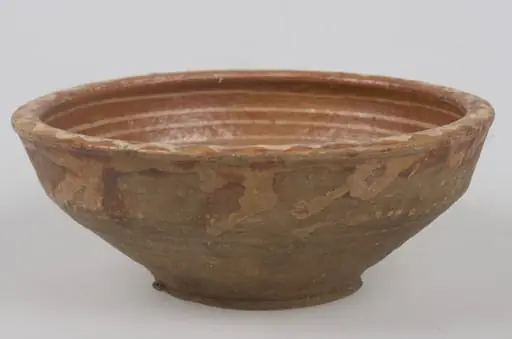 Vasul are forma tronconică cu pereții adânciți și deschidere largă la nivelul gurii. Acesta este smălțuit la interior iar pe pereții exteriori prezintă scurgeri de smalț. Buza acestuia este profilată spre exterior, exteriorul fiind nesmălțuit. Decorul interior este geometric, linia vălurită regăsindu-se pe buza vasului. Pe fundul vasului se întâlnesc două cercuri concentrice. Cromatică: fond: cărămiziu; motive: alb; negru.
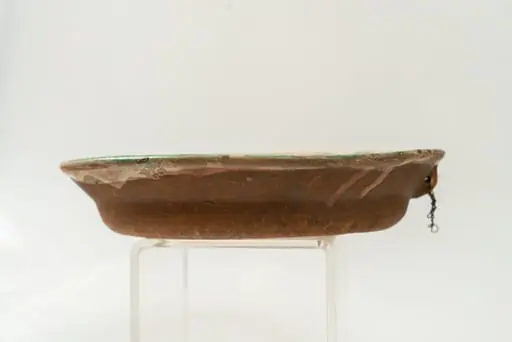 Farfurie adâncă, cu buza răsfrântă, modelată la roata olarului, angobată cu humă albă pe fața interioară. Decorul, bogat, este realizat prin pictare cu pensula și cu cornul și se compune din motive decorative florale stilizate și geometrice, acoperind întreaga suprafață a farfuriei. Cromatica: alb, verde, galben ocru, maro.
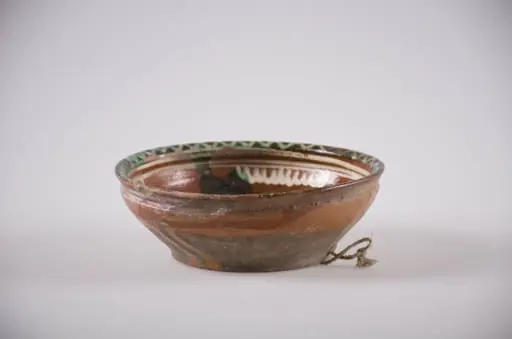 Blid de formă tronconică, adânc cu pereți ușor evazați și buza dreaptă, Decor cu motive geometrice: linie ondulată pe buză; cercuri concentrice pe trei câmpuri pe fundul blidului. În centru avem o floare stilizată; pete stropite pe vas. Smălțuit maro. Cromatică: fond: maro; motive: verde; alb. Prezintă două găuri pe fundul vasului pentru atârnare.
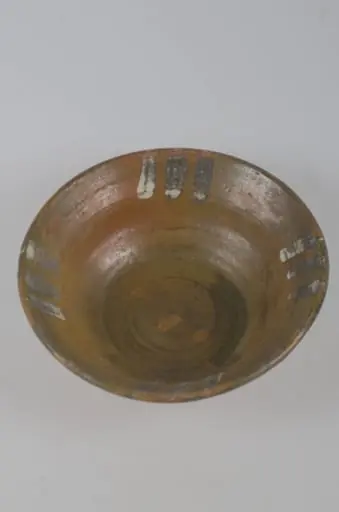 Farfurie de formă tronconică, adâncită, cu buza lată și evazată. Este smălțuit în interior și în exterior (buza). Prezintă decor pe buză cu motive geometrice dispuse în patru registre a câte trei linii albe cu negru; smalț verzui. Cromatică: fond: cărămiziu; motive: verzui; alb; gri.
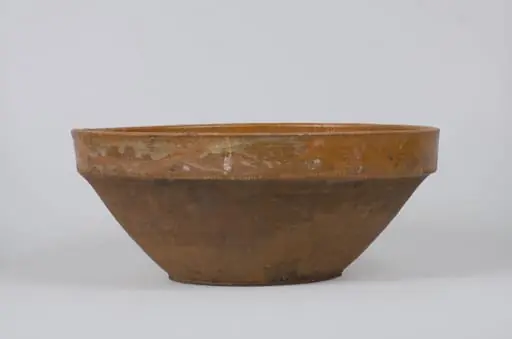 Vas de formă tronconică, foarte adâncită, cu buza înălțată. Este smălțuit în interior și exterior. În zona mediană interioară a vasului se identifică un registru decorativ alcătuit din motive florale și vegetale stilizate, geometrice (punctul și cercul) iar pe fundul vasului se identifică un cerc realizat din puncte. Motivele decorative sunt realizate prin pictare, foarte șterse. Cromatică: fond cărămiziu; verde; galben.
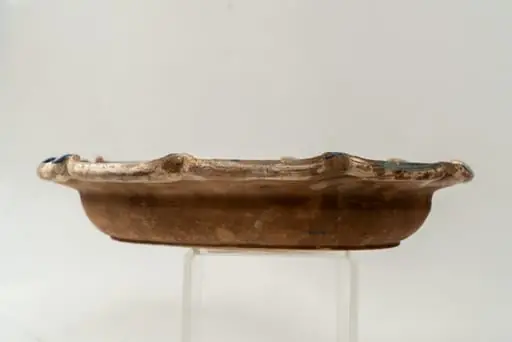 Farfurie mare, adâncă, cu buză lată, răsfrântă și muchia ondulată. Piesa este modelată la roata olarului, angobată cu humă albă pe fața interioară a acesteia. Decorul este realizat prin pictare cu pensula, cu linii groase, și constă în motive decorative florale și vegetale stilizate (flori de lalea și frunze), dispuse pe toată suprafața farfuriei. Central, pe fundul farfuriei, sub motivul decorativ floral, se află înscris anul fabricării piesei, 1776. Cromatica decorului: alb, albastru. Farfuria este smălțuită pe interior, cu smalț transparent.
 Farfurie de formă aplatizată, acoperită pe suprafața interioară cu un strat de angobă albă, peste care este realizat, prin sgrafitare și pictare cu pensula, decorul format din motive florale stilizate și geometrice, dispuse astfel: decorul central de pe fundul farfuriei, realizat cu contur sgrafitat în pasta de angobă, se compune dintr-o stea de culoare verde, ale cărei colțuri se termină cu câte o floare de lalea cu petale albastre și mijloc verde, și din patru motive în formă de inimă de culoare albastru-închis, așezate între brațele stelei. Registrul decorativ marginal de pe buza farfuriei se compune din dungi groase de culoare maro între care se găsesc motive formate din linii în formă de X, realizate prin sgrafitare și puncte albastre. Suprafața ornamentată a farfuriei este acoperită cu un strat de smalț transparent. Cromatica: alb, verde, albastru-închis, maro.
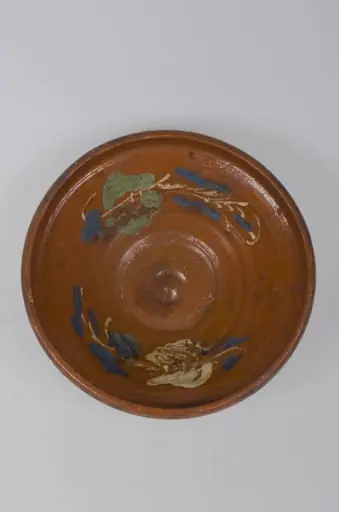 Castron de formă tronconică, adâncit. Marginea acestuia este foarte înaltă, fiind smălțuit în interior și exterior (buza). Pe margine este decorat cu motive vegetale și florale. Cromatică: fond cărămiziu; alb; verde; albastru. Castronul era folosit pentru depozitarea alimentelor.
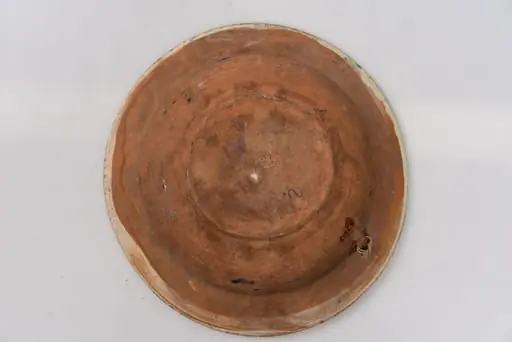 Farfurie adâncă, cu buza dreaptă, evazată; este angobată pe suprafața interioară cu un strat de humă albă, peste care este pictat cu pensula decorul monocromatic format din motive vegetale și florale stilizate: registrul decorativ central de pe fundul farfuriei conține o tulpină cu cinci flori de lalea, o floare centrală cu patru petale rotunde și frunze. Registrul decorativ marginal de pe buza farfuriei, încadrat între două linii circulare ondulate ușor, este format dintr-un șir continuu de motive formate dintr-o linie spiralată de formă ovală. Suprafața ornamentată a farfuriei este acoperită cu un strat de smalț transparent. Cromatica: alb, albastru.
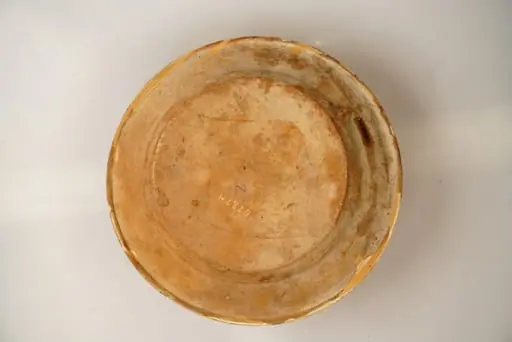 Farfurie semi-adâncă cu buza dreaptă evazată și cu muchia buzei răsfrântă spre exterior. Suprafața interioară a farfuriei este acoperită cu un strat de angobă albă peste care este realizat, prin sgrafitare în stratul de angobă și prin pictare cu pensula și cu cornul, decorul format din motive florale, vegetale și geometrice dispuse astfel: centrul farfuriei conține o tulpină cu două flori albastre rotunde, o floare cu petale alungite, de culoare verde, și frunze și elemente vegetale de culoare verde și maro. Conturul decorului din zona centrală este realizat cu o linie fină sgrafitată. Registrul decorativ marginal de pe buza farfuriei conține patru motive vegetale stilizate (boboci albaștri cu două frunze verzi), dispuse diametral opus în formă de cruce și intercalate cu patru grupuri de linii hașurate intersectat, de culoare maro. Decorul din zona buzei este încadrat între două linii circulare albastre. Suprafața ornamentată a farfuriei este acoperită cu un strat de smalț transparent. Cromatica: alb, verde, galben, maro.
 Bowl
Bowl