Artwork
Blaise Pascal, philosopher and mathematician
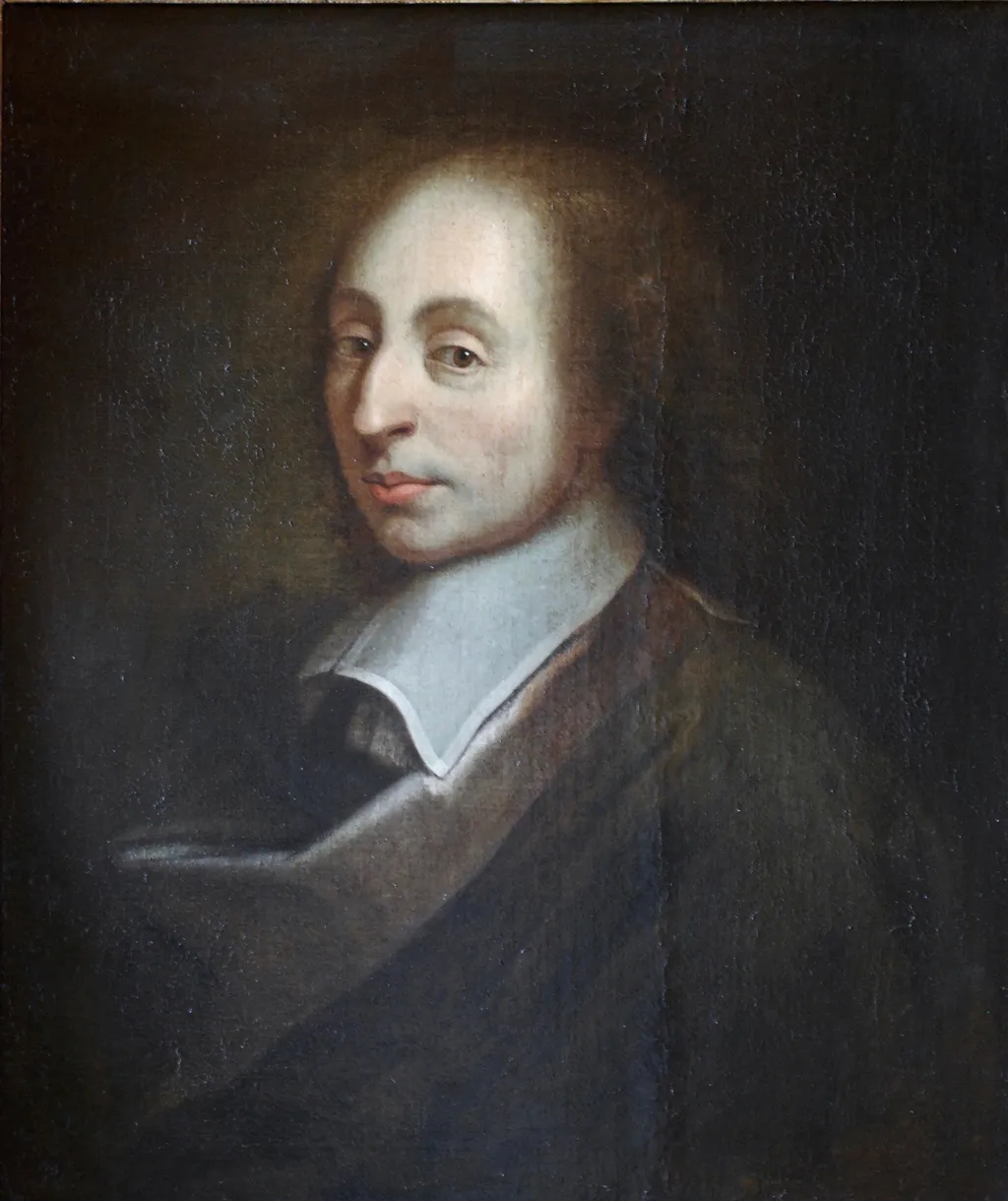
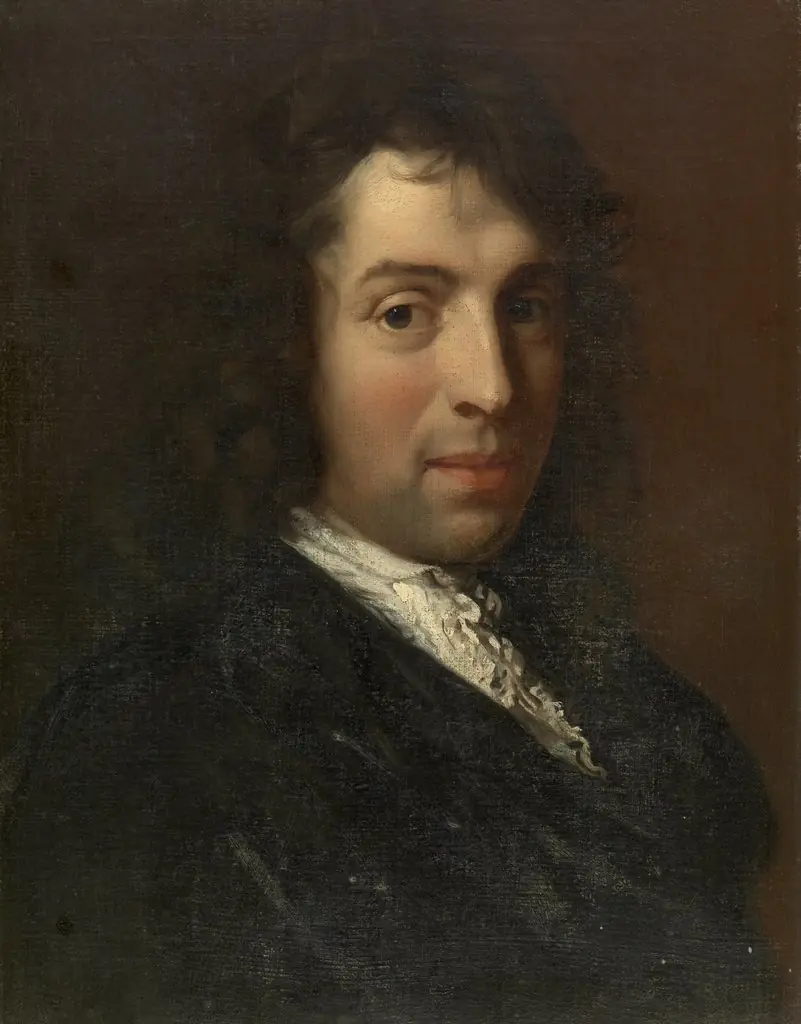
Blaise Pascal, philosopher and mathematician is an oil painting by the French Classical Baroque artist Unknown. It dates from 1696 and is held in the collection of the Palace of Versailles. The work is an oil portrait depicting a male figure from the chest upward.
About this work
The painting is done in a realistic style, with attention to detail in the subject's facial features and clothing.
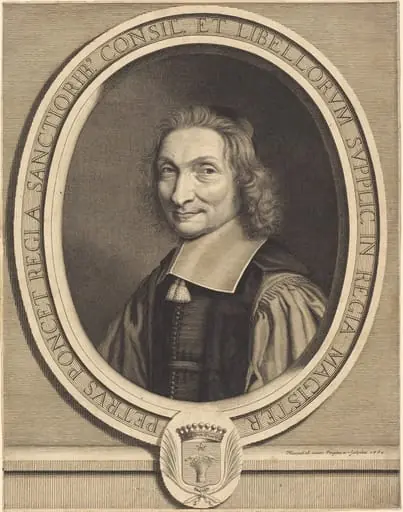
This painting is a portrait of a man, possibly from the 17th century. He is shown from the chest up, facing slightly to the left. The man has fair skin and dark hair, and is wearing a white collar and a dark jacket.
The background of the painting is dark, which helps to highlight the subject's face and clothing. The man's expression is serious, and his eyes seem to be looking off into the distance. The painting is done in a realistic style, with attention to detail in the subject's facial features and clothing. The overall effect is one of quiet contemplation, as if the subject is lost in thought.
Overview
The work is an oil portrait depicting a male figure from the chest upward. Rendered against a dark backdrop, the composition emphasizes the subject’s face and attire, creating a focused, intimate presentation.
Subject & Meaning
The sitter, identified as the 17th‑century philosopher and mathematician Blaise Pascal, gazes pensively to the left. His serious expression and distant look suggest contemplation, reflecting the intellectual gravity associated with his contributions to science and theology.
Technique & Style
Executed in a realistic manner, the painter renders fine details of skin tone, hair, and fabric. The contrast between the illuminated white collar and the sombre jacket against the dark background demonstrates skillful handling of light and shadow to model form.
History & Provenance
The portrait dates to the period when Pascal was active in the mid‑1600s, aligning with contemporary portrait conventions. Its ownership trail traces through private collections before entering the museum’s holdings, where it remains on display.
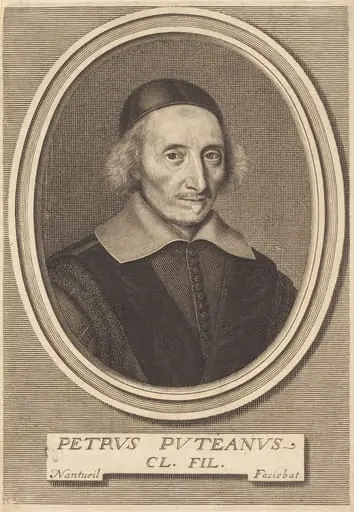
Artist & collection









- Pierre Dupuy
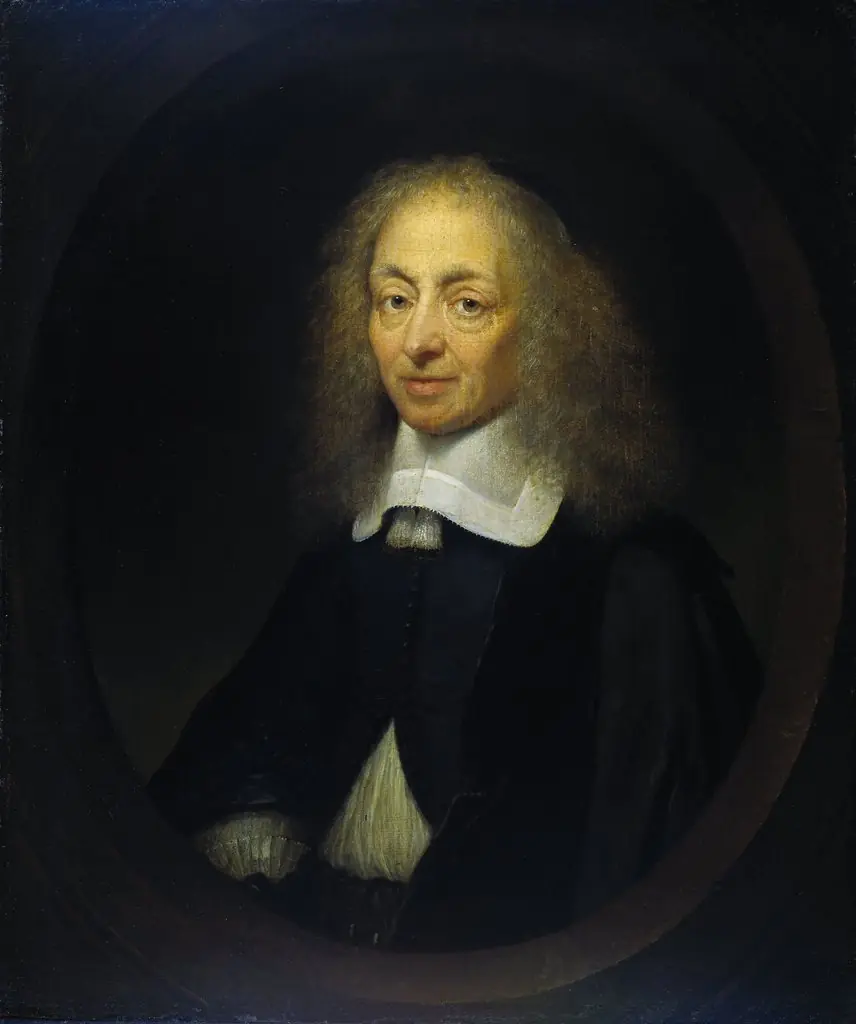 Portrait of Constantijn Huygens (1596-1687), lord of Zuylichem, secretary of Frederik Hendrick, Willem II and Willem III, and poet
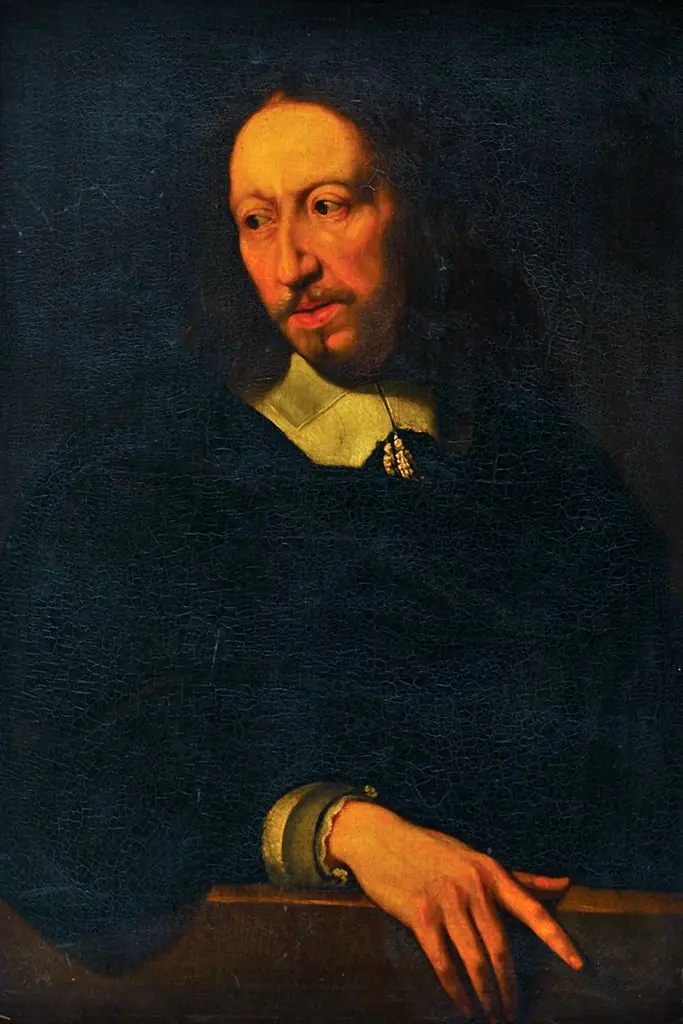 Portrait of a man
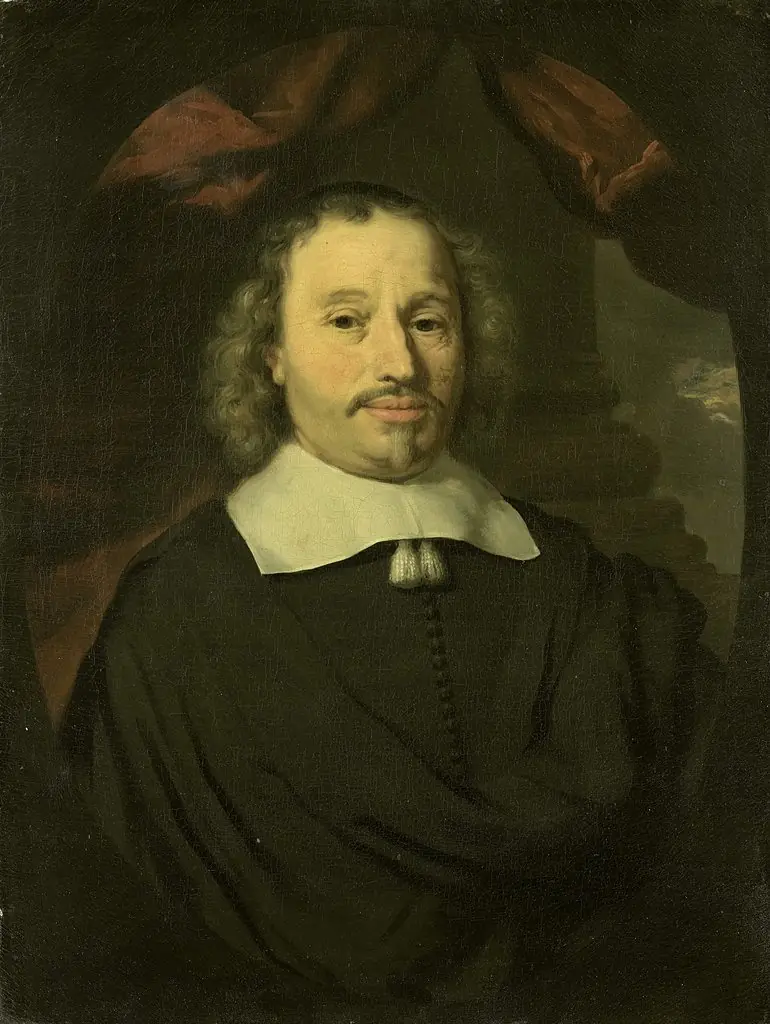 Portrait of Hendrick Wijnands (1601/2 - 76), grocer of Amsterdam
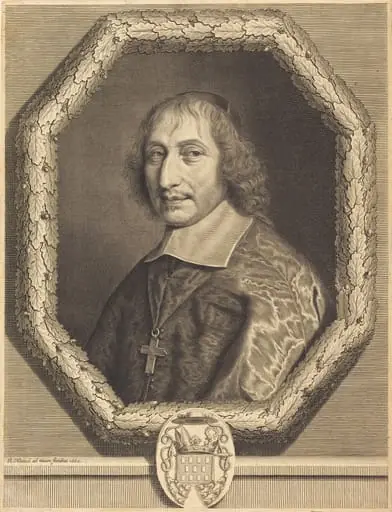 Philibert-Emmanuel de Beaumanoir Lavardin
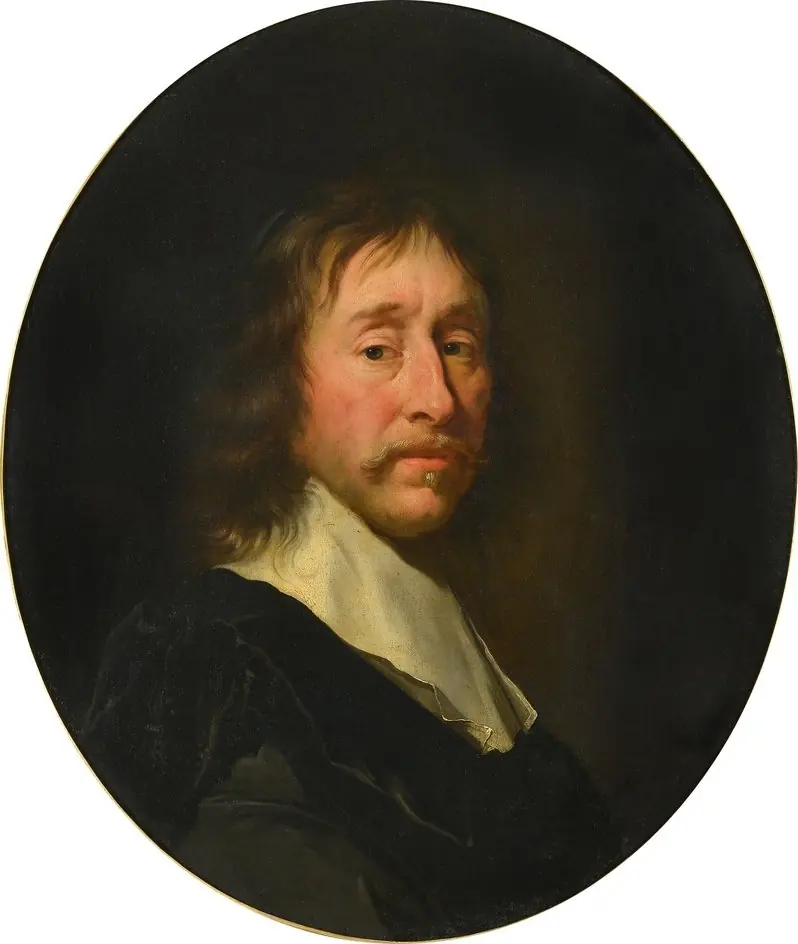 Portrait of a Man
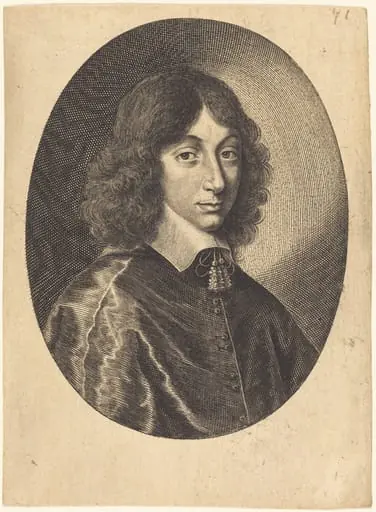 Armand de Bourbon
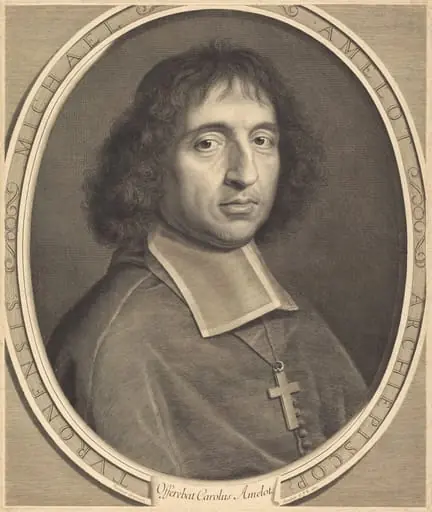 Michel Amelot
 Portrait of a Man
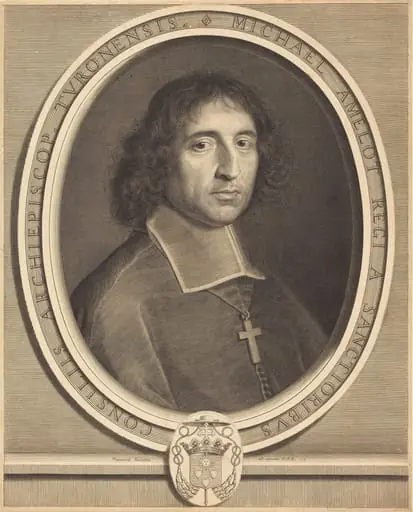 Michel Amelot
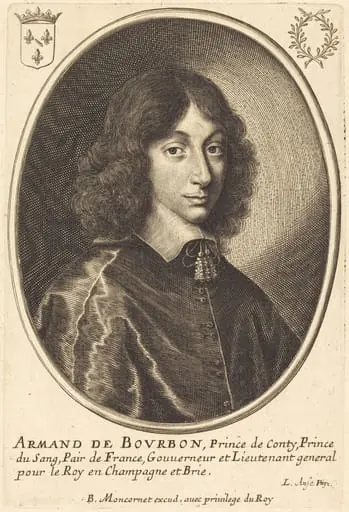 Armand de Bourbon
 Pierre Poncet