Artwork
Blazonul funerar al unui membru din familia Béldi din Uzon
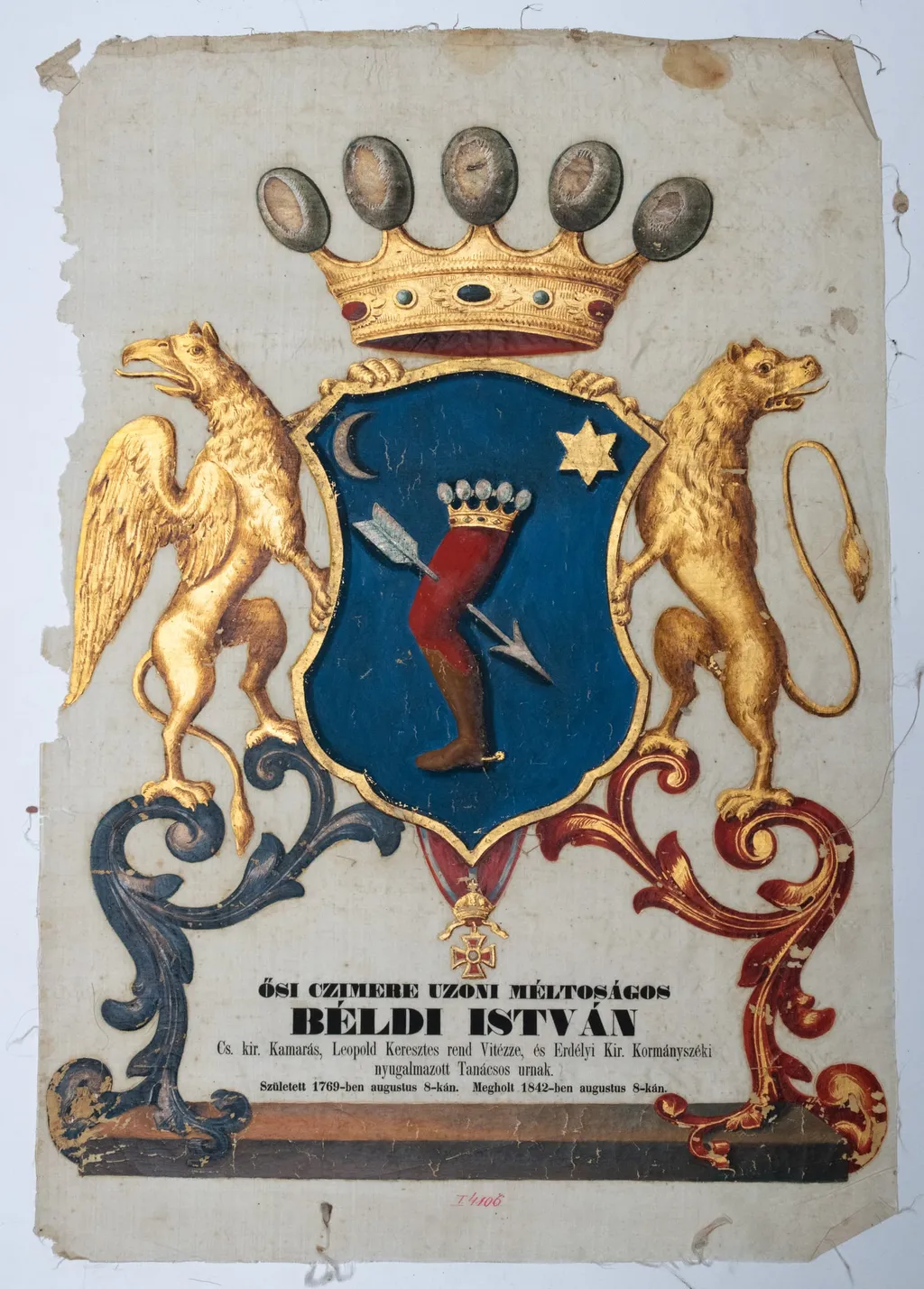
Blazonul funerar al unui membru din familia Béldi din Uzon is an unspecified painting by the Romanesque artist Unknown. It dates from 1842 and is held in the collection of the National Museum of Transylvanian History. A painted funerary blazon from Uzon commemorates a member of the Béldi family.
About this work
Overview
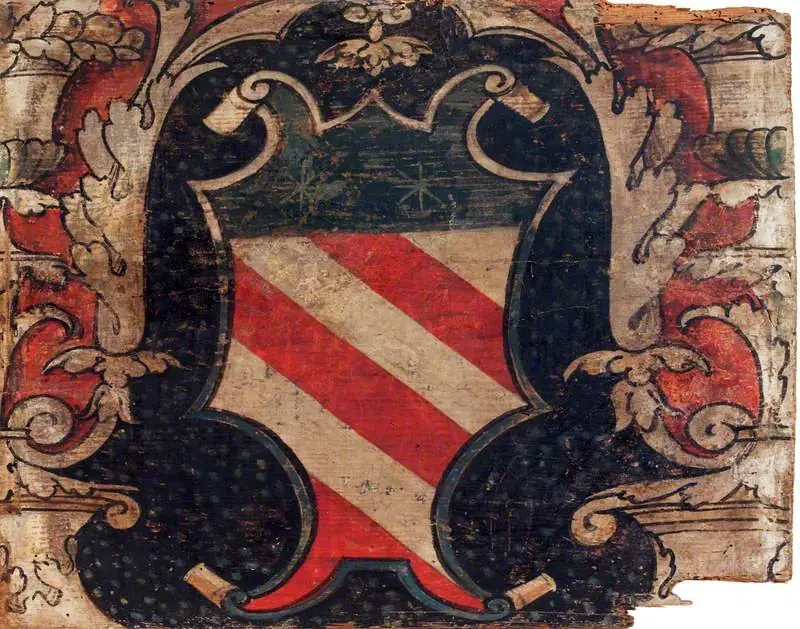
A painted funerary blazon from Uzon commemorates a member of the Béldi family. Rendered in vivid hues, it features a central shield topped by two crossed swords and a flowing red banner inscribed in gold. Designed for public display, it served as a marker of lineage and status, likely affixed to a tomb or ancestral property rather than worn or carried.
Subject & Meaning
The blazon identifies the Béldi family through heraldic symbols specific to their regional identity. The crossed swords suggest military service or noble standing, while the banner’s inscription likely names the deceased or invokes a familial motto. These elements functioned as visual proof of lineage, anchoring the family’s presence in local memory through death and land.
Technique & Style
The design employs flat, saturated colors and clear outlines typical of folk heraldic traditions. Gold lettering contrasts sharply against the red banner, enhancing legibility from a distance. The composition is symmetrical and uncluttered, prioritizing symbolic clarity over naturalism, reflecting a local aesthetic rooted in communal recognition rather than individual artistry.
History & Provenance
Originating in Uzon, this blazon was likely created in the late 19th or early 20th century for a family tomb or estate marker. It was later collected by ethnographers and is now held in the Museum of Ethnography, where it is preserved as an artifact of regional funerary custom and noble identity in rural Transylvania.
Context
In rural Transylvania, family blazons were common on graves, gates, and walls, serving as territorial and genealogical markers. Unlike aristocratic heraldry, these were often painted by local artisans using accessible materials. The Béldi blazon reflects a tradition where even non-noble families adopted heraldic forms to assert social continuity and local prestige.
Legacy
The blazon survives as a rare physical remnant of a once-widespread practice of visual genealogy. Its preservation allows study of how rural communities adapted elite symbols for local use. Today, it stands as evidence of how identity, death, and land were visually intertwined in Transylvanian village life.
Artist & collection

Museum
National Museum of Transylvanian History
Continue through works from the same source collection.








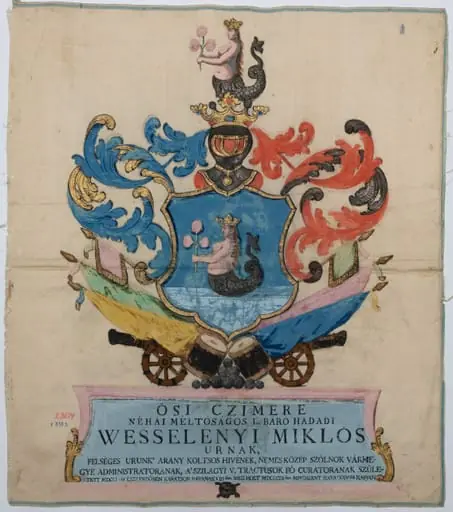
- Blazonul funerar al baronului Miklós Wesselényi din Hodod
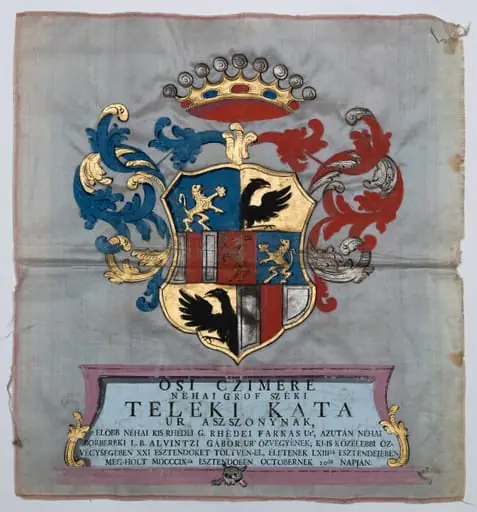 Blazonul funerar a contesei Kata Teleki
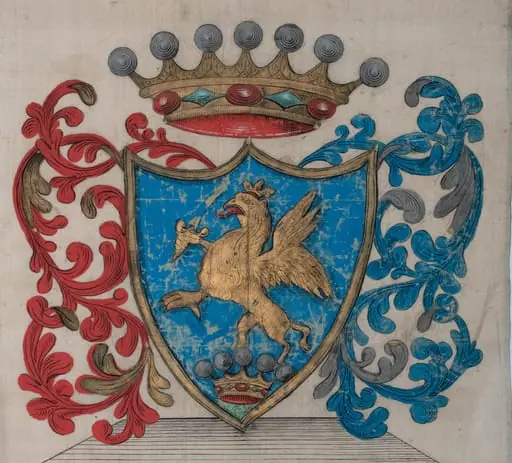 Blazonul funerar a văduvei baronului László Kemény din Mănăstireni, născută baronesa Ágnes Bánffy de Losontz
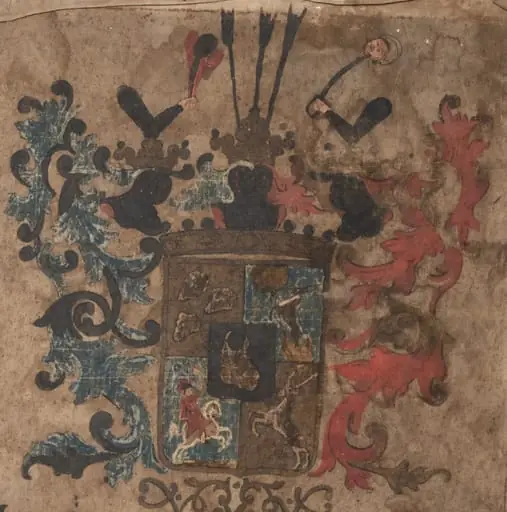 Blazonul funerar al contelul Miklós Wass din Țaga
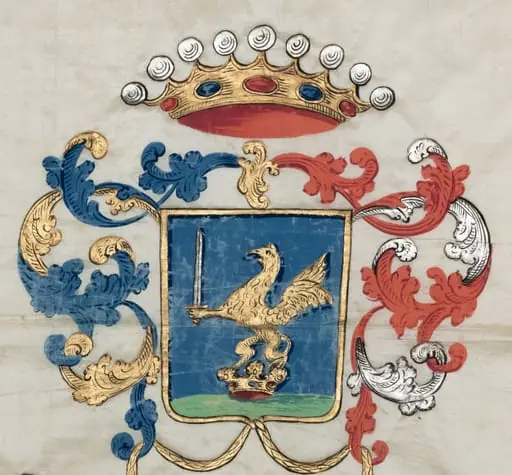 Blazonul funerar a baronesei Terézia Bánffy
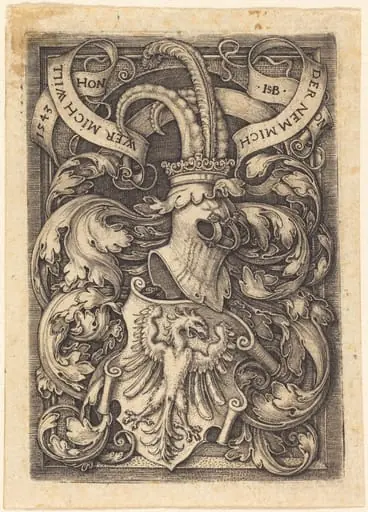 Coat of Arms with an Eagle
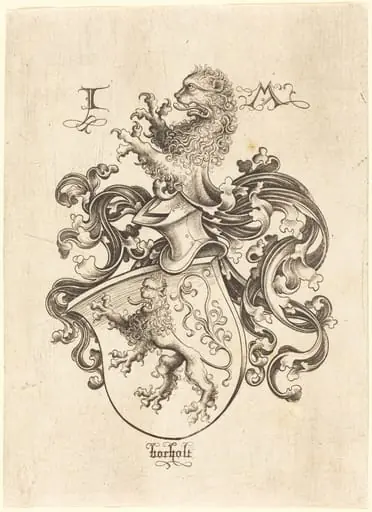 Coat of Arms with Lion
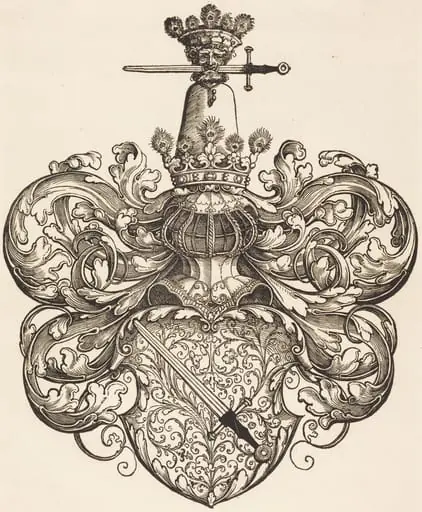 Coat of Arms of the Kress von Kressenstein Family
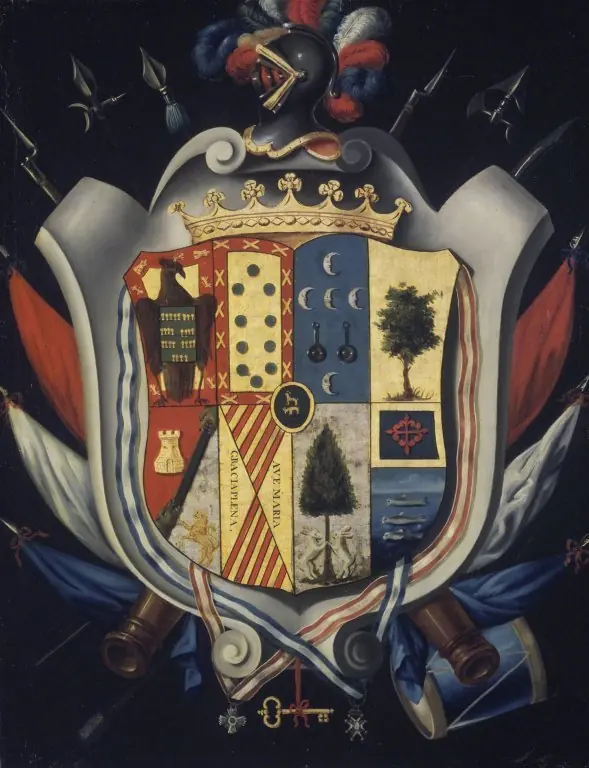 Coat-of-Arms of the Cervantes Family
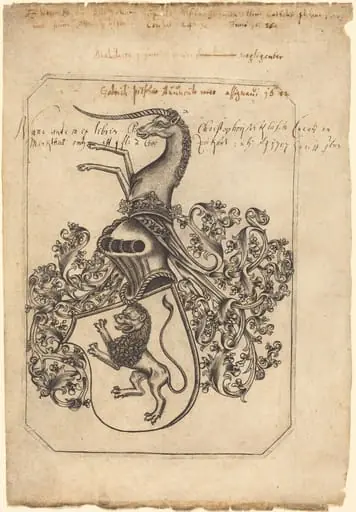 Coat of Arms with a Lion and Unicorn
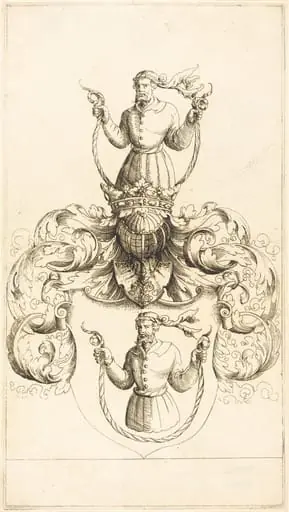 Coat of Arms of Unknown Man
 Shield with a Coat of Arms (one of 29 painted panels from a frieze)