Artwork
Blumenstück
Blumenstück is an unspecified painting by the Rococo painting artist Unknown. It dates from 1700 and is held in the collection of the Kunsthistorisches Museum.
About this work
Technique & Style
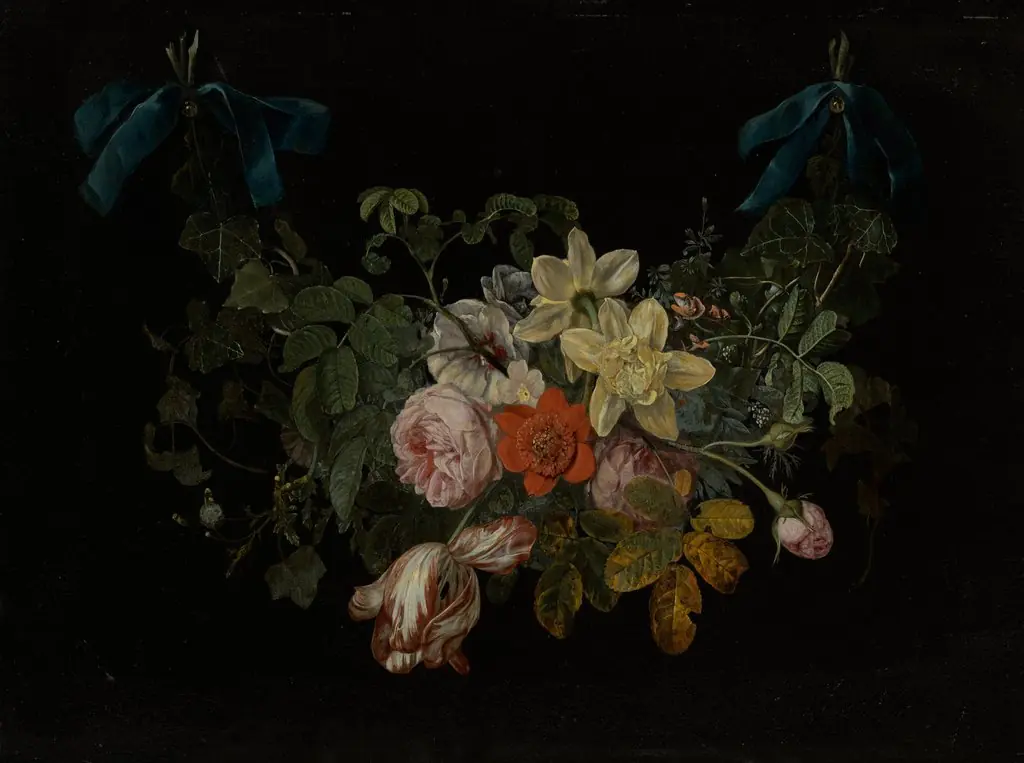
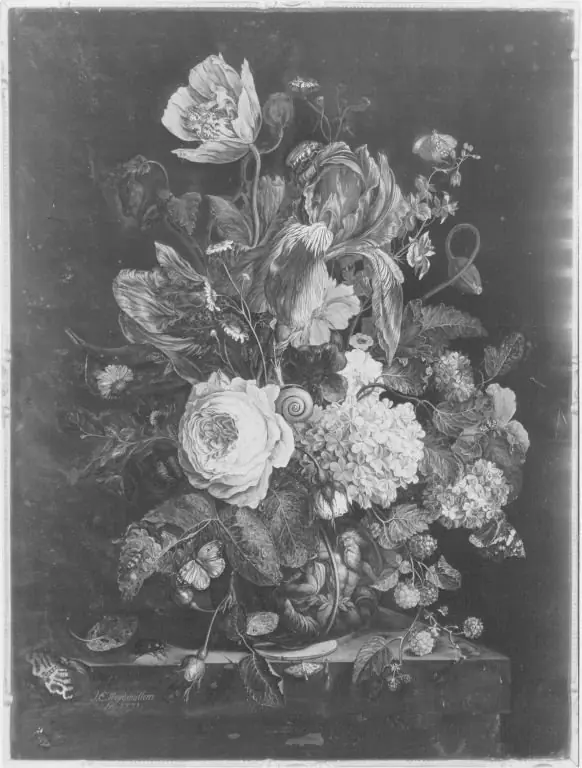
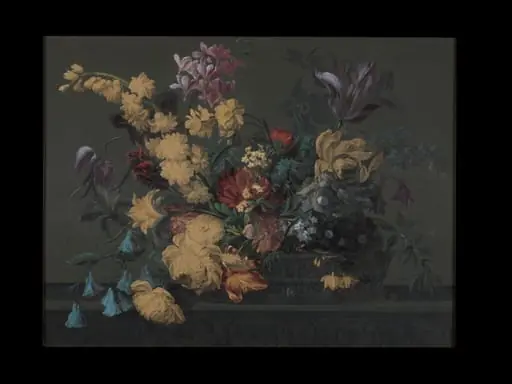
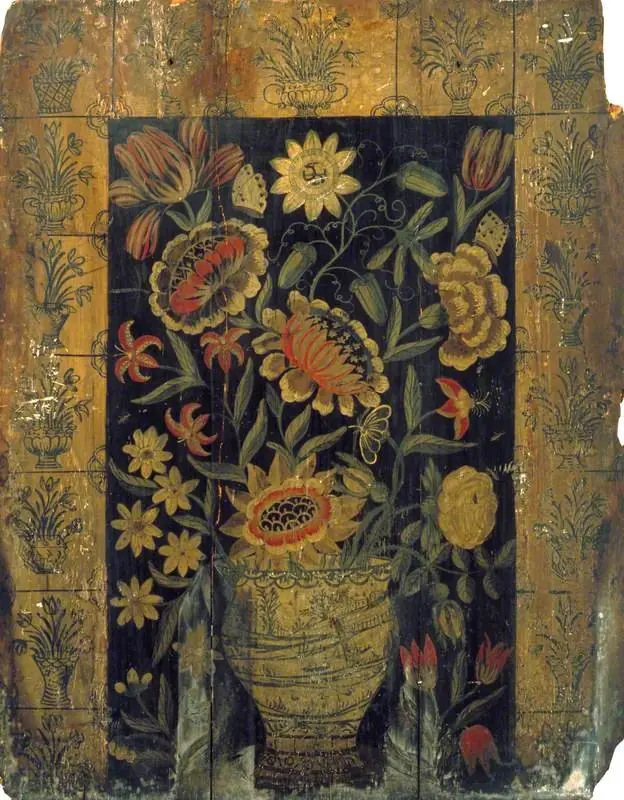
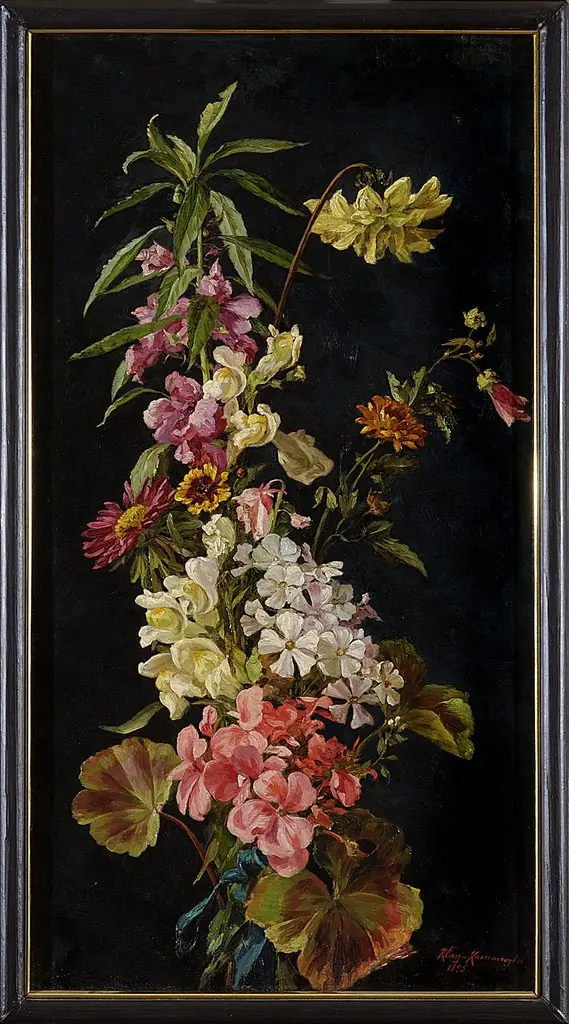
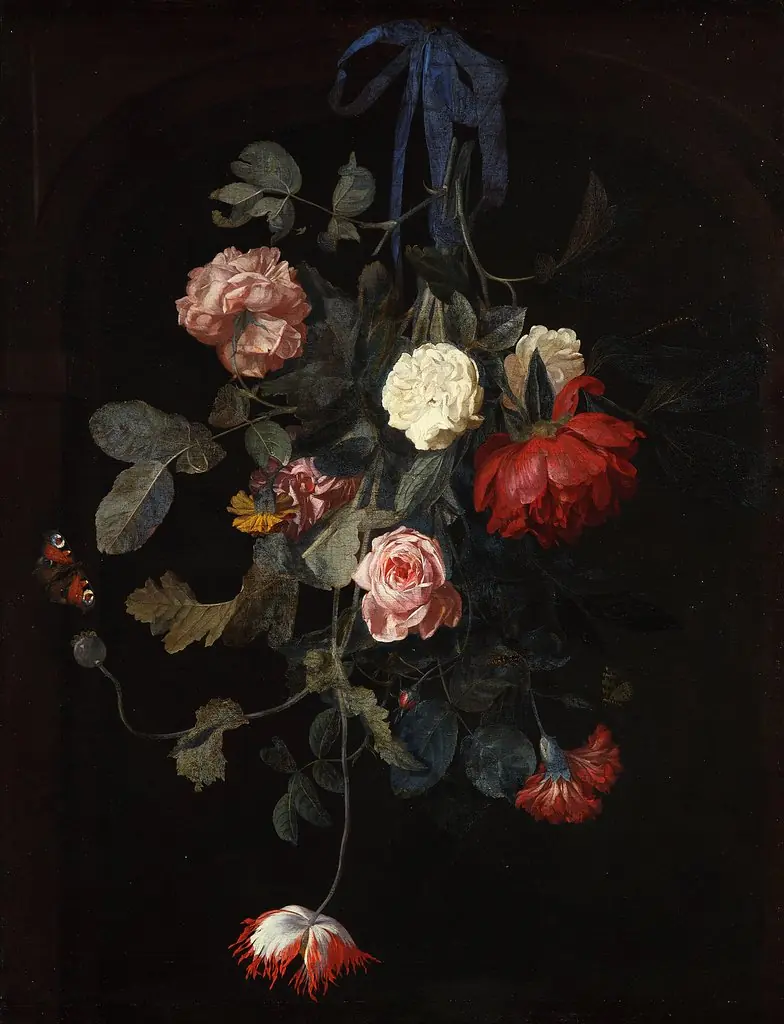
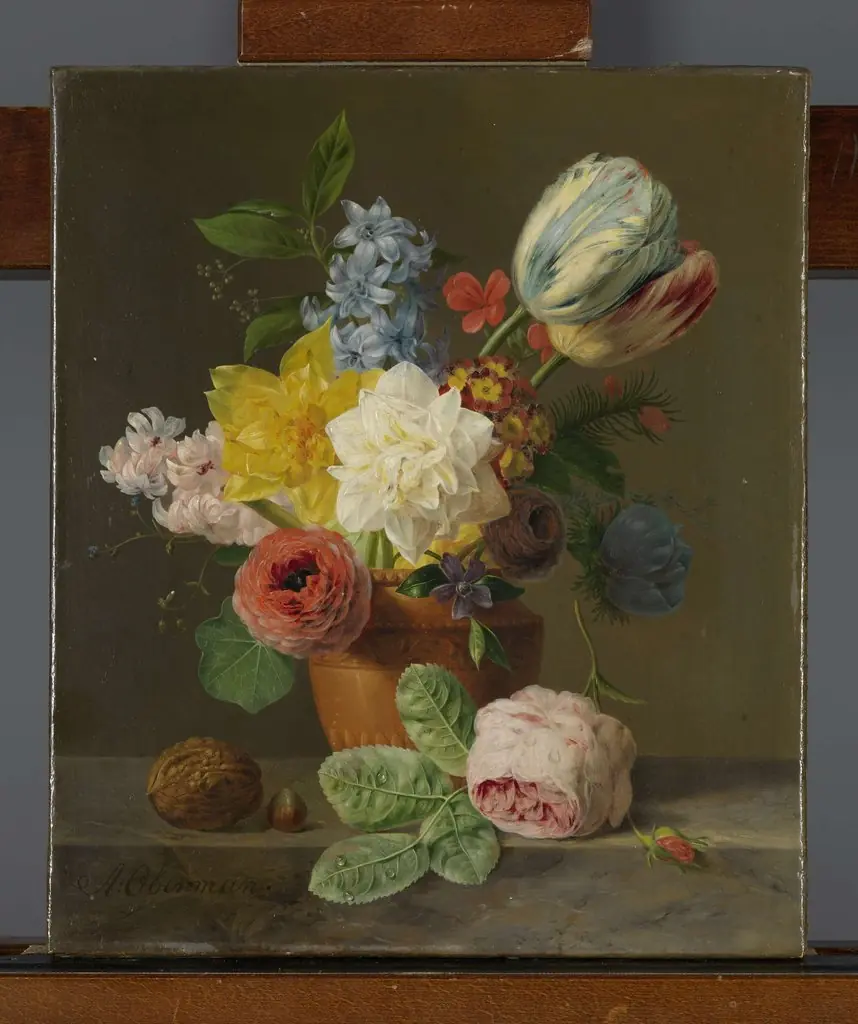
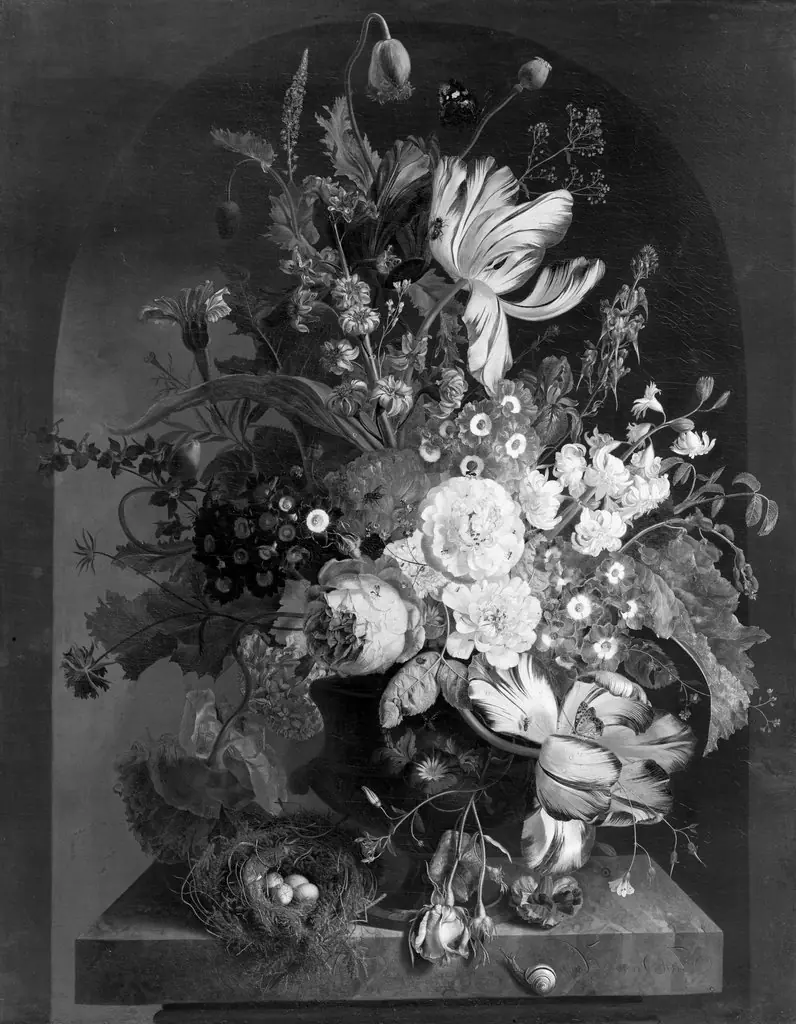
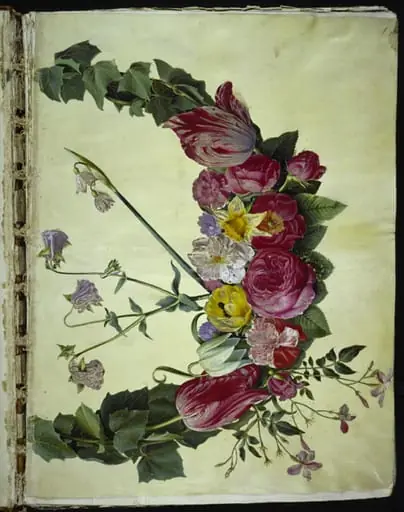
Attributed to a Dutch artist active around 1700, the work depicts a floral arrangement characteristic of the still-life genre.
Blumenstück is an oil painting executed on a support consistent with early 18th-century Dutch still-life traditions, though the specific material of the canvas or panel is not detailed in available records. Attributed to a Dutch artist active around 1700, the work depicts a floral arrangement characteristic of the still-life genre. The painting is currently housed in the Kunsthistorisches Museum, where it remains part of the permanent collection.
Stylistically, the piece reflects the formal conventions of Dutch flower painting from the turn of the 18th century, focusing on the detailed representation of botanical subjects.
History & Provenance
The painting Blumenstück is a still life work depicting flowers, created in the year 1700. While the specific artist remains unconfirmed in available records, the work is attributed to a Netherlandish master. The piece entered the collection of the Kunsthistorisches Museum, where it is currently housed and displayed.
No further details regarding its original commission, intermediate ownership history, or specific creation circumstances are provided in the current documentation.
Context
The still-life painting depicting flowers, attributed to Niederländisch and housed in the Kunsthistorisches Museum, emerged in 1700 as part of the broader Baroque still-life tradition in Northern Europe. Its precise composition and botanical detail reflect the period's fascination with naturalistic representation and the growing scientific interest in flora, situating it within the artist's oeuvre alongside contemporaries who specialized in floral subjects. The work's attribution and provenance at the Kunsthistorisches Museum underscore its significance within institutional collections of 18th-century European art.
Legacy
The still life titled Blumenstück by the Dutch painter later influenced Baroque decorative trends through its vibrant floral composition, shaping subsequent still life works in Central European collections.
Its legacy is anchored in the Kunsthistorisches Museum's continued display of the painting, underscoring its significance in art historical narratives of the period.
The work's attribution to Niederländisch and its 1700 date have been cited in scholarly assessments of Dutch influence in the region.
Overview
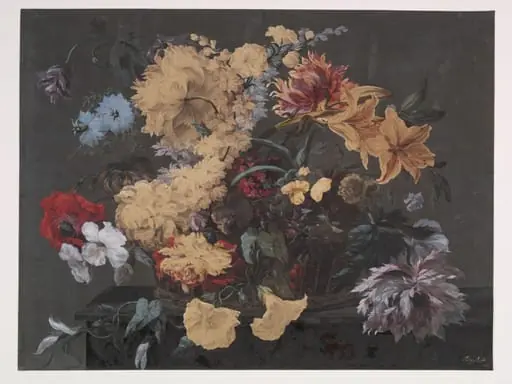
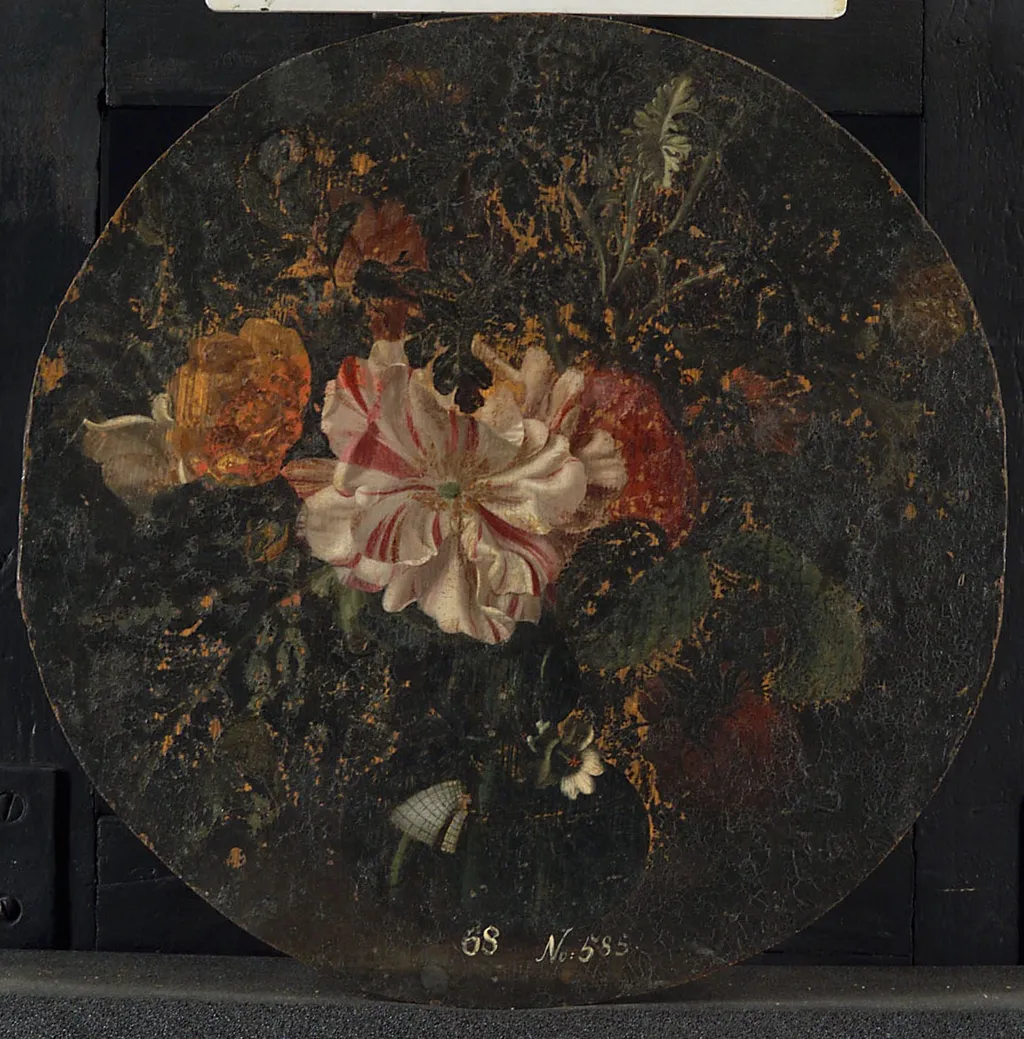
The work titled Blumenstück presents a small grouping of flowers set against a dark, irregular ground. A pale pink blossom with red streaks and a black centre dominates the composition, accompanied by a wilted orange flower and a diminutive white bloom on a green stalk. Scattered specks of gold and green punctuate the earthy background, creating a contrast that draws the eye to the delicate petals.
Subject & Meaning
The painting depicts a modest still life in which the flowers appear almost embedded in the soil, suggesting a moment of natural decline or accidental fall. The juxtaposition of vibrant petals with the somber, muddied surface may allude to themes of transience and the fragile beauty of flora amidst decay.
Artist & collection