Artwork
Ecce Homo
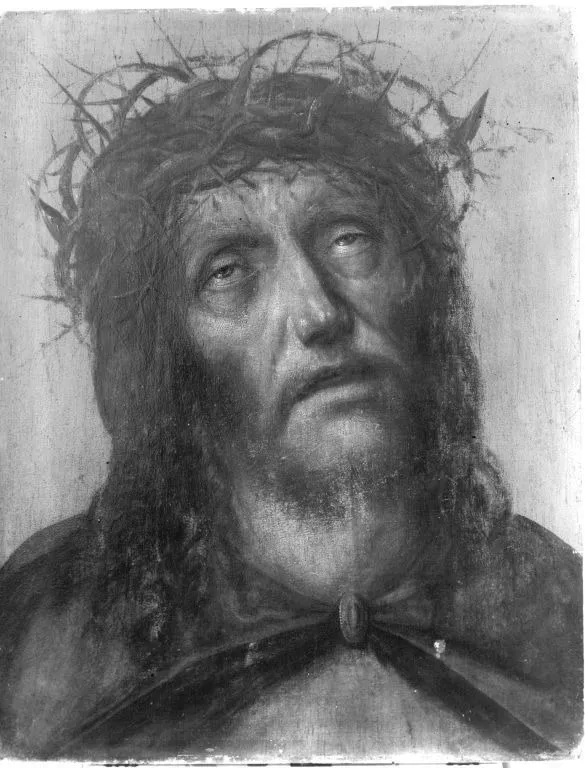
Ecce Homo is an oil painting by the Spanish Baroque Tenebrist artist Unknown. It dates from 1694 and is held in the collection of the Bavarian State Painting Collections.
About this work
Subject & Meaning
This subject draws on the biblical narrative of Christ's trial before Pontius Pilate, emphasizing themes of suffering, injustice, and the humanity of Christ.
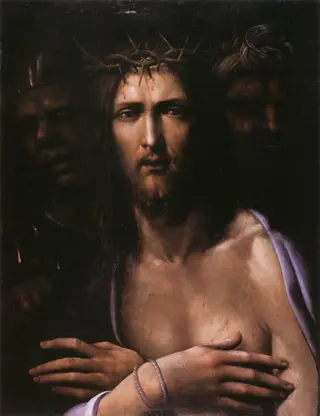
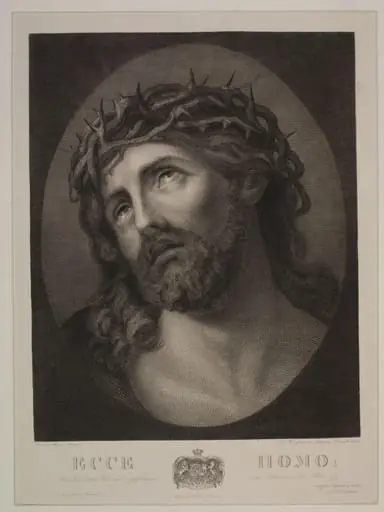
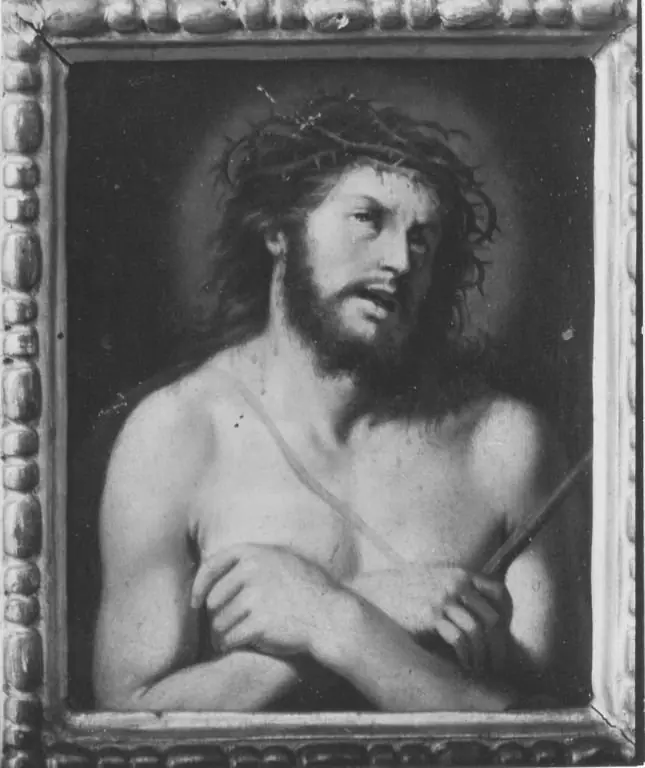
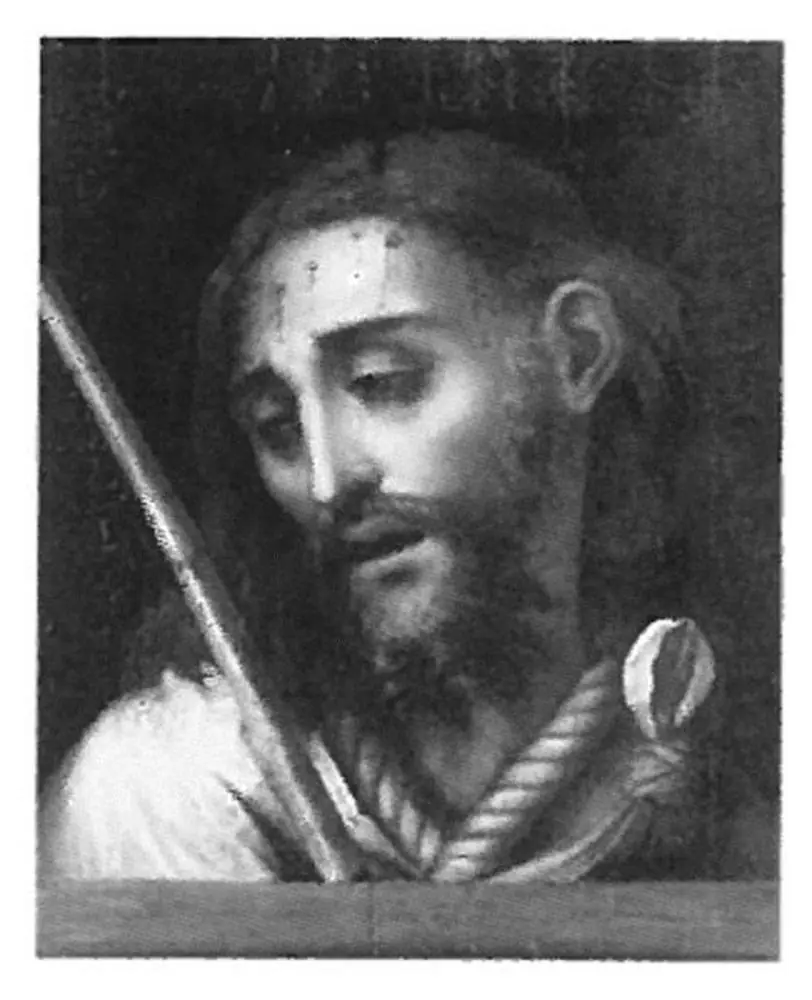
The painting portrays Jesus Christ at the moment of his condemnation, presenting him bound and crowned with thorns as the crowd declares 'Ecce Homo' (Behold the man). This subject draws on the biblical narrative of Christ's trial before Pontius Pilate, emphasizing themes of suffering, injustice, and the humanity of Christ. The work is classified as religious art within the Bavarian State Painting Collections, reflecting Counter-Reformation ideals of devotional imagery designed to evoke empathy and spiritual reflection.
Technique & Style
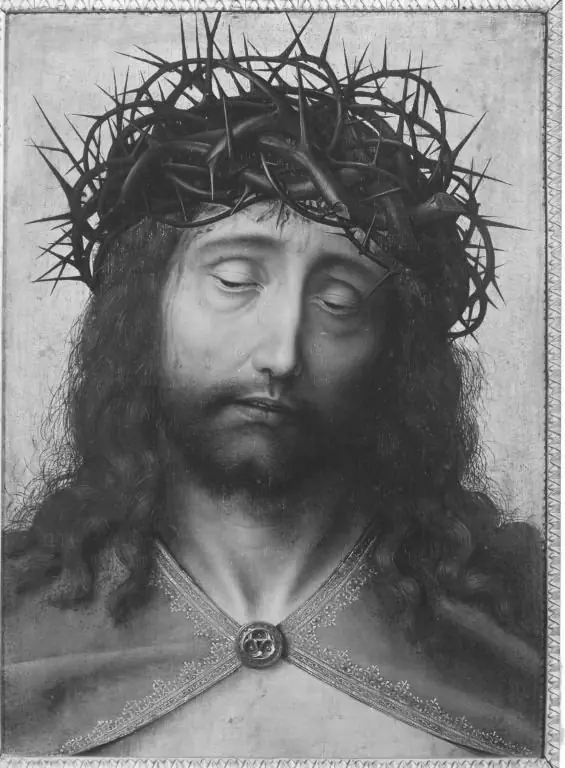
Ecce Homo is an oil painting executed on an oak panel, a support typical of Northern European panel painting traditions. The work measures 35.2 cm in height by 27.8 cm in width, giving it an intimate, small-scale format suited to private devotional viewing.
Classified as a religious painting, it depicts the Ecce Homo subject, the presentation of Jesus Christ, and is held in the Bavarian State Painting Collections at the Alte Pinakothek. The use of oil on oak aligns the work with traditional panel technique, while its modest dimensions and devotional subject place it within the conventions of late seventeenth-century religious imagery.
History & Provenance
The work titled Ecce Homo is an oil painting on oak panel created in 1687. It depicts Jesus Christ in a religious context and is attributed to the manner of Albrecht Dürer. The artwork measures 35.2 cm in height and 27.8 cm in width.
It belongs to the collection of the Bavarian State Painting Collections and is housed in the Alte Pinakothek.
The painting’s inception is recorded as 1687, aligning with its creation date. Its genre is classified as religious art, and it is categorized under religious paintings. The subject matter centers on the Ecce Homo theme, reflecting a significant moment in Christian narrative.
The provenance indicates long-term ownership and stewardship by the Bavarian State Painting Collections, ensuring its preservation and public access within the Alte Pinakothek.
The painting Ecce Homo (1687) is held by the Bavarian State Painting Collections (Bayerische Staatsgemäldesammlungen). It is housed in the Alte Pinakothek in Munich, where it forms part of the museum’s permanent collection.
The work is executed on an oak panel measuring 35.2 cm in height and 27.8 cm in width. No specific accession number or detailed exhibition history beyond its inclusion in the Alte Pinakothek is documented in the available sources.
Overview
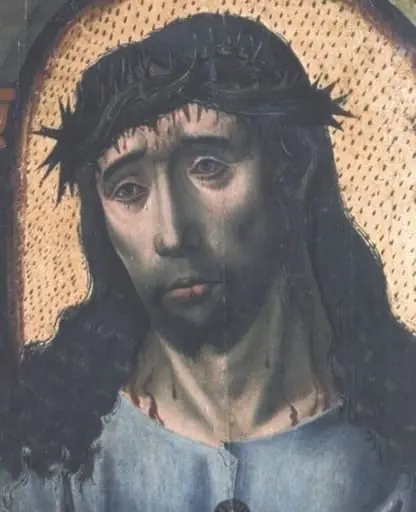
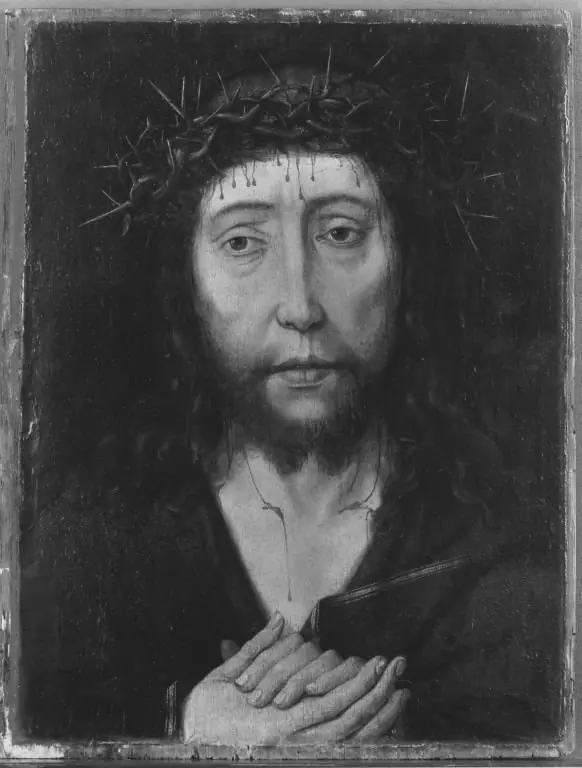
Ecce Homo is an oil painting depicting a poignant, close-up portrait of Jesus Christ. The composition focuses on his face, conveying a somber mood.
Context
The title 'Ecce Homo' (Behold the Man) references a biblical moment, suggesting the painting's subject is Jesus as presented by Pontius Pilate. This theme was common in Christian art, exploring themes of suffering and redemption.
Legacy
While specific impact or notable exhibitions of this particular 'Ecce Homo' are not detailed here, the work contributes to the broader tradition of Christian iconography in oil painting, with its use of chiaroscuro influencing later depictions of dramatic, emotionally charged scenes.
Artist & collection