Artwork
Ecce Homo, (reverse) Christ Blessing; The Disrobing of Christ, (reverse) Saint John the Baptist
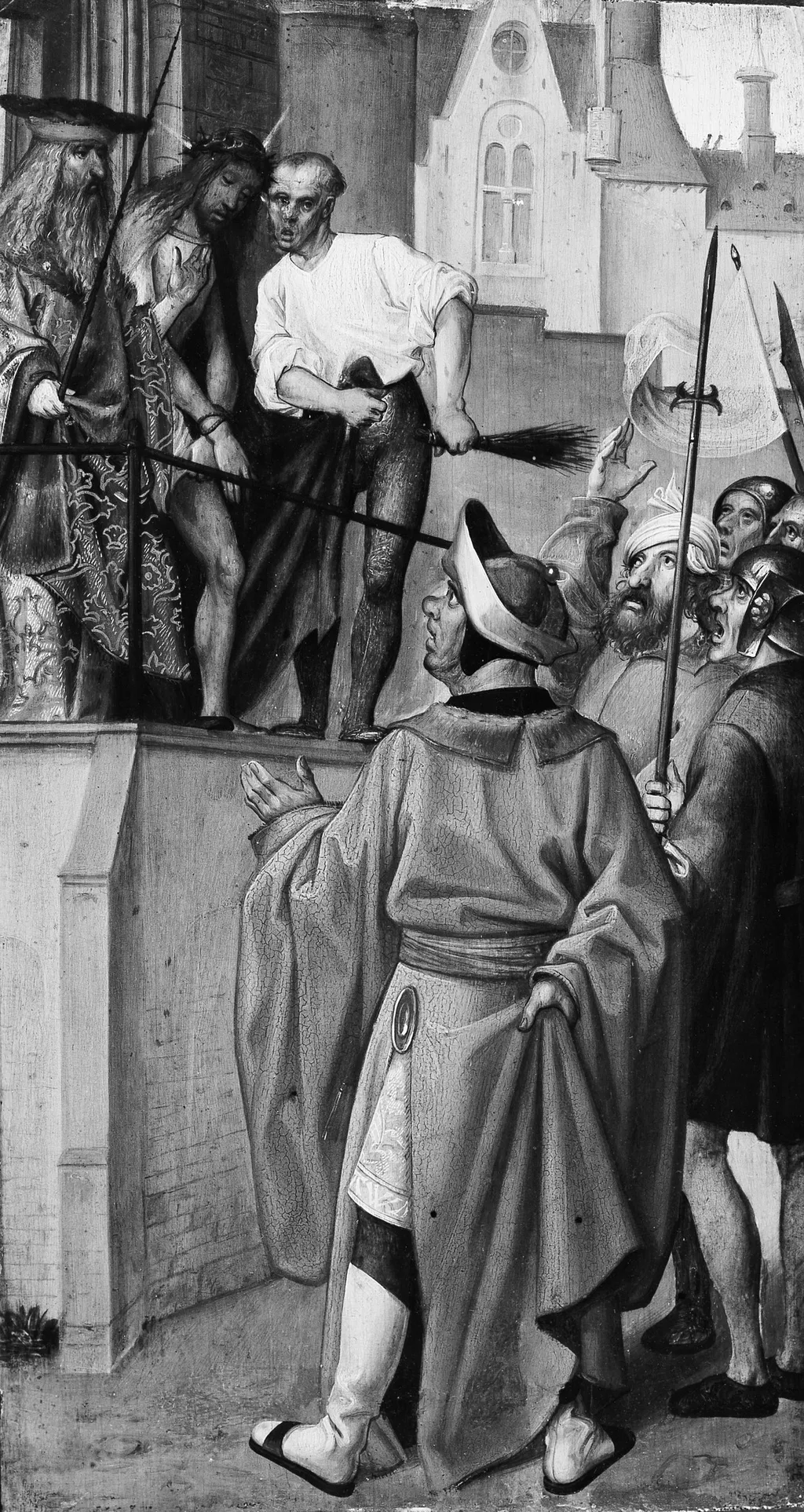
Ecce Homo, (reverse) Christ Blessing; The Disrobing of Christ, (reverse) Saint John the Baptist is an oil painting. It dates from 1507 and is held in the collection of the Metropolitan Museum of Art. This oil painting, known as The Disrobing of Christ, depicts a pivotal biblical event.
About this work
Subject & Meaning
The painting presents two related scenes from the Passion of Christ.
The painting presents two related scenes from the Passion of Christ. On the front it shows the ‘Ecce Homo’, the moment when Pontius Pilate presents a crowned and scourged Christ to the crowd, a standard iconographic reference to the mockery of Jesus. The reverse depicts Christ in a blessing gesture alongside the disrobing of Christ and a figure identified as Saint John the Baptist, linking the suffering Messiah with his prophetic precursor.
Both sides are dated to 1507 and executed in oil on panel. The work was produced by the workshop of Cornelis Engebrechtsz and is part of the Metropolitan Museum of Art's collection, underscoring its significance within early sixteenth-century Netherlandish religious art.
Technique & Style
These two small devotional panels are executed in oil paint on wood panel, a standard support for Early Netherlandish and Northern Renaissance painters working at the turn of the sixteenth century. The format is narrow and elongated, with each panel measuring approximately 41.9 cm in height by 22.2 cm in width, proportions well suited to private devotion or to the wings of a small portable altarpiece. The double-sided treatment of each panel allowed the workshop to pair contrasting subjects on a single support.
The works are classified as religious paintings and are attributed to the workshop of Cornelis Engebrechtsz, the Leiden painter whose production was characterized by such compact, crisply handled oil-on-panel devotional images. The modest scale and panel support are consistent with the workshop's known output of small-format religious works around 1507.
History & Provenance
The double-sided panel paintings, Ecce Homo (reverse: Christ Blessing) and The Disrobing of Christ (reverse: Saint John the Baptist), were created in 1507. Attributed to the workshop of Cornelis Engebrechtsz, these religious works were executed in oil paint on panel and measure 41.9 cm in height by 22.2 cm in width. They are held in the collection of the Metropolitan Museum of Art in New York, where they are catalogued as religious oil paintings on panel within the early Netherlandish tradition associated with Engebrechtsz's workshop. No specific accession number or exhibition history is recorded in the available documentation.
Overview
This oil painting, known as The Disrobing of Christ, depicts a pivotal biblical event. It is a double-sided work, with Saint John the Baptist appearing on its reverse. The artwork is visually impactful, characterized by its dramatic contrasts of light and shadow and the textured application of paint, which together create a powerful sense of depth and emotional intensity within the scene.
Artist & collection

- Ecce Homo
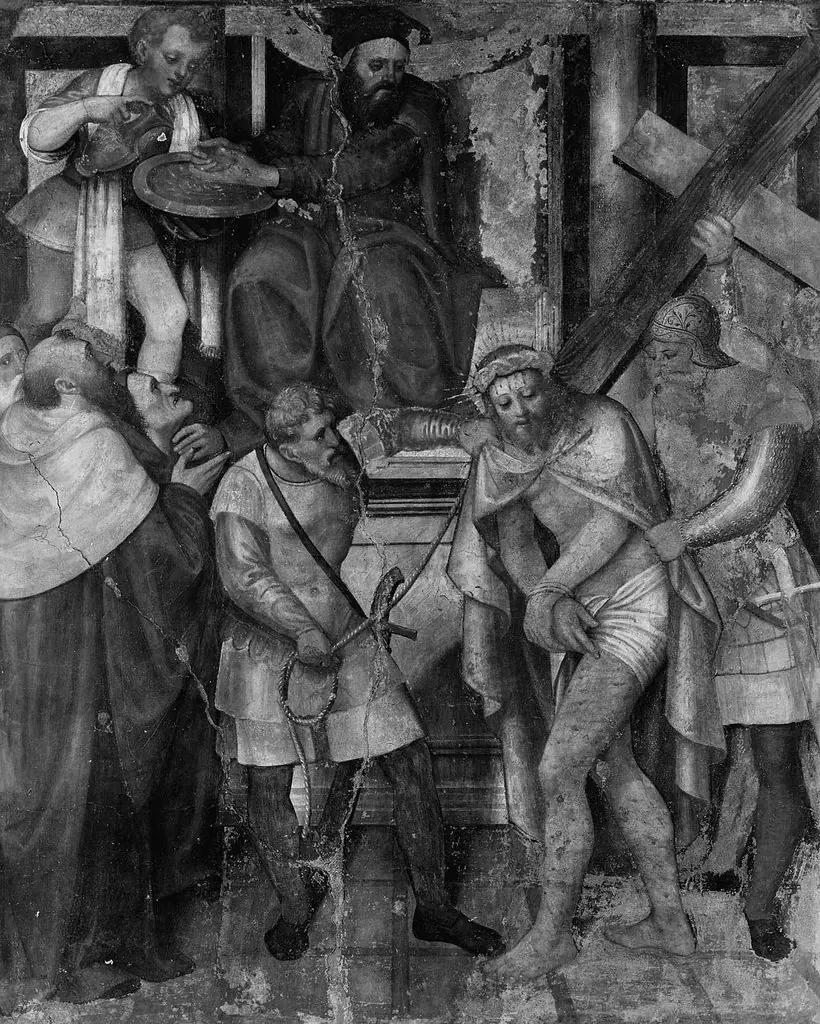 Christ before Pilate
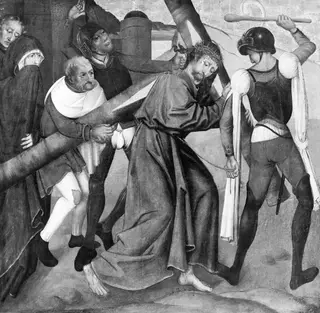 Carrying the Cross
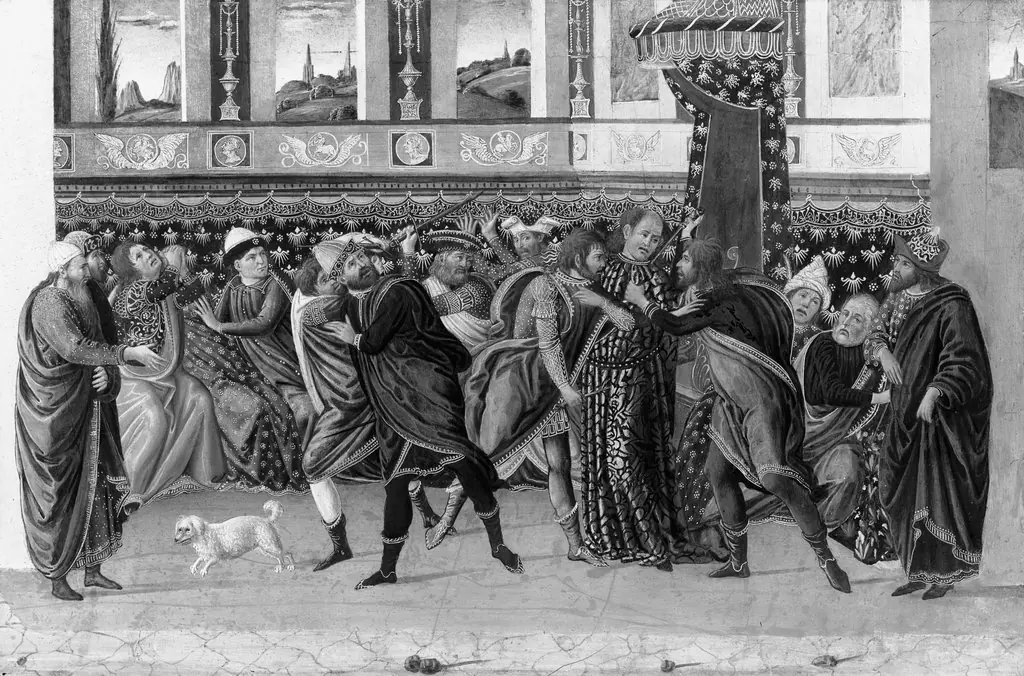 Julius Caesar's assassination
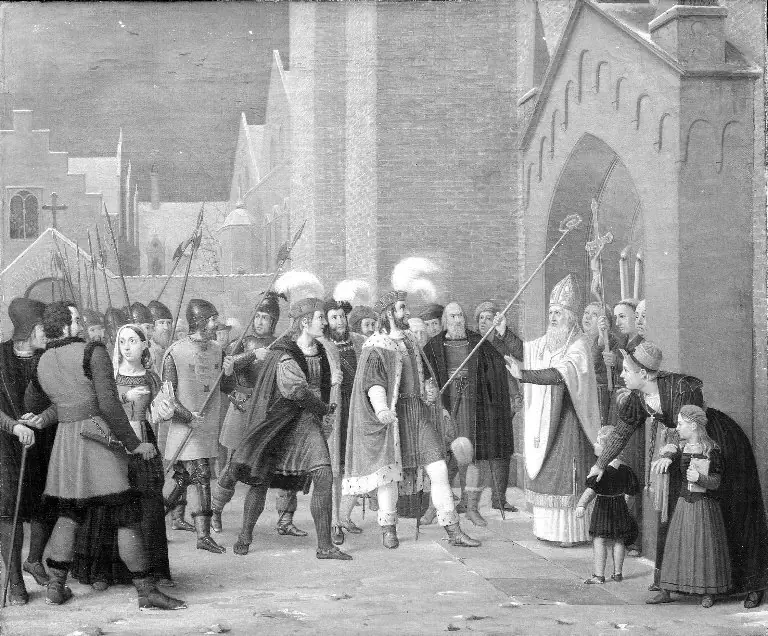 Svend Estridsen and Bishop Vilhelm
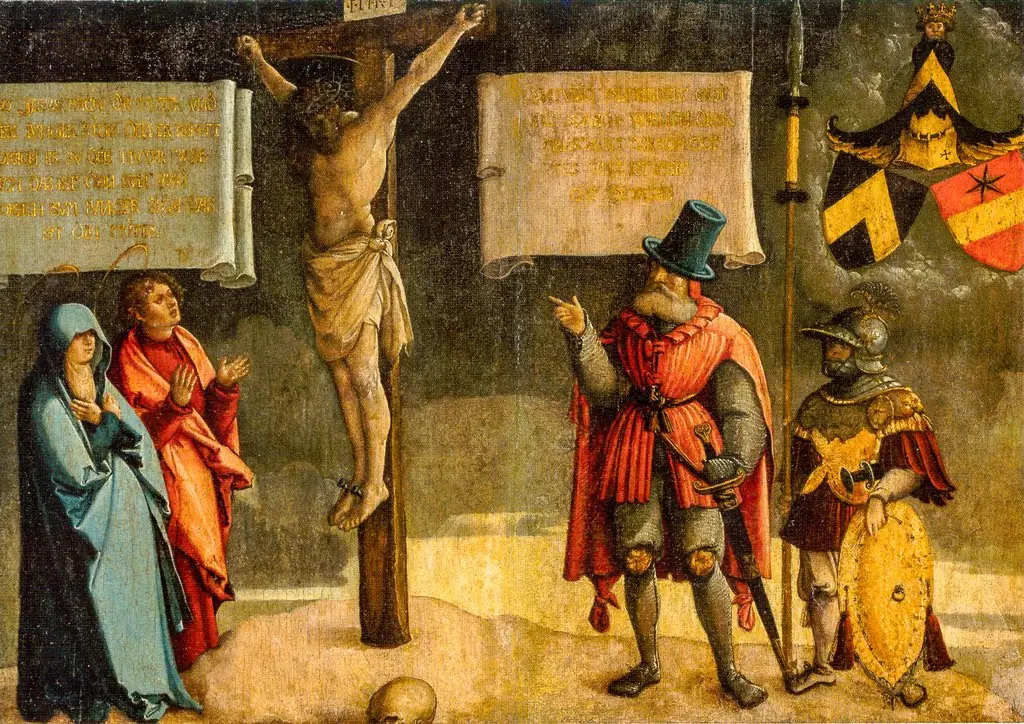 Votivtafel des Johann von Ehingen-Neuneck
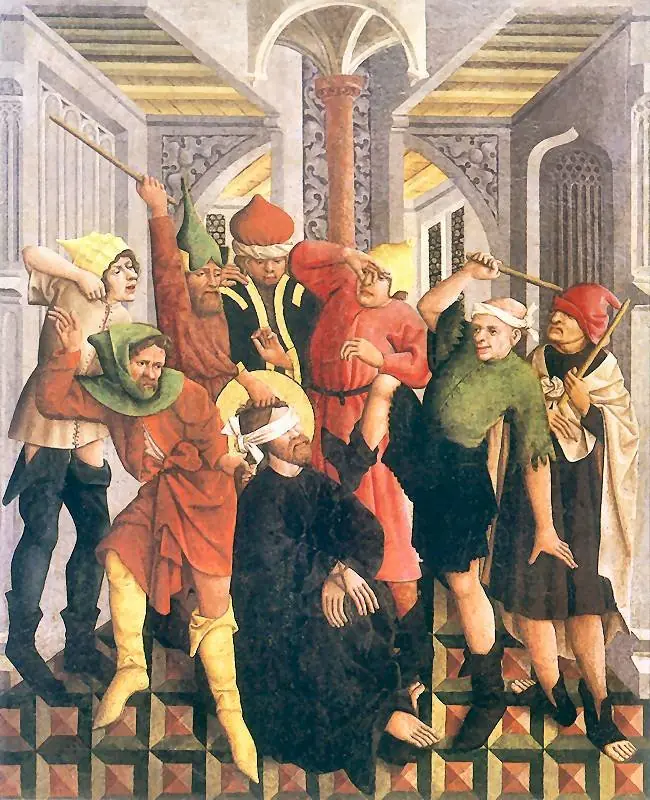 Mocking of Christ (Quarter from Augustinian polyptych)
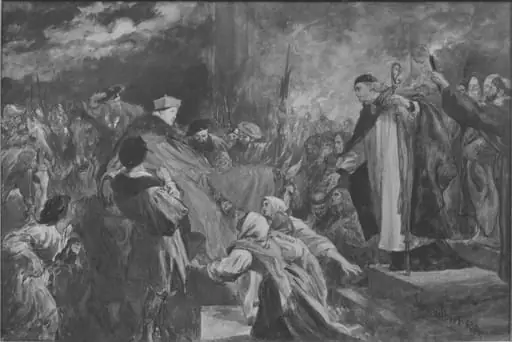 The arrival of Cardinal Wolsey at Leicester Abbey, 1530
![Christ Healing the Lame [verso]](https://artifactworldgallery.com/img/christ-healing-the-lame-verso--5970f592c4661e14-w320.webp) Christ Healing the Lame [verso]
Christ Healing the Lame [verso]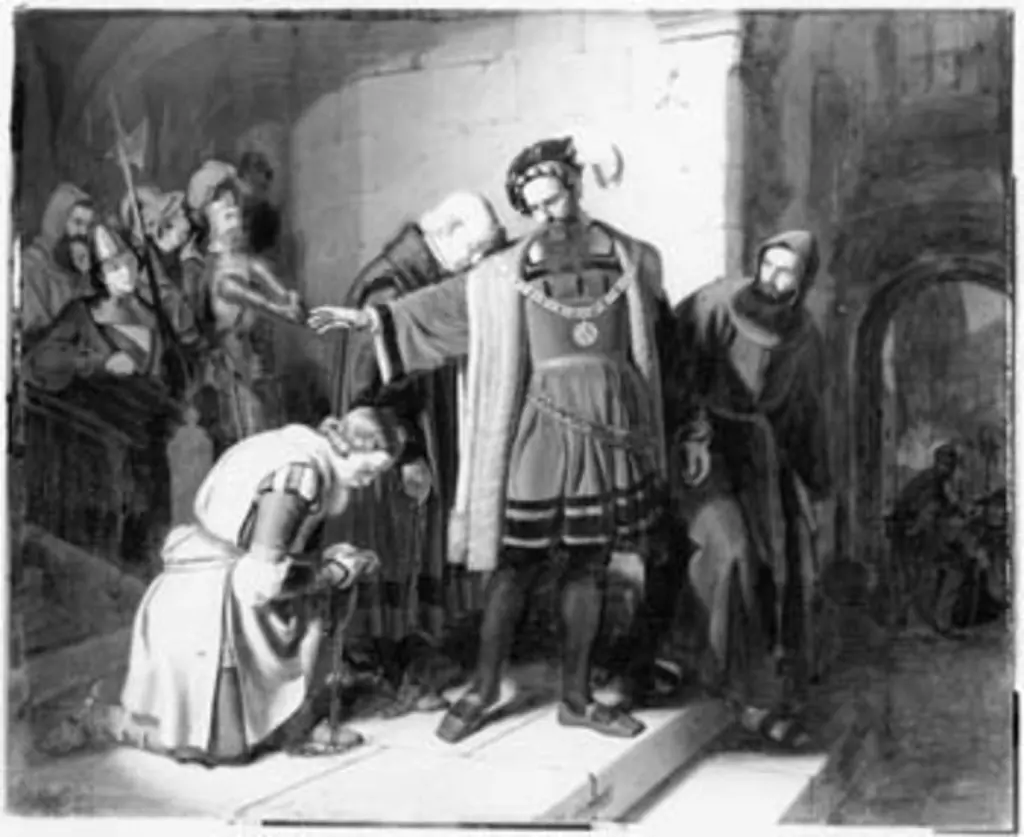 Bürgermeister Waldmanns Abschied von seinen Mitgefangenen
 Lignelsen om de betroede pund
 The Captain Regains His Freedom