Artwork
Folio 2, from a Kalpa-sutra and Story of Kalakacharya of Devachandra: Enthroned Monk Gautama (recto); Text (verso)
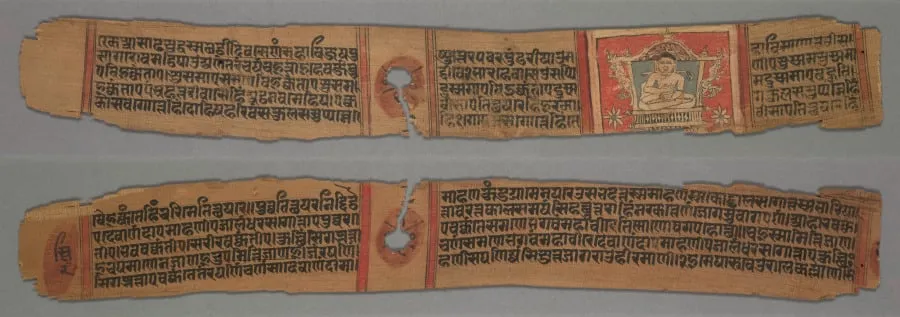
Folio 2, from a Kalpa-sutra and Story of Kalakacharya of Devachandra: Enthroned Monk Gautama (recto); Text (verso) is an unspecified painting by the Indian Miniature artist Unknown. It dates from 1279 and is held in the collection of the Cleveland Museum of Art. Folio 2 is a narrow, aged paper leaf taken from a manuscript of the Kalpa‑sutra and the Story of Kalakacharya attributed to Devachandra.
- Accession no.
- 1971.123
- Credit line
- Purchase from the J. H. Wade Fund
About this work
Overview
Folio 2 is a narrow, aged paper leaf taken from a manuscript of the Kalpa‑sutra and the Story of Kalakacharya attributed to Devachandra. The recto bears a small painted vignette of the monk Gautama seated on a throne within a red border, while the verso is occupied by dense script in red and black ink, much of it faded or rubbed away.
Subject & Meaning
The painted scene depicts Gautama, a revered monk, enthroned and surrounded by ornamental motifs, suggesting a devotional or hagiographic purpose. The accompanying text on the reverse likely narrates episodes from the Kalpa‑sutra, reinforcing the monk’s spiritual authority and the doctrinal teachings associated with his lineage.
Technique & Style
The illustration employs a limited palette of vermilion, black, and gold against a yellowed paper background. Gold leaf and floral patterns frame the figure, a hallmark of the Patan school’s decorative aesthetic. The script on the verso is rendered in a traditional black ink with occasional red emphasis, characteristic of medieval Nepalese religious manuscripts.
History & Provenance
The folio originates from the Patan region of Nepal, where the Kalpa‑sutra tradition flourished. Though the precise ownership trail is unclear, such manuscripts were typically produced in monastic scriptoria and later collected by scholars or museums interested in Himalayan Buddhist art.
Context
During the medieval period, Patan artists combined Indian iconographic conventions with local decorative sensibilities, resulting in richly ornamented religious texts. This folio exemplifies that synthesis, serving both as a visual focal point for meditation and as a textual source for ritual instruction.
Legacy
Objects like this folio provide insight into the transmission of Buddhist narratives across the Himalayas and the material culture of Nepalese monastic communities. Their preservation aids scholars in tracing stylistic developments and the interplay between text and image in devotional practice.
Artist & collection









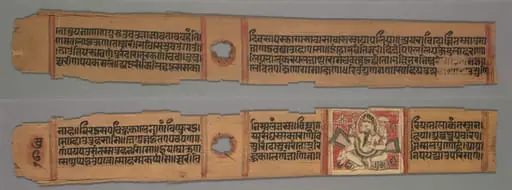
- Folio from a Kalpa-sutra and Story of Kalakacharya of Devachandra: Text (recto); Brahmanshanti Yaksha (verso)
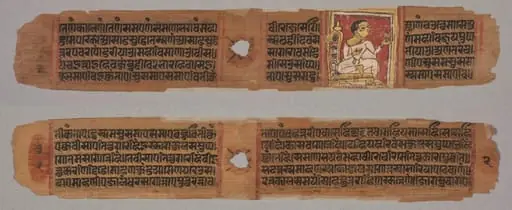 Folio 2, from a Kalpa-sutra and Story of Kalakacharya: Monk Holding a Flower (recto); text (verso)
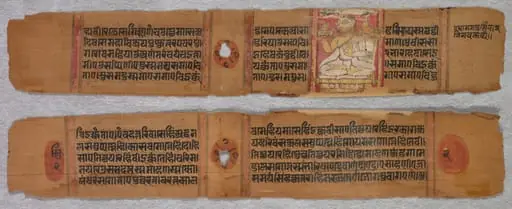 Folio 2, from a Kalpa-sutra: A Monk Preaching (recto); Text (verso)
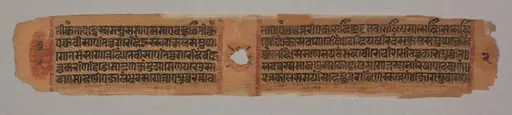 Folio 2 (verso), from a Kalpa-sutra and Story of Kalakacharya
 Folio (recto) from a Kalpa-sutra and Story of Kalakacharya of Devachandra: Text
 Leaf from a Jain Manuscript: Kalpa-sutra: The Monk Gautama, Enthroned (recto)
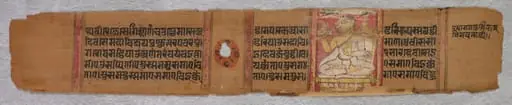 A Monk Preaching: Folio 2 (recto), from a Kalpa-sutra
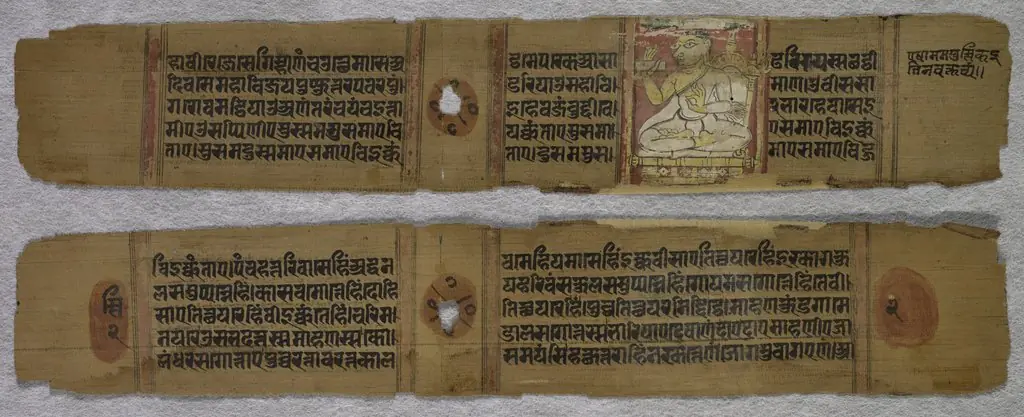 Folio 2, from a Kalpa-sutra: A Monk Preaching (recto); Text (verso)
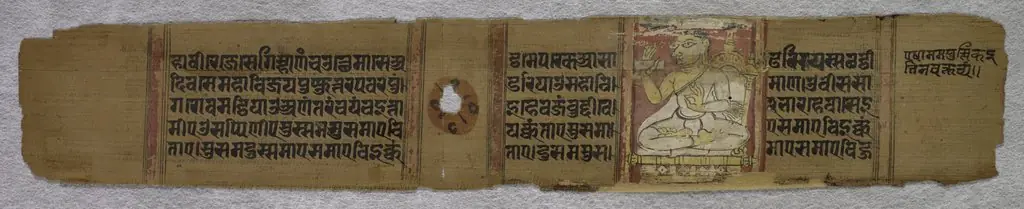 A Monk Preaching: Folio 2 (recto), from a Kalpa-sutra
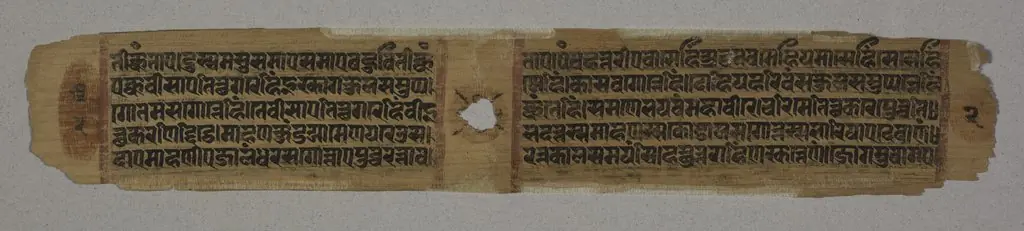 Folio 2 (verso), from a Kalpa-sutra and Story of Kalakacharya
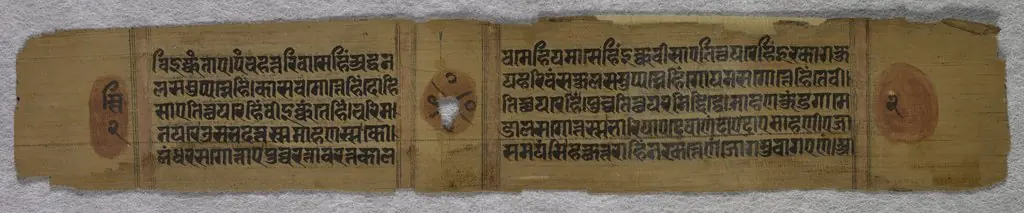 Text: Folio 2 (verso), from a Kalpa-sutra
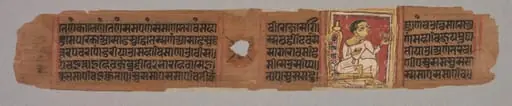 Monk Holding a Flower: Folio 2 (recto), from a Kalpa-sutra and Story of Kalakacharya