Artwork
Grablege Christi
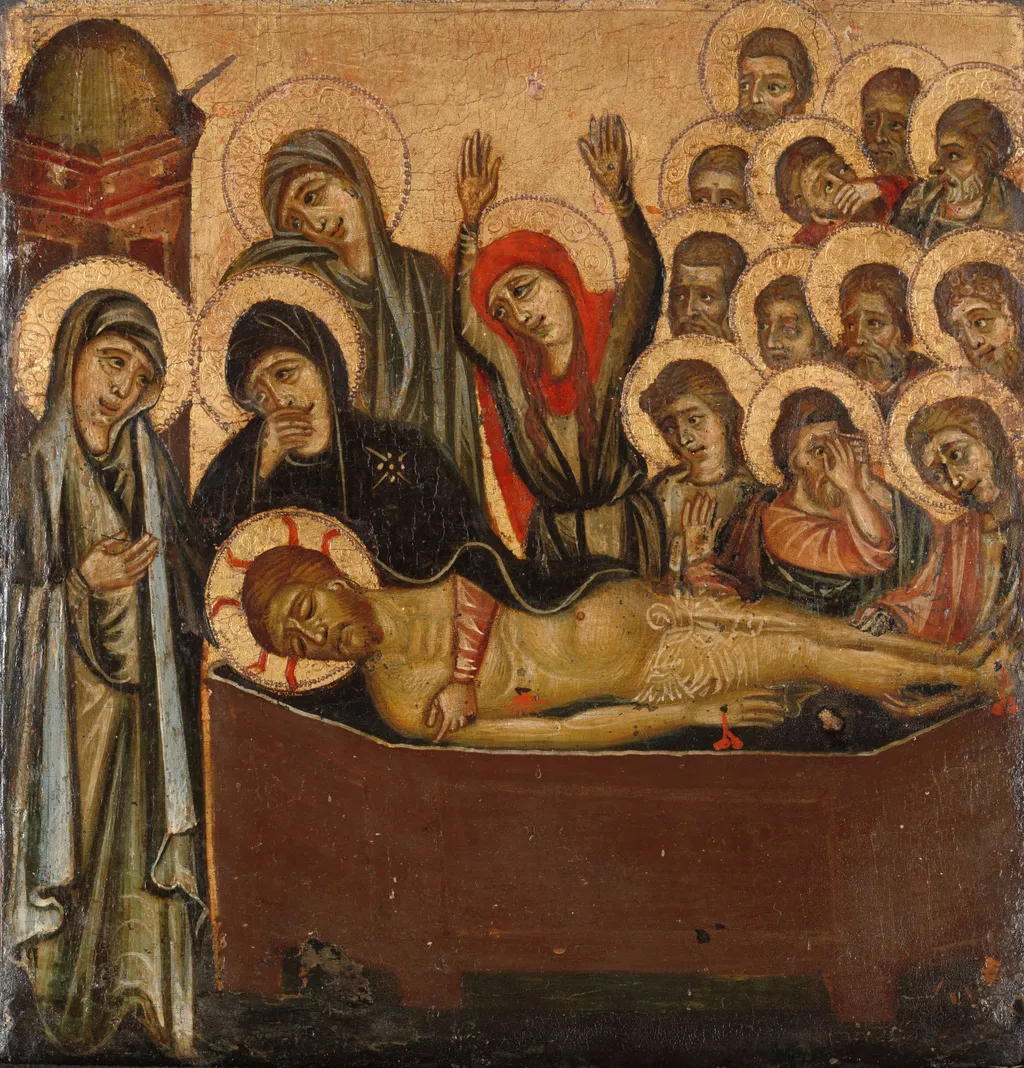
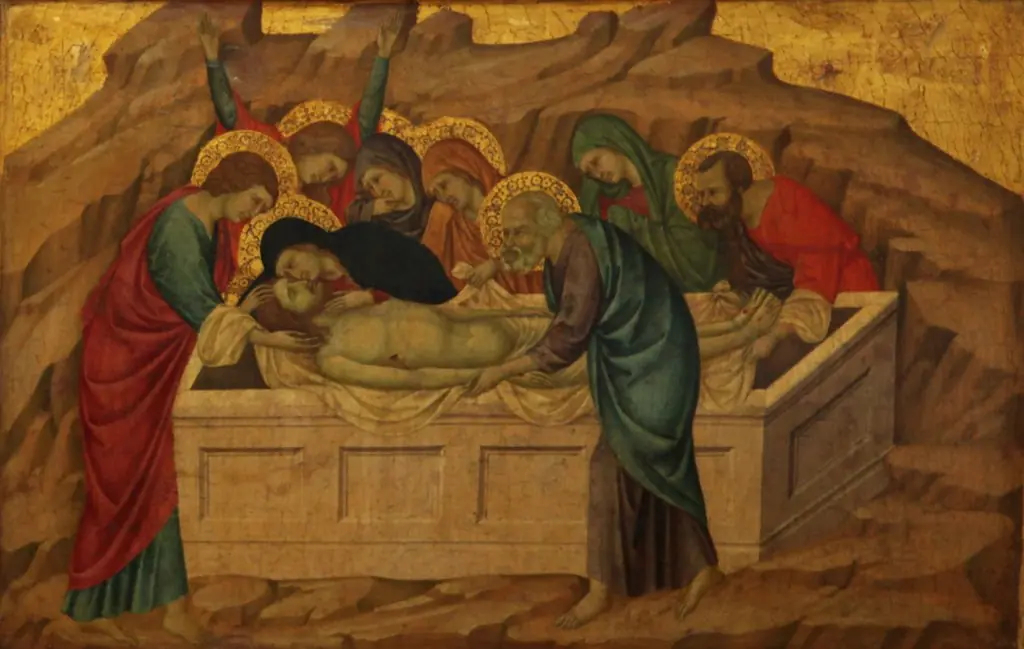
Grablege Christi is a tempera painting by the Italo Byzantine artist Unknown. It dates from 1290 and is held in the collection of the Rijksmuseum.
About this work
The Rijksmuseum holds this painting, which offers a glimpse into the artistic styles of the 13th century.
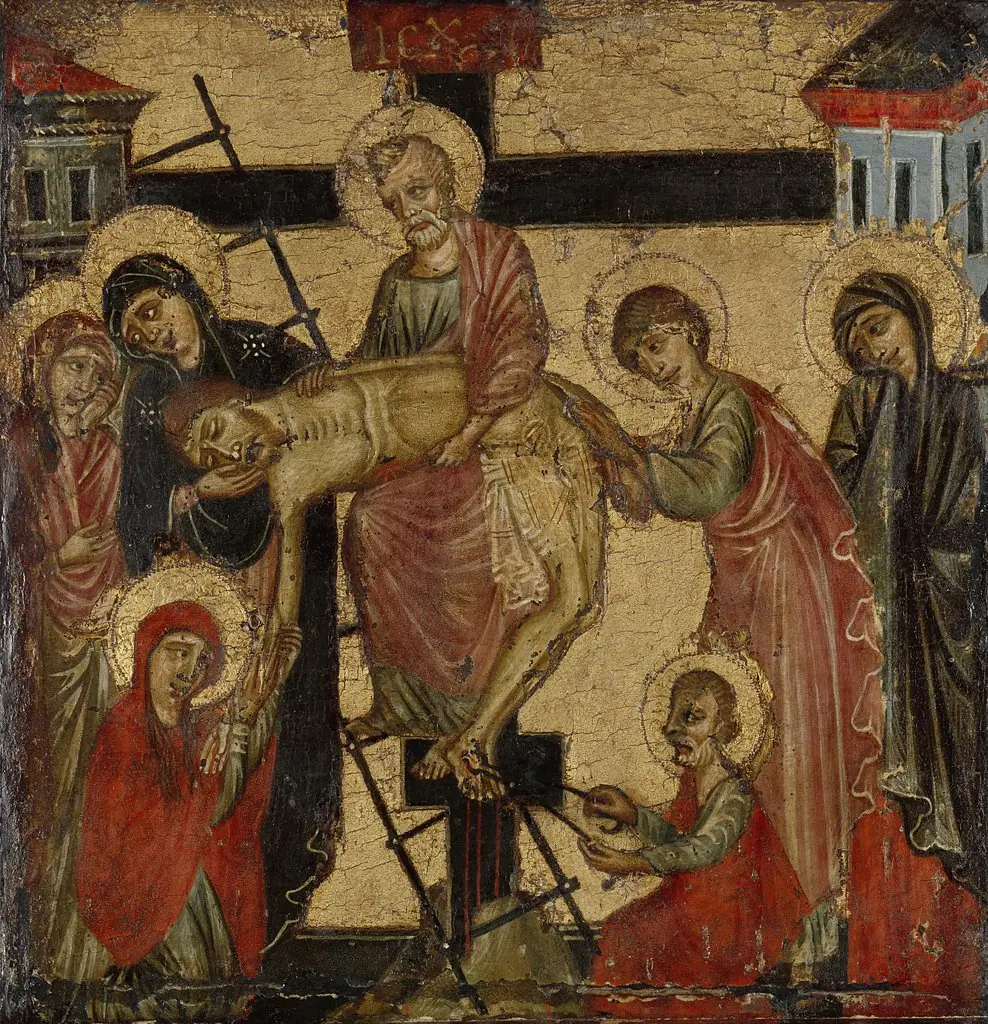
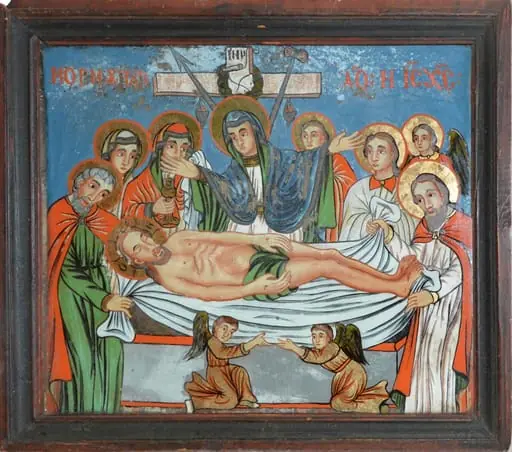
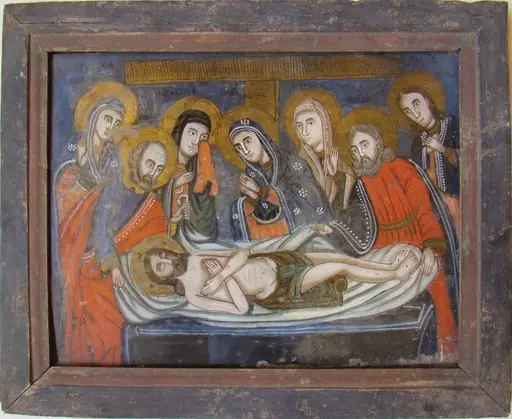
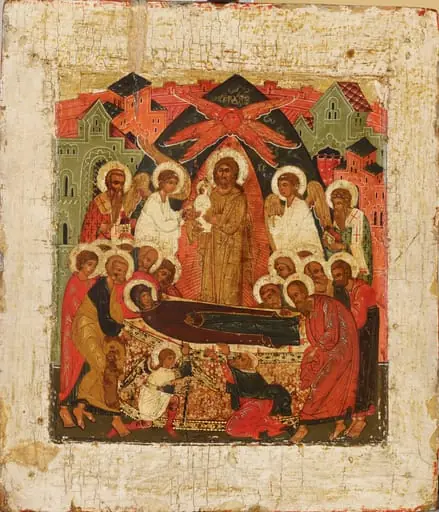
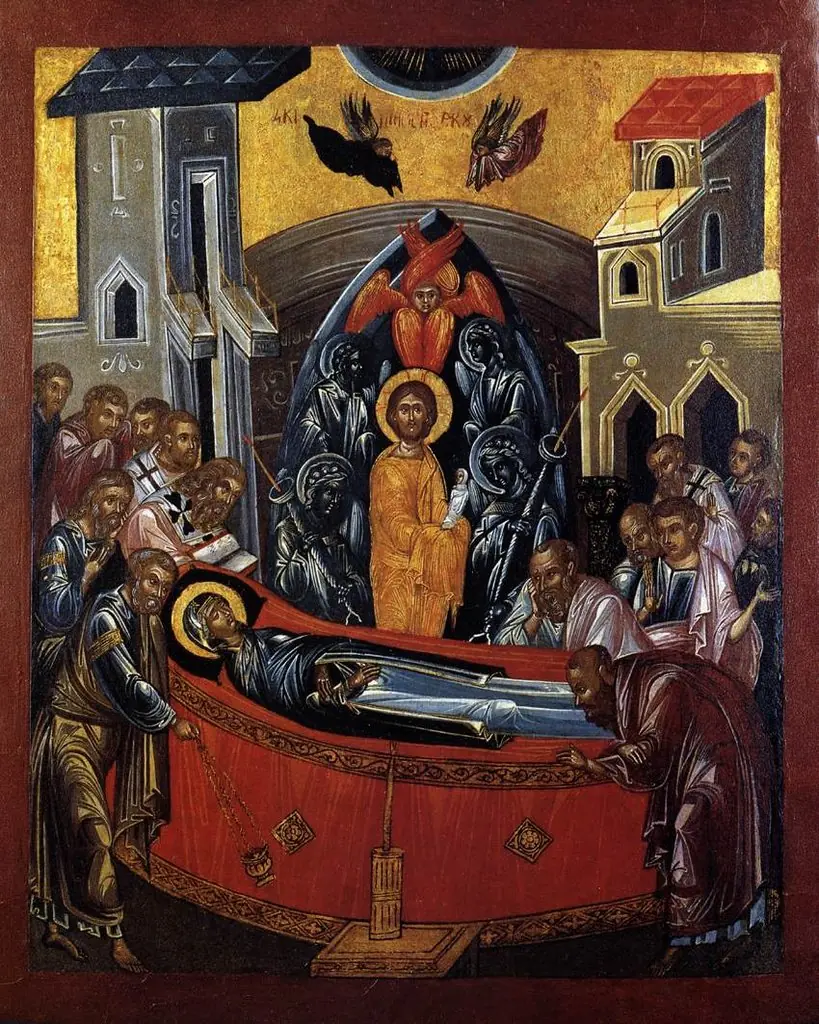
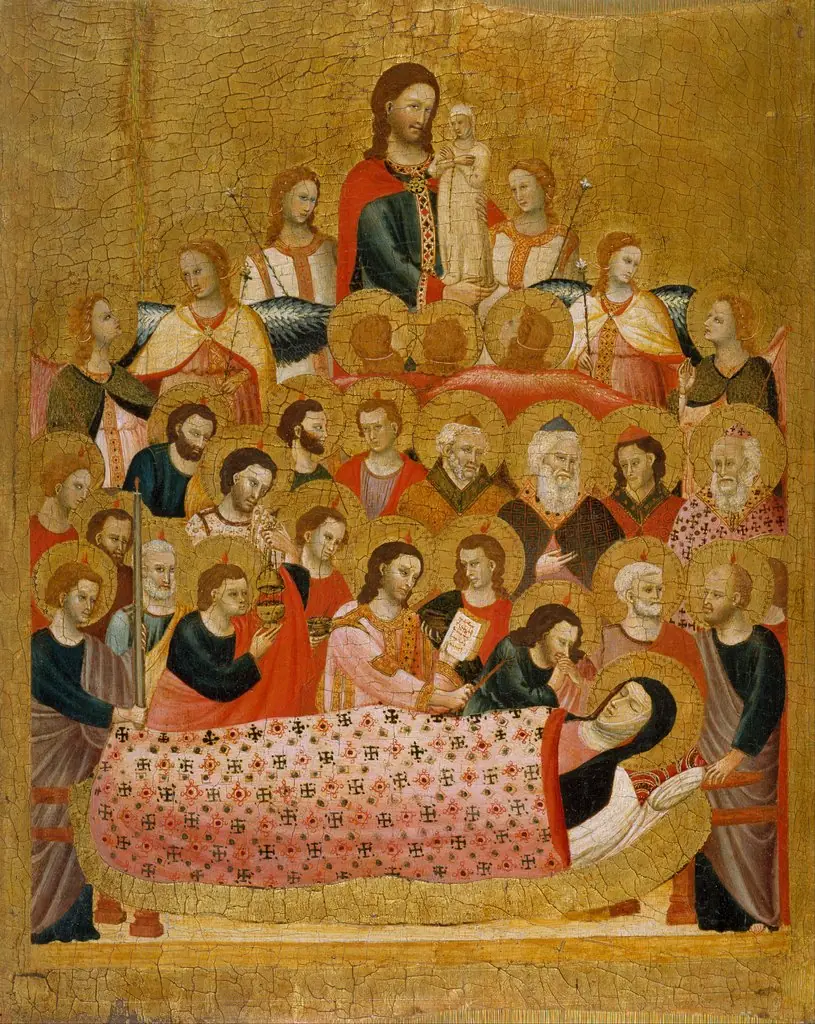
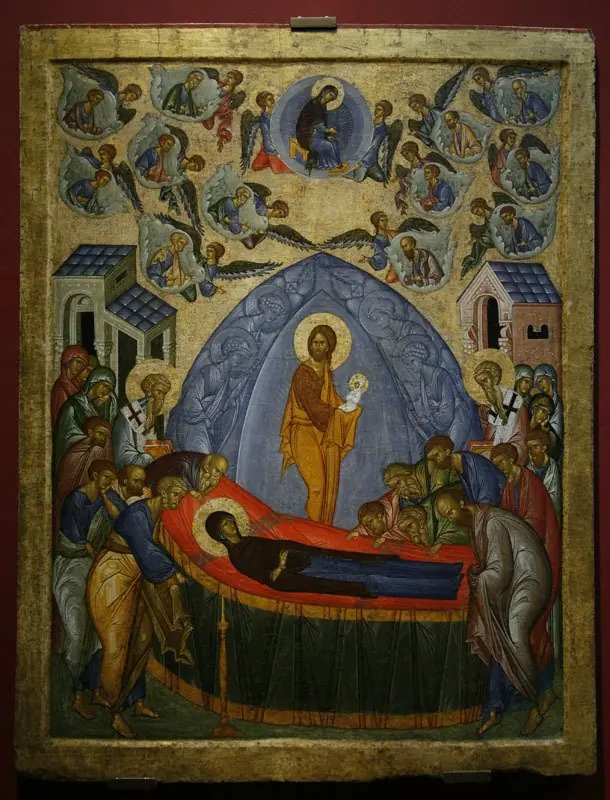
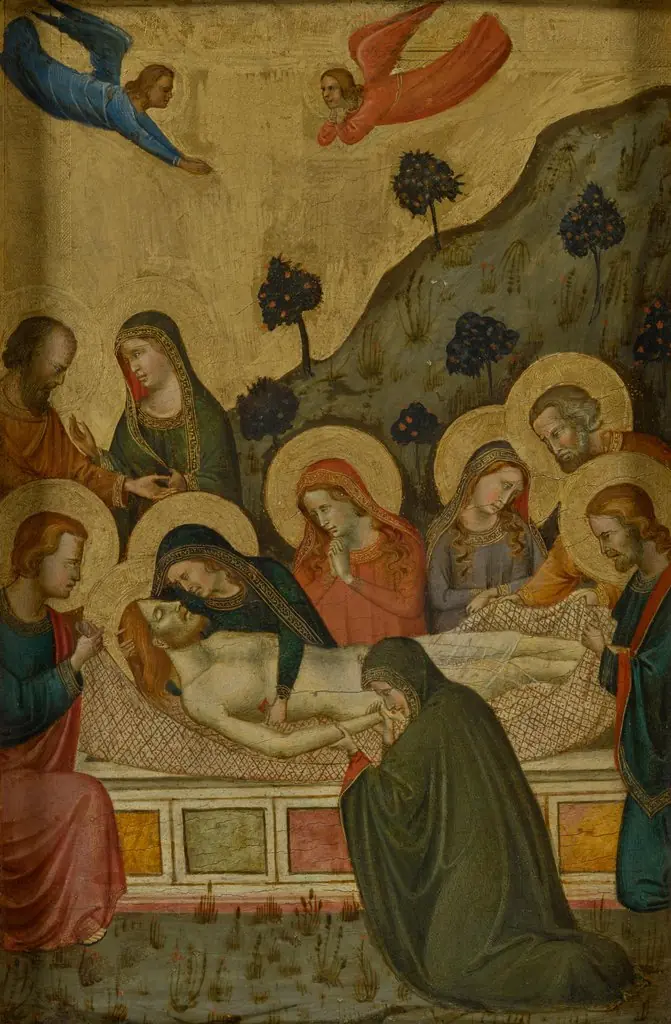
This painting depicts a somber scene of the Lamentation of Christ. In the foreground, Christ's body lies on a table, surrounded by a group of mourners. The mourners are dressed in dark robes and are shown with their hands raised in a gesture of grief.
The painting is rendered in tempera, a technique that gives the image a sense of depth and texture. The colors are muted, with shades of brown and gold dominating the palette. The Rijksmuseum holds this painting, which offers a glimpse into the artistic styles of the 13th century.
Overview
Grablege Christi is a tempera painting that portrays the Lamentation of Christ. The composition centers on the dead Christ laid upon a table, surrounded by a group of mournful figures whose hands are raised in grief. The work is characterized by a restrained palette of browns and golds, creating a solemn atmosphere appropriate to its devotional theme.
Subject & Meaning
The scene captures the moment after the crucifixion when followers of Jesus gather to mourn his body. The figures, clothed in dark robes, convey collective sorrow through their gestures and expressions, emphasizing the theological focus on Christ’s sacrifice and the human response of lamentation.
Technique & Style
Executed in tempera, the painting achieves a subtle depth and texture through layered pigments. The medium’s quick-drying nature contributes to the precise rendering of forms and the muted tonal range. The limited color scheme of earth tones and gold reflects the aesthetic conventions of late medieval religious art, prioritizing spiritual solemnity over naturalistic detail.
History & Provenance
Grablege Christi is part of the collection of the Rijksmuseum in Amsterdam. Although the exact date of creation is not recorded, its stylistic attributes align with artistic practices of the 13th century, offering insight into the visual language of medieval devotional painting.
Artist & collection