Artwork
Henry Scudder Platt
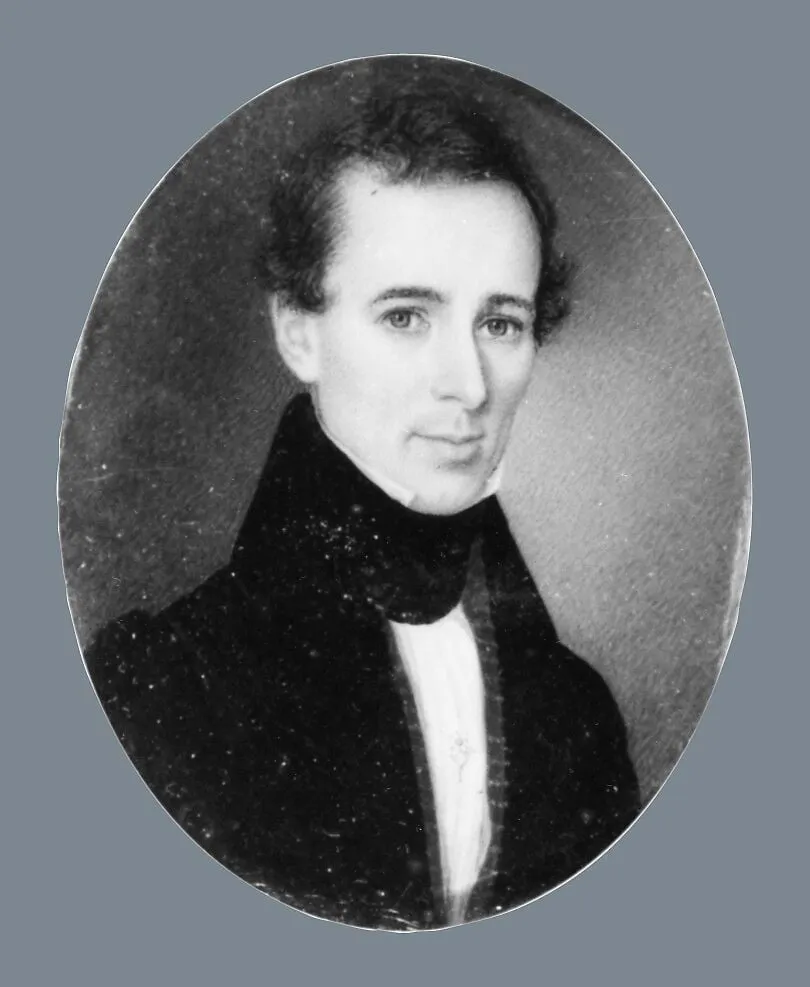
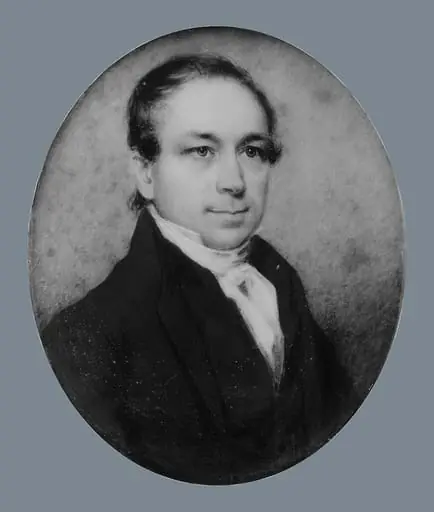
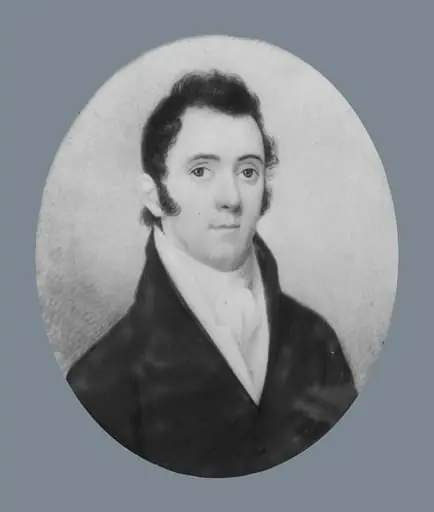
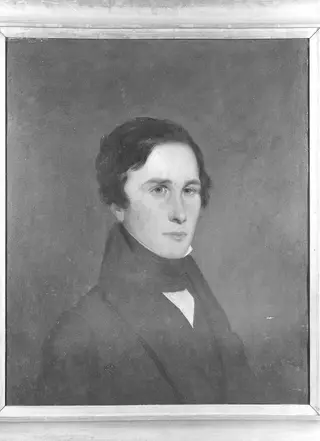
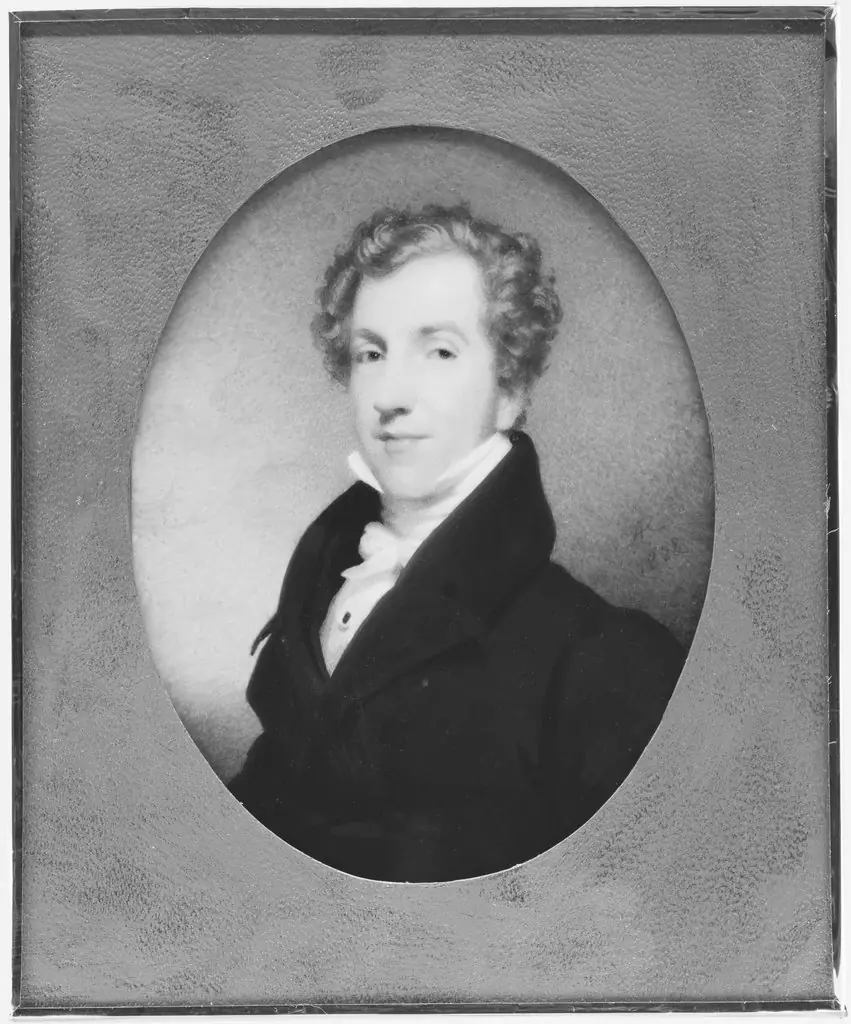
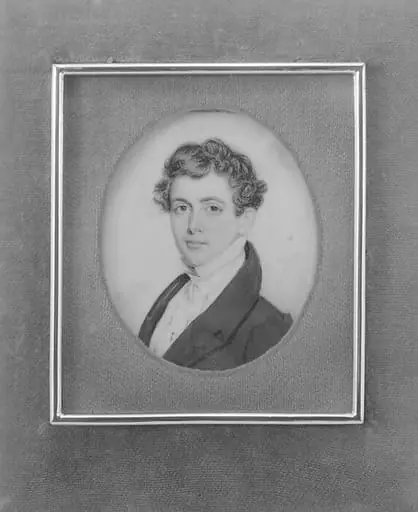
Henry Scudder Platt is a watercolor painting. It dates from 1830 and is held in the collection of the Metropolitan Museum of Art.
About this work
Subject & Meaning
As a portrait executed in watercolor on ivory and housed within a vermeil locket, the object's primary meaning lies in its function as a personal memento.
The work depicts a man, specifically identified as Henry Scudder Platt, presented in the format of a miniature portrait. Created in 1830, the piece focuses entirely on the individual's likeness without incorporating additional narrative scenes, allegorical figures, or complex symbolic elements. As a portrait executed in watercolor on ivory and housed within a vermeil locket, the object's primary meaning lies in its function as a personal memento.
The inclusion of a lens with hair on the verso further emphasizes its role as an intimate keepsake intended for close viewing and remembrance rather than public display or broader iconographic storytelling.
Technique & Style
Created in 1830, this portrait of Henry Scudder Platt is executed in watercolor on ivory, a medium characteristic of miniature portraiture from the period. The work is housed within a vermeil locket, which serves as both its protective casing and display format. The reverse side of the locket features a lens covering a lock of hair, a common sentimental addition in early 19th-century jewelry.
Measuring 6.2 cm in height and 4.9 cm in width, the piece represents a small-scale, intimate depiction of a man. The anonymous artist employed the delicate handling typical of the genre to render the subject's likeness on the fragile ivory support.
History & Provenance
Created in 1830, the miniature portrait Henry Scudder Platt is executed in watercolor on ivory set within a vermeil locket, the reverse housing a lock of hair beneath a lens. The work is classified as an American portrait and is part of the Metropolitan Museum of Art's American Wing collection, measuring 6.2 by 4.9 cm. No record of a specific commission or subsequent owners is documented; the piece entered the museum's holdings as an anonymous work, its attribution based on stylistic and contextual analysis, and remains among the museum's permanent holdings.
Context
The portrait, dated 1830, is rendered in watercolor on ivory and set within a vermeil locket, with the reverse featuring a hair-filled lens; its dimensions measure roughly 6.2 × 4.9 cm. It is catalogued as a portrait in The American Wing of the Metropolitan Museum of Art, where it exemplifies the early nineteenth-century American practice of embedding fine miniatures in personal jewelry. Such works are significant for revealing the anonymous nature of much early portraiture and the convergence of artistic production with decorative arts in the United States.
Overview
This miniature portrait, titled "Henry Scudder Platt," presents a young man within a vermeil locket. Executed in watercolor on ivory, the artwork is notable for its intimate scale and personal nature. The reverse of the locket features a glass lens, behind which a lock of hair is preserved, underscoring its function as a cherished memento.
Artist & collection