Artwork
Captain Graham
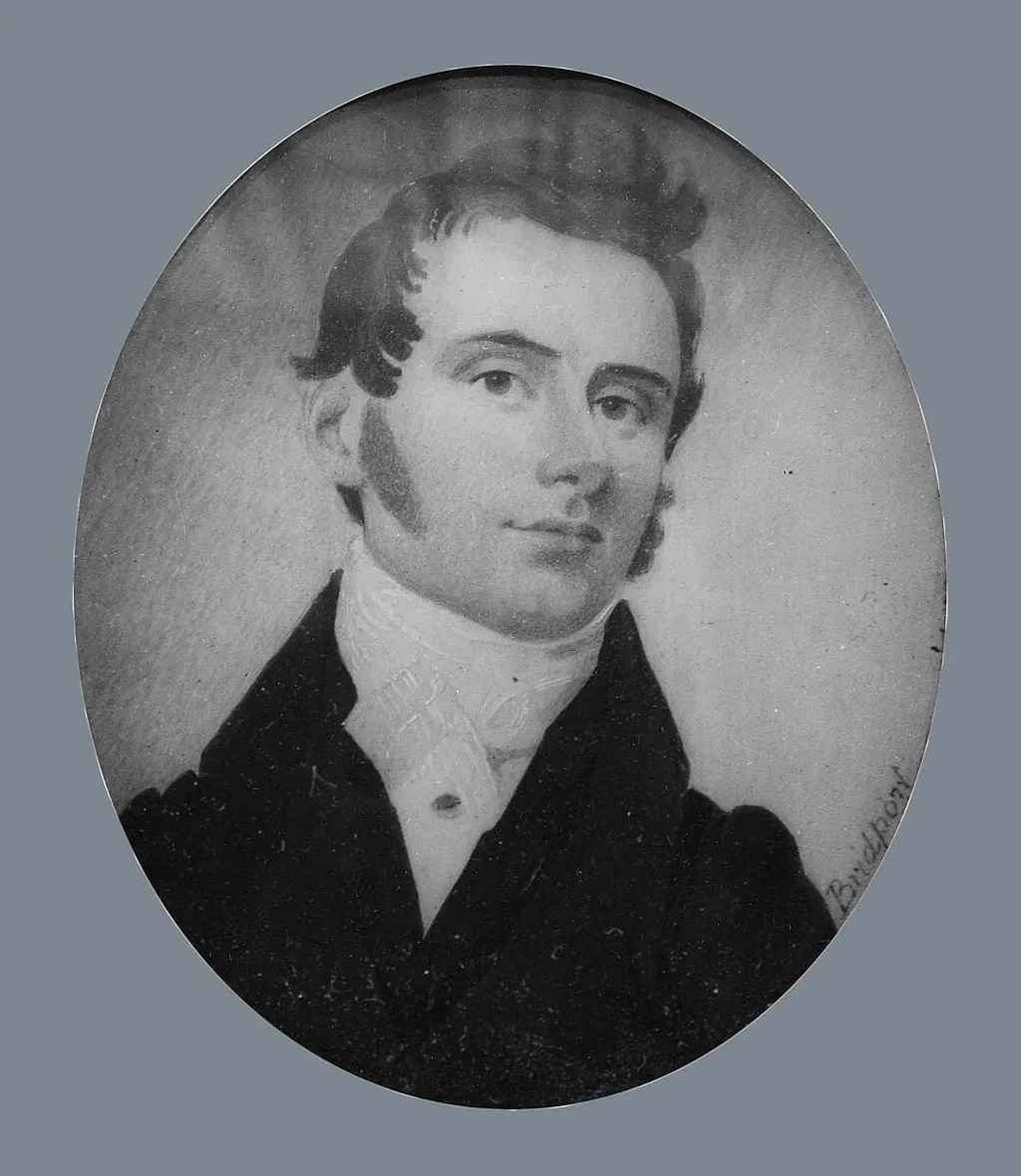
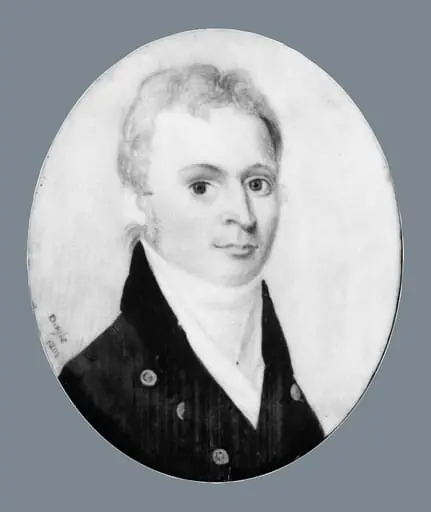
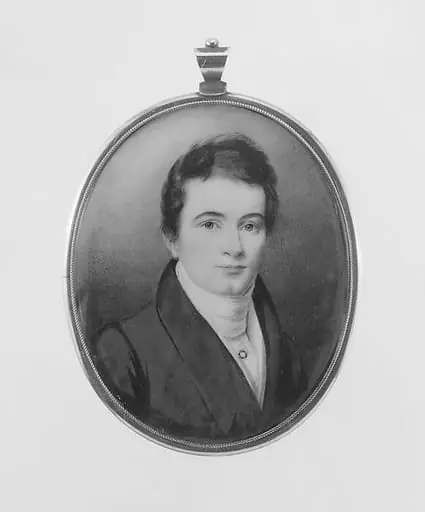
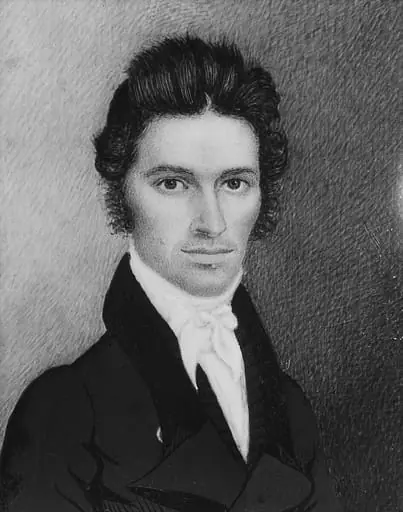
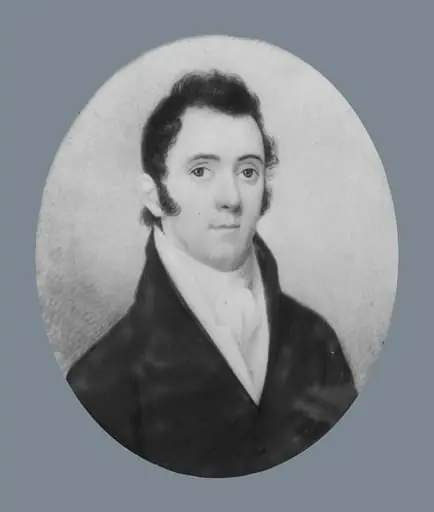
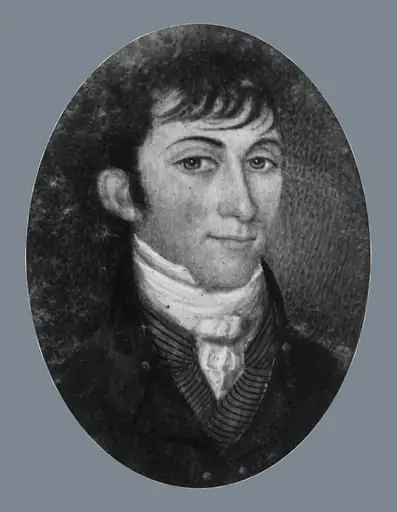
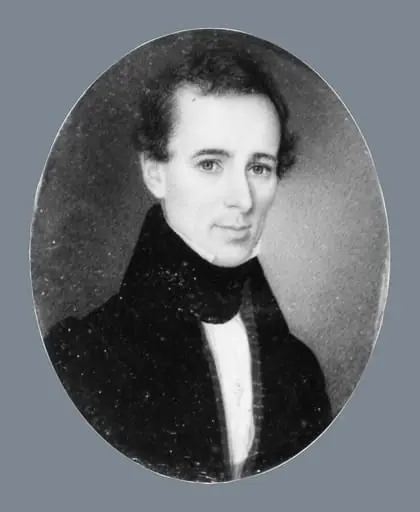
Captain Graham is a watercolor painting by the British Romanticist artist Andrew Robertson. It dates from 1805 and is held in the collection of the Metropolitan Museum of Art.
- Accession no.
- 27.217
- Credit line
- Rogers Fund, 1927
About this work
Subject & Meaning
As a portrait, it serves to document the appearance and social standing of its subject, reflecting contemporary visual conventions of masculinity and authority.
The work titled "Captain Graham" is a watercolor on ivory portrait created in 1805 by Andrew Robertson. It portrays a male sitter, identified as a man in the classification, and functions as a conventional 19th-century portrait that emphasizes the sitter's status and identity. The painting, part of The American Wing collection at the Metropolitan Museum of Art, was produced in Scotland and retains the dimensions of 6.2 × 5.1 cm. As a portrait, it serves to document the appearance and social standing of its subject, reflecting contemporary visual conventions of masculinity and authority.
Technique & Style
Captain Graham is a portrait miniature executed in watercolor on ivory, a technique closely associated with early nineteenth-century British and Scottish portraitists. The work measures 6.2 by 5.1 cm, a scale consistent with small-format keepsake portraiture intended for intimate viewing. The ivory support provided Robertson with a smooth, luminous ground that allowed the watercolor pigments to be applied in thin, translucent layers, producing the fine detail and soft tonal gradations characteristic of the medium.
Stylistically, the portrait belongs to the tradition of refined miniature painting practiced in Scotland around 1805, emphasizing precise draftsmanship and delicate handling of the sitter's features within a compact format. The combination of watercolor and ivory supports the work's classification as a portrait miniature within the museum's collection.
History & Provenance
The portrait titled Captain Graham was created in 1805 by the artist Andrew Robertson. Although associated with the American Wing of the Metropolitan Museum of Art, the work was made in Scotland. Executed in watercolor on ivory, the piece measures 6.2 by 5.1 cm. The specific details regarding the original commission, the identity of the initial patron, or the complete chain of ownership prior to its acquisition by the museum are not provided in the available records.
The artwork currently resides in the collection of the Metropolitan Museum of Art, where it is classified as a portrait depicting a man.
Overview
Andrew Robertson's "Captain Graham," created around 1805, is a watercolor portrait rendered on ivory. This intimate work captures the likeness of a man, presented in a dark coat and white cravat, with a finely detailed facial expression. The small scale and precise execution exemplify the popular miniature portraiture style of the early 19th century.
Context
While oil painting dominated much of the art world during this period, miniature portraits offered a distinct and portable alternative. For artists like Robertson, working in watercolor on ivory provided a viable means of income. These small-scale works were often commissioned for personal keepsakes, valued for their intimate nature and ease of transport, contrasting with larger, more formal oil canvases.
Artist & collection

Artist
Andrew Robertson (1777-1845) was a Scottish miniature painter born in Aberdeen. He trained in Scotland, where his teachers included Alexander Nasmyth and Sir Henry Raeburn, and in 1797 he attended the Royal Academy…