Artwork
Humphry Howland
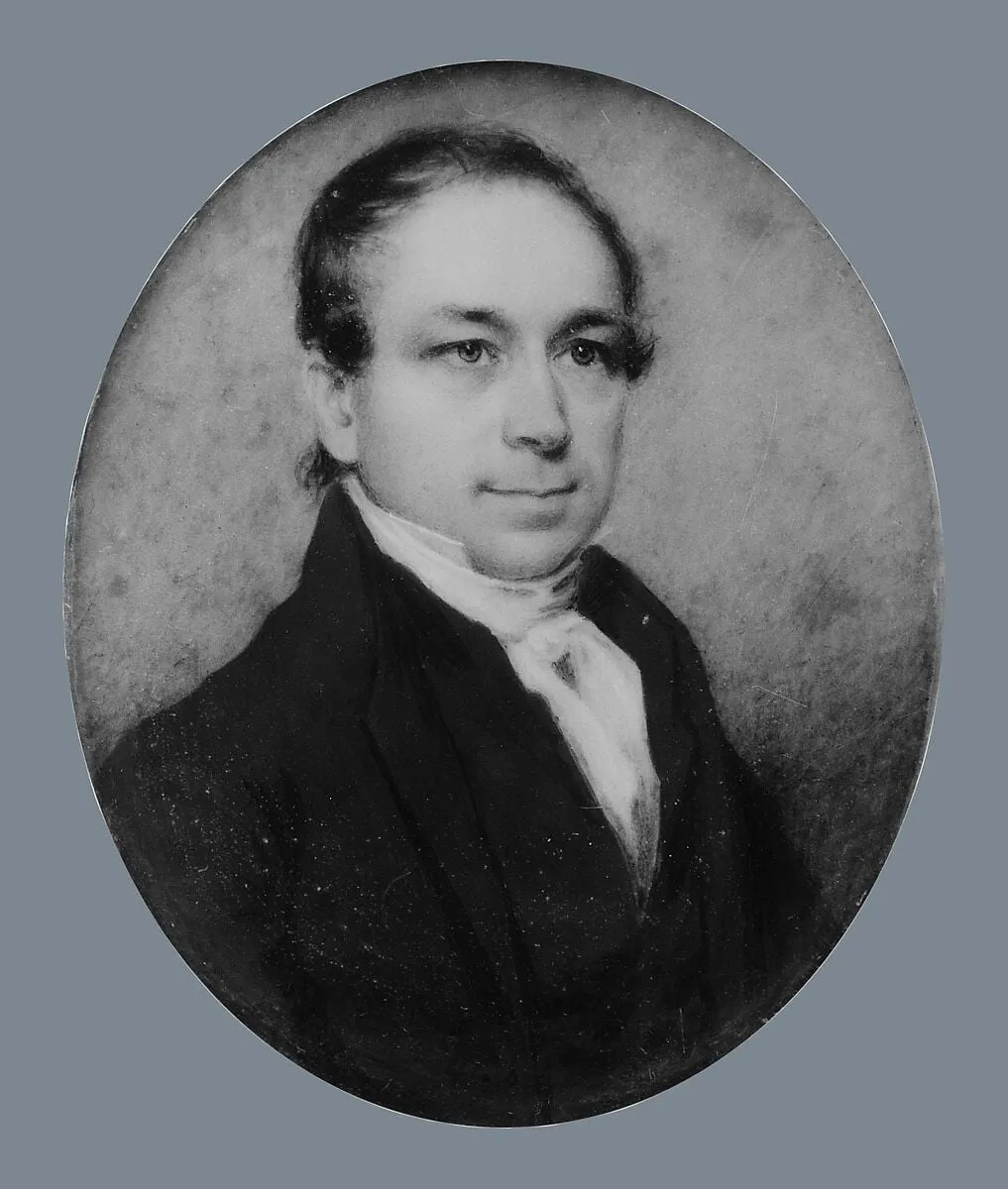
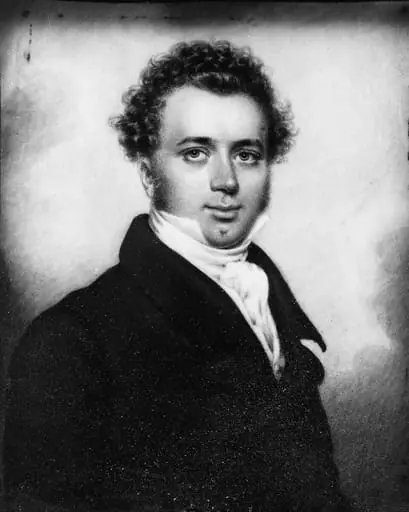
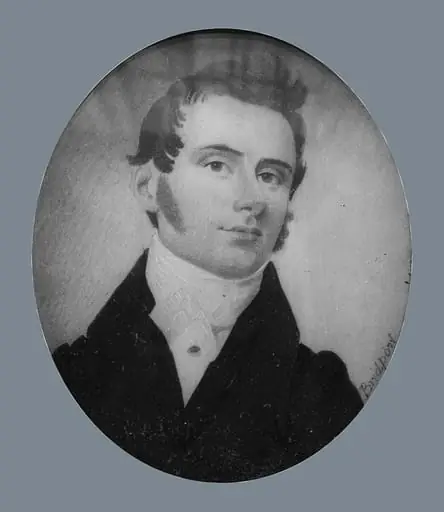
Humphry Howland is a watercolor painting by the American Folk Art artist Nathaniel Rogers. It dates from 1822 and is held in the collection of the Metropolitan Museum of Art.
About this work
Technique & Style
The portrait of Humphry Howland, executed by Nathaniel Rogers in 1822, is a miniature painting characterized by its specific medium and support.
The portrait of Humphry Howland, executed by Nathaniel Rogers in 1822, is a miniature painting characterized by its specific medium and support. Rogers employed watercolor applied directly onto an ivory support, a technique favored for the luminous translucency it afforded in early nineteenth-century portraiture. The work measures approximately 7.3 centimeters in height and 5.7 centimeters in width, reflecting the intimate scale typical of the genre.
Stylistically, the piece adheres to the formal conventions of the portrait genre, focusing on the likeness of a male subject. The handling of the watercolor on the delicate ivory surface demonstrates the artist's command of the medium to render facial features with precision, resulting in a refined and compact image now held in the collection of the Metropolitan Museum of Art.
History & Provenance
The watercolor portrait of Humphry Howland, painted by Nathaniel Rogers in 1822, is held in the collection of the Metropolitan Museum of Art. Classified within the museum's American Wing, the work measures 7.3 by 5.7 units. While the piece is documented as part of the institution's holdings, the available records do not specify a unique accession number or detail any past public exhibitions for this specific object.
Overview
This watercolor on ivory, created by Nathaniel Rogers around 1822, presents a portrait of Humphry Howland. The miniature format and delicate medium were characteristic of personal keepsakes during the period, allowing for an intimate depiction of the sitter. It is part of The American Wing's collection, representing a significant aspect of early American portraiture.
Subject & Meaning
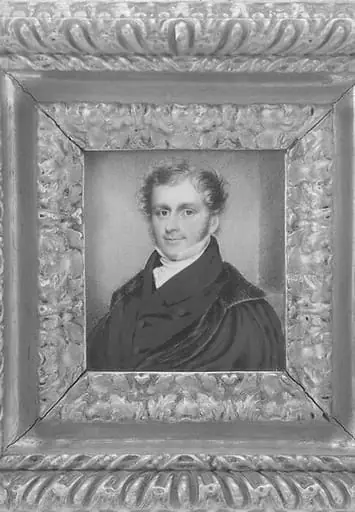
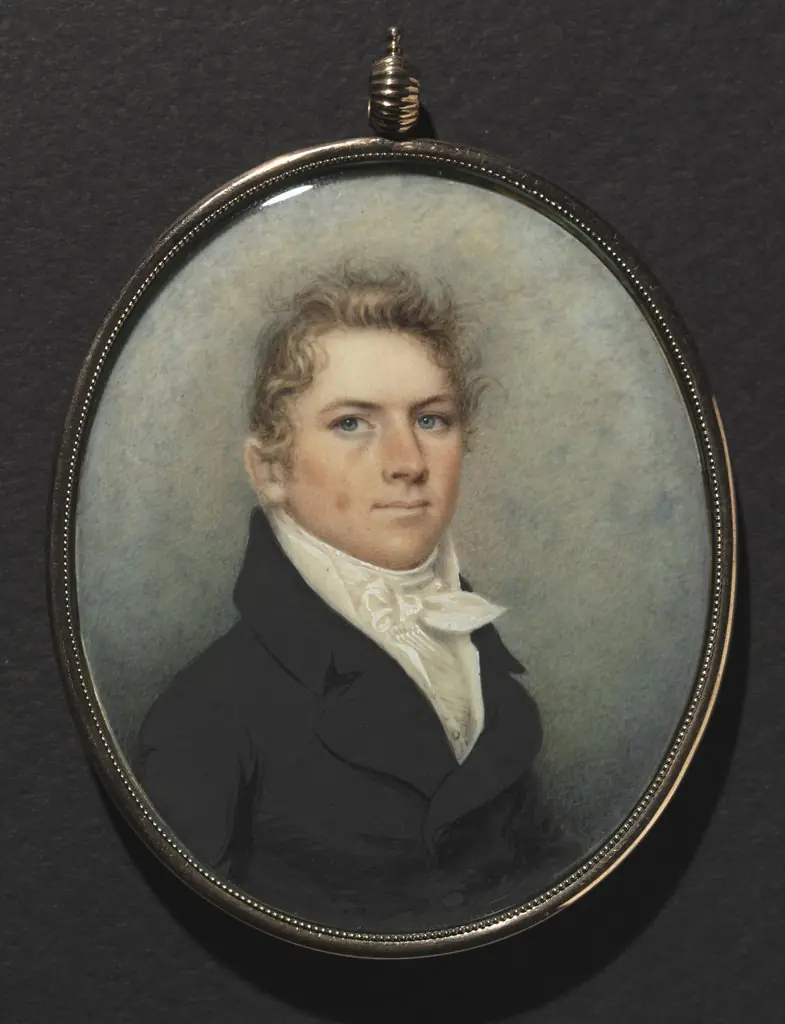
Humphry Howland is depicted gazing directly forward, his features illuminated by a gentle light. His hair is meticulously styled, and his expression conveys a sense of composure. Such intimate portraits often served as personal mementos, intended to be kept close by family or friends, reflecting a desire for constant proximity to the subject's likeness.
Context
The diminutive size of this portrait suggests its original function as a highly personal object. Miniatures like this were often crafted to be easily carried, perhaps tucked into a pocket or worn within a locket. This portability enabled individuals to maintain a constant, private connection with the likeness of a cherished person, serving as a tangible reminder of their presence in an era before photography.
Artist & collection

Artist
Nathaniel Rogers (1787-1844) was an American miniature painter, born at Bridgehampton on Long Island, New York.