Artwork
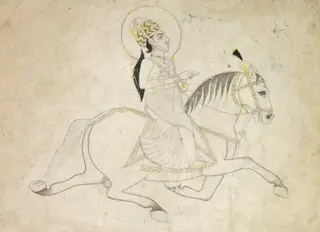
Jai Singh III of Jaipur (r. 1818–1835) Riding
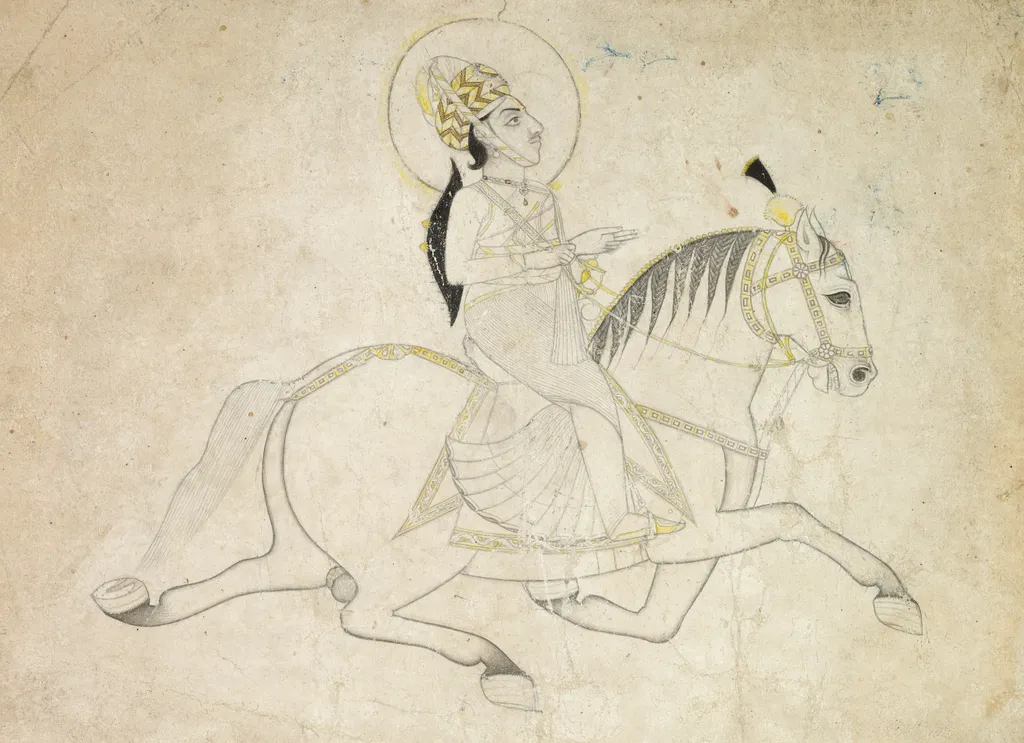
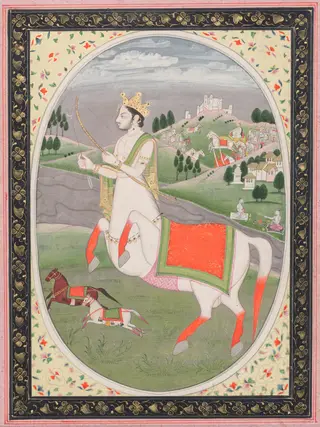
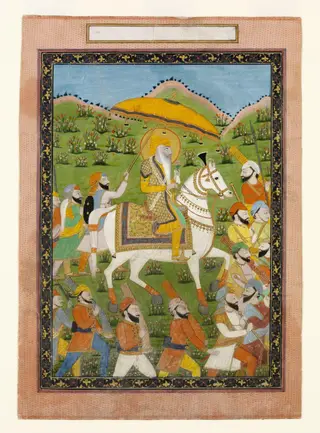
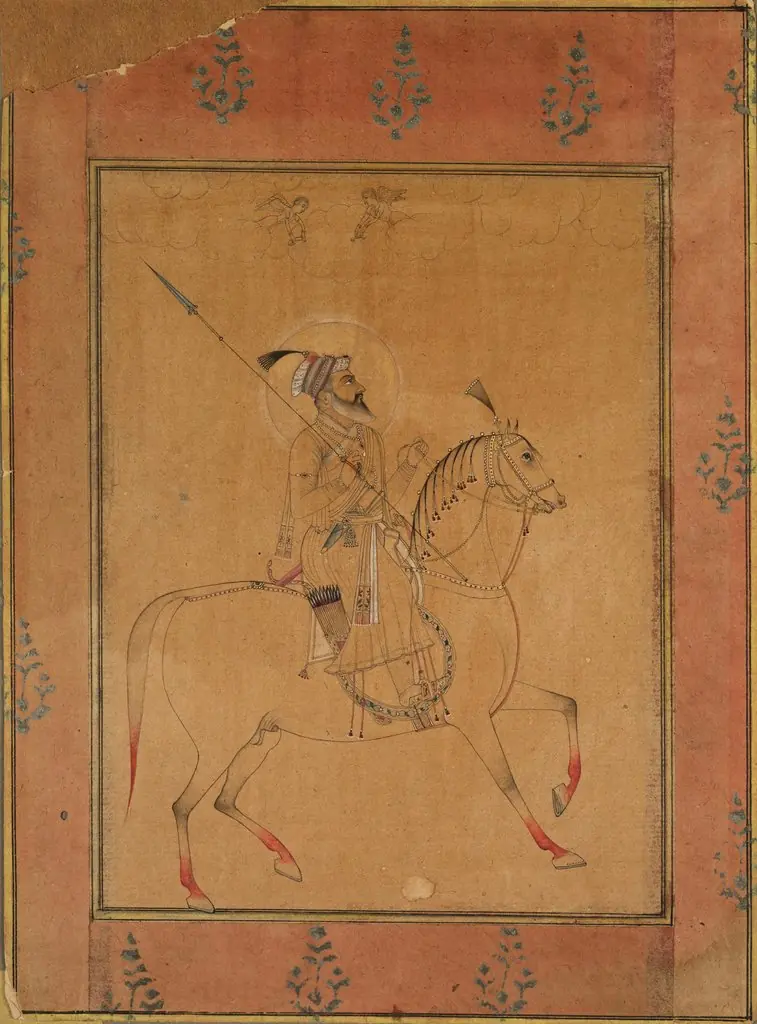
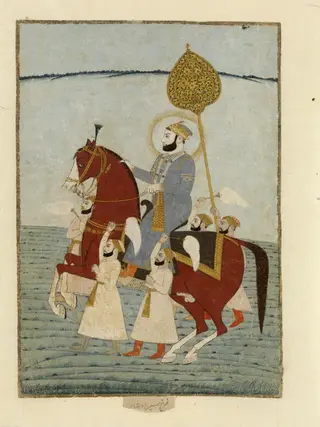
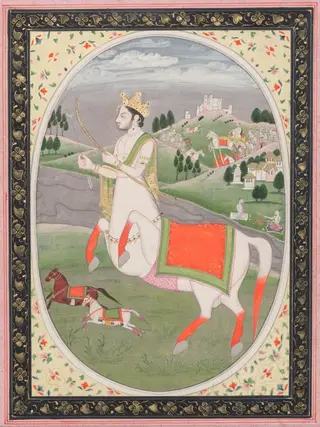
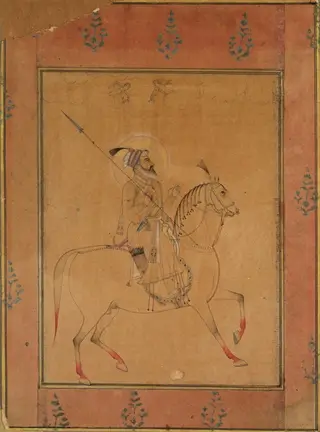
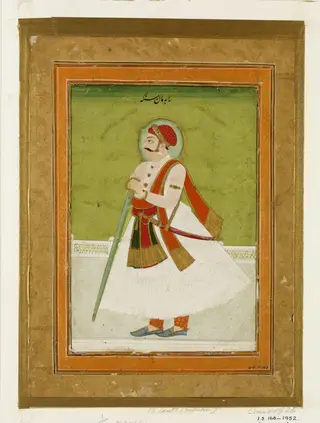
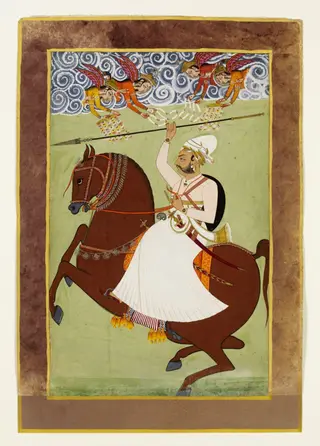
Jai Singh III of Jaipur (r. 1818–1835) Riding is an unspecified painting. It dates from 1820 and is held in the collection of the Cleveland Museum of Art. The work portrays a rider on horseback, moving toward the right.
About this work
Subject & Meaning
The painting portrays the Maharaja of Jaipur on horseback, a common motif symbolizing royal authority and martial prowess in Rajput tradition. The depiction emphasizes his status as a sovereign ruler during his reign from 1818 to 1835, reflecting both historical identity and cultural ideals of kingship.
History & Provenance
It is classified as a painting and entered the Cleveland Museum of Art in 1925, receiving the accession number 1925.
The painting Jai Singh III of Jaipur (r. 1818–1835) Riding is attributed to an unknown artist and dated to 1820. It is classified as a painting and entered the Cleveland Museum of Art in 1925, receiving the accession number 1925.1337, where it has remained ever since. The title indicates the subject of Maharaja Jai Singh III mounted on a horse. No earlier ownership, commission, or provenance details are documented in the available sources.
Legacy
The painting of Jai Singh III of Jaipur (r. 1818–1835) Riding, created in 1820, has been part of the Cleveland Museum of Art's collection since its acquisition, ensuring its continued visibility and scholarly attention. Its presence in a major museum has contributed to renewed interest in Rajput portraiture and the visual representation of princely authority in early 19th-century India.
Overview
The work portrays a rider on horseback, moving toward the right. The figure is dressed in a turban and a long robe, with a sword sheathed at his side, while the horse is equipped with an ornate bridle and saddle. The composition centers on the dynamic interaction between rider and animal, emphasizing motion through the flowing mane and tail.
Technique & Style
Executed in a painted medium, the piece employs a vivid palette and careful detailing of textiles and equine equipment. The artist renders the turban’s patterned fabric and the robe’s drapery with fine brushwork, while the horse’s musculature and flowing hair are suggested through fluid strokes that enhance the sense of movement.
Artist & collection