Artwork
Last Judgment
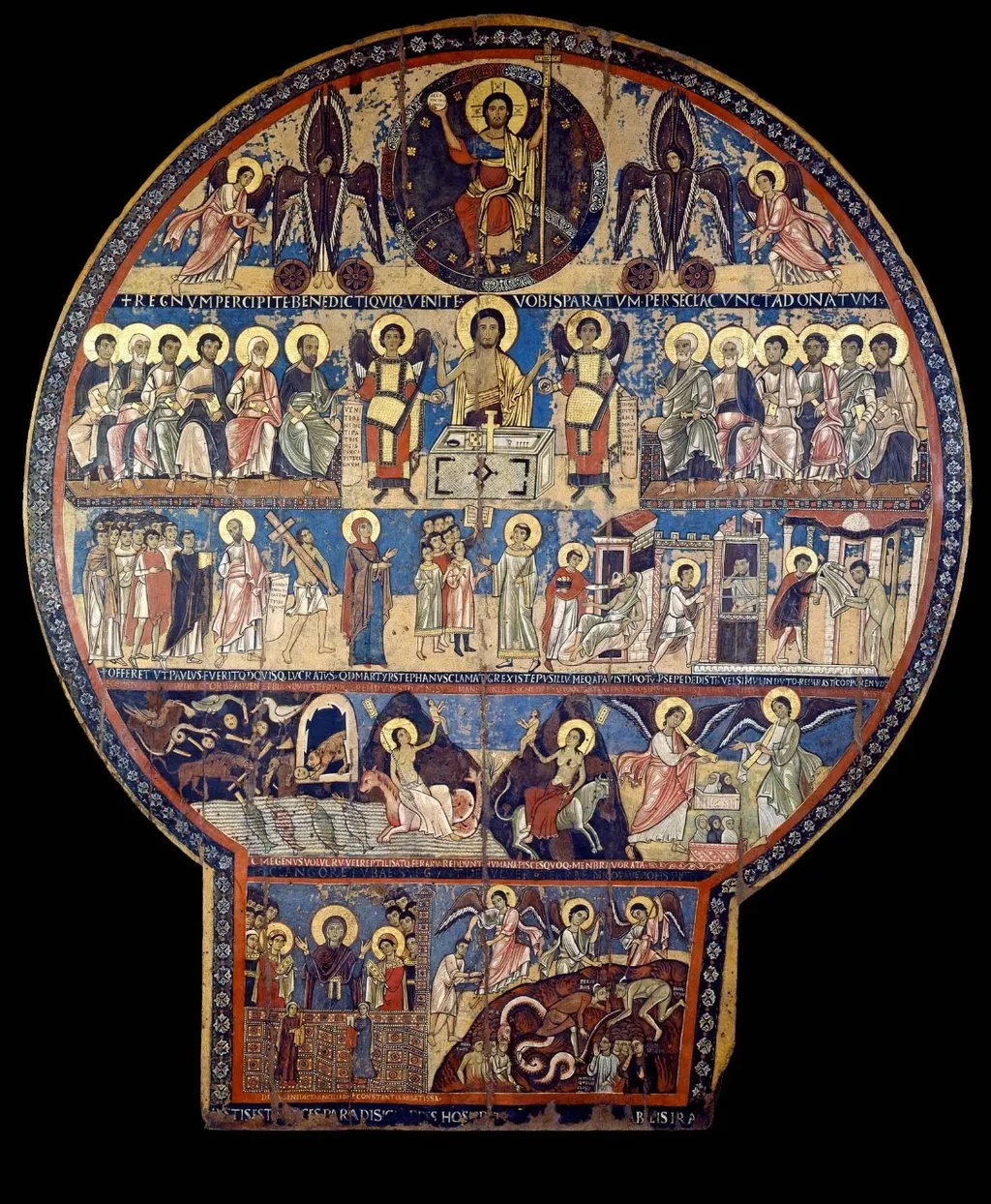
Last Judgment is an unspecified painting by the Byzantine icon painting artist Unknown. It dates from 1200 and is held in the collection of the Vatican Museums.
About this work
Overview
The use of contrasting colors and intricate detail suggests a devotional purpose, likely intended for private contemplation or liturgical use.
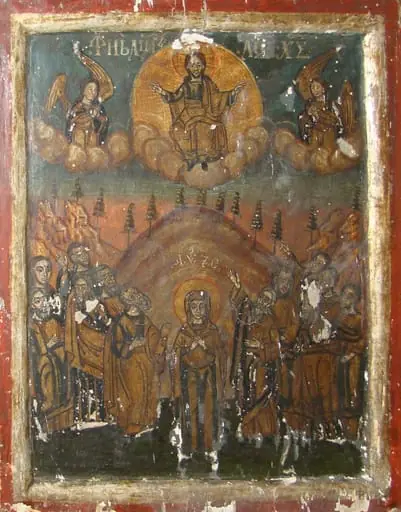
This circular painting depicts the Last Judgment, a common theme in medieval Christian art. It features a dense arrangement of small, finely rendered figures against a blue field, framed by a red border. The composition is organized into distinct zones, with central and peripheral groupings that guide the viewer’s eye.
The use of contrasting colors and intricate detail suggests a devotional purpose, likely intended for private contemplation or liturgical use.
Subject & Meaning
The central figure, haloed and elevated, represents Christ in judgment, flanked by saints and angels. Surrounding figures are arranged to signify the saved and the damned, with postures and gestures indicating their fates. Objects like the cross and a closed box may symbolize divine authority and the sealing of souls. The scene reflects doctrinal beliefs about the final reckoning, emphasizing moral accountability and spiritual consequence.
Technique & Style
The painting employs fine brushwork and meticulous detail, typical of late medieval panel painting. Figures are rendered with subtle modeling, and halos are rendered in gold or raised pigment. The blue background, possibly lapis lazuli, and the red border create a rich chromatic contrast. The circular format, or tondo, was often used for devotional images, encouraging focused meditation on sacred themes.
History & Provenance
Though exact origins are unrecorded, the style and materials suggest production in a European monastic or urban workshop between the 13th and 15th centuries. Its preservation indicates it was valued within a religious context, possibly in a chapel or private oratory. The intact condition of the border and surface implies careful handling and storage over centuries.
Context
This work aligns with a broader tradition of Last Judgment imagery found in altarpieces, frescoes, and illuminated manuscripts of the period. Its small scale and circular form distinguish it from monumental church depictions, pointing to a more intimate, personal devotion. Such objects were often owned by clergy or wealthy laypeople seeking spiritual protection or reflection.
Legacy
While not widely known today, the painting exemplifies how medieval artists translated complex theological ideas into accessible visual forms. Its survival offers insight into the devotional practices of its time, preserving a quiet but potent expression of faith. It contributes to the understanding of how religious narratives were internalized beyond public liturgy.
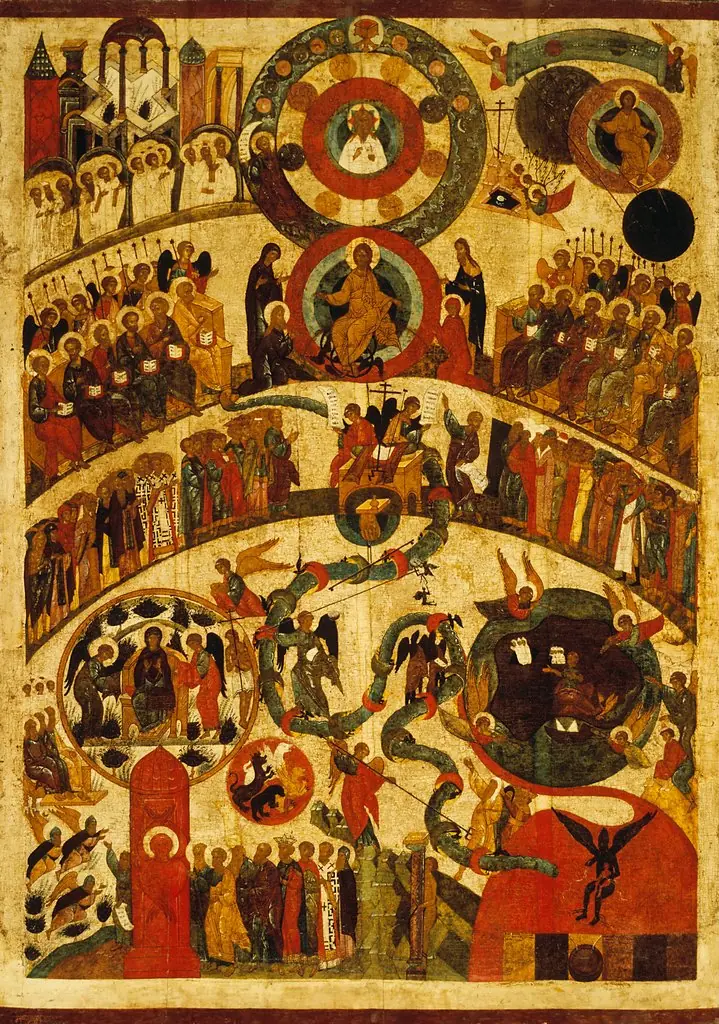
Artist & collection









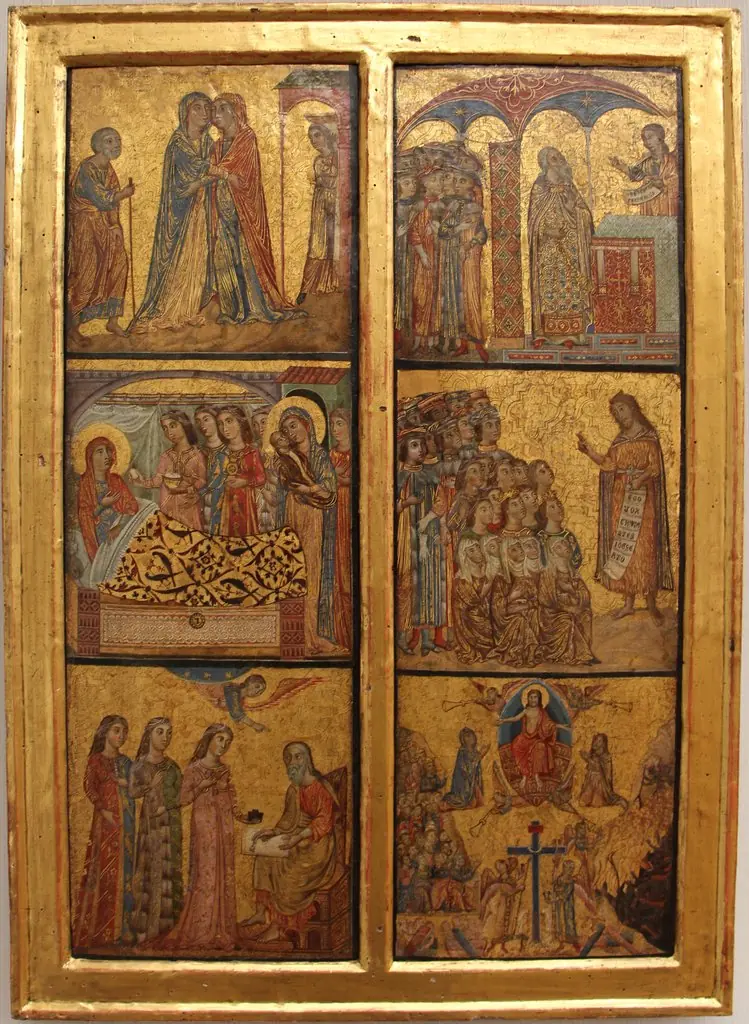 Triptych: Six Scenes from the Life of John the Baptist (Two Wings)
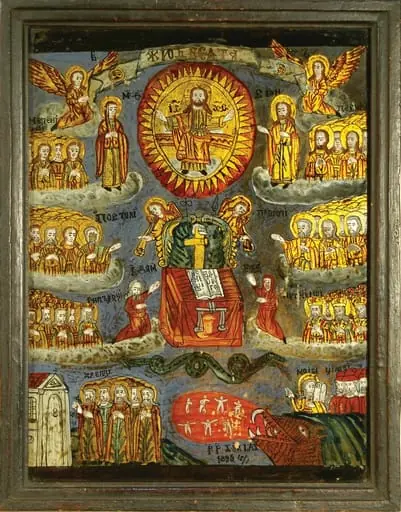 Judecata de Apoi
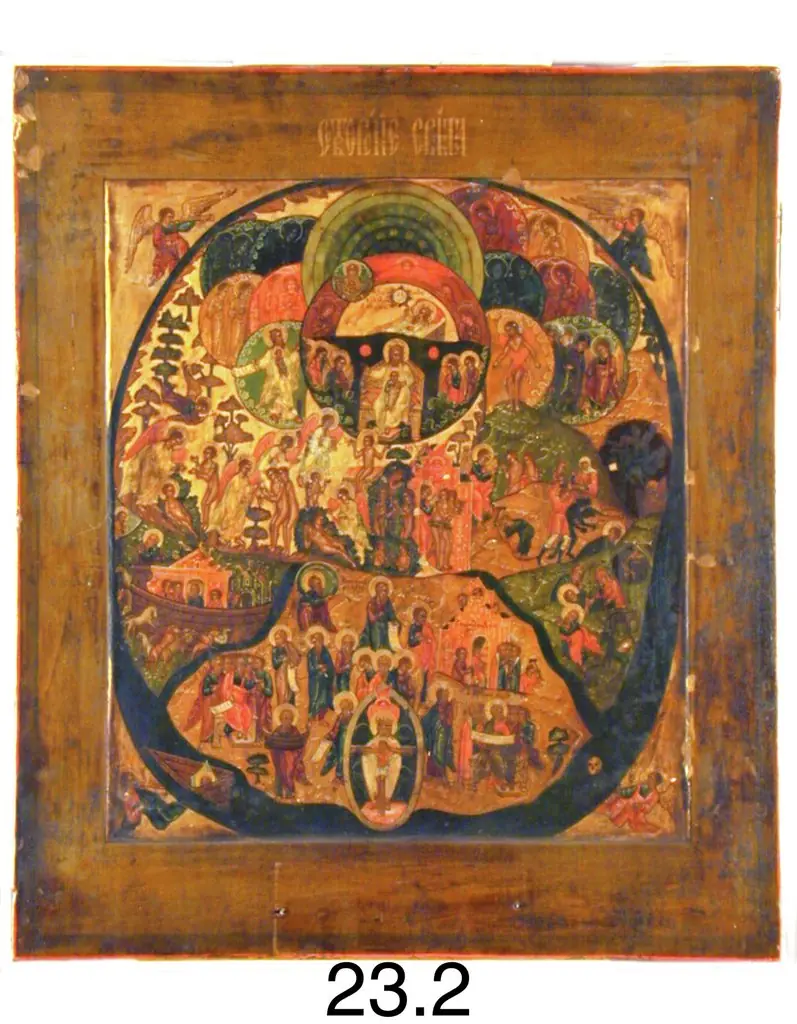 The Creation of the World
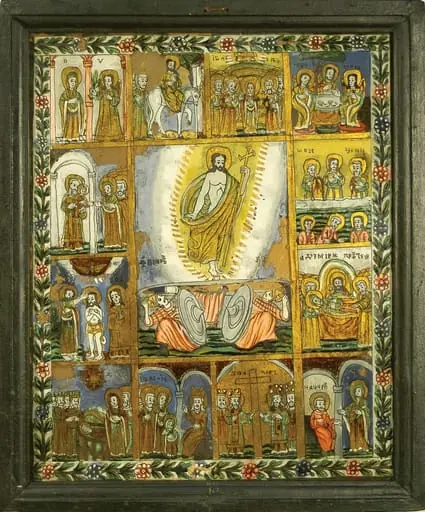 Învierea lui Iisus, cu 12 scene de praznic
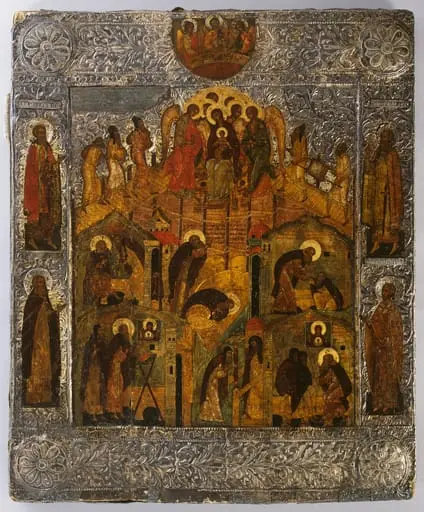 Neitsyt Marian ilmestyminen pyhittäjä Aleksanteri Syväriläiselle kirkon perustuksella
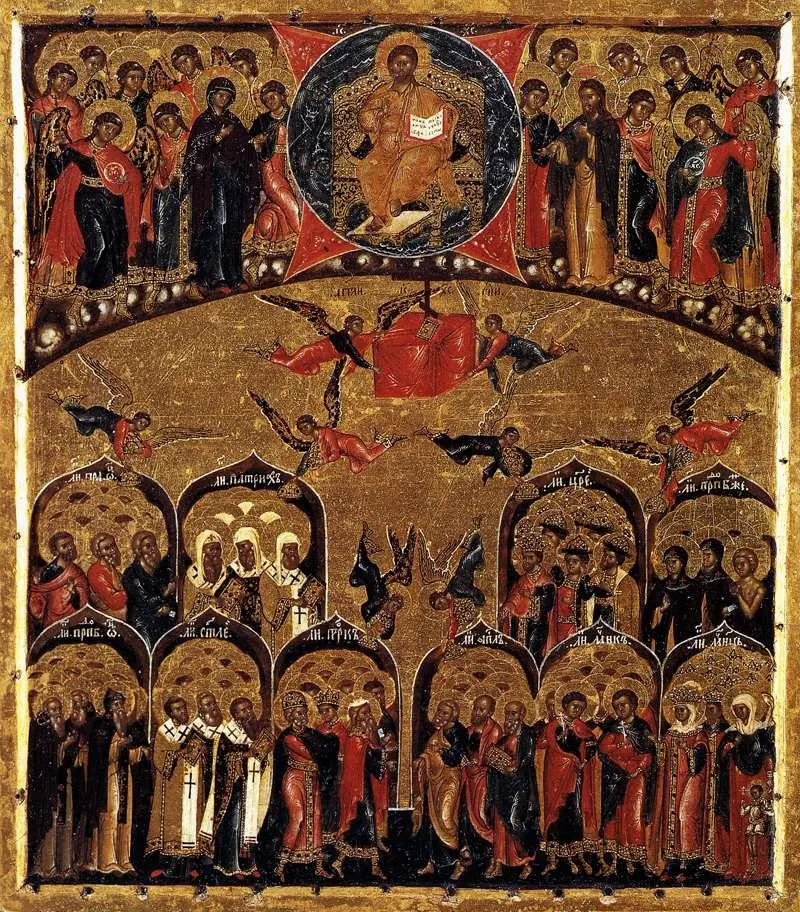 Synaxis of All Saints
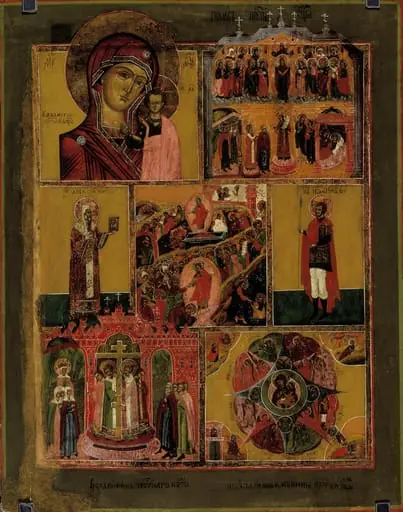 Pääsiäinen ja kirkkovuoden juhlia, venäläinen ikoni
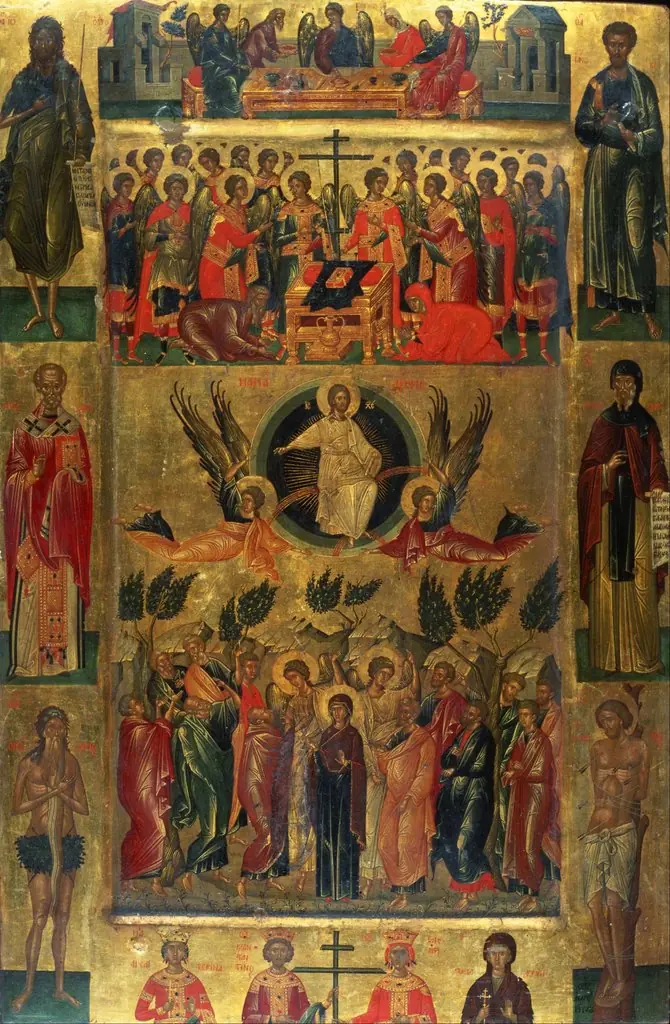 Ascension of Christ with the Hetoimasia
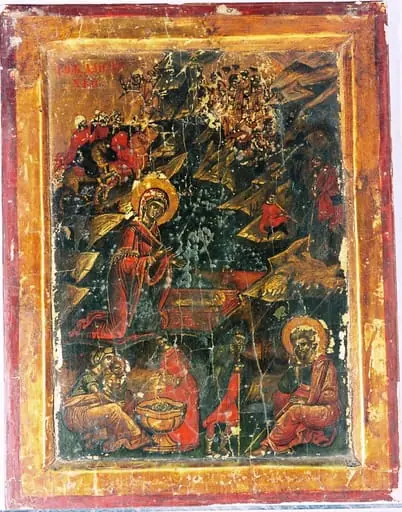 NASTEREA LUI IISUS
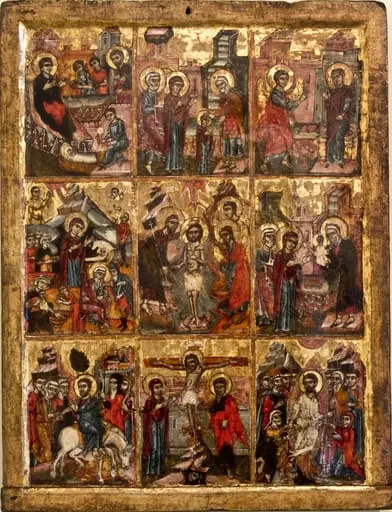 Scene din viața lui Iisus și a Maicii Domnului
 Înălțarea Domnului
- Last Judgment