Artwork
Saint Ambrose
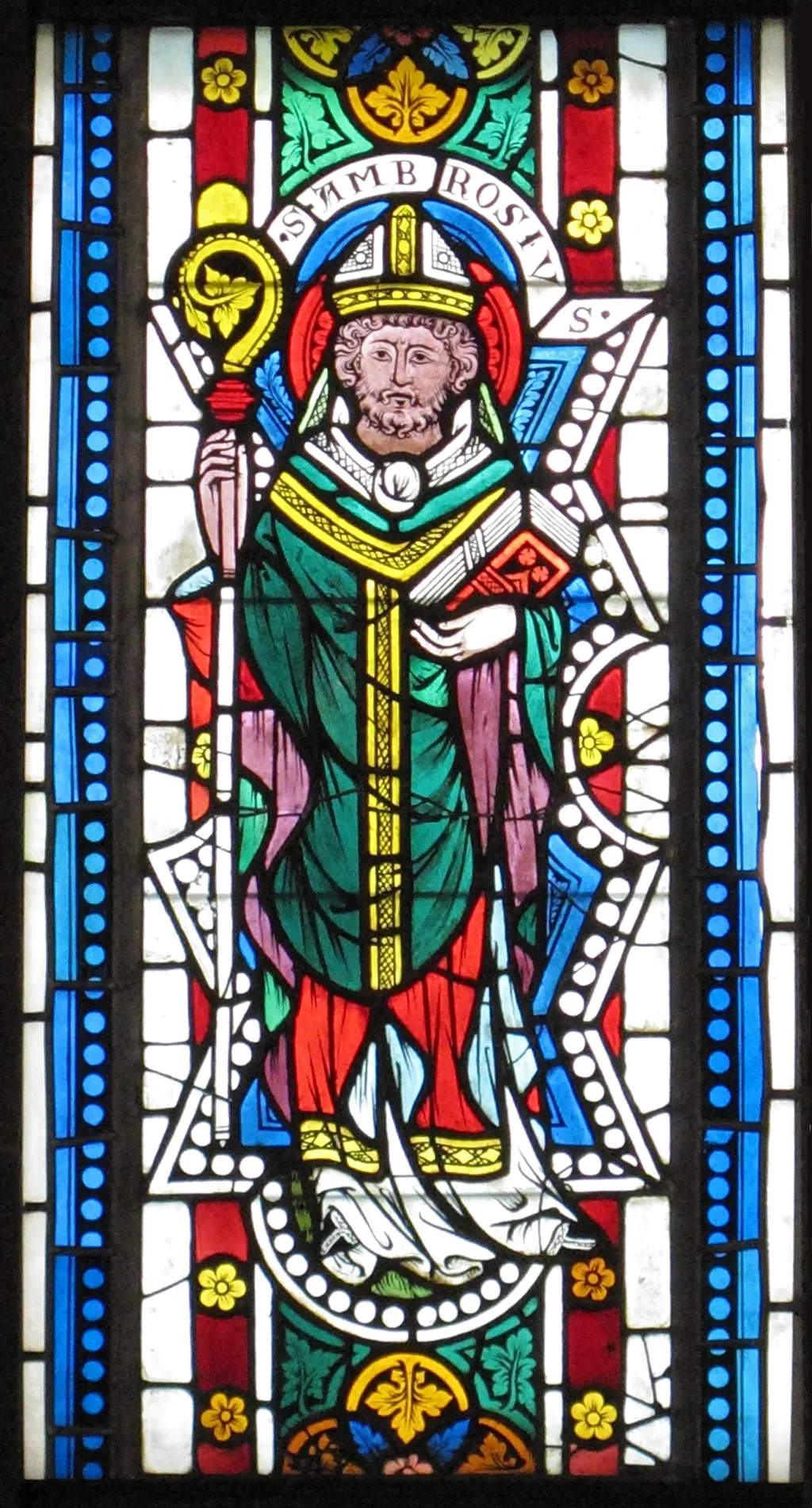
Saint Ambrose is an unspecified painting. It dates from 1350 and is held in the collection of the Metropolitan Museum of Art.
About this work
Subject & Meaning
Created circa 1350 by an anonymous artist, the work functions as a piece of religious art focused entirely on the representation of this specific saint.
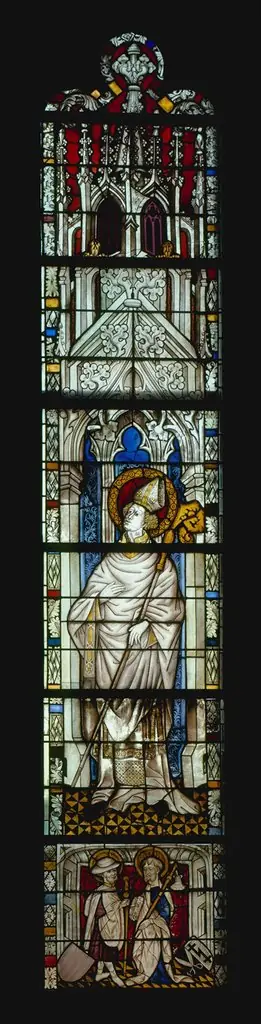
This mid-14th-century panel painting depicts Ambrose, the 4th-century Bishop of Milan and Doctor of the Church. Created circa 1350 by an anonymous artist, the work functions as a piece of religious art focused entirely on the representation of this specific saint. As the main subject, Ambrose is portrayed to serve as an object of veneration, reflecting the devotional practices of the period.
The image identifies him solely by his established role within Christian history, without additional narrative scenes or complex symbolic attributes described in the available records. The work's meaning is derived from its function as a visual focus for honoring a key figure in ecclesiastical tradition.
History & Provenance
The anonymous painting titled Saint Ambrose, dated to 1350, is held in the collection of the Metropolitan Museum of Art. The work is classified as a religious painting depicting Ambrose. No specific accession number or detailed exhibition history is provided in the available records.
Overview
This painting, titled Saint Ambrose, offers a depiction of a significant religious figure. The artwork features a man in ecclesiastical vestments, distinguished by a halo and a staff held in his right hand. The background departs from naturalistic representation, instead presenting an abstract composition of geometric forms and a distinct palette of red, blue, and white.
Technique & Style
The artist renders Saint Ambrose in a green robe with yellow accents and a white collar. This attire stands out against a backdrop characterized by an arrangement of varied shapes and a specific color scheme of red, blue, and white. This stylistic choice for the background contributes to the painting's visual depth and overall aesthetic interest, providing a contrast to the more traditional portrayal of the saint.
Artist & collection

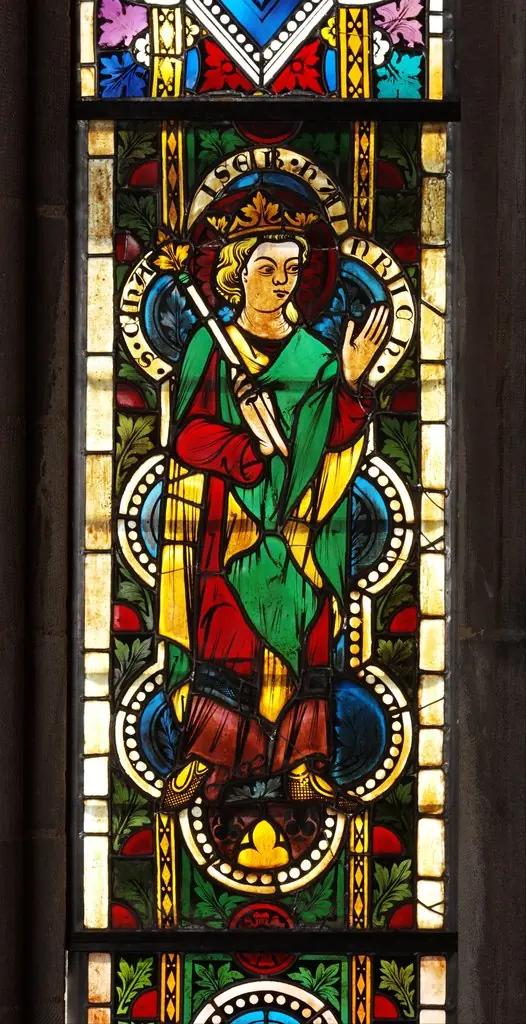 Stained Glass Panel with Emperor Henry II
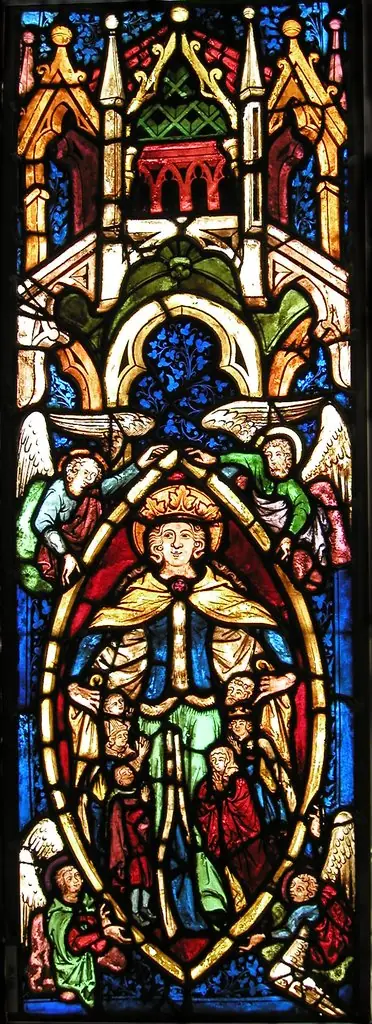 Madonna of Mercy
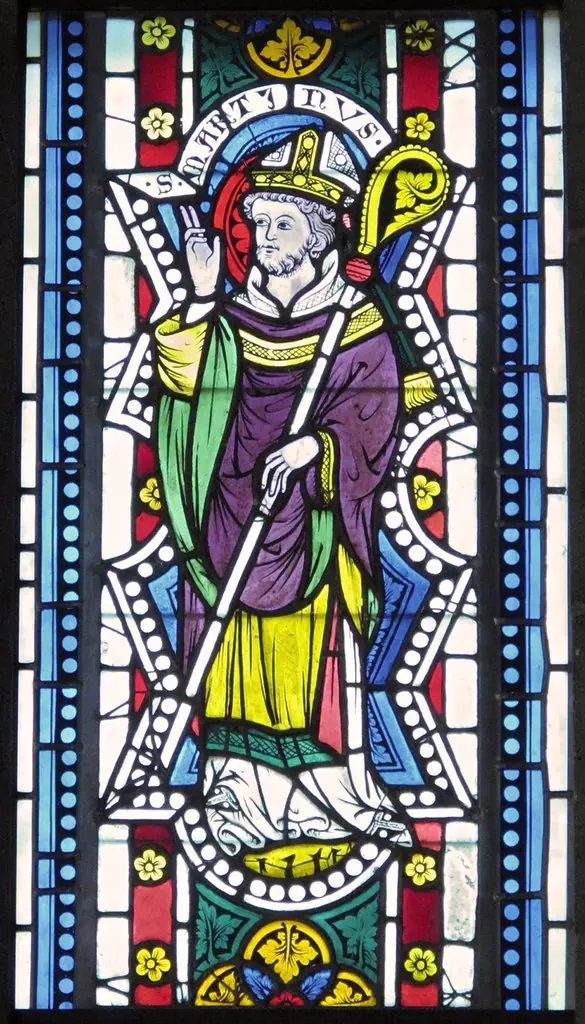 Saint Martin
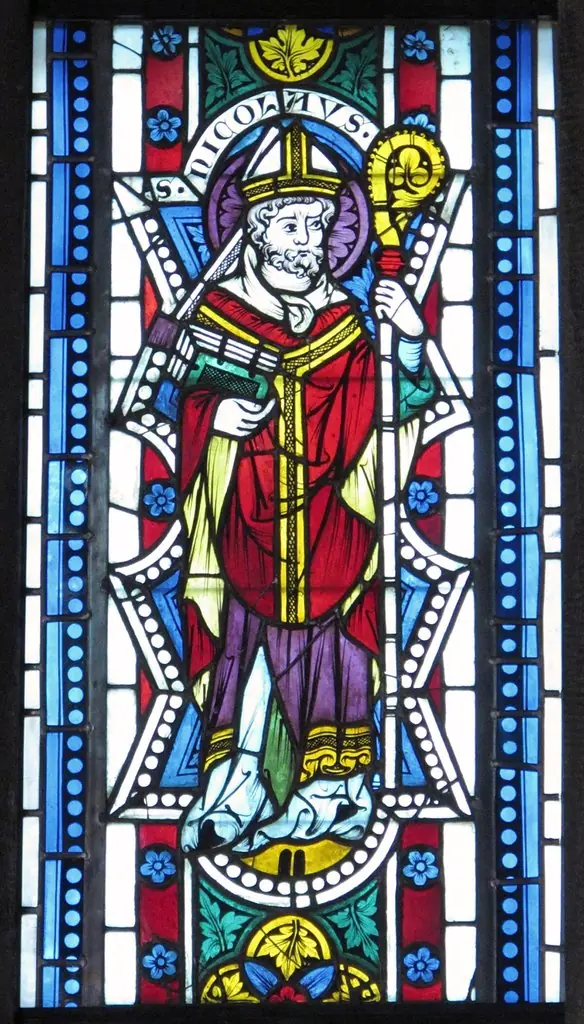 Saint Nicholas
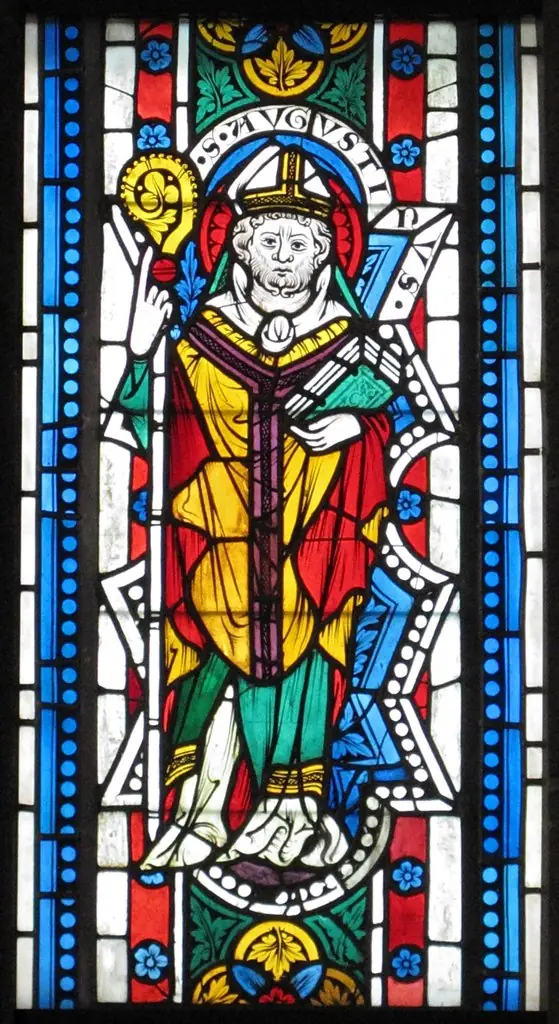 Saint Augustine
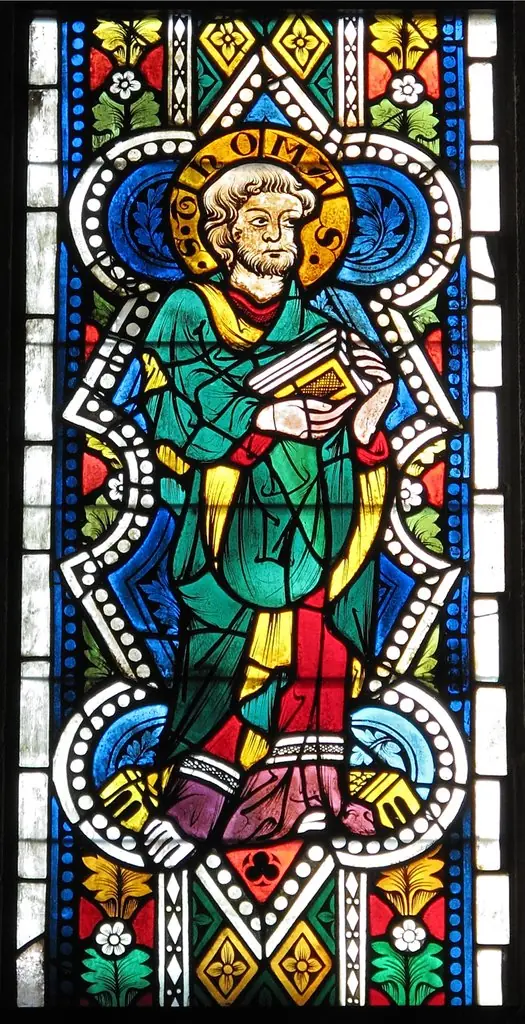 Saint Thomas
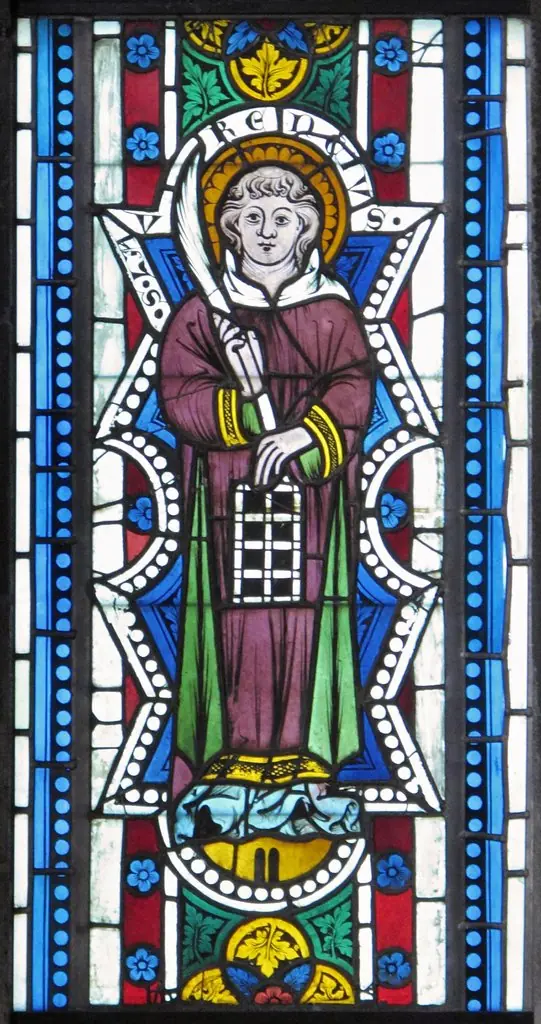 Saint Lawrence
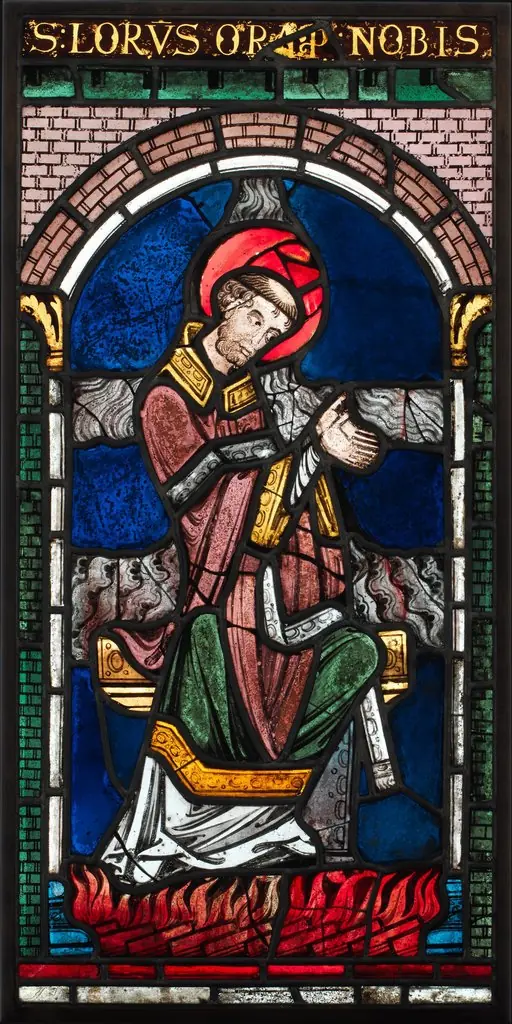 Martyrdom of Saint Lawrence
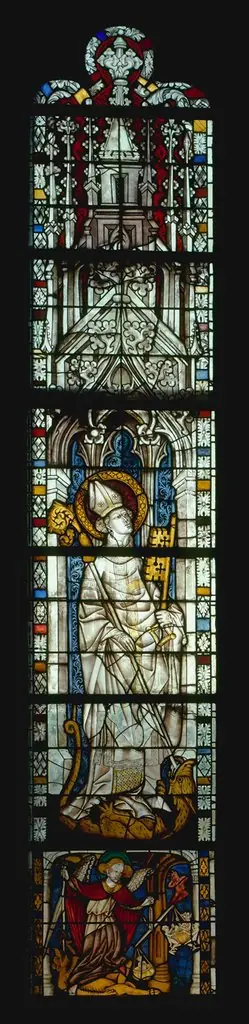 The Virgin Mary and Five Standing Saints above Predella Panels
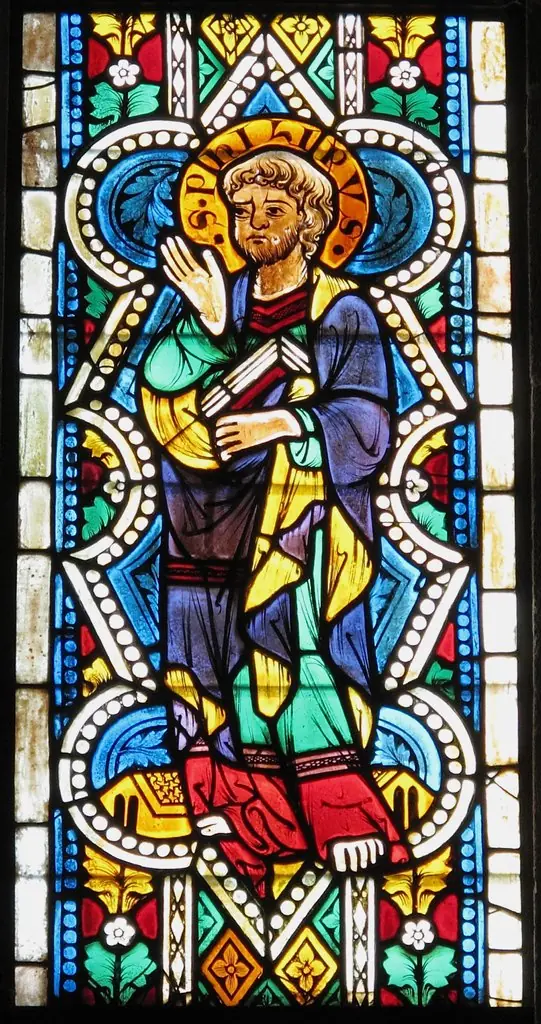 Saint Philip
 The Virgin Mary and Five Standing Saints above Predella Panels
- Saint Bartholomew