Artwork
Saint Nicholas
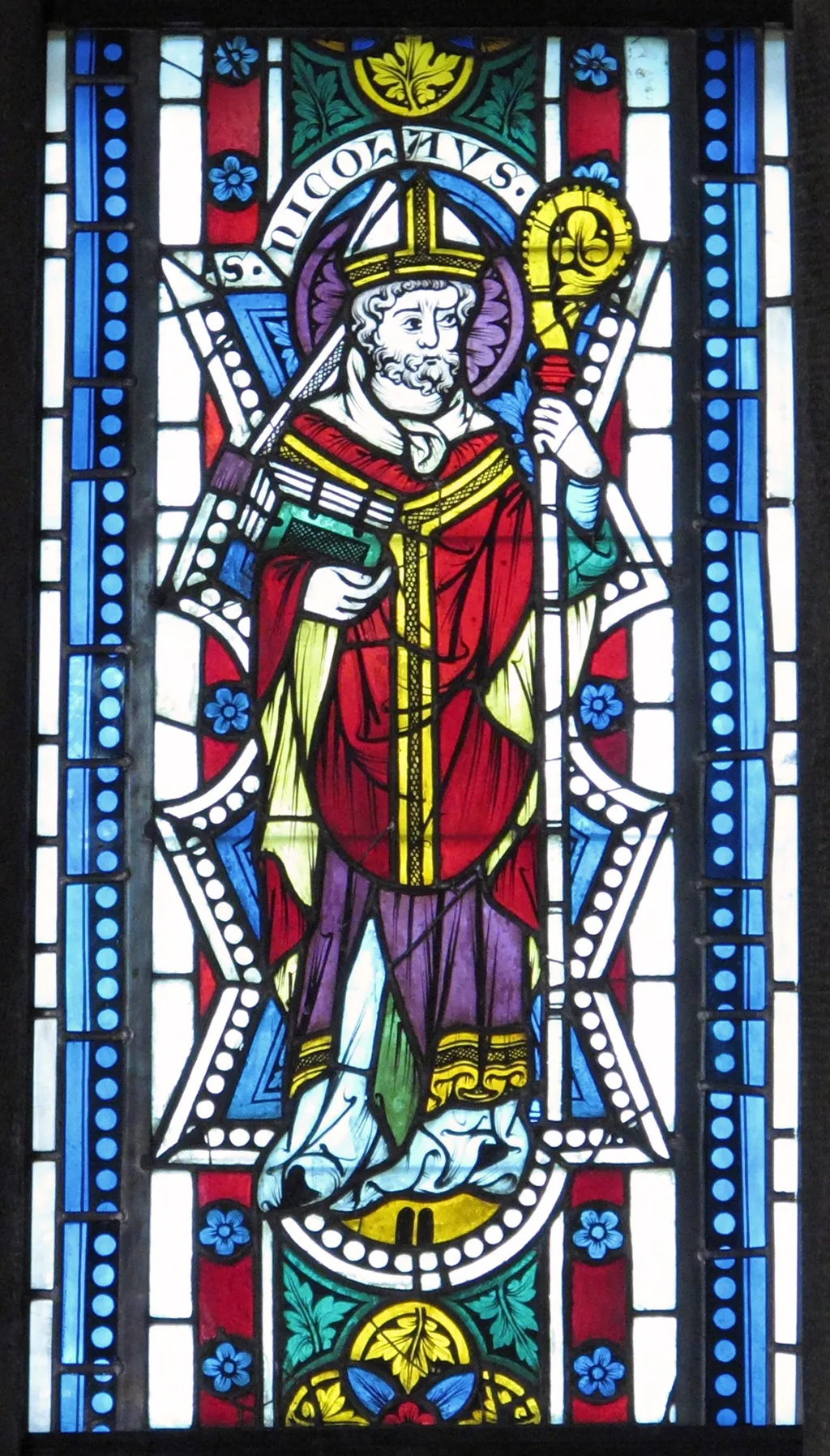
Saint Nicholas is an unspecified painting. It dates from 1350 and is held in the collection of the Metropolitan Museum of Art.
About this work
Subject & Meaning
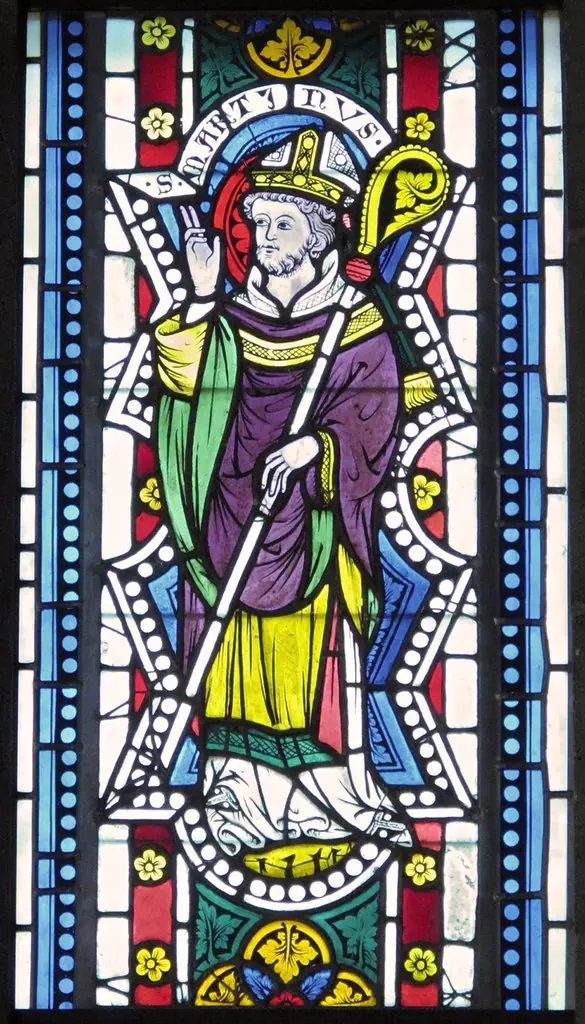
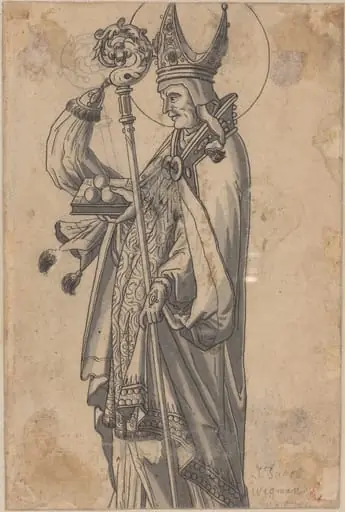
The painting depicts Saint Nicholas, a central figure in Christian iconography recognized by his bishop’s vestments, halo, and often a staff or book.
The painting depicts Saint Nicholas, a central figure in Christian iconography recognized by his bishop’s vestments, halo, and often a staff or book. In this work he is shown with a gentle expression, holding a Gospel, which underscores his role as a protector of children and a miracle worker. The composition follows medieval conventions where his gestures convey teaching and charity, reinforcing his reputation as an intercessor.
The Metropolitan Museum of Art holds the piece, dating it to around 1350, placing it within the religious painting genre of the period.
History & Provenance
The painting Saint Nicholas is held in the collection of the Metropolitan Museum of Art, where it is also located. Created around 1350, this anonymous religious work depicts the titular saint. The provided sources do not contain specific inventory or accession numbers, nor do they list any past or current exhibitions for this piece.
Overview
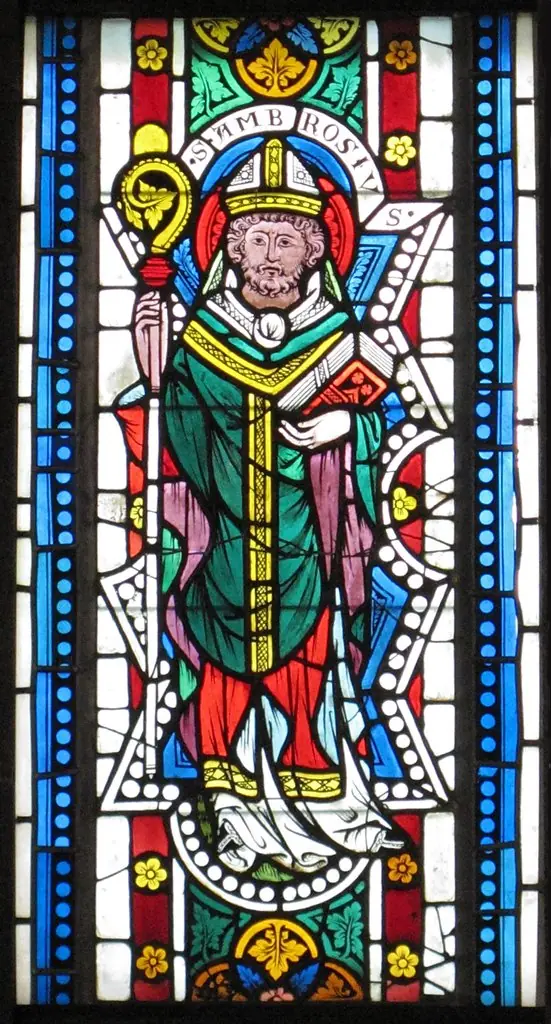
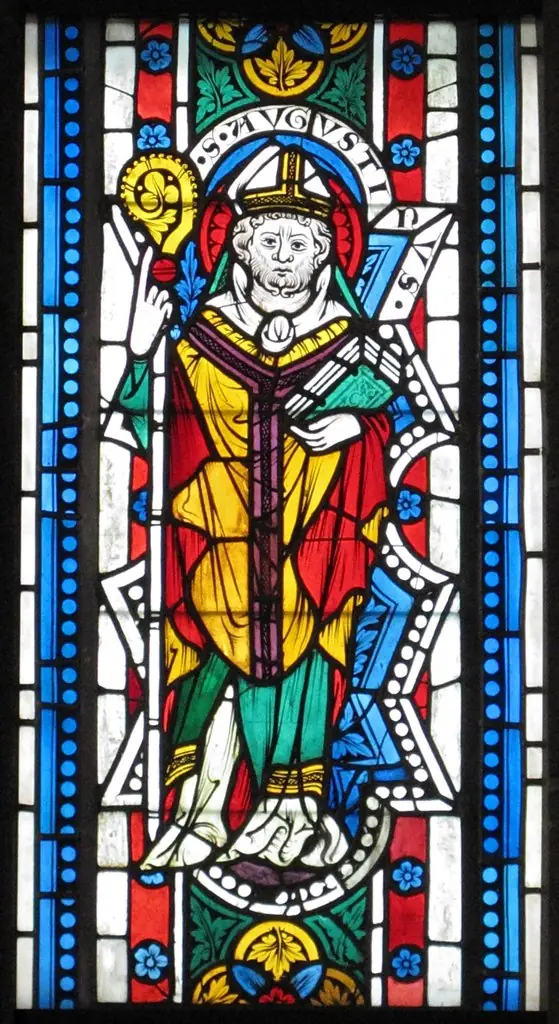
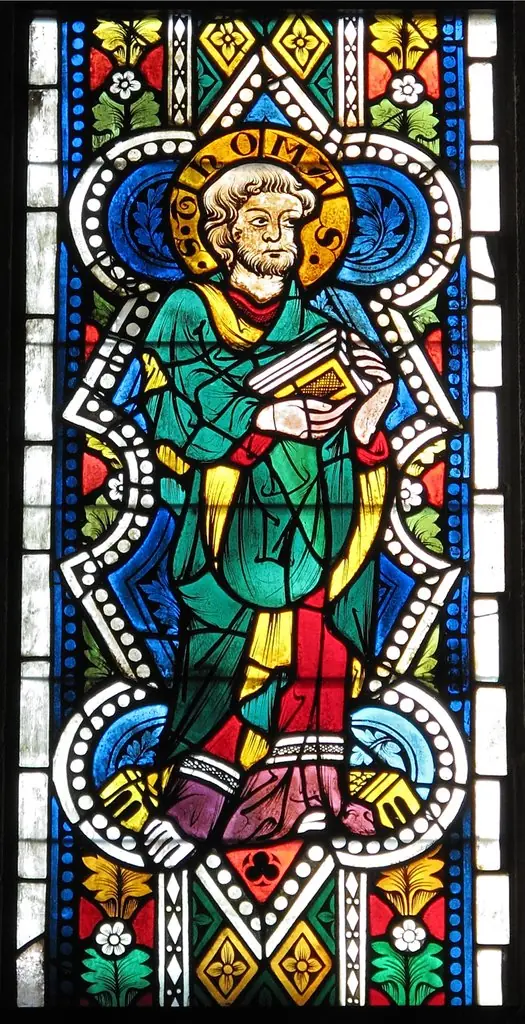
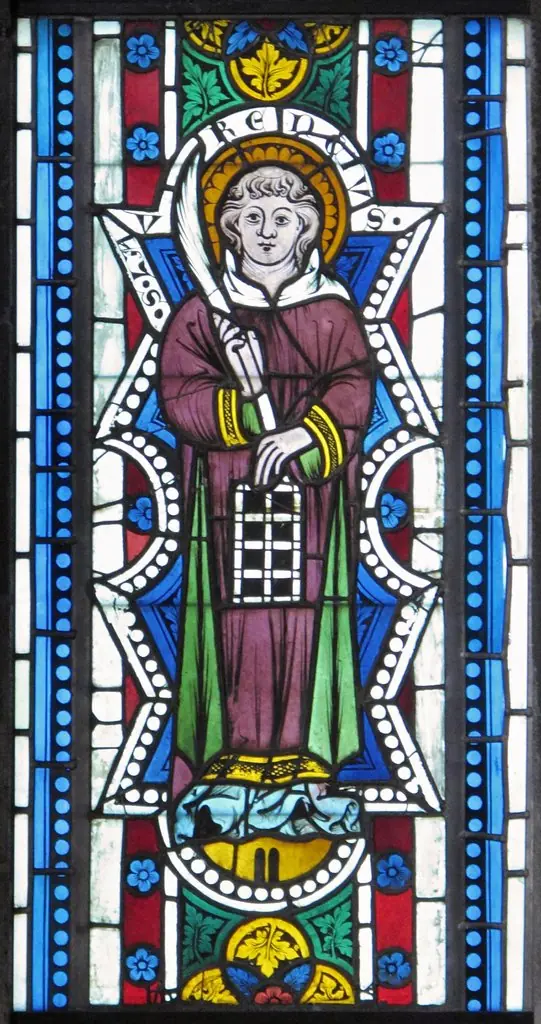
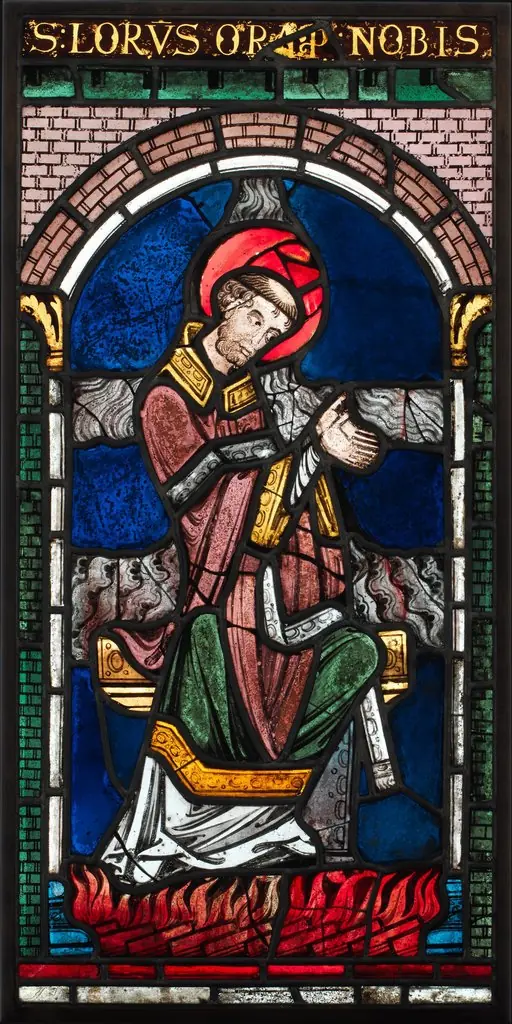
This artwork presents a full-length depiction of Saint Nicholas rendered in stained glass. The figure stands prominently against a vibrant, patterned backdrop, characterized by a solemn expression, a white beard, and dark eyebrows. He is adorned in a red robe with gold embellishments and a purple hat.
An inscription, "COLAVVS," arches above his head, potentially indicating the artist or a significant patron associated with the creation of this piece.
Technique & Style
The artwork's medium, stained glass, dictates its visual characteristics, featuring a tall, elongated figure and a brightly patterned background. The use of bold colors, such as the saint's red robe and purple hat, contributes to the piece's striking presence. The serious demeanor and detailed facial features, including the white beard and dark eyebrows, are rendered with a clarity typical of devotional art designed for visibility and impact within a sacred space.
Artist & collection