Artwork
Saint Augustine
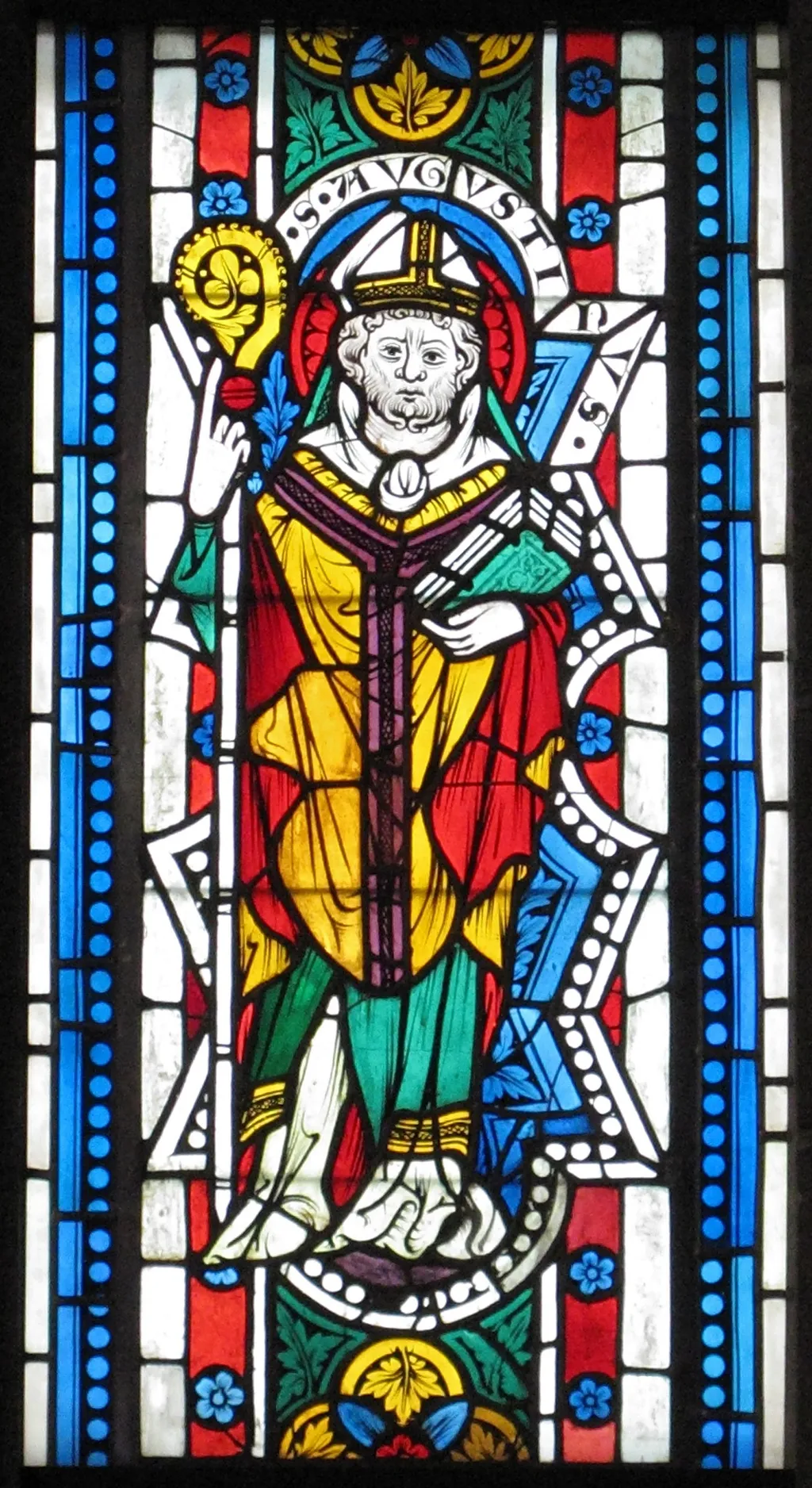
Saint Augustine is an unspecified painting. It dates from 1350 and is held in the collection of the Metropolitan Museum of Art.
About this work
Subject & Meaning
Rendered in a religious genre, the work centers on the saint himself, emphasizing his role as a key figure in Christian theology.
The painting presents Augustine of Hippo as its sole figure, identifying him as a male religious subject. Rendered in a religious genre, the work centers on the saint himself, emphasizing his role as a key figure in Christian theology. By depicting Augustine, the artwork invokes his association with doctrine, faith, and ecclesiastical authority, aligning with the devotional purpose typical of 14th‑century religious paintings.
History & Provenance
The painting titled Saint Augustine is a 14th‑century religious work attributed to an anonymous hand and dated to 1350, as recorded in its classification and creation date. It portrays Augustine of Hippo and was originally produced as a devotional image, though no specific commissioning patron is documented. The work entered the collection of the Metropolitan Museum of Art, where it remains on display.
Its creation history reflects typical medieval workshop practice, with the anonymous artist employing conventional iconography to represent the saint.
The painting Saint Augustine is held in the collection of the Metropolitan Museum of Art in New York, where it is registered under accession number 65.97.4. The provided sources do not contain any information about past exhibitions of the work.
Context
The 14th‑century oil on panel known as Saint Augustine, dated to 1350, portrays the theologian Augustine of Hippo in a devotional format. The work belongs to the religious genre and was produced by an anonymous hand, as recorded in the Metropolitan Museum of Art’s collection. Its iconography aligns with medieval hagiographic conventions, emphasizing Augustine’s role as a Doctor of the Church.
Contemporary scholarship treats the painting as a representative example of devotional imagery in late medieval Europe, using it to trace the evolution of saintly representation and the patronage practices of the period. The piece thus occupies a modest yet informative position in the narrative of early Renaissance art.
Overview
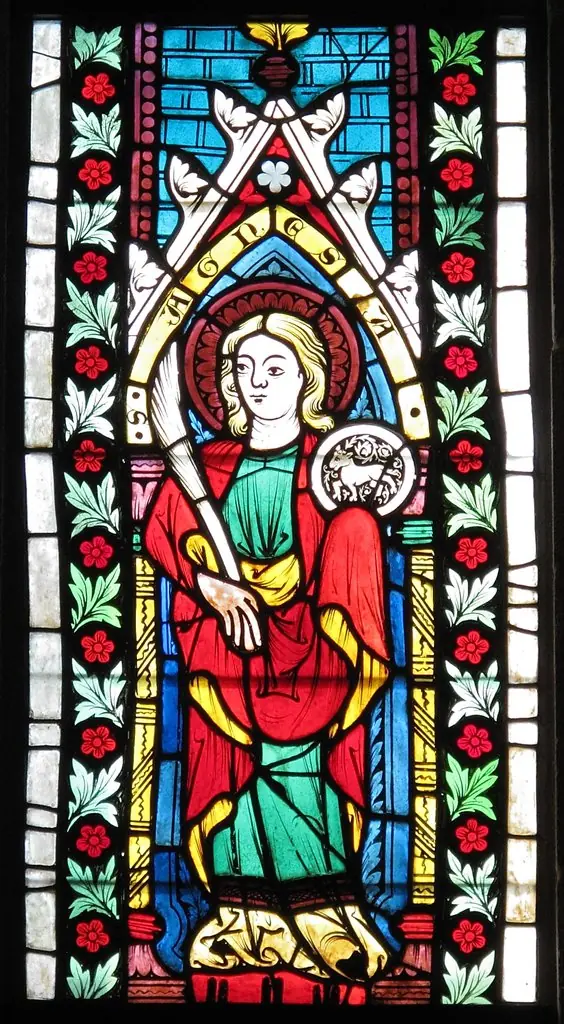
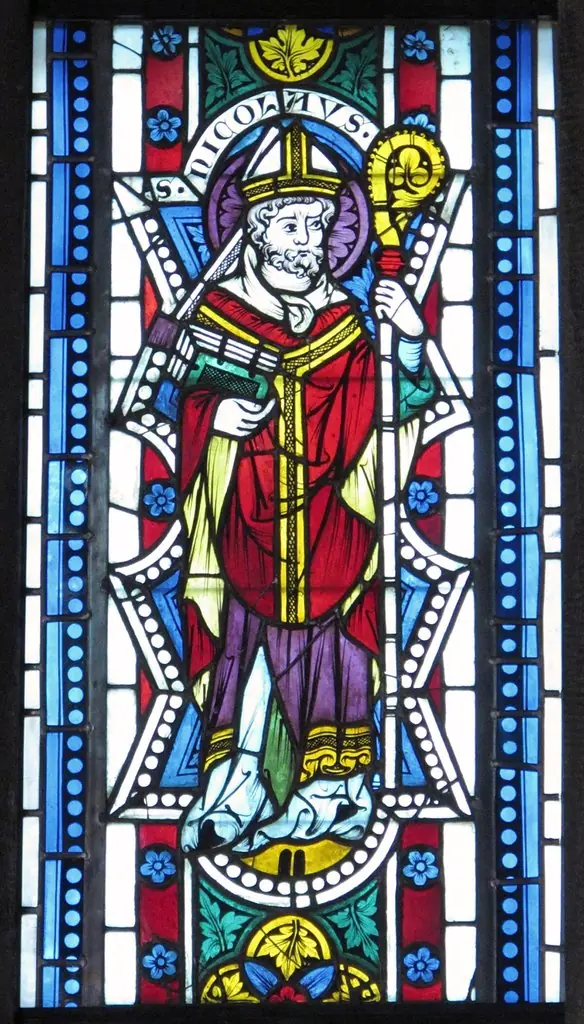
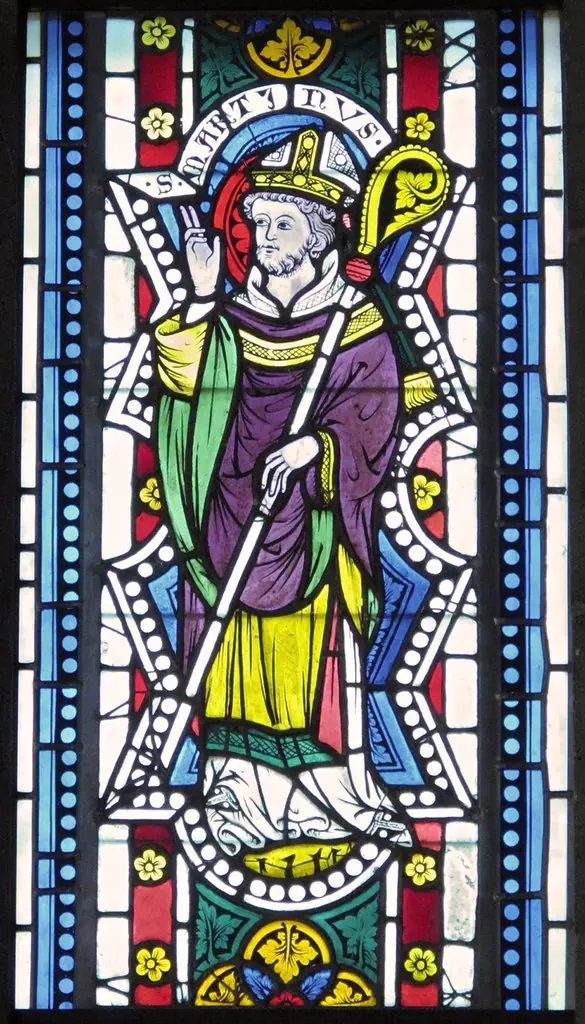
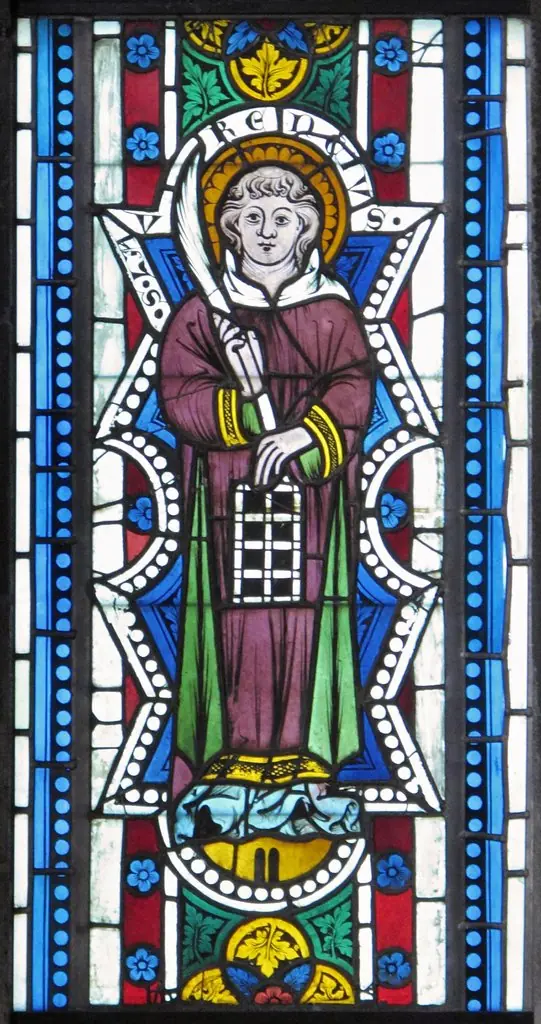
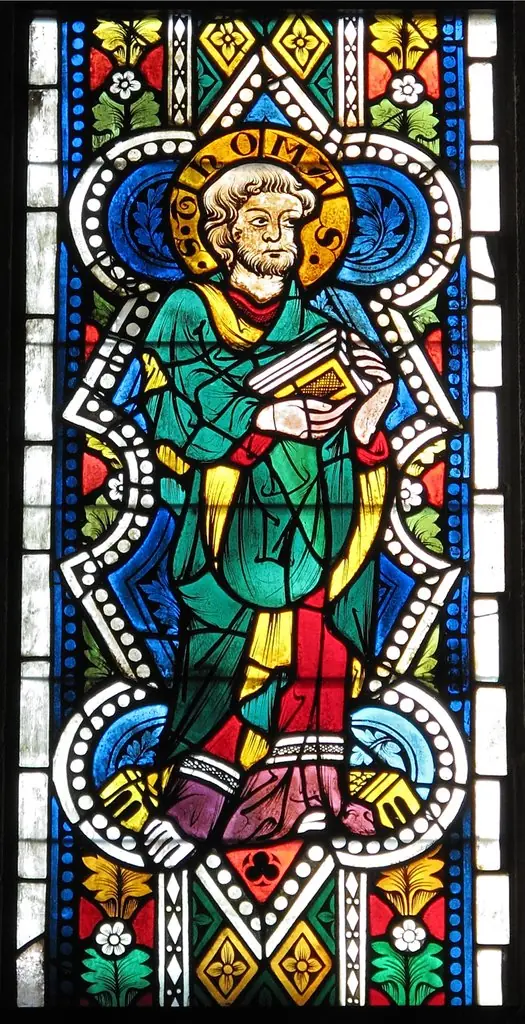
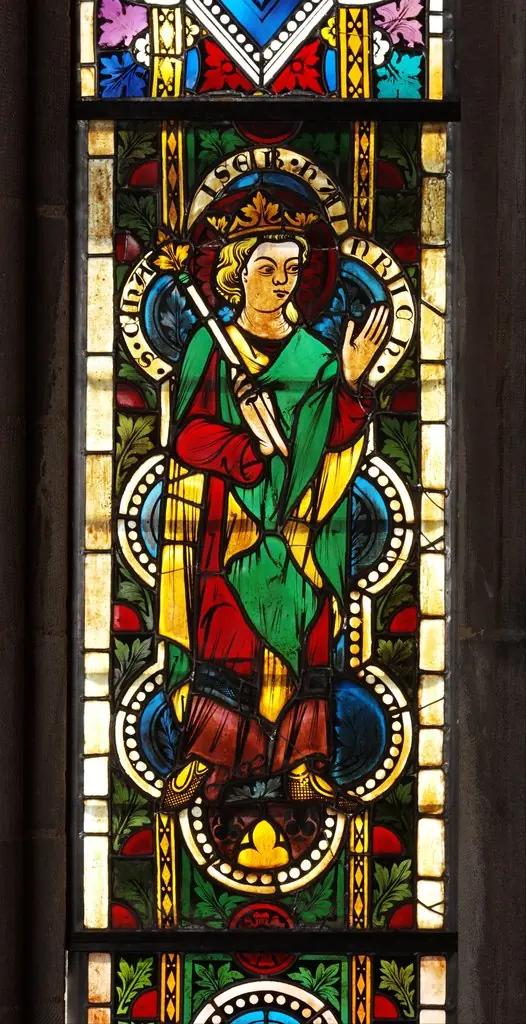
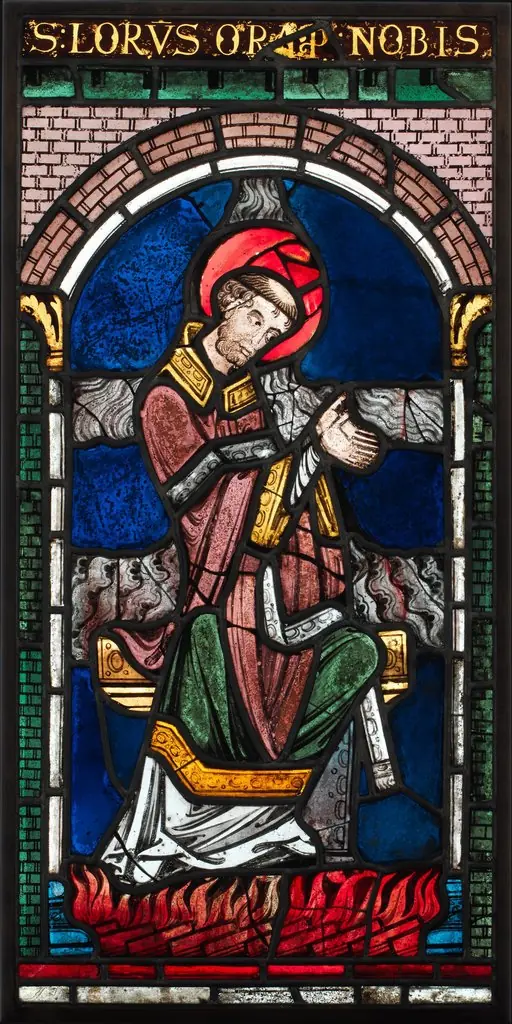
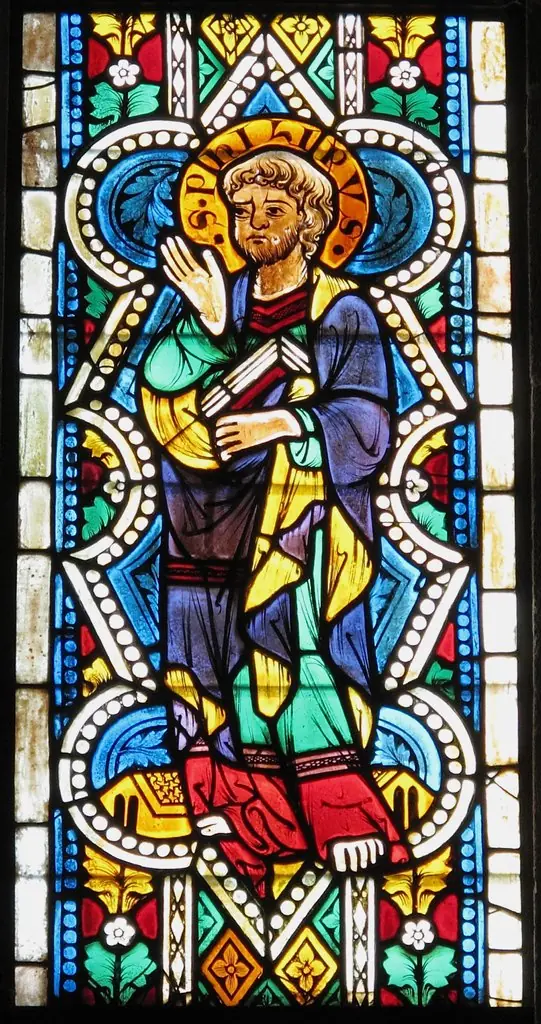
This stained-glass panel depicts Saint Augustine, rendered in a vibrant palette characteristic of medieval artistry. The figure stands prominently, adorned in ecclesiastical garments, and is set against an intricately patterned background. This type of artwork served both decorative and didactic purposes within religious structures, illustrating sacred figures for congregants.
Technique & Style
The artwork exemplifies the distinct technique of stained glass, where individual pieces of colored glass are meticulously cut and joined to form a cohesive image. This method results in strong outlines and saturated hues, creating a mosaic-like effect. The deliberate arrangement of glass fragments contributes to the figure's defined contours and the overall visual impact, typical of ecclesiastical art from the period.
Artist & collection