Artwork
Francis Depau
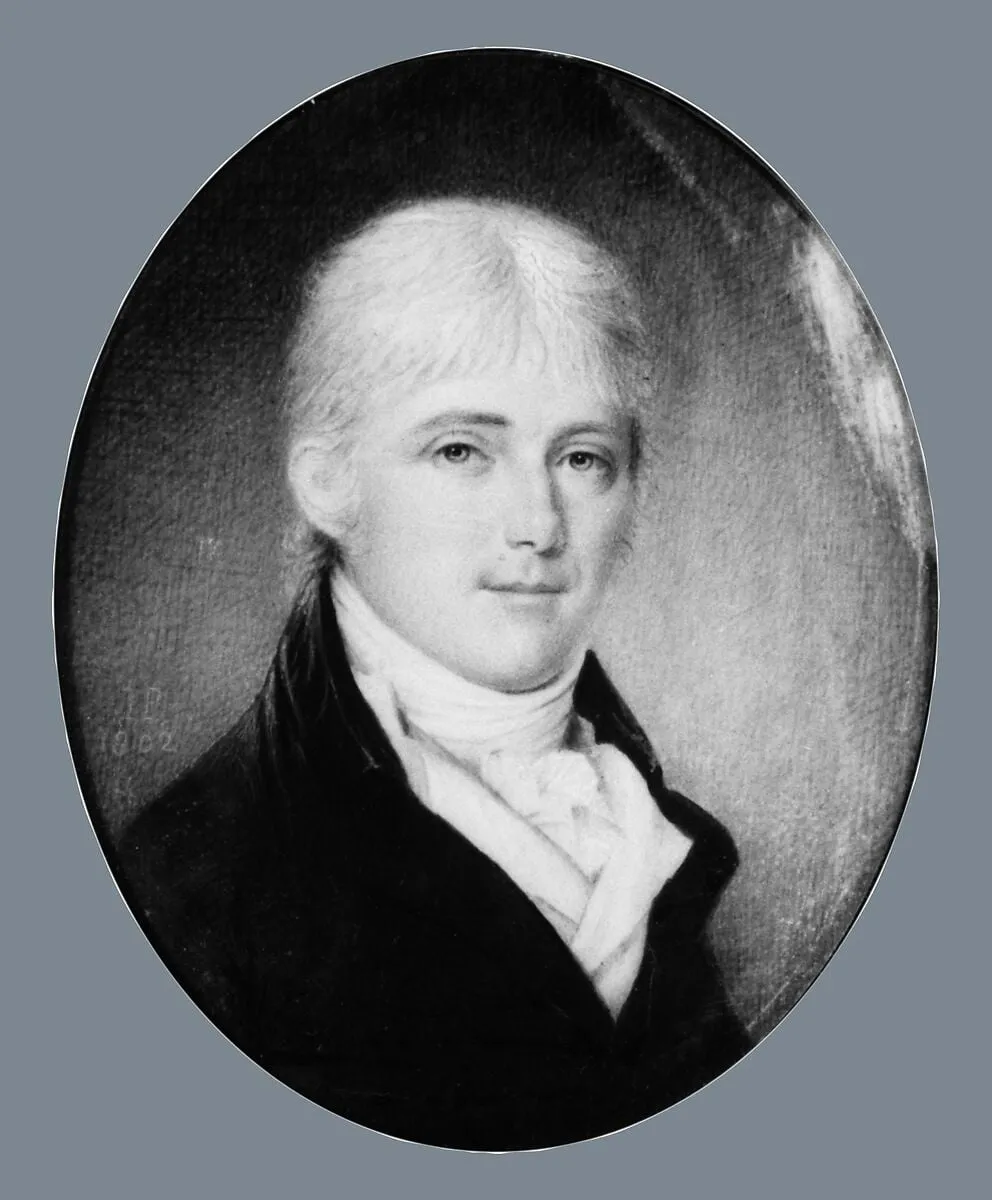
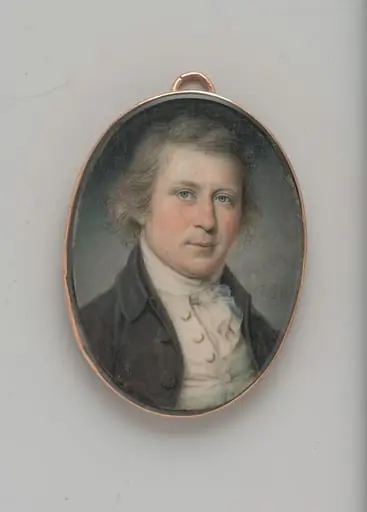
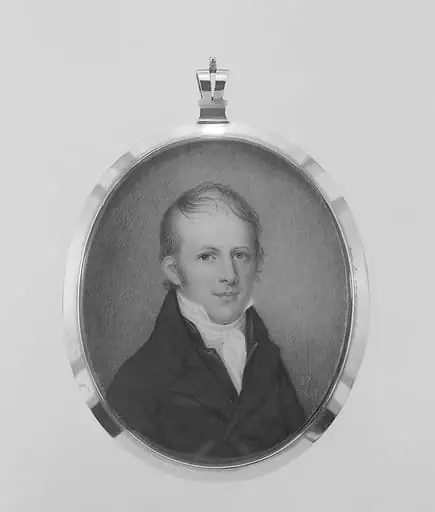
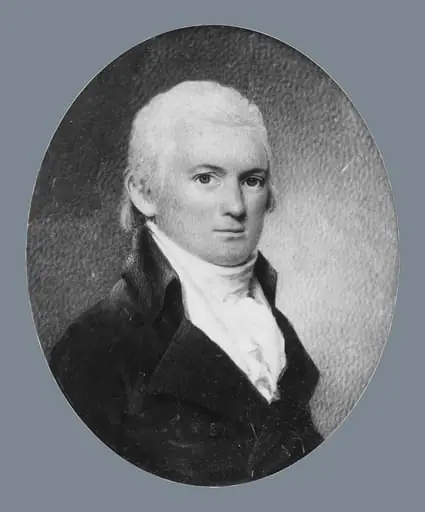
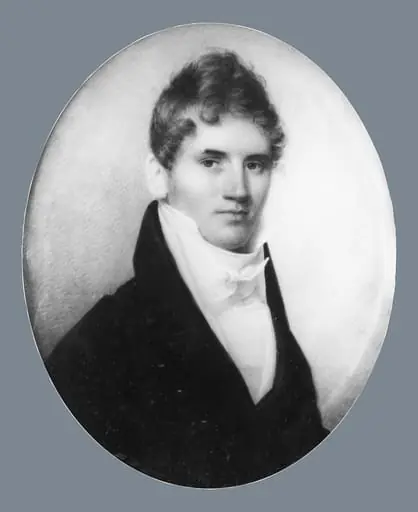
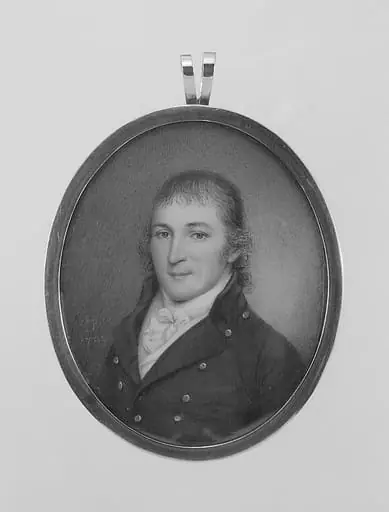
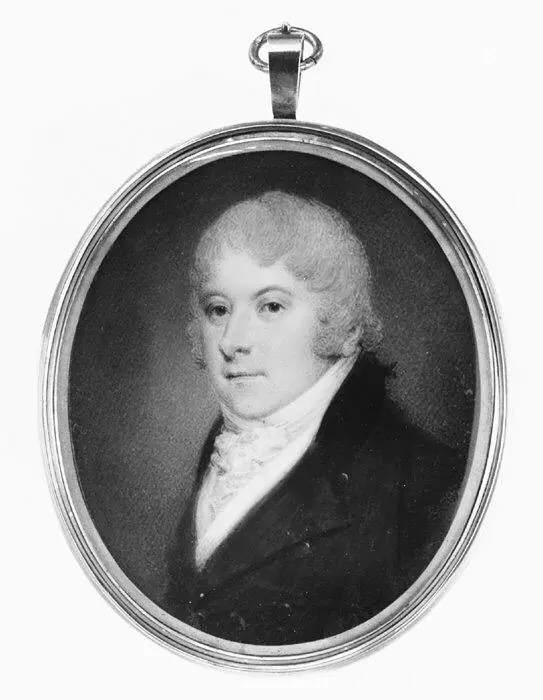
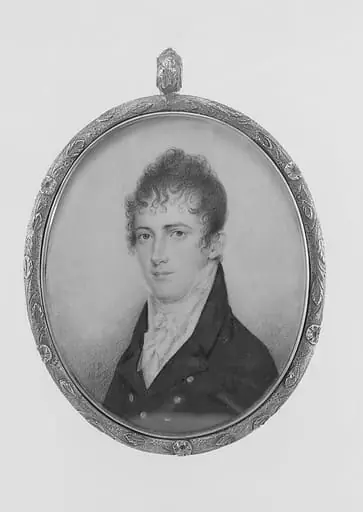
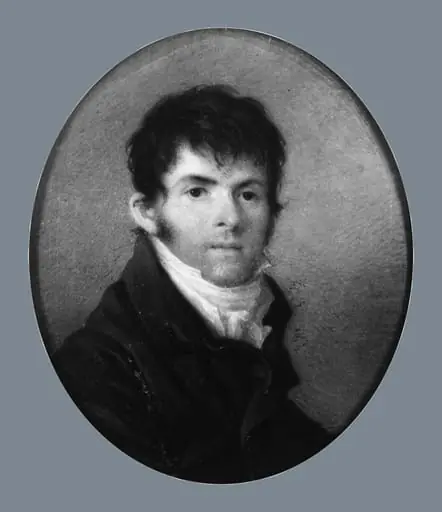
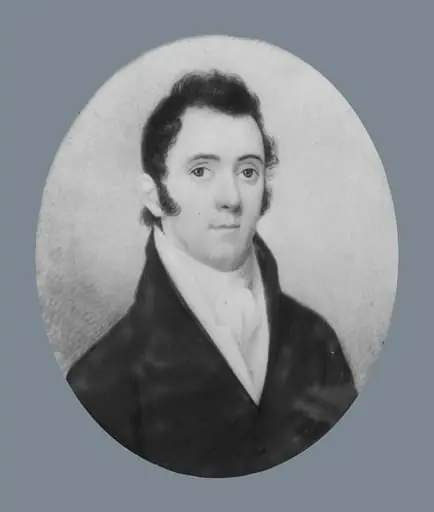
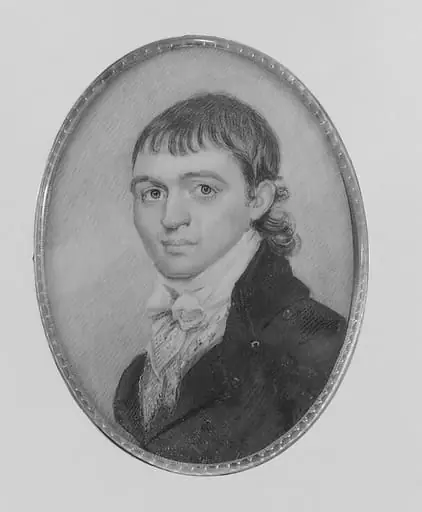
Francis Depau is a watercolor painting by the American Folk Art artist James Peale. It dates from 1802 and is held in the collection of the Metropolitan Museum of Art.
About this work
Subject & Meaning
The piece's subject is thus a man whose likeness serves to record his appearance and, by extension, his place within the cultural milieu of the early Republic.
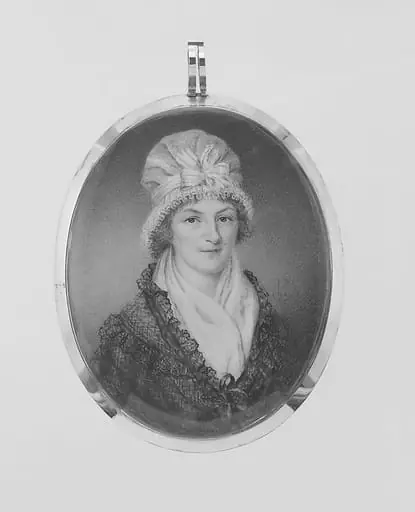
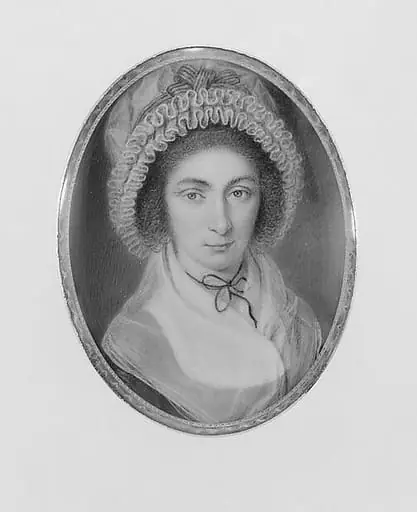
The work titled Francis Depau, painted by James Peale in 1802, is a watercolor on ivory portrait that depicts a male sitter. As a portrait within the American Wing collection at the Metropolitan Museum of Art, it exemplifies early-American portraiture, using conventional visual conventions to convey the sitter's identity and social standing. The piece's subject is thus a man whose likeness serves to record his appearance and, by extension, his place within the cultural milieu of the early Republic.
Its creation date, medium, and classification as a portrait further underscore its role as a formal representation typical of the period's artistic practice.
Technique & Style
Francis Depau is executed in watercolor on ivory, a miniature format suited to the sitter's small-scale likeness. The support of ivory provides a smooth, luminous ground that enhances the translucency characteristic of the watercolor medium, allowing delicate layering of pigment to model the subject's features. The work measures 7.2 by 5.7 centimeters, consistent with the intimate dimensions typical of portrait miniatures of this kind.
Classified within the Metropolitan Museum of Art's American Wing, the piece reflects the refined handling associated with James Peale's portrait practice in the early nineteenth century, employing controlled brushwork and fine detail to render a precise, formal likeness of the male sitter.
History & Provenance
Francis Depau, a watercolor on ivory by James Peale, was created in 1802, as indicated by both the cataloguing data and the Wikidata inception date. The portrait is held in the collection of the Metropolitan Museum of Art, where it is classified within The American Wing. No further details regarding commission, prior ownership, or intermediate provenance are documented in the available sources.
Overview
James Peale's 1802 portrait, Francis Depau, exemplifies the artist's skill in miniature painting. Executed in watercolor on ivory, this small-scale work captures its subject with delicate precision. It represents a facet of early American art, aligning with the folk art tradition through its intimate scale and careful rendering. The piece highlights Peale's contribution to the visual culture of the period.
Context
James Peale was a notable figure in early American art, often recognized for his miniatures and still lifes. As the younger brother of the prominent artist Charles Willson Peale, James developed his own distinct practice, contributing significantly to the era's visual landscape. His carefully rendered, intimate works, such as Francis Depau, are often associated with the American folk art tradition, reflecting a focus on accessible and personal artistic expression.
Artist & collection

Artist
James Peale (1749 – May 24, 1831) was an American painter, best known for his miniature and still life paintings, and a younger brother of noted painter Charles Willson Peale.