Artwork
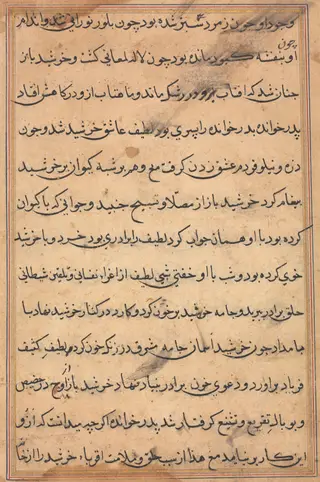
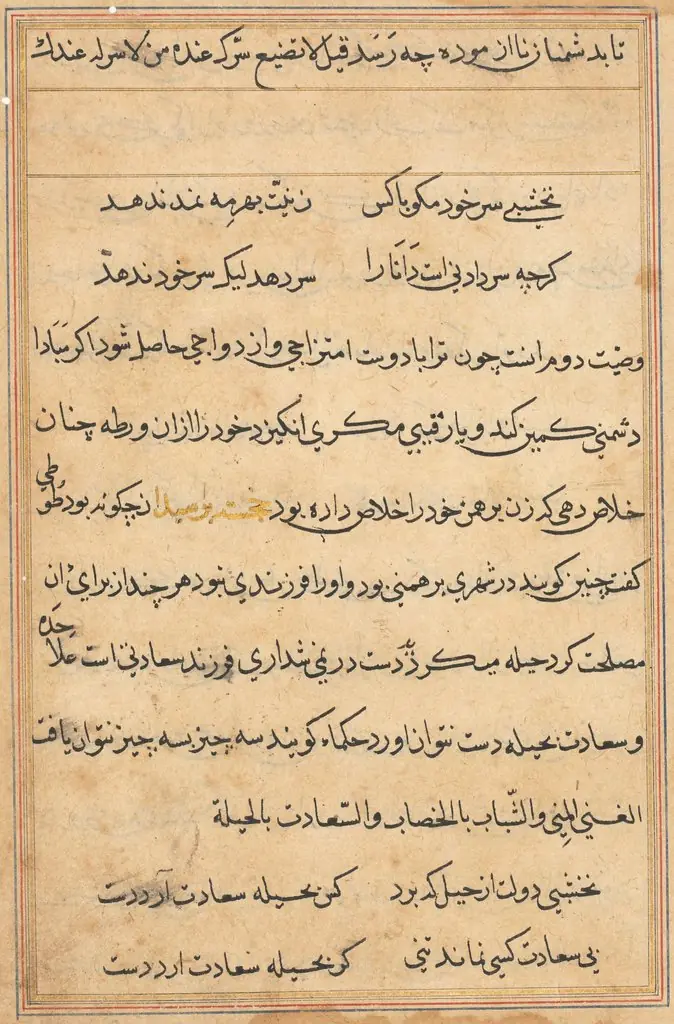
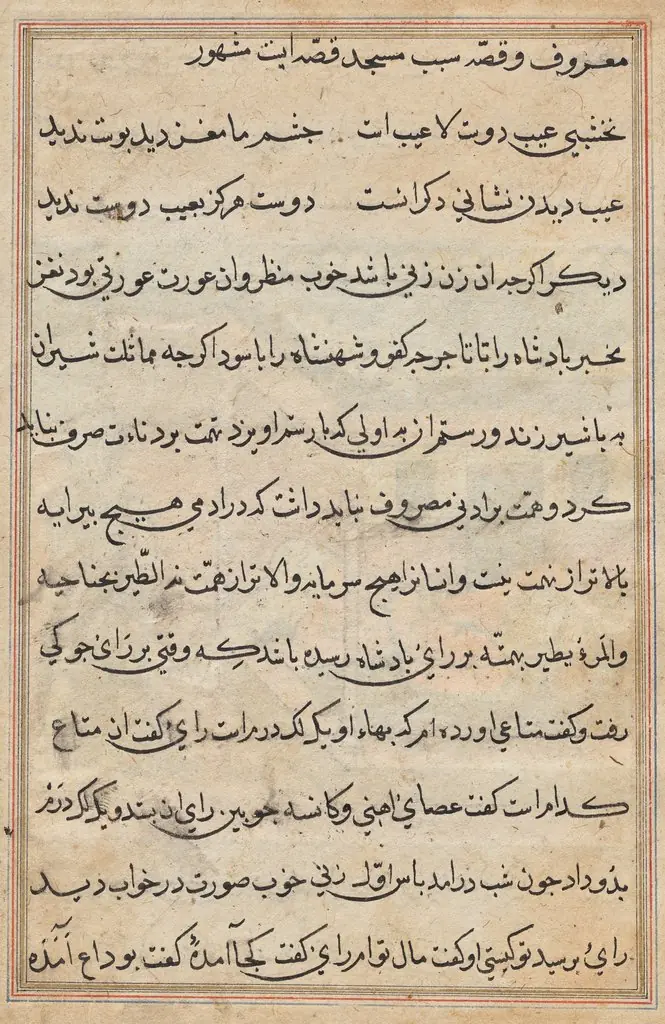
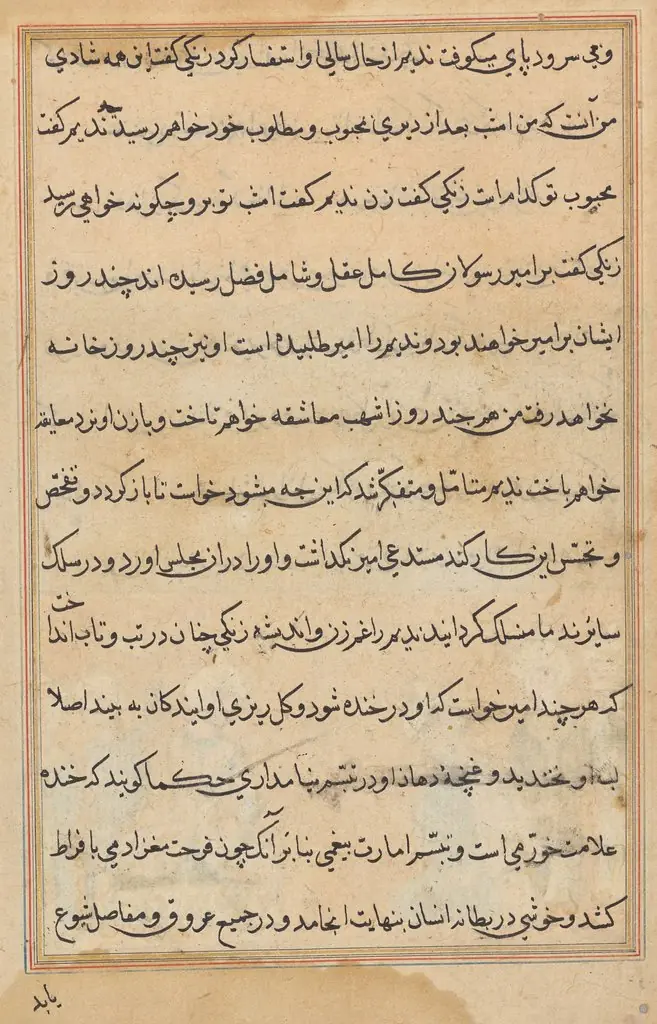
Page from Tales of a Parrot (Tuti-nama): text page
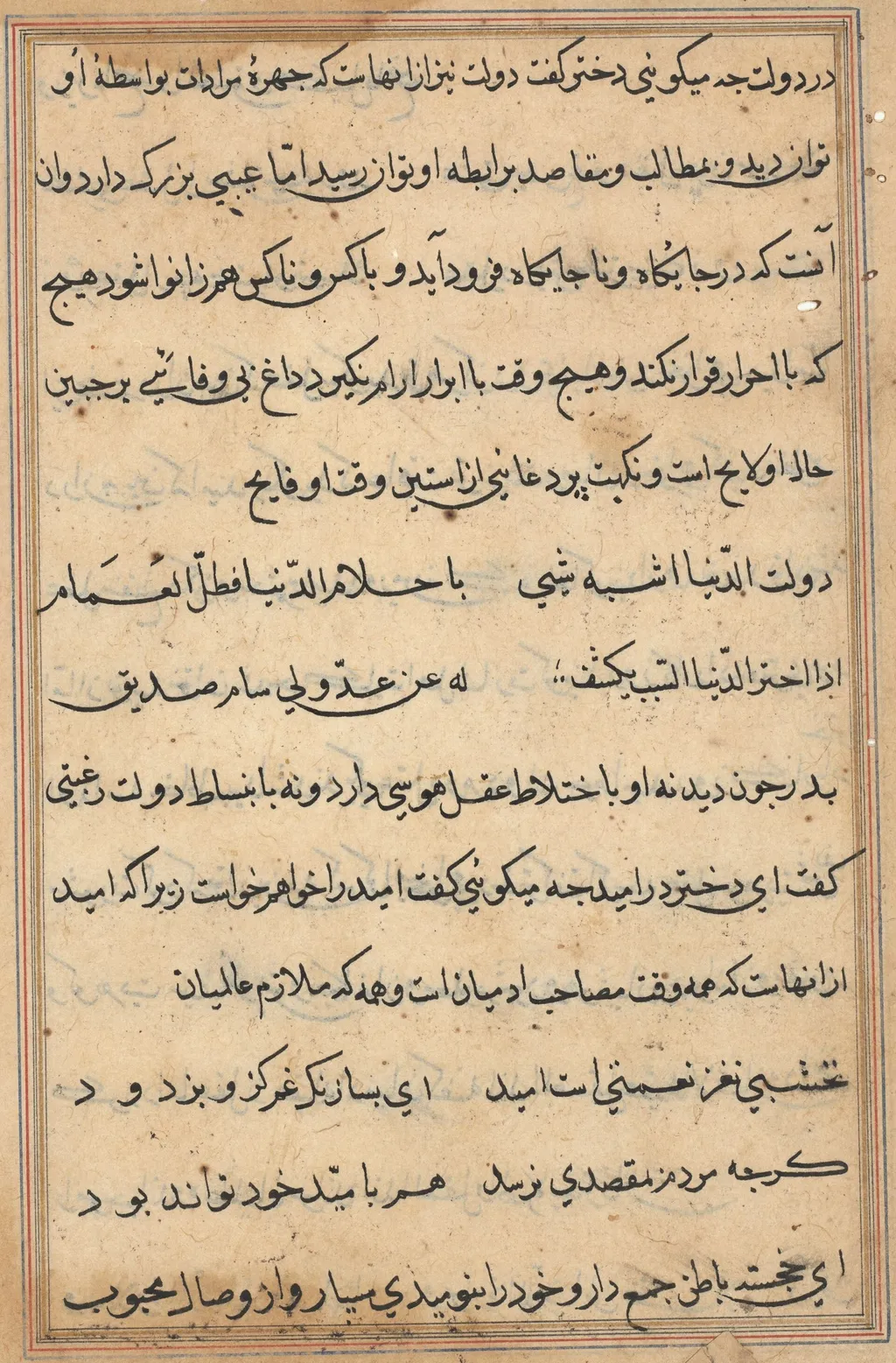
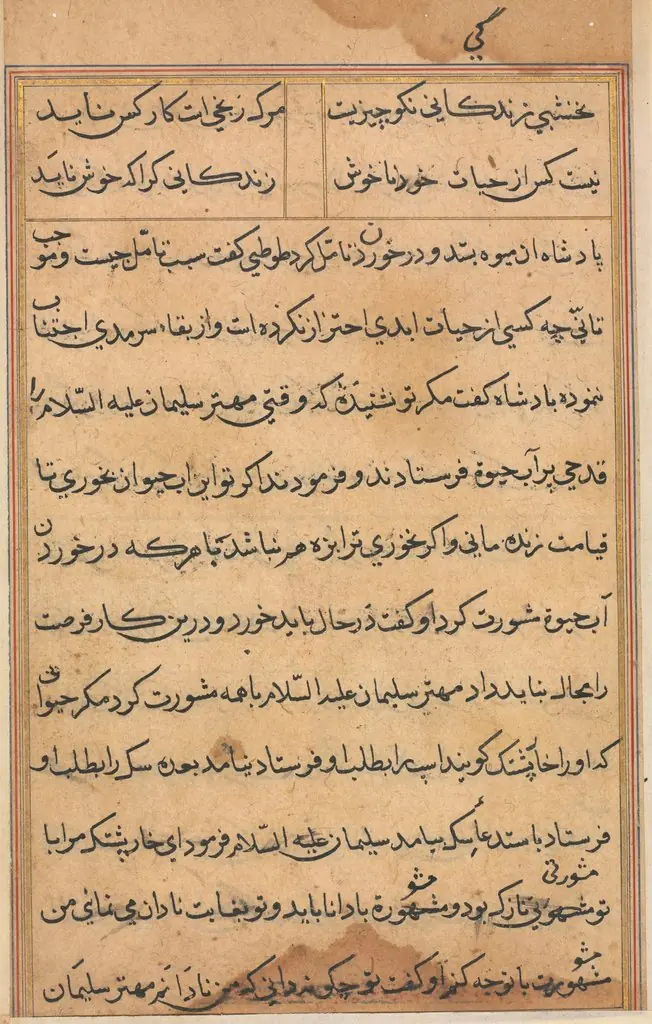
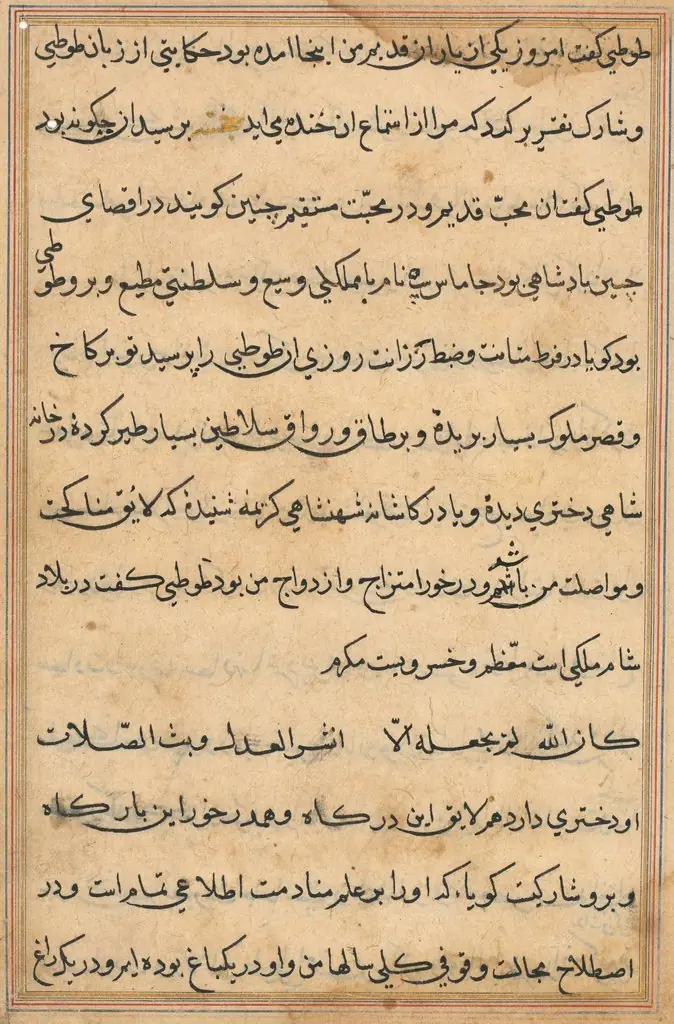
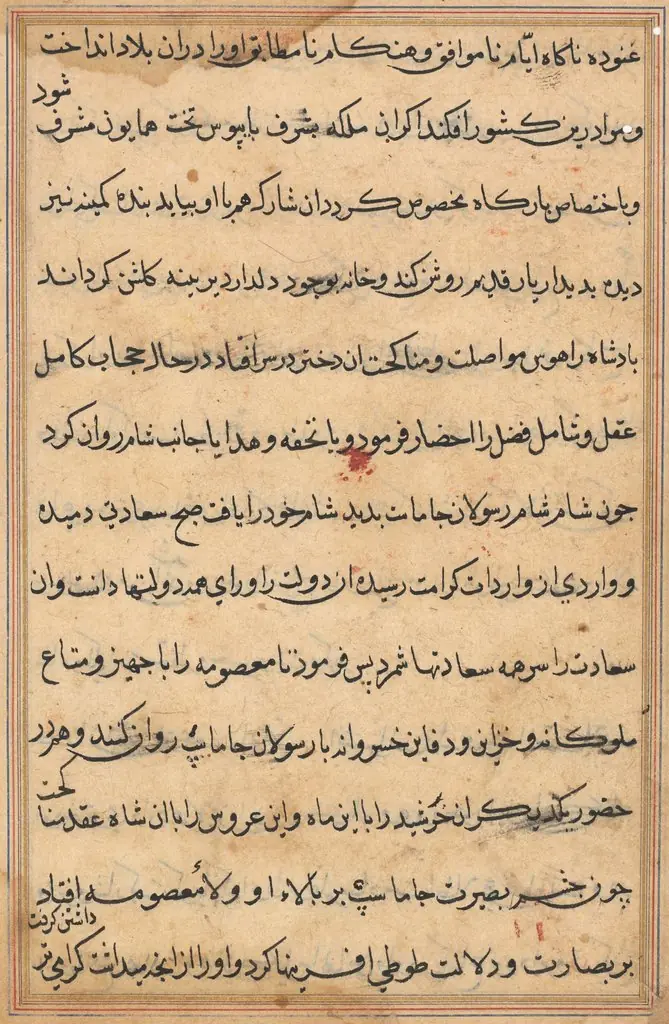
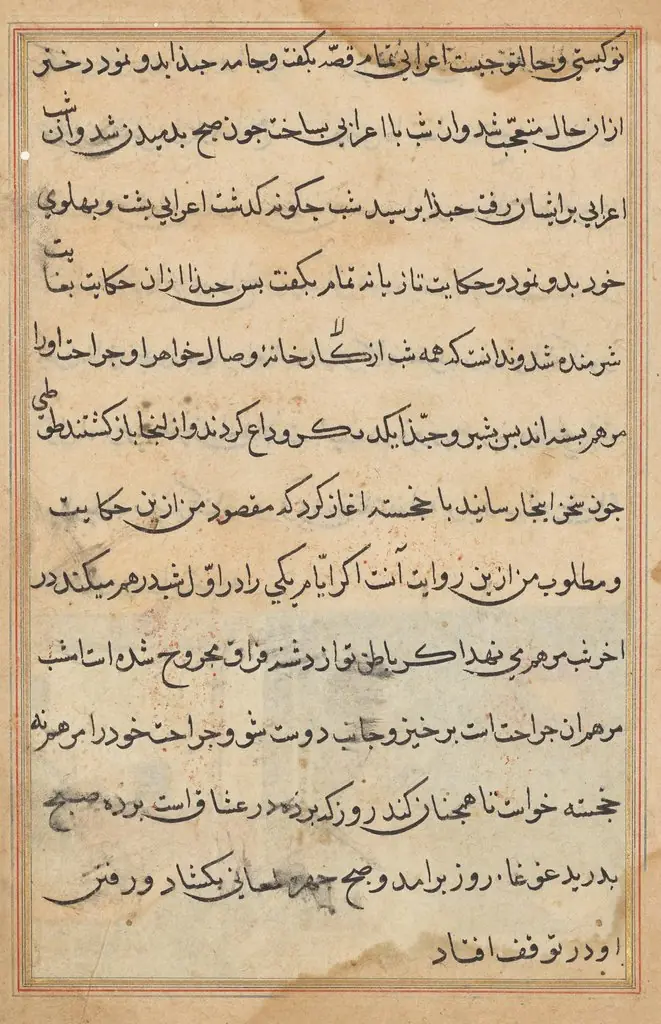
Page from Tales of a Parrot (Tuti-nama): text page is an unspecified painting. It dates from 1560 and is held in the collection of the Cleveland Museum of Art. This work is a painted page from the illustrated manuscript known as the Tuti‑nama or Tales of a Parrot.
About this work
Subject & Meaning
This text page functions as a visual conduit for storytelling, reflecting the cultural emphasis on moral instruction through allegorical animal figures.
The page depicts a narrative scene from the Tuti-nama, showing a parrot recounting a moral tale to a prince, embodying themes of wisdom and caution. The iconography of the bird serves as a didactic symbol, representing eloquent speech and the transmission of ethical lessons within the Mughal courtly tradition. This text page functions as a visual conduit for storytelling, reflecting the cultural emphasis on moral instruction through allegorical animal figures.
History & Provenance
Created in 1560 within the Mughal Empire, this text page from the Tuti-nama (Tales of a Parrot) was produced by an artist whose identity remains unrecorded. The work entered the collection of the Cleveland Museum of Art, where it is cataloged under the accession number 1962.279.166.b. The museum's records indicate the piece was acquired in 1962, establishing its modern provenance. No specific details regarding the original commissioner or the intermediate ownership history between its creation in the sixteenth century and its mid-twentieth-century acquisition are provided in the available documentation.
The miniature page originates from a 1560 manuscript produced in the Mughal Empire and is presently housed in the Cleveland Museum of Art, catalogued under accession 1962.279.166.b.
It has been exhibited in the museum’s South Asian art galleries, where it is part of the permanent collection display.
The work was acquired by the museum in 1962 as part of the initial purchase of Indian miniature paintings.
Legacy
The miniature from the Tuti-nama manuscript, produced in the Mughal Empire around 1560, helped shape the visual language of Persianate book illustration in South Asia. Its compositional economy and narrative sequencing influenced later regional ateliers that adapted Safavid and Ottoman models for courtly storytelling. Cleveland Museum of Art’s acquisition of the leaf in the mid‑20th century elevated its visibility within Western collections, prompting scholarly attention to the trans‑regional transmission of these illustrated texts.
Overview
This work is a painted page from the illustrated manuscript known as the Tuti‑nama or Tales of a Parrot. Executed as a single sheet, the piece consists entirely of black calligraphic text set against a pale beige ground, filling the surface in a continuous, undulating rhythm that suggests the flow of water or wind.
Technique & Style
The calligraphy is rendered in a meticulously balanced hand, with individual letters elongated or compressed to achieve a harmonious visual density. Small blue specks are interspersed among the black strokes, resembling scattered stars and adding a decorative counterpoint to the monochrome script.
Artist & collection

 Page from Tales of a Parrot (Tuti-nama): text page
 Page from Tales of a Parrot (Tuti-nama): text page
 Page from Tales of a Parrot (Tuti-nama): text page
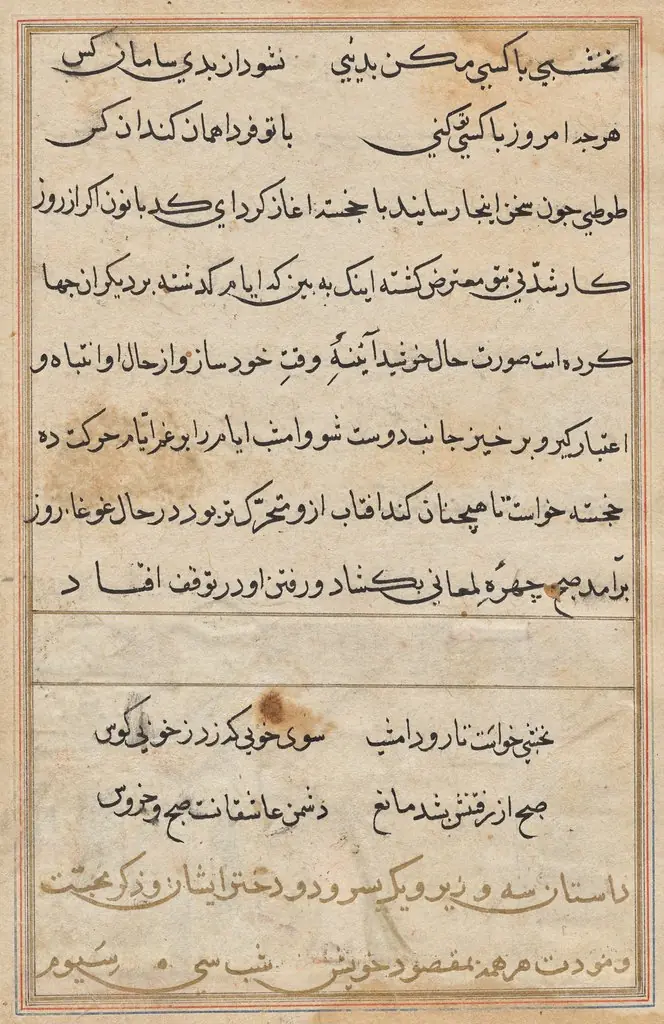 Page from Tales of a Parrot (Tuti-nama): text page
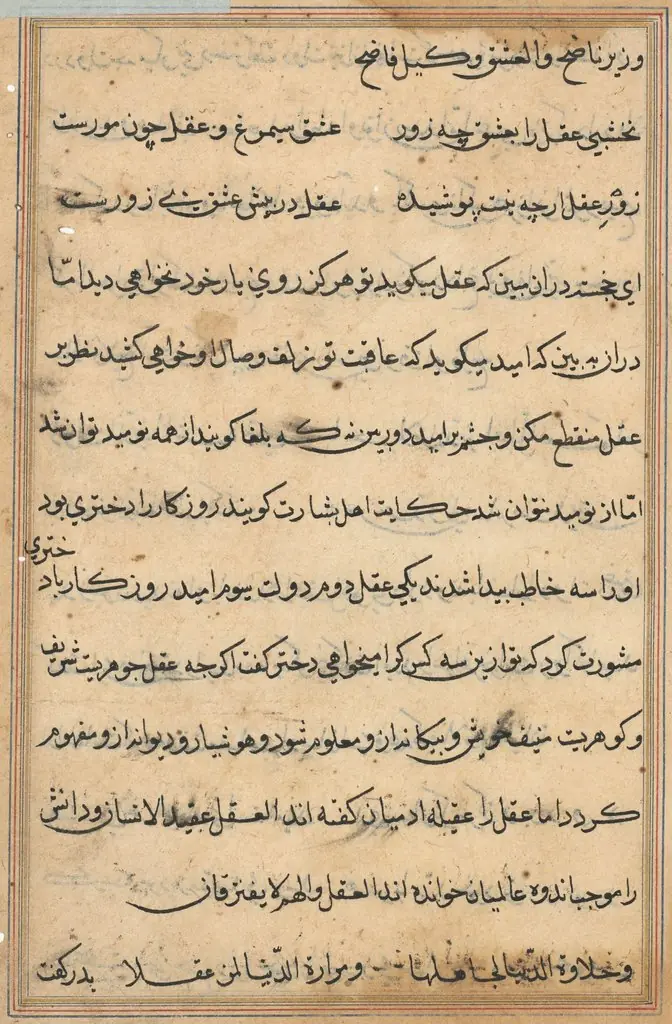 Page from Tales of a Parrot (Tuti-nama): text page
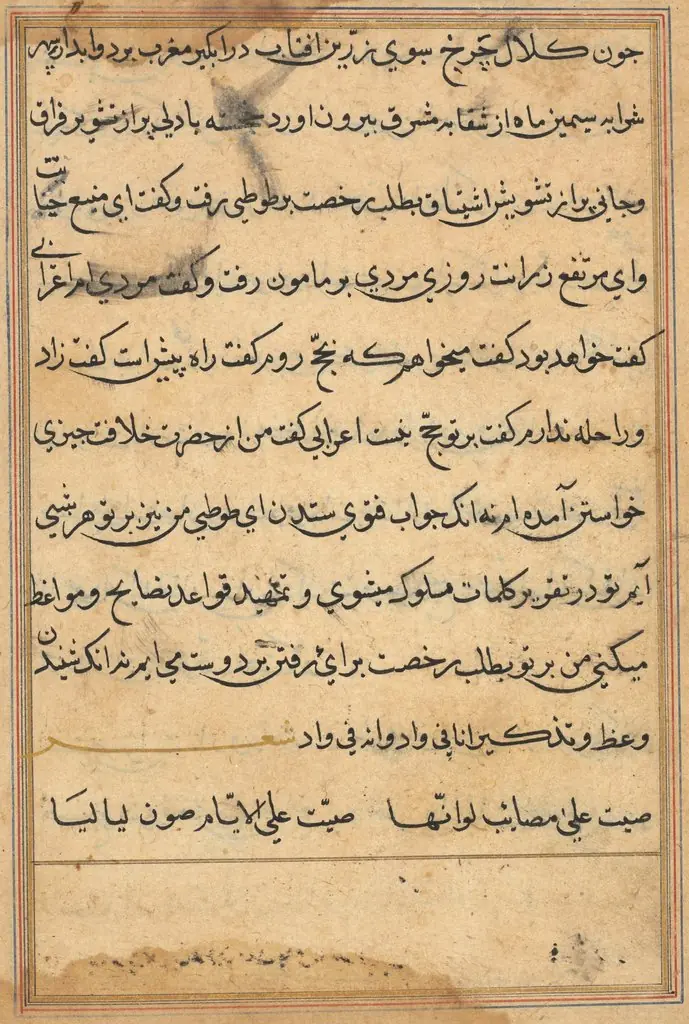 Page from Tales of a Parrot (Tuti-nama): text page
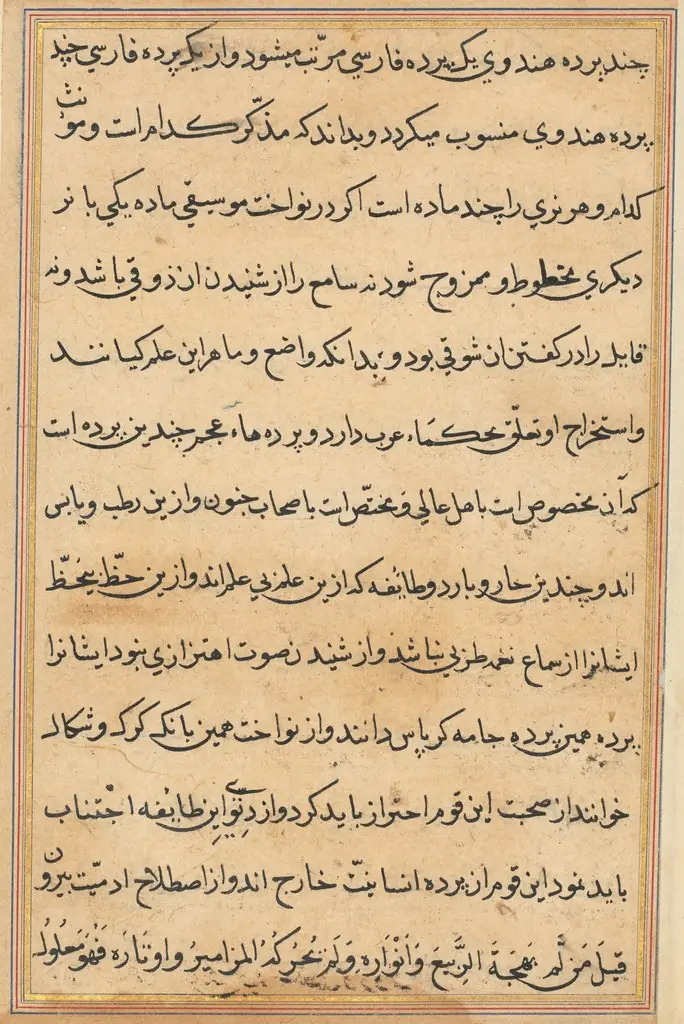 Page from Tales of a Parrot (Tuti-nama): text page
 Page from Tales of a Parrot (Tuti-nama): text page