Artwork
Page from Tales of a Parrot (Tuti-nama): text page
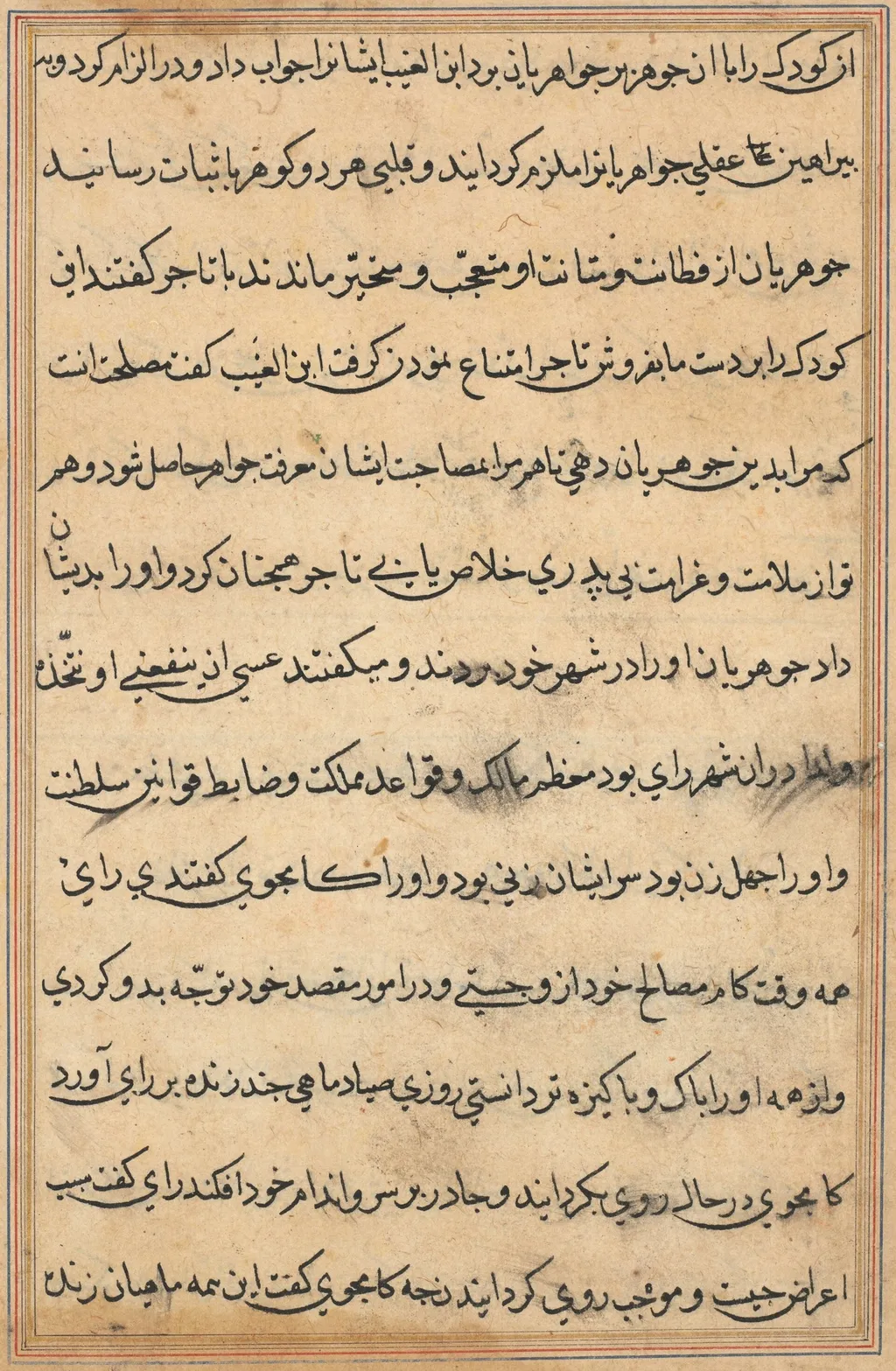
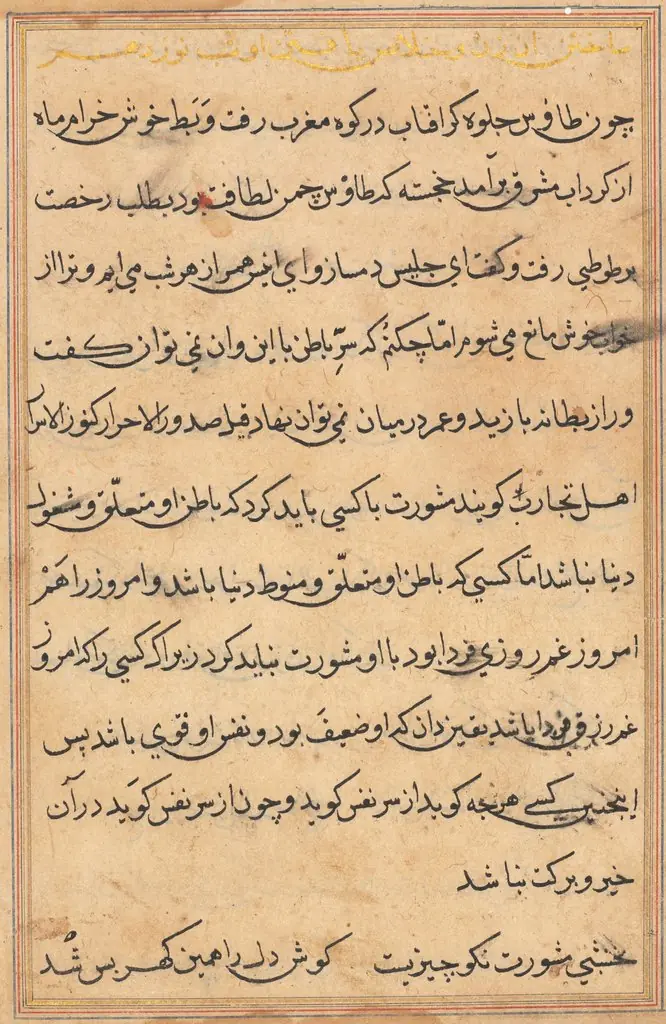
Page from Tales of a Parrot (Tuti-nama): text page is an unspecified painting. It dates from 1560 and is held in the collection of the Cleveland Museum of Art. This object is a single folio from the illustrated manuscript Tales of a Parrot (Tuti‑nama).
About this work
History & Provenance
It is currently held in the collection of the Cleveland Museum of Art, where it is cataloged under the accession number 1962.
This text page from the Tales of a Parrot (Tuti-nama) was created in 1560 within the Mughal Empire. The work is attributed to an unknown artist and represents a painting classified as a manuscript page. It is currently held in the collection of the Cleveland Museum of Art, where it is cataloged under the accession number 1962.279.162.b. The specific history regarding its initial commission or the precise chain of ownership prior to its arrival at the museum is not detailed in the available records.
The text page from Tales of a Parrot (Tuti-nama) is part of the Cleveland Museum of Art's collection, accessioned as 1962.279.162.b. It was created in 1560 in the Mughal Empire and is currently exhibited at the Cleveland Museum of Art.
Overview
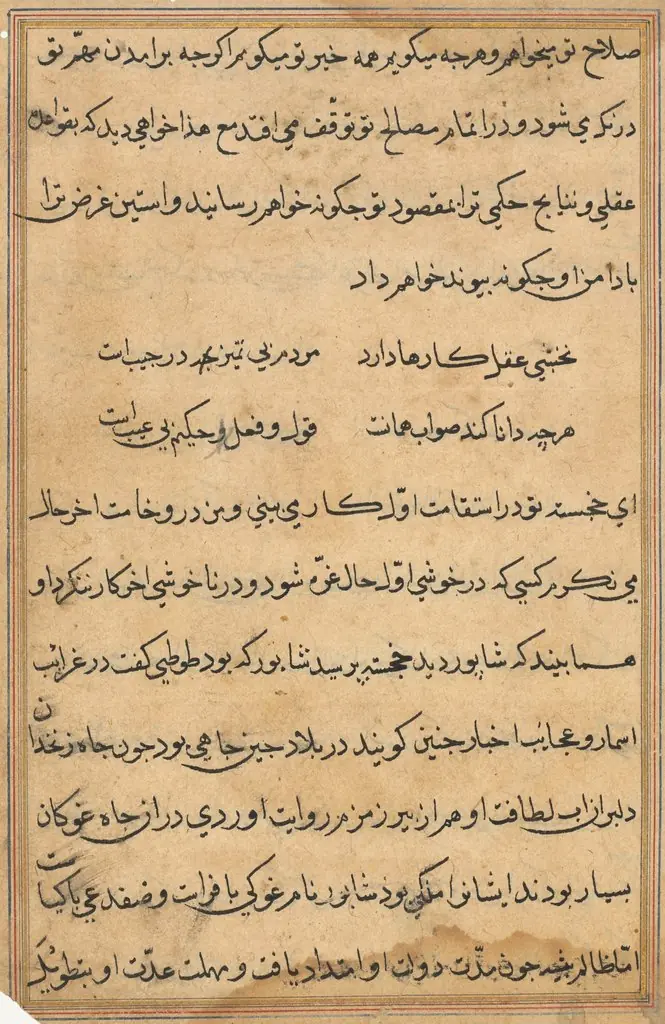
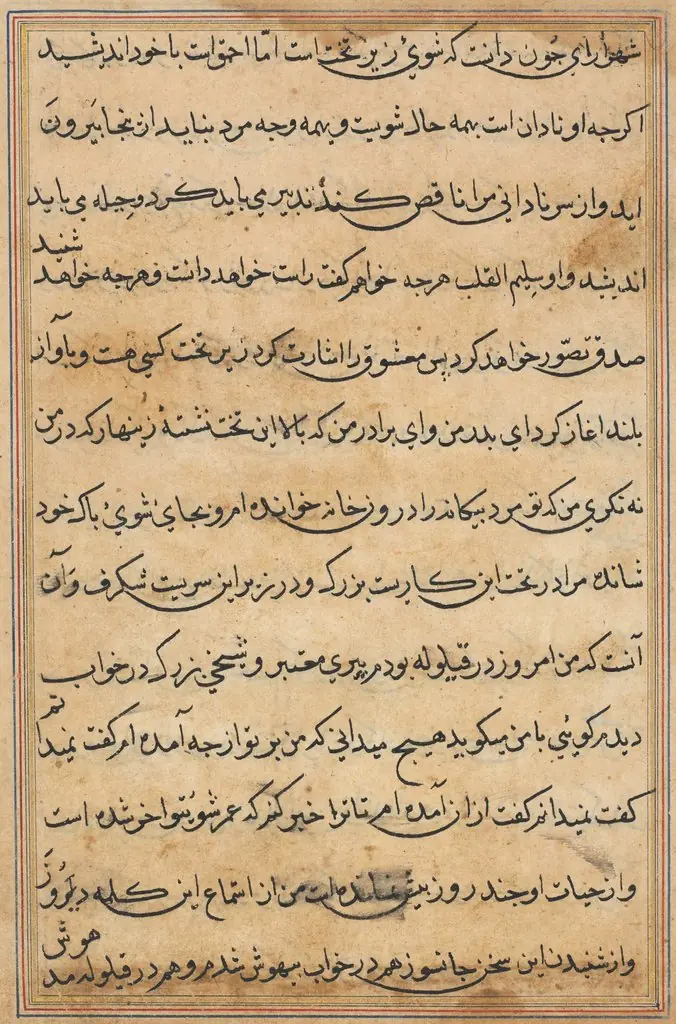
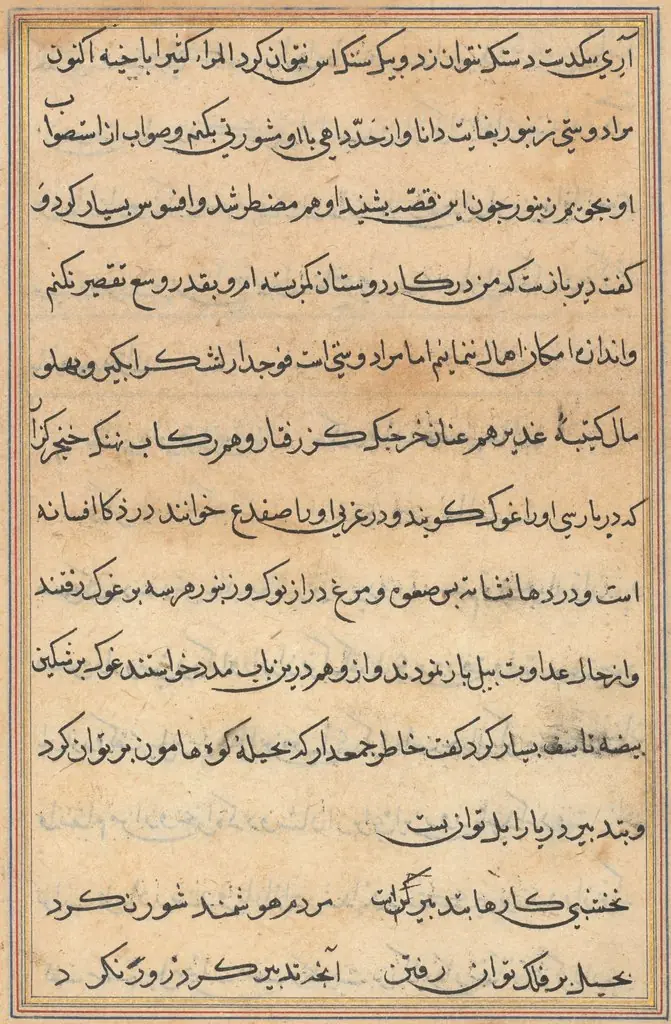
This object is a single folio from the illustrated manuscript Tales of a Parrot (Tuti‑nama). The page consists of dense black calligraphy arranged in tight, orderly rows, framed by a thin red border. The paper shows a warm, slightly yellowed tone, suggesting age, while the ink retains a fresh, dark sheen with occasional faint slip marks from the pen.
Subject & Meaning
The text on the page forms part of a narrative composed for Prince Salim, a member of the Mughal court. Such stories were designed to entertain and instruct royalty, intertwining moral lessons with courtly intrigue, and the elaborate presentation reflects the patron’s status and the cultural value placed on literary art.
Technique & Style
The script is rendered in flowing black ink, applied with a fine brush or pen that produces a uniform, compact hand. The red border, likely added with a thin pigment line, delineates the text area and adds a decorative accent typical of high‑status manuscripts of the period.
Artist & collection

- Page from Tales of a Parrot (Tuti-nama): text page
 Page from Tales of a Parrot (Tuti-nama): text page
 Page from Tales of a Parrot (Tuti-nama): text page
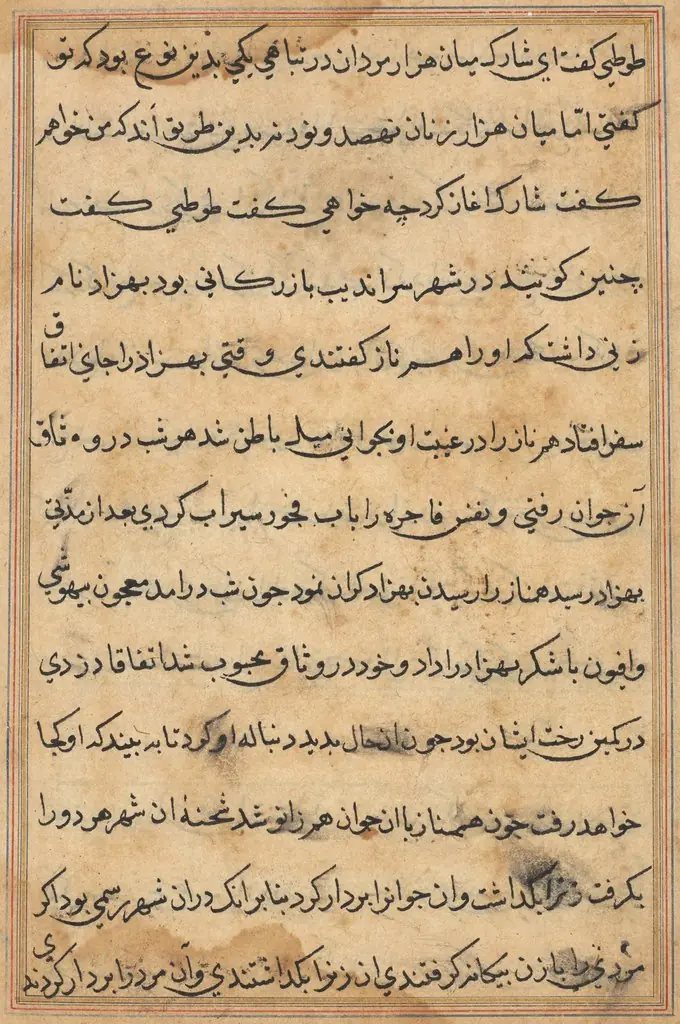 Page from Tales of a Parrot (Tuti-nama): text page
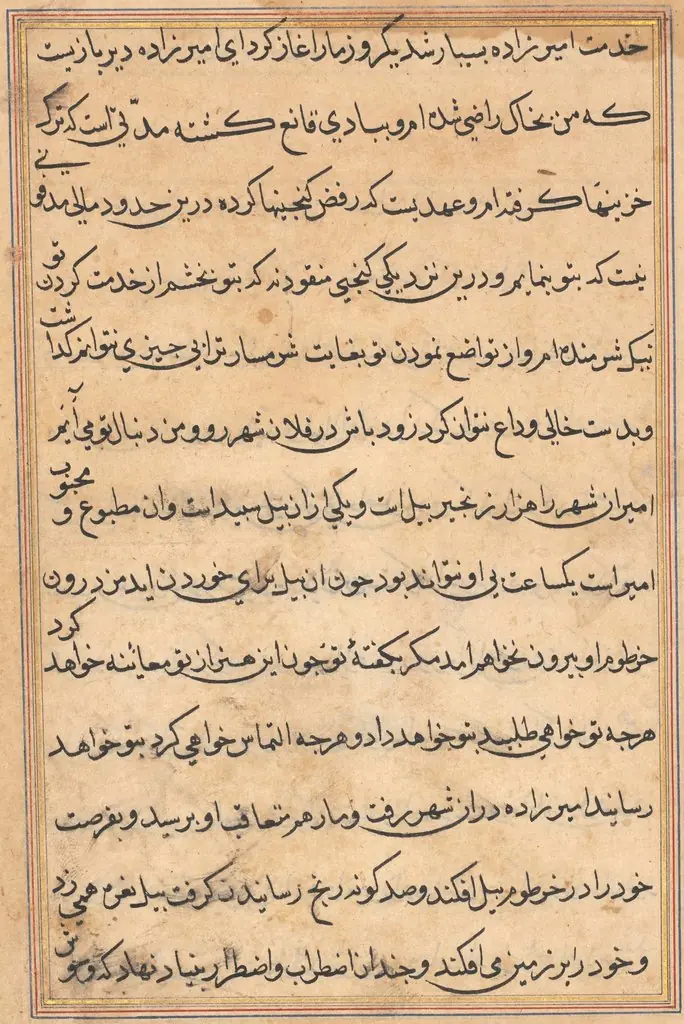 Page from Tales of a Parrot (Tuti-nama): text page
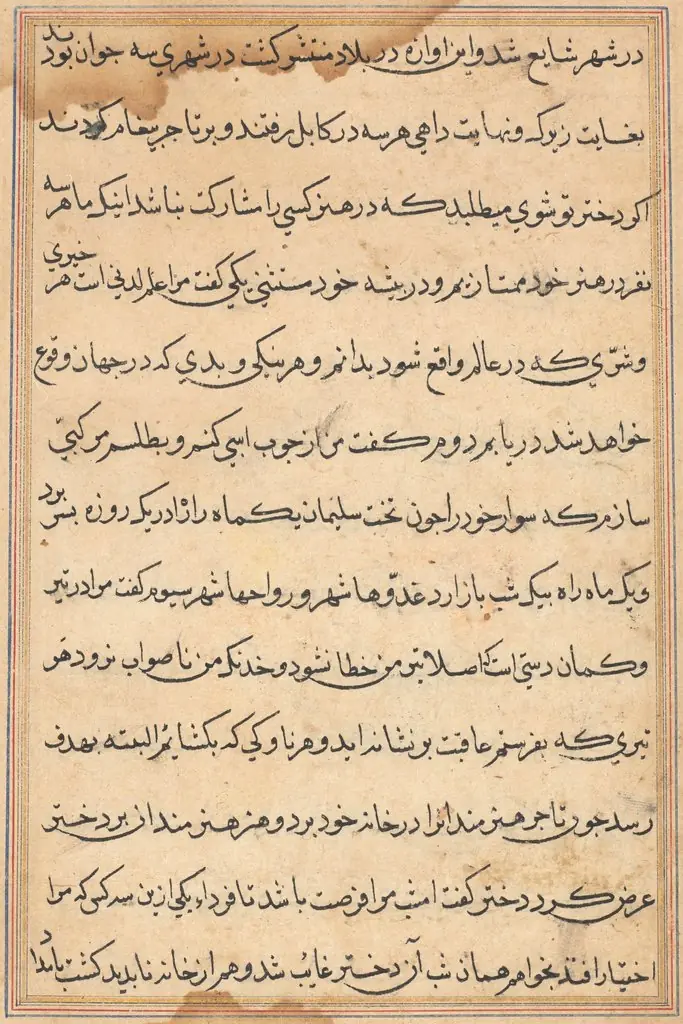 Page from Tales of a Parrot (Tuti-nama): text page
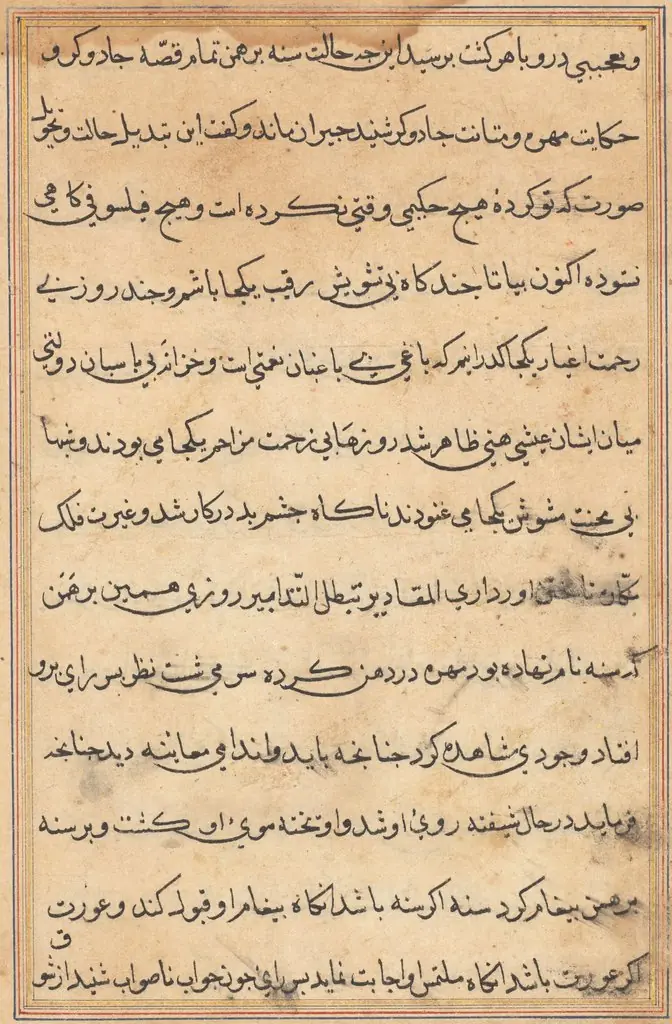 Page from Tales of a Parrot (Tuti-nama): text page
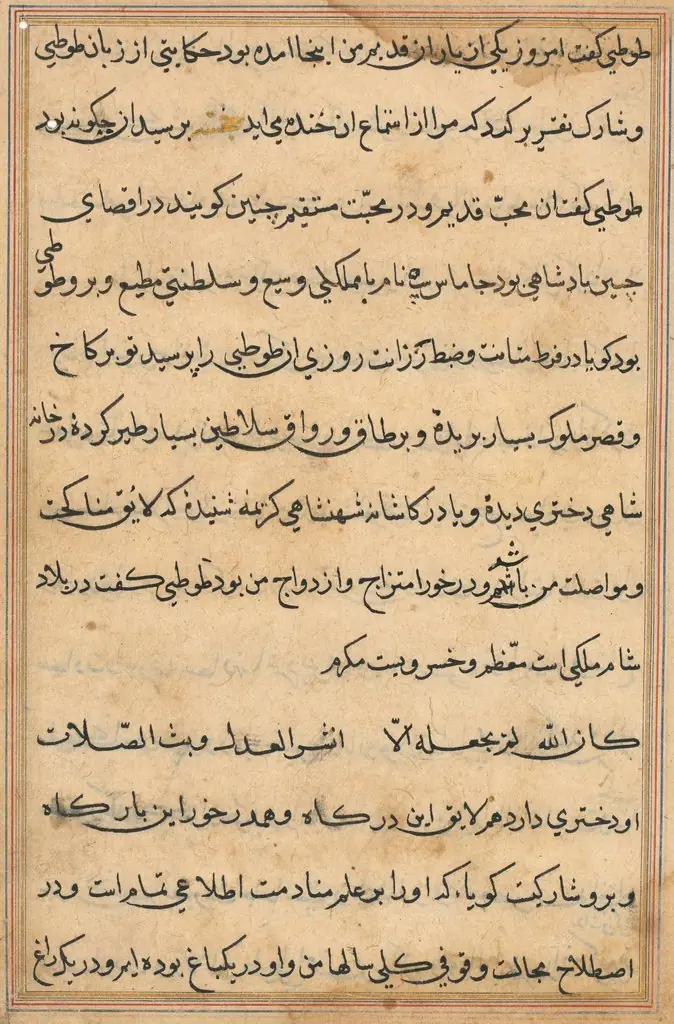 Page from Tales of a Parrot (Tuti-nama): text page
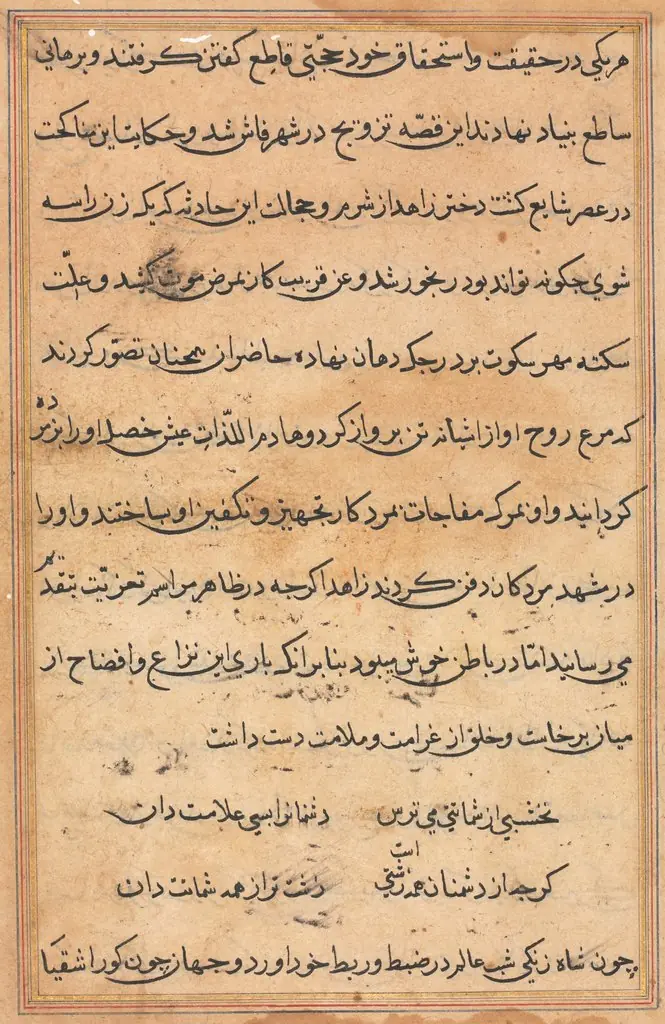 Page from Tales of a Parrot (Tuti-nama): text page
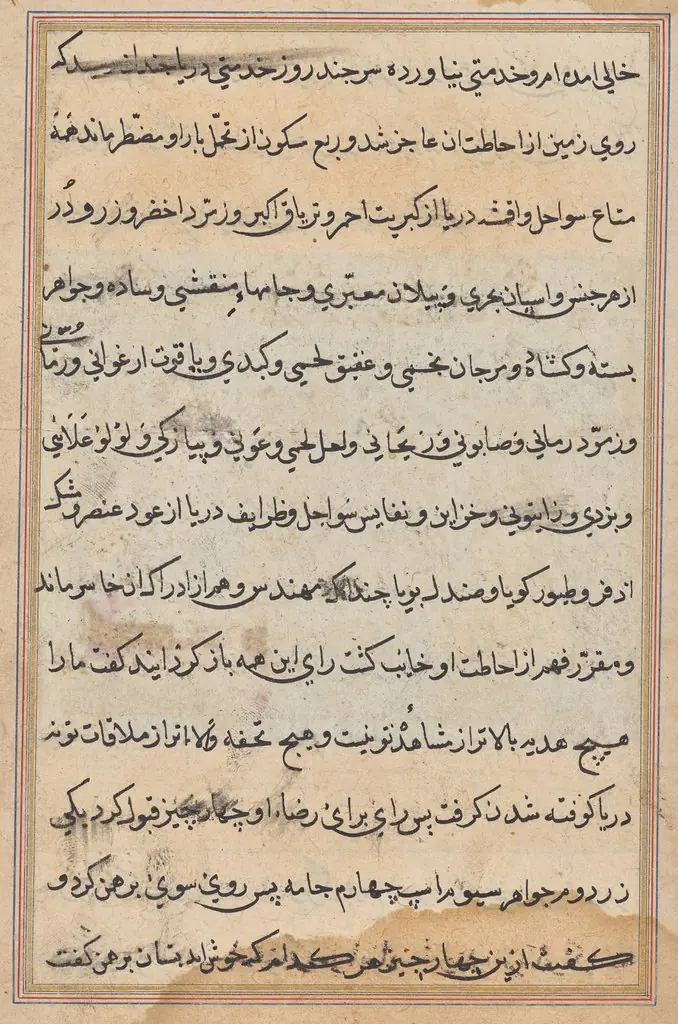 Page from Tales of a Parrot (Tuti-nama): text page
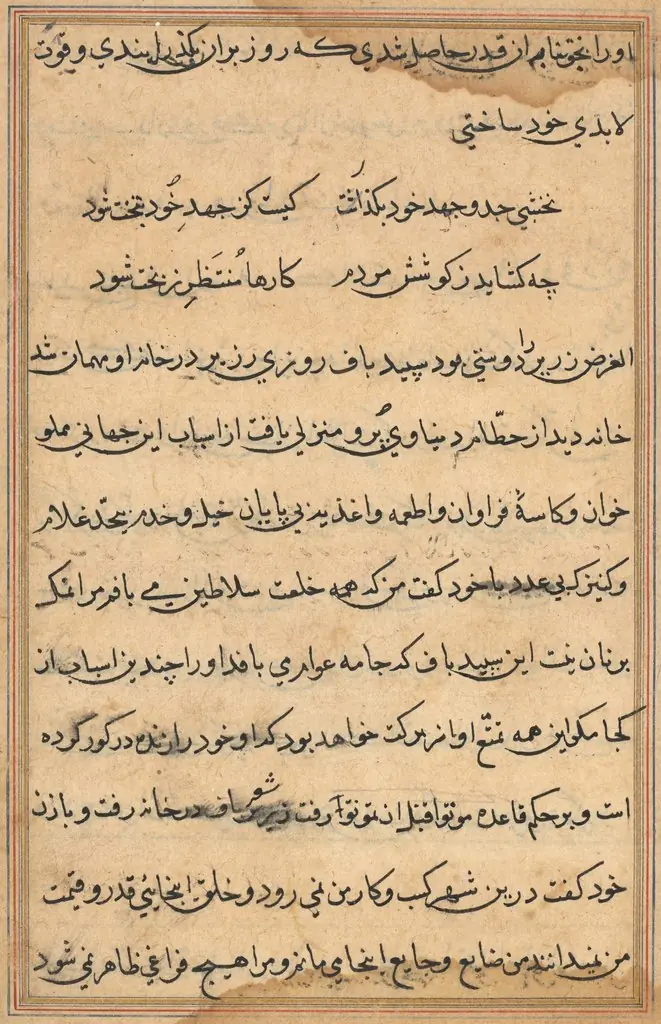 Page from Tales of a Parrot (Tuti-nama): text page
 Page from Tales of a Parrot (Tuti-nama): text page