Artwork
Page from Tales of a Parrot (Tuti-nama): text page
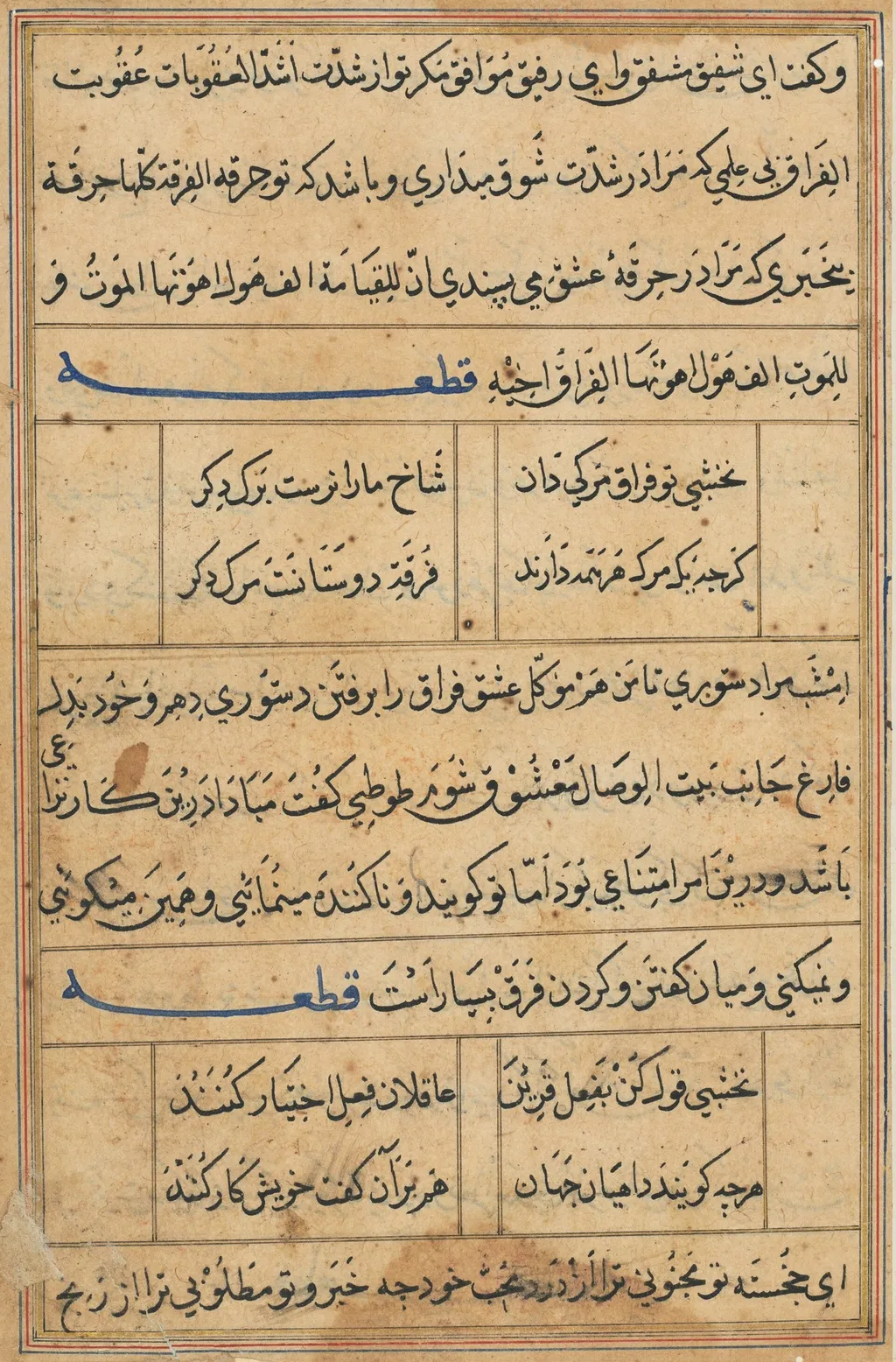
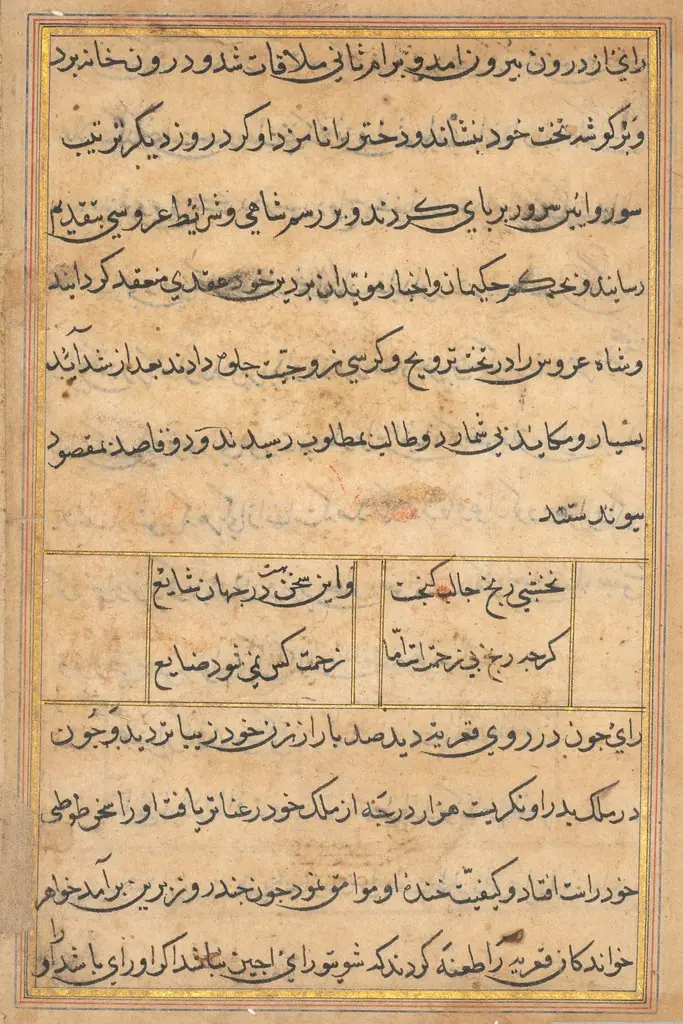
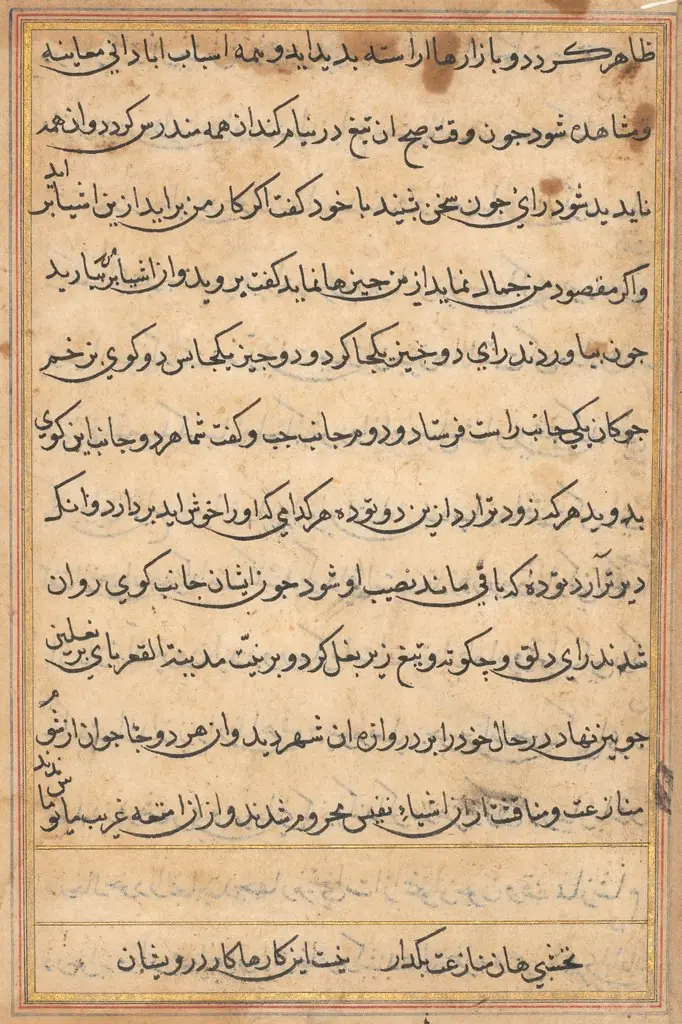
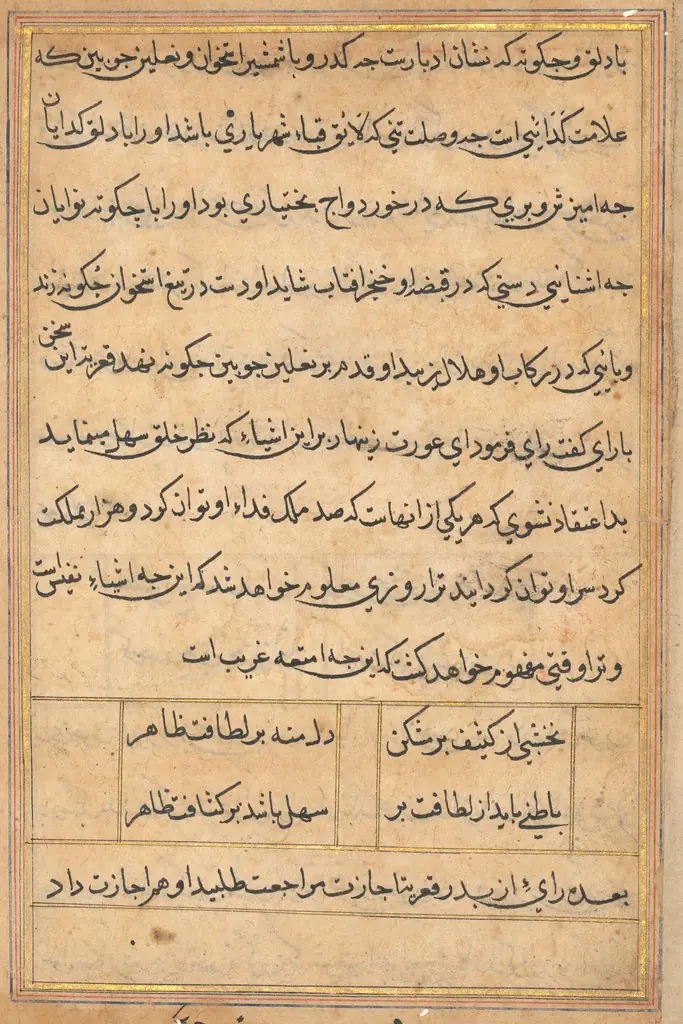
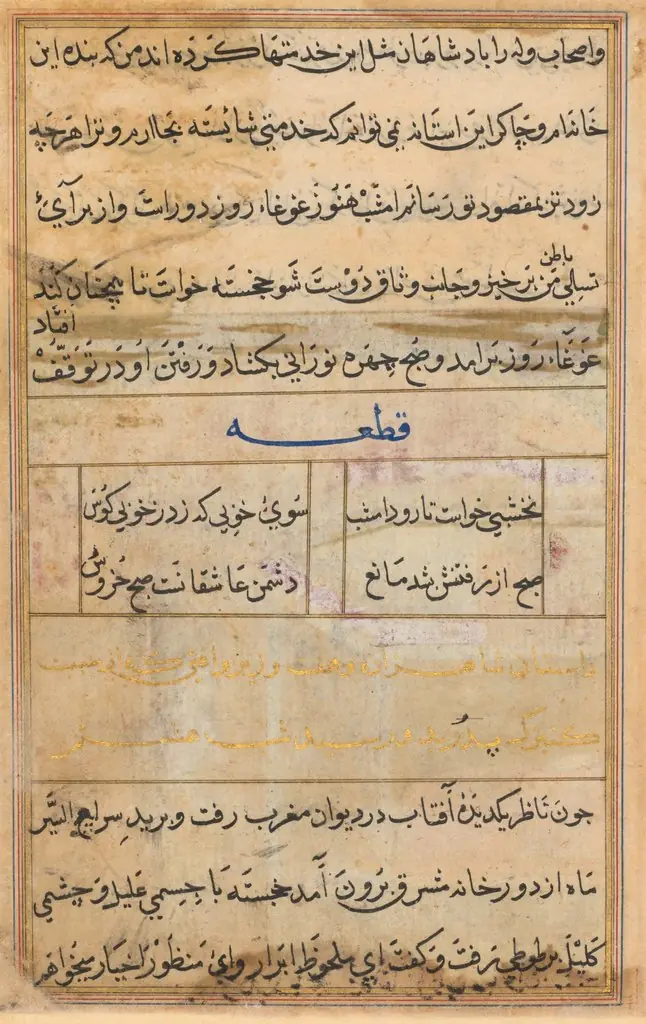
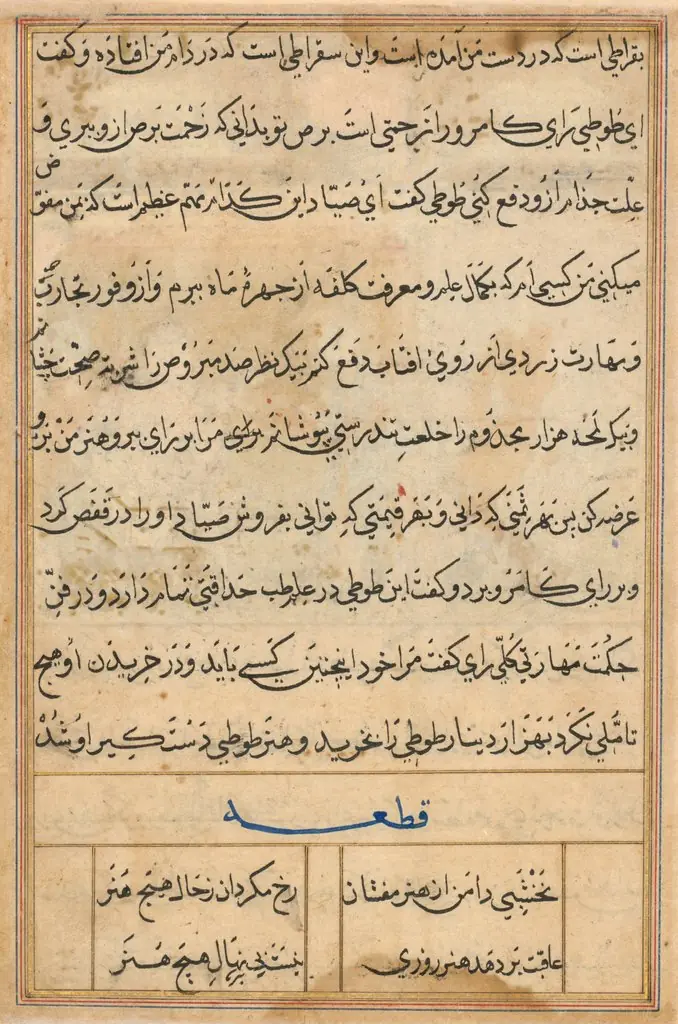
Page from Tales of a Parrot (Tuti-nama): text page is an unspecified painting. It dates from 1560 and is held in the collection of the Cleveland Museum of Art. This illuminated page belongs to the Persian manuscript Tuti‑nama (Tales of a Parrot).
About this work
Subject & Meaning
The page relates to a literary scene from the Tuti-nama, a Persianate cycle of animal fables in which a parrot recounts moral tales, a motif associated with wisdom and moral instruction in Mughal manuscript painting. The work belongs to the Mughal artistic tradition of the 16th century, reflecting courtly patronage and the integration of Persian literary culture into Indian manuscript production.
History & Provenance
The text page is dated to 1560 and was produced in the Mughal Empire as part of the illustrated Tales of a Parrot (Tuti-nama) manuscript. Its commission and earlier ownership are not recorded in the available sources. The page entered the Cleveland Museum of Art's collection in 1962, where it is held under accession number 1962.279.38.a.
Legacy
The manuscript page has shaped later interpretations of the Tuti-nama narrative tradition, inspiring subsequent artists to emulate its compositional balance and vivid storytelling. Its presence in the Cleveland Museum of Art has made it a reference point for scholars examining Mughal visual culture, reinforcing the work's reputation as a seminal example of 16th-century Persianate illustration.
Overview
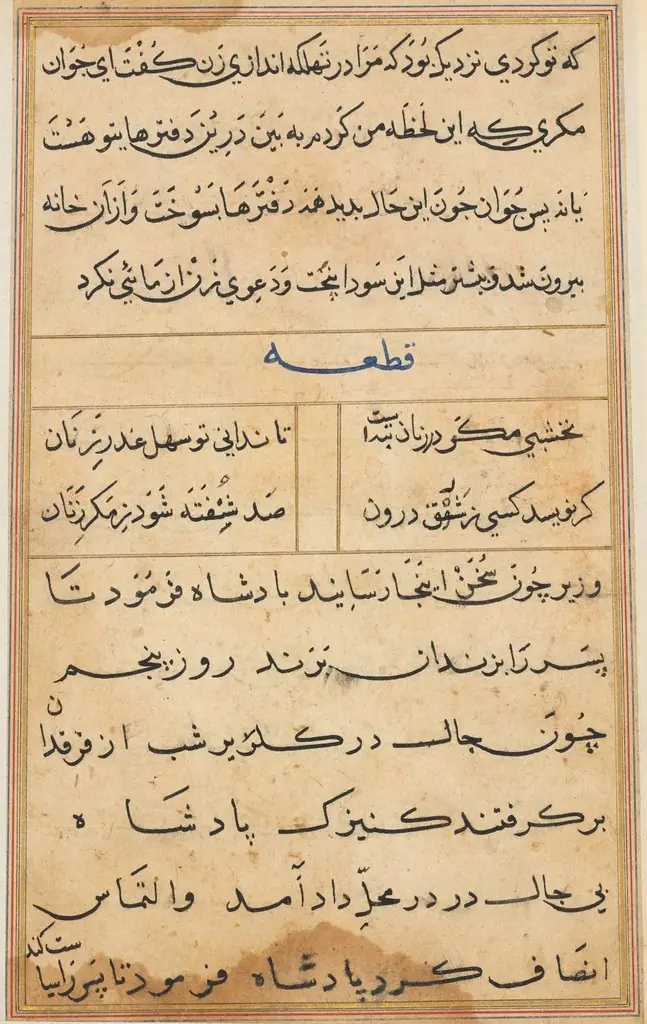
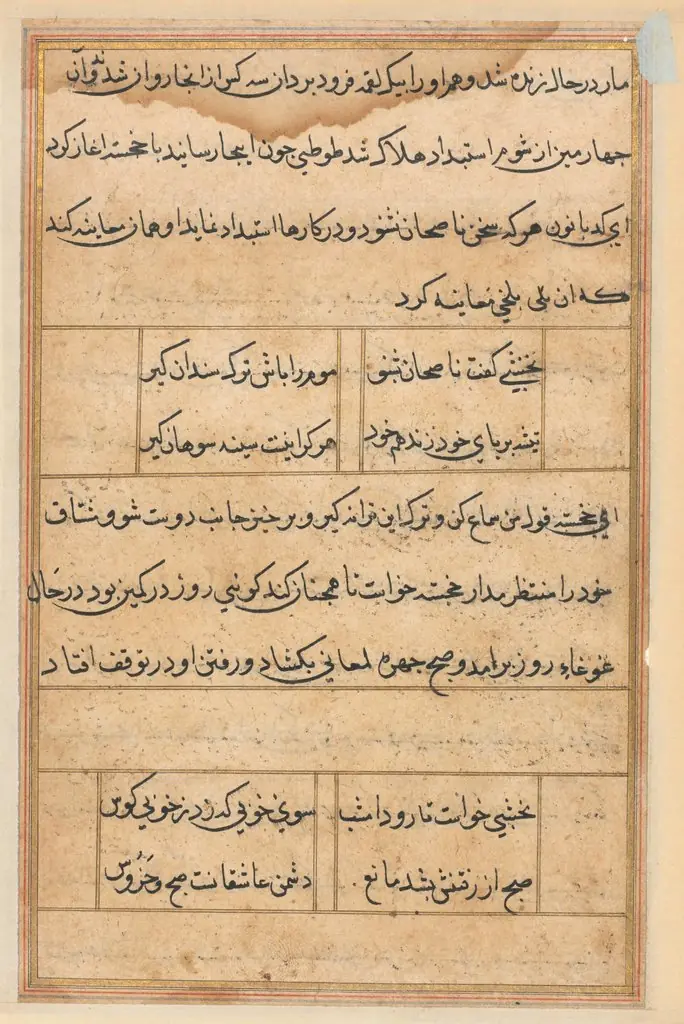
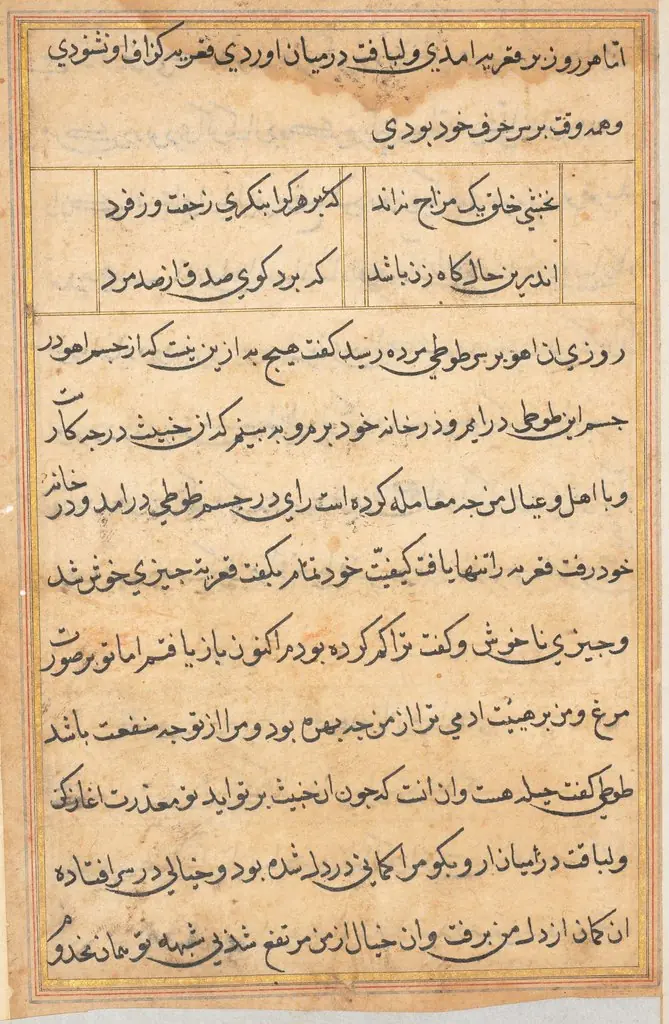
This illuminated page belongs to the Persian manuscript Tuti‑nama (Tales of a Parrot). Executed as a painted text sheet, it features black ink calligraphy on a light brown ground, organized in orderly rows. Thin blue lines accentuate certain lines, while the script itself is fluid and meticulously rendered, occupying the entire surface.
Technique & Style
The page combines ink drawing with subtle watercolor washes. The black ink provides the primary text, while the delicate blue rulings serve as decorative guides. The calligraphic hand follows a refined Persian script, characterized by graceful strokes and consistent spacing, indicative of professional scribes of the period.
Context
During the Safavid era, illuminated manuscripts were luxury objects that demonstrated patronage, literacy, and artistic skill. The Tuti‑nama aligns with a broader tradition of illustrated moral literature, often produced for elite patrons who valued both aesthetic beauty and didactic content.
Artist & collection

- Page from Tales of a Parrot (Tuti-nama): text page
 Page from Tales of a Parrot (Tuti-nama): text page
 Page from Tales of a Parrot (Tuti-nama): text page
 Page from Tales of a Parrot (Tuti-nama): text page
 Page from Tales of a Parrot (Tuti-nama): text page
 Page from Tales of a Parrot (Tuti-nama): text page
 Page from Tales of a Parrot (Tuti-nama): text page
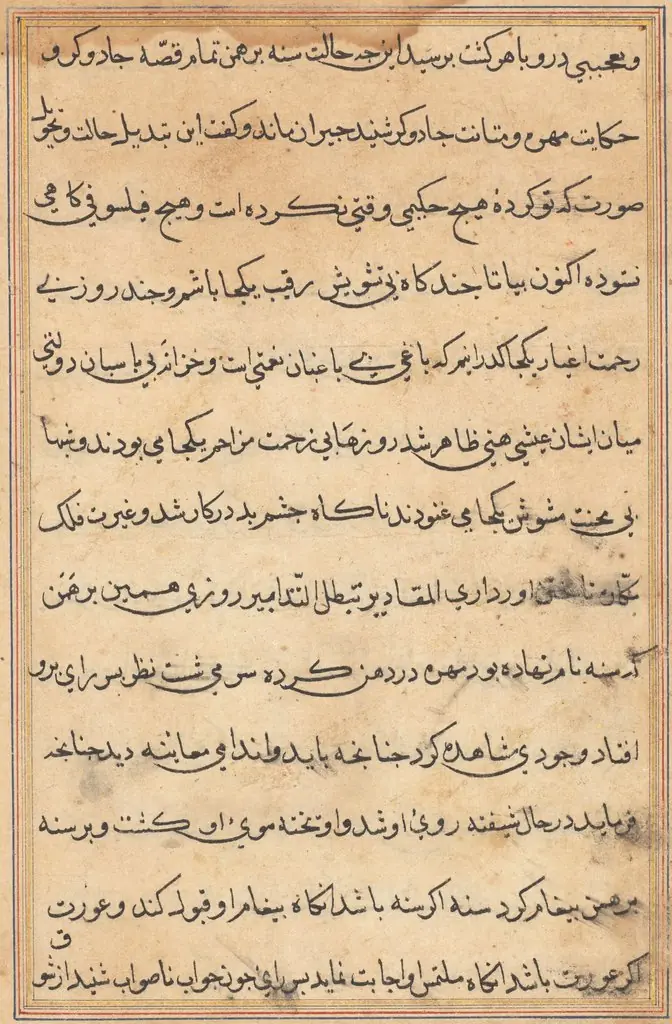 Page from Tales of a Parrot (Tuti-nama): text page
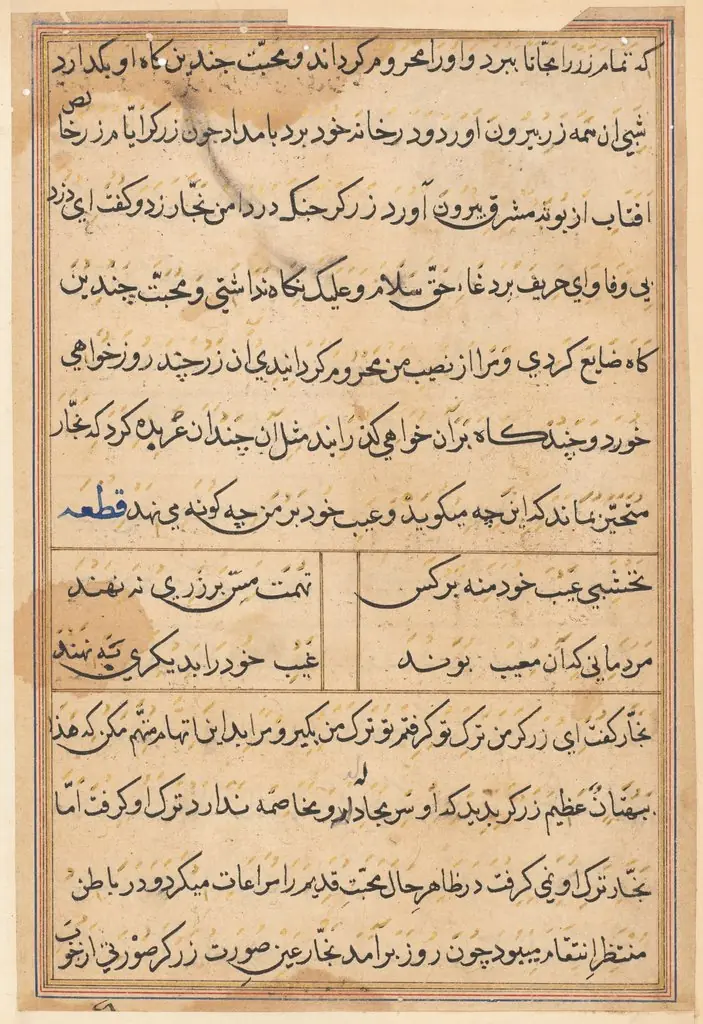 Page from Tales of a Parrot (Tuti-nama): text page
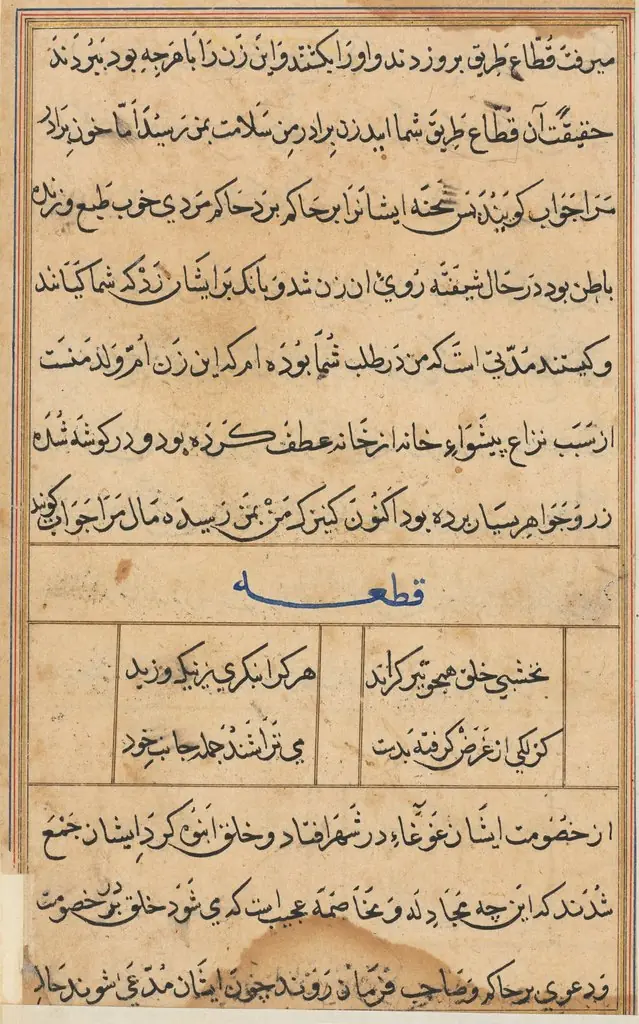 Page from Tales of a Parrot (Tuti-nama): text page
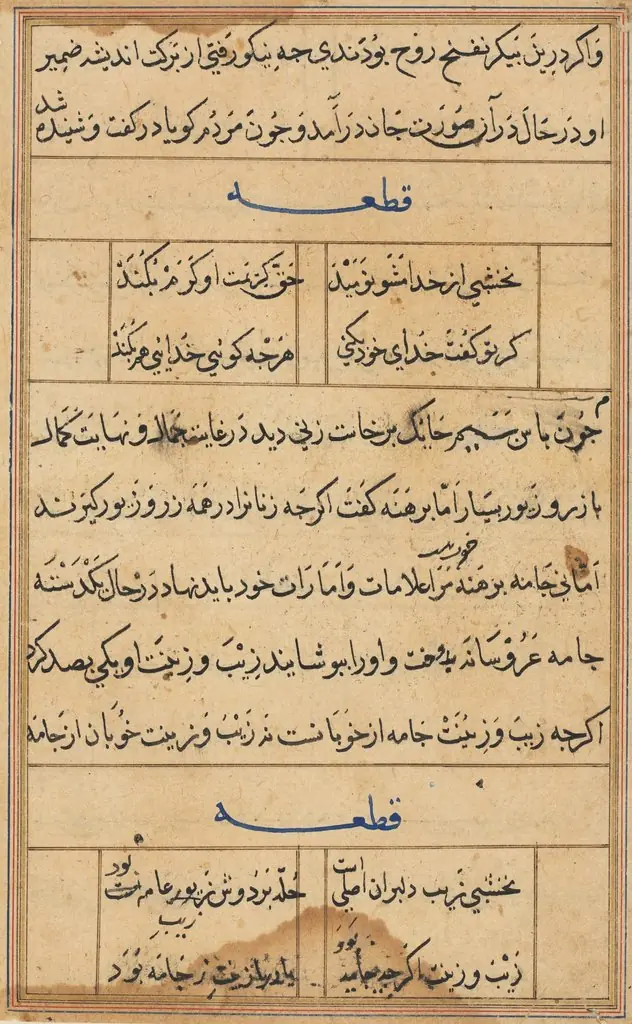 Page from Tales of a Parrot (Tuti-nama): text page
 Page from Tales of a Parrot (Tuti-nama): text page