Artwork
Page from Tales of a Parrot (Tuti-nama): text page
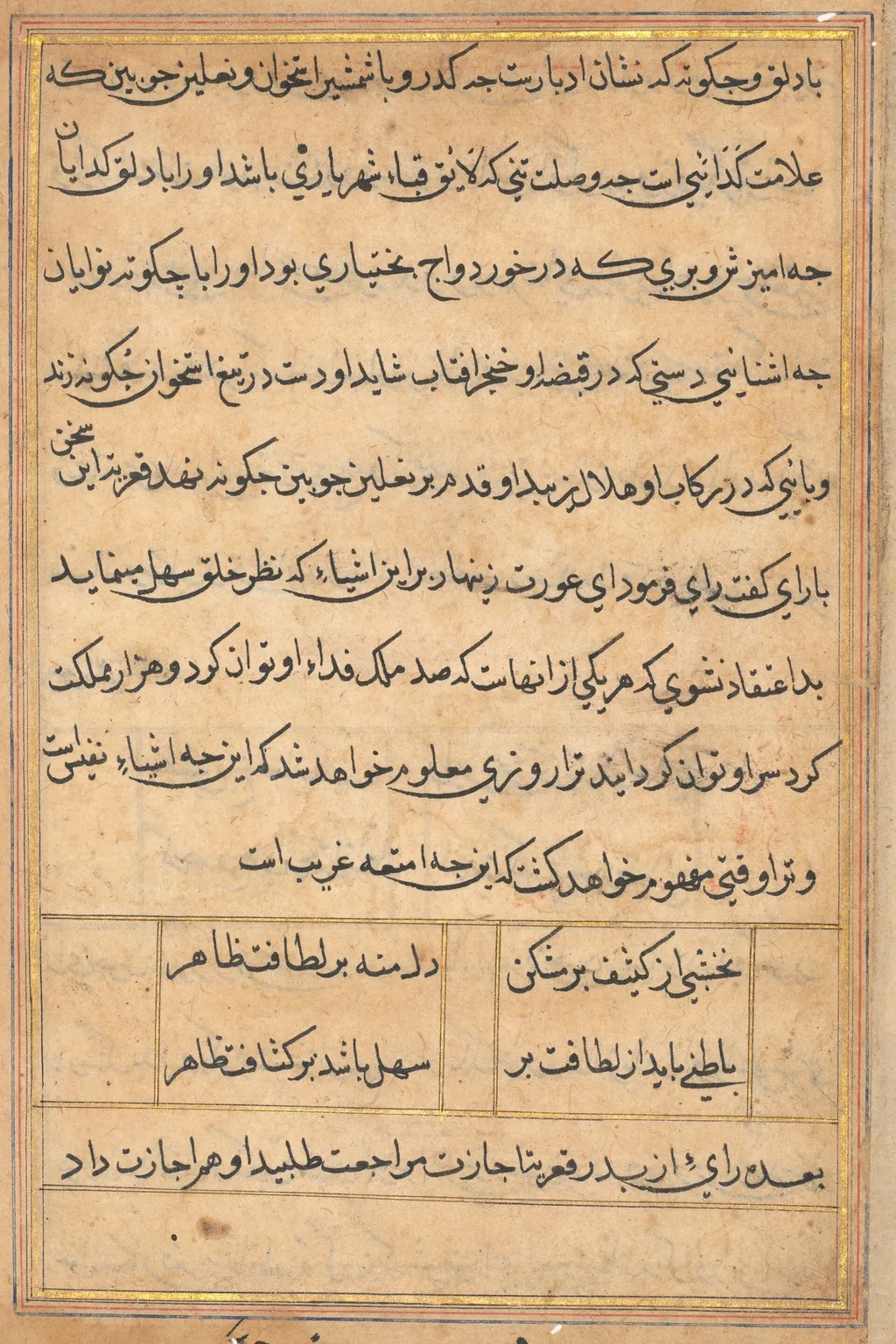
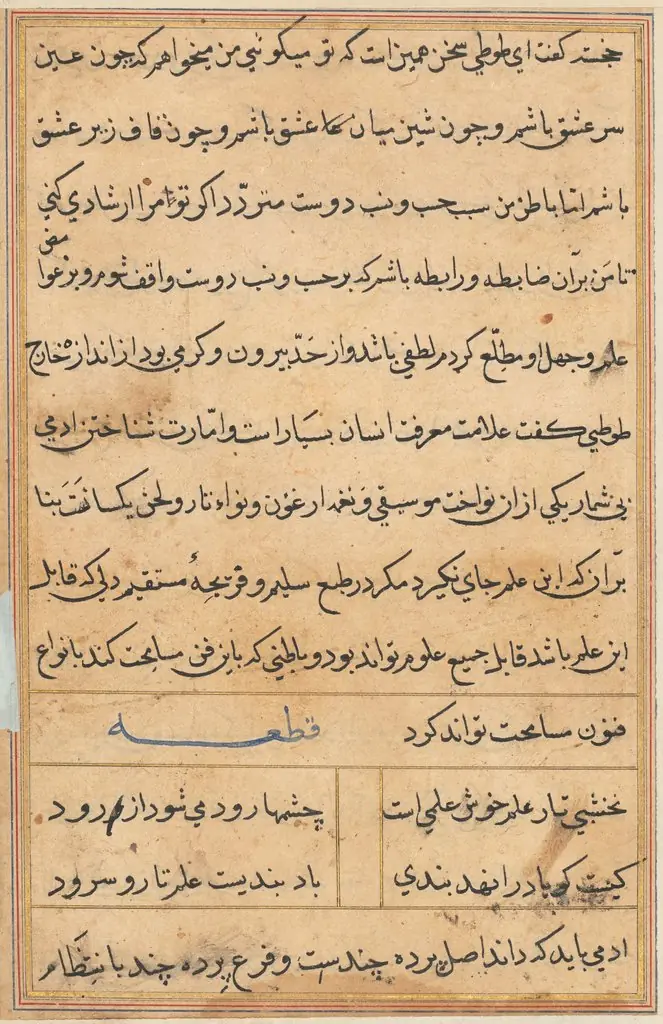
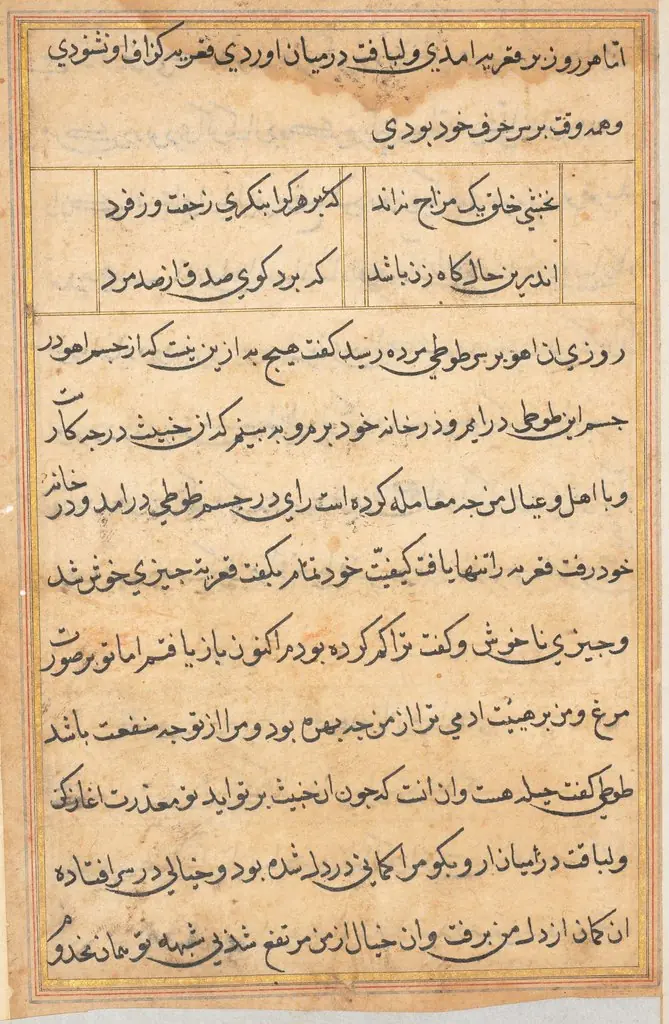
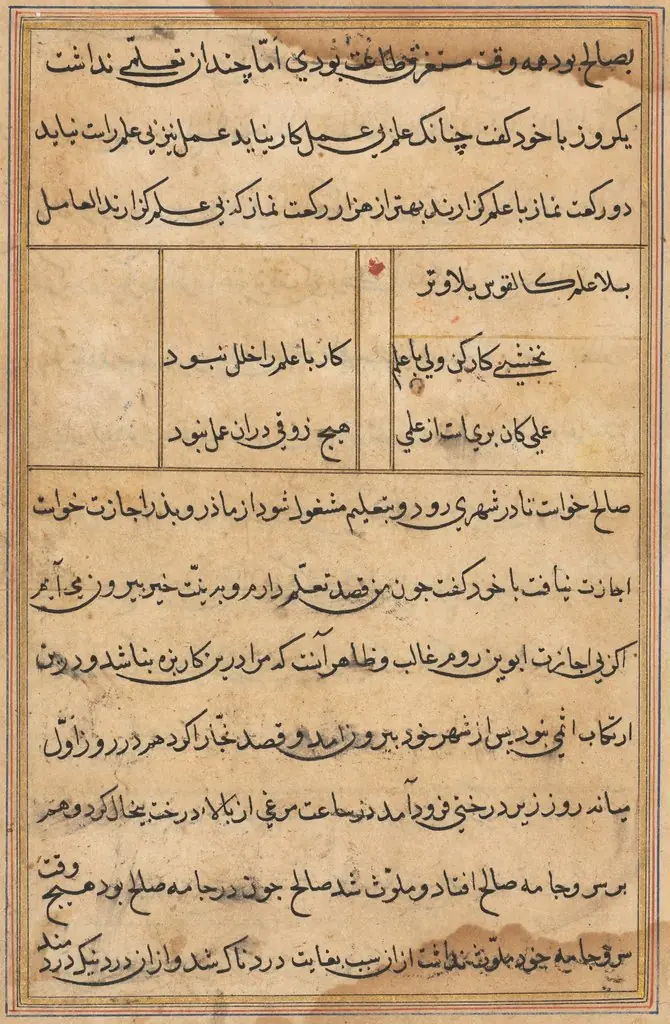
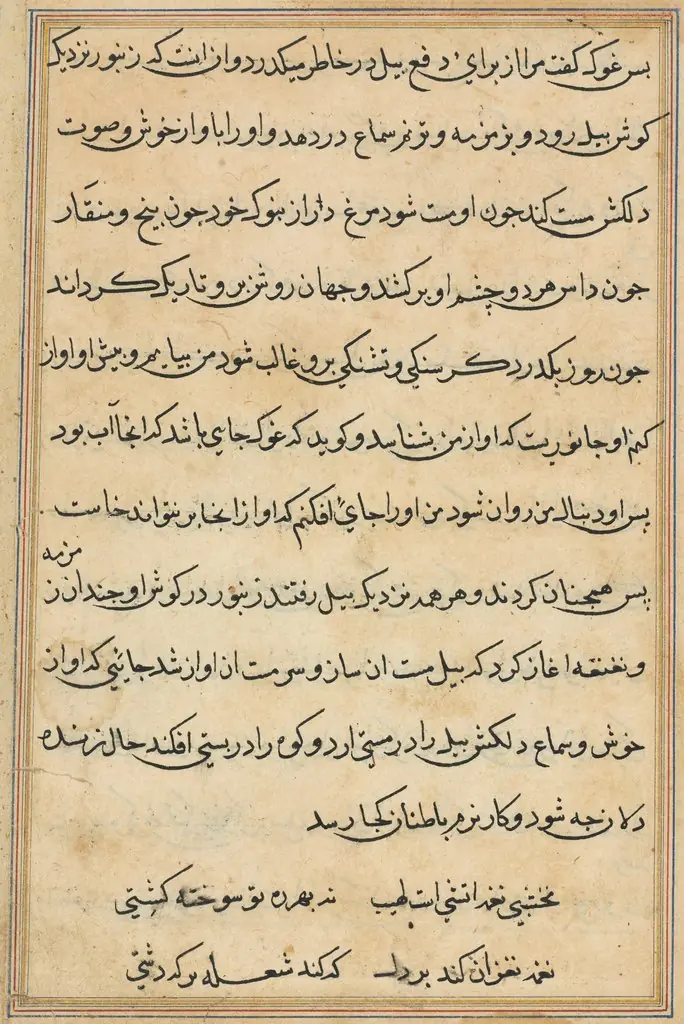
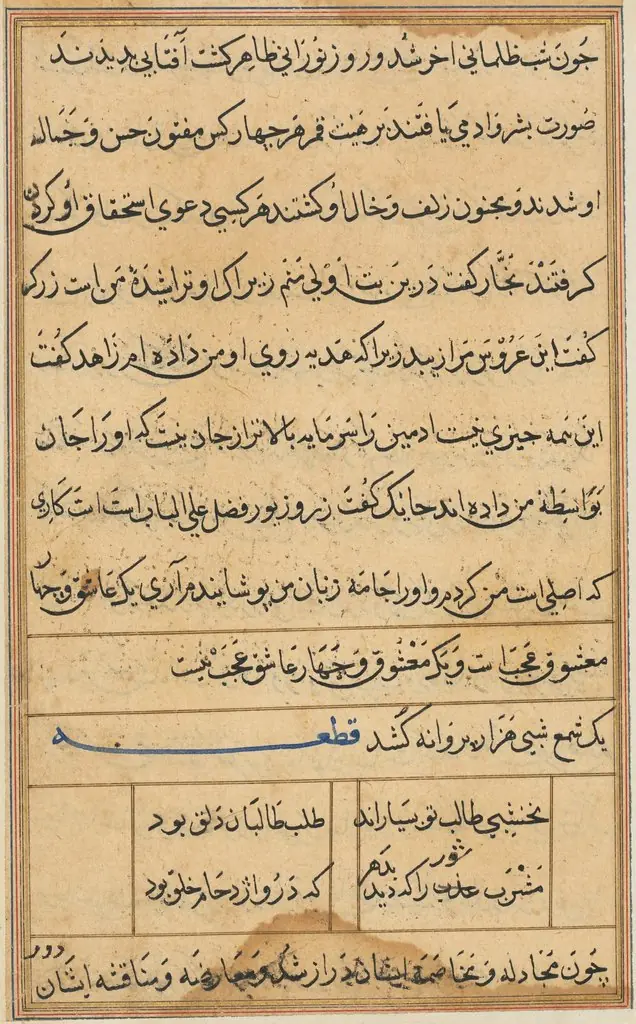
Page from Tales of a Parrot (Tuti-nama): text page is an unspecified painting. It dates from 1560 and is held in the collection of the Cleveland Museum of Art. This illuminated page originates from the Persian manuscript Tales of a Parrot (Tuti‑nama), a narrative work commissioned for Prince Salim.
About this work
History & Provenance
The sources do not provide details regarding specific exhibitions in which this page has appeared.
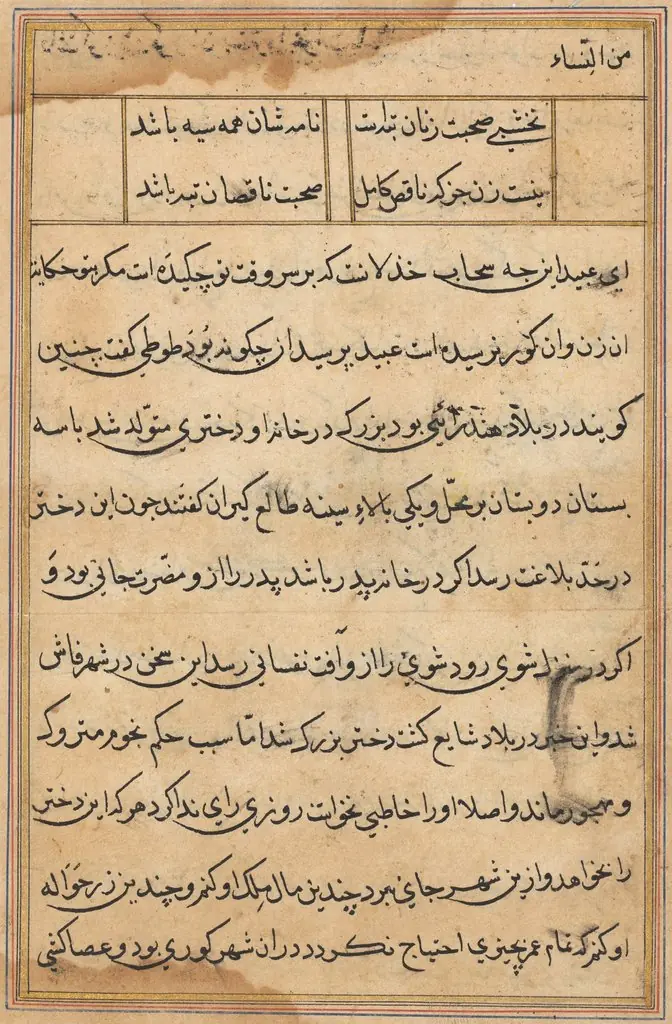
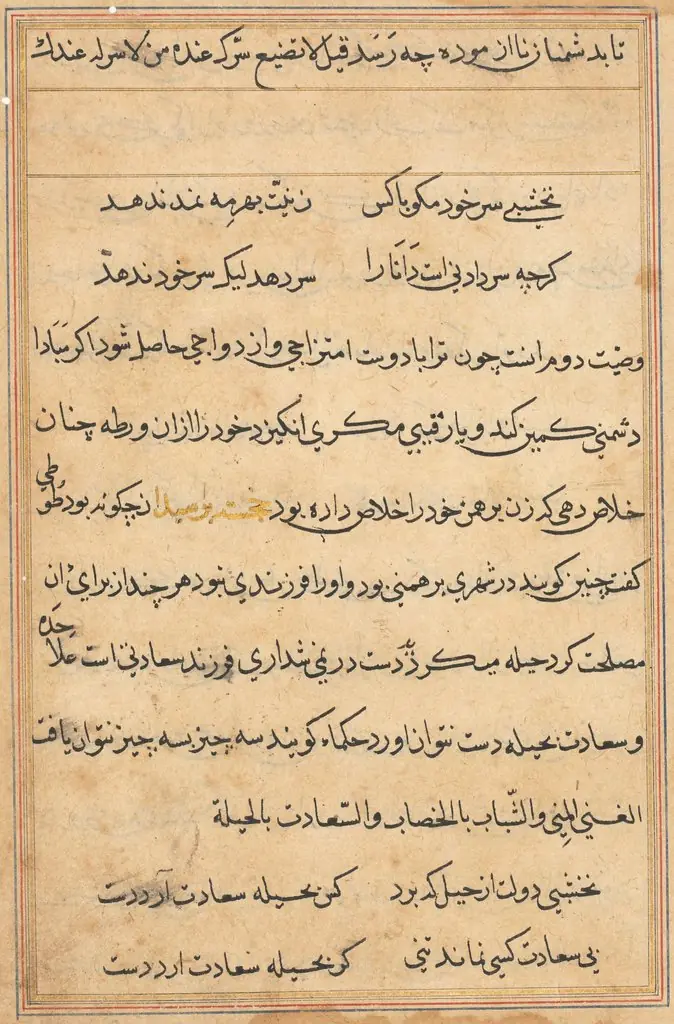
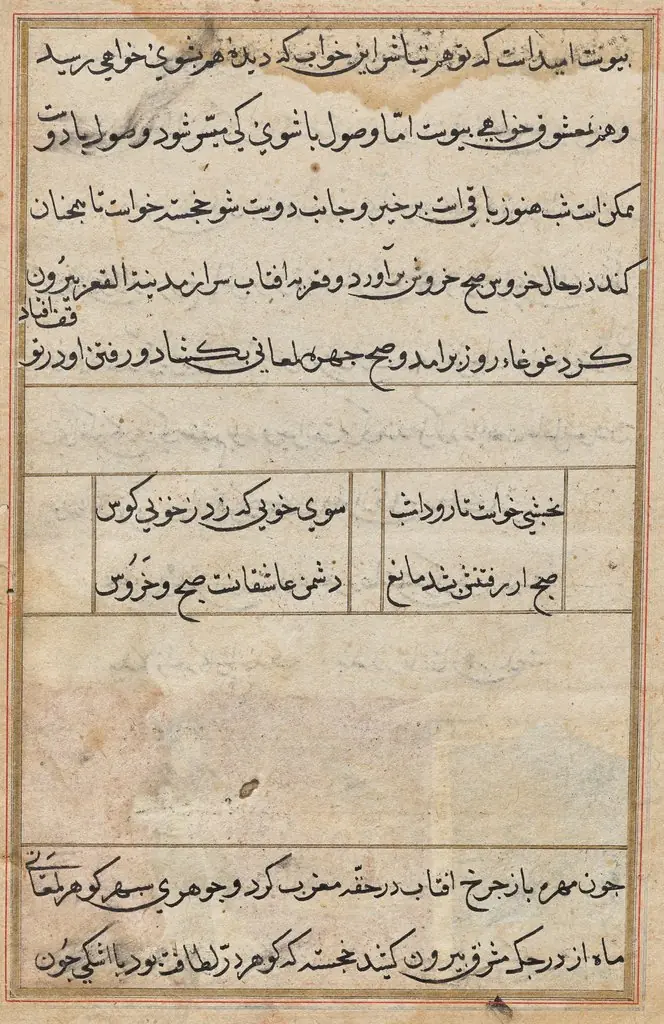
The page was produced in the Mughal Empire around 1560 as part of the illustrated Tales of a Parrot (Tuti-nama) manuscript; the artist remains unidentified and no record of its original commission survives. As a text page, it contains calligraphic passages rather than painted imagery. The leaf entered the Cleveland Museum of Art in 1962, receiving the accession number 1962.279.296.b, and has since been housed in the museum’s collection in Cleveland, Ohio. The sources do not provide details regarding specific exhibitions in which this page has appeared.
Context
Created in 1560 within the Mughal Empire, this text page from the Tales of a Parrot (Tuti-nama) represents a significant artifact of early Mughal manuscript production. The work is attributed to an unknown hand, reflecting the collaborative nature of imperial workshops where individual signatures were often secondary to the collective production of the manuscript. Currently held by the Cleveland Museum of Art, the page serves as an example of the transition in Persianate book arts under Mughal patronage during the mid-sixteenth century.
As part of a larger narrative cycle, the piece illustrates the integration of text and image characteristic of the era's literary culture.
Legacy
The miniature from the Tuti-nama, produced in the Mughal imperial workshop circa 1560, became part of the Cleveland Museum of Art's collection and is cited in its catalogue as a representative example of early Persianate narrative painting. Its compositional strategies and didactic function influenced later Indian manuscript traditions, particularly in the way moral anecdotes are framed within miniature borders and integrated with Persian poetic texts. Scholars reference the work when discussing the diffusion of Safavid artistic conventions into regional Rajput schools during the seventeenth century.
Overview
This illuminated page originates from the Persian manuscript Tales of a Parrot (Tuti‑nama), a narrative work commissioned for Prince Salim. Executed on light brown paper, the surface is densely covered with black calligraphic text arranged in orderly rows and bordered by delicate gold lines, while a faint yellow edge frames the whole composition.
Subject & Meaning
The manuscript recounts a series of moral and romantic anecdotes featuring a talking parrot, a popular literary motif in Safavid Iran that combined entertainment with ethical instruction. The page’s content, though not specified here, would have contributed to the larger didactic and courtly narrative intended for the young prince.
Technique & Style
The calligraphy displays meticulous hand‑shaped letters, characteristic of the refined Nastaʿlīq script favored in Persian literature of the period. Gold filigree outlines accentuate the margins, and a modest decorative panel at the bottom, divided into two boxed sections, provides visual balance without overwhelming the textual focus.
Artist & collection

- Page from Tales of a Parrot (Tuti-nama): text page
 Page from Tales of a Parrot (Tuti-nama): text page
 Page from Tales of a Parrot (Tuti-nama): text page
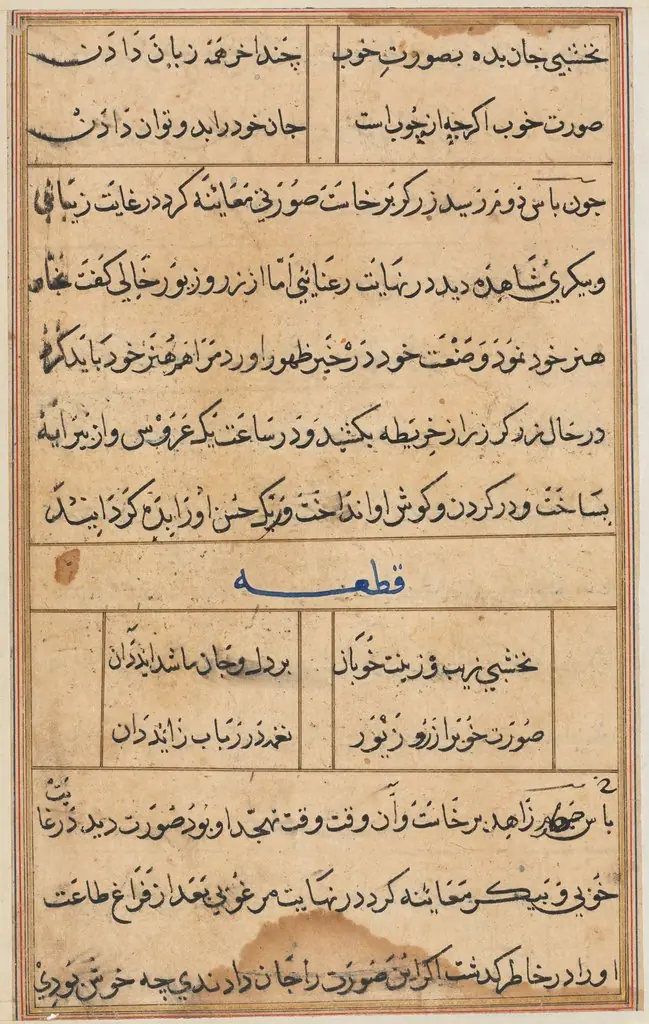 Page from Tales of a Parrot (Tuti-nama): text page
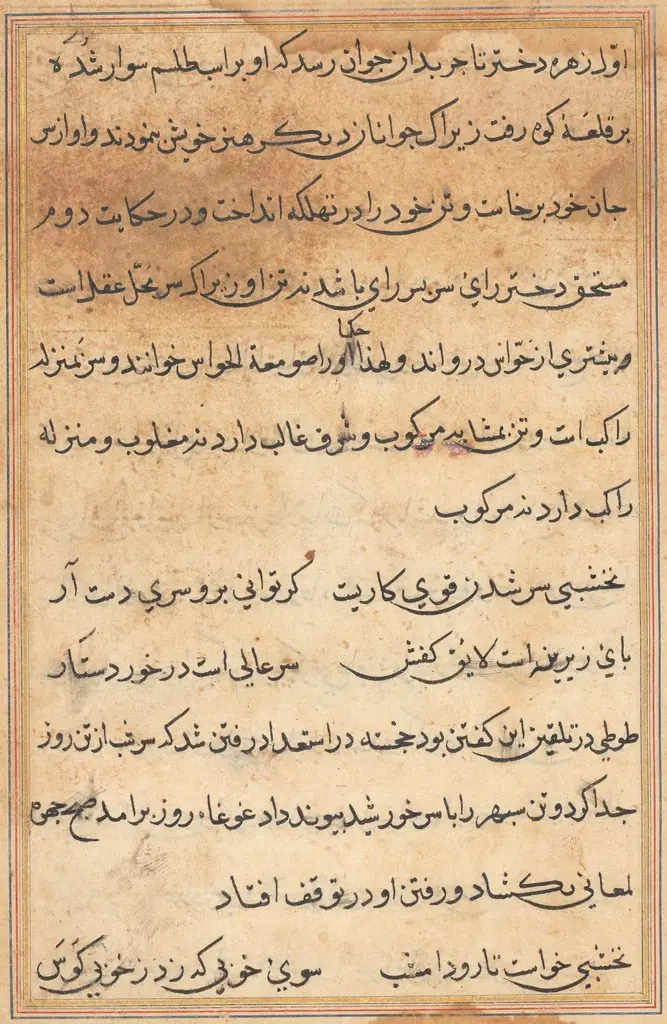 Page from Tales of a Parrot (Tuti-nama): text page
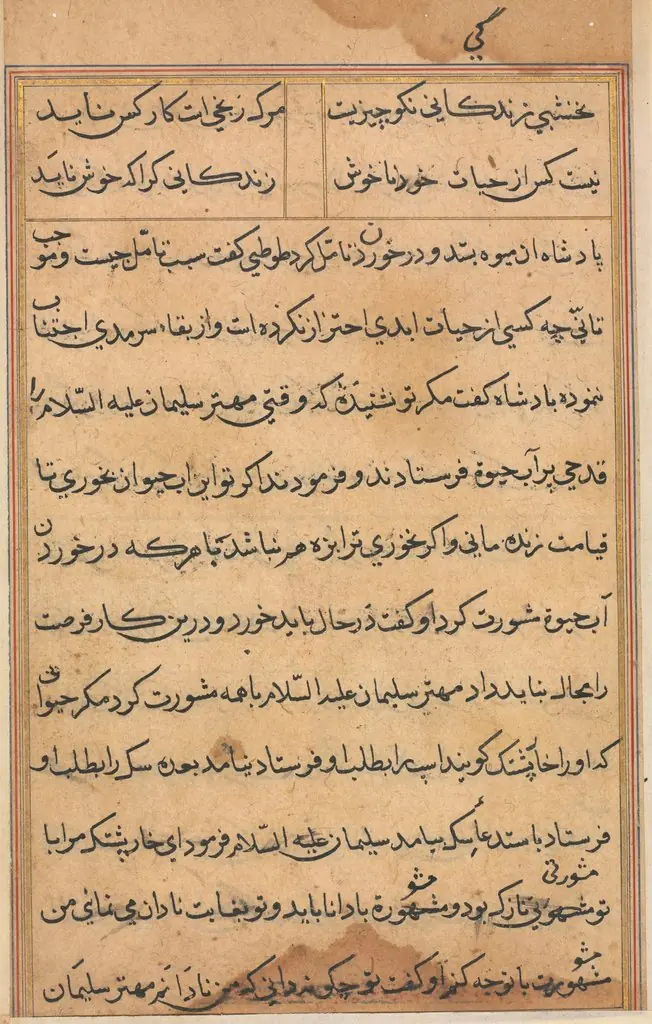 Page from Tales of a Parrot (Tuti-nama): text page
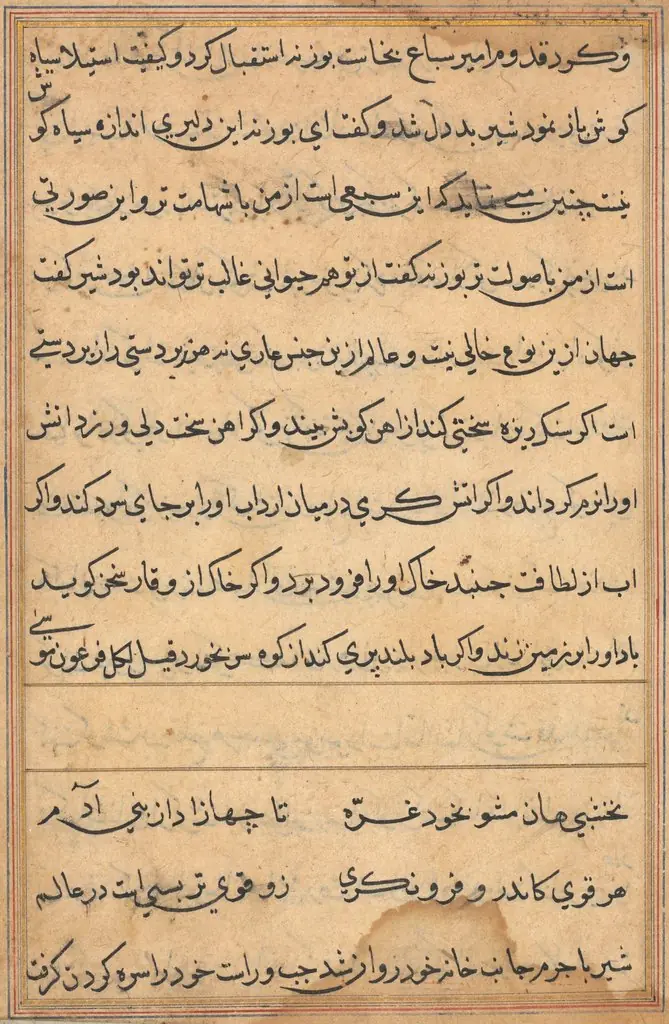 Page from Tales of a Parrot (Tuti-nama): text page
 Page from Tales of a Parrot (Tuti-nama): text page
 Page from Tales of a Parrot (Tuti-nama): text page
 Page from Tales of a Parrot (Tuti-nama): text page
 Page from Tales of a Parrot (Tuti-nama): text page
 Page from Tales of a Parrot (Tuti-nama): text page