Artwork
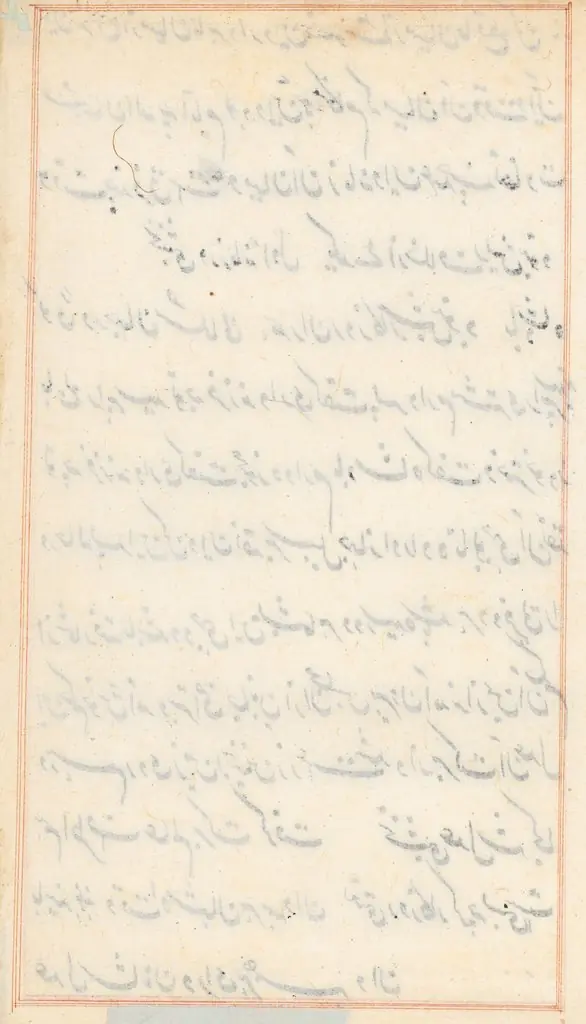
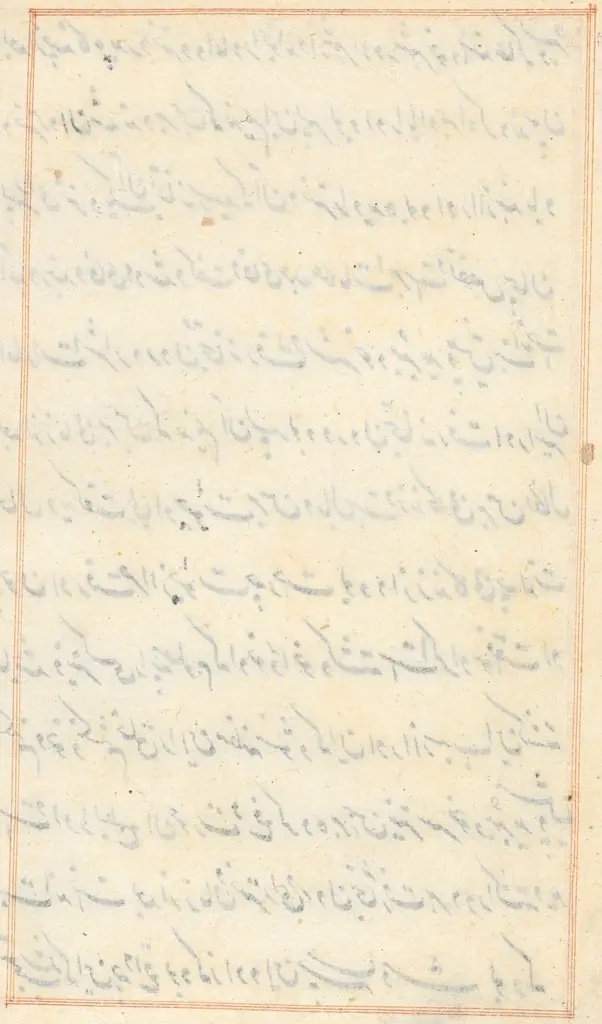
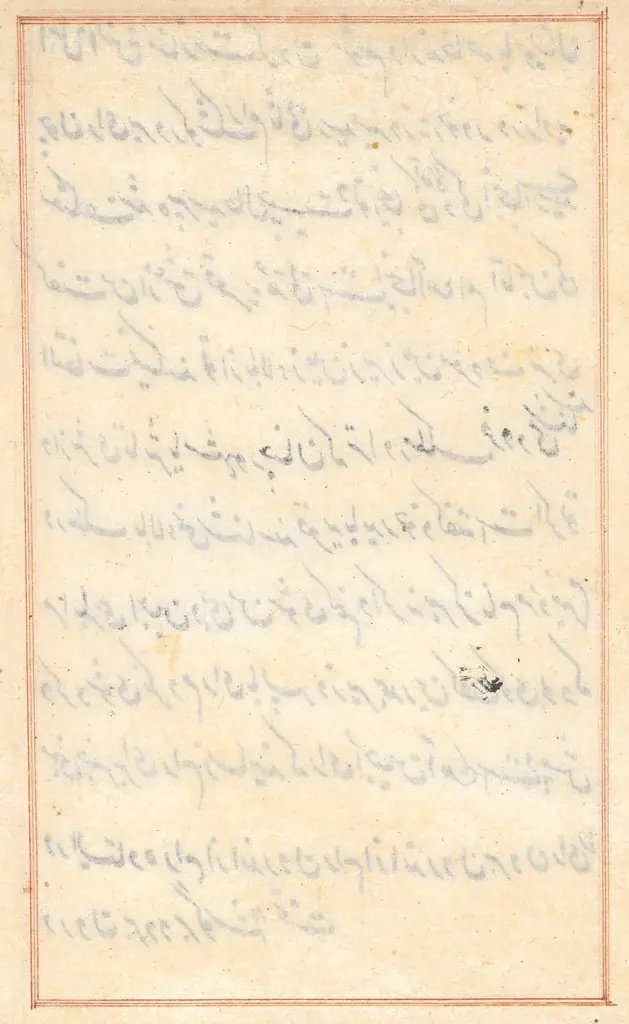
Page from Tales of a Parrot (Tuti-nama): text page (blank)
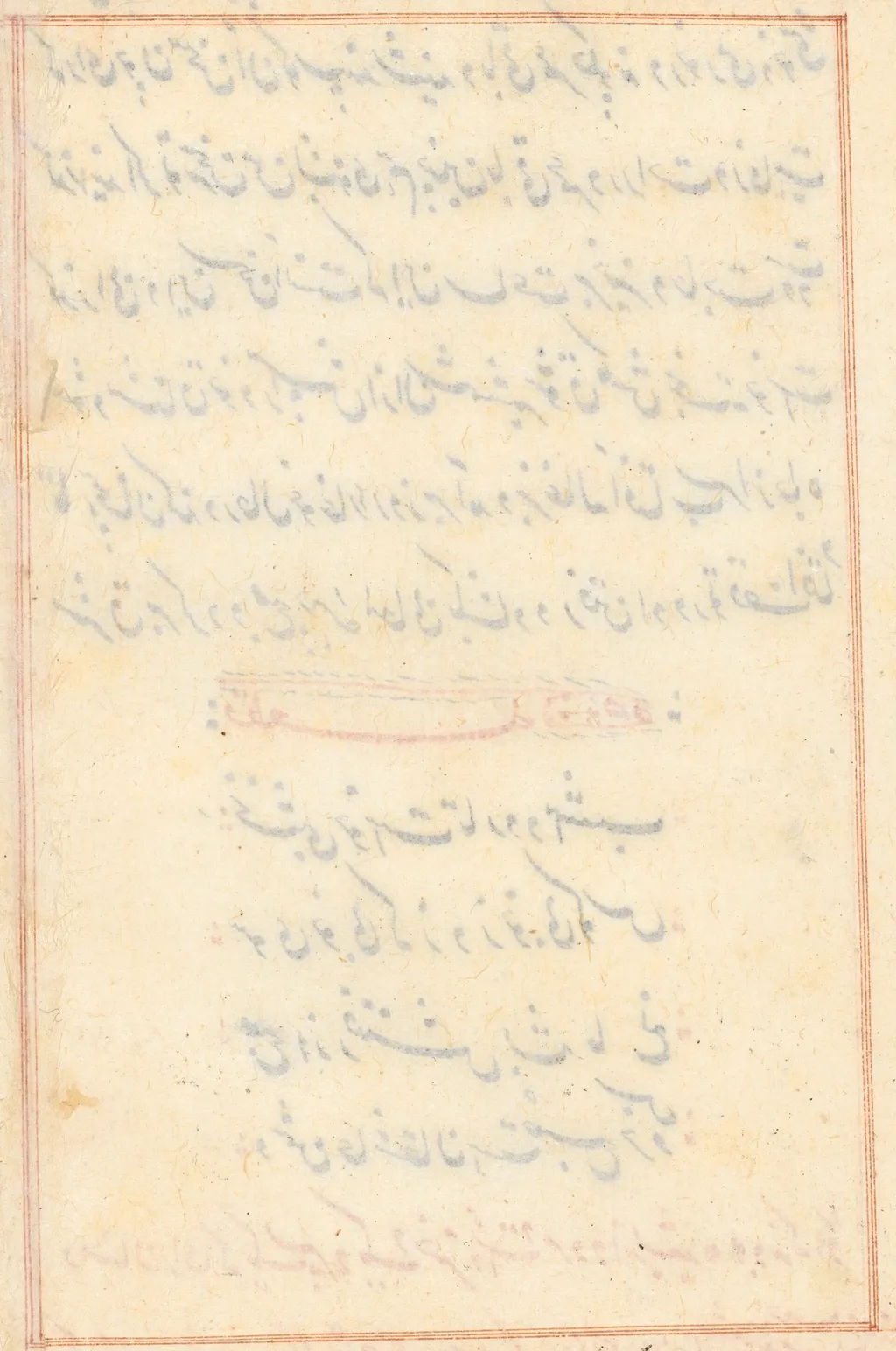
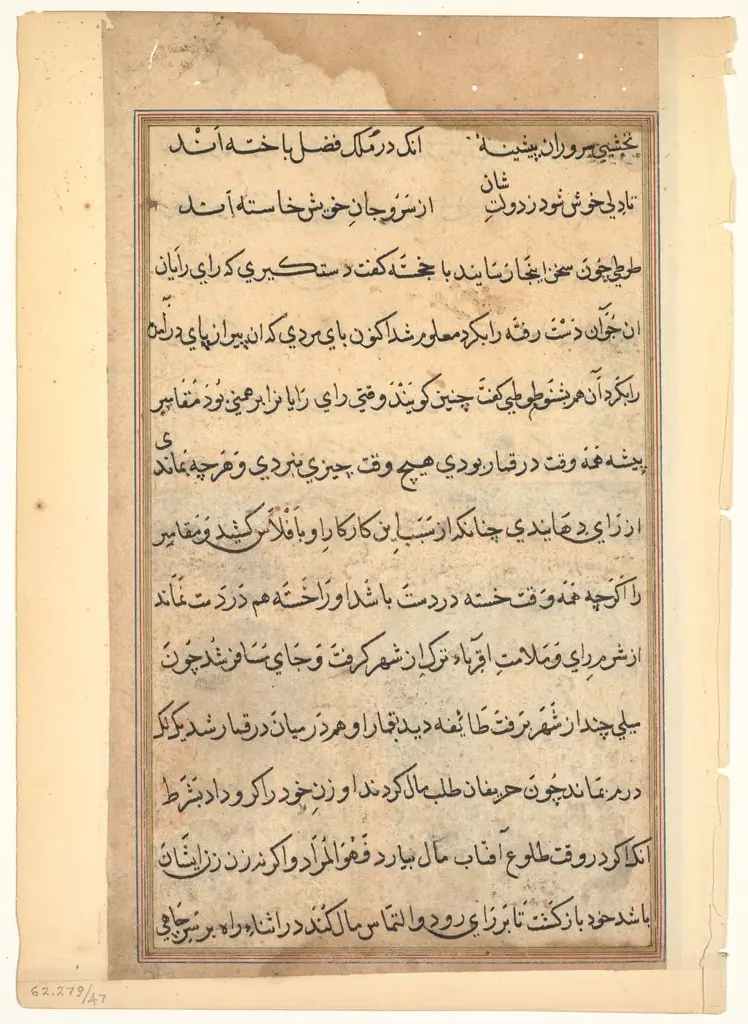
Page from Tales of a Parrot (Tuti-nama): text page (blank) is an unspecified painting. It dates from 1560 and is held in the collection of the Cleveland Museum of Art. This object is a single leaf from the illustrated manuscript Tales of a Parrot (Tuti‑nama).
About this work
History & Provenance
The blank text page from the Tales of a Parrot (Tuti-nama) was produced around 1560 in the Mughal Empire as part of the illustrated manuscript series.
The blank text page from the Tales of a Parrot (Tuti-nama) was produced around 1560 in the Mughal Empire as part of the illustrated manuscript series. Its artist remains unidentified. The leaf entered the Cleveland Museum of Art’s holdings, where it is recorded under accession number 1962.279.281.b; no earlier owners or commission details are documented in the available sources.
Consequently, the work’s known provenance begins with its acquisition by the museum in 1962, and its creation is situated within the Mughal courtly book‑painting tradition of the mid‑sixteenth century.
The blank text page from the Tales of a Parrot (Tuti-nama), created in 1560, is held in the collection of the Cleveland Museum of Art in Cleveland. The work is cataloged under the accession number 1962.279.281.b. While the specific exhibition history is not detailed in the provided records, the piece remains a part of the museum's permanent holdings originating from the Mughal Empire.
Overview
This object is a single leaf from the illustrated manuscript Tales of a Parrot (Tuti‑nama). The page is largely empty, showing only the faint blue ink guidelines that would have held the text. A thin red border runs along the edge, and a small red rectangle appears near the centre, likely indicating a future illustration or title space. The paper is aged, with a yellowed tone typical of centuries‑old manuscripts.
Subject & Meaning
The manuscript itself is a collection of stories narrated by a parrot, a popular literary genre in Persian and South Asian cultures. Although this particular leaf contains no narrative, the layout suggests where a passage or heading would have been placed, hinting at the structured storytelling method employed in the work.
Technique & Style
The page demonstrates the conventional preparation of manuscript paper: a smooth, slightly fibrous surface primed for ink. Blue ink, applied with a fine brush or pen, forms the ruled lines that guide the scribe’s hand. The red border and rectangle are executed in a contrasting pigment, a common practice to demarcate margins and decorative zones.
Context
Manuscript production in the region combined literary and visual arts, with text and illustration often sharing the same page. The presence of a designated red rectangle aligns with the practice of reserving space for miniature paintings that would accompany the narrative.
Legacy
Even in its blank state, the page offers insight into the planning and aesthetic conventions of historic bookmaking. Scholars use such fragments to reconstruct the original layout of Tales of a Parrot and to understand the interplay between text, illustration, and decorative framing in pre‑modern manuscripts.
Artist & collection

 Page from Tales of a Parrot (Tuti-nama): text page
 Page from Tales of a Parrot (Tuti-nama): text page
 Page from Tales of a Parrot (Tuti-nama): text page
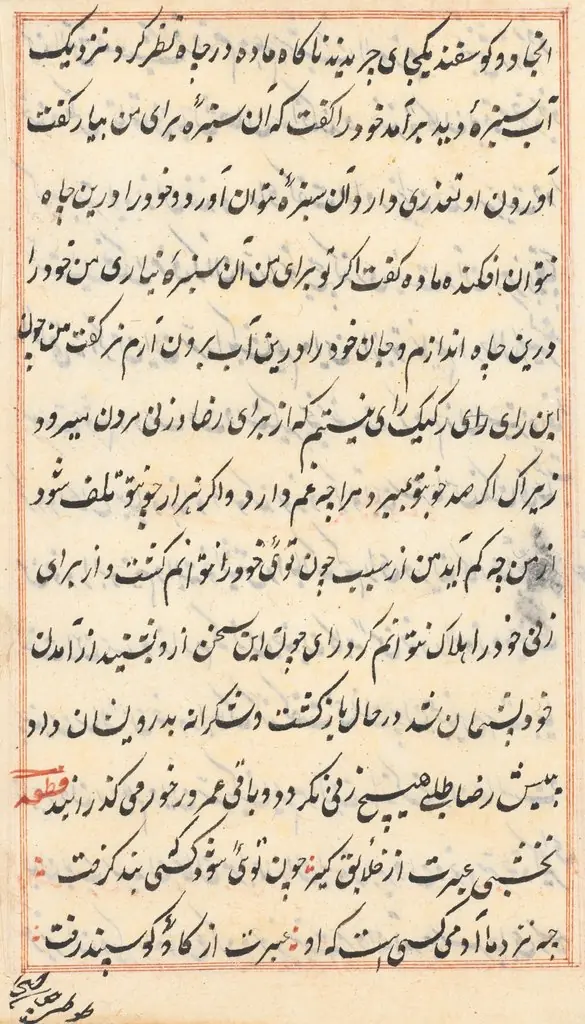
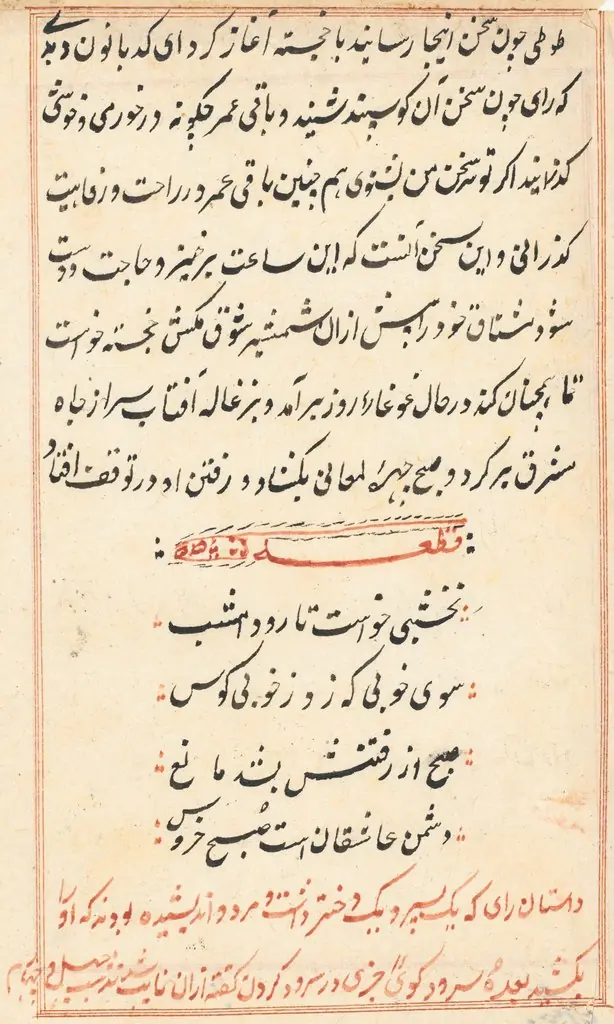 Page from Tales of a Parrot (Tuti-nama): text page
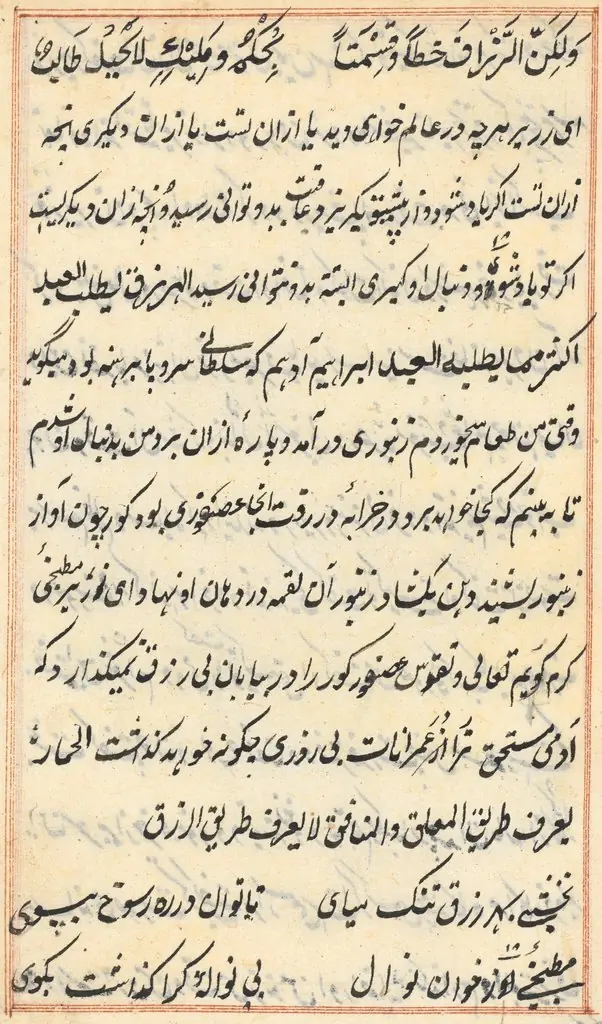
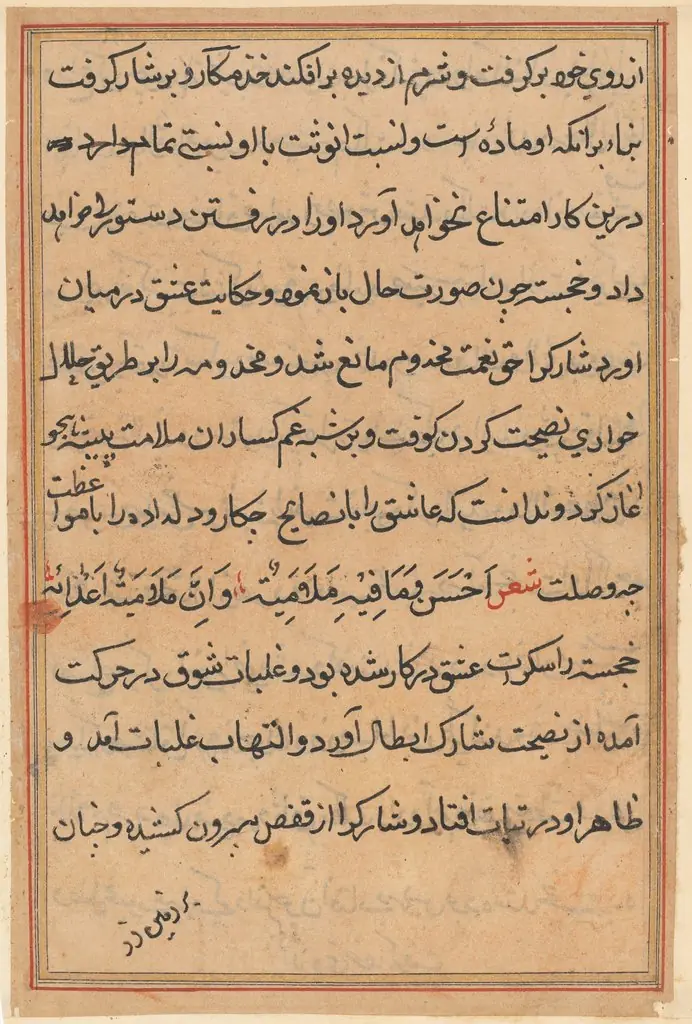 Page from Tales of a Parrot (Tuti-nama): text page
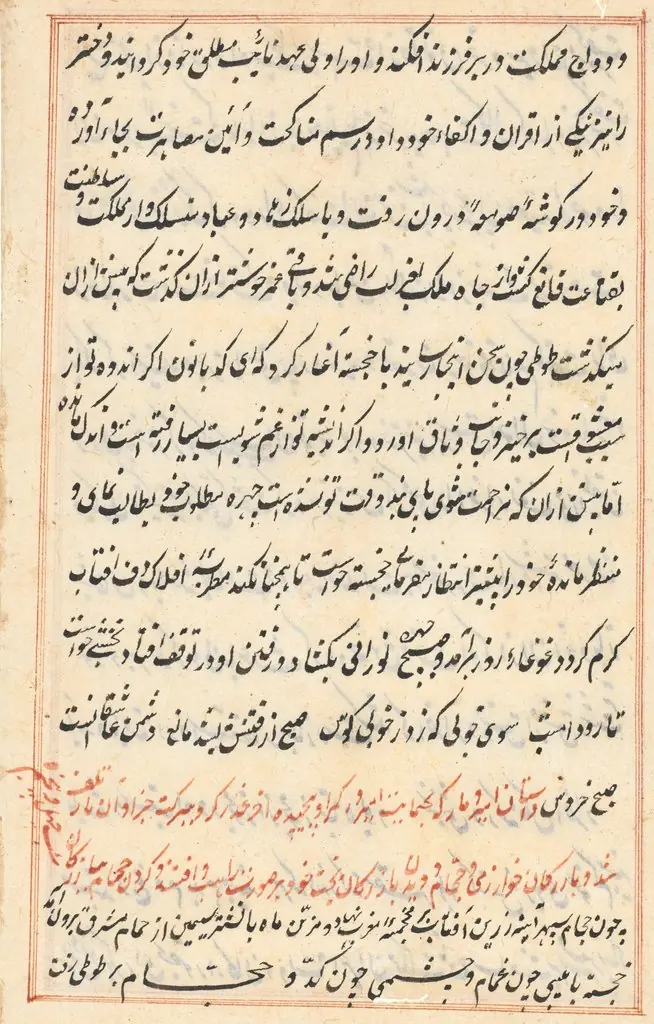
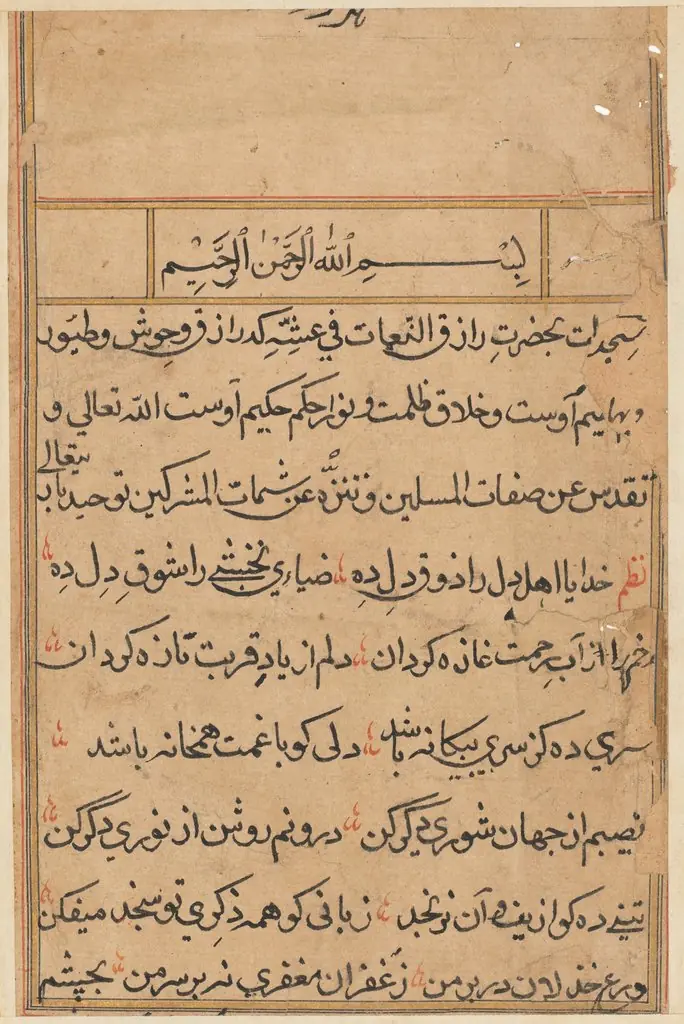 Page from Tales of a Parrot (Tuti-nama): text page
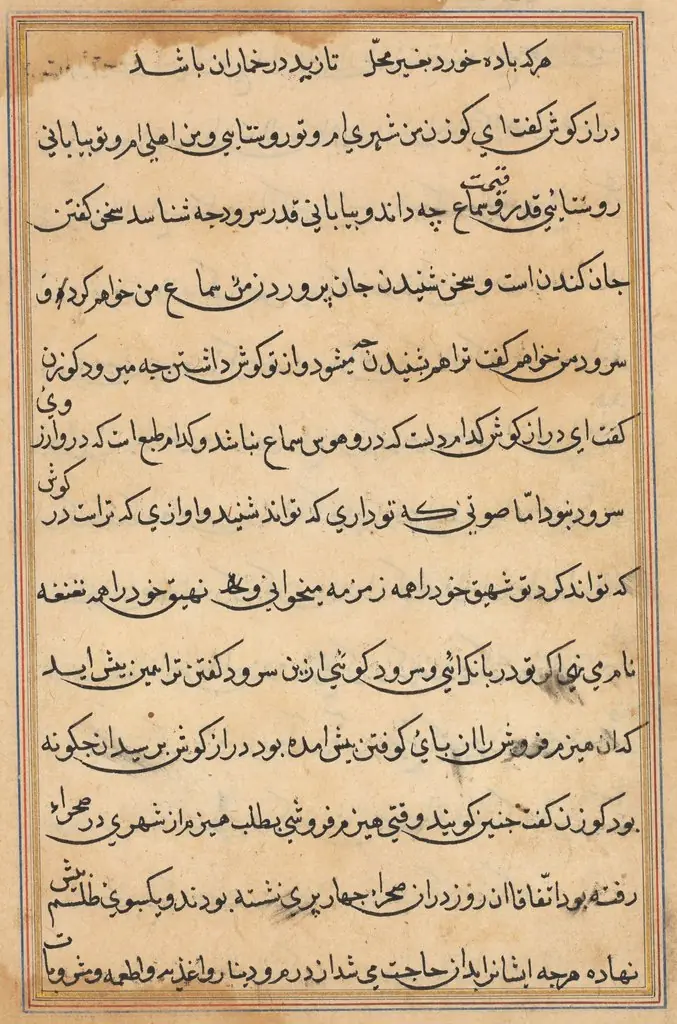 Page from Tales of a Parrot (Tuti-nama): text page
 Page from Tales of a Parrot (Tuti-nama): text page