Artwork
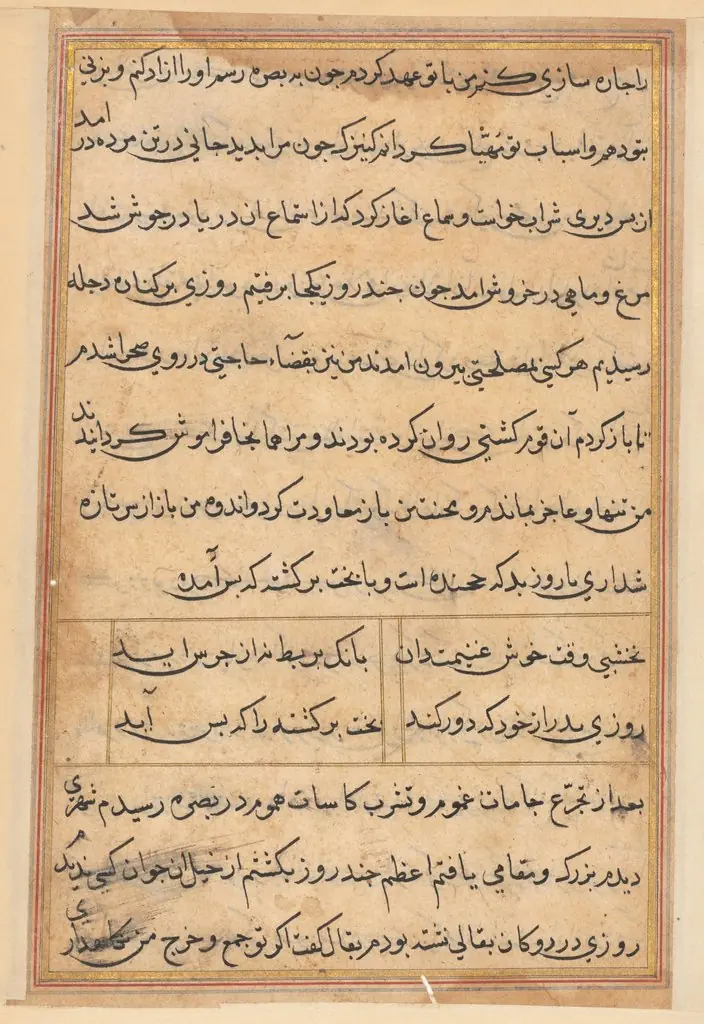
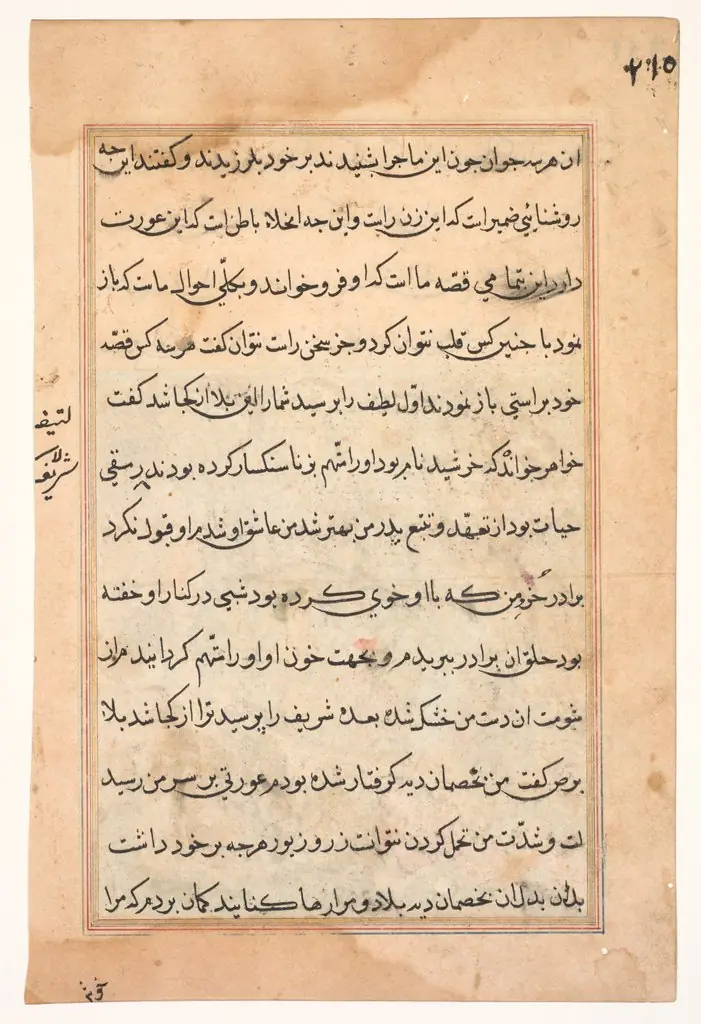
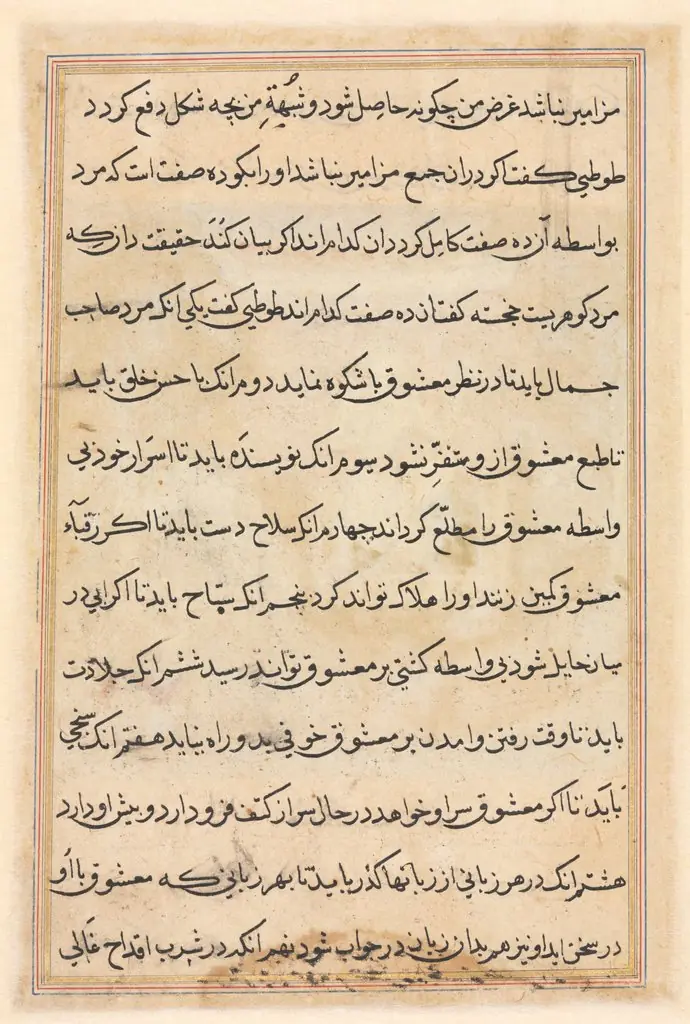
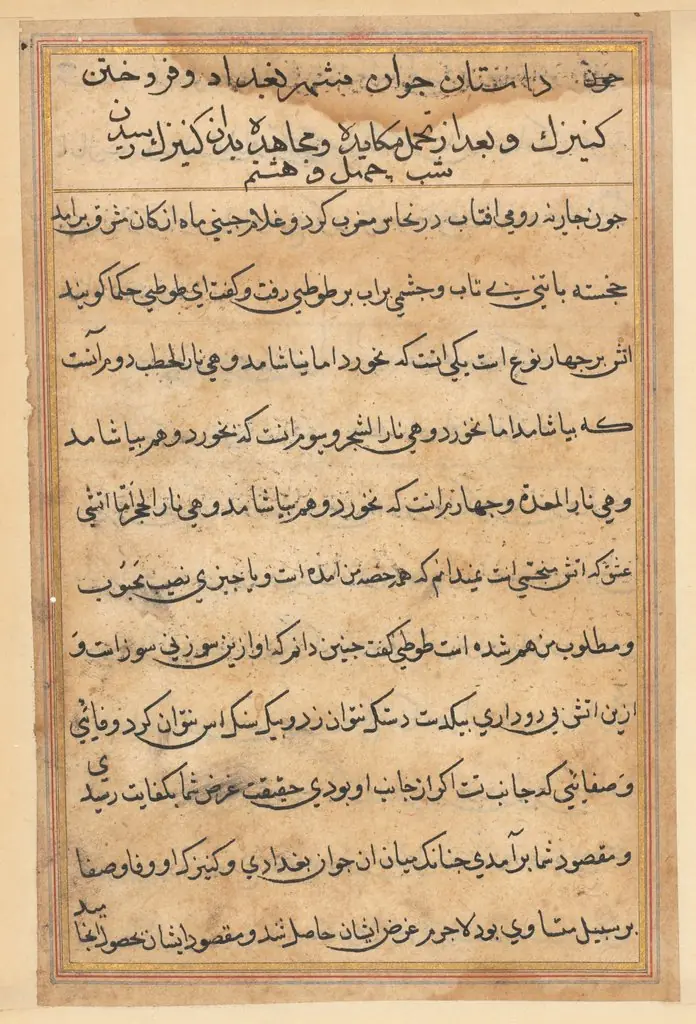
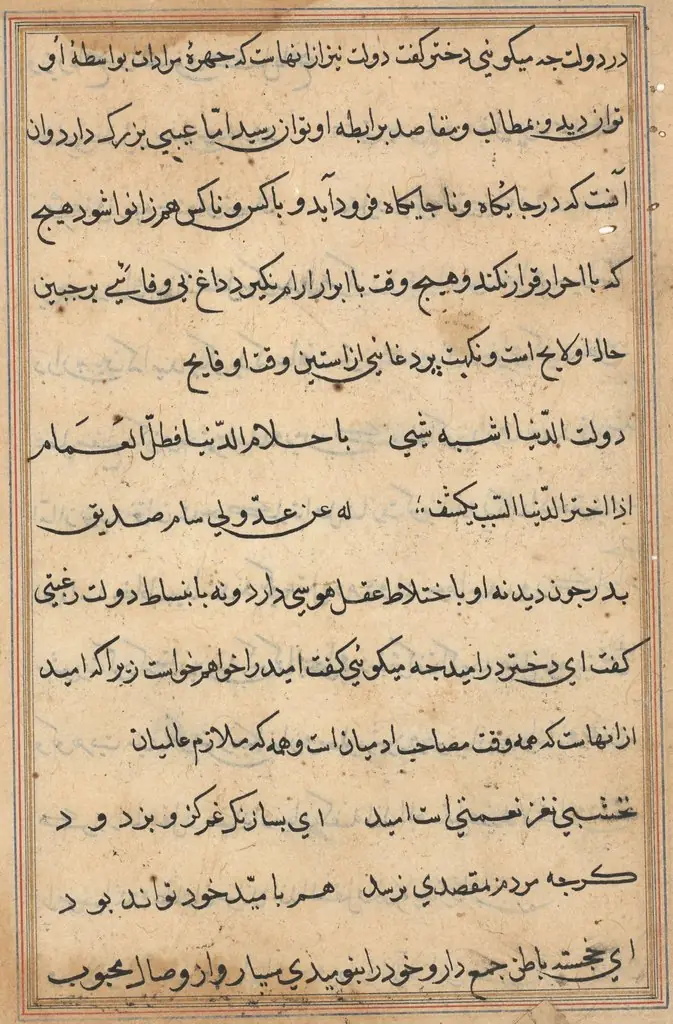
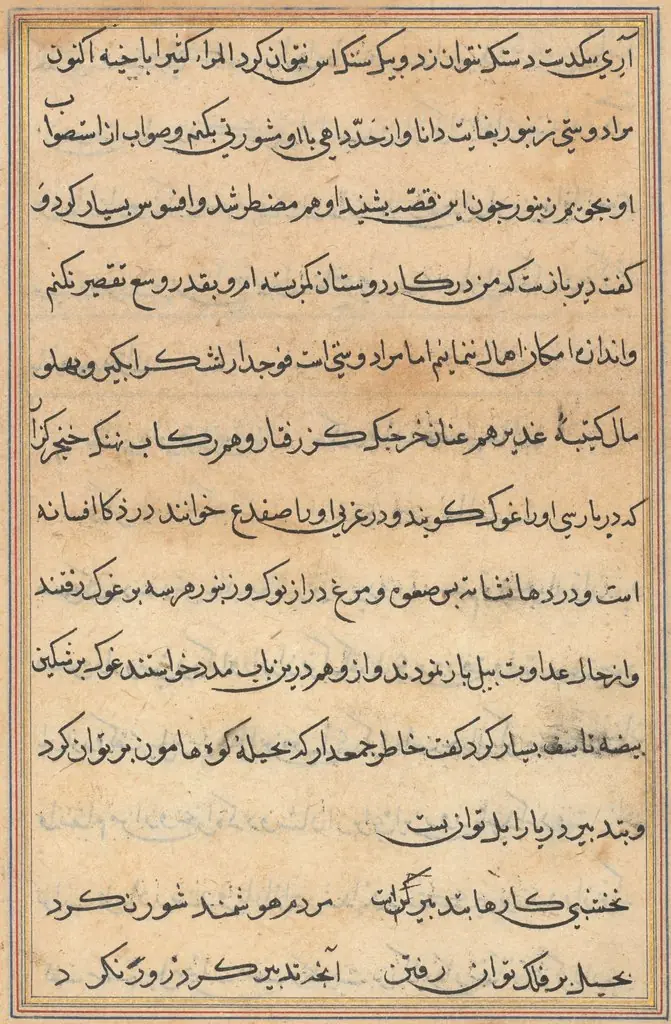
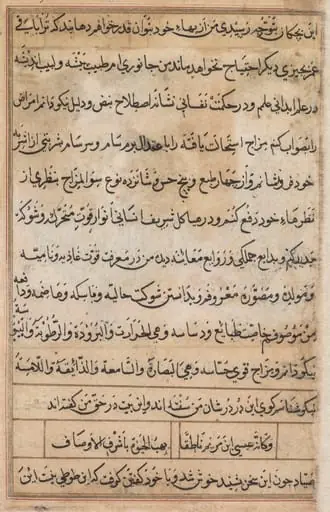
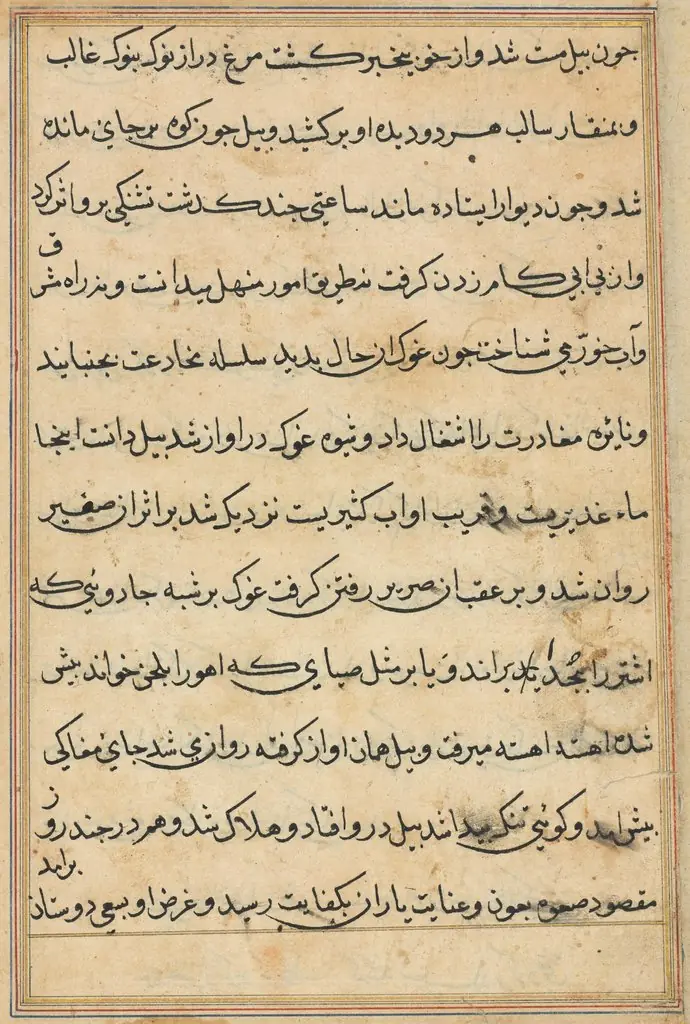
Page from Tales of a Parrot (Tuti-nama): text page
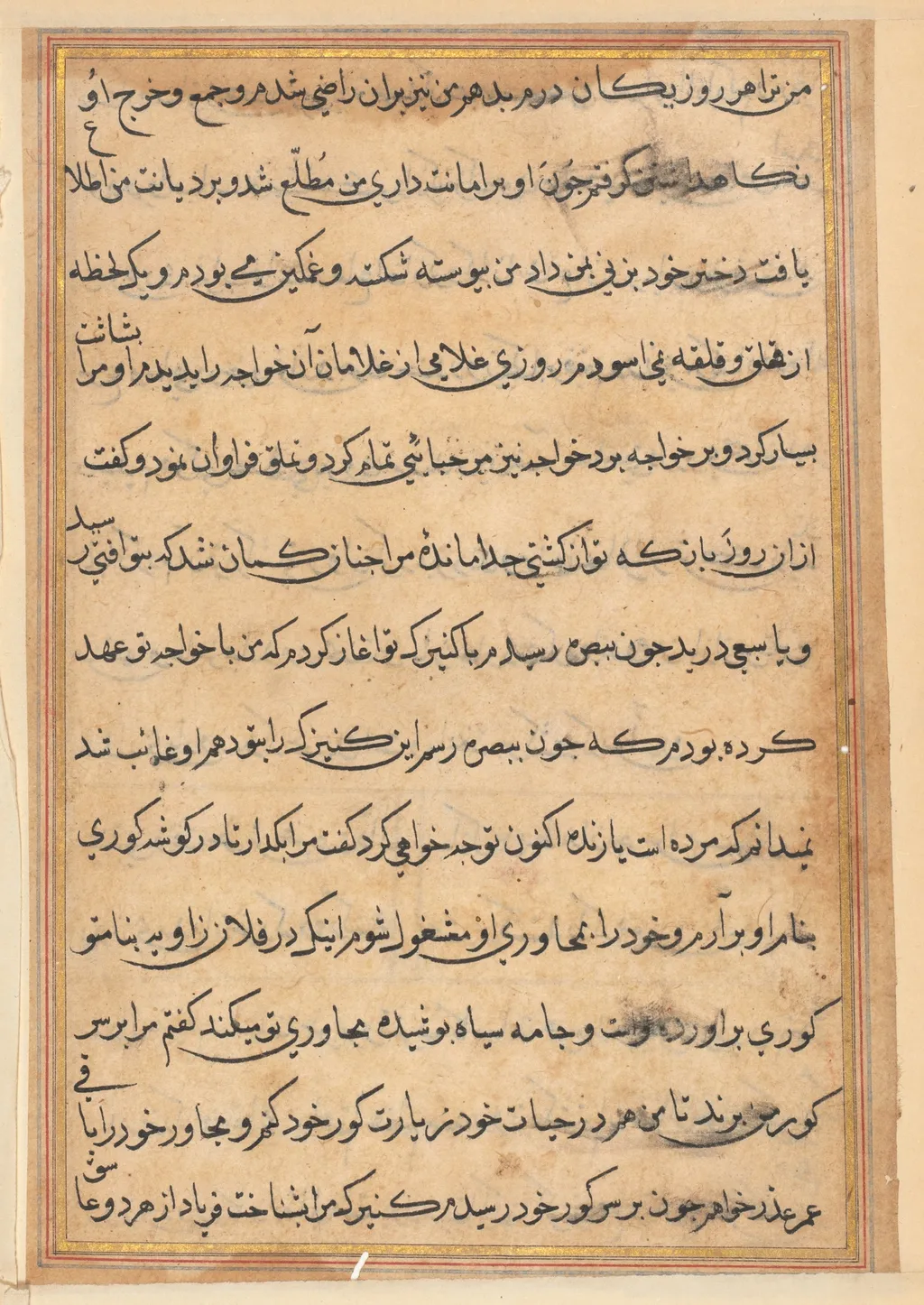
Page from Tales of a Parrot (Tuti-nama): text page is an unspecified painting. It dates from 1560 and is held in the collection of the Cleveland Museum of Art.
About this work
History & Provenance
The page entered the collection of the Cleveland Museum of Art, where it is catalogued under accession number 1962.
The work is a text page from the Persian manuscript Tuti-nama, created in 1560 within the Mughal Empire. It was made in the court's artistic workshop and retains its original function as an illustrated manuscript page. The page entered the collection of the Cleveland Museum of Art, where it is catalogued under accession number 1962.279.309.b. Its creation reflects the Mughal patronage of Persian literary works during the mid-sixteenth century.
Context
The miniature exemplifies Mughal court patronage of illustrated Persian literary cycles, wherein narrative text pages circulated alongside vivid figural scenes to convey didactic tales of moral conduct. Scholarship emphasizes its role within the Tuti-nama manuscript tradition, highlighting stylistic continuities with contemporaneous Persianate workshops while underscoring the text's function as a didactic vehicle for aristocratic audiences. The work's attribution to an anonymous artist operating within the imperial atelier reflects broader patterns of collaborative production in 16th-century Mughal India, situating it within networks of manuscript circulation that linked Persian literary culture with imperial artistic innovation.
Its presence in the Cleveland Museum of Art collection preserves a fragment of this culturally syncretic milieu, offering insight into the visual rhetoric of moral instruction in early modern courtly contexts.
Overview
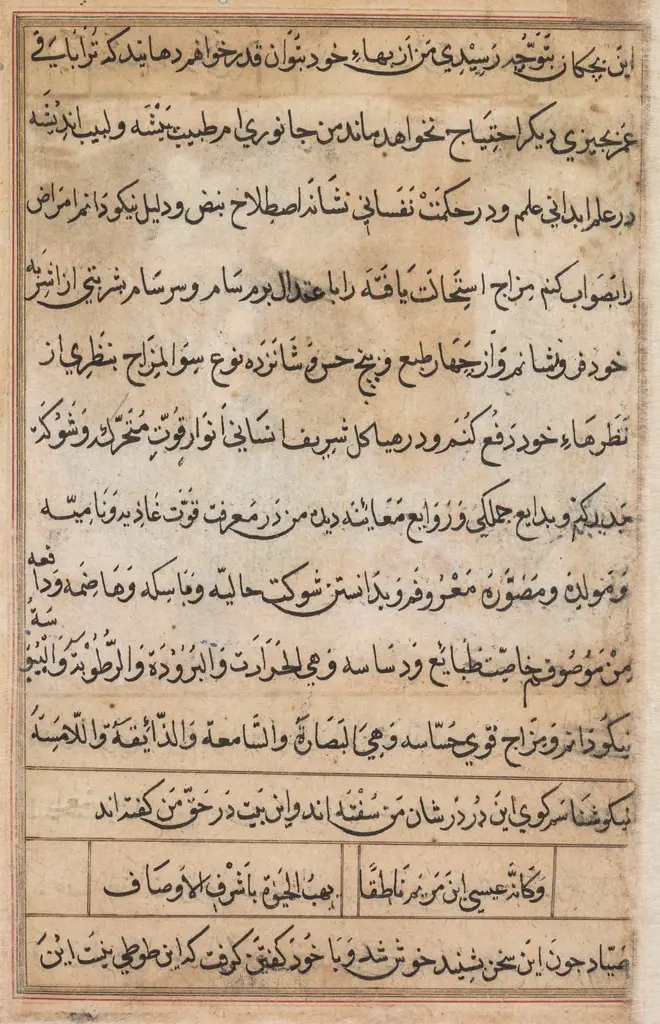
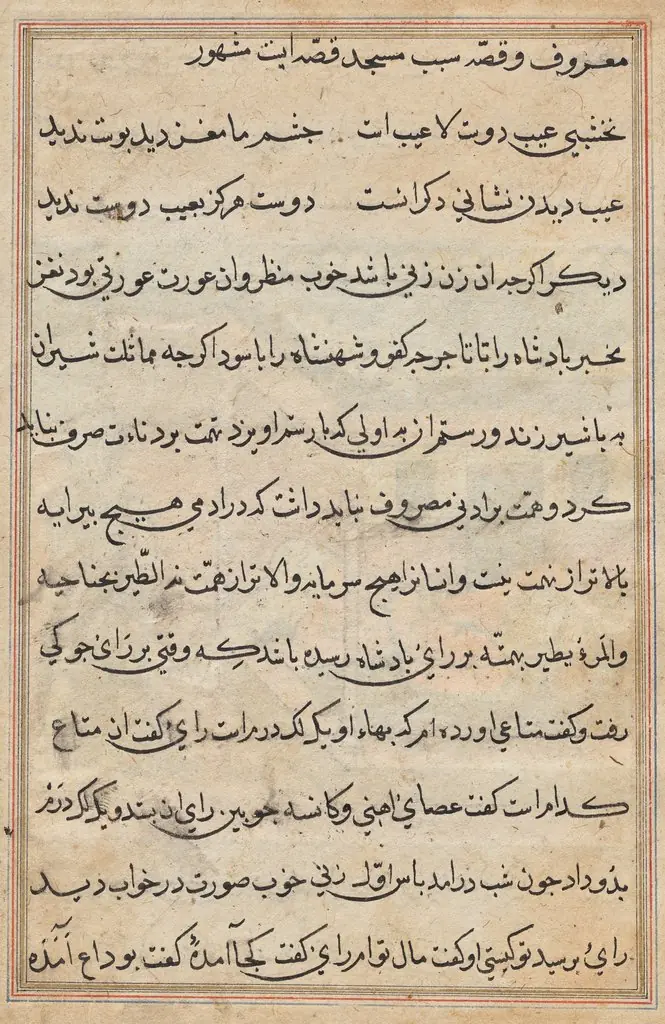
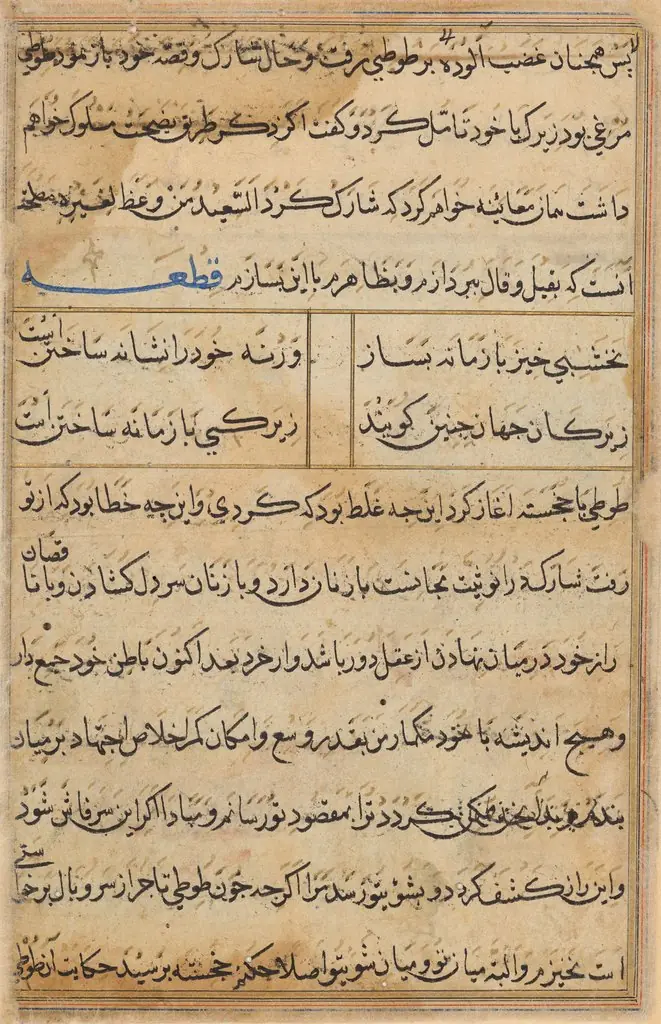
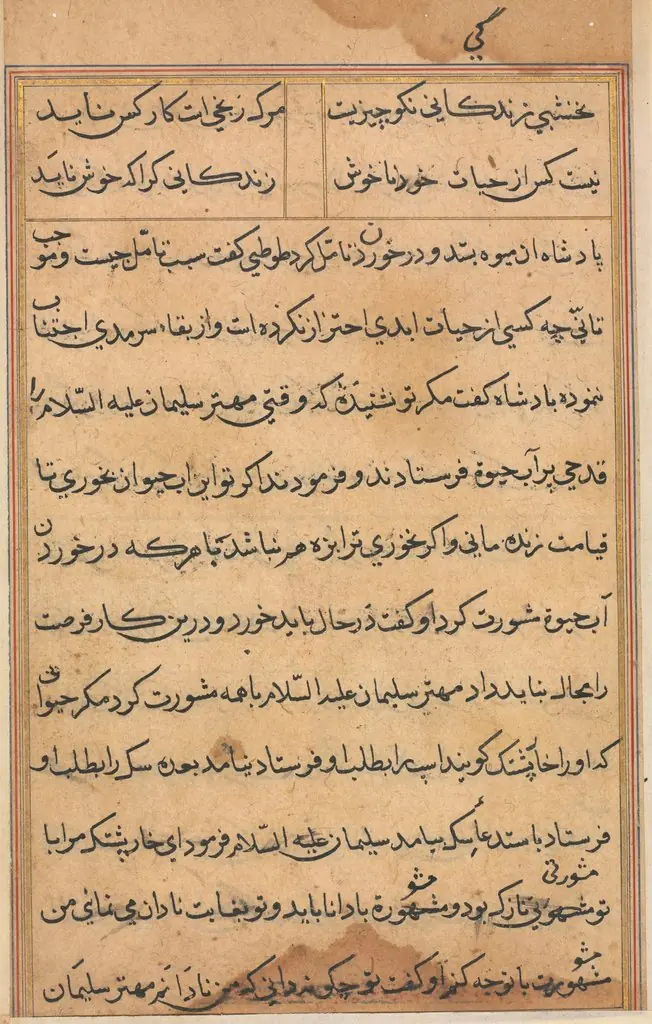
This manuscript leaf, part of the illustrated work Tales of a Parrot (Tuti‑nama), presents a dense block of black calligraphic script arranged in compact, orderly rows. A narrow red band outlines the page, while the paper itself shows a warm, slightly yellowed tone, indicating age. The piece is catalogued as a painting in museum records, reflecting its status as a visual object despite its textual function.
Subject & Meaning
The text on the page forms a segment of the Tales of a Parrot, a narrative composed for Prince Salim. The story, conveyed through the elegant script, was intended as a literary gift, combining moral instruction with entertainment. The presence of the parrot motif in the title suggests themes of speech, wisdom, and courtly intrigue, typical of Persian storytelling traditions.
Technique & Style
The calligraphy is executed in a precise black ink, each letter adorned with minute decorative dots and strokes that enhance legibility and aesthetic appeal. The lines flow in a sinuous, vine‑like manner, filling the surface from margin to margin. A thin red border, applied with a contrasting pigment, frames the composition and emphasizes the page’s formal structure.
Artist & collection

 Page from Tales of a Parrot (Tuti-nama): text page
 Page from Tales of a Parrot (Tuti-nama): text page
 Page from Tales of a Parrot (Tuti-nama): text page
 Page from Tales of a Parrot (Tuti-nama): text page
 Page from Tales of a Parrot (Tuti-nama): text page
 Page from Tales of a Parrot (Tuti-nama): text page
 Page from Tales of a Parrot (Tuti-nama): text page