Artwork
Pietà
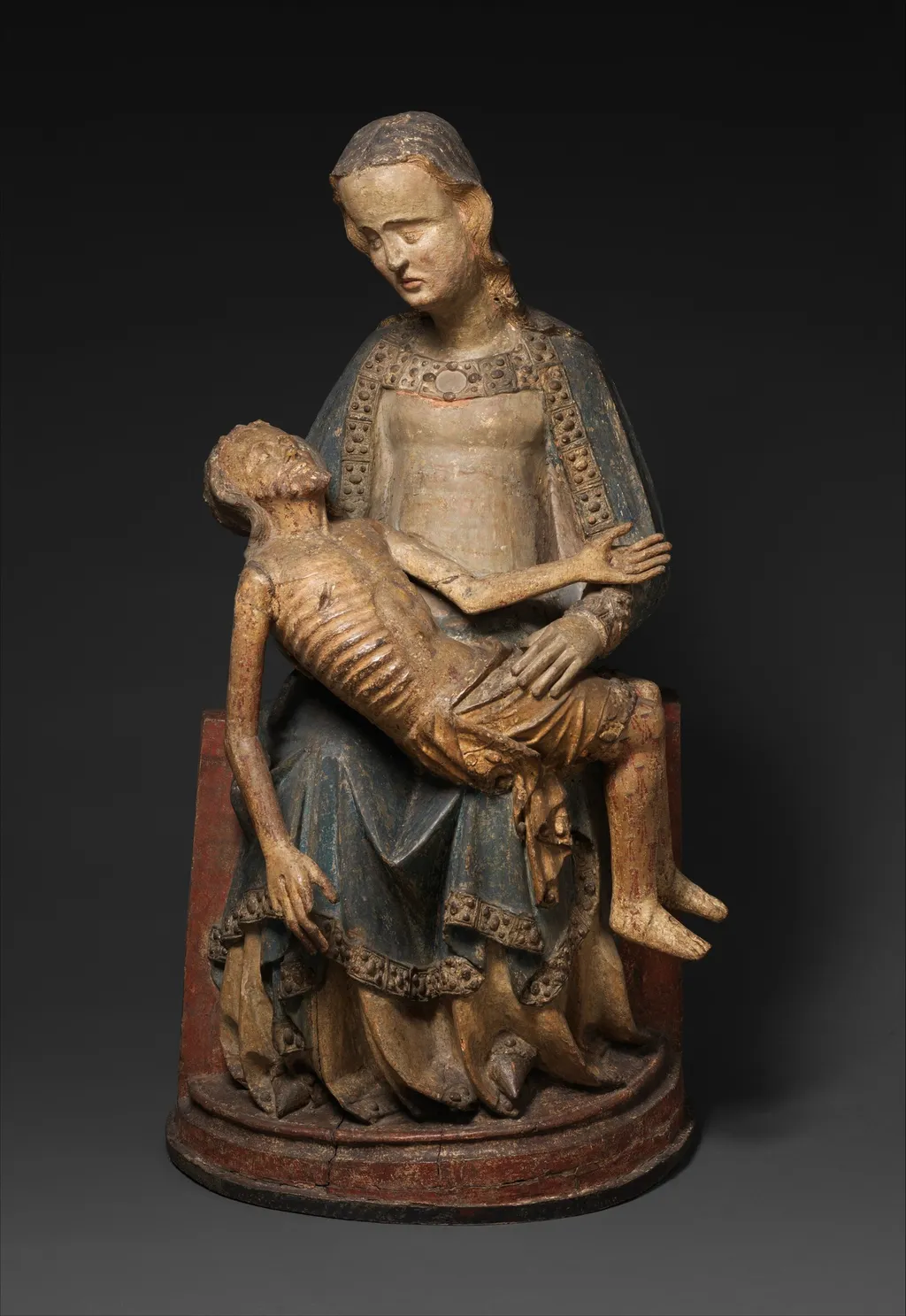
Pietà is an unspecified painting. It dates from 1394 and is held in the collection of the Metropolitan Museum of Art.
About this work
Subject & Meaning
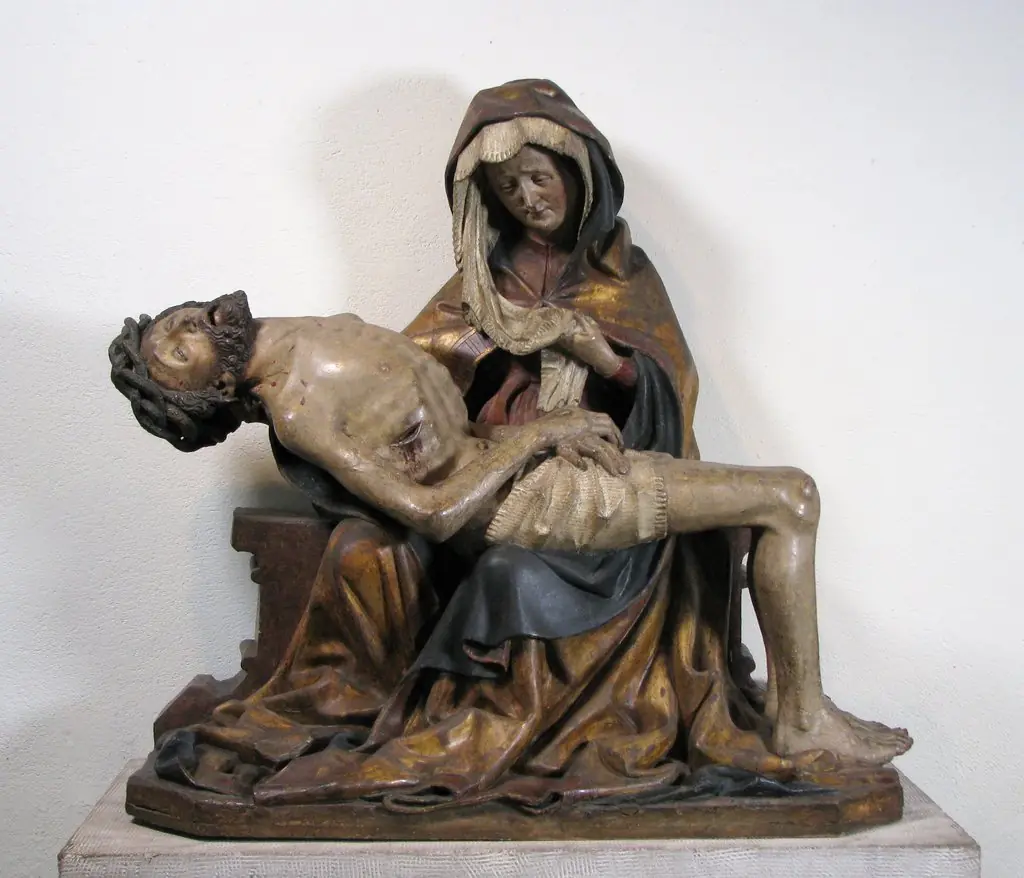
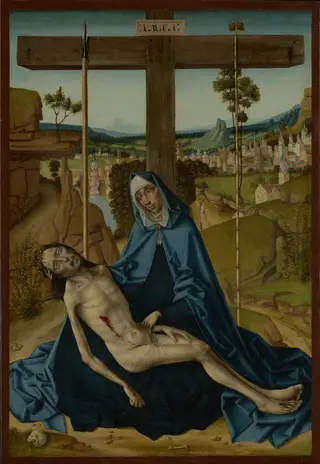
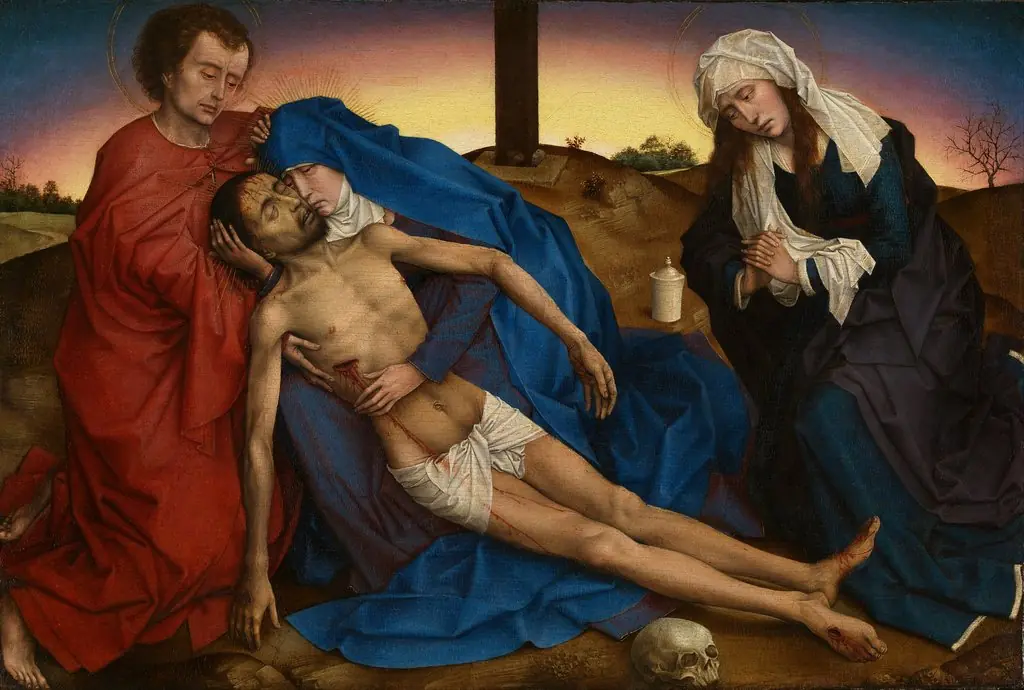
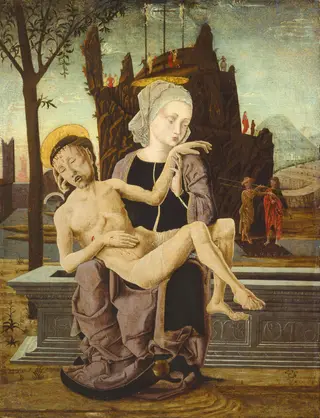
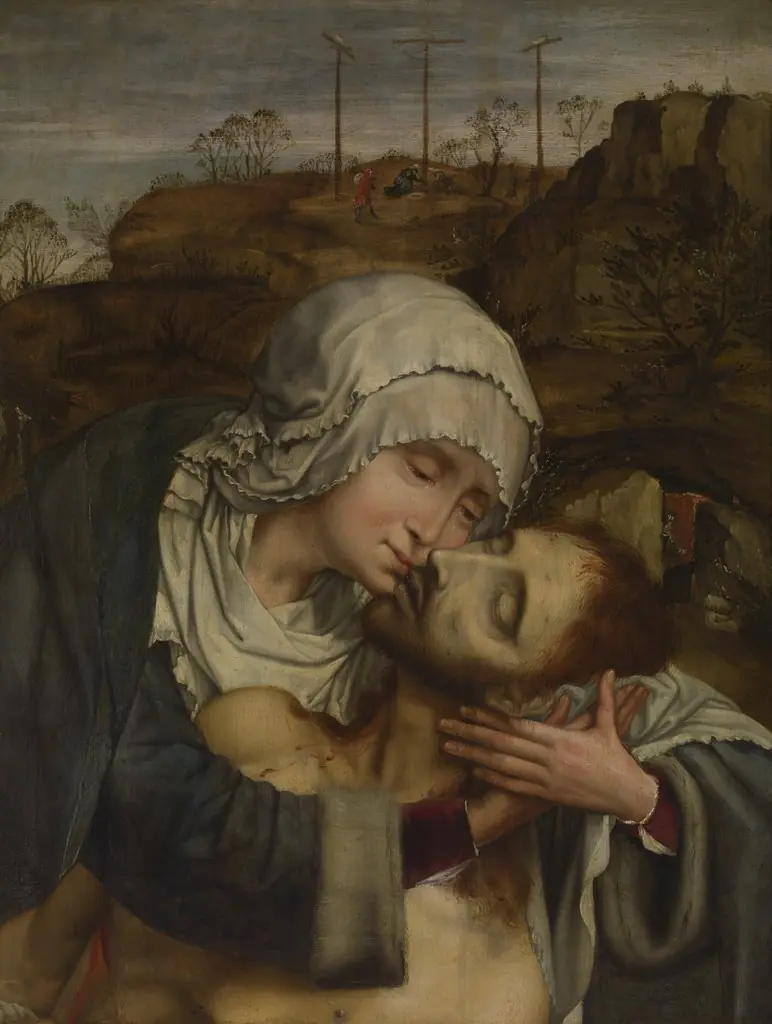
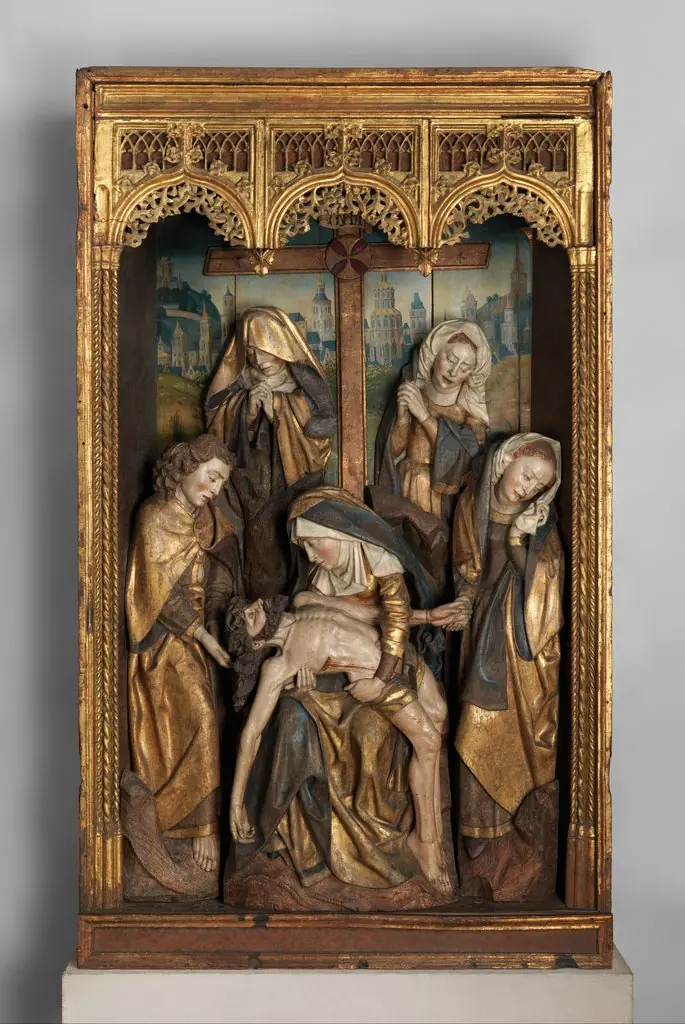
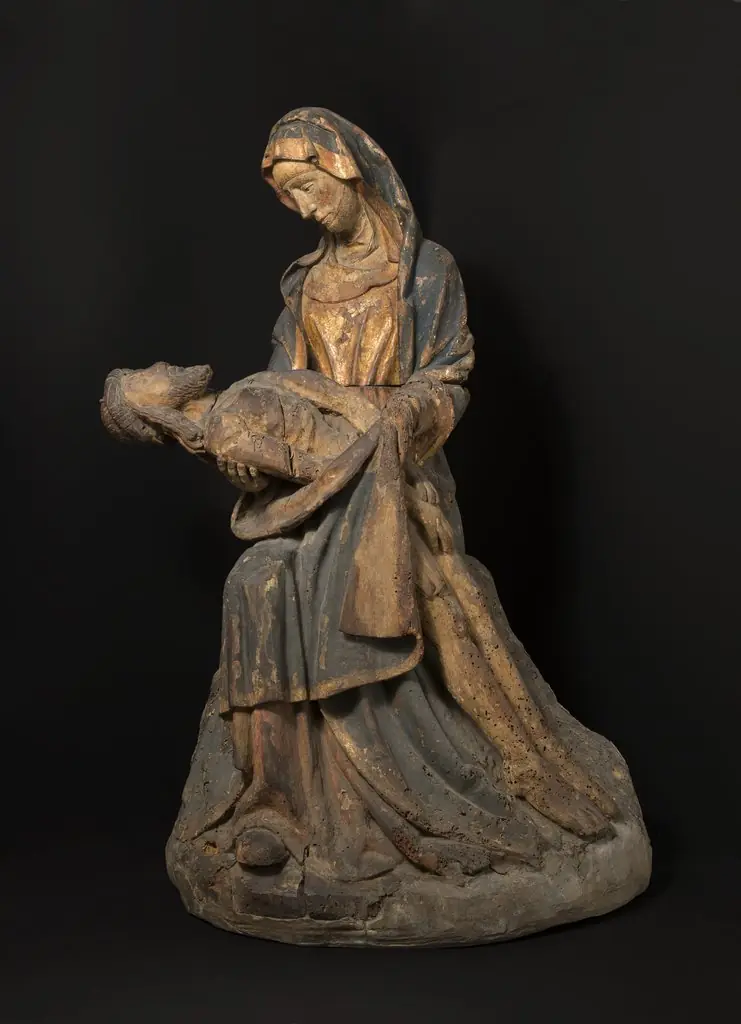
As a main subject, the work focuses on the sorrowful mother and her deceased son, serving as a visual meditation on grief and sacrifice.
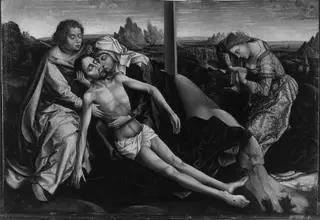
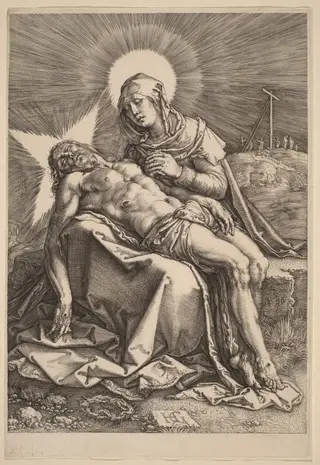
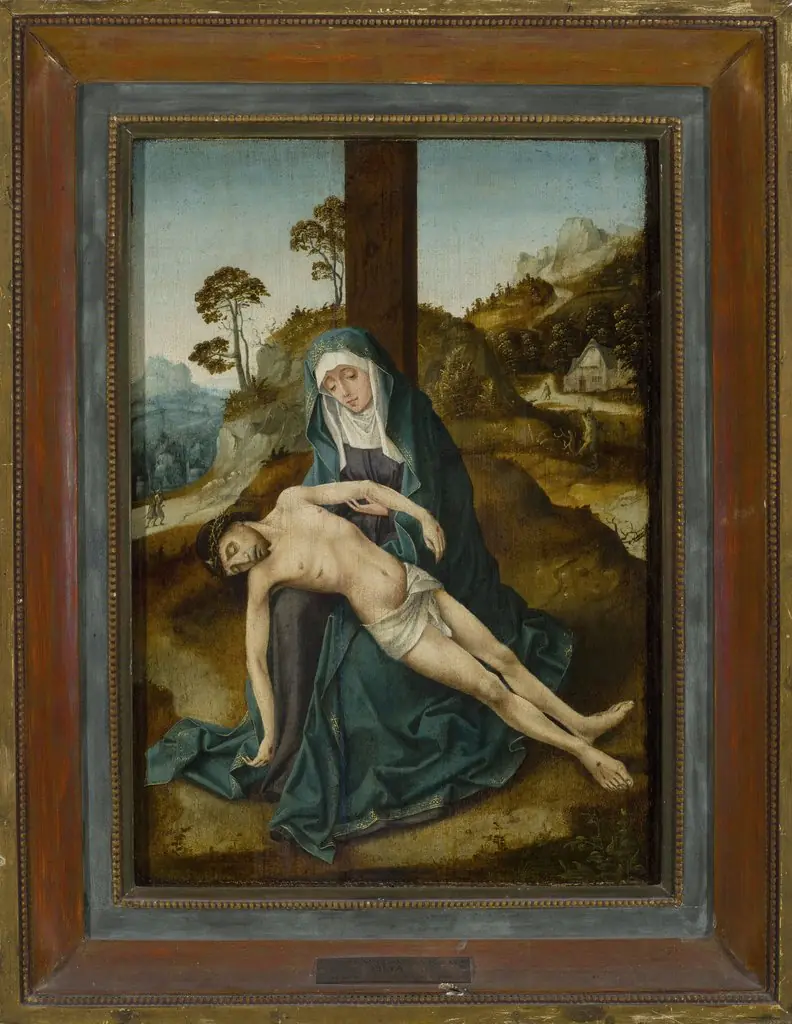
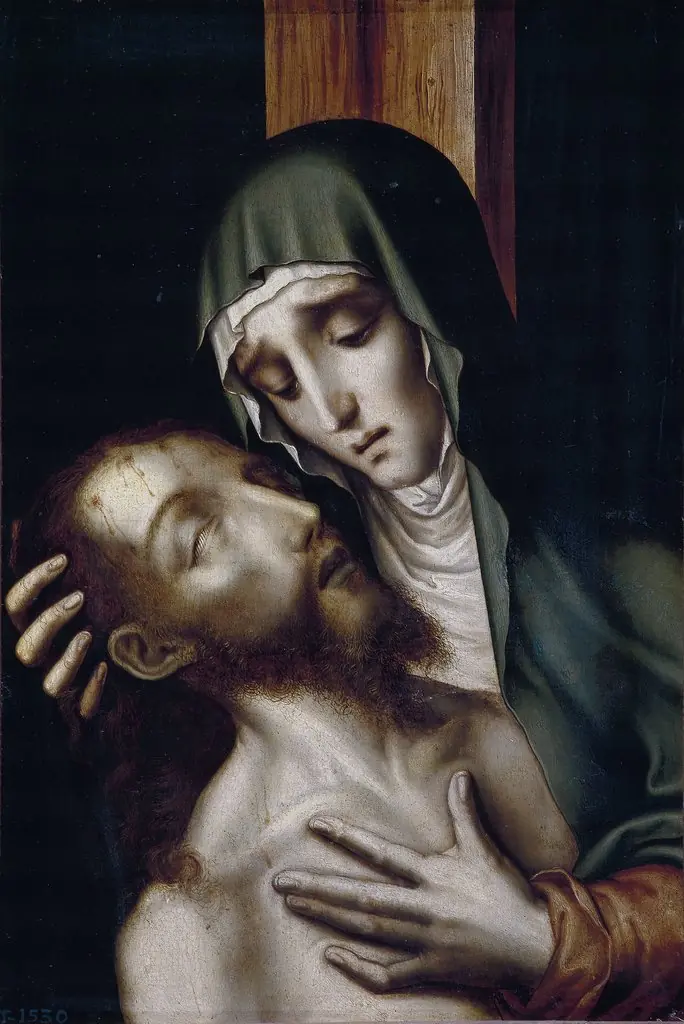
Created in 1387, this anonymous religious painting illustrates the Pietà, a specific devotional subject within Christian art. The composition depicts the Virgin Mary holding the body of Jesus Christ following his crucifixion. As a main subject, the work focuses on the sorrowful mother and her deceased son, serving as a visual meditation on grief and sacrifice.
The iconography is strictly defined by the presence of these two figures, representing the culmination of the Passion narrative. By isolating this moment of lamentation, the artwork functions as an object of religious contemplation, emphasizing the human suffering of the divine figures rather than the broader narrative of the resurrection.
Technique & Style
The Pietà is recorded as a painting, confirming that its execution involves pigment applied to a prepared support, a common medium in late‑medieval religious art. The work, dated to 1387, portrays the Virgin Mary cradling the dead Christ in a traditional Pietà composition, and it is housed in the Metropolitan Museum of Art. As an anonymous panel, it reflects the stylistic conventions of its time, with a focus on devotional imagery rather than individualized portraiture.
History & Provenance
The Pietà is an anonymous religious painting dated to 1387, with its inception recorded as the beginning of that year. The work entered the collection of the Metropolitan Museum of Art, where it is currently held. No information regarding a specific commissioner, original owner, or intermediate ownership chain prior to its acquisition by the Metropolitan Museum of Art is documented in the available sources.
Likewise, details concerning the circumstances of its creation, the artist or workshop responsible for its production, and any early provenance history remain unrecorded. The painting's documented history begins with its 1387 date and continues through to its present location at the Metropolitan Museum of Art.
Overview
This artwork, titled Pietà, depicts a sorrowful scene central to Christian iconography. It portrays a woman cradling a deceased man in her lap, a representation traditionally understood as the Virgin Mary mourning over the body of Jesus Christ following his crucifixion. The composition conveys a sense of profound grief and tender devotion, characteristic of religious art from its period.
Artist & collection