Artwork
Pilate Washing his Hands
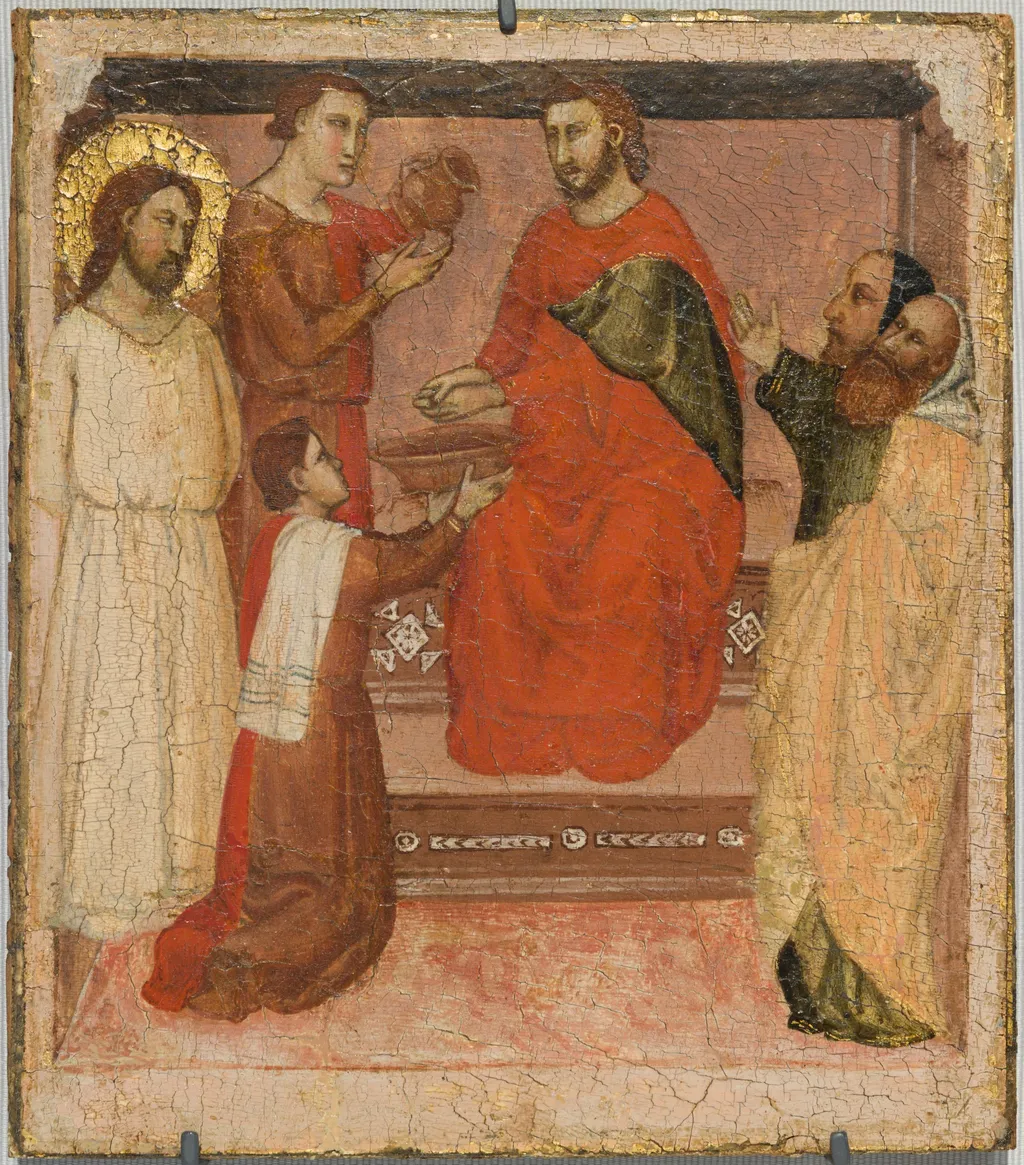
Pilate Washing his Hands is an unspecified painting by the Italo Byzantine artist Unknown. It dates from 1320 and is held in the collection of the Detroit Institute of Arts. The work portrays a somber gathering of six robed figures arranged around a seated central character.
About this work
Subject & Meaning
As a piece of religious art, it visually narrates this pivotal event from the Passion story, focusing on the theme of denied culpability.
Created in 1320 by the School of Florence, this religious painting illustrates the biblical moment of Pontius Pilate washing his hands. The work's iconography centers specifically on the act of hand washing, a gesture symbolizing the governor's attempt to absolve himself of responsibility for the crucifixion of Jesus. As a piece of religious art, it visually narrates this pivotal event from the Passion story, focusing on the theme of denied culpability.
Technique & Style
Created in 1320, this religious painting is attributed to the School of Florence. The work is executed as a painting on a support measuring 17.2 cm in height and 15.1 cm in width. As a small-scale panel, it depicts the biblical scene of Pilate washing his hands, consistent with the devotional art practices of early 14th-century Florence. The piece remains part of the collection at the Detroit Institute of Arts.
History & Provenance
The painting titled Pilate Washing his Hands was created in 1320 by the School of Florence. This religious artwork, depicting the biblical scene of Pontius Pilate washing his hands, measures 17.2 cm in height and 15.1 cm in width. The work is currently held in the collection of the Detroit Institute of Arts in Detroit. No specific commission details or earlier ownership records are provided in the available sources.
Overview
The work portrays a somber gathering of six robed figures arranged around a seated central character. The central figure, distinguished by a red garment with a green sleeve, occupies a bench, while the remaining individuals stand or kneel nearby. A muted pink backdrop recedes behind the group, emphasizing the human drama over setting.
Context
Set within a muted interior space, the work concentrates on interpersonal dynamics rather than elaborate architectural detail. The emphasis on figure interaction aligns with traditions that prioritize narrative clarity, using color and composition to focus the viewer’s eye on the central act of hand‑washing.
Artist & collection









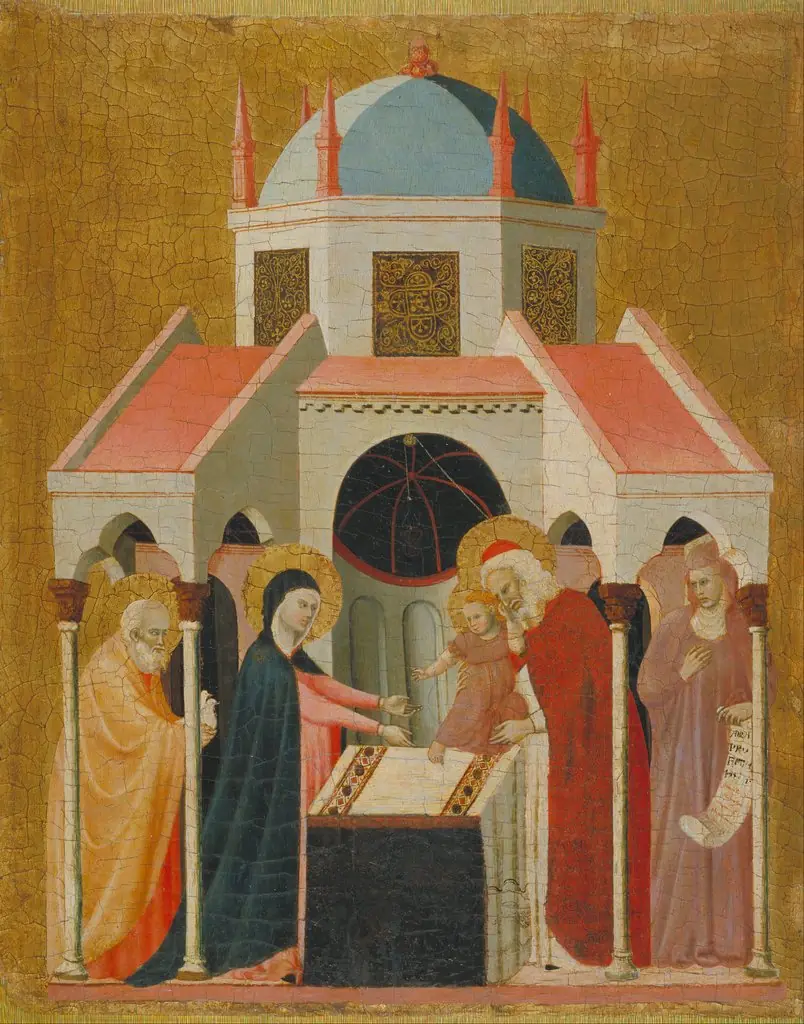
- Presentation of Jesus at the Temple
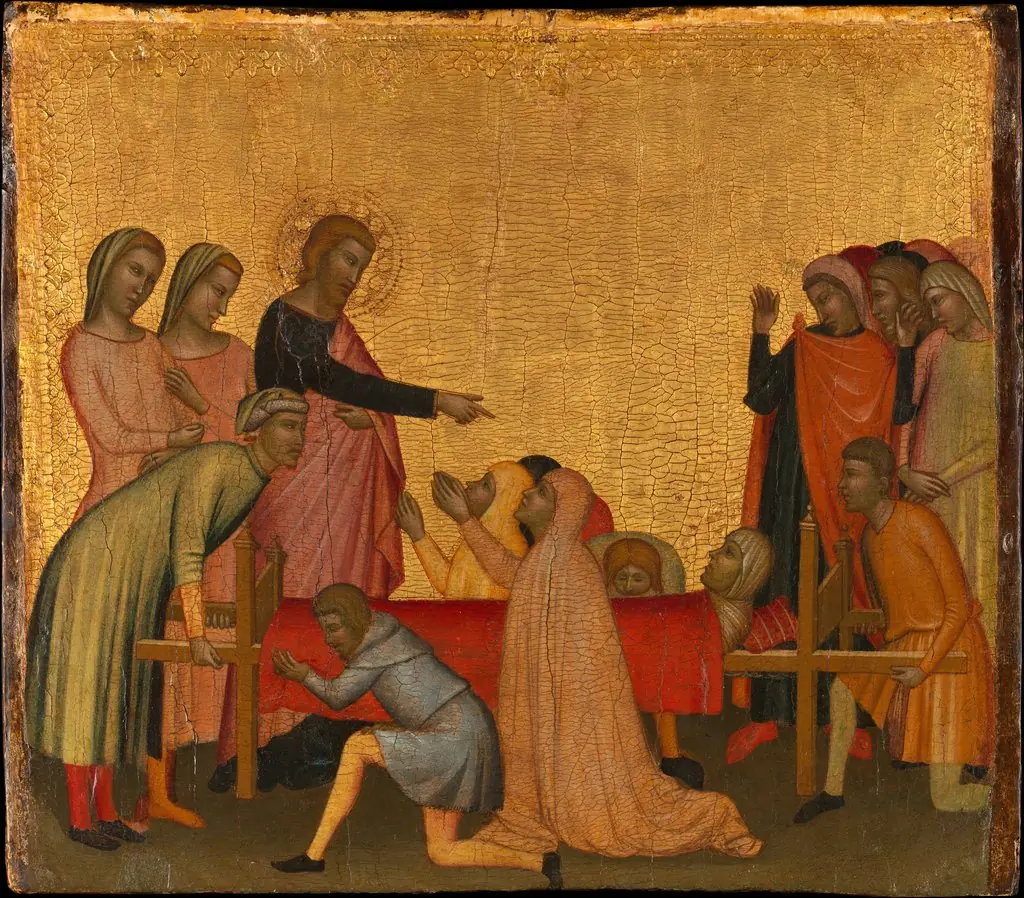 Saint John the Evangelist Raises Satheus to Life
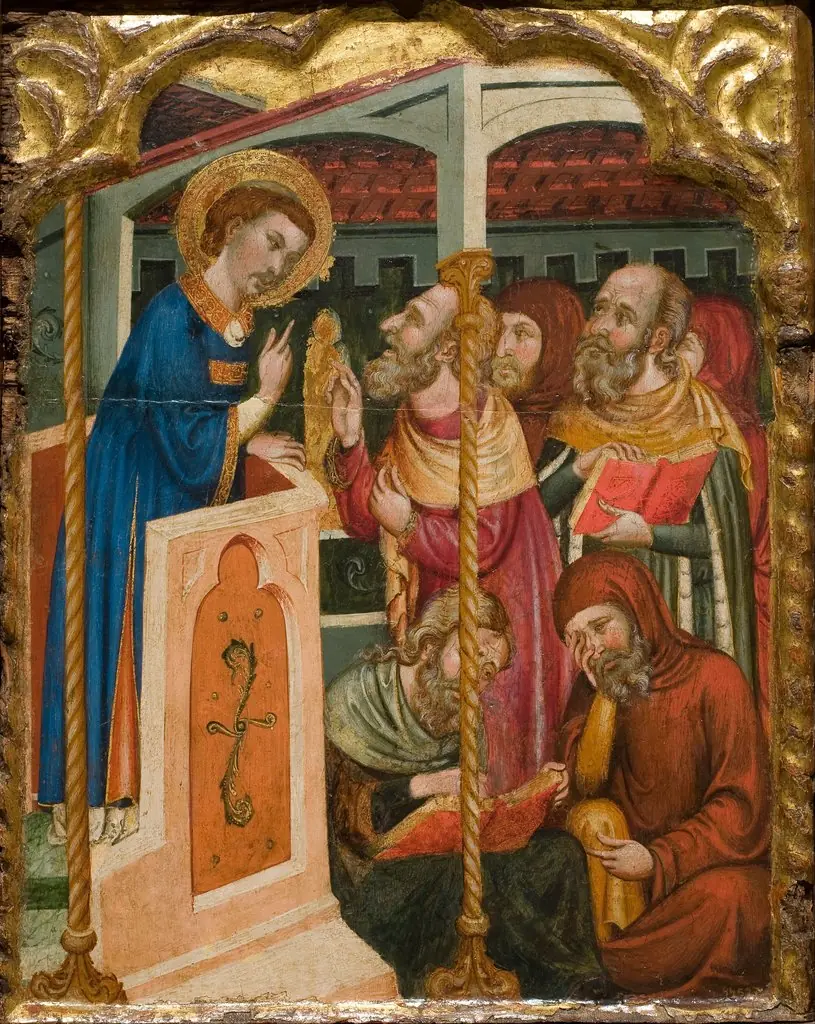 Saint Stephen's Dispute with the Jews
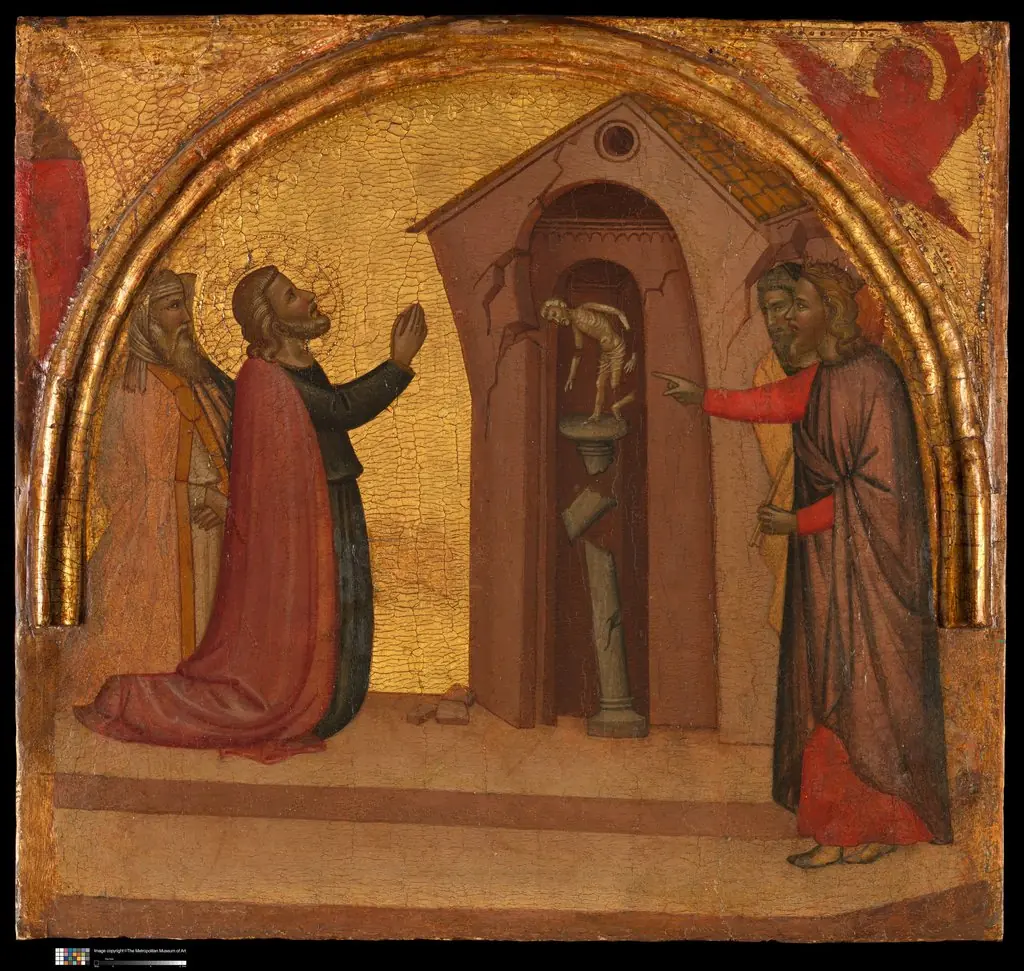 Saint John the Evangelist Causes a Pagan Temple to Collapse
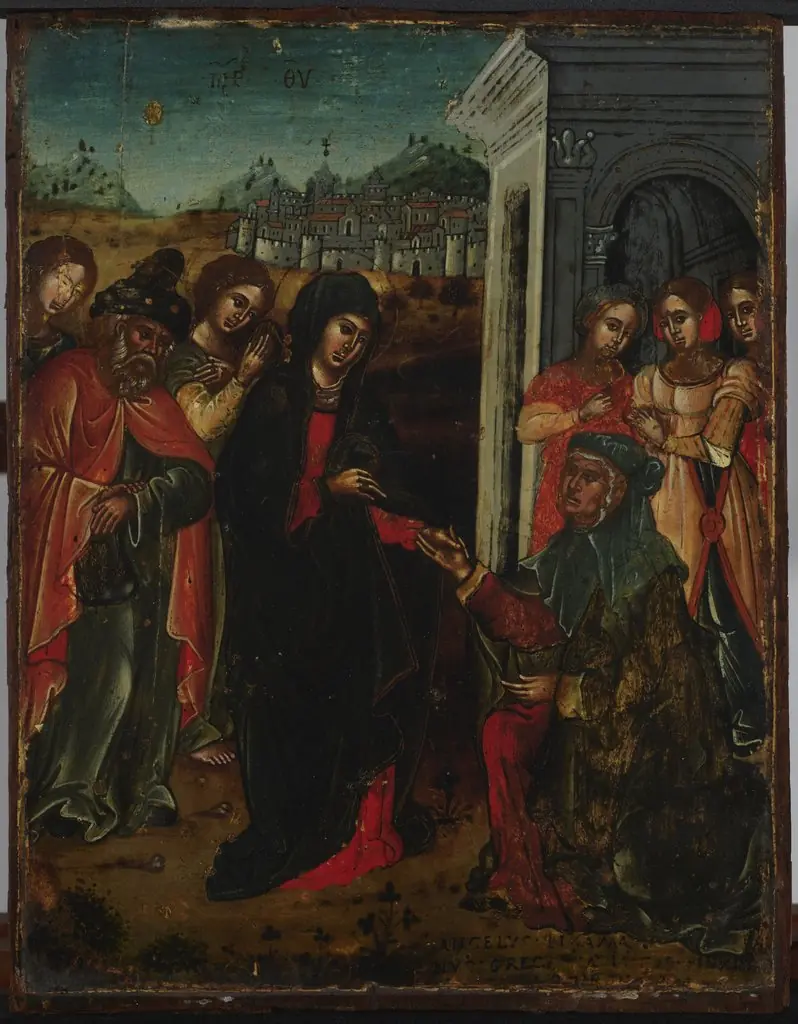 The Visitation
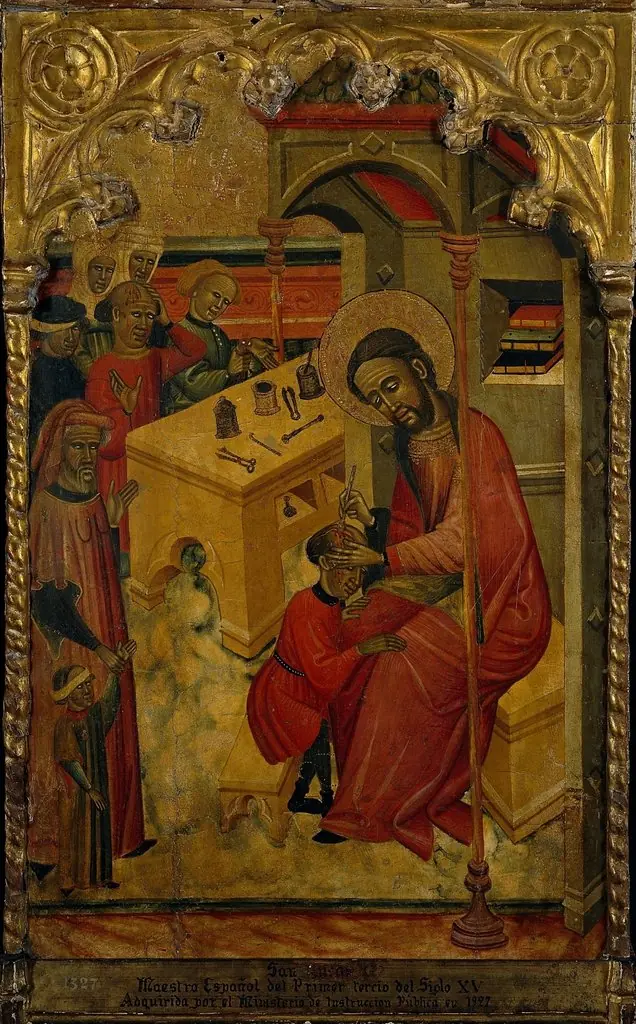 Saint Luke
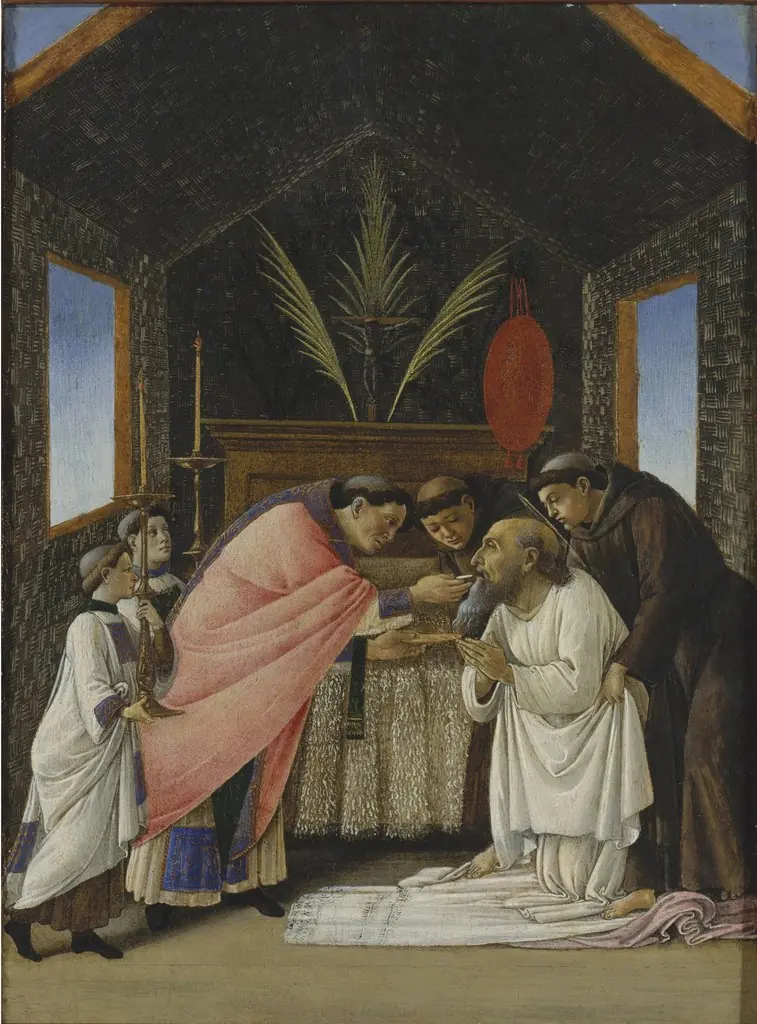 The Last Communion of Saint Jerome
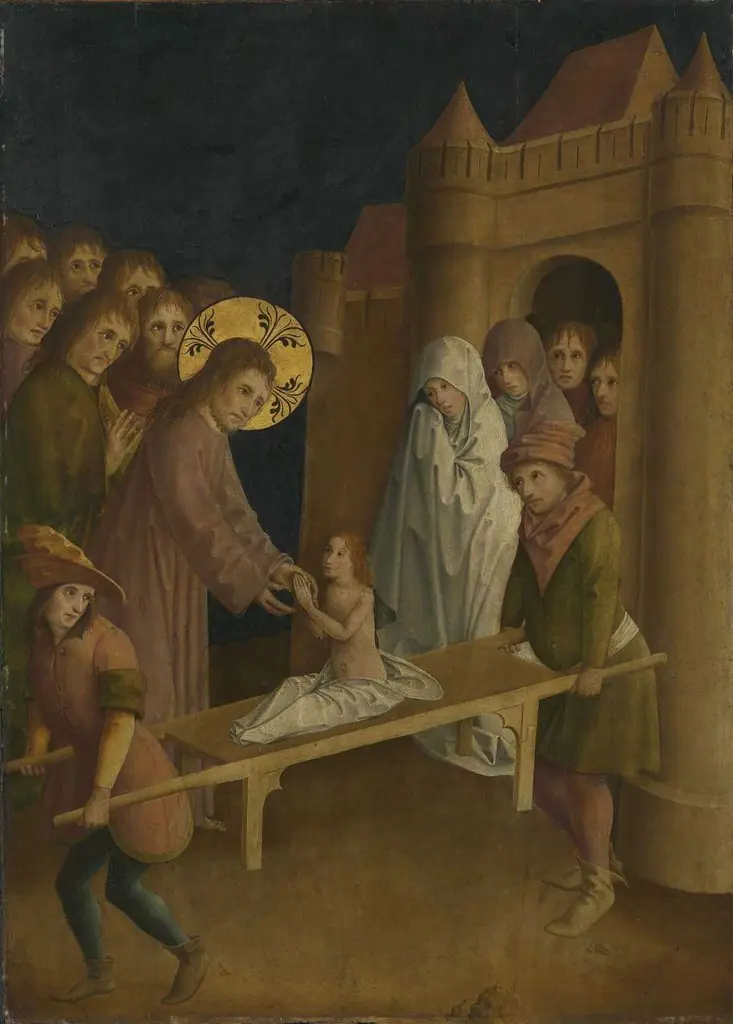 Die Erweckung des Jünglings von Nain
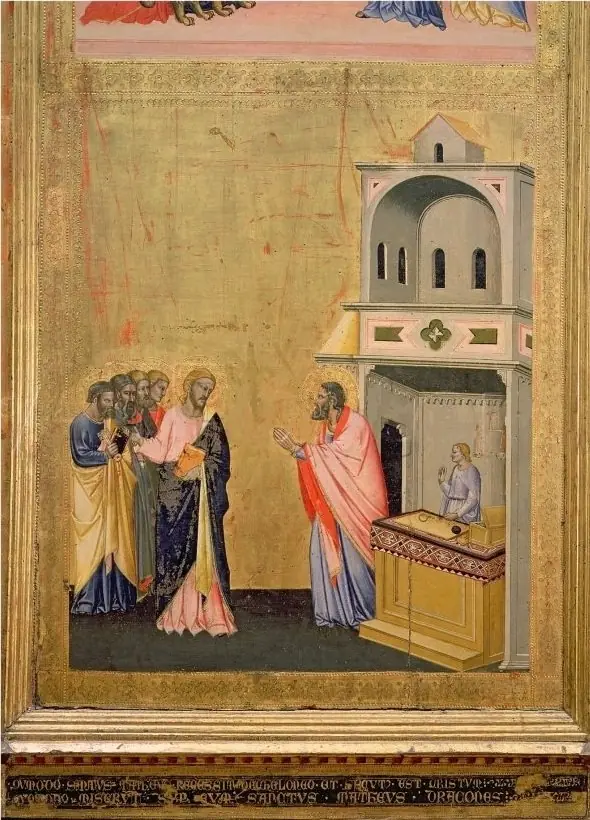 The Calling of St. Matthew
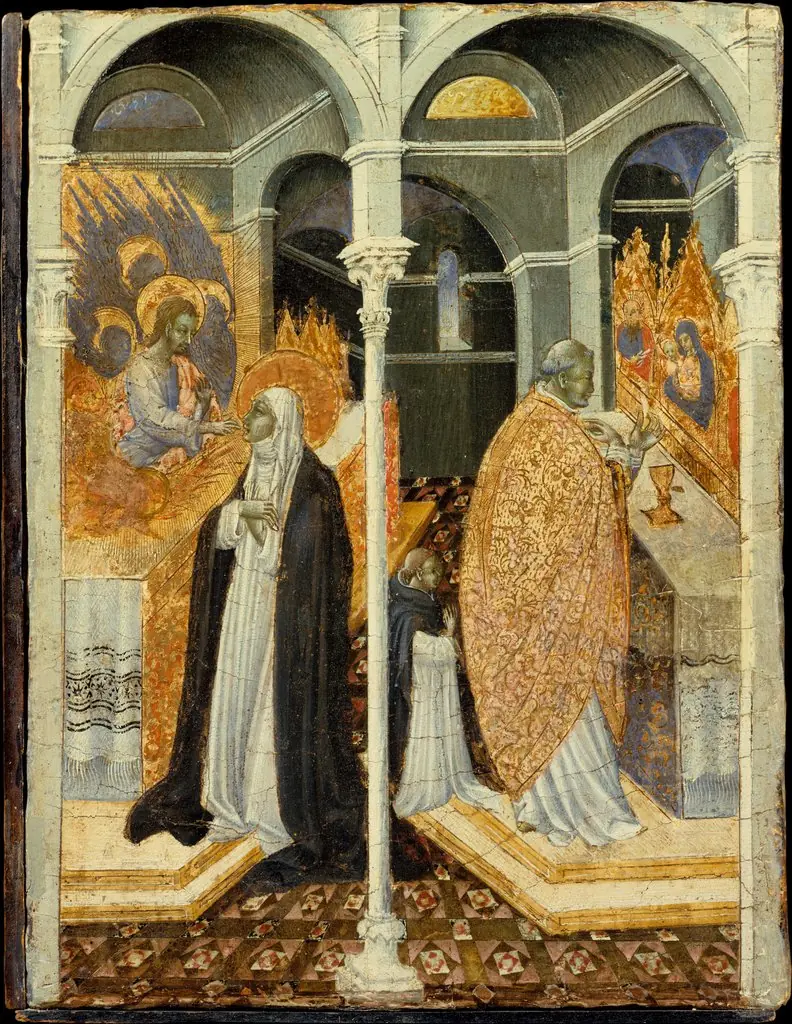 The Miraculous Communion of Saint Catherine of Siena
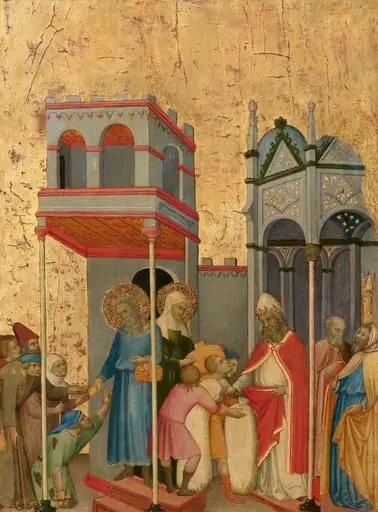 Joachim and Anna Giving Food to the Poor and Offerings to the Temple
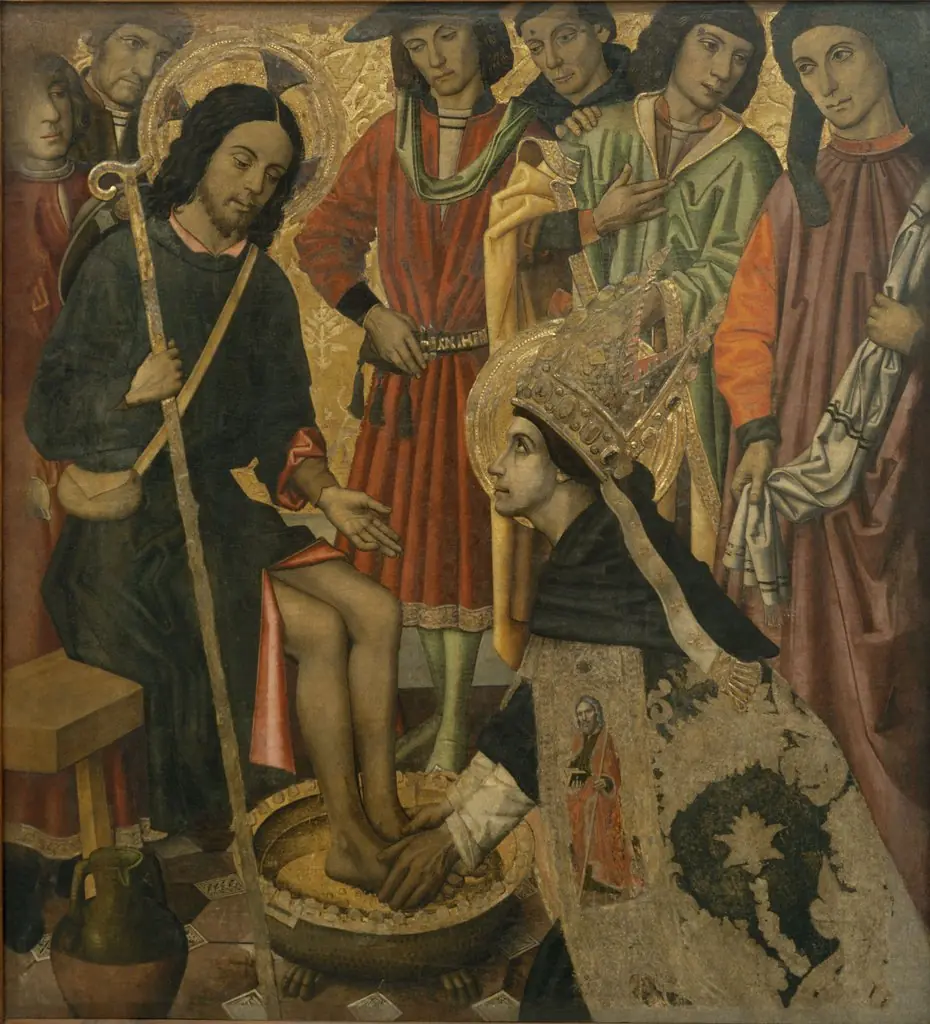 Saint Augustine washing the feet to Pilgrim Jesus