Artwork
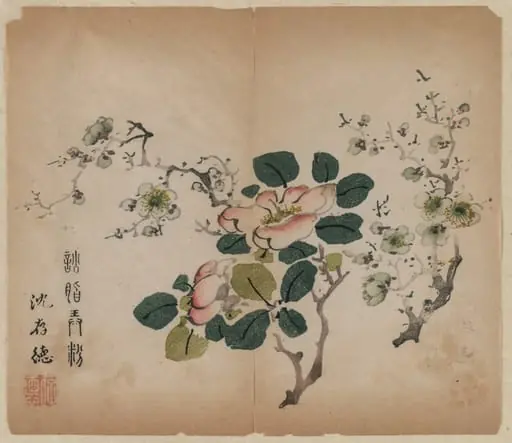
Plum and Camellia in a Bronze Vase
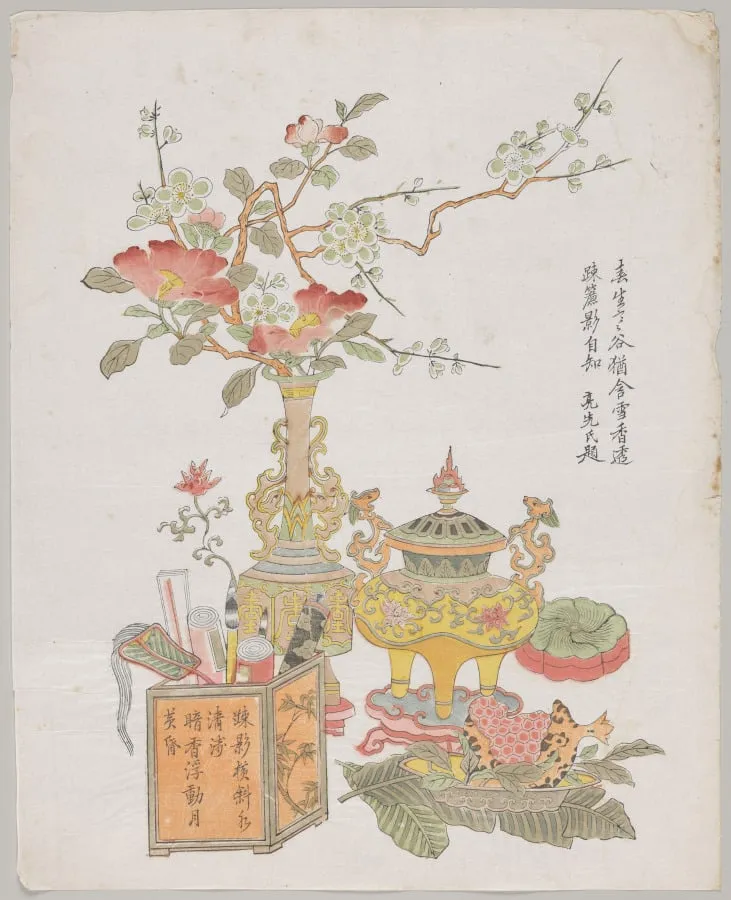
Plum and Camellia in a Bronze Vase is a print by the Baroque artist Unknown. It dates from 1725 and is held in the collection of the Cleveland Museum of Art.
- Accession no.
- 2025.127
- Credit line
- Purchase from the J. H. Wade Fund
About this work
This painting was likely made to hang in a scholar’s home in Suzhou, where artists often worked anonymously.
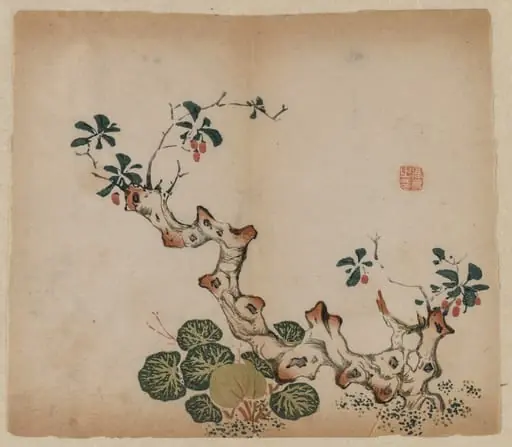
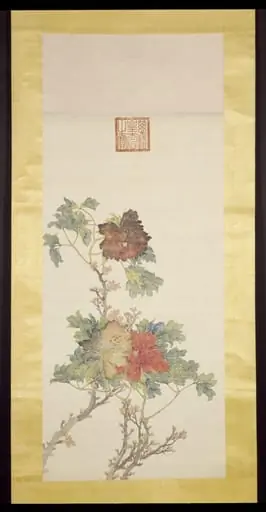
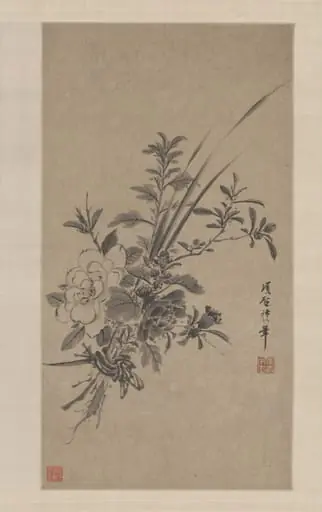
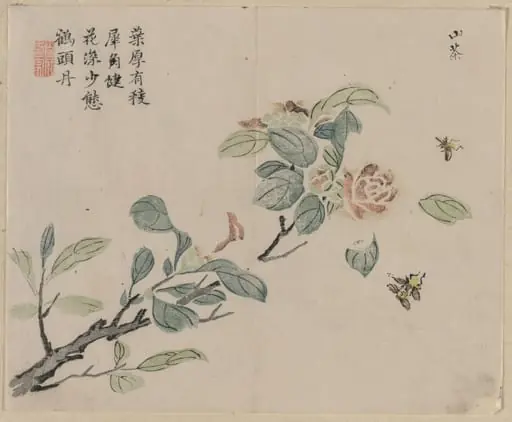
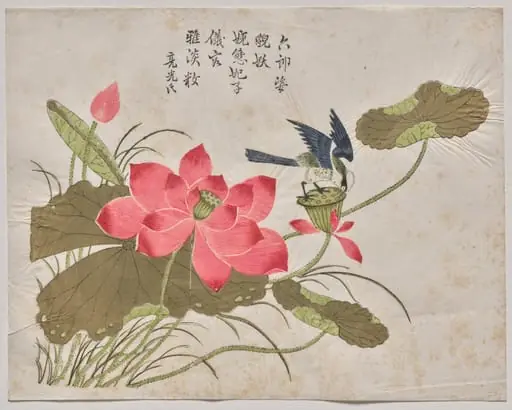
You see a bronze vase holding a few plum branches and a single camellia bloom against a plain background.
This painting was likely made to hang in a scholar’s home in Suzhou, where artists often worked anonymously. The quiet composition, just a few flowers and a vase, was meant to feel like a breath of calm. The artist didn’t sign it, which was common for works made for private enjoyment rather than fame.
To see more of this style, look up Qing dynasty (1644–1911).
Overview
Plum and Camellia in a Bronze Vase is a 17th-century Chinese print featuring a serene arrangement of plum branches and a camellia bloom in a bronze vase set against a plain background, designed for domestic display.
Subject & Meaning
The simple, contemplative composition of a few flowers in a vase embodies a tranquil atmosphere, intended to bring calm to a scholar's residence in Suzhou, reflecting the cultural values of understated elegance.
Technique & Style
While specific techniques used in this print are not detailed, its style aligns with Qing dynasty (1644–1911) aesthetics, characterized by delicate coloration and precise rendering of natural forms, typical of commercially produced single-sheet color prints of the time.
History & Provenance
Created in a Jiangnan city, likely Suzhou, during the flourishing of commercial color printing in the 1600s, this work was produced anonymously, a common practice for prints intended for private enjoyment rather than public acclaim.
Context
Part of the rich urban visual culture of 17th-century Jiangnan, this print represents the evolution from illustrated books to decorative, wall-hung singlesheets, catering to the demand for elegant home decor among the scholarly class.
Artist & collection