Artwork
Pope Clement VII (1478-1534)
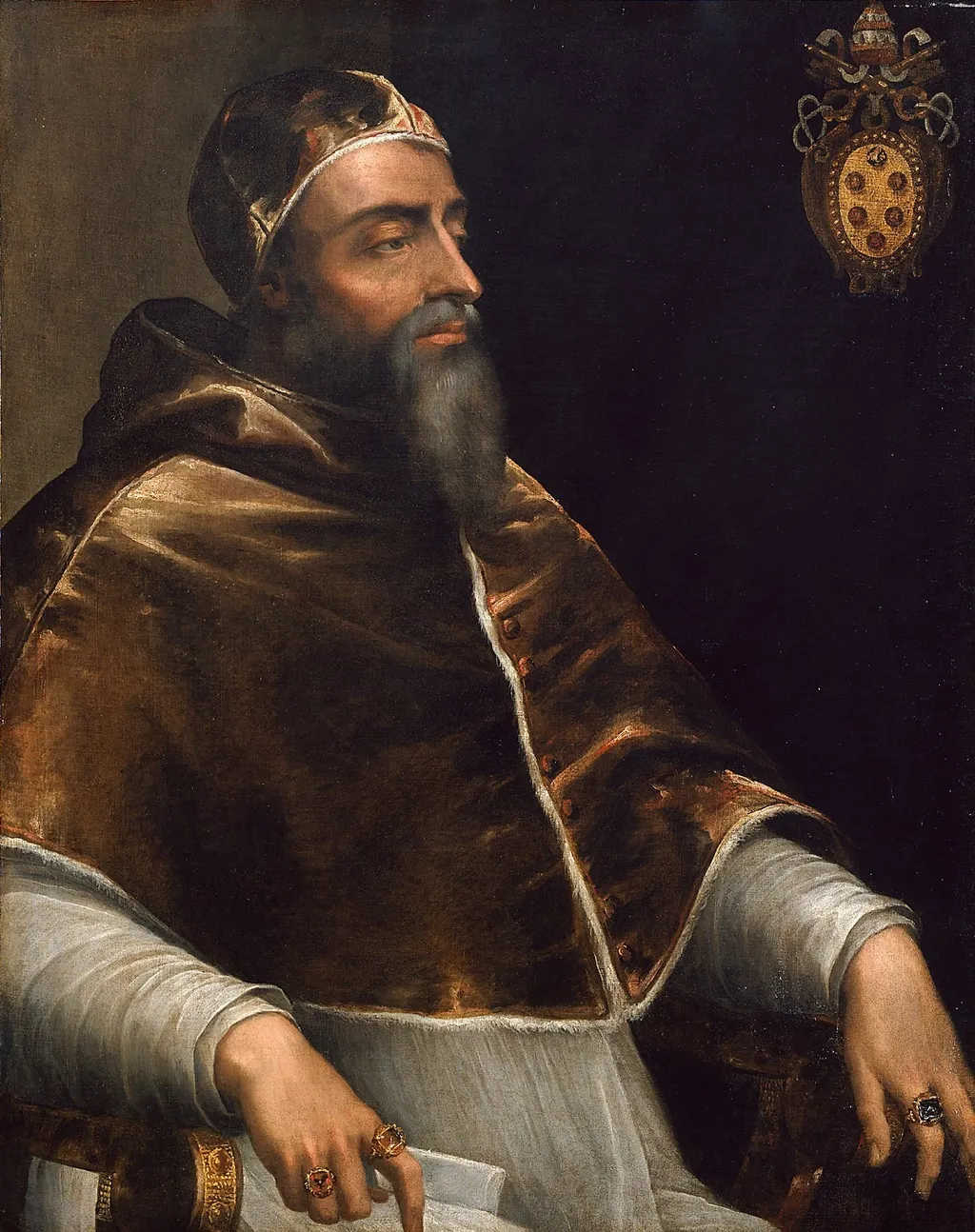
Pope Clement VII (1478-1534) is a paint painting by the Mannerist artist Unknown. It dates from 1531 and is held in the collection of the Kunsthistorisches Museum. The work is a painted portrait of Pope Clement VII, who reigned from 1523 to 1534.
About this work
Technique & Style
Created in 1531, this portrait of Pope Clement VII is executed in paint on a canvas support. The work is attributed to the workshop of Sebastiano del Piombo and measures 92 cm in height by 74 cm in width. As a formal portrait, the piece depicts the Pope as its main subject, adhering to the conventions of the genre while reflecting the workshop's handling of the medium.
History & Provenance
The composition is noted as being based on the likeness of the pope, serving as a formal representation of his papacy during the early sixteenth century.
This portrait of Pope Clement VII was created in 1531 by the workshop of Sebastiano del Piombo. Executed in paint on canvas, the work measures 92 cm in height and 74 cm in width. The painting depicts Giulio de' Medici, who served as pontiff from 1523 until his death in 1534.
Historically, the piece has been associated with the collections of the Kunsthistorisches Museum, where it remains located. The composition is noted as being based on the likeness of the pope, serving as a formal representation of his papacy during the early sixteenth century.
Overview
The work is a painted portrait of Pope Clement VII, who reigned from 1523 to 1534. The figure is shown seated, dressed in a brown ecclesiastical robe trimmed in white, with a matching hat. His long white beard and mustache frame a solemn expression, and his posture is composed, with both hands resting on the armrest and his lap.
Subject & Meaning
As a papal portrait, the image conveys the authority and dignity of the pontiff. The sober attire and restrained pose emphasize Clement VII’s role as a spiritual leader during a turbulent period for the Catholic Church, while the calm demeanor suggests a measured, contemplative character.
Context
Created during the High Renaissance, the painting reflects contemporary conventions for papal imagery, combining realistic likeness with symbolic regalia. It aligns with other portraits of the era that sought to balance humanist naturalism with the representation of ecclesiastical power.
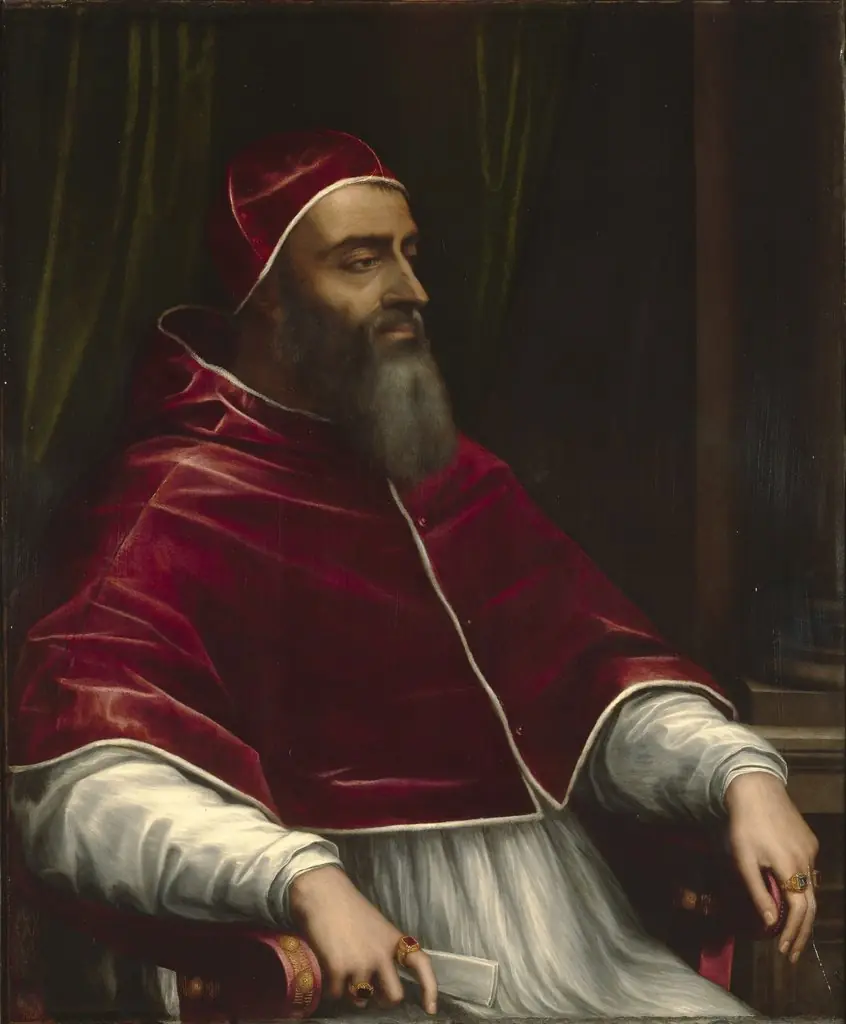
Artist & collection









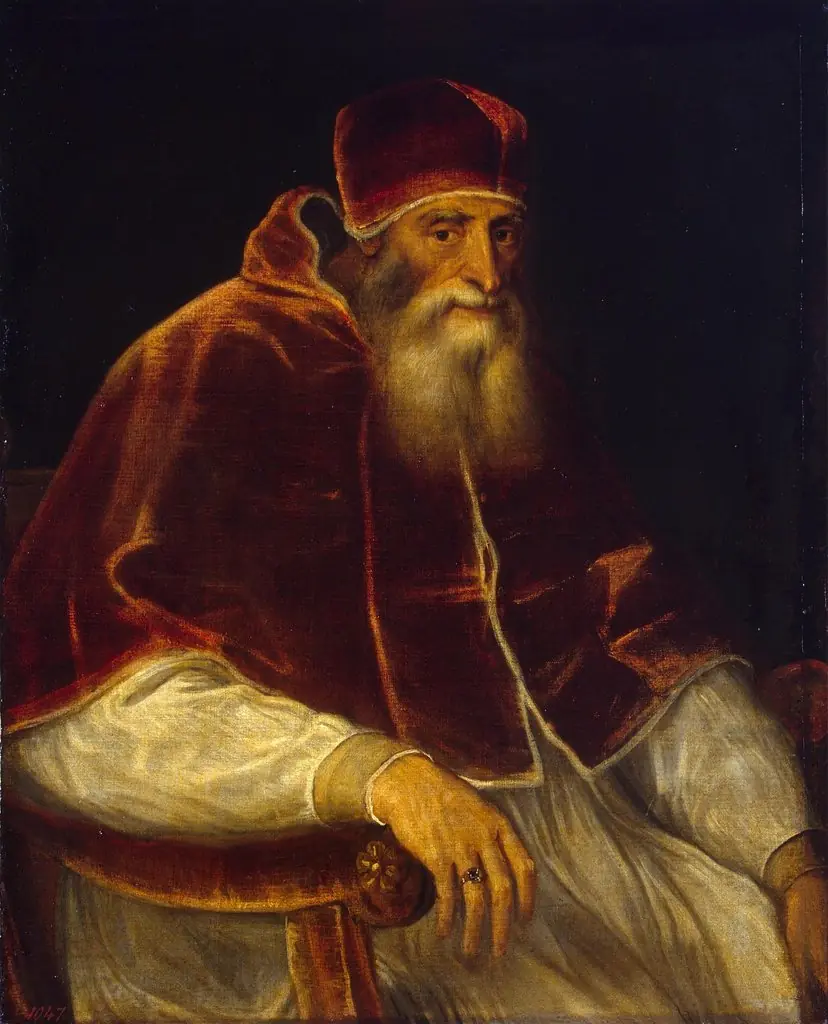 Portrait of Pope Paul III
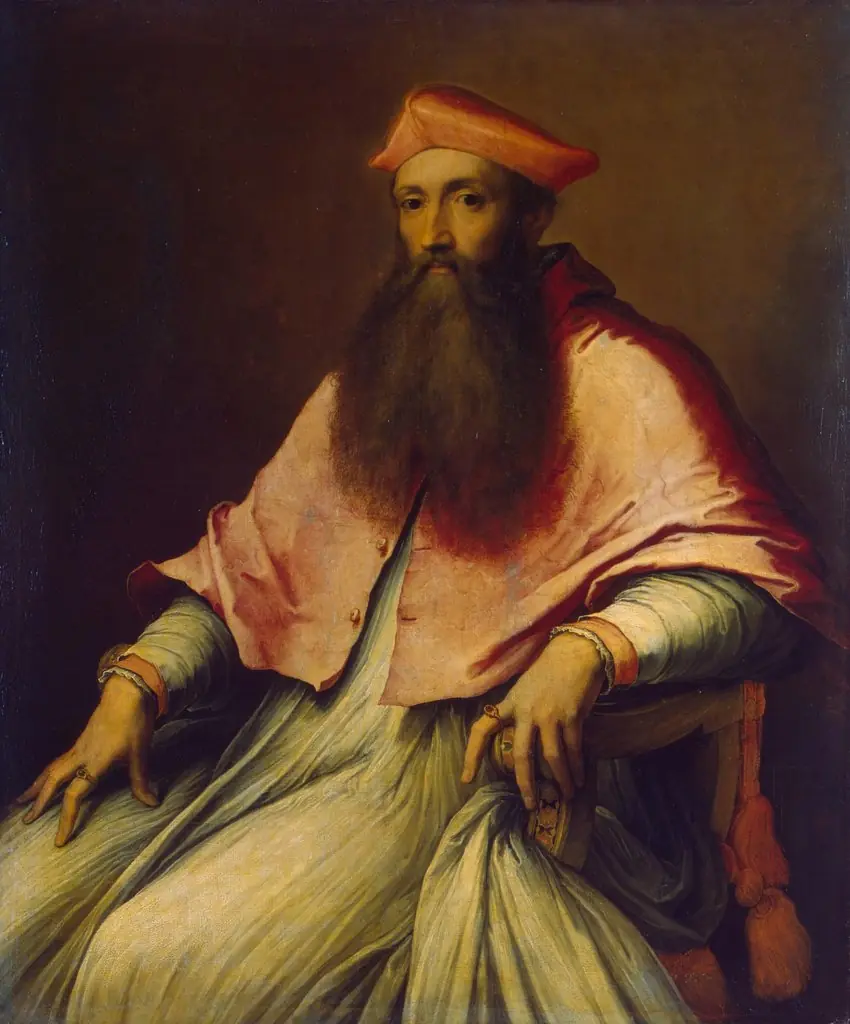 Portrait of Cardinal Reginald Pole
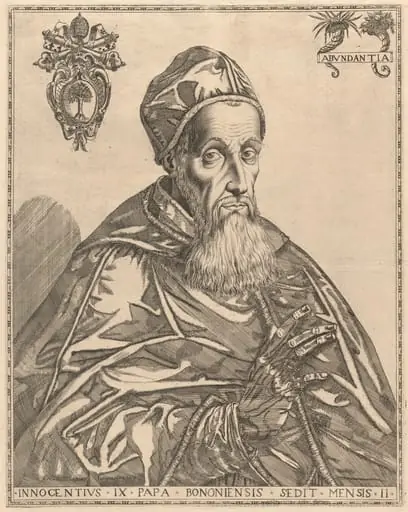 Portrait of Pope Innocent IX
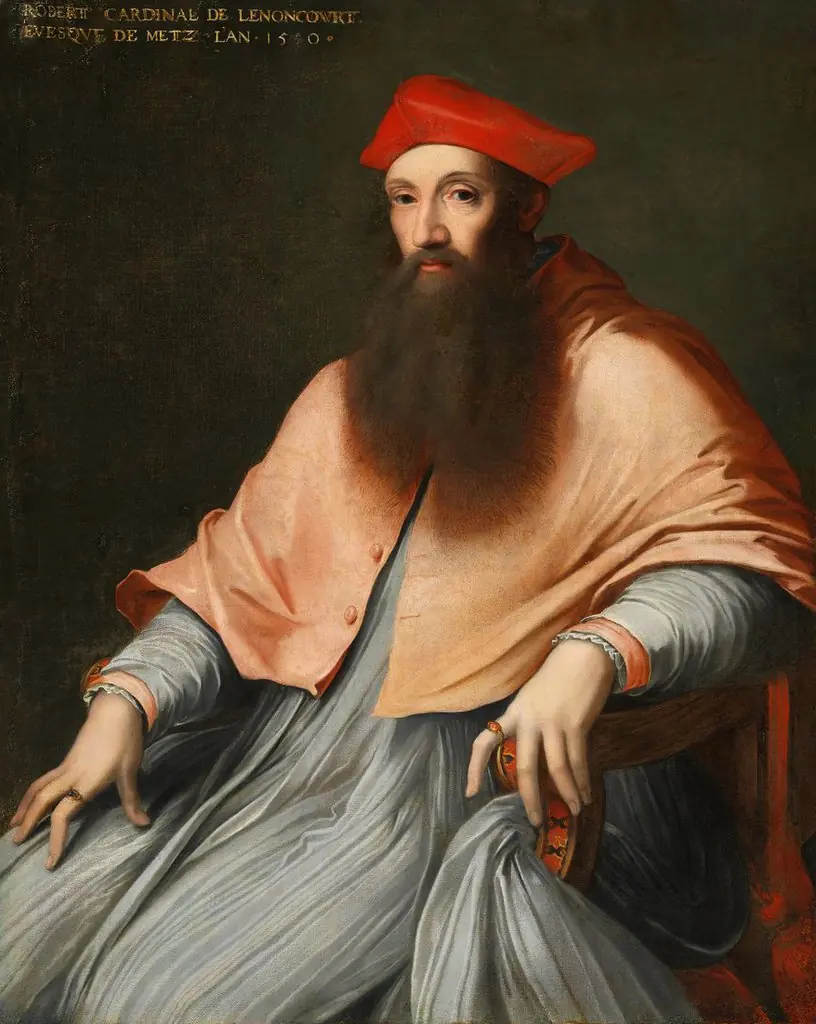 Portrait of Cardinal Reginald Pole
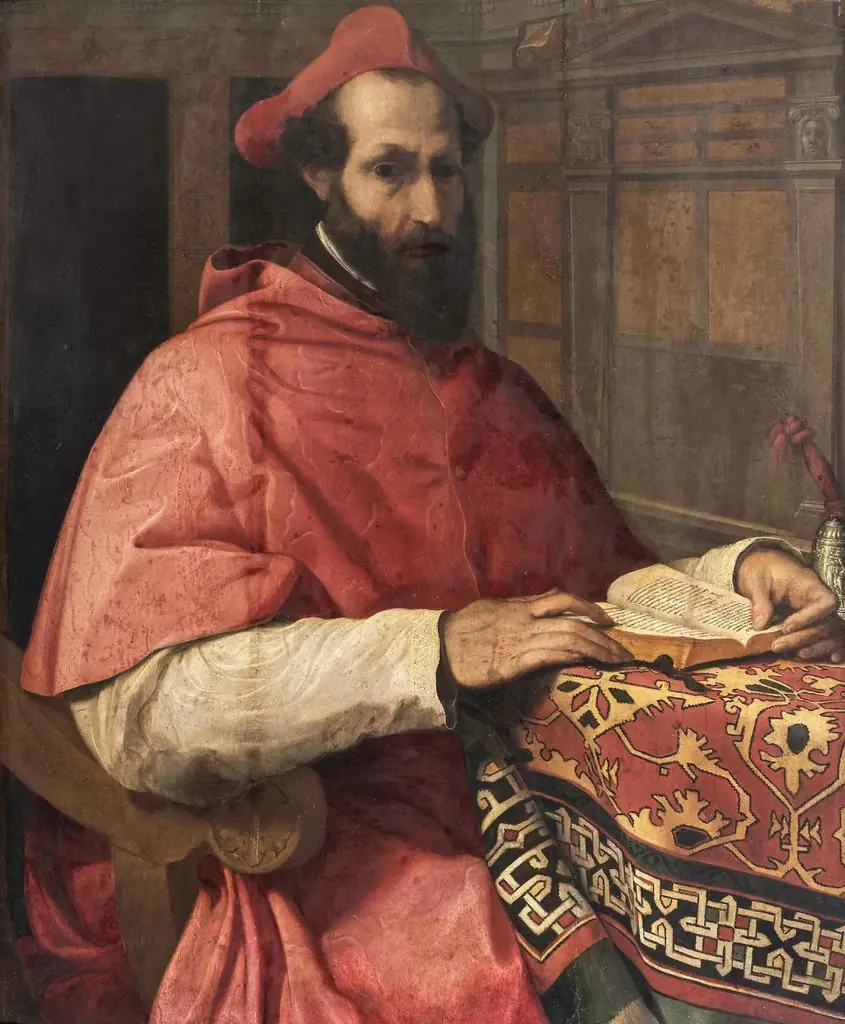 Portrait of Cardinal Marcello Cervini degli Spannocchi
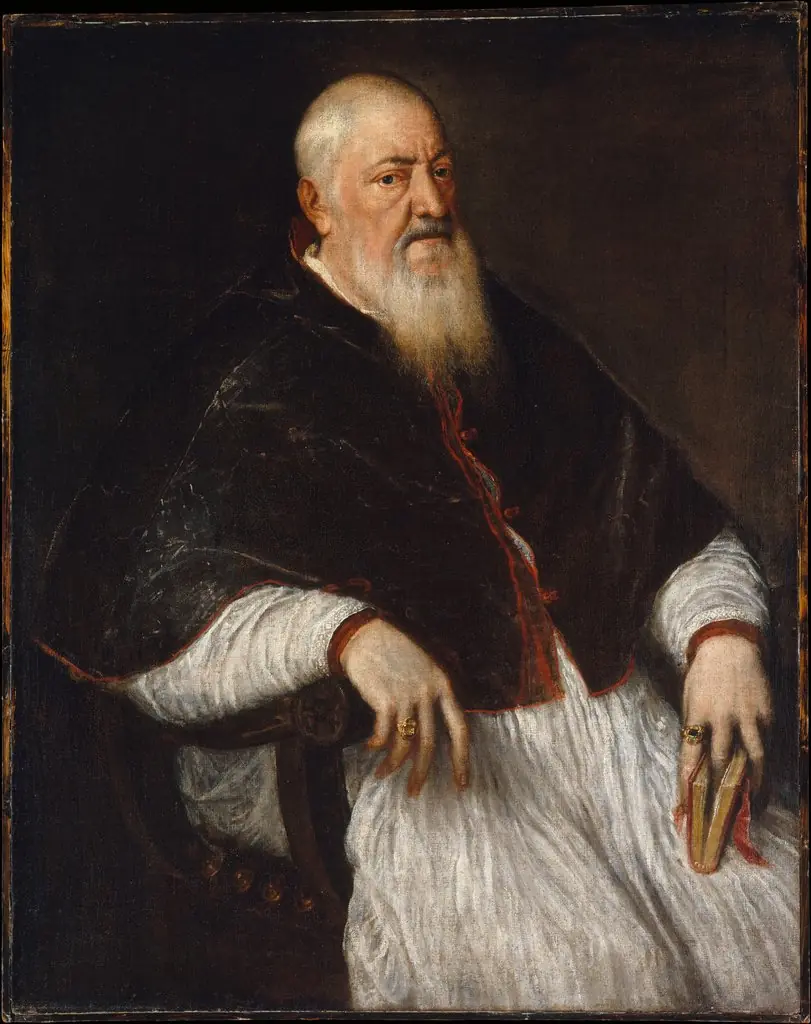 Portrait of Cardinal Filippo Archinto
 Portrait of Francesco Donato, Doge of Venice
 Cardinal Reginald Pole, Archbishop of Canterbury