Artwork
Portrait of a man
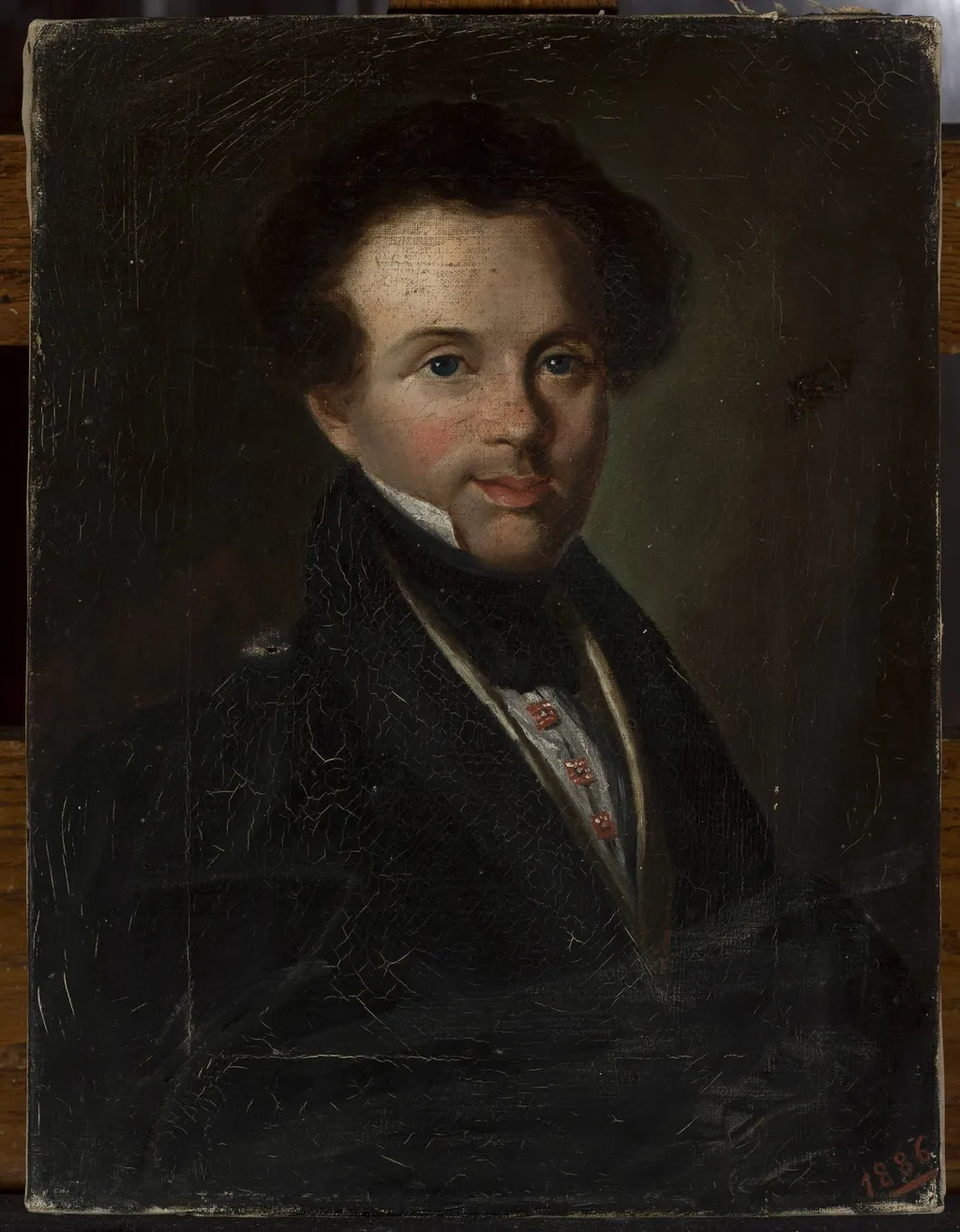
Portrait of a man is an oil painting by the Post-Impressionist artist Unknown. It dates from 1894 and is held in the collection of the National Museum in Warsaw. The work is an oil painting portraying a seated man against a subdued brown backdrop.
About this work
This portrait depicts a man with dark hair, dressed in a black coat with a high collar and a white shirt featuring red buttons.
This portrait depicts a man with dark hair, dressed in a black coat with a high collar and a white shirt featuring red buttons. The background is a muted brown color.
The man's attire and hairstyle suggest a formal or professional setting, possibly from the late 19th century. The artist's use of chiaroscuro creates a sense of depth and dimensionality in the portrait.
The painting's style and technique are reminiscent of other works from the same period. To learn more about the artist's use of chiaroscuro, look up the technique.
Overview
Portrait of a Man is an oil-on-canvas painting created in 1886 by an unknown artist, traditionally identified as a Polish painter. The work is held in the collection of the National Museum in Warsaw under the inventory number MP 2363 MNW. Measuring 38 by 29 centimetres, this bust-length depiction of an unidentified male sitter represents a modest but representative example of late nineteenth-century European portraiture, distinguished by its careful attention to facial modelling and its unresolved attribution.
Subject & Meaning
The painting depicts a man at bust length, his body turned slightly to the right while his head faces the viewer directly. The sitter has dark, wavy hair, blue eyes, and pink-tinged cheeks. He wears a dark coat with a high collar, a white shirt or cravat visible at the neck, and a light-coloured sash with red rectangular details crossing his chest from his right shoulder. The identity and status of the sitter remain unknown, though the sash may indicate some form of official or ceremonial role. The direct gaze and formal attire suggest a person of some social standing, yet the absence of identifying insignia or setting prevents more precise interpretation. The dark, indistinct background focuses attention entirely on the sitter's physiognomy and presentation.
Technique & Style
The painting is executed in oil on canvas. The artist employed a smooth, blended brushwork in the face, contrasting with more visible texture in the dark garments and background. Light falls from the left, illuminating the face and the sash while creating subtle modelling across the features. The palette is dominated by blacks, browns, and muted greens, with touches of red and white providing accent. The inscription 1886 in red at the lower right corner dates the work. The surface shows extensive craquelure throughout, indicating age and the natural aging of the paint film. The handling suggests a competent, conventional approach to portraiture typical of the period, with particular care devoted to the lifelike rendering of the face.
History & Provenance
The painting is dated 1886, though specific details of its commission or original patron remain unknown. The work entered the collection of the National Museum in Warsaw, where it is currently held. Its inventory number, MP 2363 MNW, indicates its place within the museum's systematic cataloguing. No exhibition history is recorded in the available sources. The attribution to an unknown Polish painter reflects the state of research, and the possibility of further identification remains open pending scholarly investigation or the emergence of documentary evidence.
Context
The painting belongs to the broad tradition of European realist portraiture in the late nineteenth century, a period when photographic technologies were increasingly available yet painted portraits retained significant cultural prestige. As an anonymous work by an unidentified Polish artist, it exemplifies the large body of competent professional painting that filled private collections and institutional collections alike, much of which remains insufficiently studied. The National Museum in Warsaw's holdings of Polish art from this period provide an important context for understanding such works within the development of Polish painting under the partitions, when artistic production continued despite political constraints. The work's unknown authorship places it among the many thousands of paintings in museum collections worldwide that await fuller attribution.
Legacy
The painting's legacy remains limited by its unresolved attribution and the obscurity of its subject. It has, however, acquired a modest cultural resonance through its connection to Nathalie Sarraute's 1948 novel Portrait d'un inconnu (Portrait of a Man Unknown), in which an unnamed narrator encounters a portrait of an unknown man by an unknown artist in a gallery. Sarraute's narrator finds in this anonymous image a liberating model for narrative, allowing him to describe characters without the full psychological portraiture associated with Balzacian realism. While Sarraute's specific literary portrait is not this particular canvas, the convergence of titles and concepts illustrates how anonymous artworks can serve as powerful metaphors for the limits of knowledge and representation. The painting continues to serve as a material record of nineteenth-century Polish portraiture, awaiting fuller integration into the history of its period.
Artist & collection









- Portrait of a Man
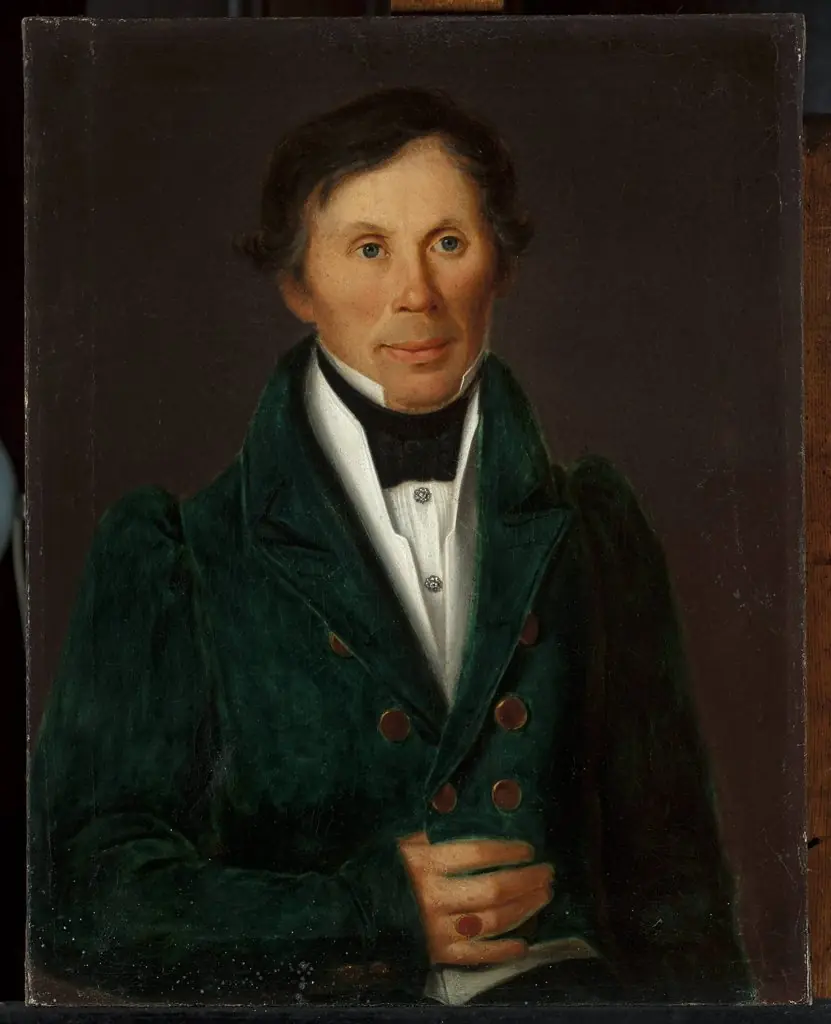 Portrait of Benedykt Gomóliński
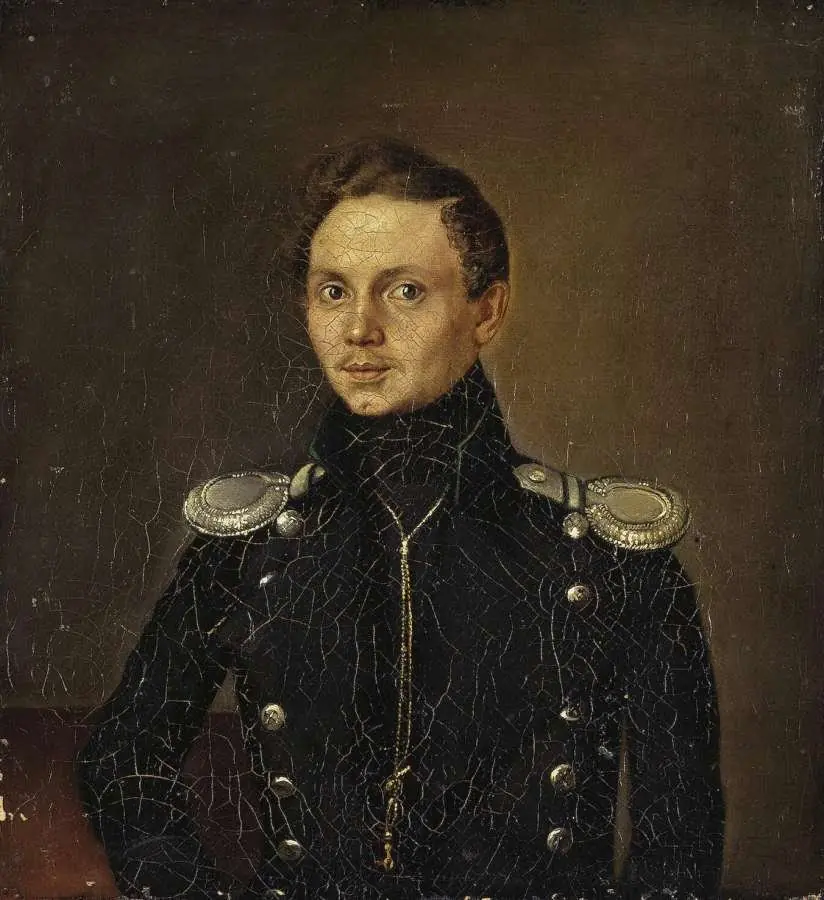 Portrait of Mikhail Lermontov
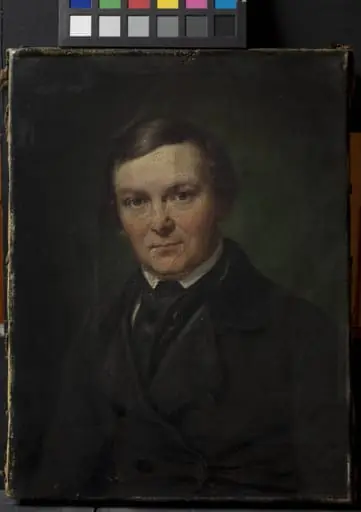 The Architect Gottlieb Bindesbøll
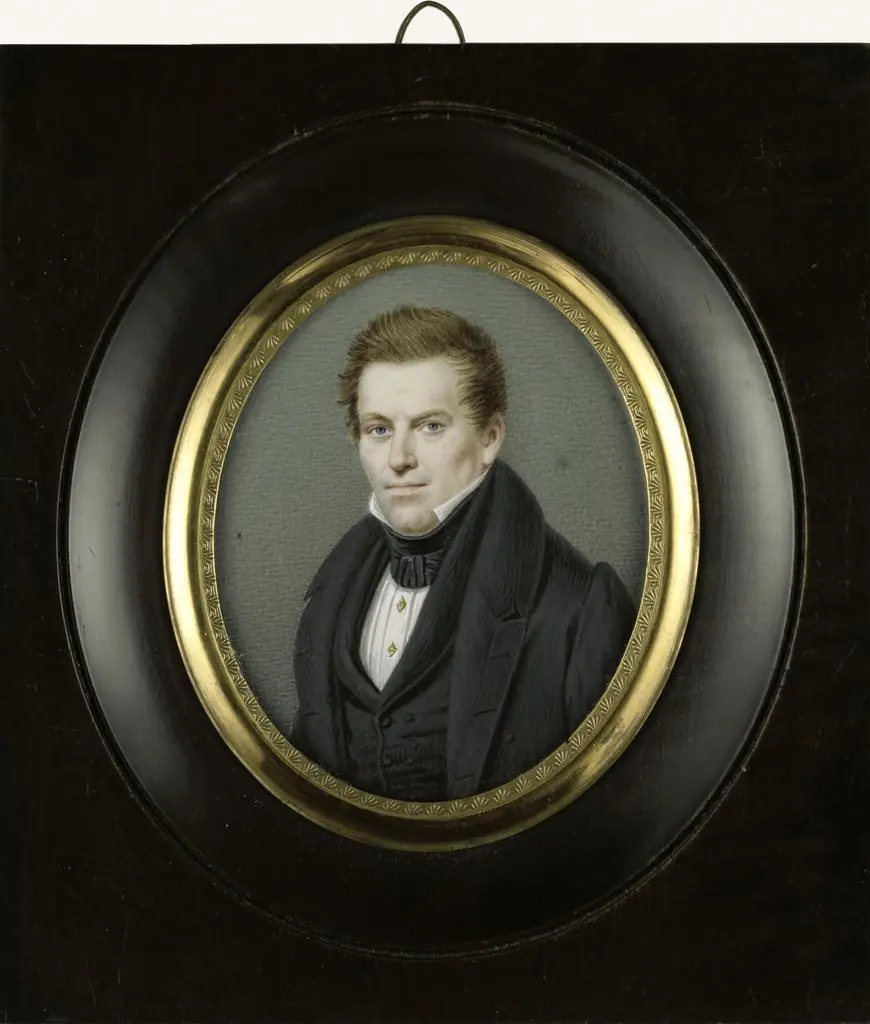 George Frederik Diederichs (1799–1862). Bookhandler of Amsterdam
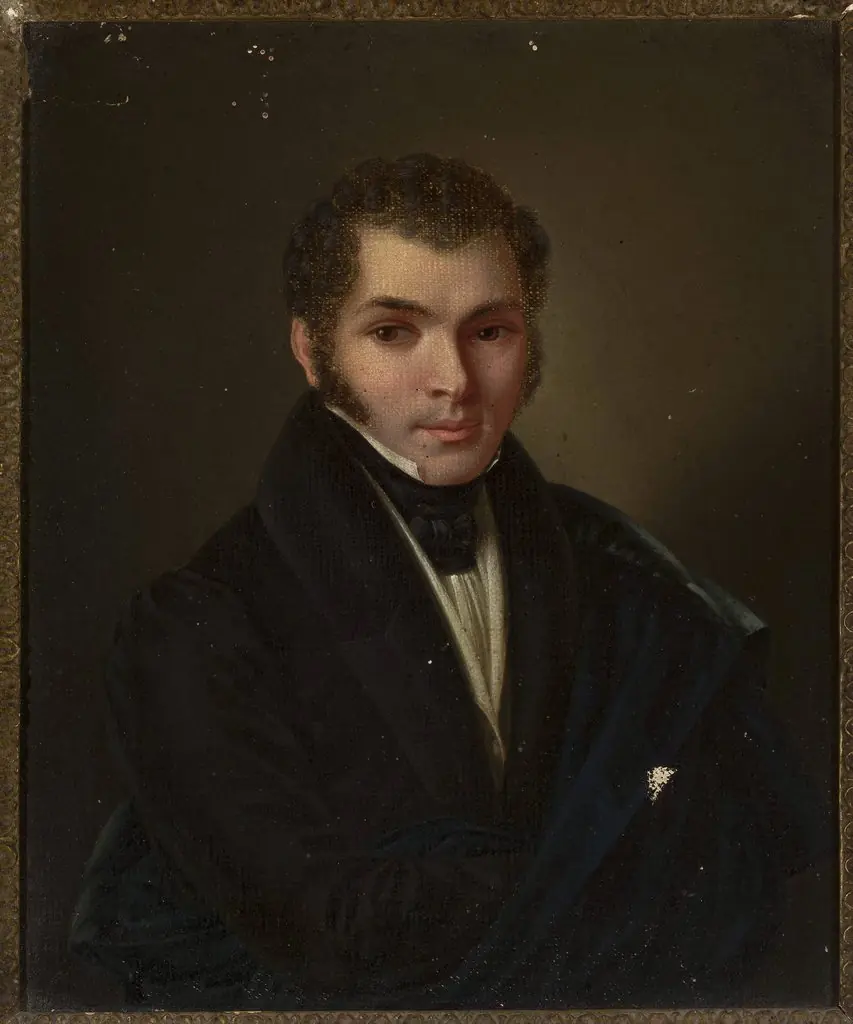 Portrait of Józef Szymanowski
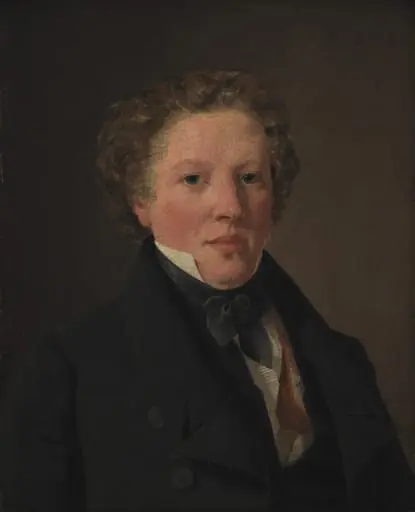 The Actor Christoffer Hvid
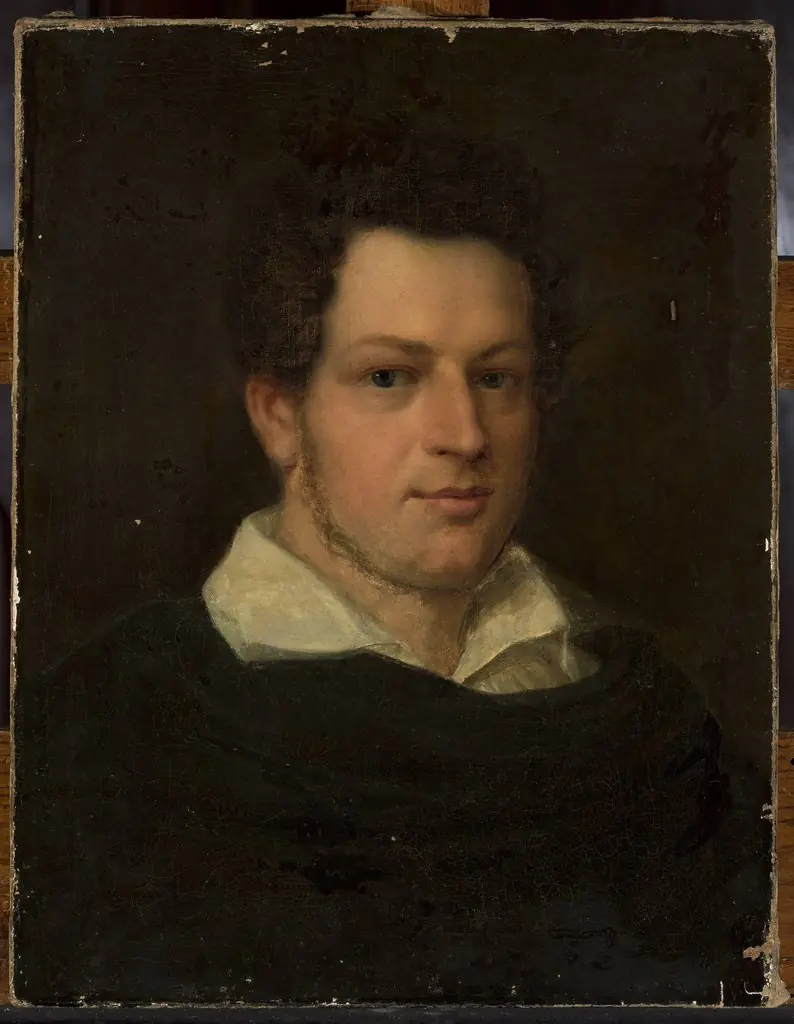 Portrait of Izydor Dymidowicz
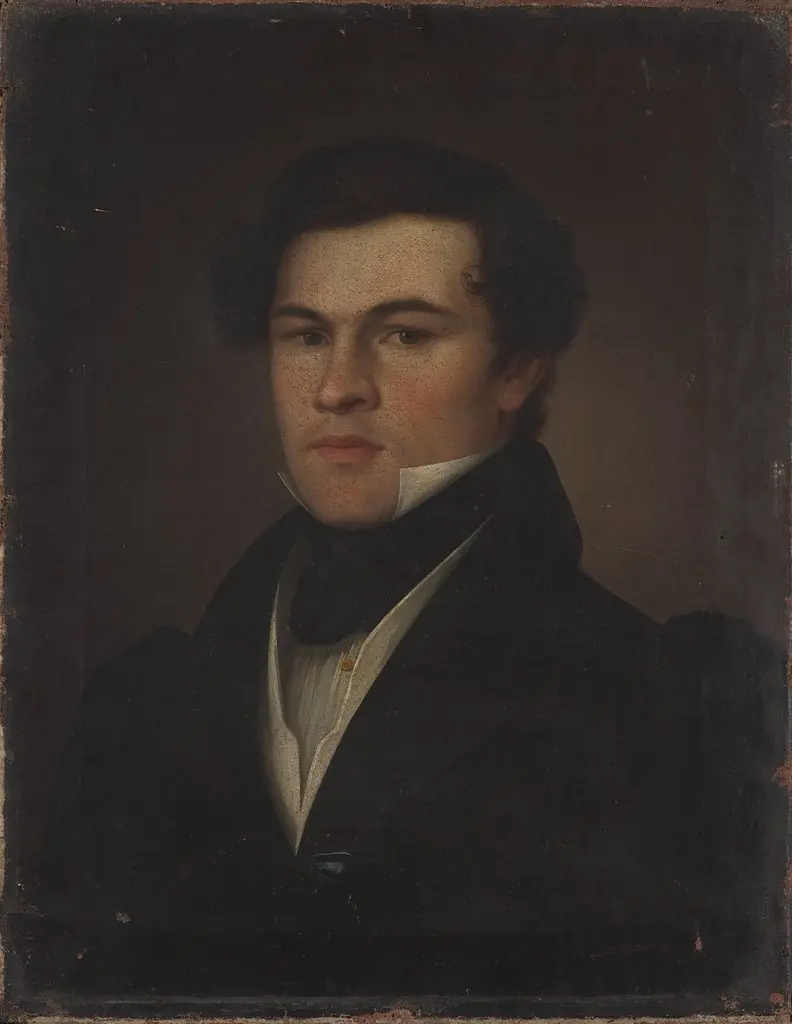 Portrait of Franciszek Ksawery Andrychewicz
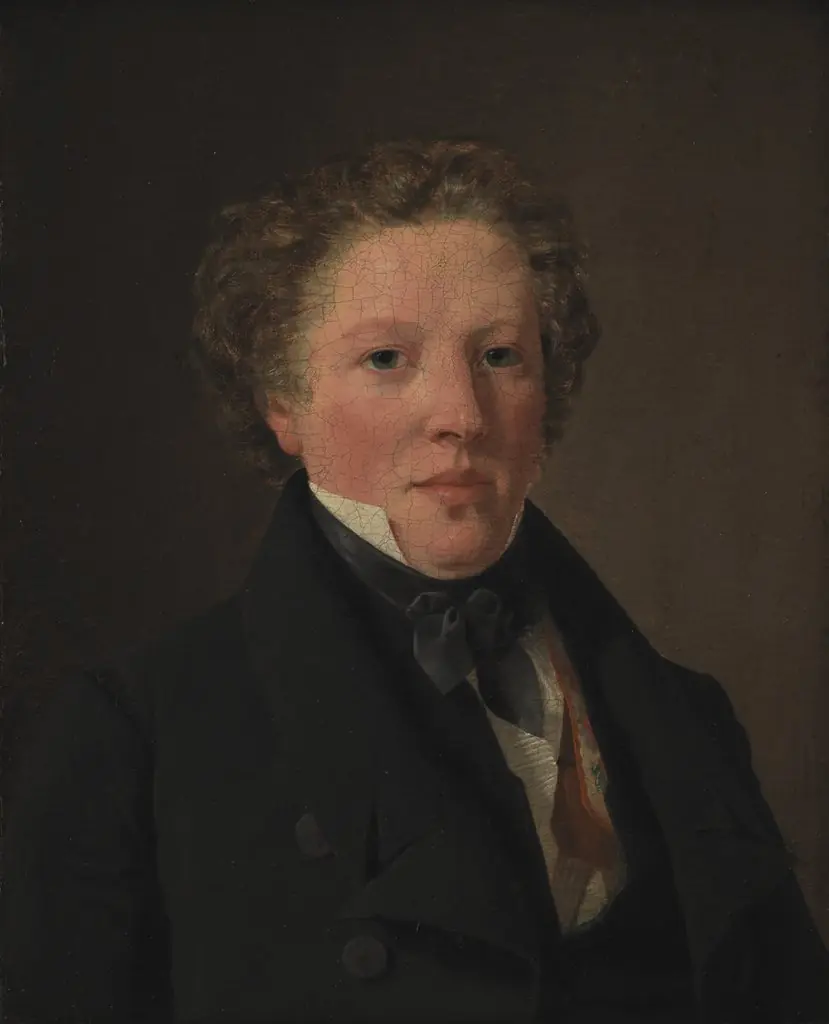 The Actor Christoffer Hvid
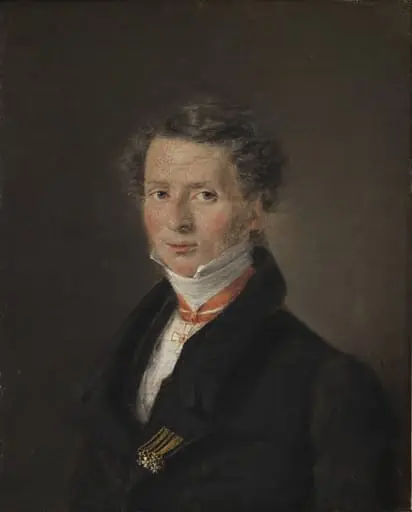 Mathias Friis von Irgens-Bergh, Danish Chargé d'Affaires in Dresden
 Portrait of a Painter