Artwork
Portrait of a Man
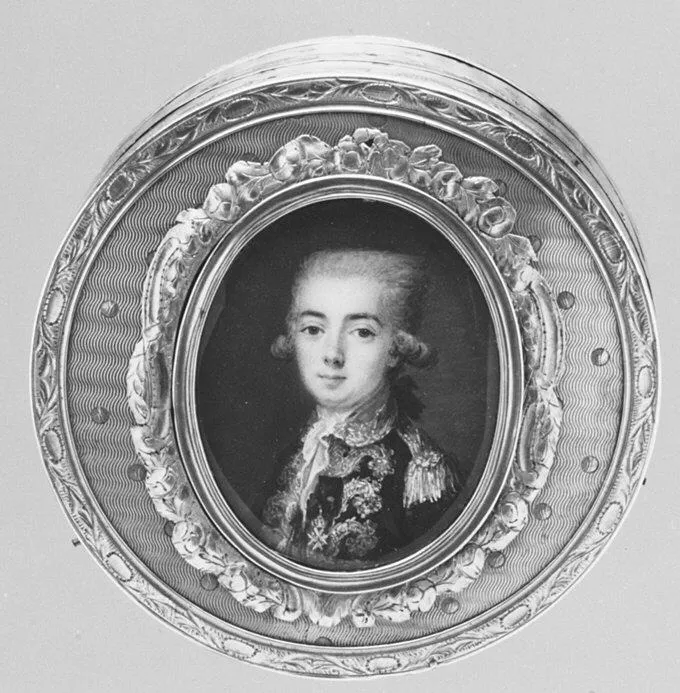
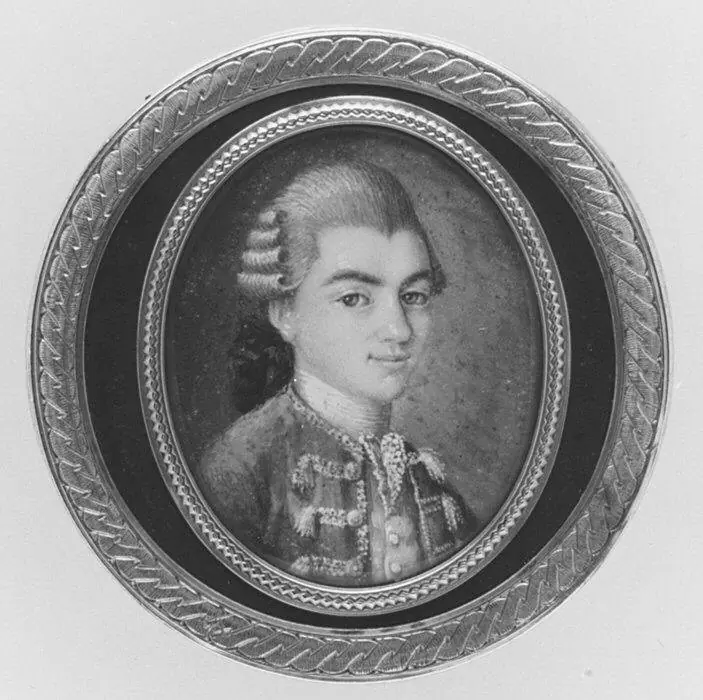
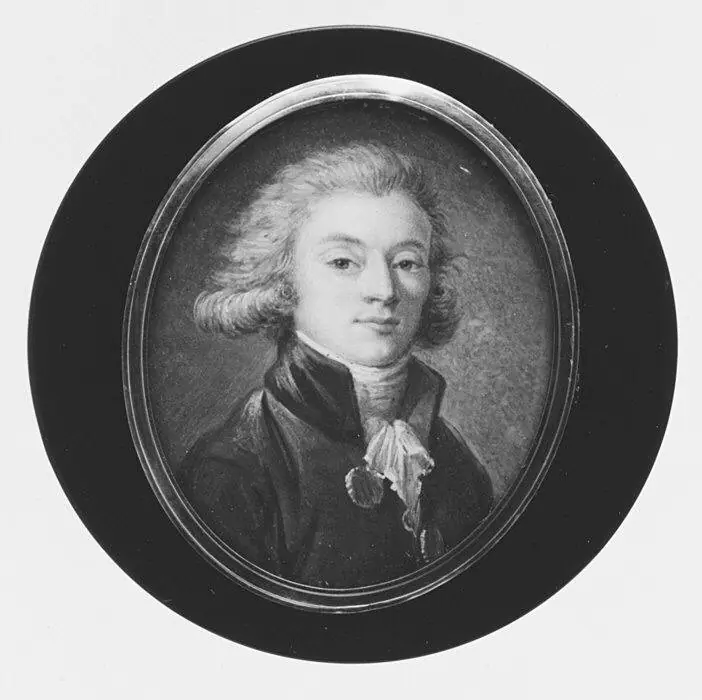
Portrait of a Man is an unspecified painting. It dates from 1790 and is held in the collection of the Metropolitan Museum of Art. A monochromatic painting depicts a young man, presented within an ornate oval frame.
About this work
Subject & Meaning
Executed in 1790, the painting belongs to the portrait genre and is attributed to a French artist; it is held in the Metropolitan Museum of Art.
Portrait of a Man depicts an unidentified male sitter, consistent with its classification as a portrait. Executed in 1790, the painting belongs to the portrait genre and is attributed to a French artist; it is held in the Metropolitan Museum of Art. In eighteenth-century European portraiture, such representations often conveyed the sitter's social standing, education, and identity through clothing, pose, and setting.
While specific iconographic elements are not detailed in the available records, the composition functions as a conventional likeness intended to memorialize the individual.
History & Provenance
Portrait of a Man is dated to 1790 and depicts an unidentified male sitter. The work is attributed to a French painter and is recorded in the Metropolitan Museum of Art under accession number 25.106.37. The sources do not provide information about the original commission or earlier owners prior to its entry into the museum's holdings, and no detailed exhibition history is documented.
Overview
A monochromatic painting depicts a young man, presented within an ornate oval frame. He wears formal attire, including a dark coat with prominent buttons and a white cravat, his hair neatly styled. The subject's composed gaze directly engages the viewer, set against a dark, undefined background. This work suggests a formal portrait, possibly intended for a decorative or personal object.
Technique & Style
Executed in a monochromatic palette, the painting emphasizes form and contrast over color. The artist employs soft illumination, a technique akin to chiaroscuro, to highlight the man's face and delineate his features against the darker background. This selective lighting draws attention to the subject's expression.
The portrait is further distinguished by an intricately carved oval border featuring swirling motifs and foliage, suggesting it was once integrated into a larger decorative context, such as a locket or a framed miniature.
Context
The distinctive oval shape and elaborate carved border imply that this portrait was likely conceived as part of a more extensive decorative object. Such miniature portraits were often incorporated into jewelry, lockets, or small, personal frames, serving as intimate mementos or tokens of affection. This format allowed for portability and personal display, distinguishing it from larger, wall-mounted canvases and reflecting a common practice in historical portraiture.
Artist & collection

- Portrait of a Man
 Gérard de Vesme
 Portrait of a Man
 Portrait of a Man
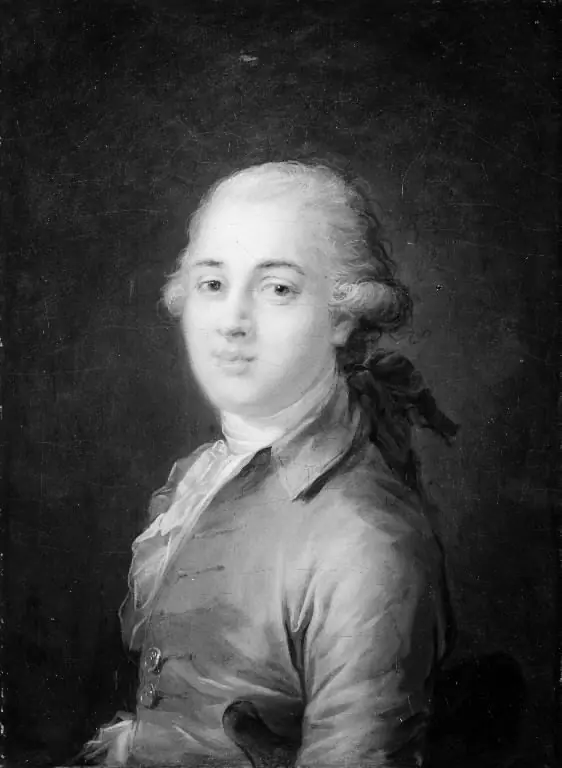 Portrait of Louis XVIII, when comte de Provence ?
 Portrait of Louis XVIII, when comte de Provence ?
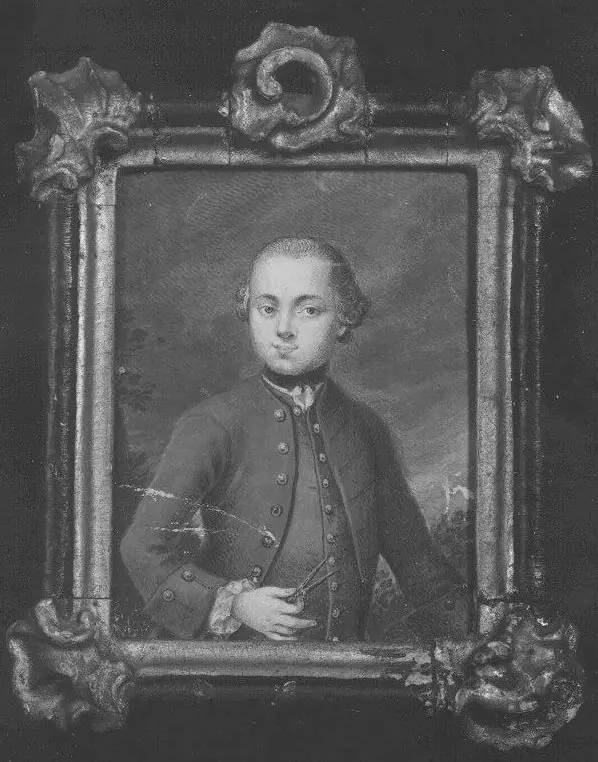 Portrait of the Father of Emilius Nicolai Scherr
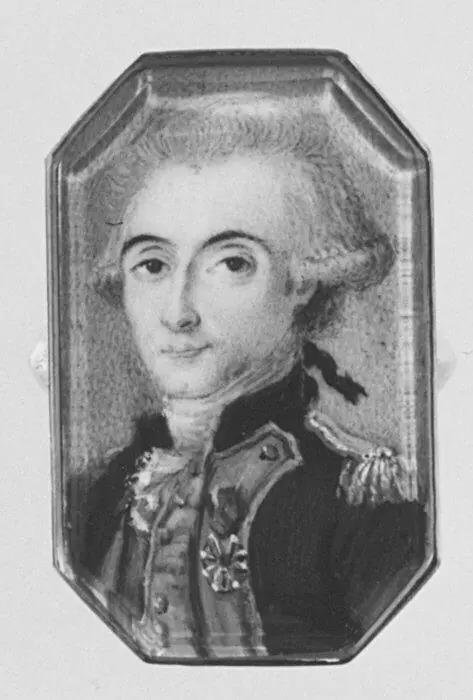 Marquis de Lafayette (1757–1834)
 Portrait of a Man
 Portrait of a Man
 Portrait of Claes Fredrik Horn
 Portrait of a Man