Artwork
Portrait of a Man
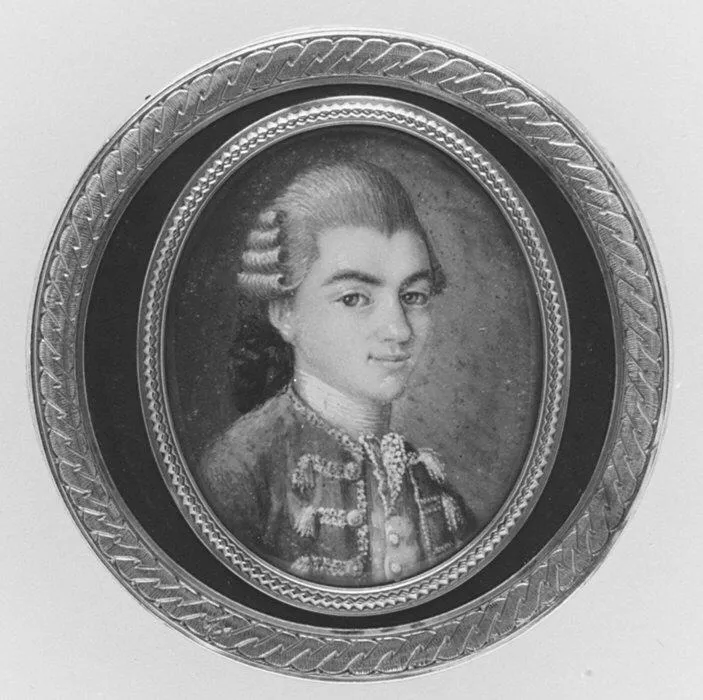
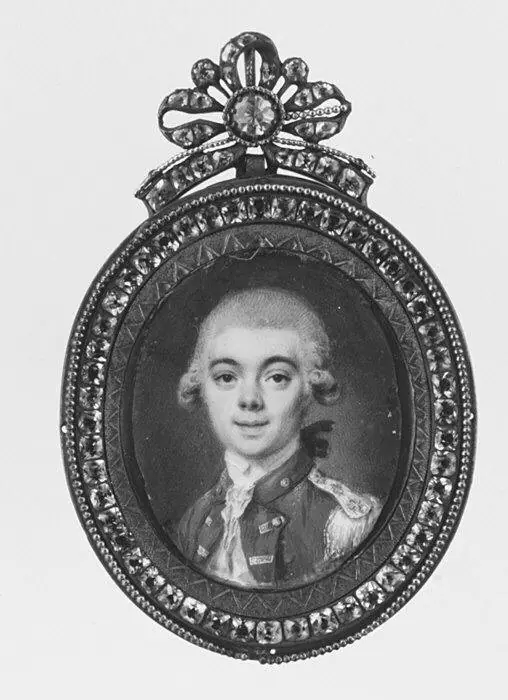
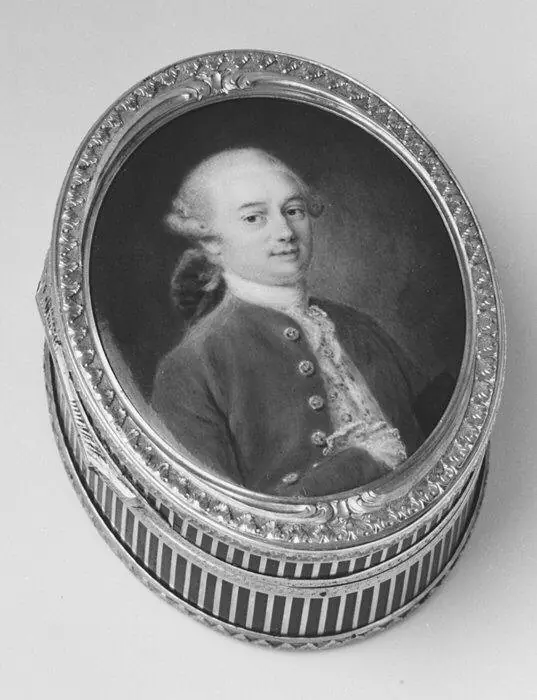
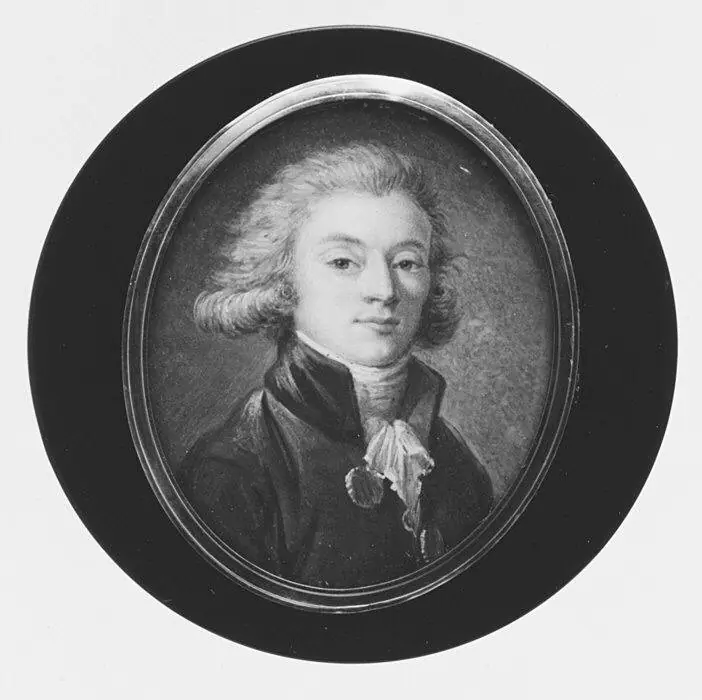
Portrait of a Man is an ivory painting. It dates from 1770 and is held in the collection of the Metropolitan Museum of Art. This small, oval portrait depicts a young man rendered in carved ivory.
About this work
Technique & Style
As a piece classified within the portrait genre, the composition focuses exclusively on the depiction of a male subject.
Executed in 1770, this portrait is a miniature painting rendered on an ivory support. The work measures 3.4 cm in height by 2.8 cm in width, indicating a highly intimate scale typical of the medium. As a piece classified within the portrait genre, the composition focuses exclusively on the depiction of a male subject.
The selection of ivory as the primary material suggests a smooth, luminous surface quality, while the diminutive dimensions imply that the object was designed for close handling or personal carriage rather than public display. The specific application of paint to this non-absorbent ground requires a distinct technical approach to achieve adhesion and detail, though the precise brushwork remains defined by its function as a small-scale representation of an individual.
History & Provenance
The work is held by the Metropolitan Museum of Art, New York, where it is recorded as accession number 25.106.33. It has been exhibited by the museum on multiple occasions, including as part of the institution’s permanent collection displays since its acquisition in 1925.
Overview
This small, oval portrait depicts a young man rendered in carved ivory. The work captures its subject facing forward with a subtle smile, dressed in formal attire. The choice of ivory, a precious and costly material, indicates the significance of the sitter and the special nature of this intimate artwork, likely intended for close viewing and careful preservation.
Subject & Meaning
The portrait features a young man with light hair, his gaze directed forward, accompanied by a faint smile. He is presented in a dark coat adorned with gold buttons and a white cravat, suggesting a degree of social standing. The intimate scale and the personal nature of the medium imply this piece served as a cherished memento or a private commission, reflecting the sitter's identity for a specific viewer.
Artist & collection

- Portrait of a Man
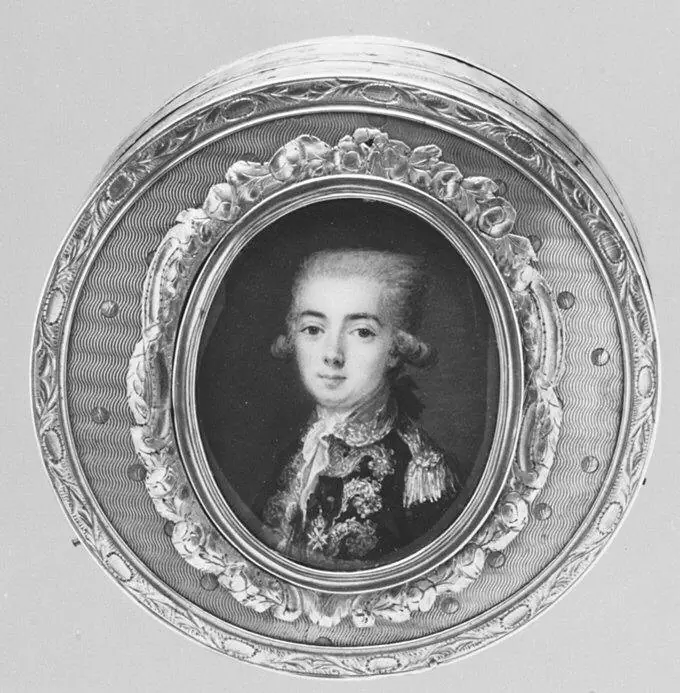 Portrait of a Man
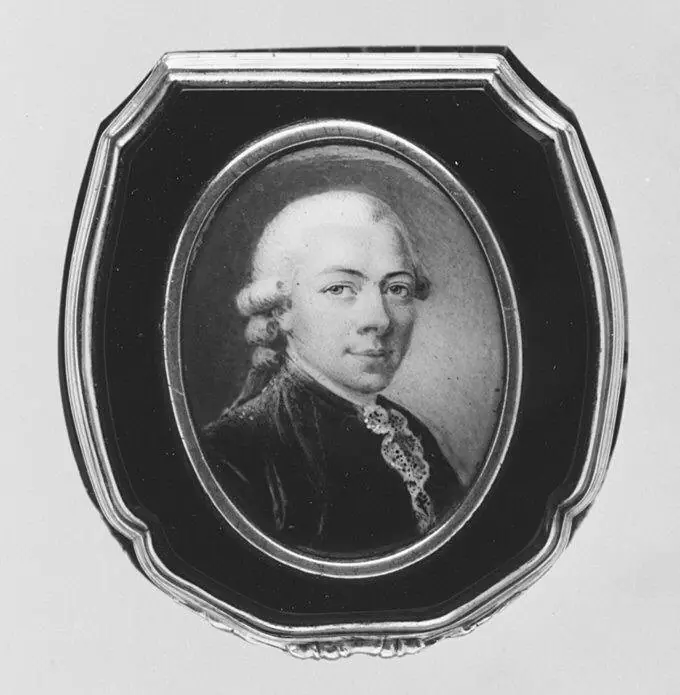 Portrait of a Man
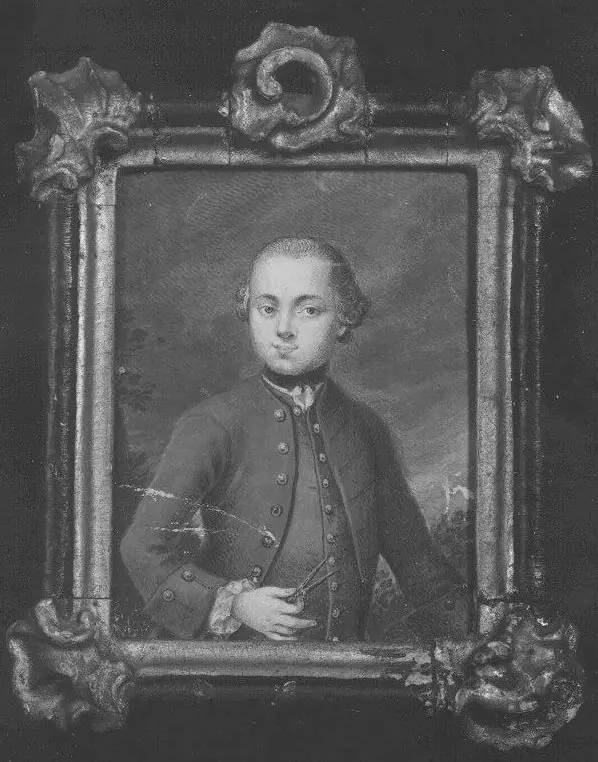 Portrait of the Father of Emilius Nicolai Scherr
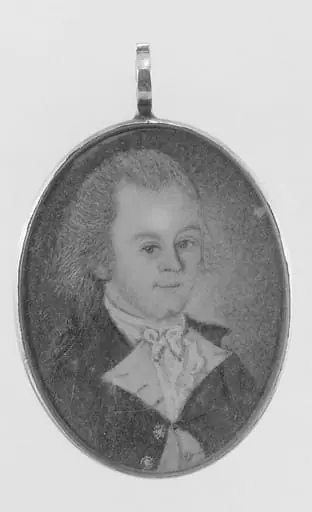 Portrait of a Gentleman
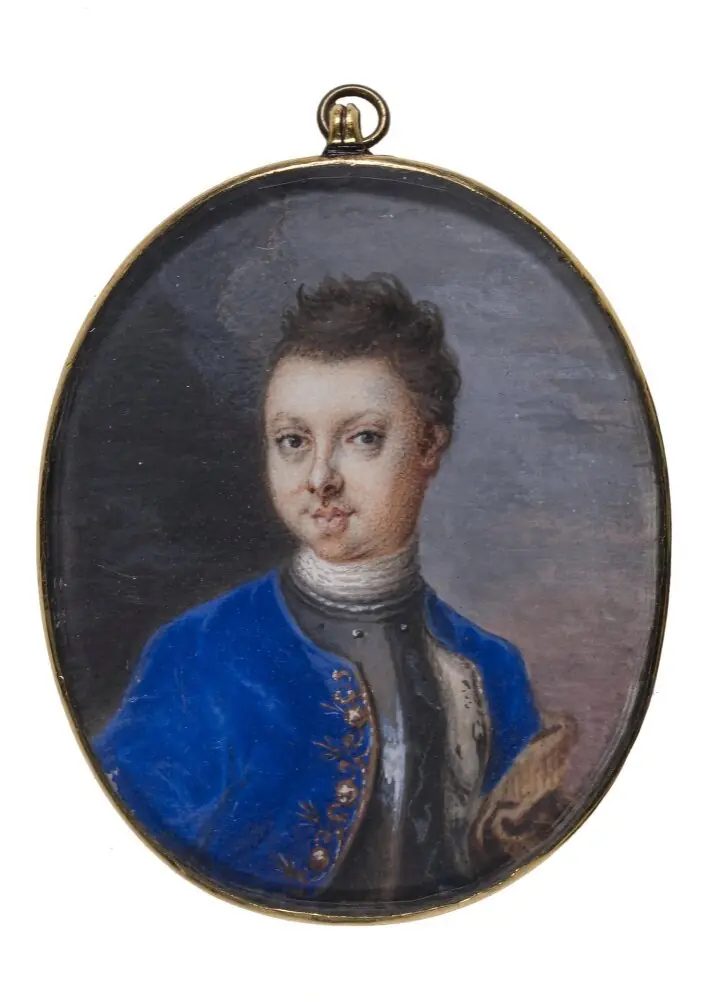 Karl Fredrik, Duke of Holstein-Gottorp
 Portrait of a Man
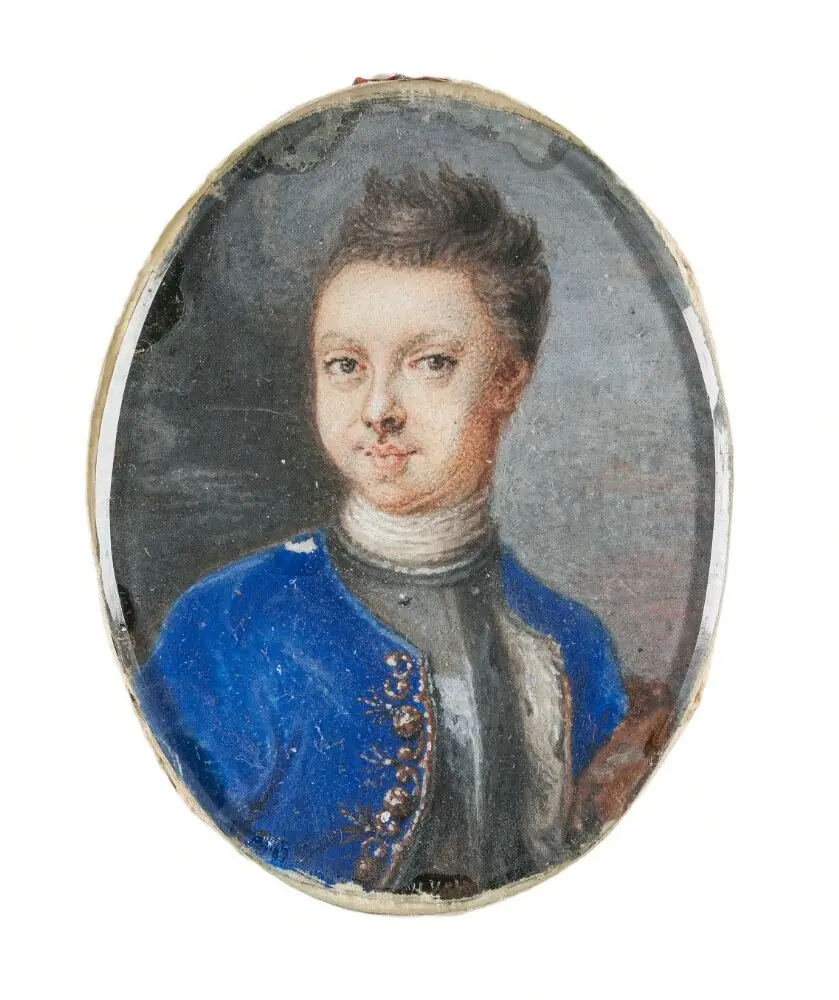 Charles Frederick, Duke of Holstein-Gottorp
 Gérard de Vesme
 Portrait of an Austrian officer
 Portrait of a Man
 Portrait of a Man