Artwork
Portrait of a Man
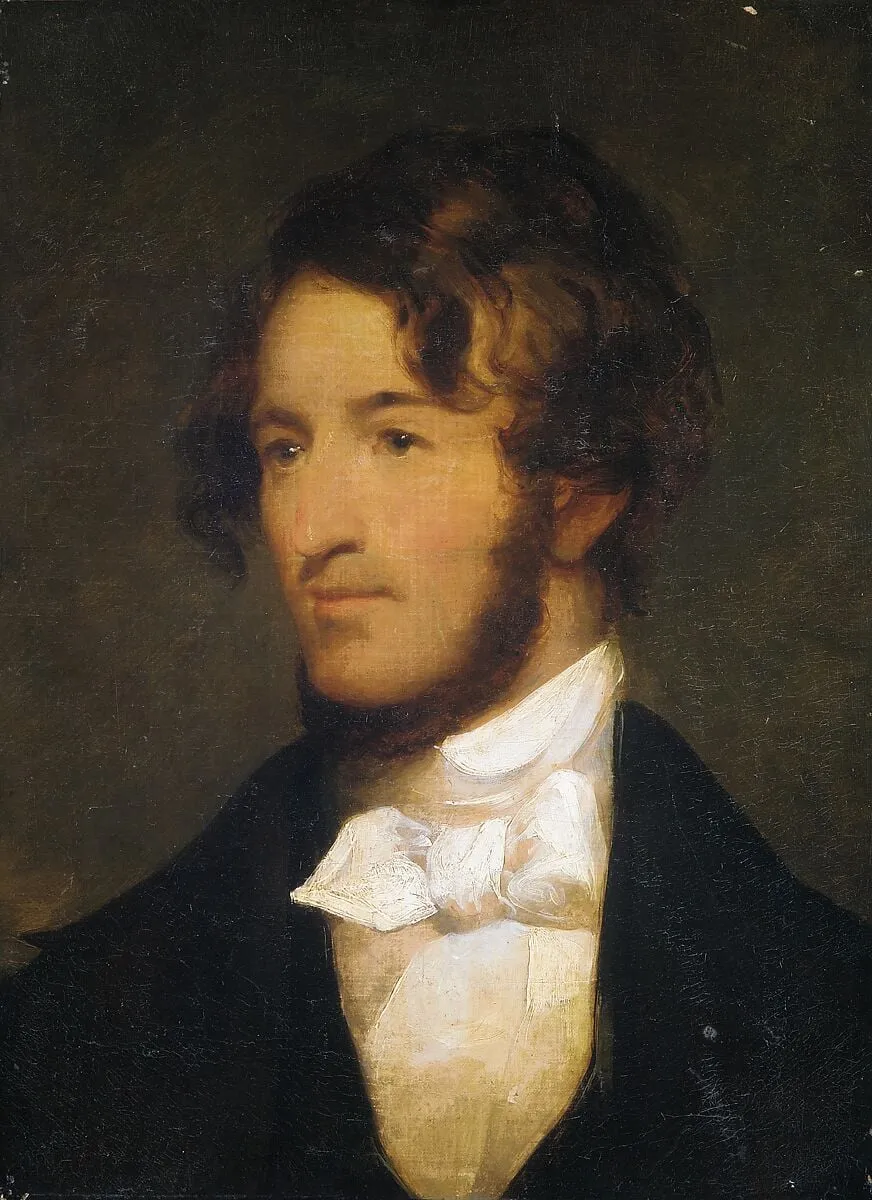
Portrait of a Man is an oil painting. It dates from 1850 and is held in the collection of the Metropolitan Museum of Art.
About this work
Technique & Style
As a genre piece classified within the American Wing, the composition focuses exclusively on a male subject.
Executed in 1850, this anonymous portrait utilizes oil paint applied to a canvas support. The work measures 51.3 centimeters in height and 38.6 centimeters in width. As a genre piece classified within the American Wing, the composition focuses exclusively on a male subject.
The available records confirm the medium and dimensions but do not provide specific details regarding the artist's handling of the brushwork, the current physical condition of the surface, or distinct stylistic attributes beyond its identification as a portrait.
History & Provenance
The painting is held in the collection of the Metropolitan Museum of Art, specifically within its American Wing. It is cataloged under the accession number 64.97.4. While the work dates to approximately 1850 and depicts a male subject in oil on canvas, the available records do not list specific past exhibitions or detailed provenance events beyond its current institutional location and classification.
Context
The Portrait of a Man, an oil on canvas work dated 1850, is documented in The American Wing of the Metropolitan Museum of Art. Scholarly cataloguing treats it as an anonymous example of mid‑nineteenth‑century American portraiture, highlighting its formal qualities and the unidentified sitter’s status within contemporary elite circles. Its inclusion in the museum’s collection reflects the period’s growing interest in realistic representation and the emergence of a distinct national portrait genre.
The work’s attribution to an unknown hand underscores the challenges of tracing individual artists in this era, while its stylistic analysis contributes to broader narratives of American art history.
Overview
This oil on canvas, titled Portrait of a Man, presents an unidentified sitter from what is likely early America. The subject gazes directly forward, his features illuminated by a soft, directional light source. Housed within The American Wing, the painting's lack of a signature distinguishes it from many contemporary works, hinting at an unconventional origin or purpose for its creation.
Artist & collection

- John Cox, died 1870
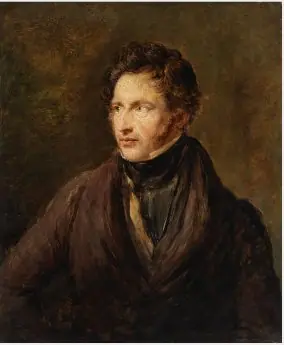 Portrait of William Collins (1788-1847), Artist
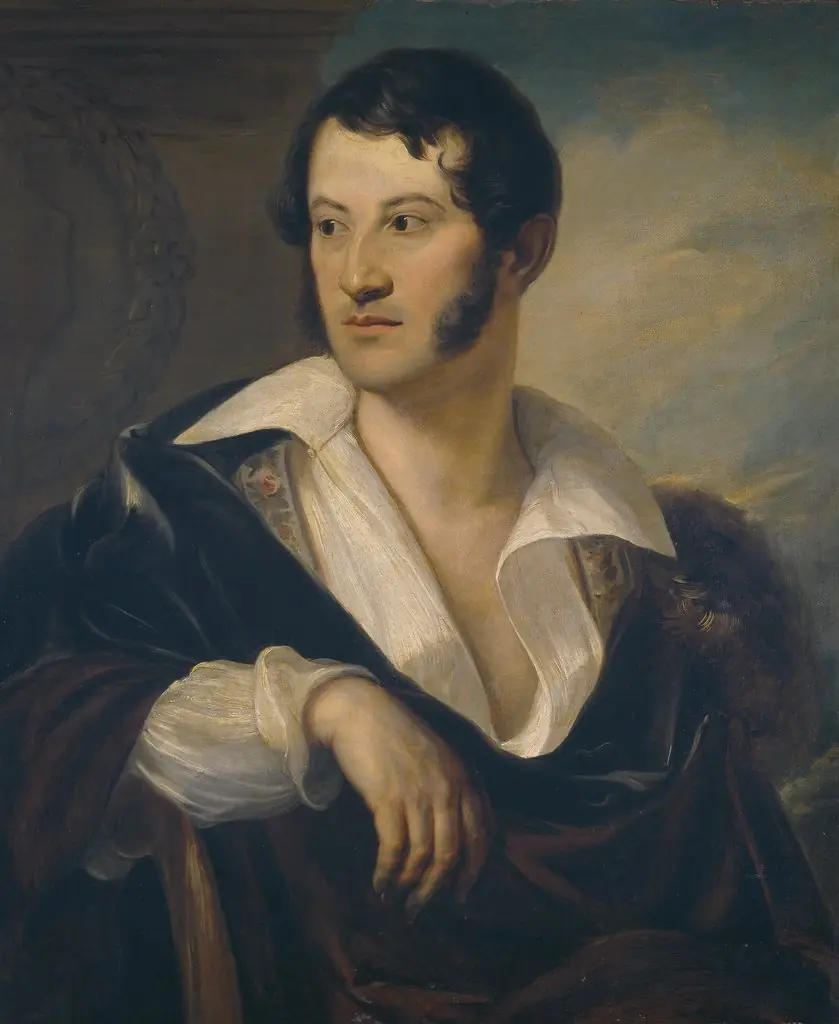 Gonzalo de Vilches, 1st Earl of Vilches (?)
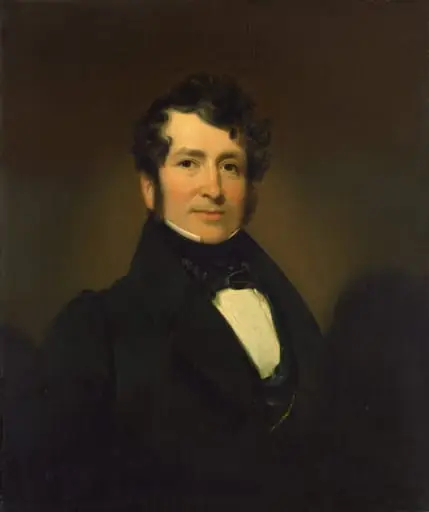 George Pope Morris
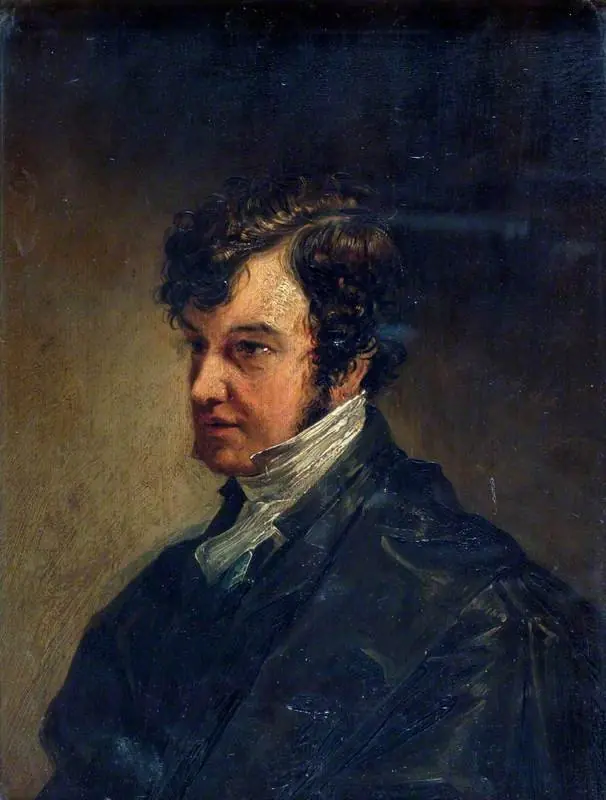 The Reverend William Harness (1790–1869)
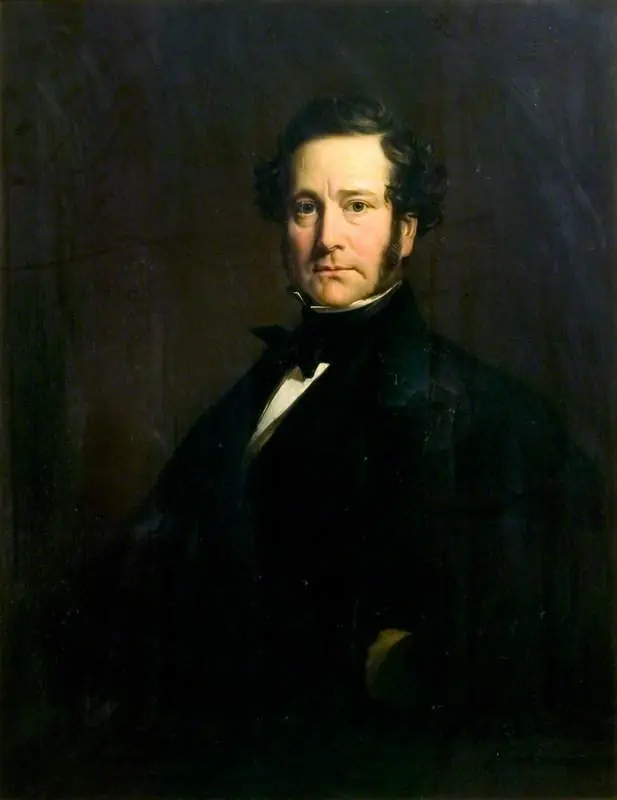 Sir Joshua Walmsley (1794–1871), MP
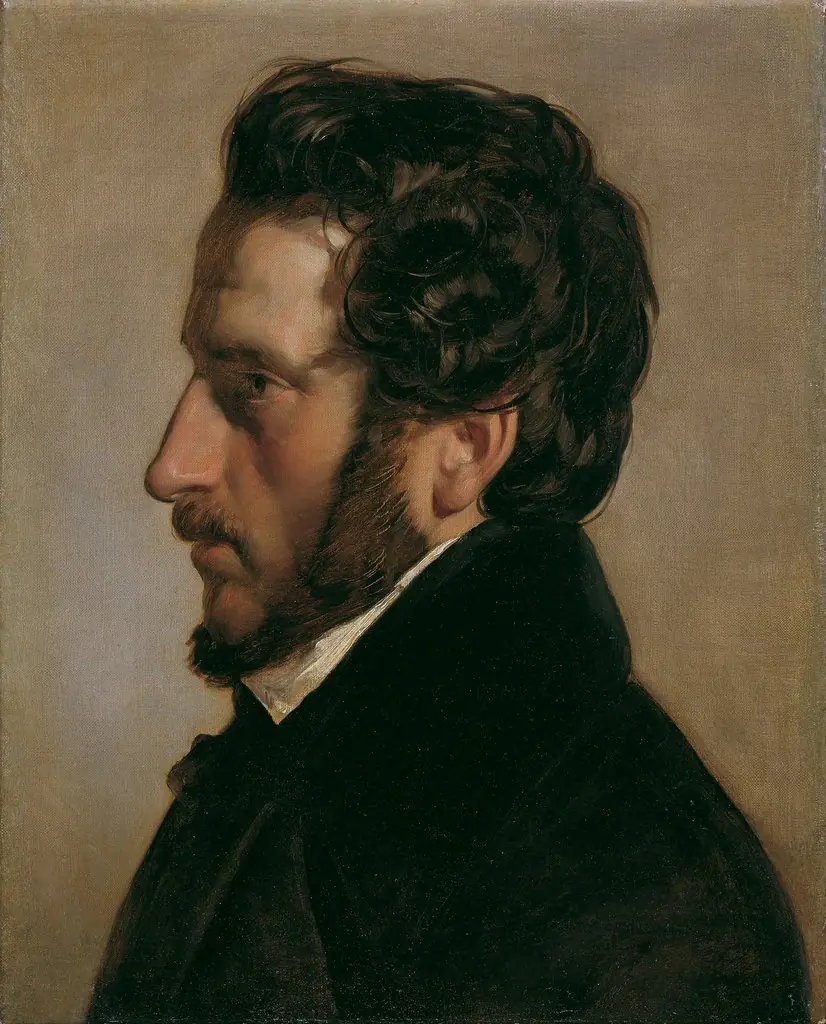 Portrait of the painter Friedrich Gauermann (1803-1887)
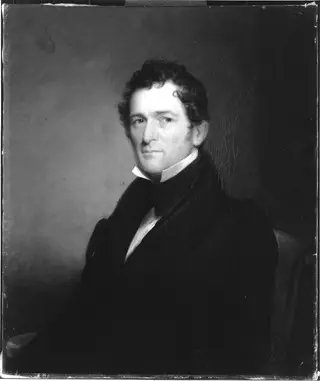 Man in a Red Chair
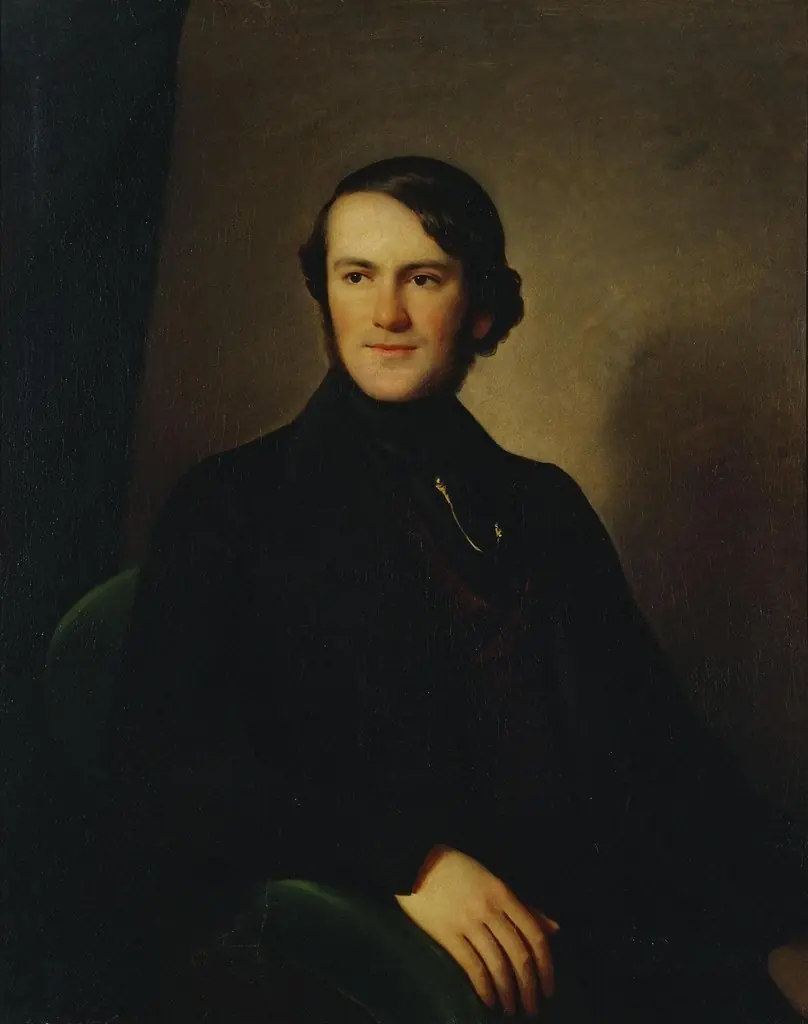 Portrait of Baron Alexander Stieglitz
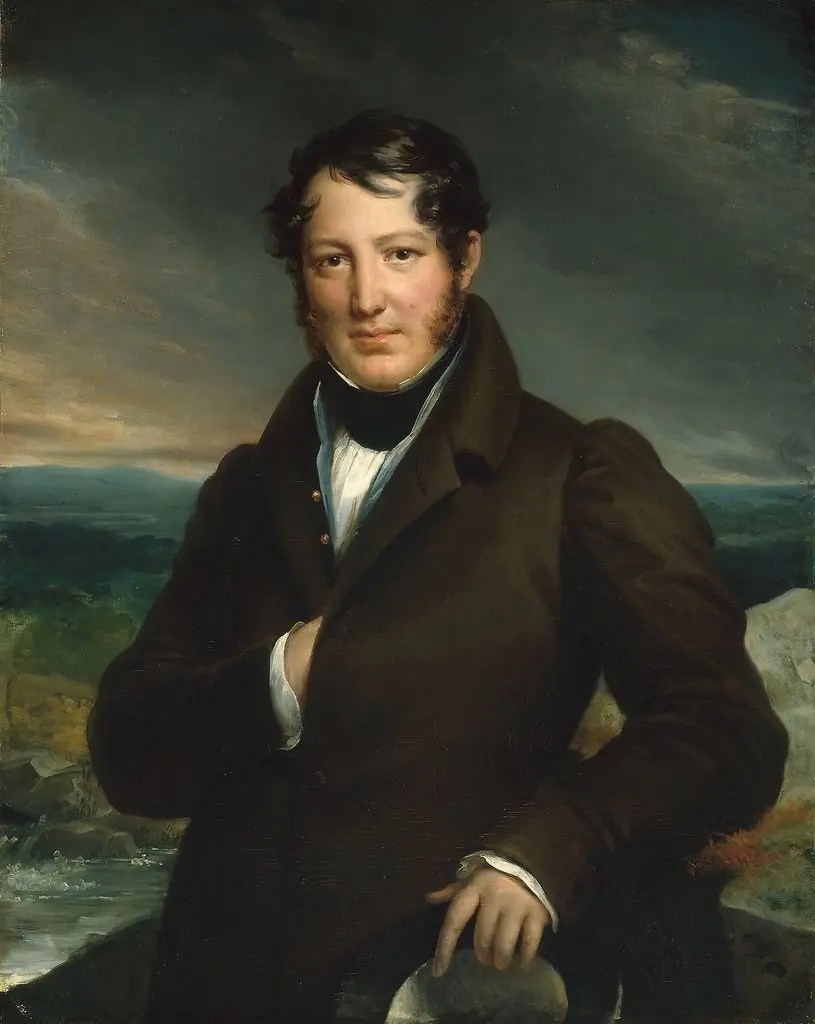 Monsieur Tortoni
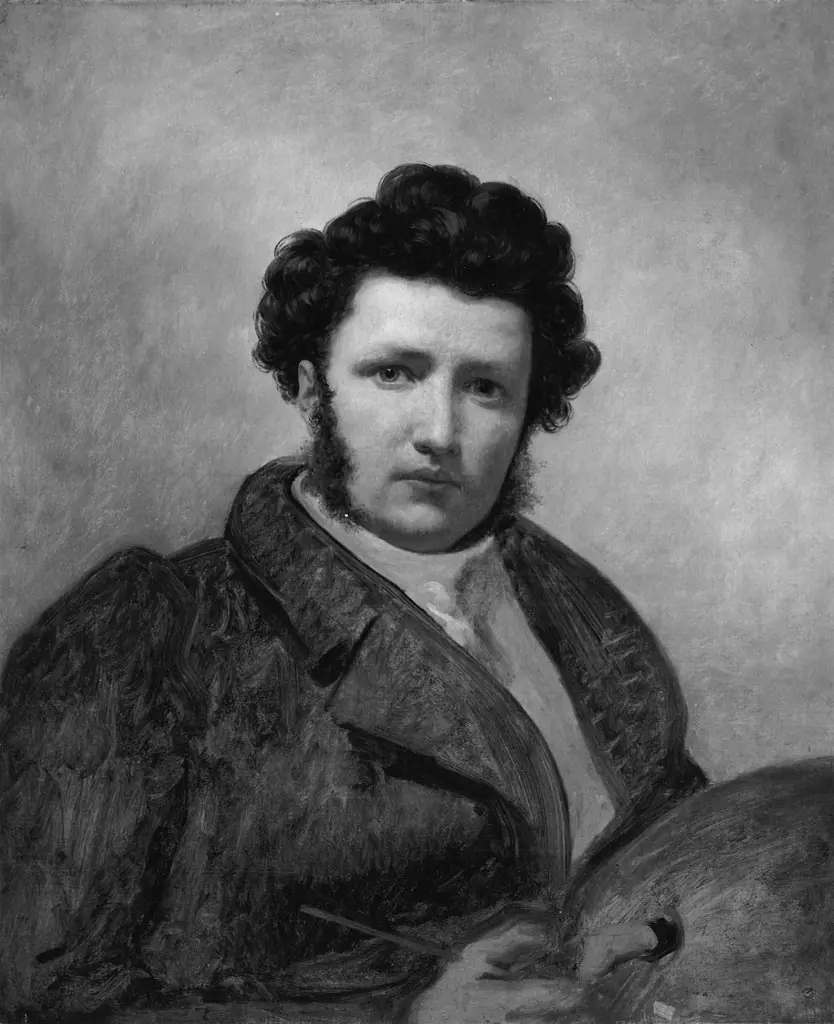 Portrait of an Artist
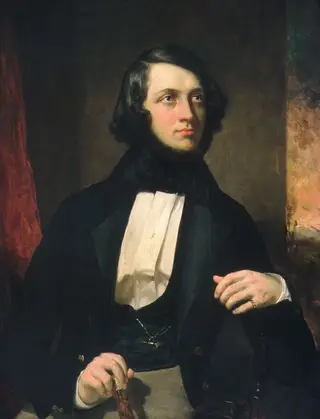 Alexander Van Rensselaer