Artwork
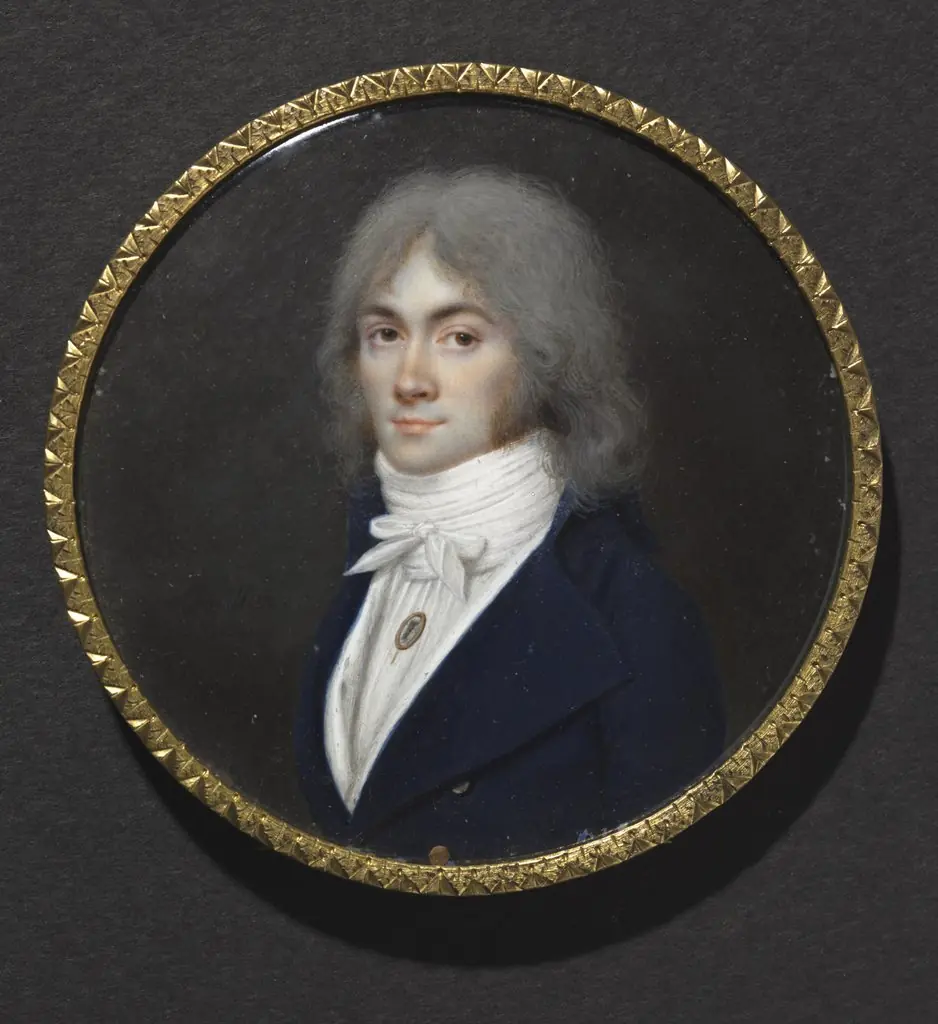
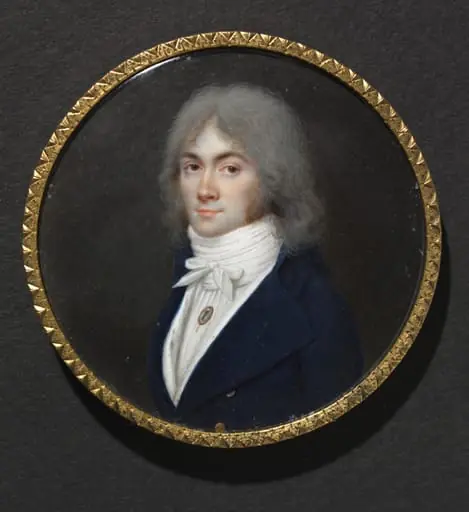
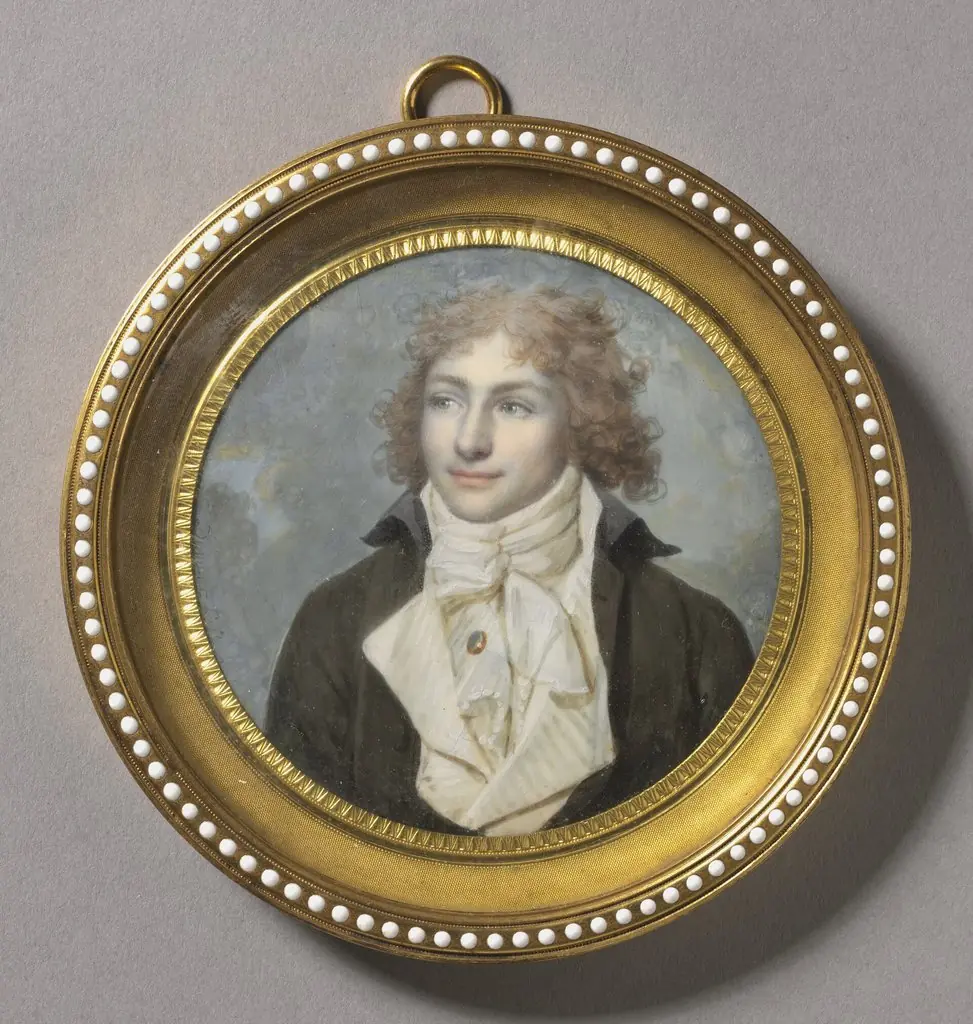
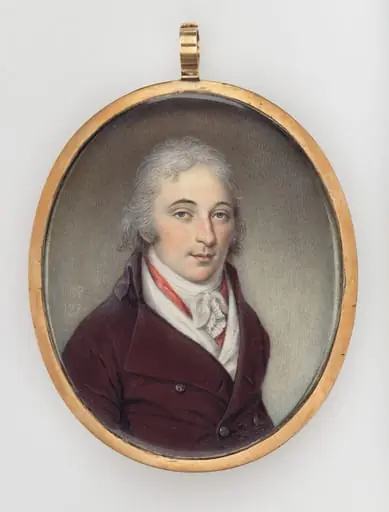
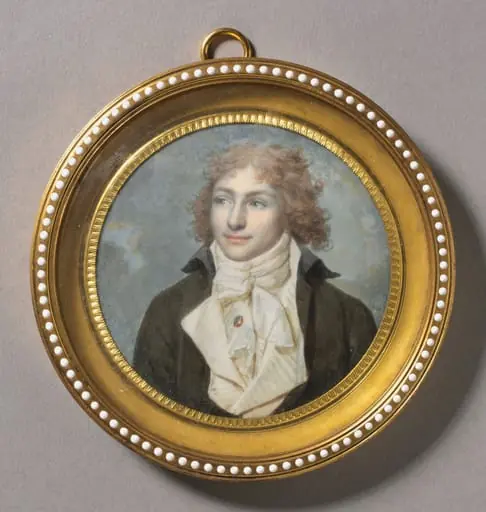
Portrait of a Man
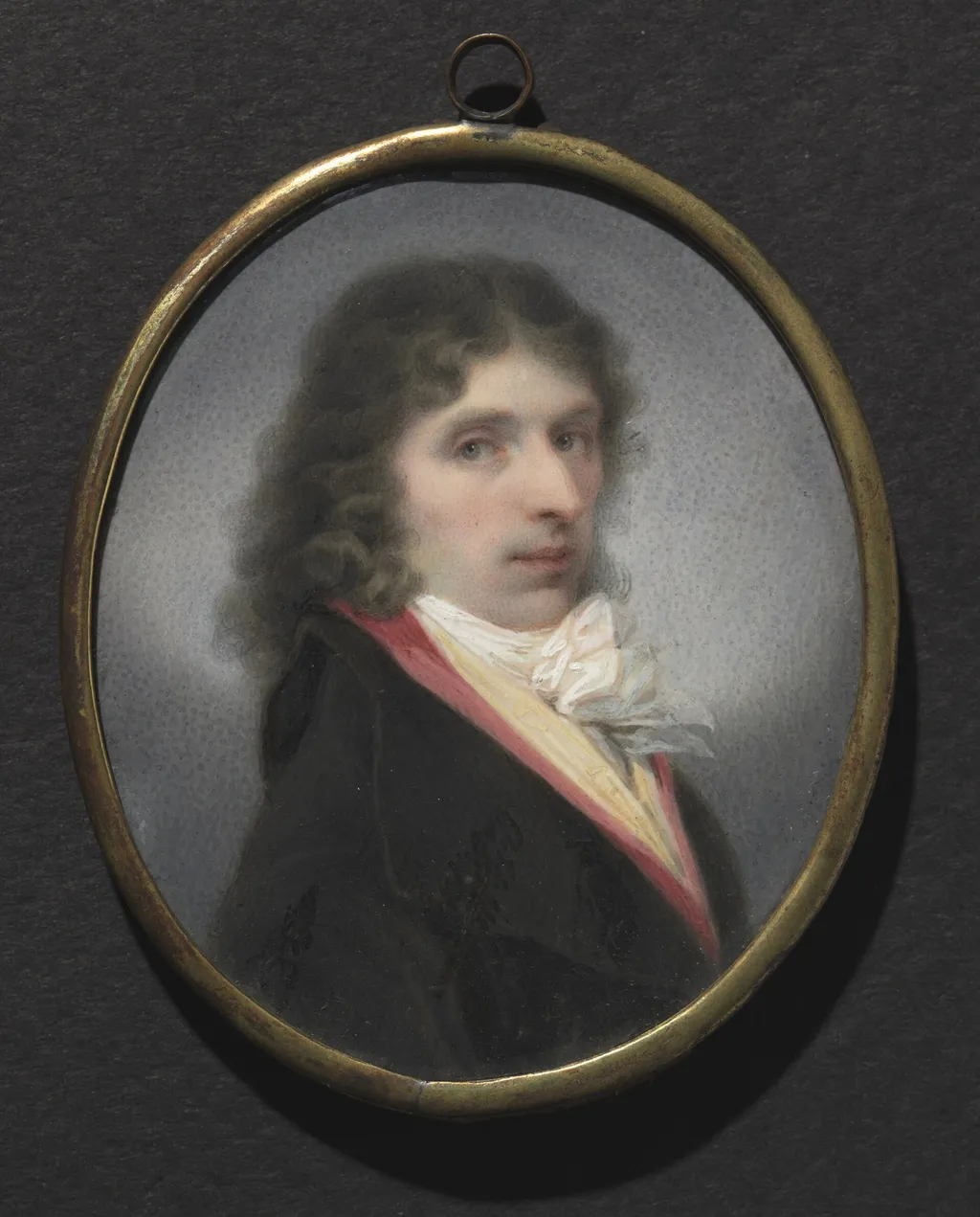
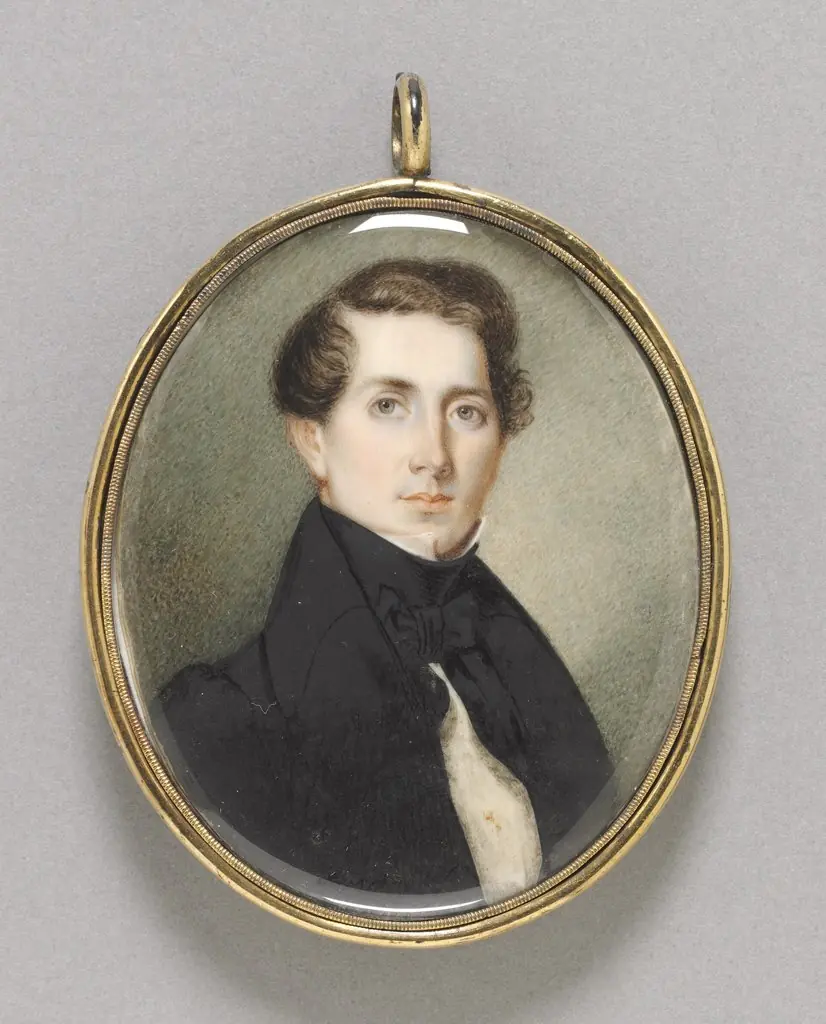
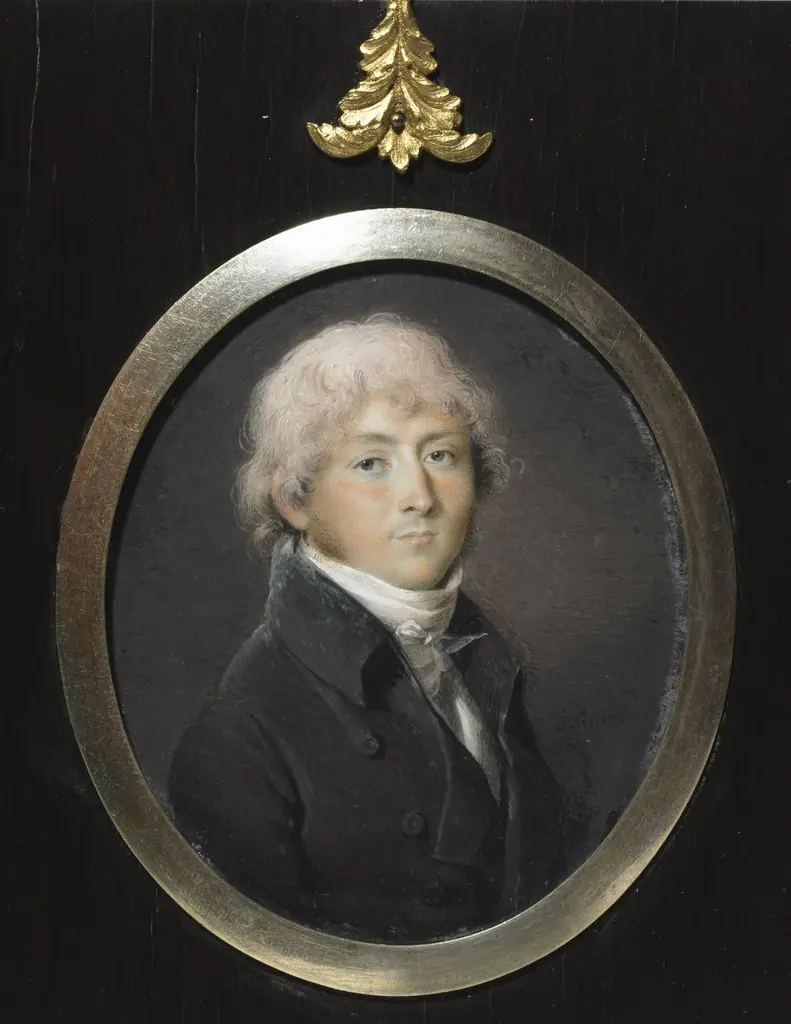
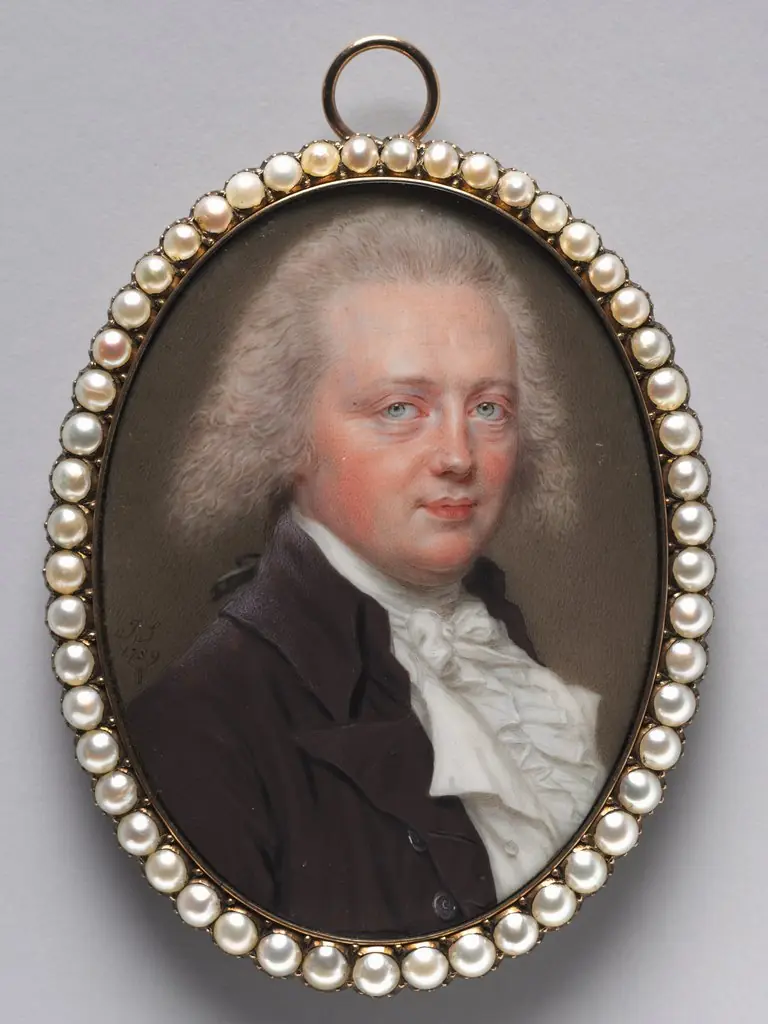
Portrait of a Man is an unspecified painting. It dates from 1798 and is held in the collection of the Cleveland Museum of Art. The work is a portrait of a seated gentleman, rendered in oil on canvas.
About this work
History & Provenance
The Portrait of a Man, a portrait miniature dated to 1795, is held in the collection of the Cleveland Museum of Art in Cleveland. The work is cataloged under the accession number 1926.236. While the artist remains unknown, the piece is classified as a painting and specifically identified as a miniature within the museum's records.
Legacy
Portrait of a Man, a 1795 miniature attributed to an unknown hand, entered the Cleveland Museum of Art's collection and is catalogued as object 1926.
Portrait of a Man, a 1795 miniature attributed to an unknown hand, entered the Cleveland Museum of Art's collection and is catalogued as object 1926.236. The work's attribution remains unresolved, but its status as a portrait miniature has informed scholarly discussions of late 18th‑century portraiture in American museums. Its inclusion in the museum's holdings has allowed continued study of early American portrait traditions, though no specific influence on later artists or movements has been documented.
Overview
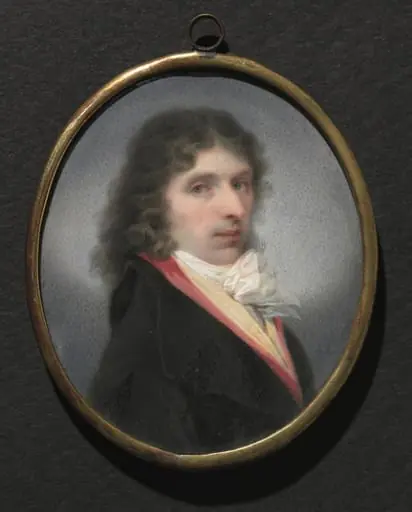
The work is a portrait of a seated gentleman, rendered in oil on canvas. He is depicted with dark, tightly curled hair and a solemn expression, set against a muted gray backdrop that isolates the figure. His attire, a black coat accented with red and yellow lapels and a white cravat, signals a status of affluence and formality typical of early modern portraiture.
Subject & Meaning
The sitter’s dignified pose and restrained demeanor suggest an official representation, likely intended to convey personal authority and social standing. The combination of luxurious clothing and the composed facial expression reflects the conventions of gentlemanly portraiture, where visual cues of wealth and decorum were paramount in affirming the subject’s identity within his community.
Technique & Style
The artist employs chiaroscuro, contrasting deep shadows with illuminated areas to model the figure’s features and create a three‑dimensional presence. Subtle gradations of tone on the face and hands enhance the sense of volume, while the neutral gray background prevents distraction, directing the viewer’s focus toward the sitter’s visage and attire.
Artist & collection