Artwork
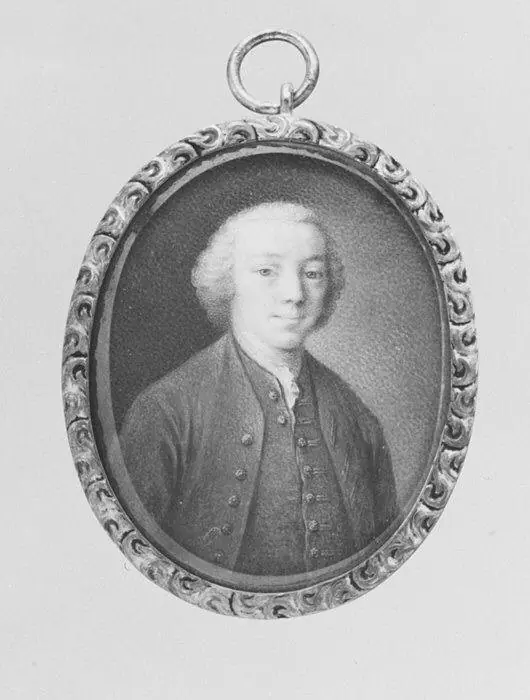
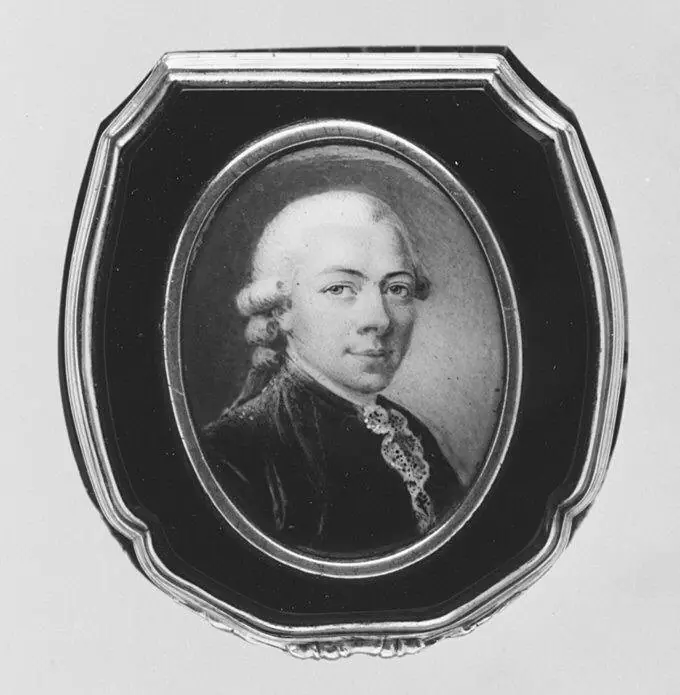
Portrait of a Man
Portrait of a Man is an unspecified painting. It dates from 1796 and is held in the collection of the Metropolitan Museum of Art.
About this work
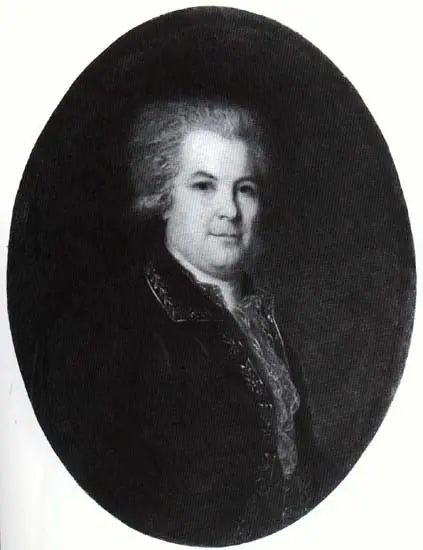
An oval portrait of a man with short, curly hair, in a dark high-collared jacket over a white shirt. He looks straight ahead with a neutral expression against a plain background. The clothing and hairstyle point to the late 18th century.
History & Provenance
The work entered the collection of the Metropolitan Museum of Art in New York, where it is catalogued under the accession number 26.
Created in 1796, this oil painting is attributed to an unidentified German artist and depicts a male subject. The work entered the collection of the Metropolitan Museum of Art in New York, where it is catalogued under the accession number 26.168.63. While the specific circumstances of its commission and the details of its ownership prior to its acquisition are not detailed in the available records, the piece has been classified as a portrait since its creation in the late eighteenth century.
The available documentation confirms the institution as both the current owner and location of the work but does not contain specific details regarding its exhibition history or past loan records.
Overview
This oval-shaped painting presents an unidentified male subject, likely dating from the eighteenth century based on his attire and hairstyle. The man's face is indistinct, and his expression appears neutral as he looks straight ahead. He is depicted wearing a dark jacket with a high collar over a white shirt, against a solid, unidentifiable background.
Subject & Meaning
The portrait features a man with short, curly hair, dressed in period-appropriate clothing consisting of a dark, high-collared jacket and a white shirt. While his gaze is directed forward, the lack of clear facial details makes it difficult to discern specific features or an emotional state, thus limiting insight into his individual identity or the intended meaning of the portrayal.
Technique & Style
Executed in an oval format, the painting utilizes a plain background to emphasize the sitter. The artistic approach results in a blurred rendering of the subject's face, which obscures fine details and contributes to a generalized representation rather than a sharply defined likeness. The stylistic elements, including the man's fashion and coiffure, strongly suggest an origin in the 18th century.
Artist & collection

- Portrait of a Man
 Portrait of a Man
 Clemens Franz de Paula, Sohn des Prinzen Ferdinand Maria Innocenz
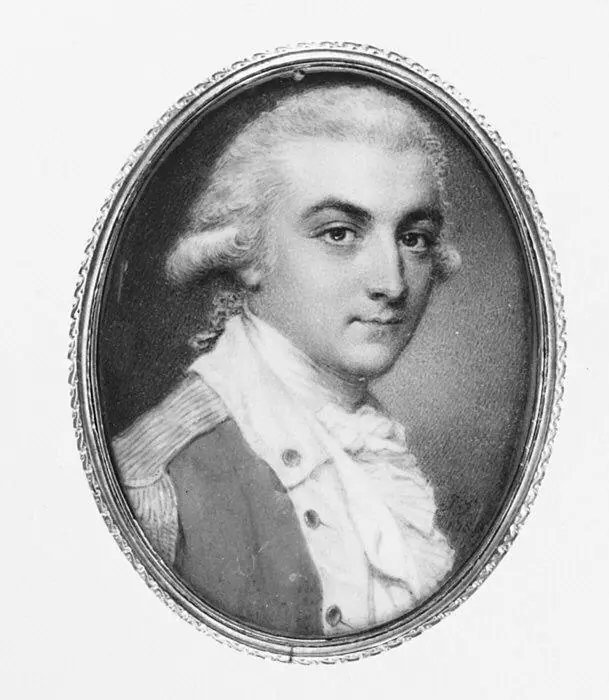 Portrait of an Officer
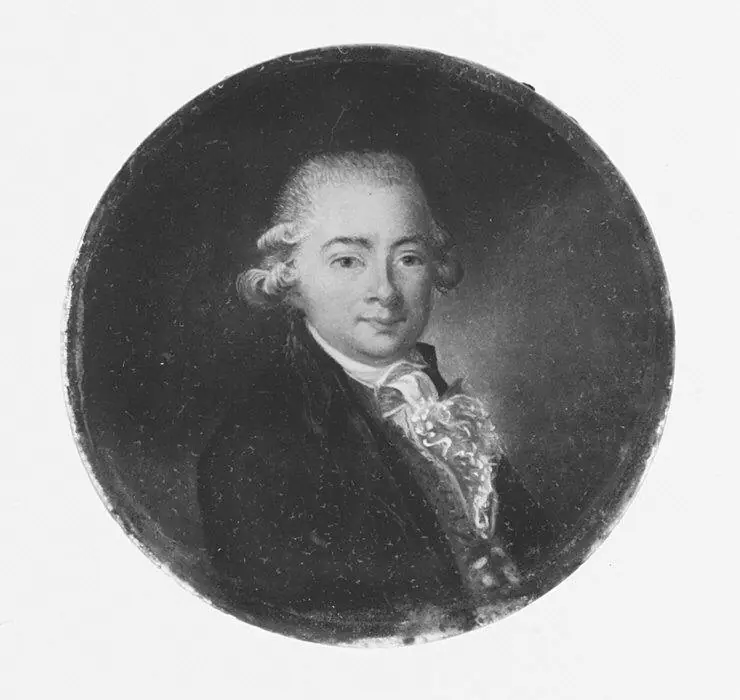 Portrait of a Man
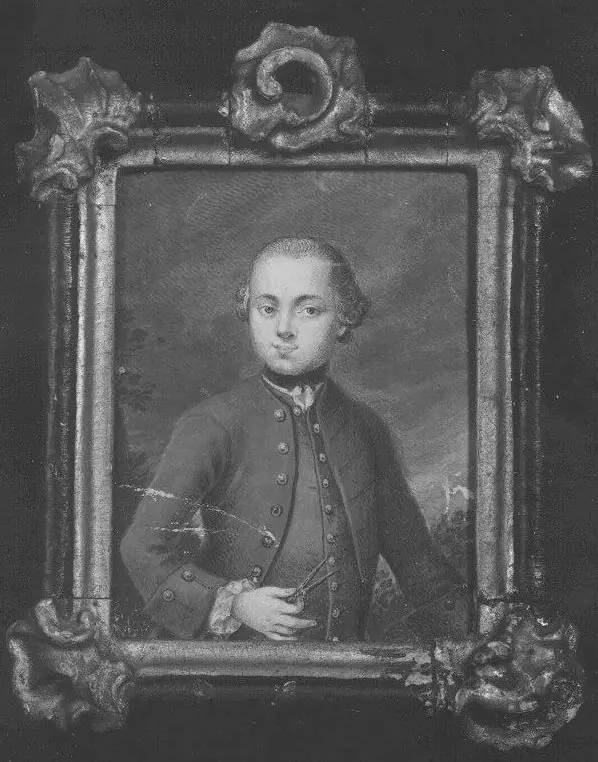 Portrait of the Father of Emilius Nicolai Scherr
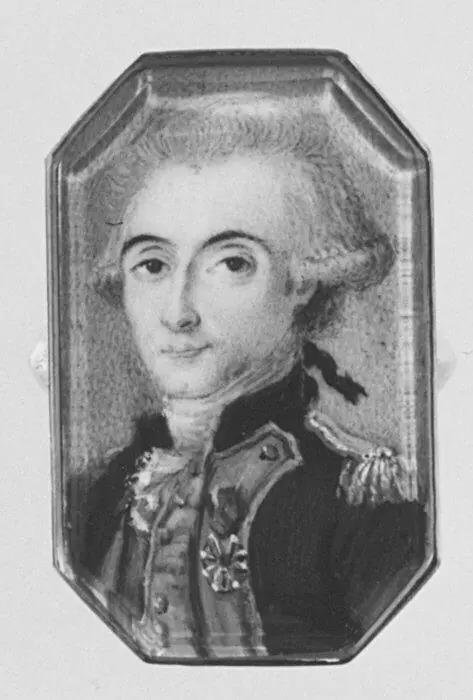 Marquis de Lafayette (1757–1834)
 Portrait of a Man
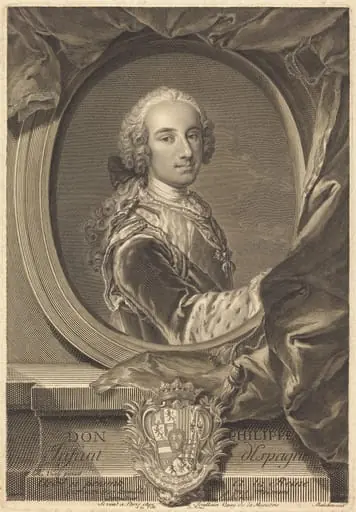 Don Philippe, Infant d'Espagne
 Portrait of a Woman
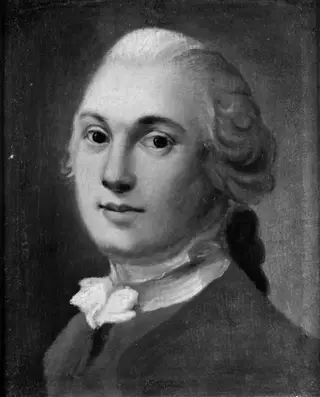 Materialforvalter Bartholin (?)
 Fedor Antonovich Kuznetsov