Artwork
Portrait of a Man
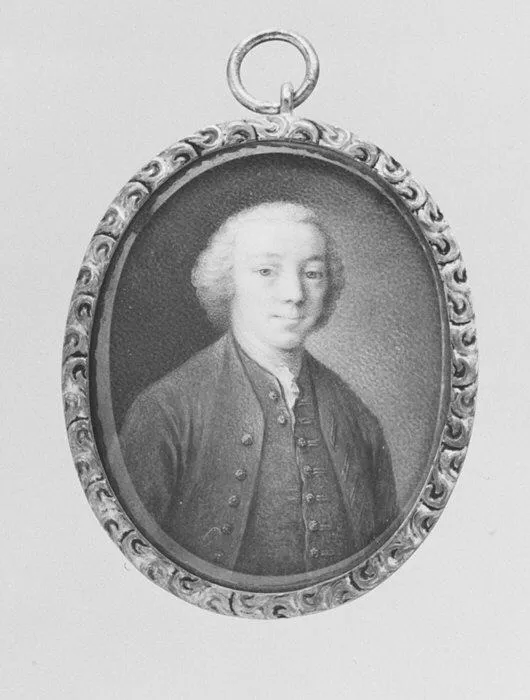
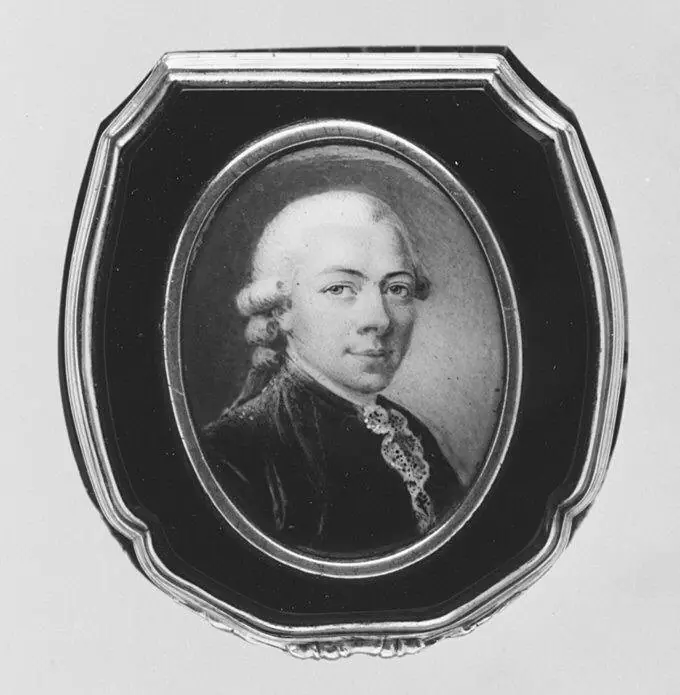
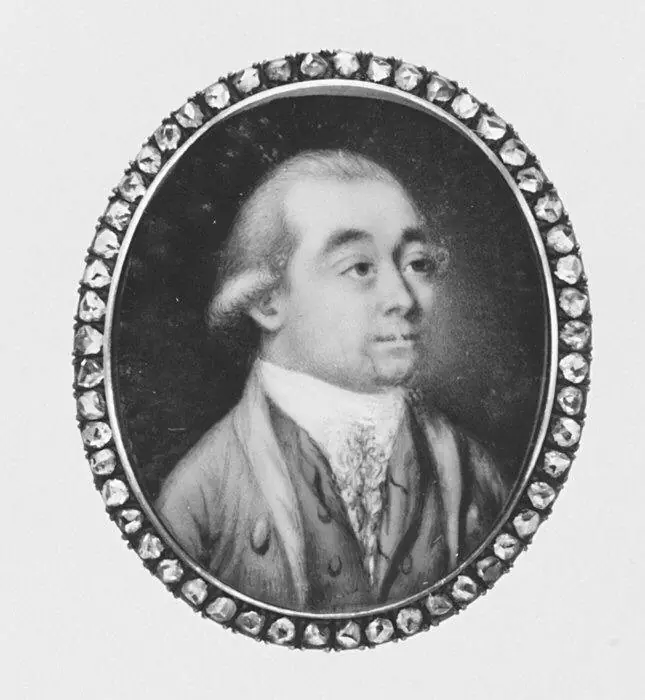
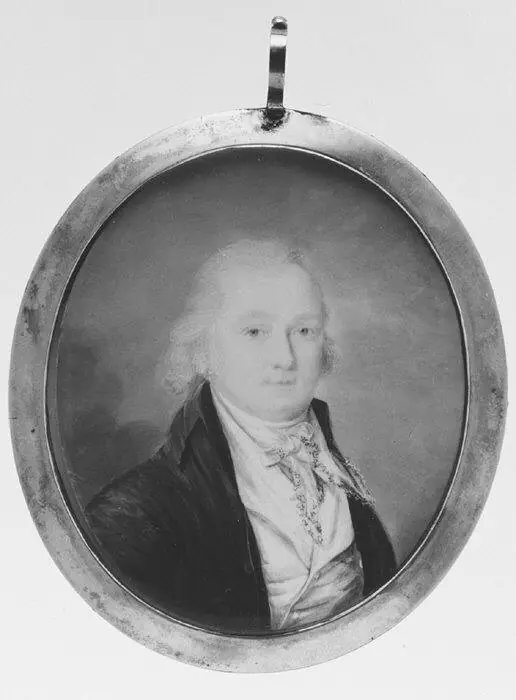
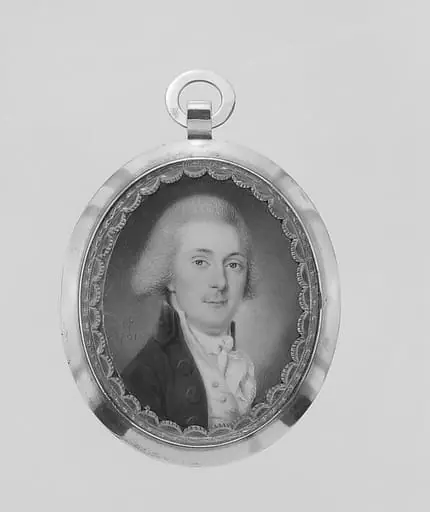
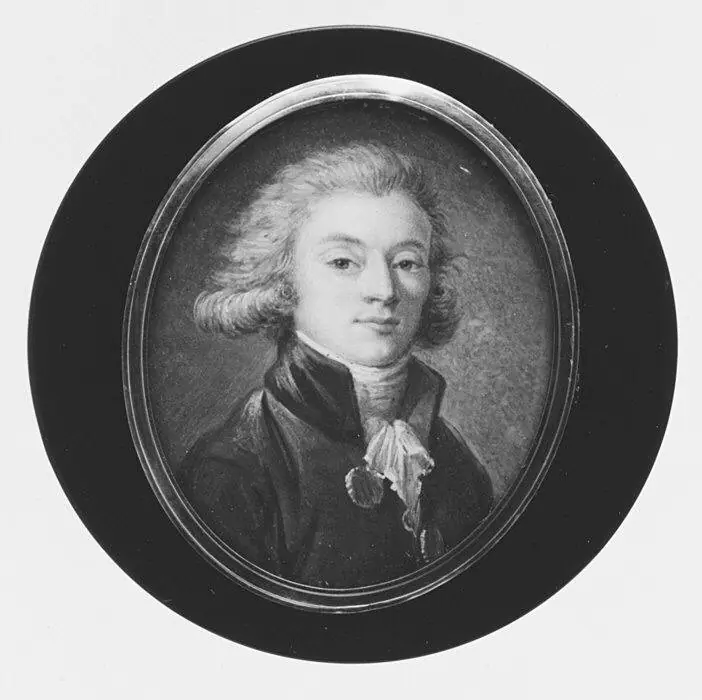
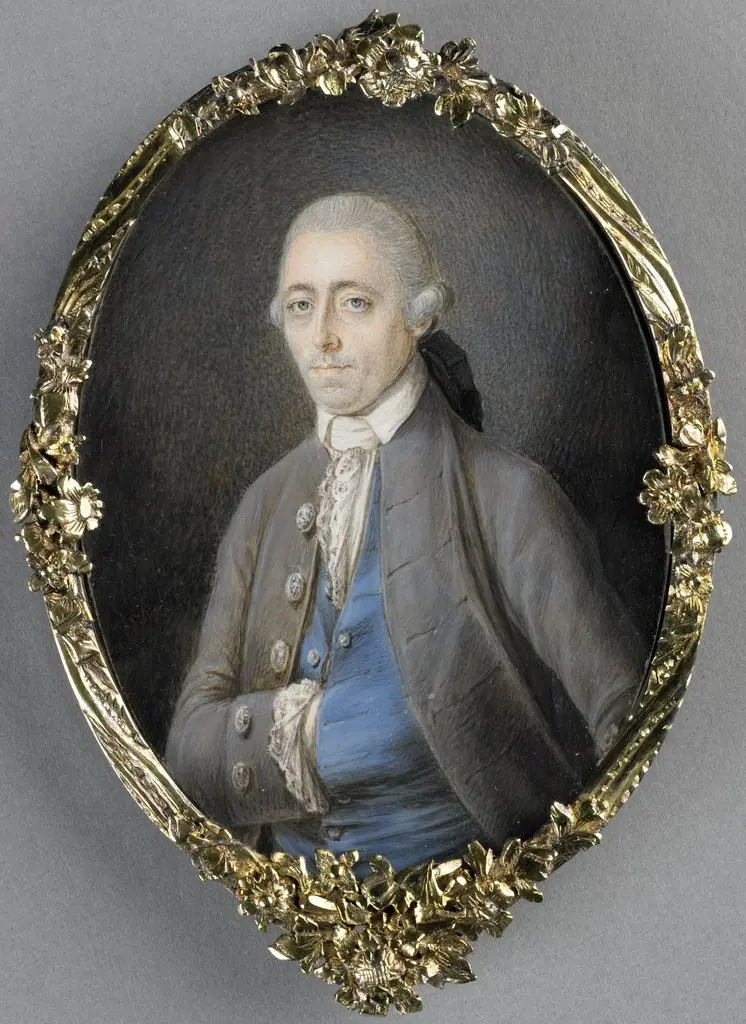
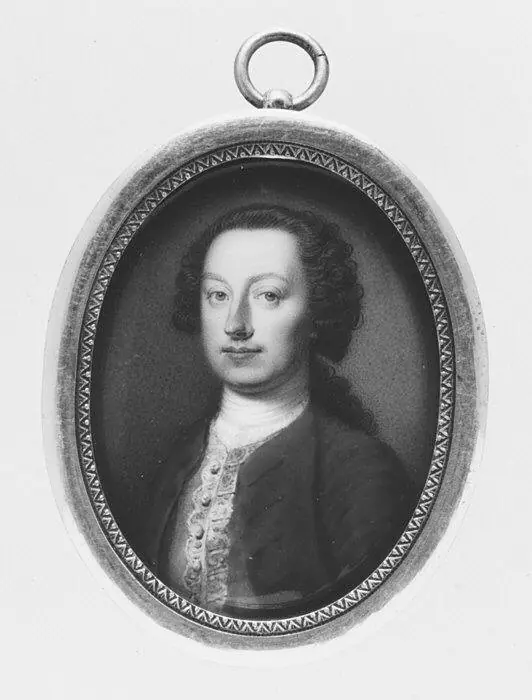
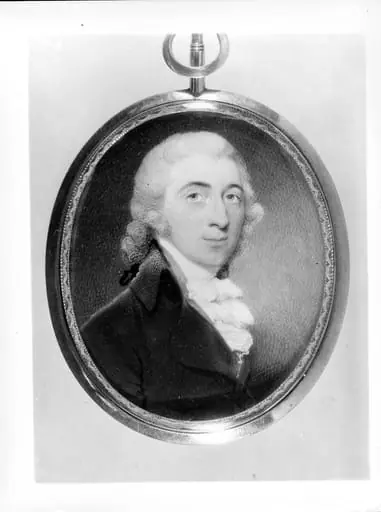
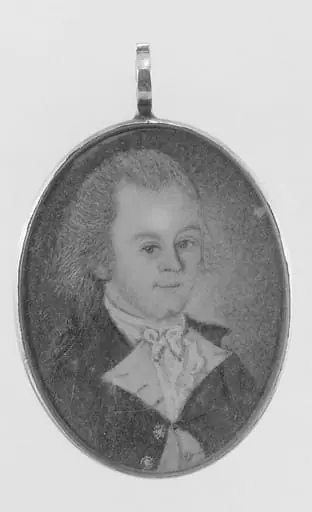
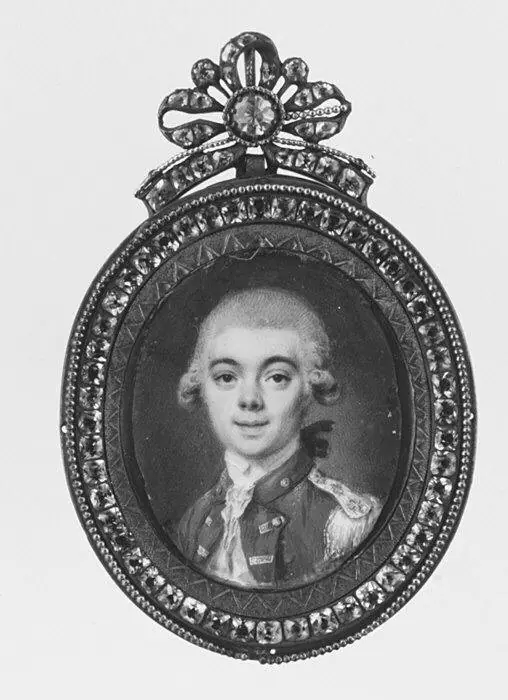
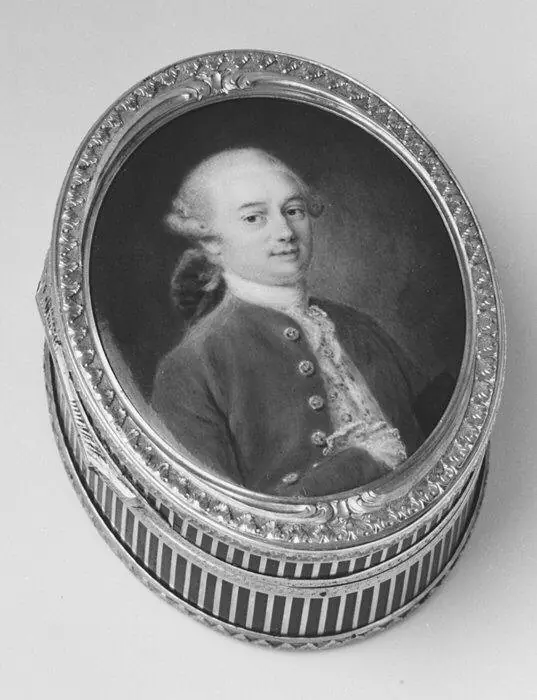
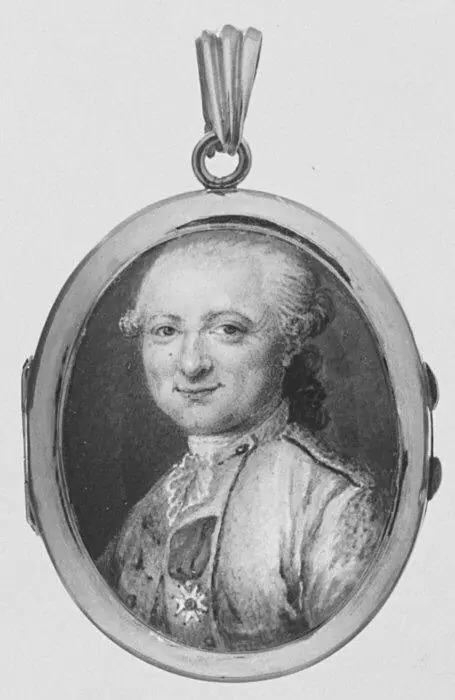
Portrait of a Man is an unspecified painting by the Rococo painting artist Johann Esaias Nilson. It dates from 1764 and is held in the collection of the Metropolitan Museum of Art.
About this work
Subject & Meaning
The composition focuses entirely on the likeness of the subject, presenting him as the central and sole main subject of the image.
The work depicts a single male figure, identified simply as a man in the context of a formal portrait. Created by Johann Esaias Nilson in 1764, the painting functions as a standard genre portrait without explicit narrative iconography or complex symbolic elements described in the available records. The composition focuses entirely on the likeness of the subject, presenting him as the central and sole main subject of the image.
While the specific identity of the sitter is not detailed in the provided documentation, the artwork represents a conventional 18th-century approach to portraiture, emphasizing the physical presence and individuality of the man portrayed. The piece serves as a straightforward visual record of the subject, lacking additional allegorical attributes or contextual symbolism beyond the depiction of the individual himself.
History & Provenance
Johann Esaias Nilson's 1764 oil painting, Portrait of a Man, is held in the permanent collection of the Metropolitan Museum of Art in New York. The work, which depicts a male subject and measures 49 by 37 centimeters, has been accessioned into the museum's holdings. While the specific accession number is not provided in the available records, the painting's presence within the Met's collection is confirmed.
The provided sources do not contain details regarding a specific exhibition history or previous public display dates for this particular artwork.
Overview
Painted in 1764 by the German artist Johann Esaias Nilson, this work is a half-length portrait of an unidentified man. The composition utilizes a stark chiaroscuro effect, where the subject's face is brightly illuminated against a dark, indistinct background, drawing immediate focus to his features. The sitter presents a round face framed by short, curly hair and wears a dark jacket characterized by a high collar and a visible row of buttons.
Nilson employs a restrained palette, relying on the contrast between the lit skin tones and the deep shadows of the clothing and setting to create volume and depth. Executed during the mid-18th century, this piece reflects the artist's engagement with portraiture conventions of the German Enlightenment era, emphasizing psychological presence through lighting rather than elaborate setting or costume. The work stands as a representative example of Nilson's portraiture, demonstrating his ability to capture individual character within a formal, somber aesthetic.
Technique & Style
Nilson employed a monochromatic palette, utilizing strong contrasts between light and shadow, a technique known as chiaroscuro. This dramatic lighting illuminates the man's face prominently while submerging the surrounding areas in deep shadow. This approach not only enhances the sense of depth and three-dimensionality but also imparts a striking visual intensity to the portrait.
Artist & collection