Artwork
Portrait of a woman
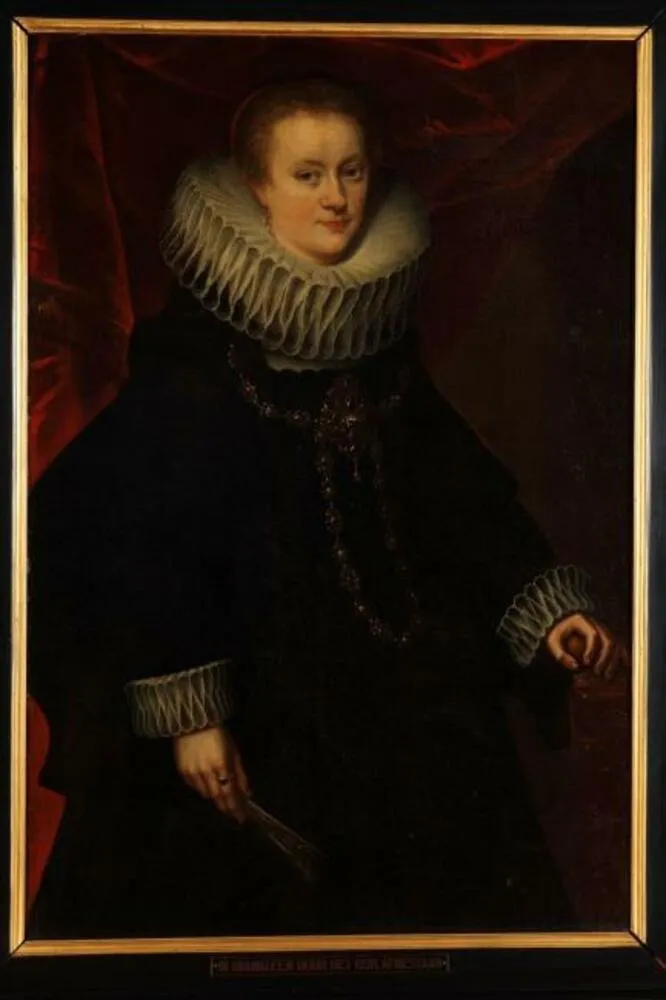
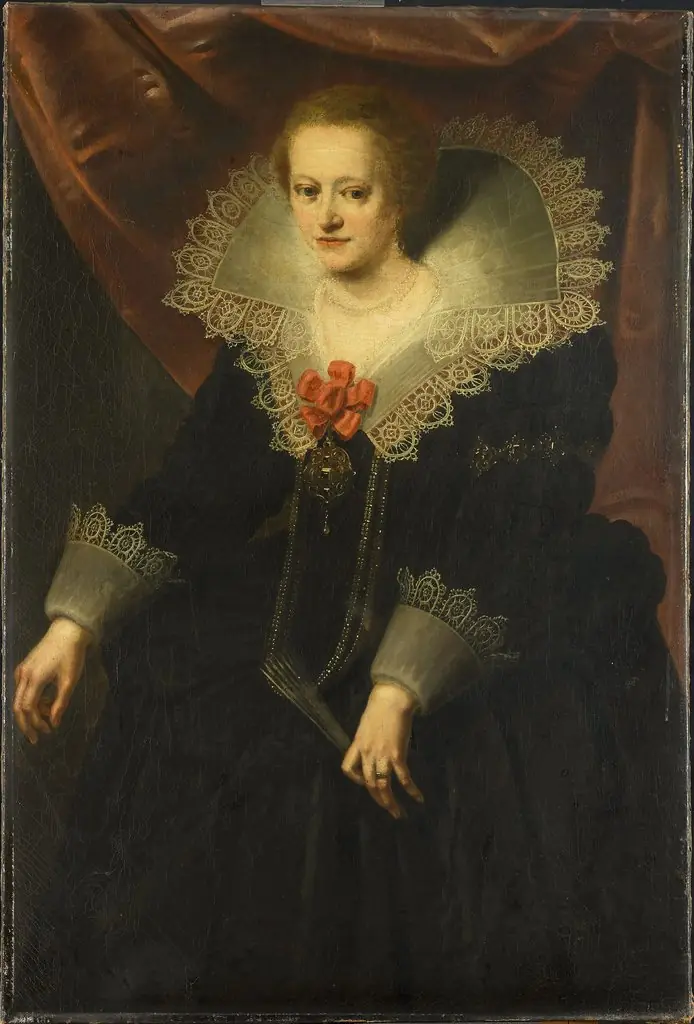
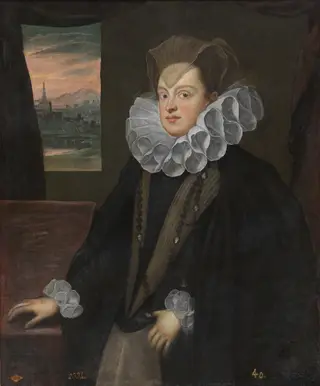
Portrait of a woman is an oil painting. It dates from 1615 and is held in the collection of the Rijksmuseum.
About this work
Subject & Meaning
The painting portrays an unidentified woman wearing a distinctive ruff, a fashion element common in early 17th-century portraiture that signifies status and formality. Its representation emphasizes individual likeness rather than narrative or allegorical meaning, reflecting the genre’s focus on realistic depiction of subjects in contemporary dress. The work is catalogued as a portrait in the Rijksmuseum’s collection of dispersed holdings, where it remains on display as part of the museum’s European paintings.
Technique & Style
Stylistically, the composition focuses on a female subject characterized by the inclusion of a prominent ruff, a fashion element typical of the era.
Created in 1615 by an anonymous artist from the Southern Netherlands, this portrait is executed in oil paint on a canvas support. The work measures 108 cm in height and 73 cm in width. Stylistically, the composition focuses on a female subject characterized by the inclusion of a prominent ruff, a fashion element typical of the era.
The painting is classified as a portrait and is currently held within the collection of the Dienst Verspreide Rijkscollecties at the Rijksmuseum.
Overview
The work is an oil painting titled Portrait of a Woman. It depicts a solitary female figure positioned before a darkened backdrop. She is dressed in a black gown accented by a high white ruff collar and matching cuff ruffs, her hair gathered back. In her right hand she holds a small, unidentified object, creating a focal point within the composition.
History & Provenance
No specific details about the painting’s creation date, artist, or ownership history are provided. Consequently, its provenance remains undocumented in the available record, limiting scholarly attribution and contextual placement within a particular workshop or collection.
Context
The use of a high ruff and black dress aligns the work with European courtly portraiture of the early modern period, when such garments signified wealth and adherence to contemporary fashion. The stark lighting reflects broader artistic trends that sought to convey psychological depth through controlled illumination.
Artist & collection

- Portrait of a woman
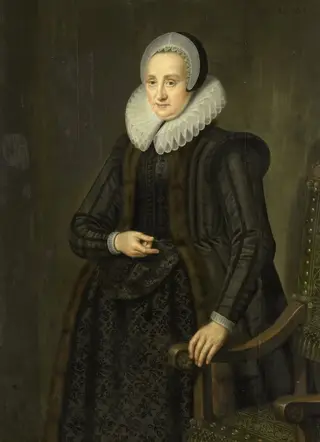 Portrait of Margarita Cassier
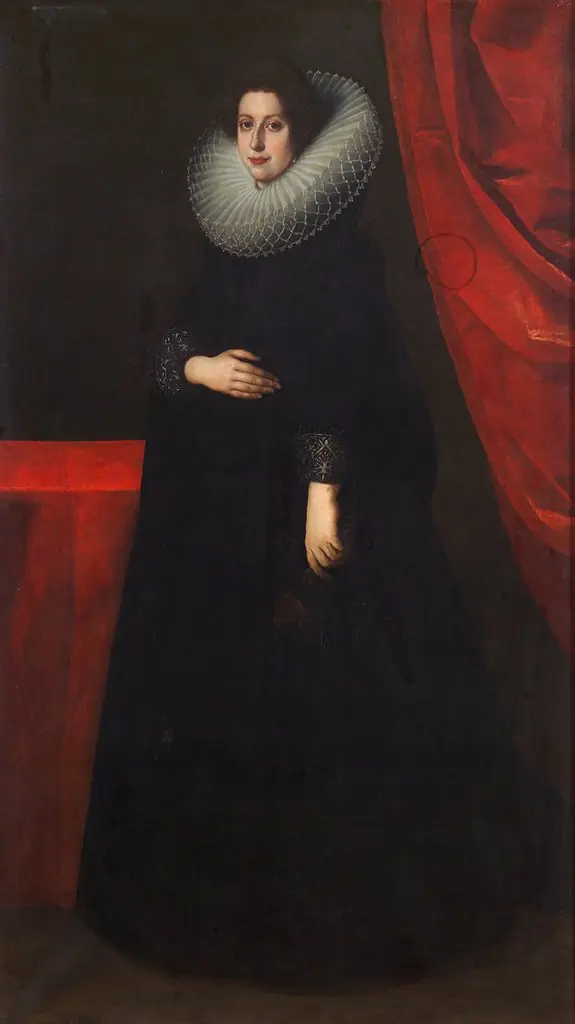 Catarina de' Medici (1593-1629)
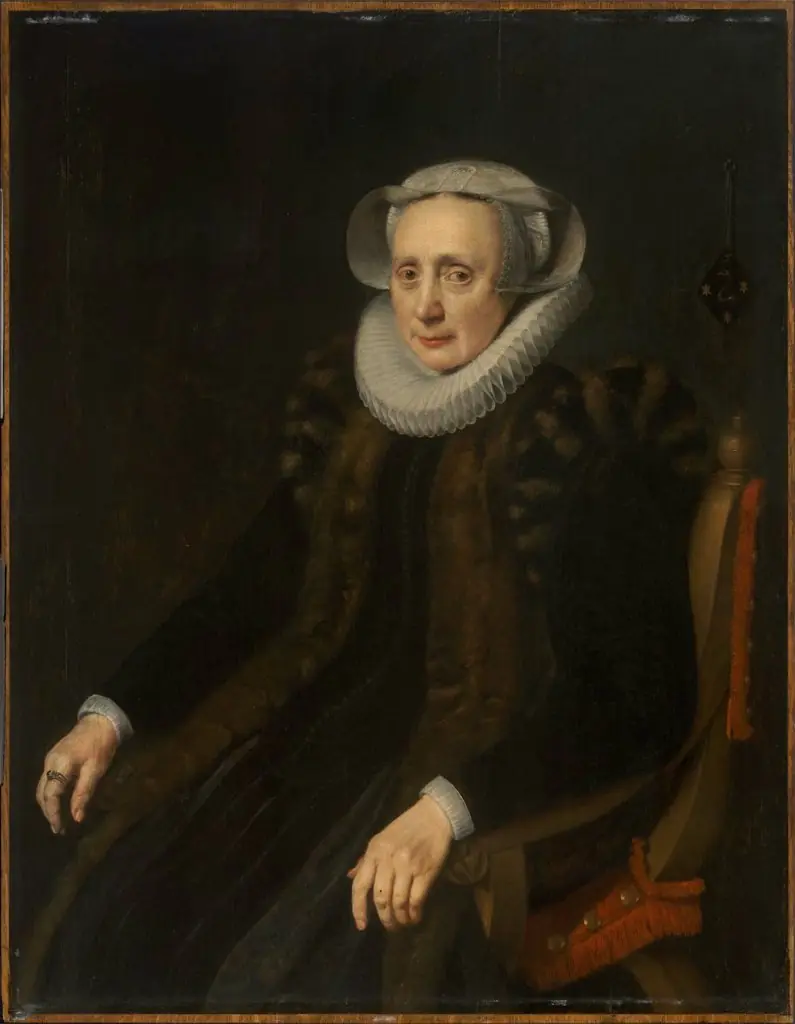 Adriana van Ijlen
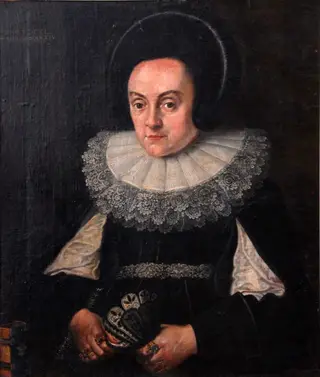 Portret de aristocrată
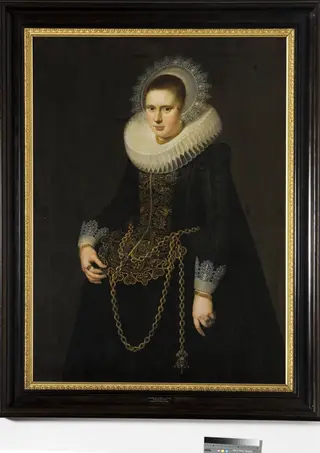 Portrait of a 22-Year-Old Woman
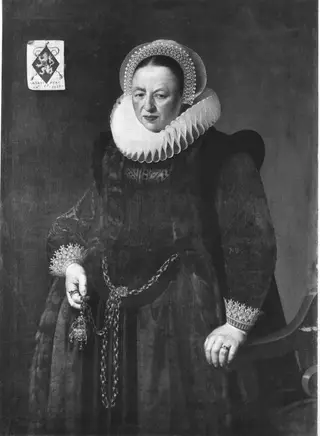 Portrait of Janneken Campherbeke (1565-1630)
 Portrait of a Woman
 Portrait of a Woman Standing beside a Chair
 Portrait of Lady Margaret Livingstone, 2nd Countess of Wigtown
 Portrait of Cornelia Bot, wife of Gottfried Houtappel
 Eleanor de' Medici, Duchess of Mantua