Artwork
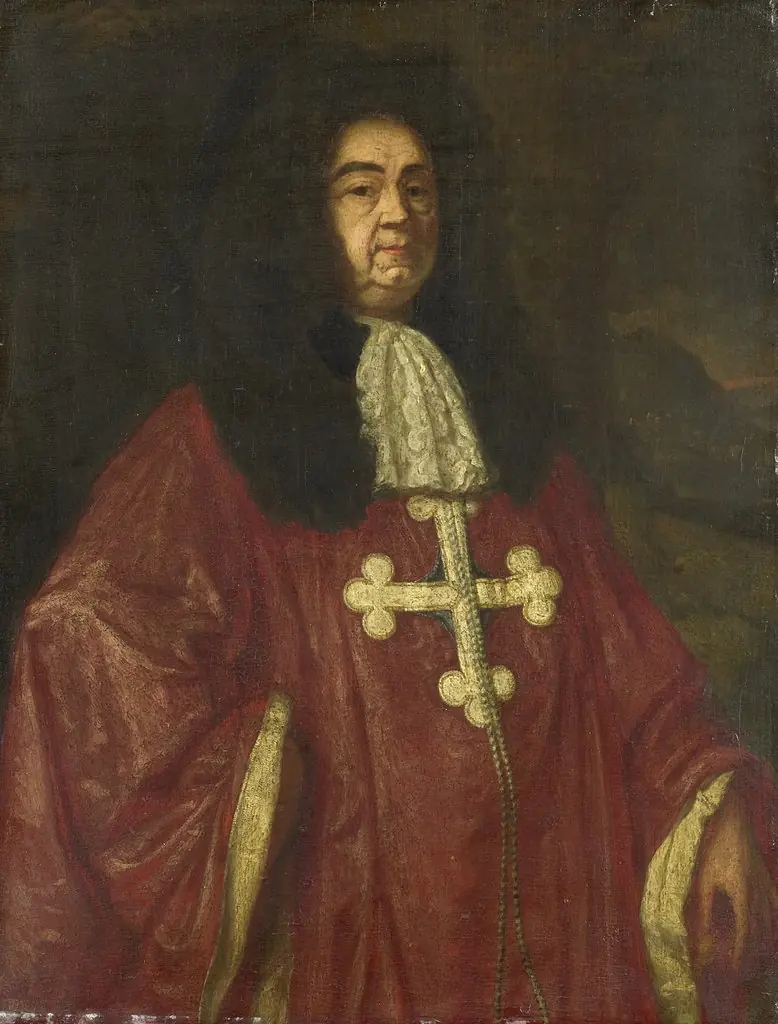
Portrait of Adam Ignacy Komorowski ? (1699–1759), bishop of Livonia, primate from 1748
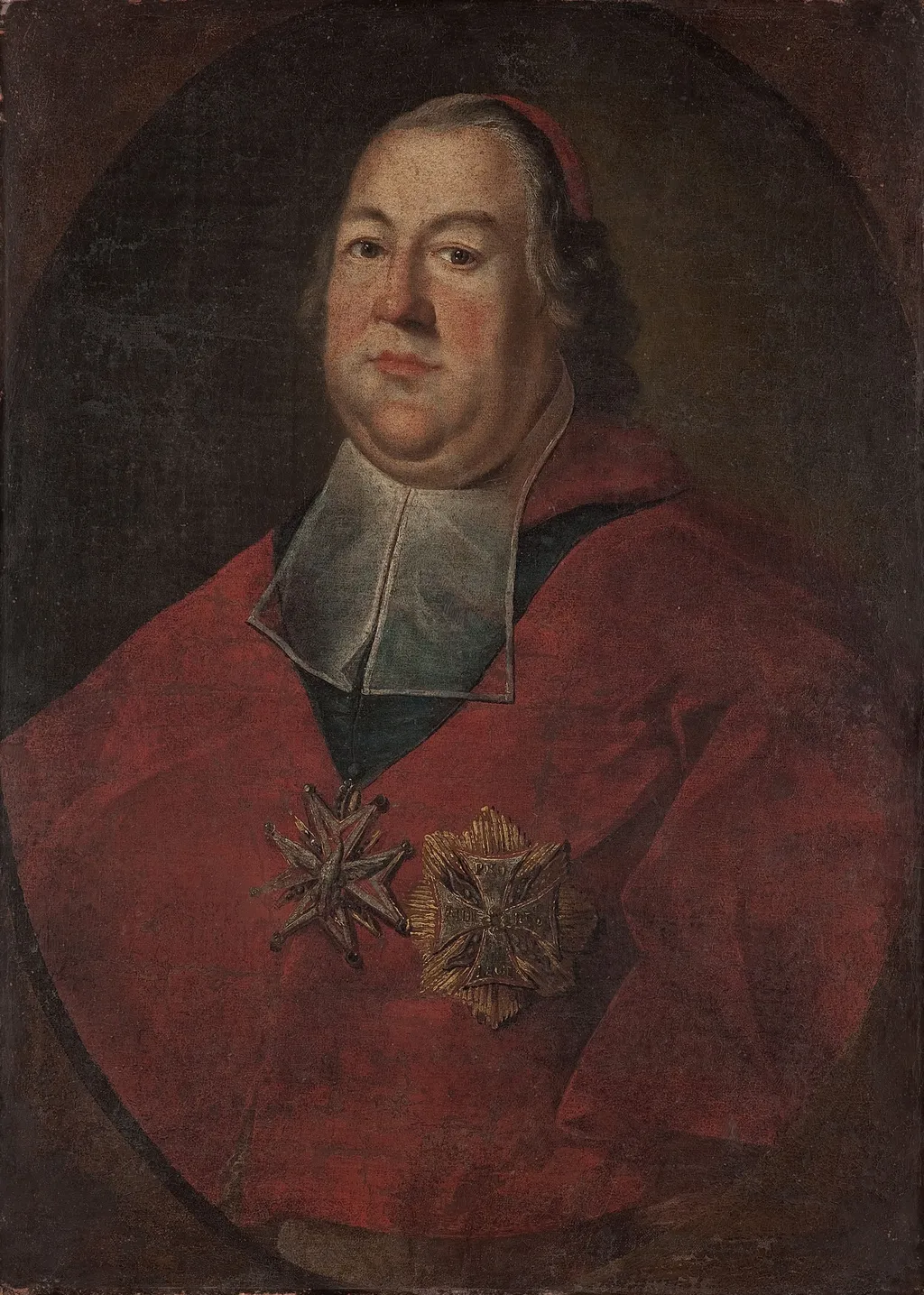
Portrait of Adam Ignacy Komorowski ? (1699–1759), bishop of Livonia, primate from 1748 is an oil painting by the Rococo painting artist Unknown. It dates from 1739 and is held in the collection of the National Museum in Warsaw. The canvas presents Adam Ignacy Komorowski, a high-ranking ecclesiastic of the early eighteenth century, rendered in oil.
About this work
Overview
7 centimeters, this half-length portrait depicts Komorowski during his tenure as Bishop of Livonia, before his elevation to Primate of Poland in 1748.
The Portrait of Adam Ignacy Komorowski is an oil on canvas painting dated 1739, attributed to an unknown Polish painter. Measuring 73.3 by 52.7 centimeters, this half-length portrait depicts Komorowski during his tenure as Bishop of Livonia, before his elevation to Primate of Poland in 1748. The work is held in the collection of the National Museum in Warsaw. As a rare surviving likeness of a major figure in eighteenth-century Polish Catholic hierarchy, the painting serves as an important document of ecclesiastical portraiture from the Polish-Lithuanian Commonwealth.
Subject & Meaning
The portrait represents Adam Ignacy Komorowski (1699-1759), a prelate of the Korczak coat of arms who rose through the ranks of the Kraków cathedral chapter before becoming Archbishop of Gniezno and Primate of Poland in 1749, serving until his death. At the time of this portrait in 1739, he held the position of Bishop of Livonia. The painted oval frame and dark, muted brown background focus attention on the sitter's episcopal dignity. Two ornate insignia pinned to his chest carry specific heraldic and ecclesiastical significance: a silver eight-pointed star and a gold radiating cross, likely denoting orders or honors associated with his office. The voluminous crimson robe with broad folds, the stiff white collar with squared edges, and the dark undergarment visible at the neck constitute the formal vestments of his rank, asserting both spiritual authority and noble status within the Commonwealth.
Technique & Style
The painting is executed in oil on canvas, with dimensions of 73.3 by 52.7 centimeters. The artist employed smooth, controlled brushwork, with careful modeling in the face that renders the sitter's features with precision, while adopting more generalized handling in the drapery and background. Two-dimensional light falls from the left, illuminating the face and the folds of the crimson robe while leaving the right side in shadow, a conventional approach in Baroque and early Rococo portraiture that creates volume and psychological focus. The surface shows fine age cracking throughout, consistent with its nearly three centuries of existence. The overall effect is one of restrained formality characteristic of mid-eighteenth-century Polish ecclesiastical portraiture, balancing individual likeness with the decorum appropriate to the sitter's station.
History & Provenance
The portrait was created in 1739, during Komorowski's service as Bishop of Livonia and before his elevation to primate. The specific circumstances of its commission remain unknown, as does its original destination, whether for a family residence, ecclesiastical palace, or institutional setting. The painting is now in the collection of the National Museum in Warsaw, though the exact date of its accession has not been specified in available sources. No exhibition history has been documented in the provided sources. The work's survival into the present day makes it a significant artifact of Polish cultural heritage, particularly given the destruction and dispersal of many comparable works during the partitions of Poland and the Second World War.
Context
This portrait belongs to a broader tradition of Polish ecclesiastical portraiture from the eighteenth century, a genre that documented the powerful hierarchy of the Roman Catholic Church in the Polish-Lithuanian Commonwealth. The attribution to an unknown Polish painter reflects the still-developing state of scholarship on provincial and non-court artistic production in the Commonwealth, where many skilled practitioners remain unidentified. The work has received limited scholarly attention as an individual object, though it contributes to understanding how bishops and primates were visually constructed as figures of authority. A later portrait of Komorowski by Ksawery Baldźwiński, dated between 1761 and 1764 and also in oil, suggests sustained interest in depicting this primate, though the earlier 1739 portrait captures him at a different stage of his career. The National Museum in Warsaw's holding of this work indicates its recognition as part of Poland's national artistic patrimony.
Legacy
The cultural afterlife of the Portrait of Adam Ignacy Komorowski is intertwined with the broader preservation and study of Polish ecclesiastical art. As a likeness of a primate who served during a critical period of Polish history, the painting offers insight into the visual culture of religious authority in the Commonwealth on the eve of the partitions. Its presence in the National Museum in Warsaw ensures continued public and scholarly access. The work has been disseminated through digital reproductions, including photographs taken in April 2010 that have circulated through stock image platforms, extending its reach beyond museum walls. While not individually famous, the portrait maintains value as a documentary record of a significant historical figure and as an example of the anonymous but accomplished artistic production of mid-eighteenth-century Poland.
Artist & collection









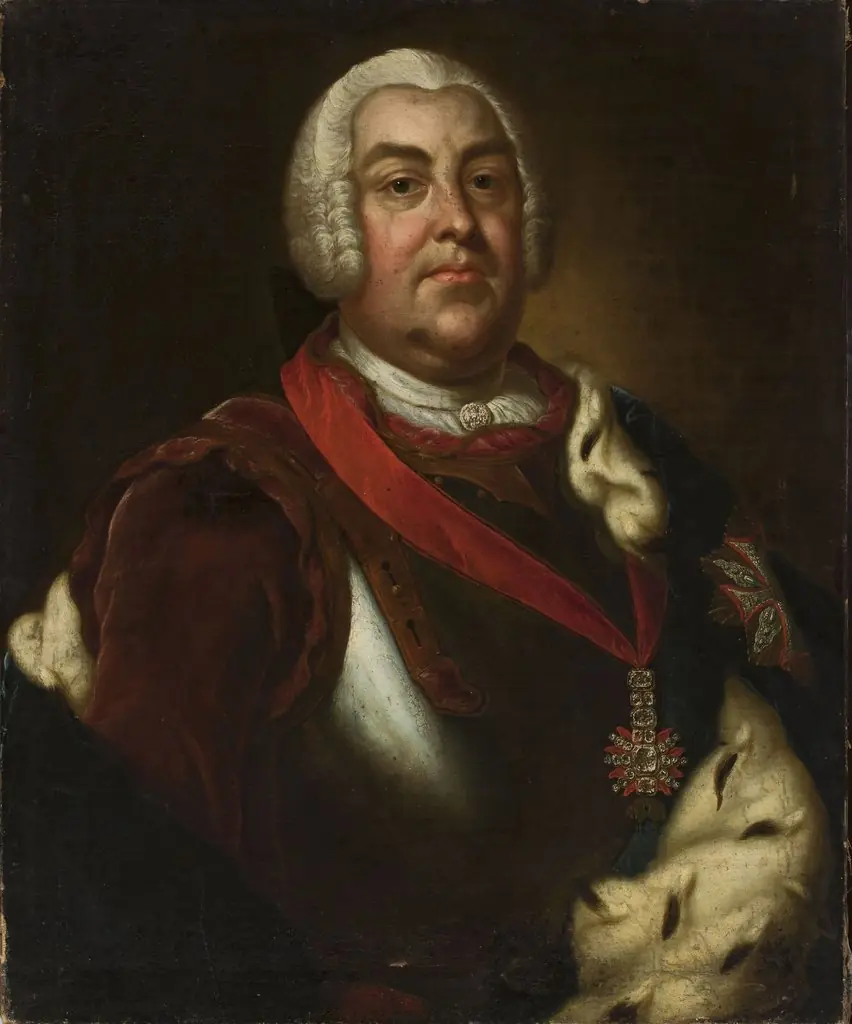 Portrait of Augustus III the Saxon, King of Poland
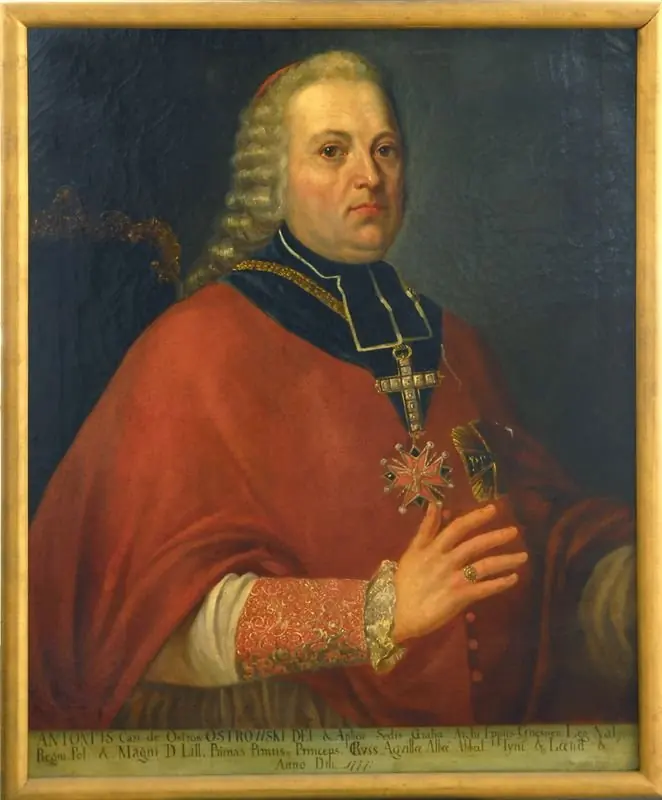 Portrait of Antoni Ostrowski, archbishop of Gniezno
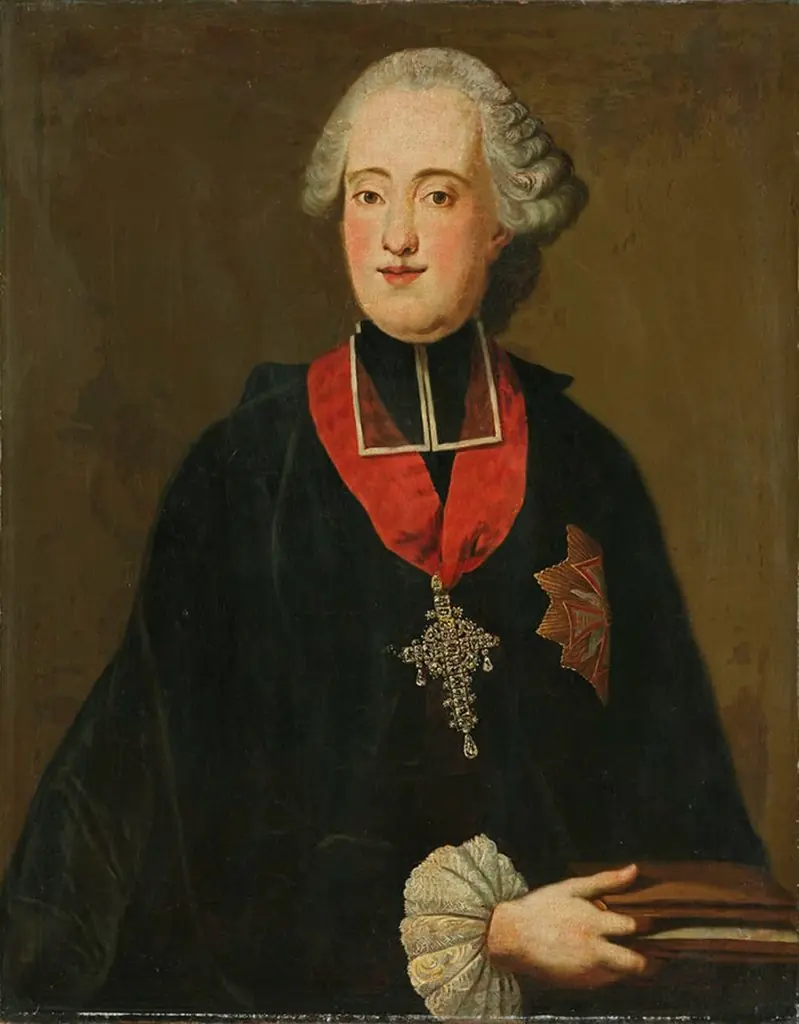 Bildnis des Clemens Wenzeslaus, Bischof von Freising, Regensburg und Augsburg
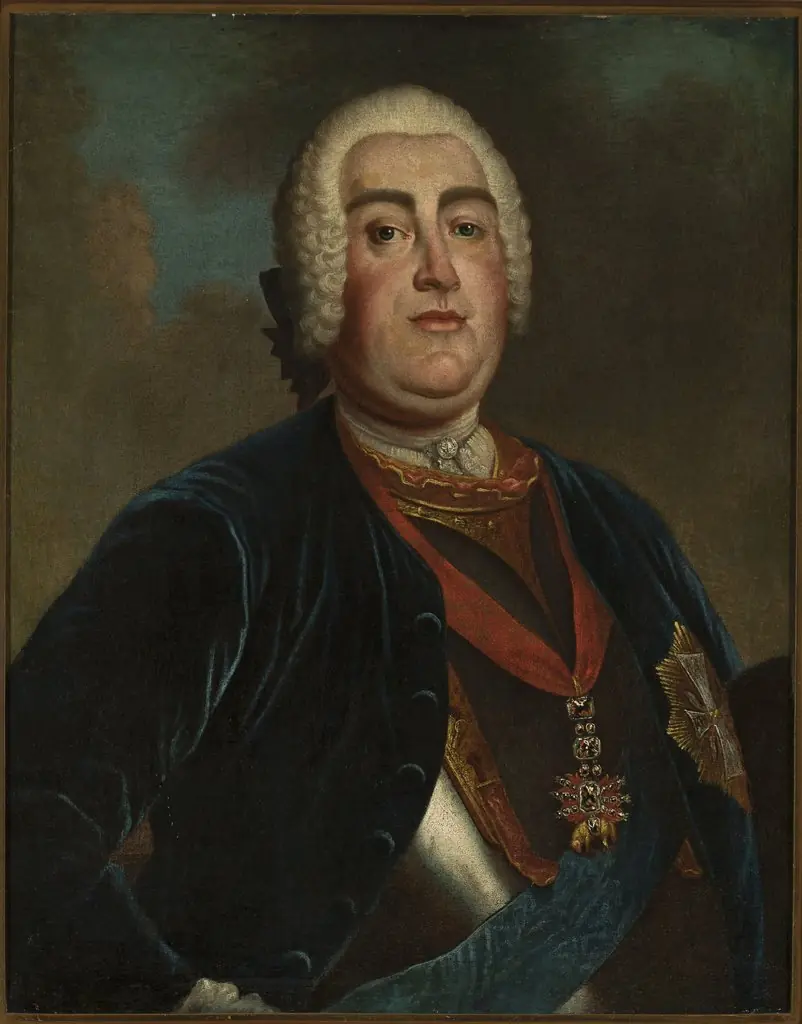 Portrait of Augustus III
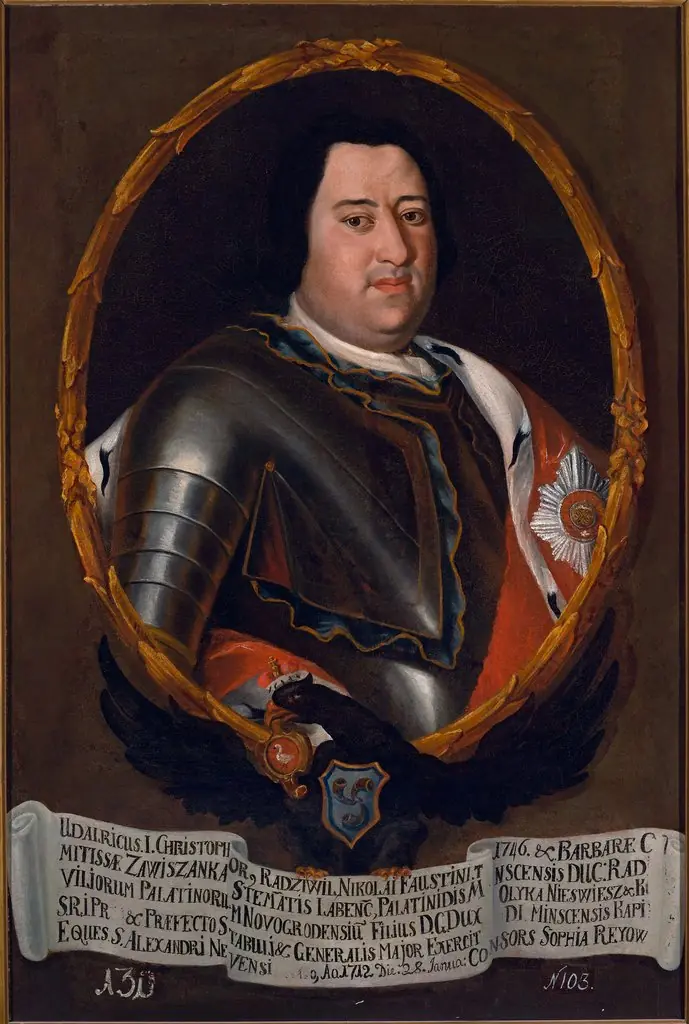 Portrait of Udalryk I Krzysztof Radziwiłł (1712–1770)
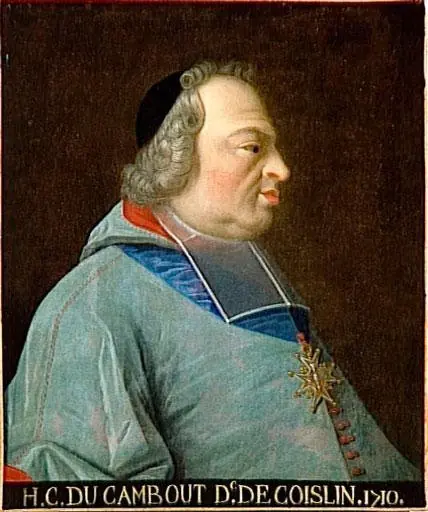 Henri-Charles du Cambous (1665-1732), duc de Coislin (1710), prélat français
 Portrait of Johannes Camprich van Cronefelt, Knight of the Order of St. Maurice and St. Lazarus, Imperial German Ambassador to The Hague