Artwork
Portrait of Diederick Hoeufft (1571-1634)
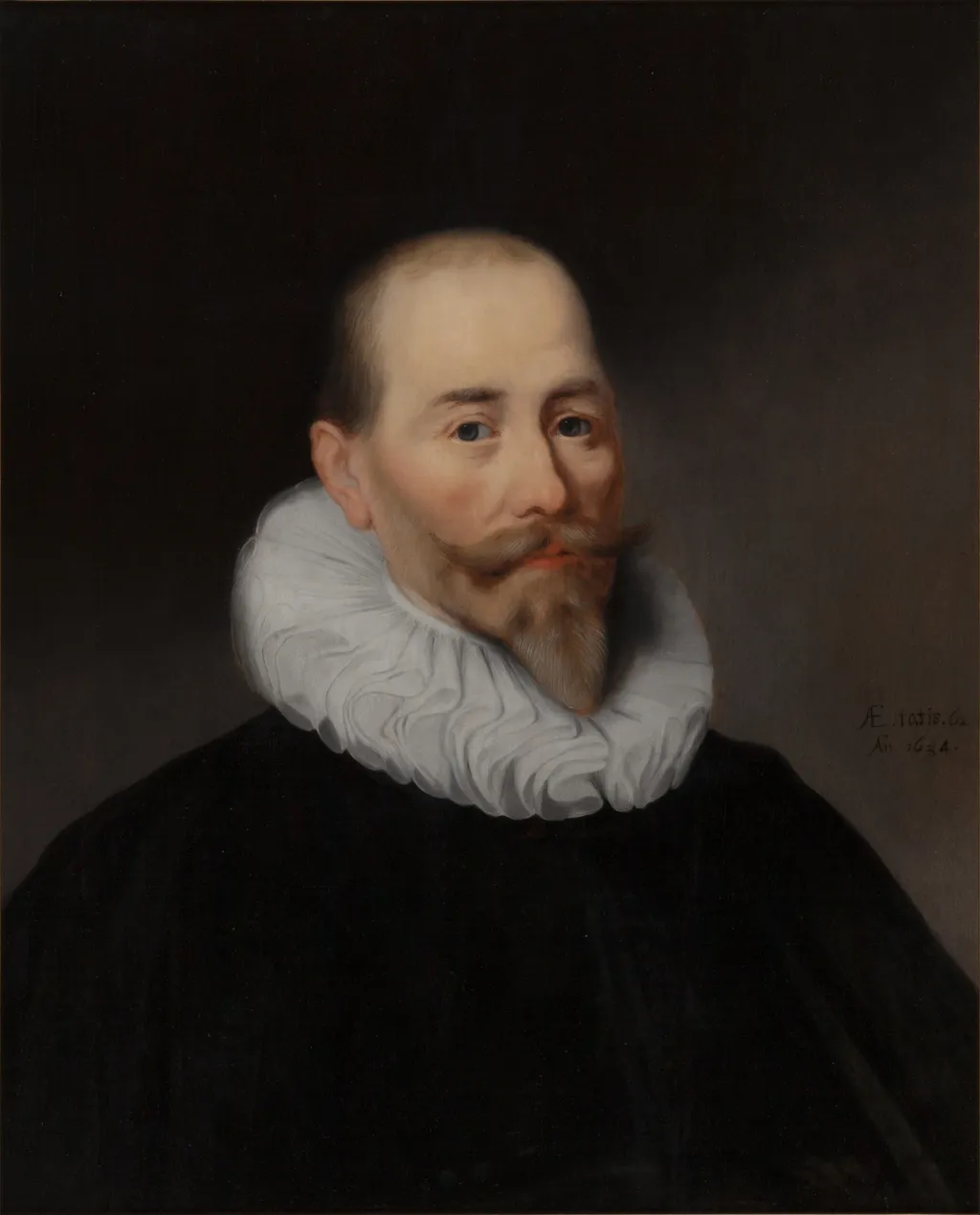
Portrait of Diederick Hoeufft (1571-1634) is an oil painting by the Dutch Golden Age artist Unknown. It dates from 1634 and is held in the collection of the Rijksmuseum.
About this work
Technique & Style
The work measures 75 cm in height and 61 cm in width, reflecting its scale typical of 17th-century Dutch portraiture.
Portrait of Diederick Hoeufft (1571-1634) is an oil painting executed on wooden panel. The work measures 75 cm in height and 61 cm in width, reflecting its scale typical of 17th-century Dutch portraiture. Its formal qualities include restrained brushwork and a focus on capturing the sitter’s dignified presence, aligning with contemporary portrait conventions in the Northern Low Countries.
The painting’s condition and handling history are tied to its inclusion in the Rijksmuseum depot collection, suggesting careful preservation within institutional storage.
History & Provenance
Created in 1634 within the Northern Low Countries, this oil painting on panel depicts Diederick Hoeufft. The work is currently held within the combined collections of the Rijksmuseum, the Cultural Heritage Agency of the Netherlands, and the Instituut Collectie Nederland, where it is stored in the Rijksmuseum depot managed by the RCE. While the specific original commissioner and the detailed chain of ownership prior to these institutional holdings are not recorded in the available documentation, the piece is cataloged as an anonymous work. The portrait measures 75 cm in height and 61 cm in width.
Overview
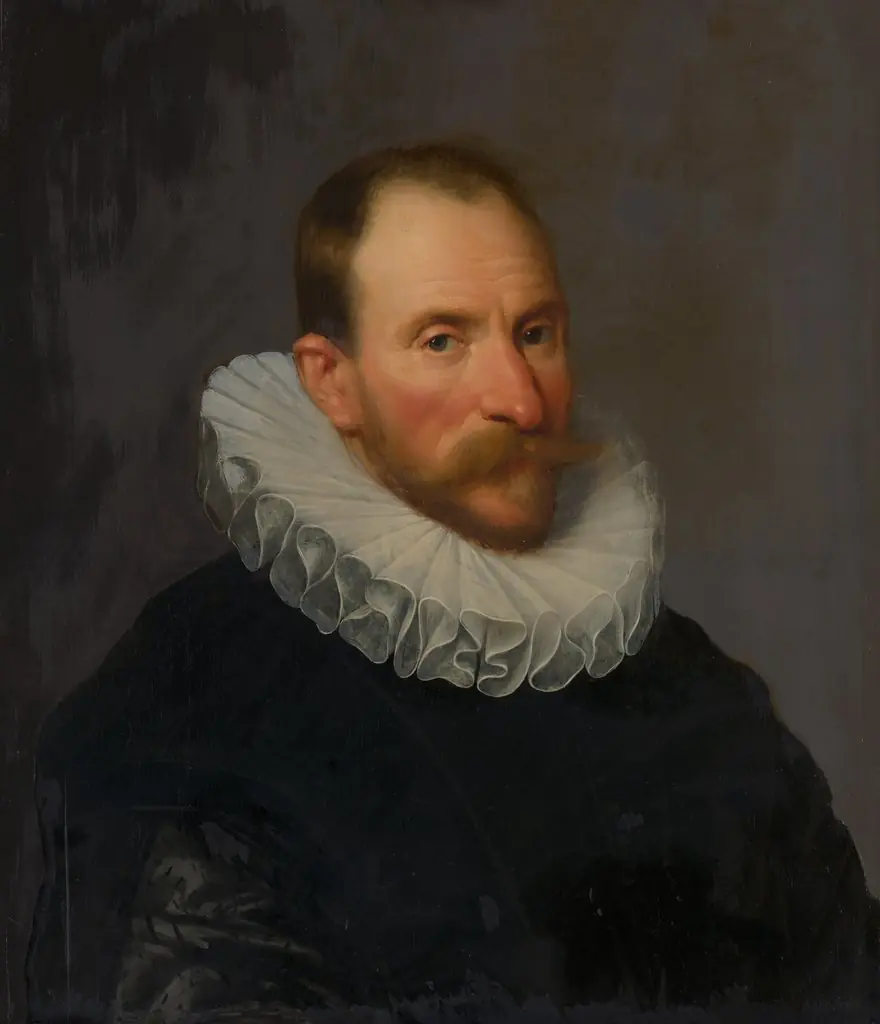
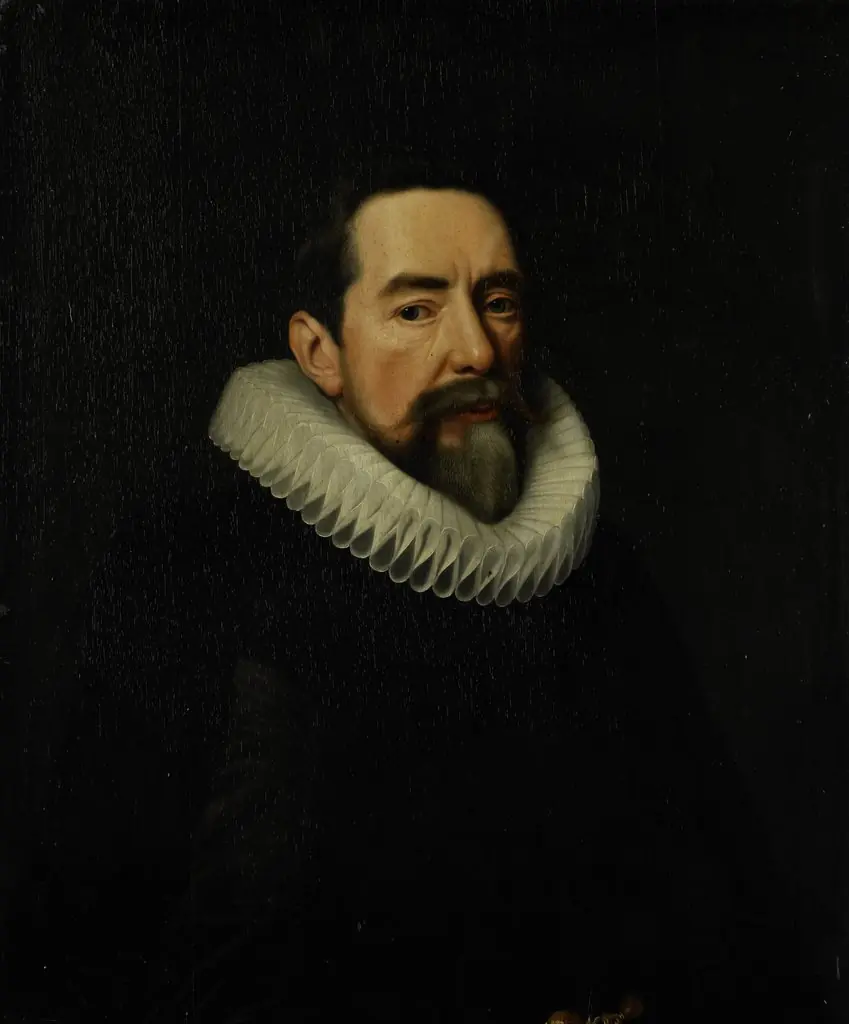
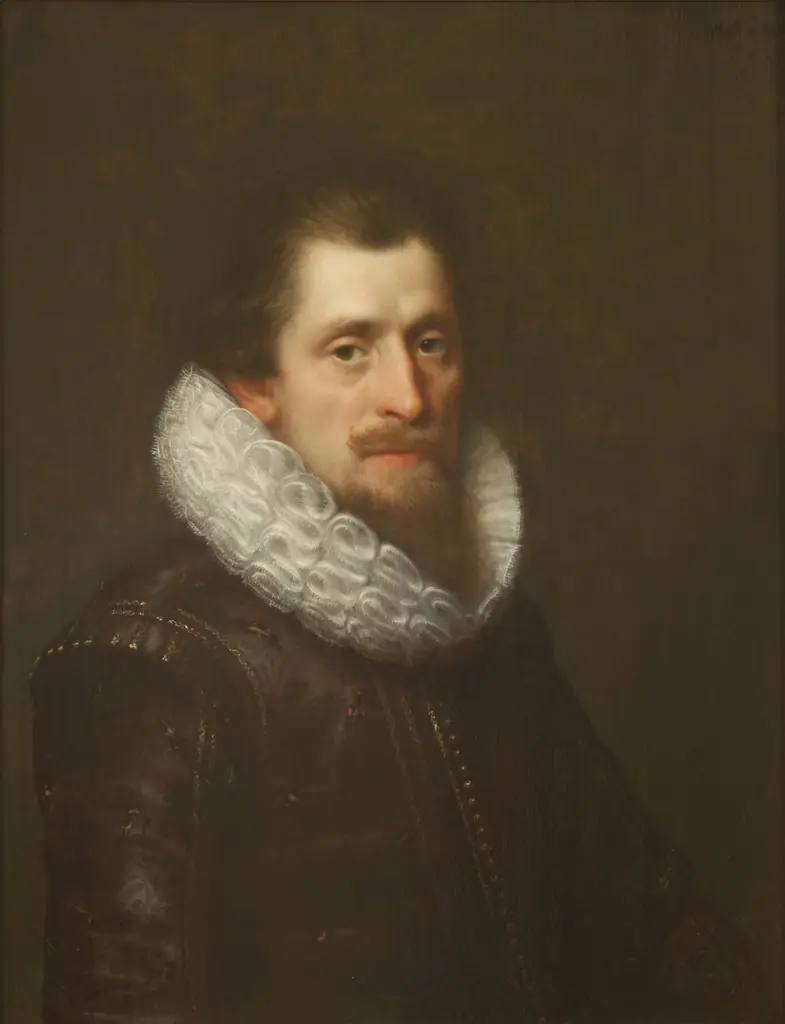
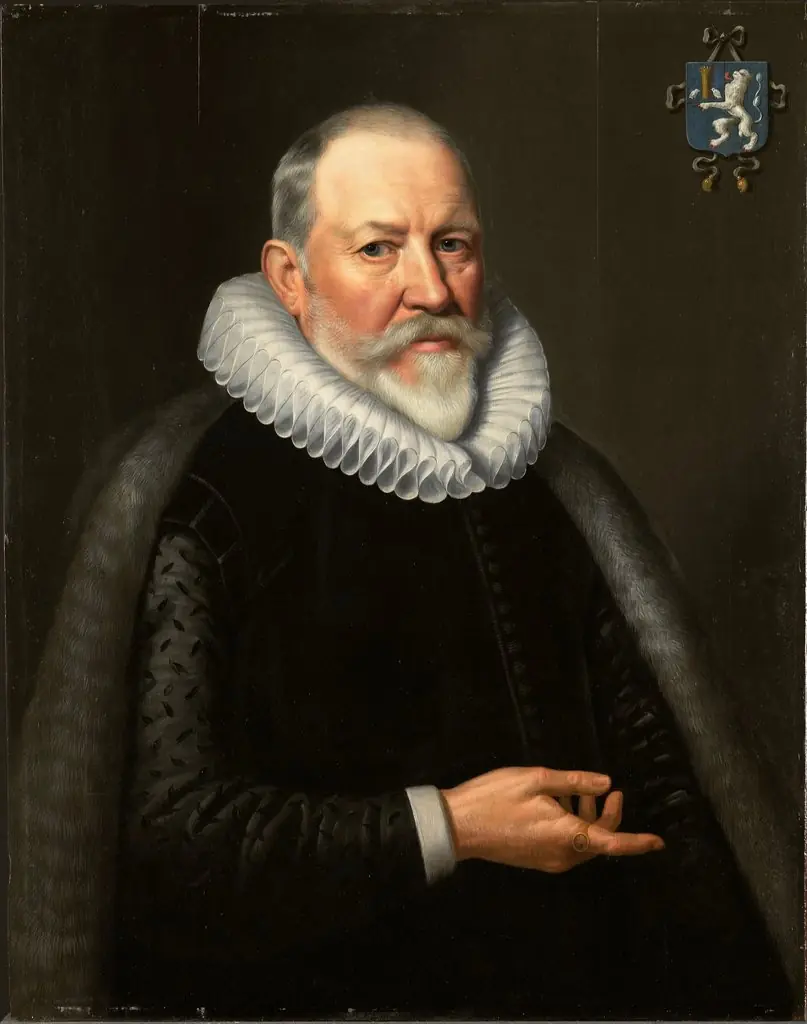
This portrait depicts Diederick Hoeufft, a man of prominence, captured in a close-up format that emphasizes his facial features and upper torso. Executed in oil paint, the work showcases a subject characterized by a round face, full white beard, neatly trimmed mustache, and distinctive attire including a large white ruff collar and a dark draped garment.
Subject & Meaning
Diederick Hoeufft (1571-1634), the subject, is portrayed with dignity, suggesting a figure of respectability or authority in his time. The simplicity of the composition and the focus on his likeness imply the painting's primary purpose was to convey his identity and status rather than narrate a scene or evoke a specific emotion beyond contemplation.
Context
Given the subject's attire and the painting style, the work is likely from the early 17th century, aligning with the Dutch Golden Age of painting. The use of chiaroscuro and the focus on individual portraiture reflect artistic influences of the time, possibly hinting at connections to broader European portrait traditions.
Legacy
The enduring appeal of this portrait lies in its masterful use of light and shadow, contributing to the broader legacy of chiaroscuro in art history. While its direct influence on subsequent artworks is not detailed here, it remains a testament to the timeless appeal of well-crafted portraiture in capturing the essence of its subjects.
Artist & collection