Artwork
Portrait of Prince Kazimierz Nestor Sapieha (1757–1798)
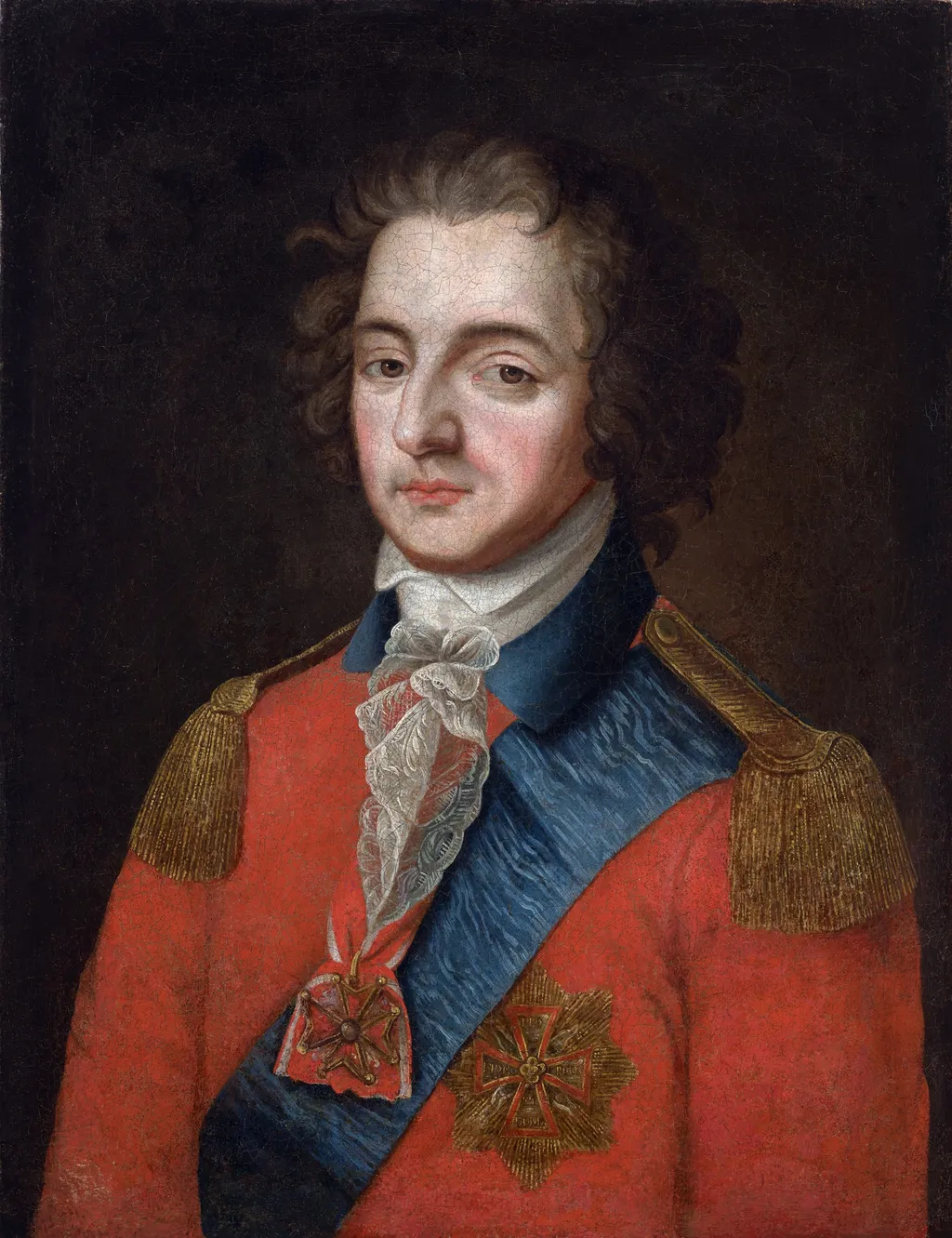
Portrait of Prince Kazimierz Nestor Sapieha (1757–1798) is an oil painting by Unknown. It dates from 1800 and is held in the collection of the National Museum in Kraków. This oil painting depicts Prince Kazimierz Nestor Sapieha, a Polish nobleman and military officer, rendered in formal portraiture style.
About this work
Overview
This oil painting depicts Prince Kazimierz Nestor Sapieha, a Polish nobleman and military officer, rendered in formal portraiture style. The composition centers on his upright posture and direct gaze, emphasizing dignity and authority. The dark background isolates the figure, focusing attention on his attire and facial expression without distraction.
Subject & Meaning
His serious expression conveys solemn responsibility, aligning with the expectations of nobility during a period of political instability.
Prince Sapieha is portrayed in his military uniform, signaling his role in the Polish-Lithuanian Commonwealth’s armed forces. The red jacket, gold epaulets, and blue sash denote rank and affiliation, while the white lace cravat reflects aristocratic refinement. His serious expression conveys solemn responsibility, aligning with the expectations of nobility during a period of political instability.
Technique & Style
The artist employs chiaroscuro to model the figure against the dark backdrop, enhancing volume and depth. Brushwork is precise in rendering textures, metallic epaulets, fine lace, and woven fabric, while the face is rendered with subtle tonal transitions. The composition follows classical portraiture conventions, prioritizing clarity and restraint over embellishment.
History & Provenance
Commissioned during the late 18th century, the portrait likely originated in the Sapieha family’s private collection in the Polish-Lithuanian Commonwealth. Its survival through partitions and upheavals suggests it was preserved by descendants or institutional collectors, though specific ownership records prior to modern cataloging remain limited.
Context
Painted in the decades before the Third Partition of Poland, this portrait reflects the persistence of aristocratic identity amid declining sovereignty. Military dress in portraiture was common among nobles who held state offices, blending personal prestige with public duty. The restrained style contrasts with the ornate tendencies of earlier Baroque portraiture, signaling a shift toward Neoclassical ideals.
Legacy
The portrait serves as a visual record of a Polish nobleman during a turbulent era, preserving details of uniform, etiquette, and self-presentation among the elite. It contributes to the study of Polish aristocratic culture and the role of portraiture in affirming status when political power was waning.
Artist & collection









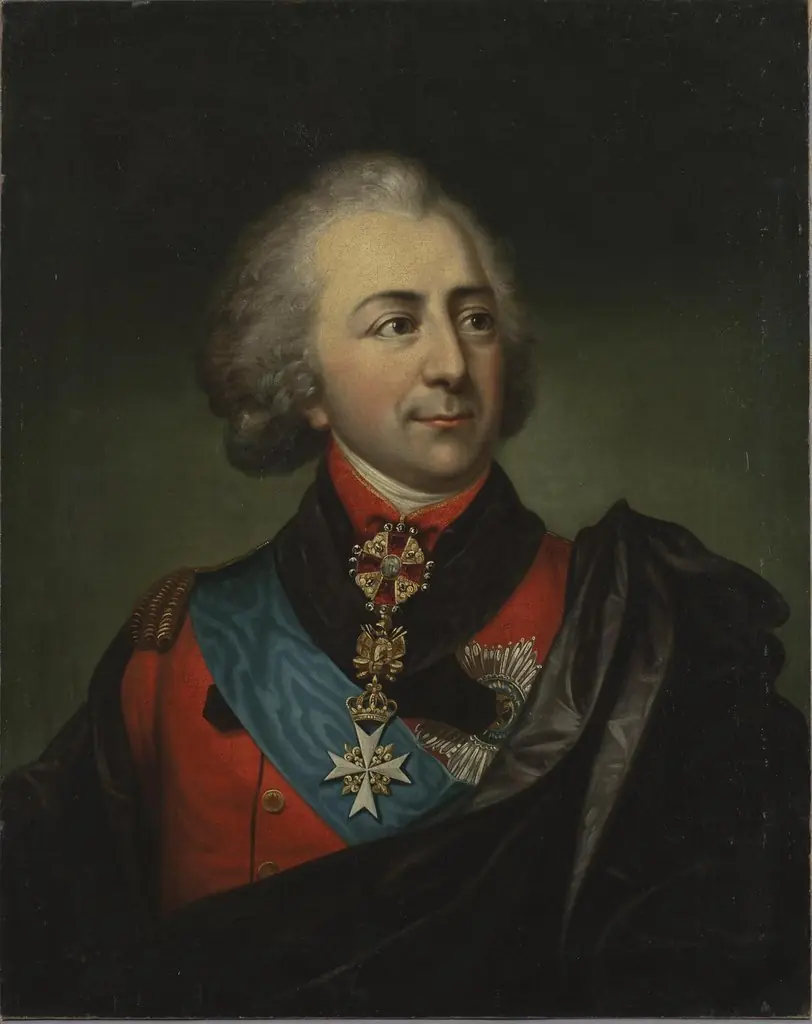 Portrait of Count Ivan Kutaisov
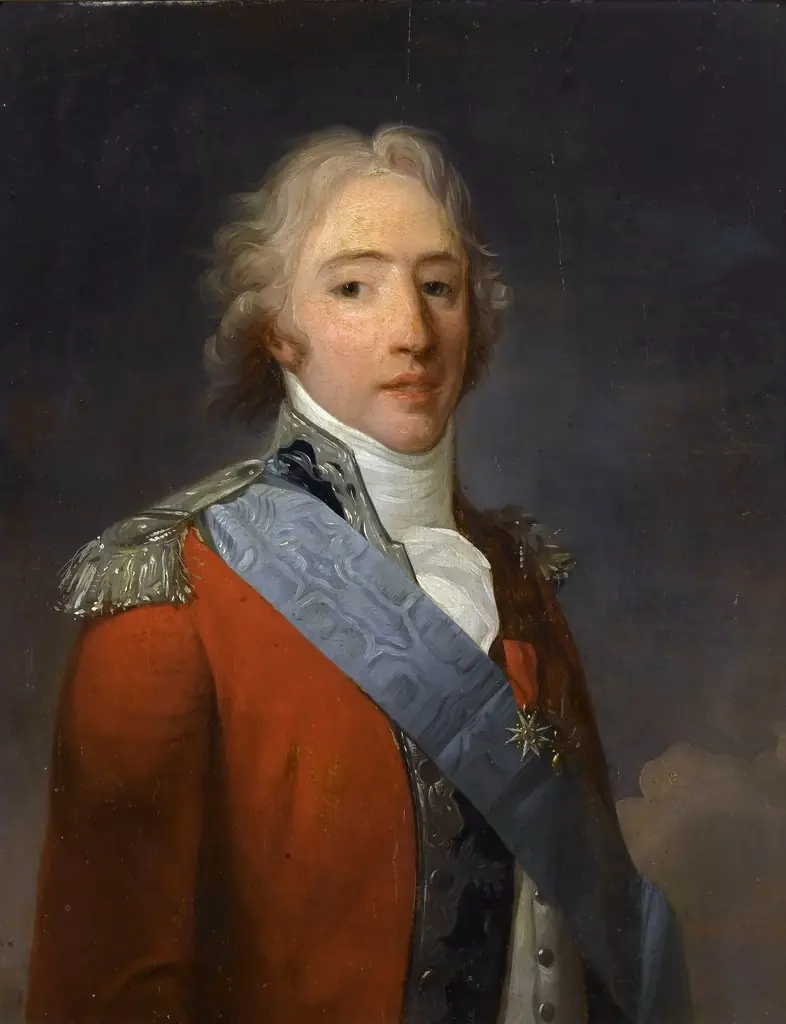 Charles Philippe de France, comte d'Artois (1757-1836)
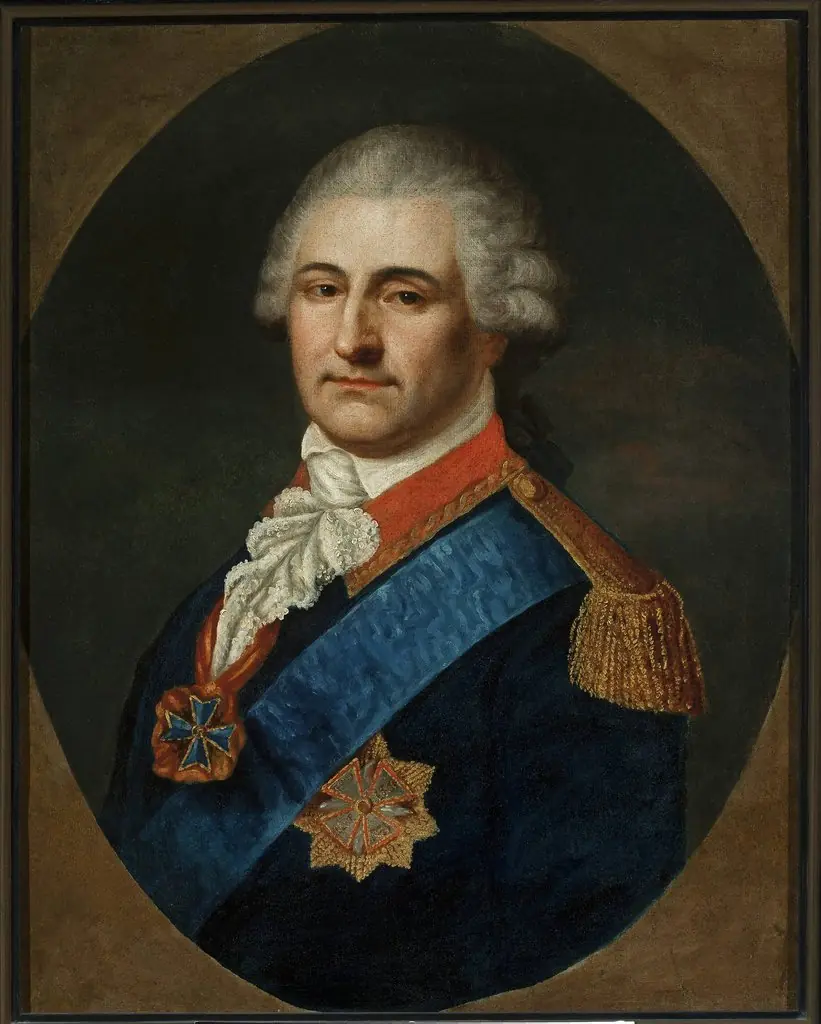 Portrait of Stanisław August Poniatowski in the general’s uniform
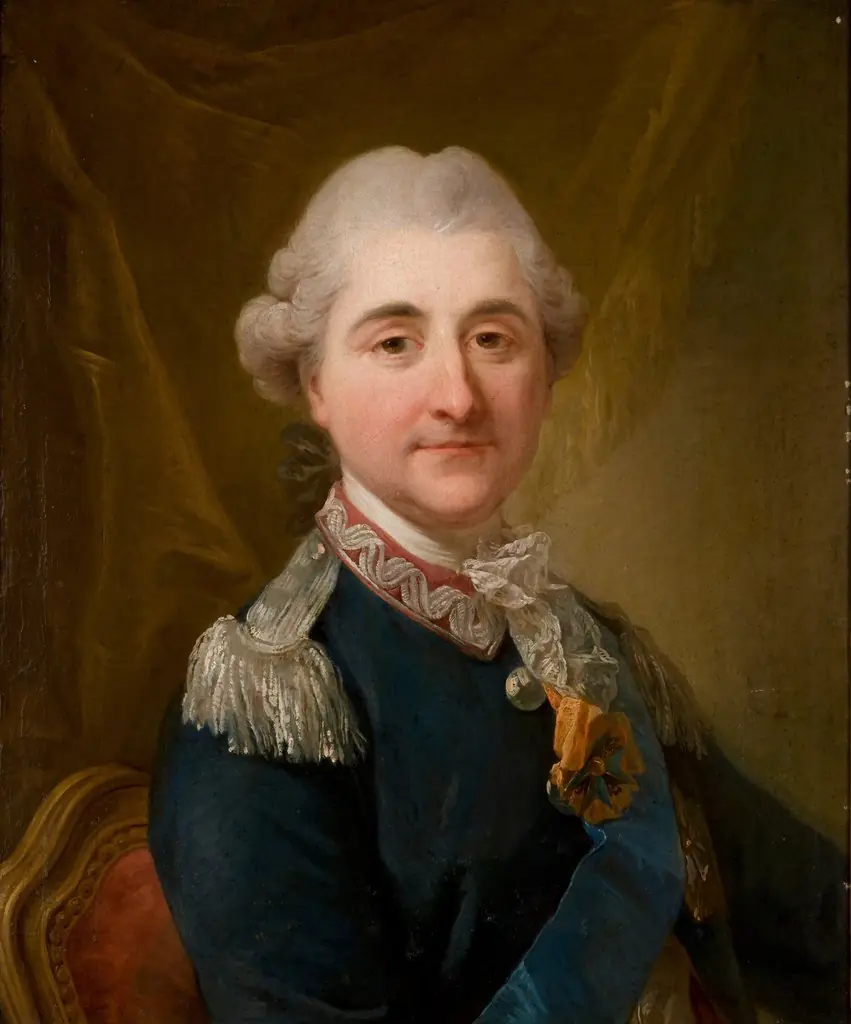 Portrait of King Stanislaus Augustus Poniatowski
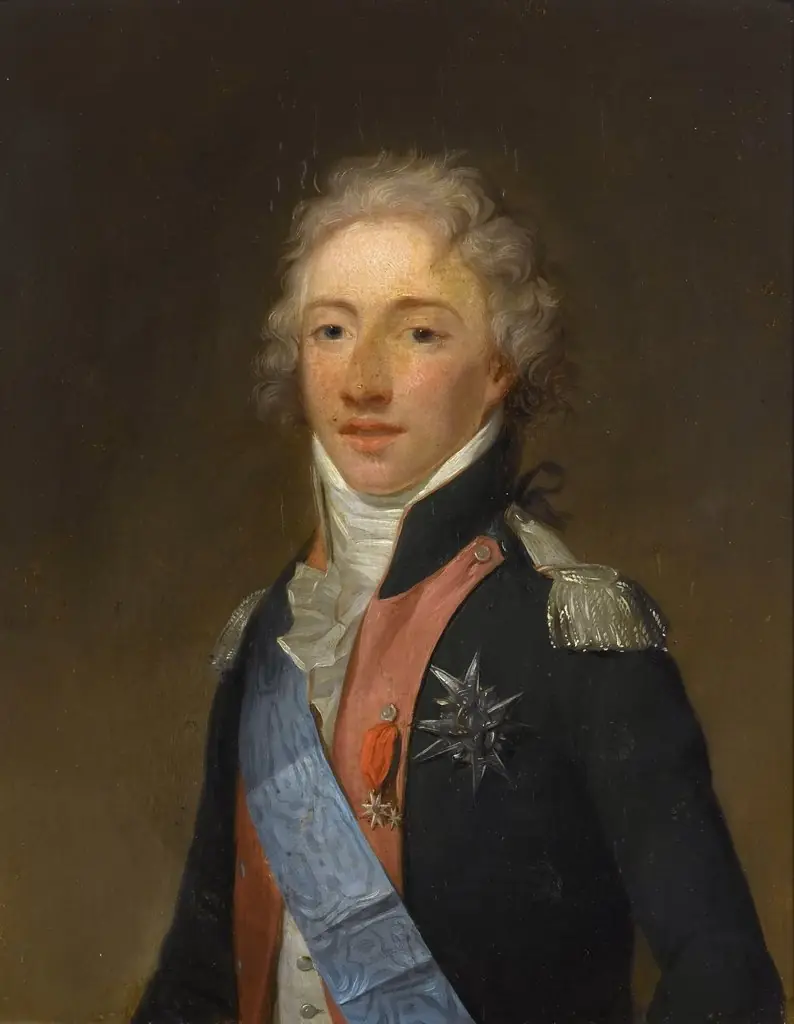 Louis-Antoine d’Artois, duc d’Angoulême (1775-1844)
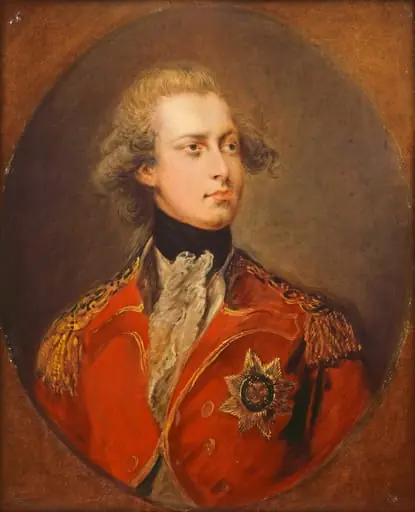 George IV as Prince of Wales
 Gustav III (1746–1792), King of Sweden
 Portrait of Primate Michał Poniatowski
 Portrait of Stanisław August Poniatowski
 Portrait of Count N.P.Sheremetev