Artwork
Portrait of Tadeusz Czacki (1765–1813)
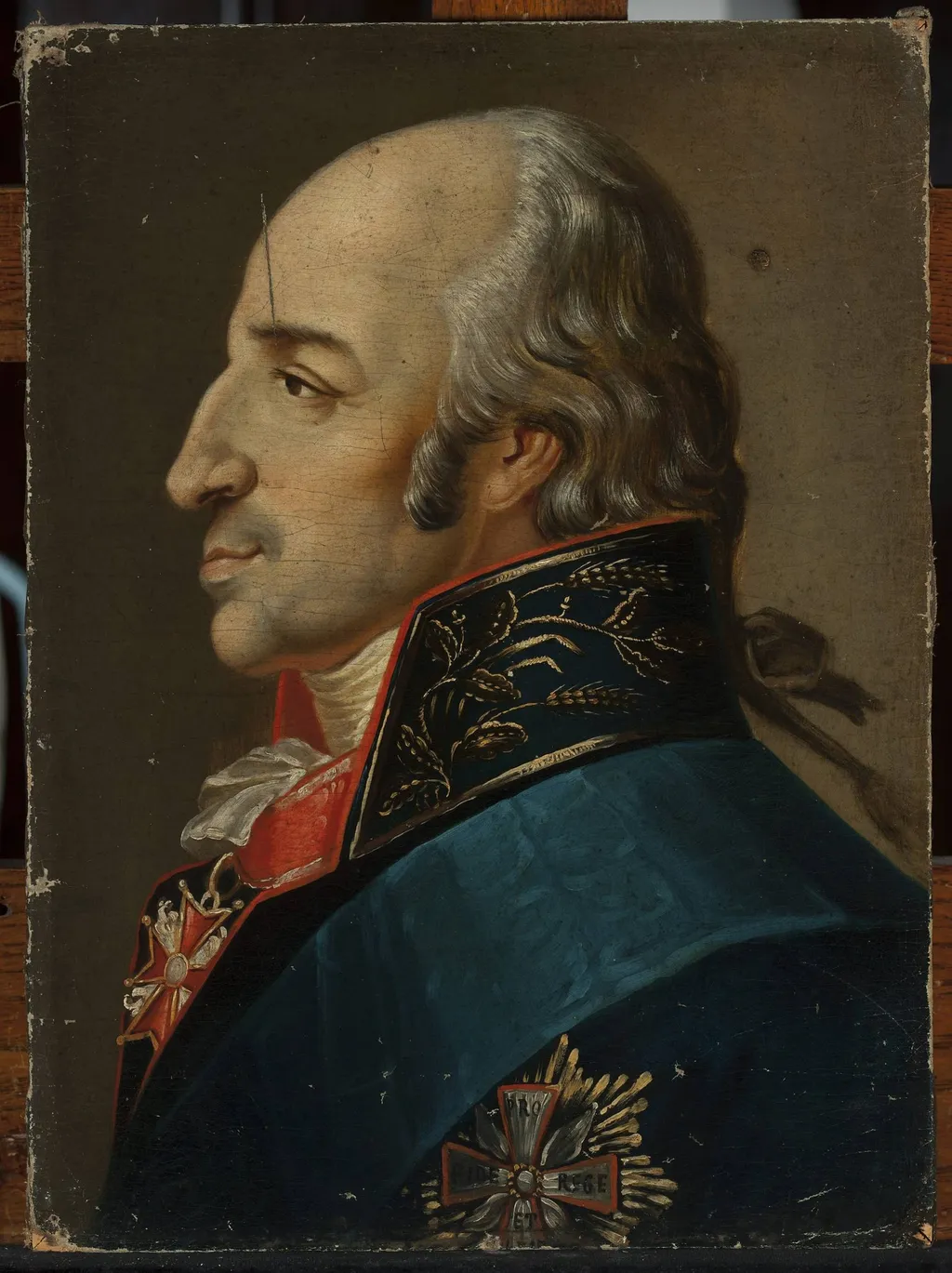
Portrait of Tadeusz Czacki (1765–1813) is an oil painting by the Neoclassicist artist Unknown. It dates from 1800 and is held in the collection of the National Museum in Warsaw. The work is an oil portrait depicting Tadeusz Czacki, a Polish scholar and statesman who lived from 1765 to 1813.
About this work
Overview
The Portrait of Tadeusz Czacki (1765-1813) is an oil-on-canvas painting dated to 1800, depicting the Polish historian, educator, and statesman in profile.
The Portrait of Tadeusz Czacki (1765-1813) is an oil-on-canvas painting dated to 1800, depicting the Polish historian, educator, and statesman in profile. The work, by an unknown artist, measures 47.5 by 35 centimeters and is held in the collection of the National Museum in Warsaw. It belongs to a significant body of portraiture documenting the Polish-Lithuanian Commonwealth's intellectual and political elite during the period of the Partitions, preserving the visual identity of a figure central to Polish educational reform and constitutional history.
Subject & Meaning
Tadeusz Czacki (1765-1813) was a historian, educator, and co-creator of the Constitution of 3 May 1791, as well as a member of the National Education Commission. The portrait presents him in left-facing profile, a format that evokes classical precedents and suggests dignity and permanence. His attire carries substantial symbolic weight: the dark blue coat with its high collar embroidered in gold floral and leaf patterns, the bright blue sash crossing from the right shoulder, and particularly the two visible decorations, the Order of the White Eagle and the Order of St. Stanisław, assert his service to the Polish state and his standing within the aristocratic hierarchy. The cross-shaped medal with radiating gold rays bearing the inscription 'REGE' on his chest further emphasizes royal or state recognition. The profile format, rather than a three-quarter view, may reflect the Polish miniature tradition and serves to document the subject with documentary clarity rather than psychological intimacy. The plain, dark brown background isolates the figure, directing attention entirely to the insignia of office and the physiognomy of a man whose intellectual contributions shaped Polish national consciousness.
Technique & Style
The painting is executed in oil on canvas, a standard support for formal portraiture of this era. The handling of paint varies across the surface: the face is rendered with smooth, controlled brushwork that models the prominent forehead and receding gray hair with subtle gradations of light and shadow, while the sash and background receive more textured treatment. Light enters from the left, illuminating the forehead, nose, and cheek while casting the background into shadow, a conventional device that lends sculptural volume to the profile. The hair, tied with a black ribbon and curling at the back, is described with fine detail. The paint surface exhibits fine craquelure throughout, consistent with its age, and some paint loss is visible along the edges, suggesting frame abrasion or historical wear. The overall effect is one of restrained formality, characteristic of early nineteenth-century Polish aristocratic portraiture, where the accurate depiction of rank and decoration took precedence over expressive or experimental technique.
History & Provenance
The painting is dated to 1800, during Czacki's lifetime, though the circumstances of its commission remain unknown. The work was part of the Józef Chynowski collection, a significant assemblage documenting aristocratic and male portraiture traditions in Poland. It subsequently entered the collection of the National Museum in Warsaw, where it remains. The accession details are not specified in the available sources. The portrait has been exhibited and reproduced in contexts related to Polish cultural heritage, including digital dissemination through museum and stock photography channels. A later portrait of Czacki was created in 1818 by David Weiss and Stanisław Bali, indicating sustained interest in representing this figure after his death, but this 1800 likeness preserves a contemporary image from his own era.
Legacy
The portrait has assumed importance as a primary visual document of Tadeusz Czacki, one of the most influential Polish intellectuals of the late Enlightenment. Its preservation in the National Museum in Warsaw ensures continued public access and scholarly attention. The work's afterlife is intertwined with Czacki's own legacy as an educator and historian; it serves as a tangible connection to a figure who helped shape Polish educational institutions and constitutional traditions. The painting has been reproduced in digital collections and stock photography, extending its reach beyond the museum walls. Its inclusion in the Józef Chynowski collection before museum acquisition indicates its recognition as a significant artifact of Polish aristocratic and intellectual heritage. The existence of later portraits, including the 1818 version by Weiss and Bali, demonstrates that this 1800 image participated in an ongoing process of memorializing Czacki for subsequent generations. As Polish cultural institutions continue to document and interpret the period of the Partitions, this portrait retains value as both an art historical object and a piece of national heritage.
Artist & collection









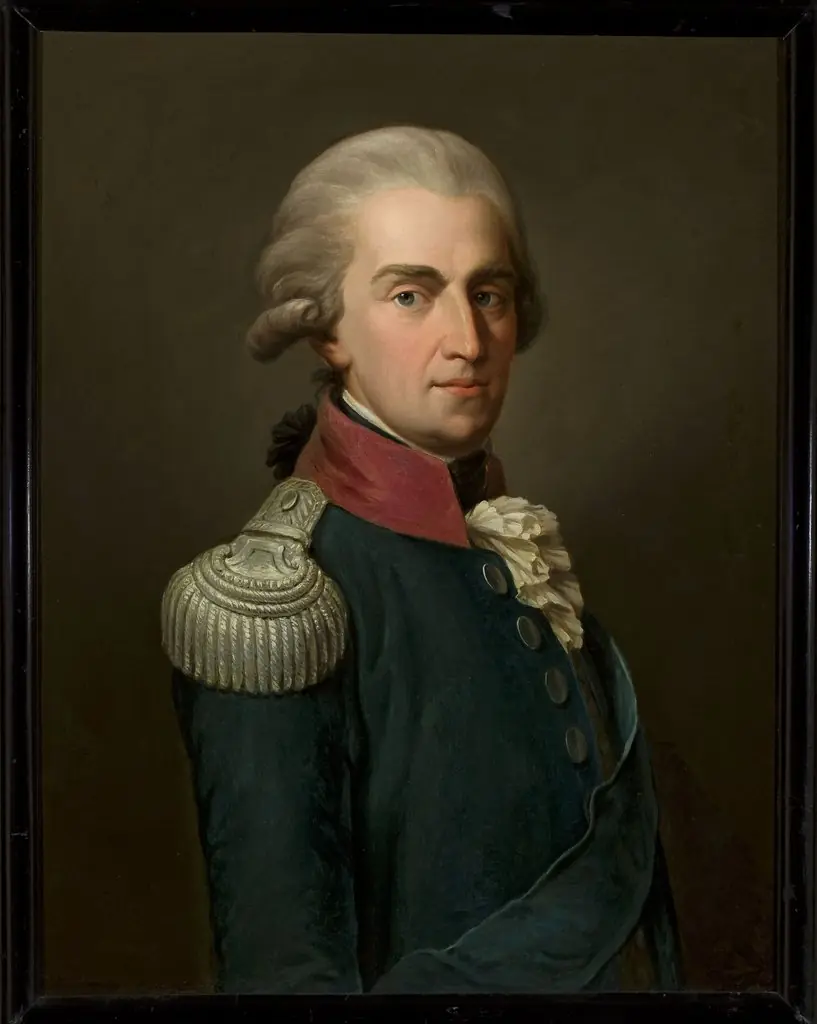 Portrait of Frederick Augustus, Duke of Warsaw
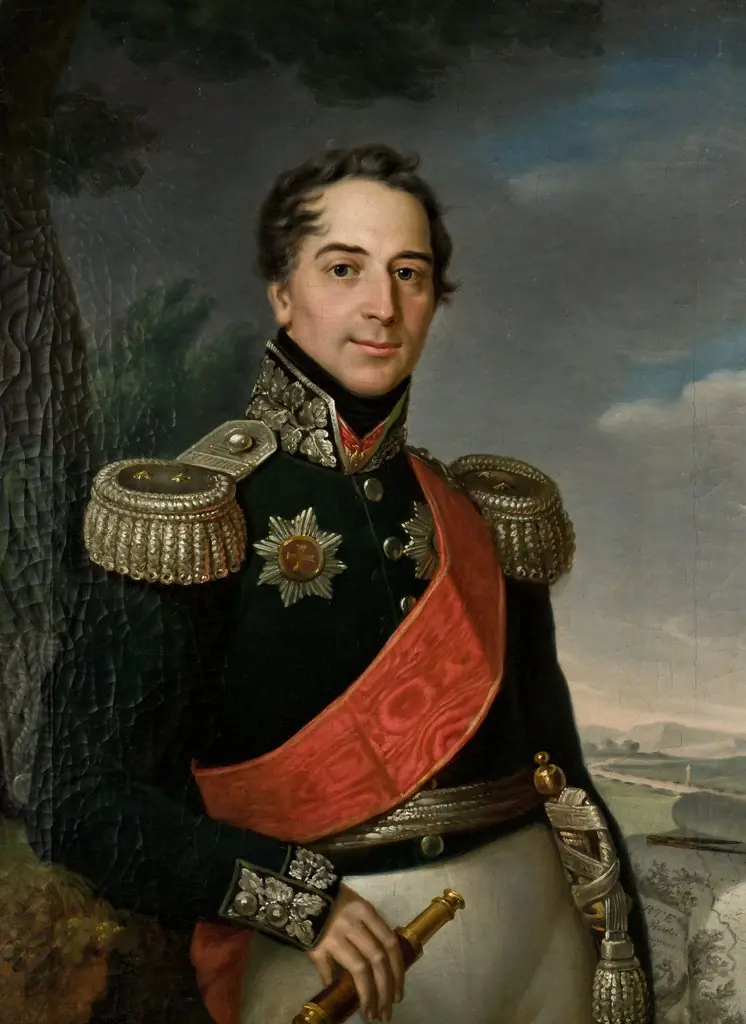 Portrait of Franciszek Ksawery Christiani
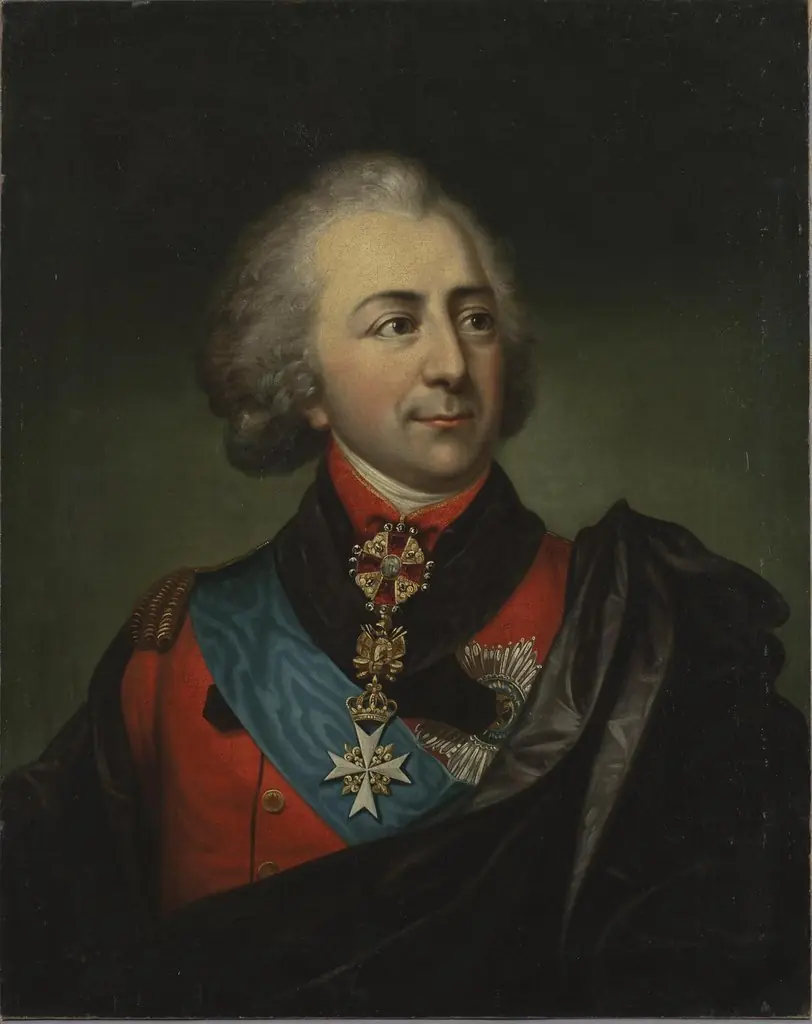 Portrait of Count Ivan Kutaisov
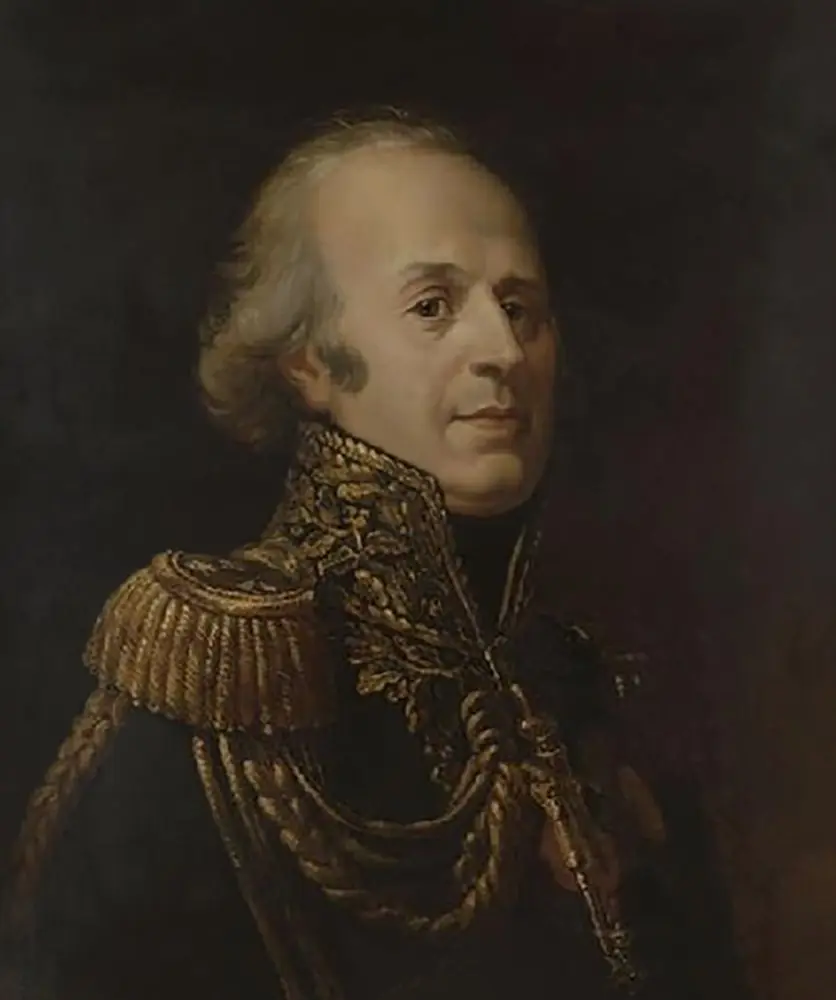 Louis-Marie-Jacques-Almaric, comte de Narbonne-Lara
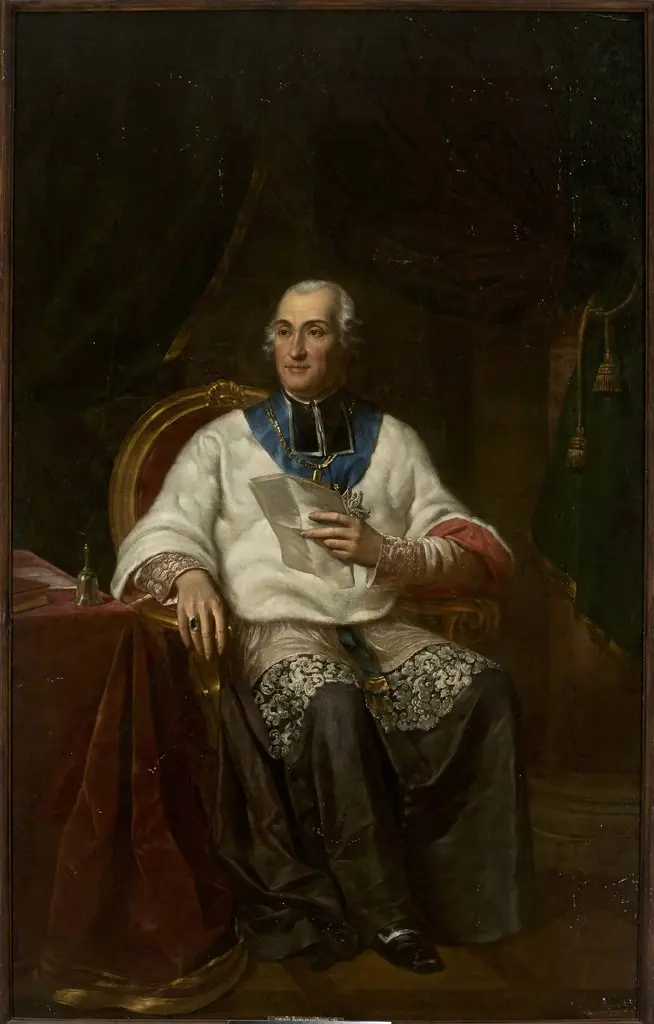 Portrait of Adam Krasiński (1714–1800), bishop of Kamieniec
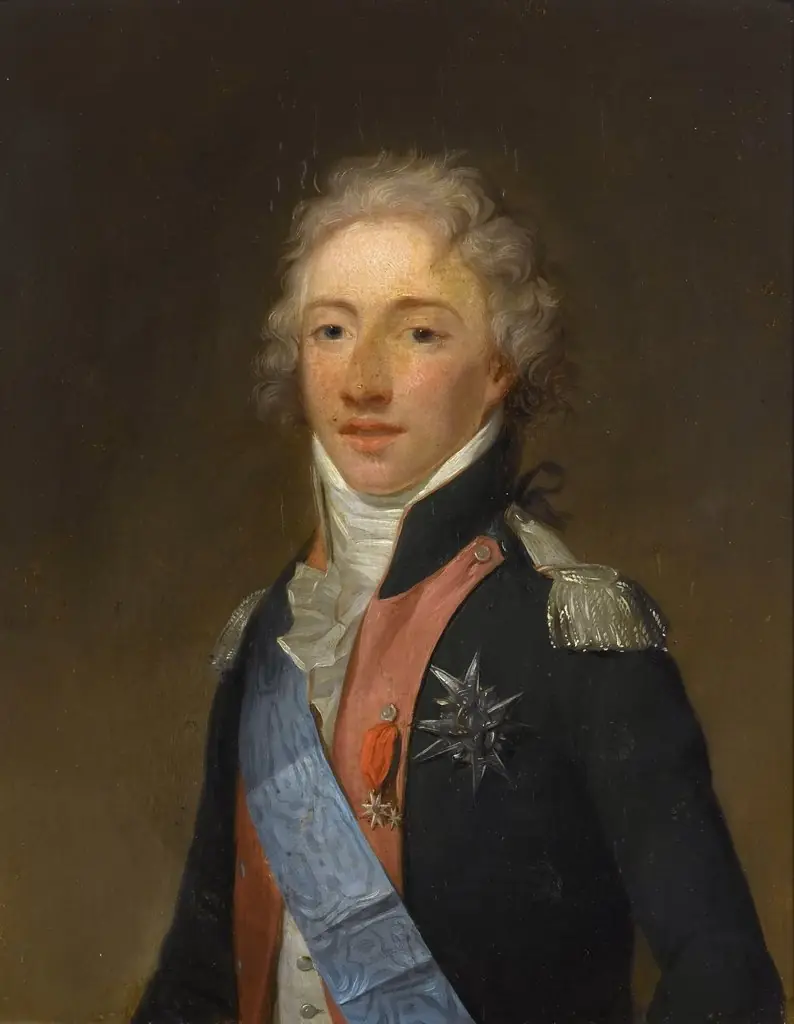 Louis-Antoine d’Artois, duc d’Angoulême (1775-1844)
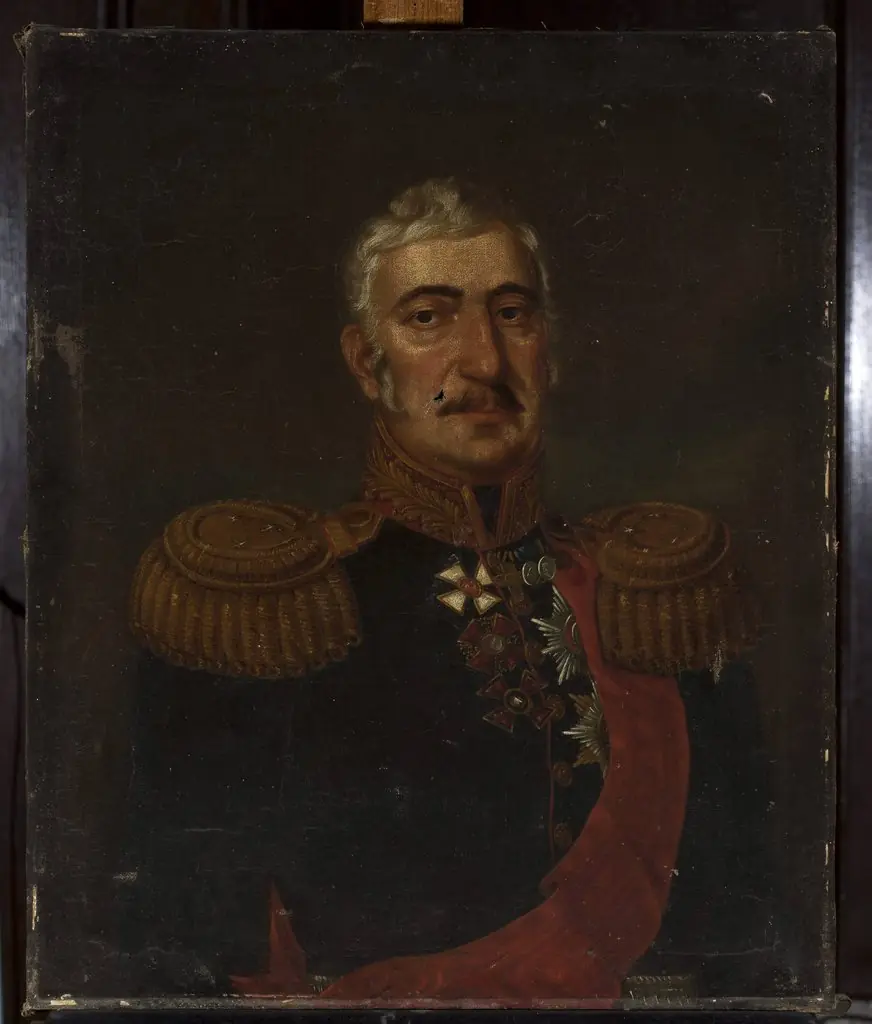 Portrait of Geronimo Savoini (1766–1836)
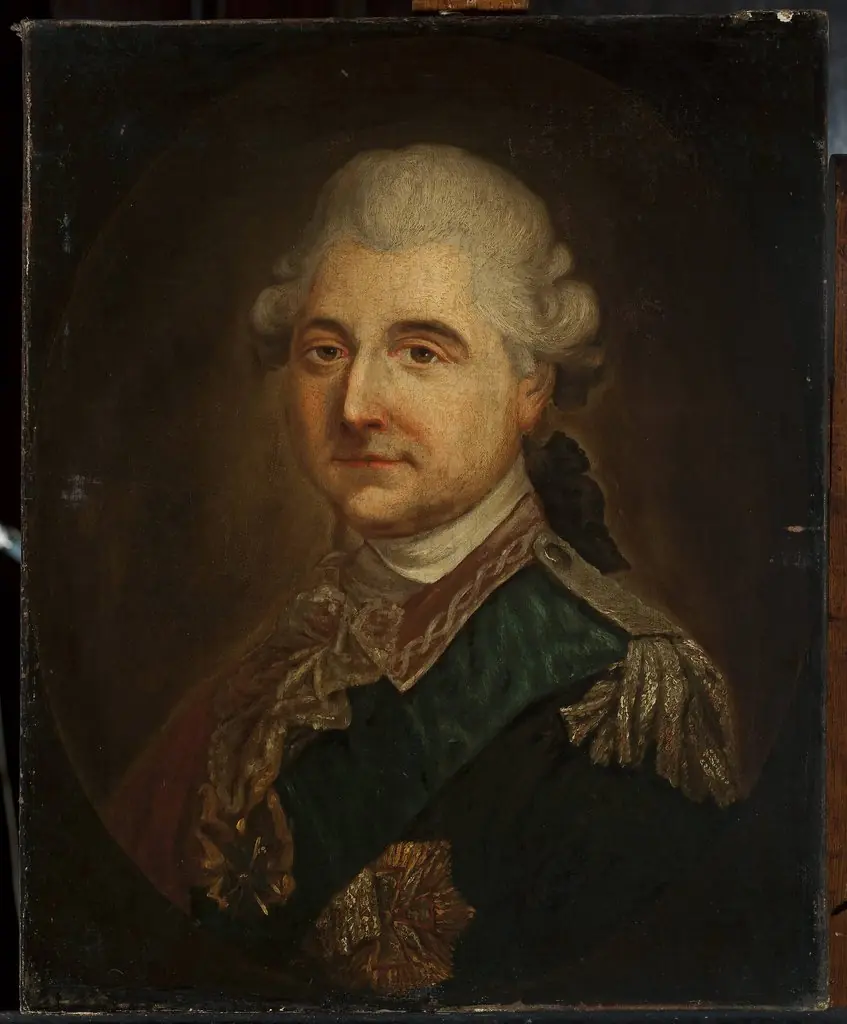 Portrait of Stanisław August Poniatowski in the uniform of the head of the Corps of Cadets
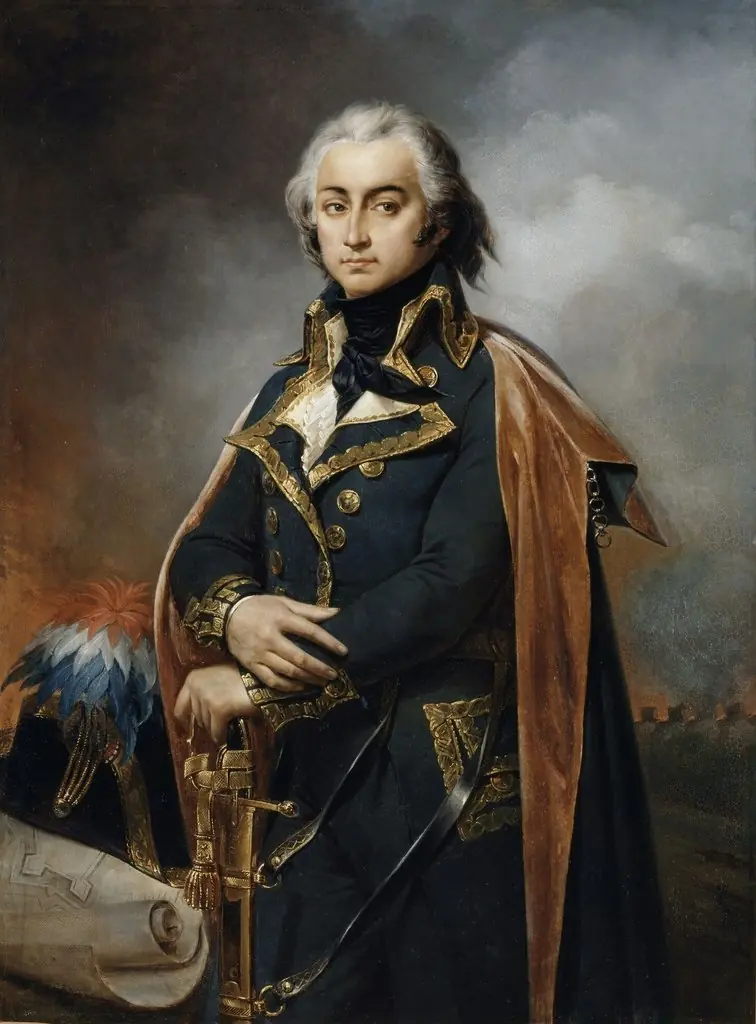 Cyrus-Marie-Adélaïde de Timbrune, Count of Valence, General-in-Chief of the Army of the Ardennes
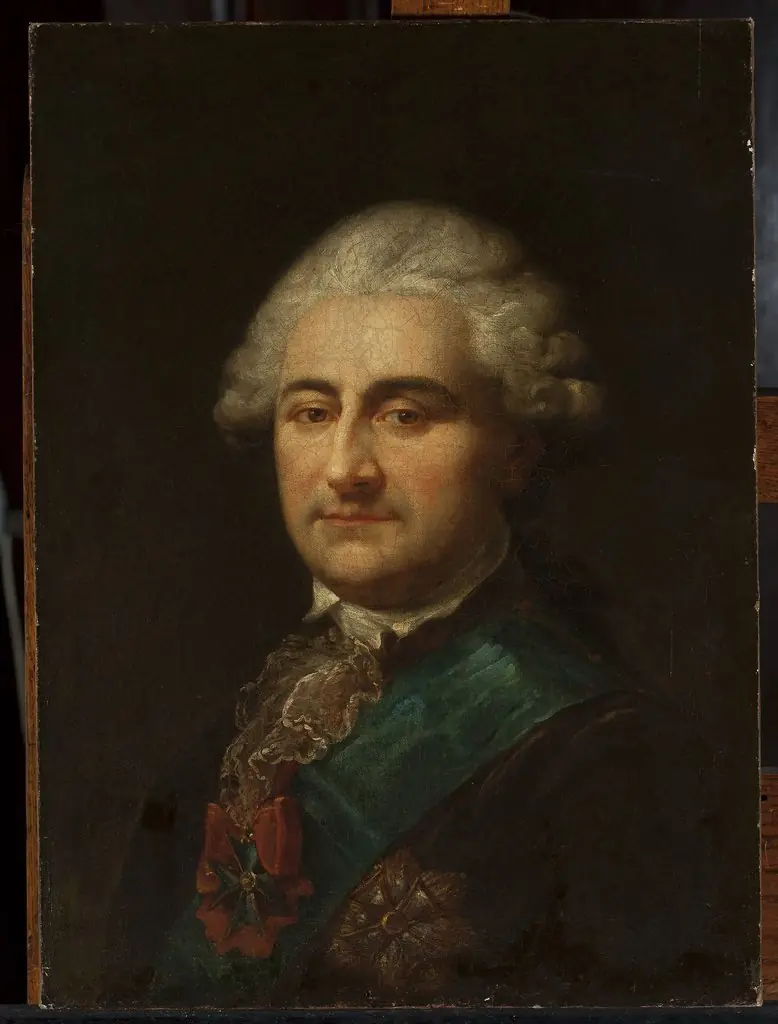 Portrait of Stanisław August Poniatowski with the Order of the White Eagle
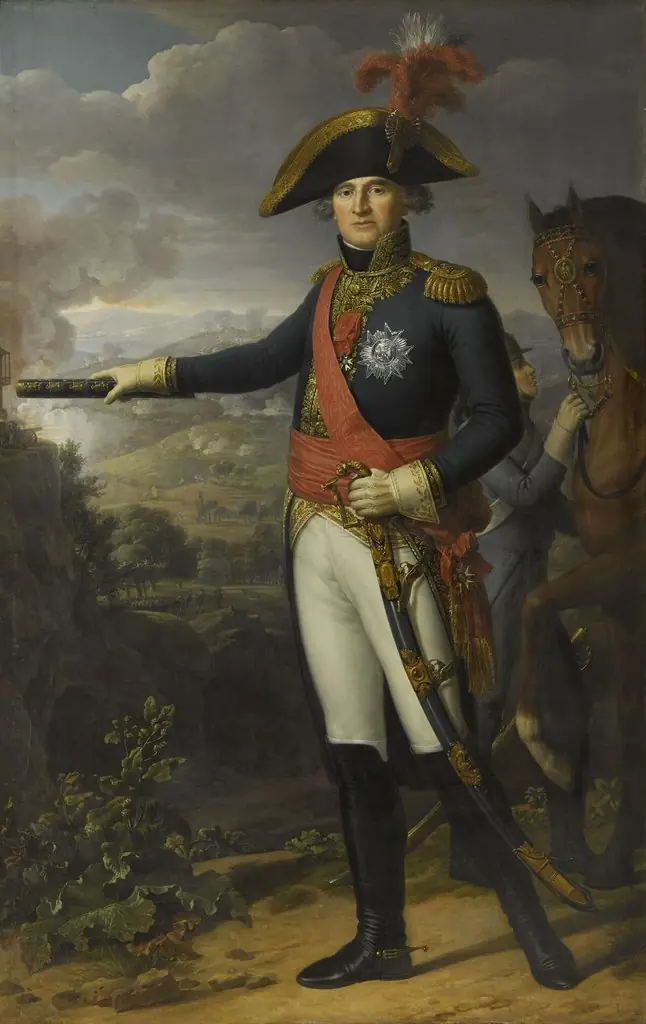 Jean Mathieu Philibert Serurier (1742-1819)
- Portrait of King Stanislaus Augustus Poniatowski