Artwork
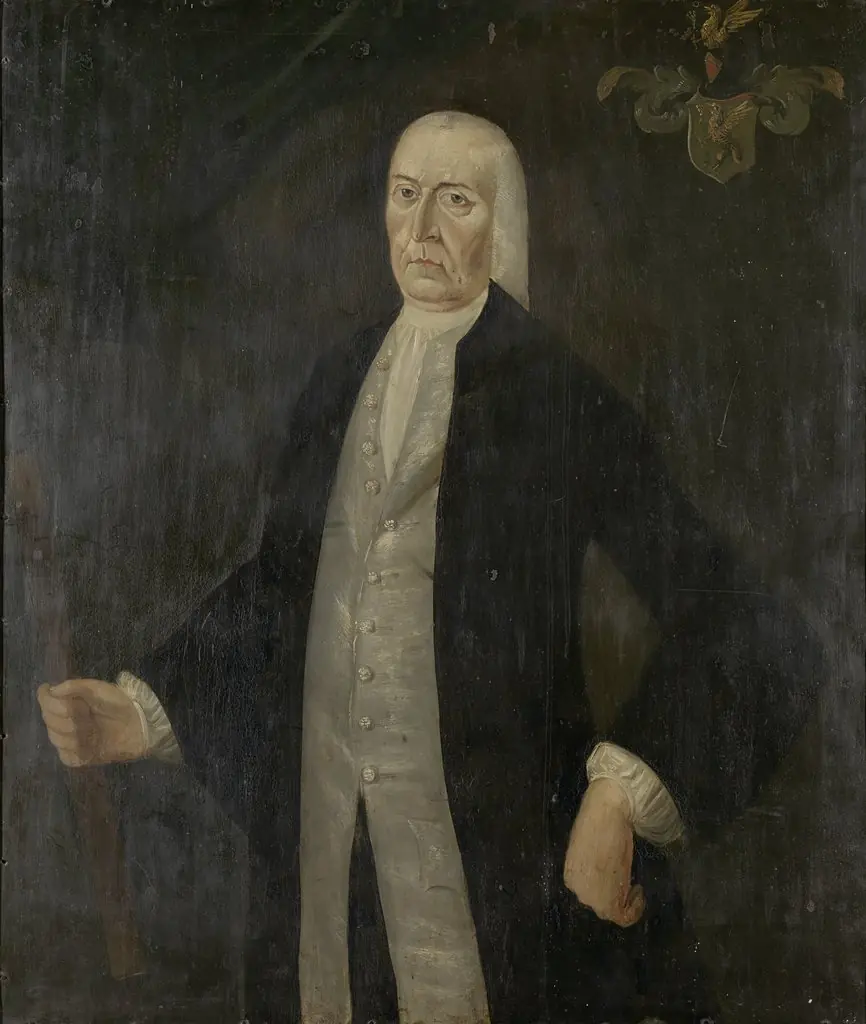
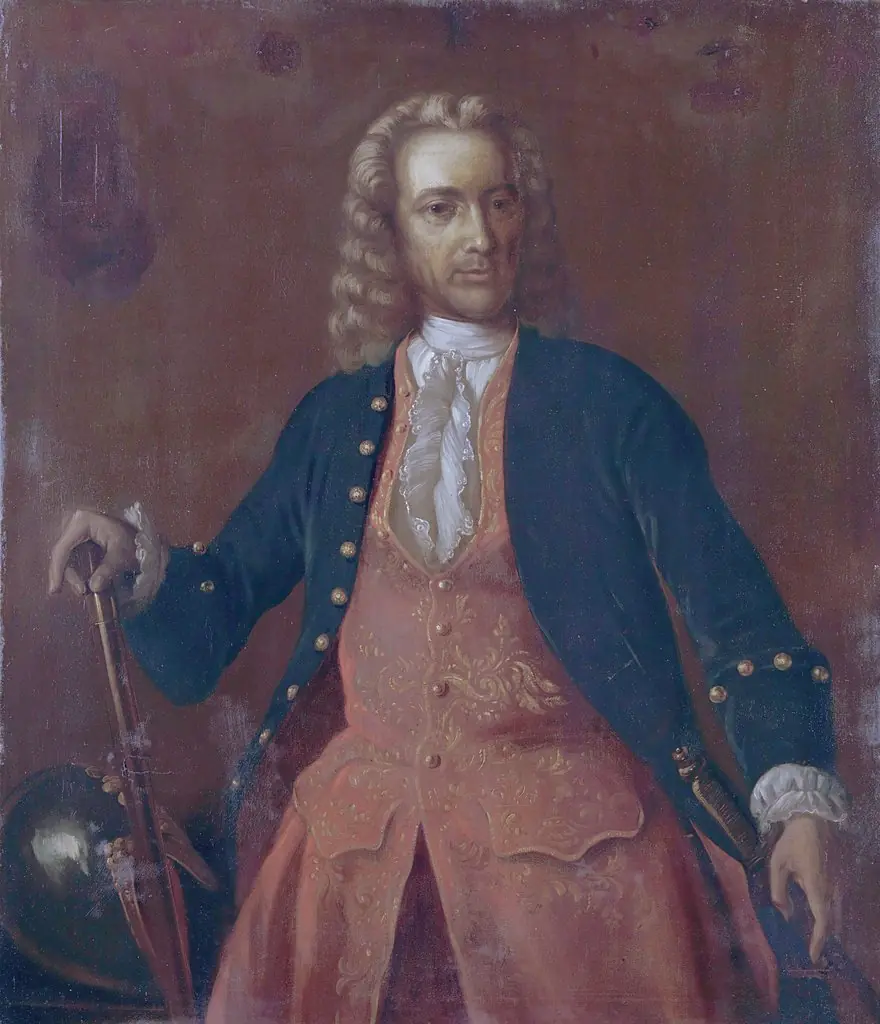
Portrait of Willem van Outhoorn, Governor-General of the Dutch East Indies
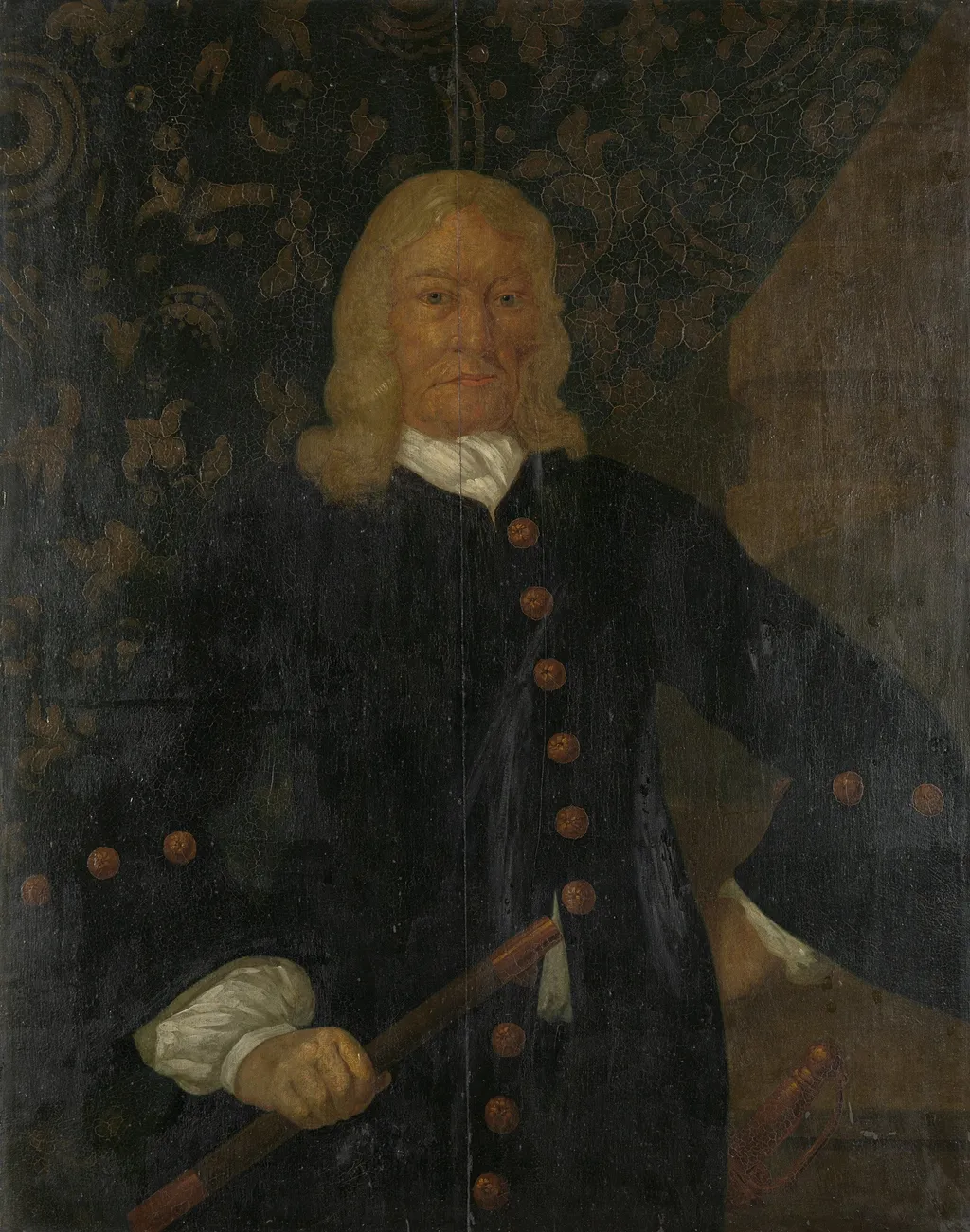
Portrait of Willem van Outhoorn, Governor-General of the Dutch East Indies is an oil painting. It dates from 1700 and is held in the collection of the Rijksmuseum. The work is an oil painting portraying Willem van Outhoorn, who served as Governor‑General of the Dutch East Indies.
About this work
Subject & Meaning
Dressed in ceremonial regalia, he holds a baton of office, symbols that underscore his executive power and the reach of the Dutch East India Company.
The work portrays Willem van Outhoorn, who served as Governor-General of the Dutch East Indies, emphasizing his official status and authority within the colonial administration. Dressed in ceremonial regalia, he holds a baton of office, symbols that underscore his executive power and the reach of the Dutch East India Company. The portrait functions as a visual assertion of imperial control, linking personal prestige to the governance of distant territories.
Technique & Style
The work is an oil painting executed on a wooden panel. It measures 99 cm in height by 78.5 cm in width and portrays Willem van Outhoorn, who served as Governor-General of the Dutch East Indies. The composition follows typical 18th‑century portrait conventions, presenting the sitter in formal attire against a muted background, with fine brushwork that emphasizes texture and realism.
History & Provenance
The work is a portrait of Willem van Outhoorn, Governor-General of the Dutch East Indies, painted in 1700 as an oil painting on panel. It entered the collection of the Rijksmuseum, where it remains on display, having been acquired through its status as an anonymous work within the museum's holdings.
The painting was created to commemorate van Outhoorn's role as Governor-General, reflecting his prominence in the Dutch colonial administration. Its dimensions are 99 cm in height and 78.5 cm in width, consistent with typical portrait formats of the period.
The work is classified as a portrait genre piece, executed in oil paint, and depicts van Outhoorn as the central subject, aligning with historical depictions of colonial officials.
The portrait is held by the Rijksmuseum in Amsterdam, as recorded in its collection and location data. It is catalogued as an anonymous oil-on-panel work dated to 1700, depicting Willem van Outhoorn, Governor-General of the Dutch East Indies.
No specific inventory or accession number is provided in the available sources, and no exhibition history is documented.
Overview
The work is an oil painting portraying Willem van Outhoorn, who served as Governor‑General of the Dutch East Indies. Rendered in a restrained palette, the composition centers the sitter against a dark, patterned backdrop, emphasizing his solemn expression and formal attire.
Context
Portraits of Dutch officials in the East Indies often combined realistic likeness with symbolic elements of power. The dark drapery and restrained coloration align with contemporary Dutch portraiture, where emphasis on the sitter’s character outweighed decorative surroundings.
Artist & collection

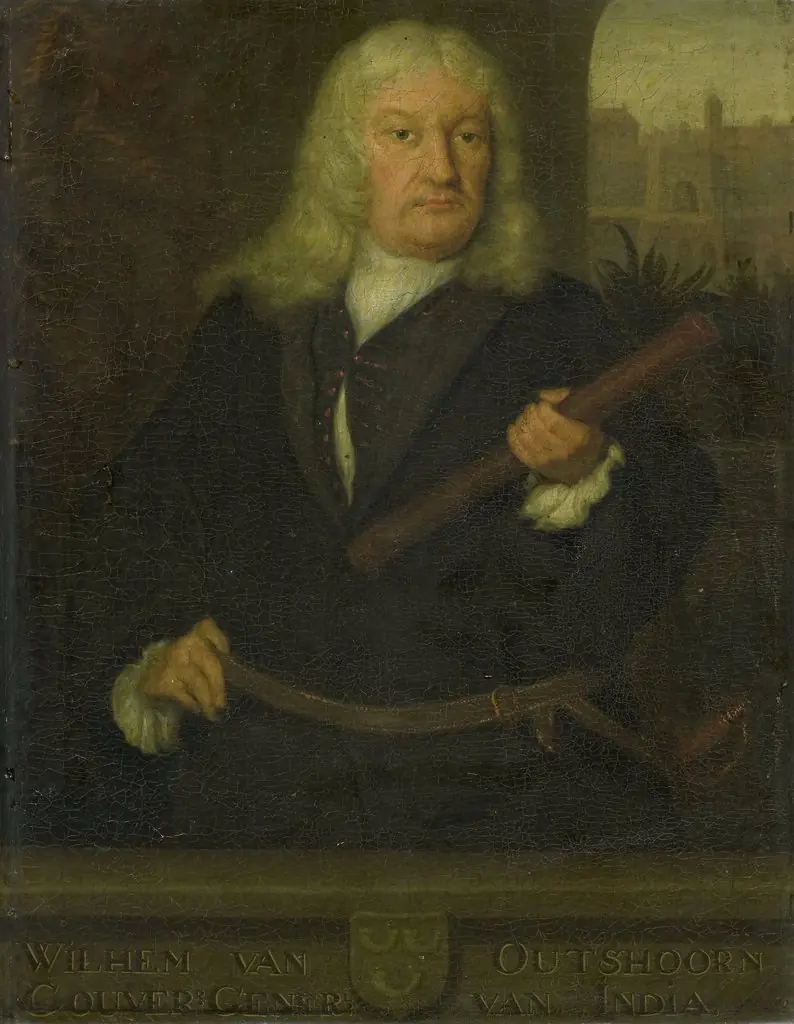
- Portrait of Willem van Outhoorn, Governor General of the Dutch East Indies
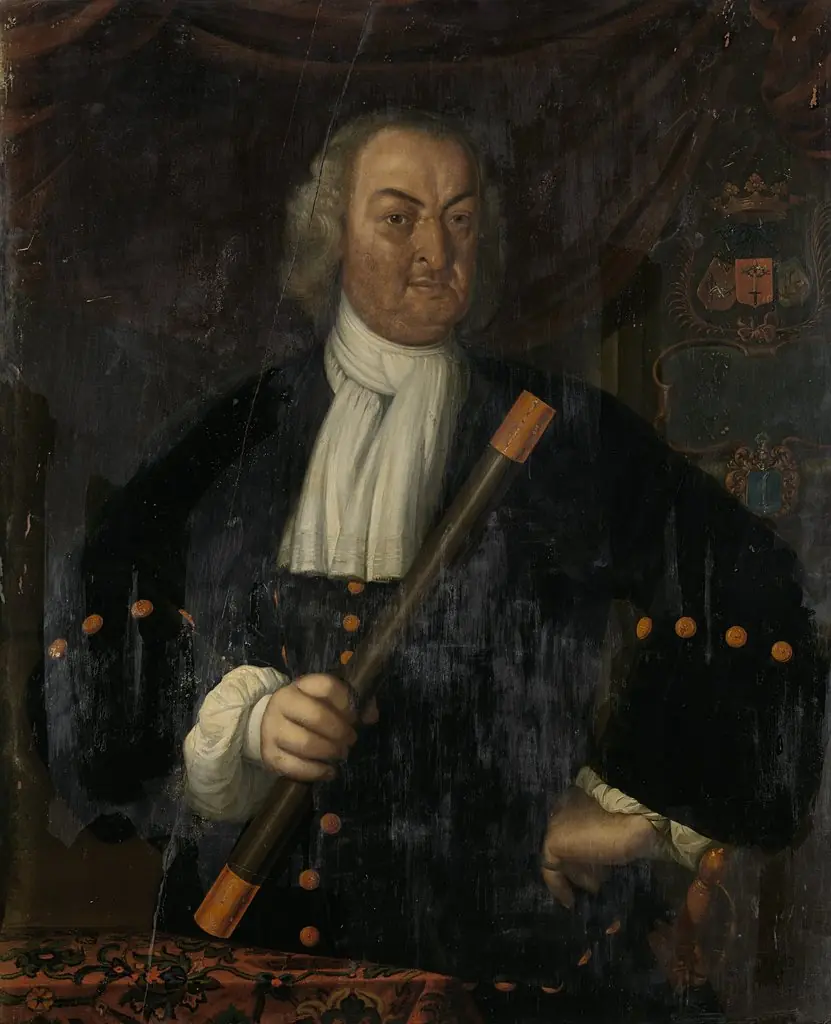 Portrait of Hendrik Swaardecroon (Hendrick Zwaardecroon), Governor General of the Dutch East Indies
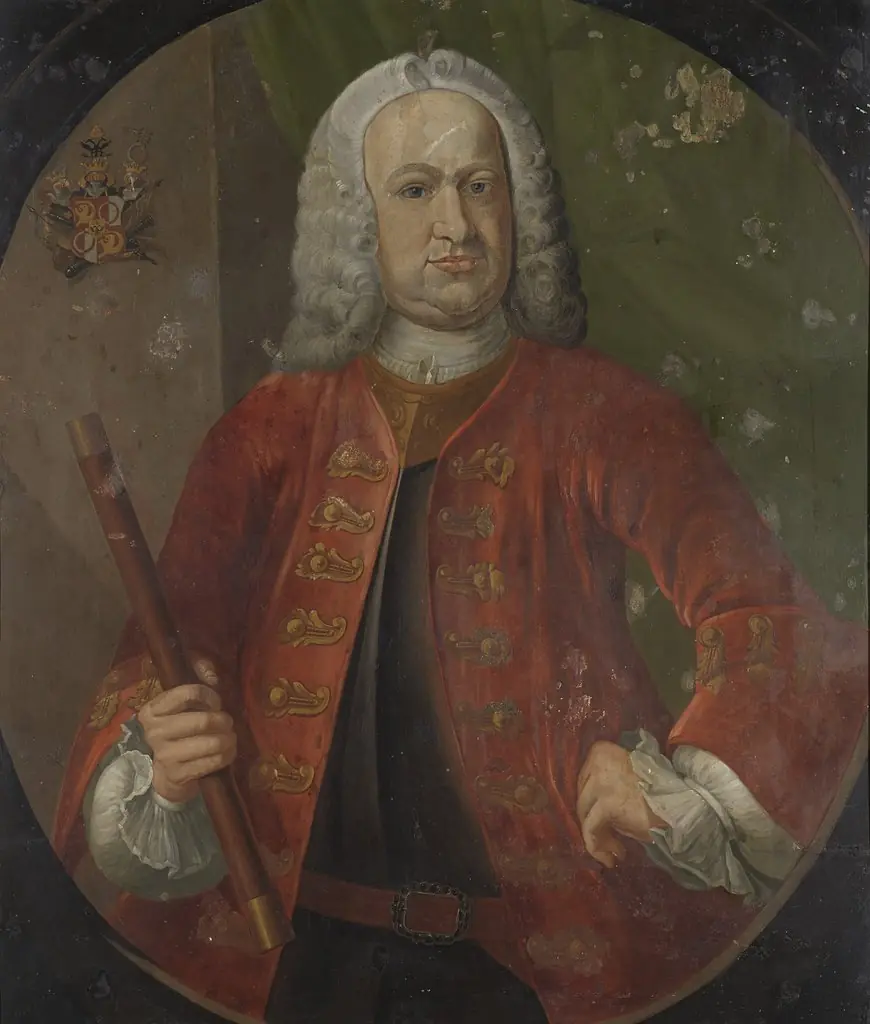 Portrait of Gustaaf Willem, Baron van Imhoff, Governor-General of the Dutch East India Company
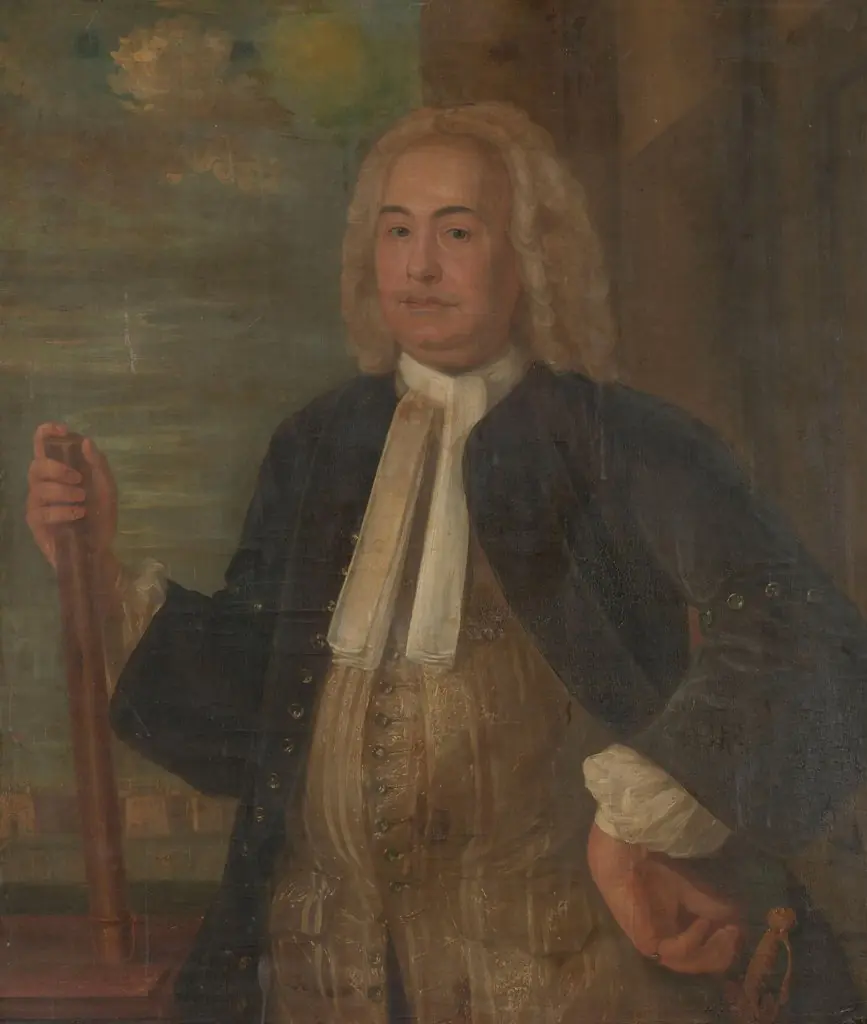 Portrait of Johannes Thedens, Governor-General of the Dutch East India Company
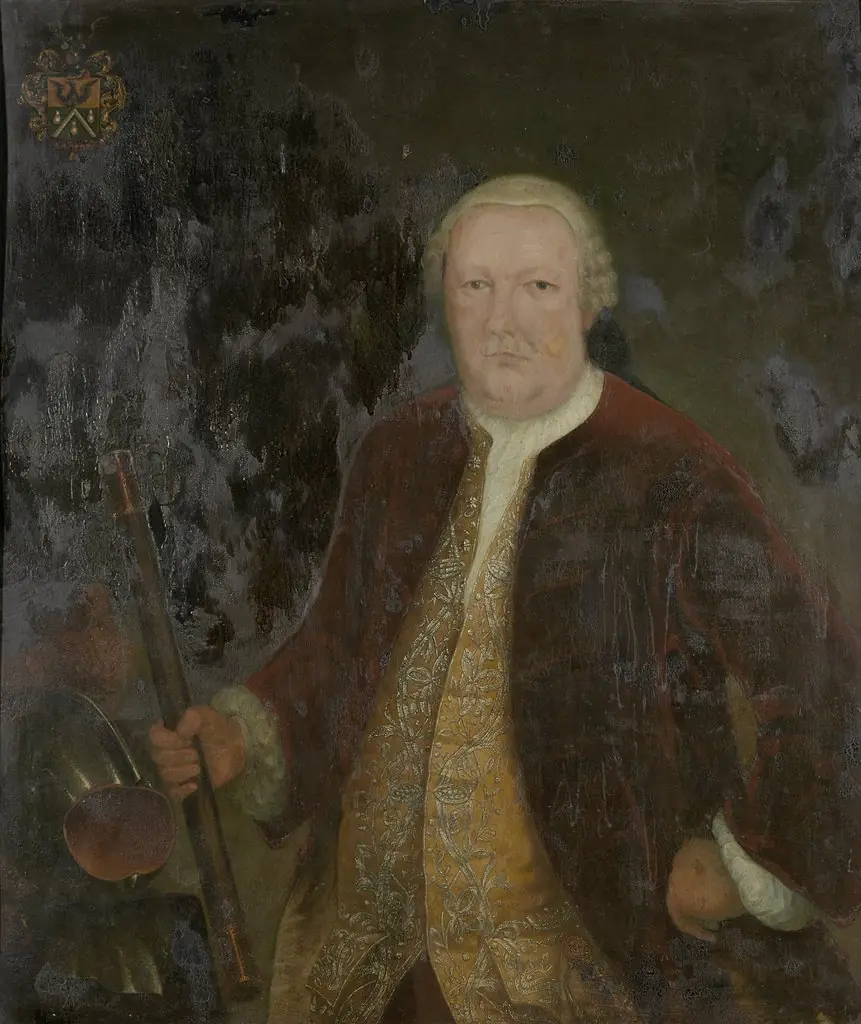 Portrait of Petrus Albertus van der Parra, Governor-General of the Dutch East India Company
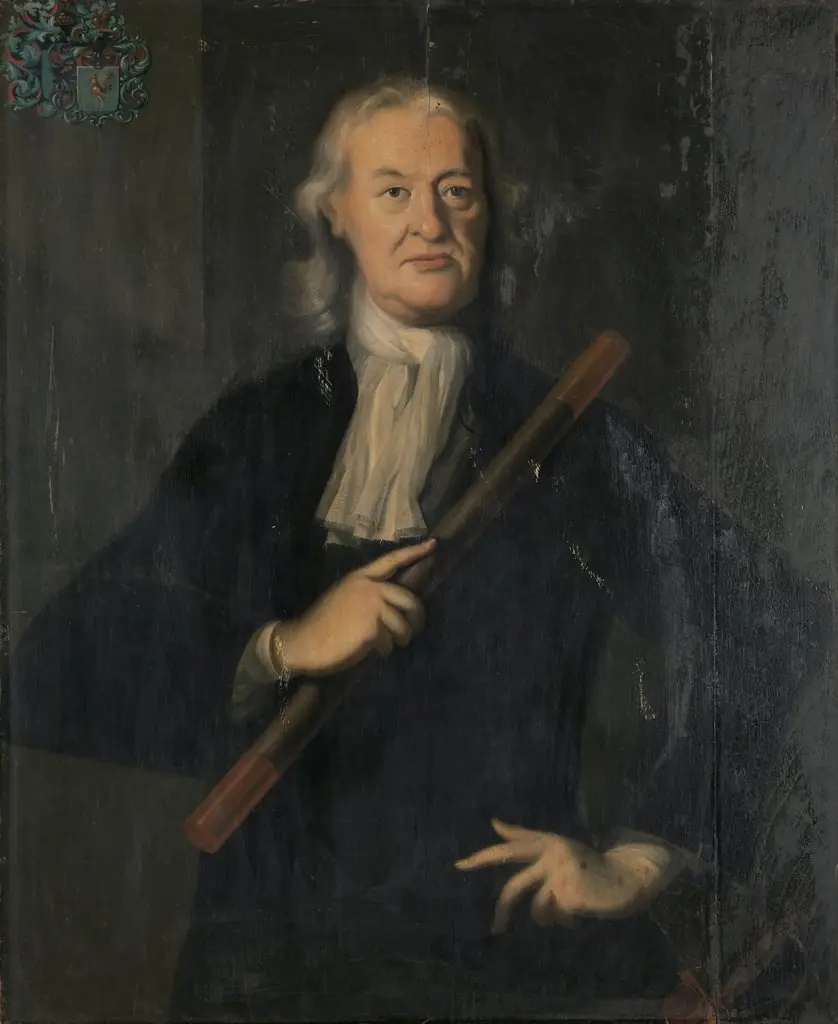 Portrait of Mattheus de Haan, Governor-General of the Dutch East Indies
 Portrait of Hendrik Brouwer, Governor-General of the Dutch East Indies
 Portrait of Jacob Mossel, Governor-General of the Dutch East India Company