Artwork
Portrait of Petrus Albertus van der Parra, Governor-General of the Dutch East India Company
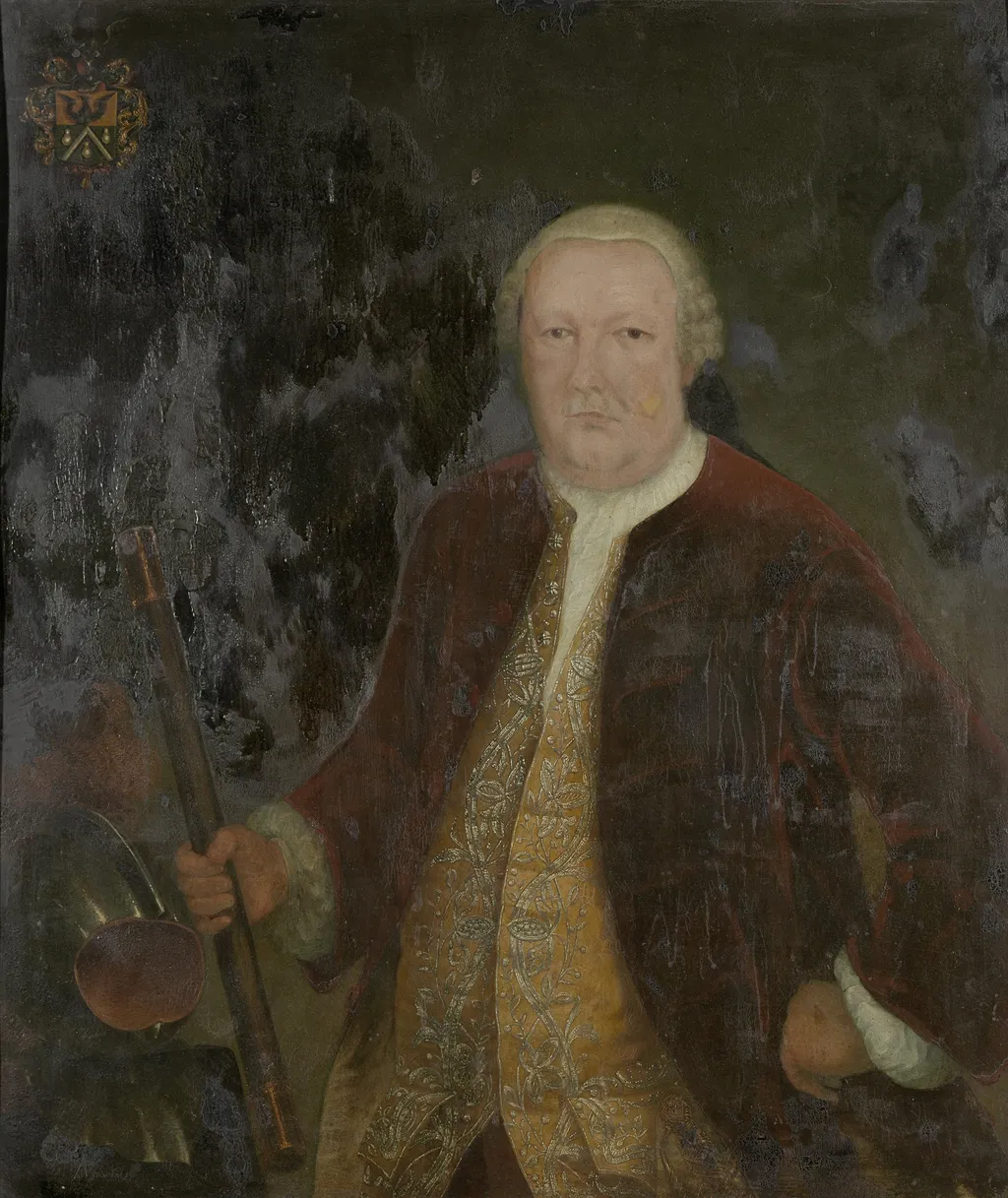
Portrait of Petrus Albertus van der Parra, Governor-General of the Dutch East India Company is an oil painting. It dates from 1761 and is held in the collection of the Rijksmuseum. The work depicts Petrus Albertus van der Parra, who served as Governor‑General of the Dutch East India Company.
About this work
Subject & Meaning
Its iconography emphasizes authority and colonial administration, reflecting the subject's high rank within the VOC hierarchy.
The painting shows Petrus Albertus van der Parra in the role of Governor-General of the Dutch East India Company, rendered as a formal portrait on brass with oil paint. Its iconography emphasizes authority and colonial administration, reflecting the subject's high rank within the VOC hierarchy. The work functions as a representation of VOC governance in the late 18th century, linking the individual to the broader operations of the Dutch colonial enterprise.
Technique & Style
The work is an oil painting on a brass support, measuring 108.5 cm in height and 93 cm in width. Executed in 1761, it depicts Petrus Albertus van der Parra, who served as Governor-General of the Dutch East India Company. The portrait exemplifies 18th-century Dutch portraiture through its restrained composition and fine rendering of facial detail, rendered in oil on metal to achieve a distinctive reflective surface.
The painting's condition remains stable, with the brass support showing expected ageing but no significant deterioration affecting the pictorial layer.
History & Provenance
The portrait of Petrus Albertus van der Parra was created in 1761. It is an anonymous painting executed in oil on brass, measuring 108.5 cm in height and 93 cm in width. The work is held in the collection of the Rijksmuseum, where it remains located.
The sources do not document the circumstances of the commission, the original patron, or the chain of ownership by which the painting entered the Rijksmuseum's holdings, nor do they record later provenance events such as sales, loans, or deaccessions.
The Portrait of Petrus Albertus van der Parra is held in the collection of the Rijksmuseum. The artwork, which depicts the Governor-General of the Dutch East India Company, was created in 1761. While the specific inventory or accession number is not provided in the available records, the museum houses this oil painting on brass.
The work measures 108.5 cm in height and 93 cm in width. No specific exhibition history or past showing dates are documented in the provided sources.
Overview
The work depicts Petrus Albertus van der Parra, who served as Governor‑General of the Dutch East India Company. Executed in brass, the portrait presents the official in a dark red coat trimmed with gold embroidery, a white ruff, and a walking stick in his left hand. A small, round object rests under his right hand, while a half‑peeled lemon and a diminutive knife lie on the floor. The background is a dark, textured surface that barely reveals a faint heraldic device.
Context
The portrait reflects the broader Dutch practice of commemorating colonial officials with elaborate personal likenesses. Brass was a favored medium for durable, transportable works that could survive long voyages. Such images served both as status symbols for the individual and as visual propaganda for the commercial and political reach of the Dutch East India Company.
Artist & collection

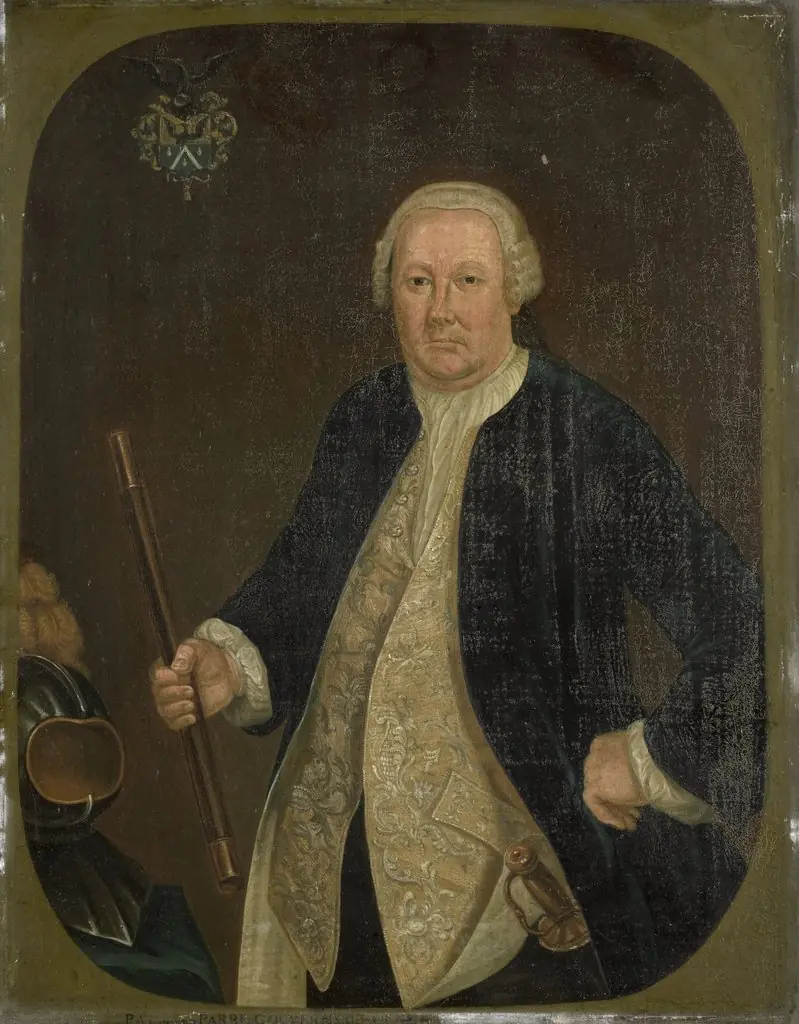
- Portrait of Petrus Albertus van der Parra (1714-1775)
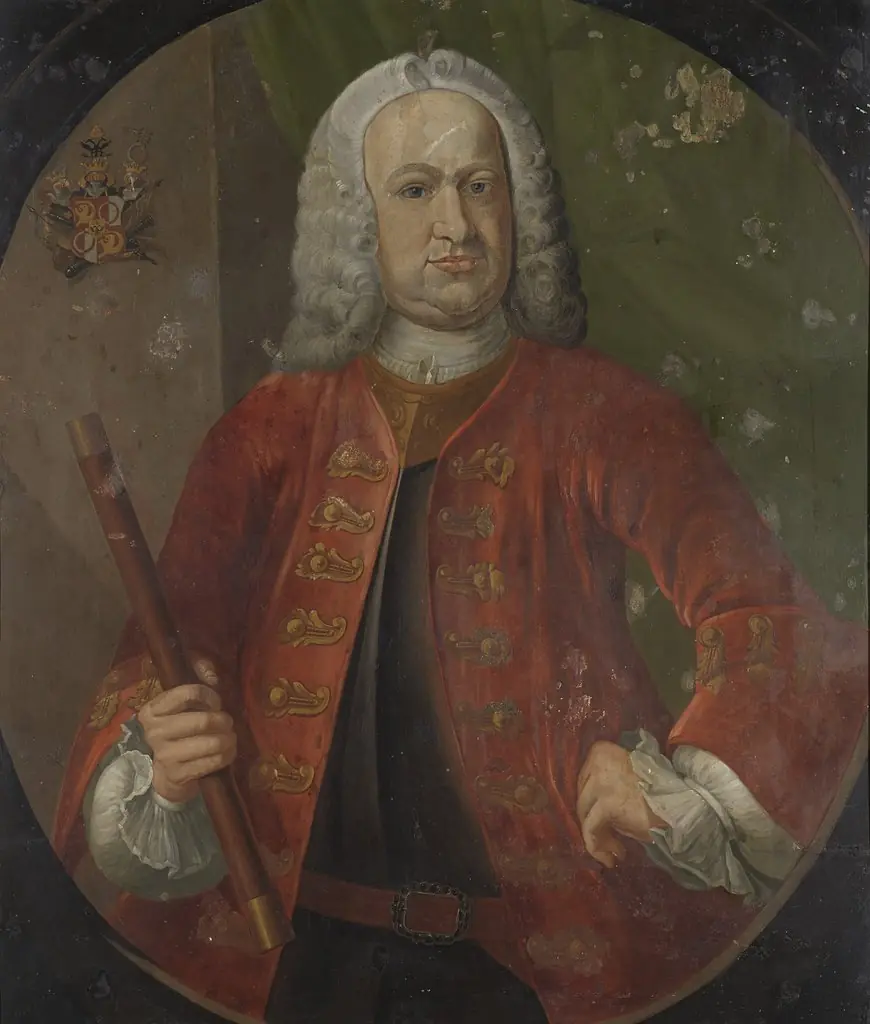 Portrait of Gustaaf Willem, Baron van Imhoff, Governor-General of the Dutch East India Company
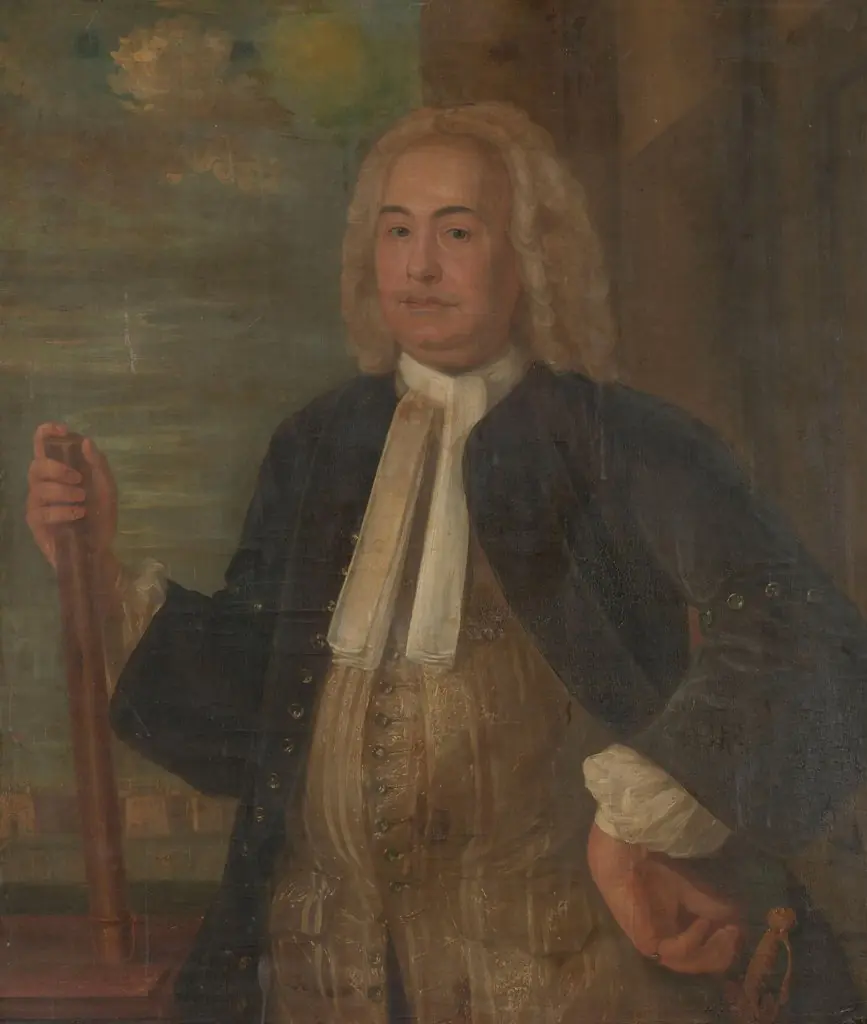 Portrait of Johannes Thedens, Governor-General of the Dutch East India Company
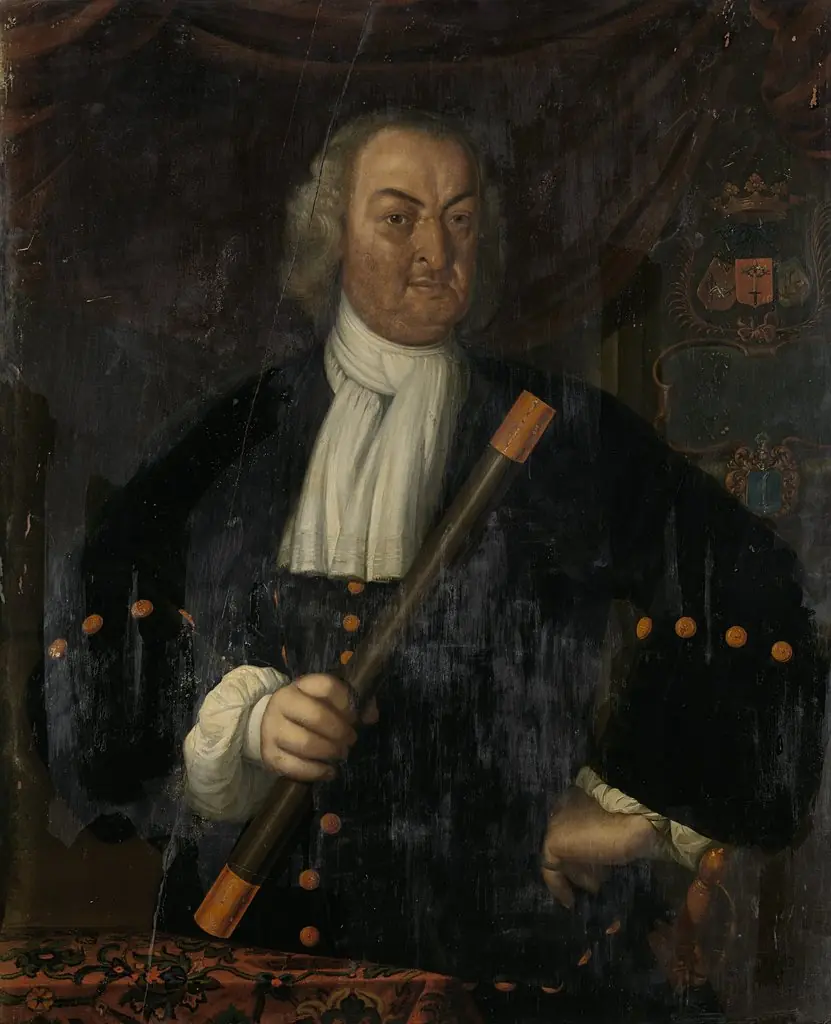 Portrait of Hendrik Swaardecroon (Hendrick Zwaardecroon), Governor General of the Dutch East Indies
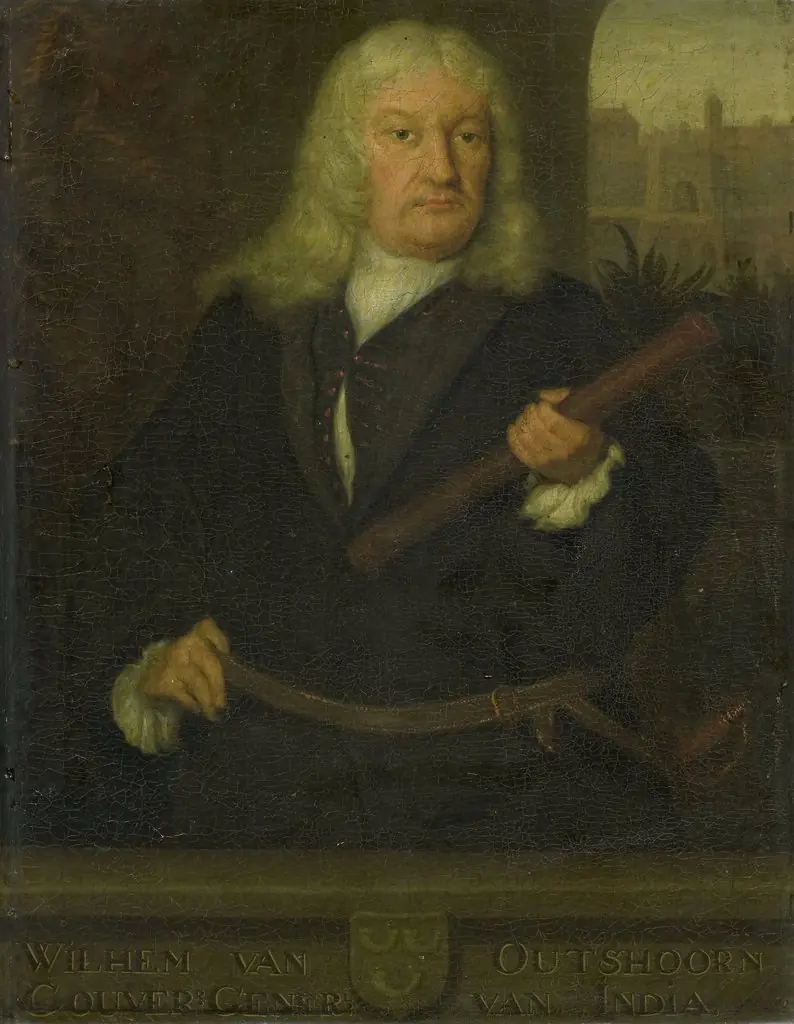 Portrait of Willem van Outhoorn, Governor General of the Dutch East Indies
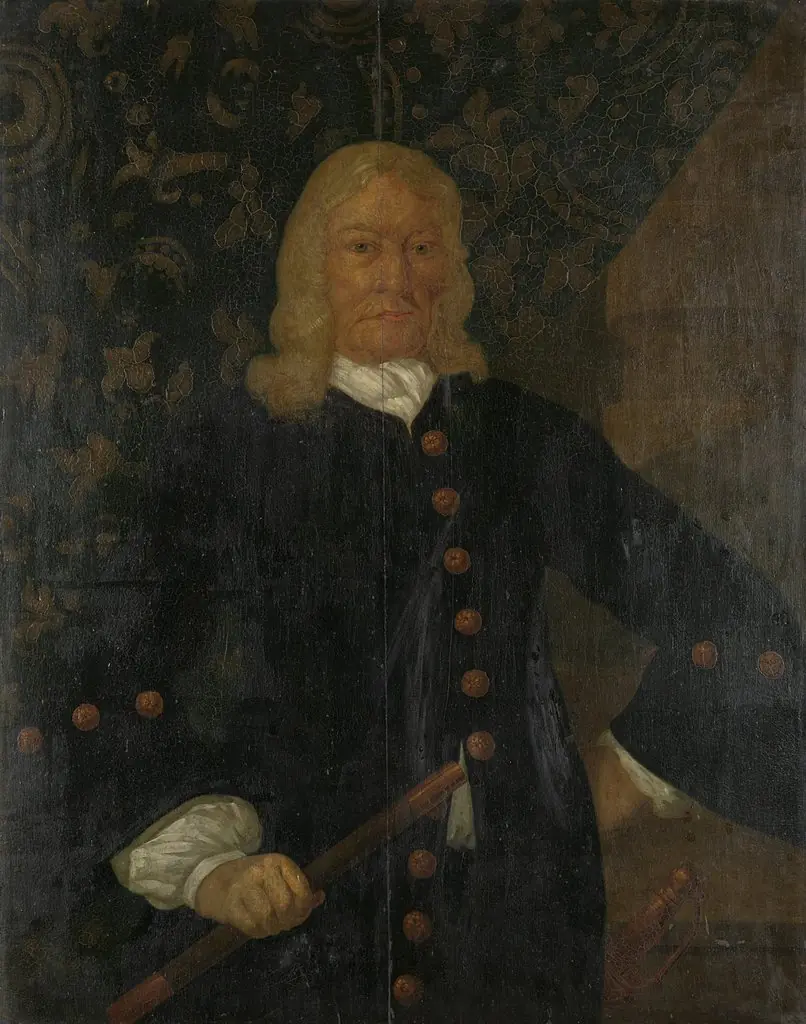 Portrait of Willem van Outhoorn, Governor-General of the Dutch East Indies
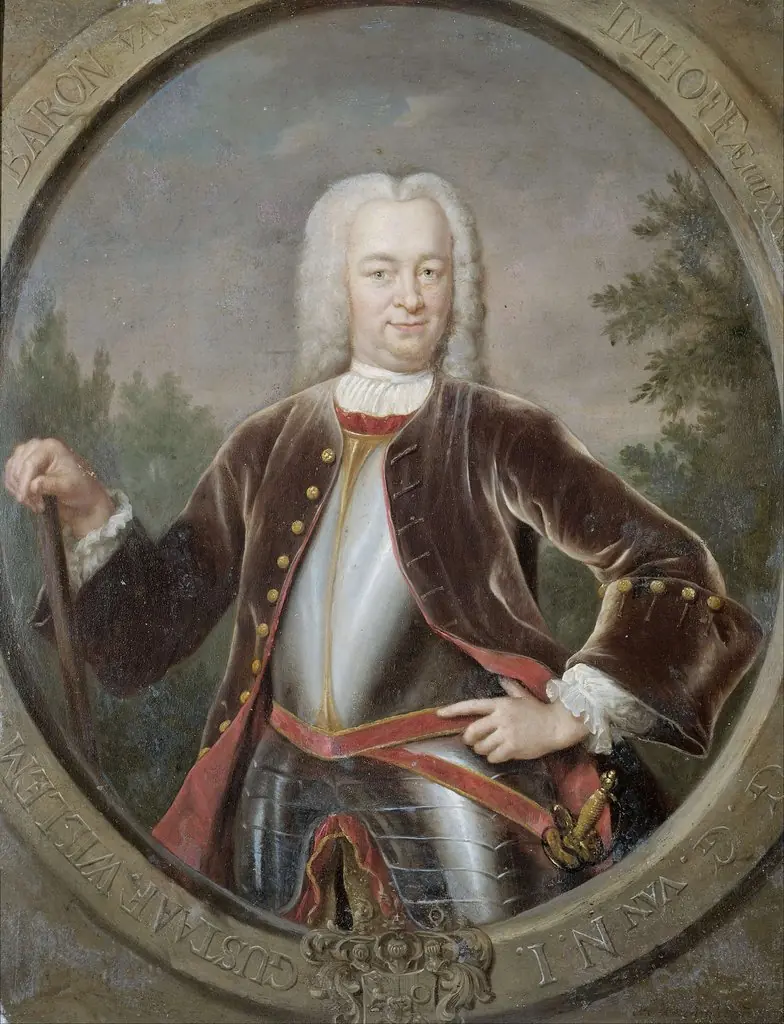 Portrait of Gustaaf Willem, Baron van Imhoff, Governor-General of the Dutch East India Company
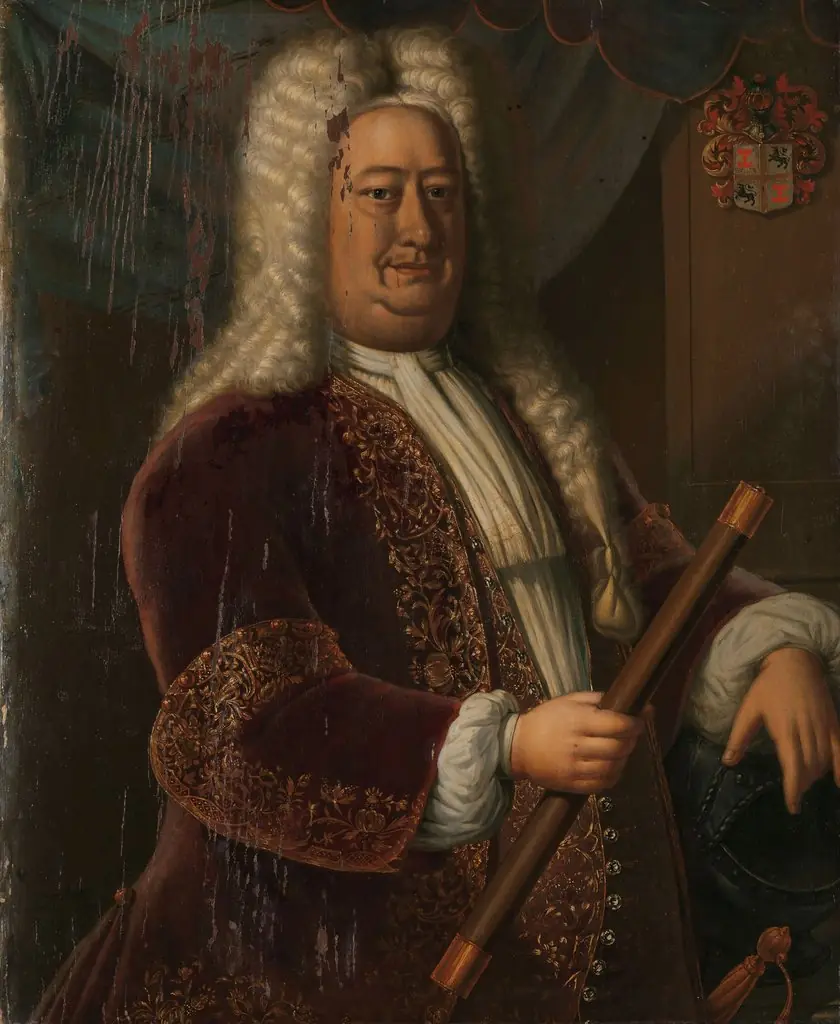 Portrait of Dirk van Cloon, Governor-General of the Dutch East Indies
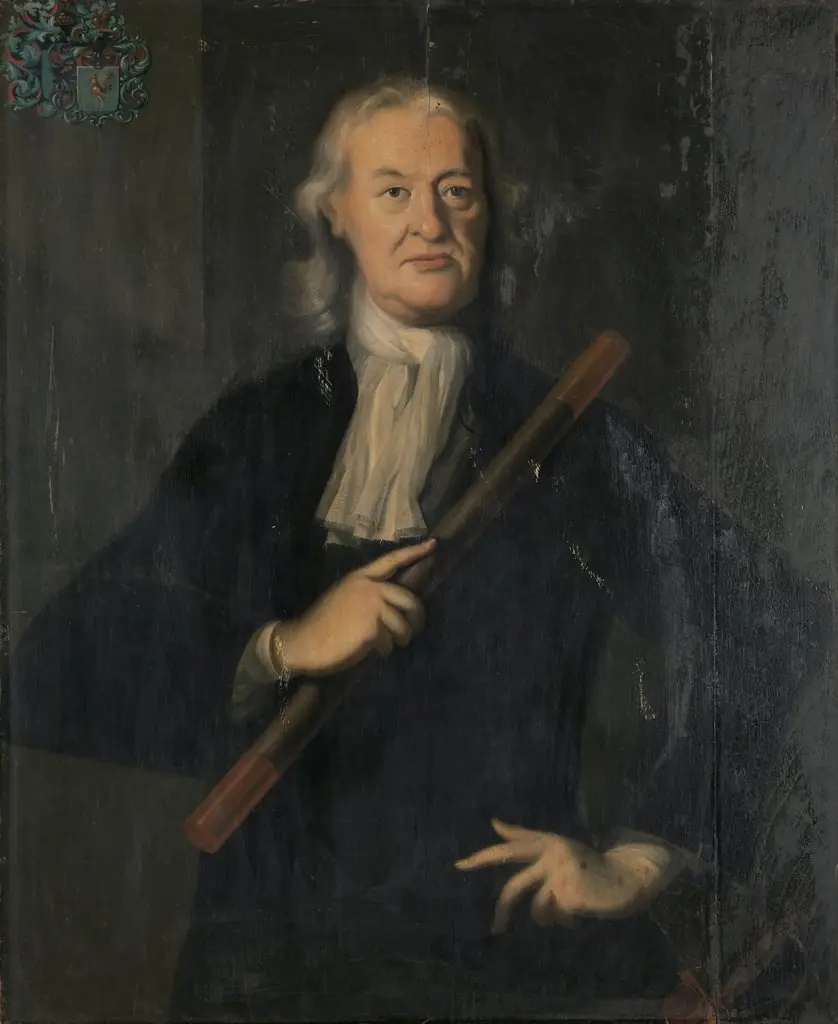 Portrait of Mattheus de Haan, Governor-General of the Dutch East Indies
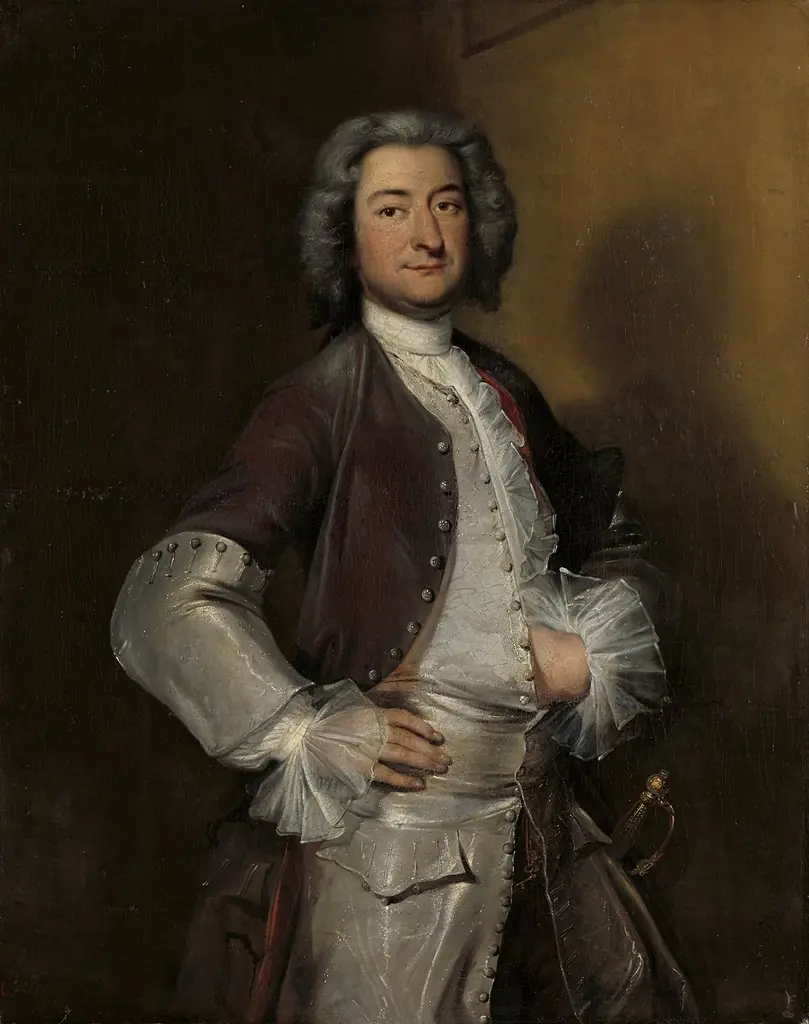 Portrait of Isaac Sweers, Chief Officer of Amsterdam and Governor of the Dutch East India Company
 Portrait of Hendrik Brouwer, Governor-General of the Dutch East Indies
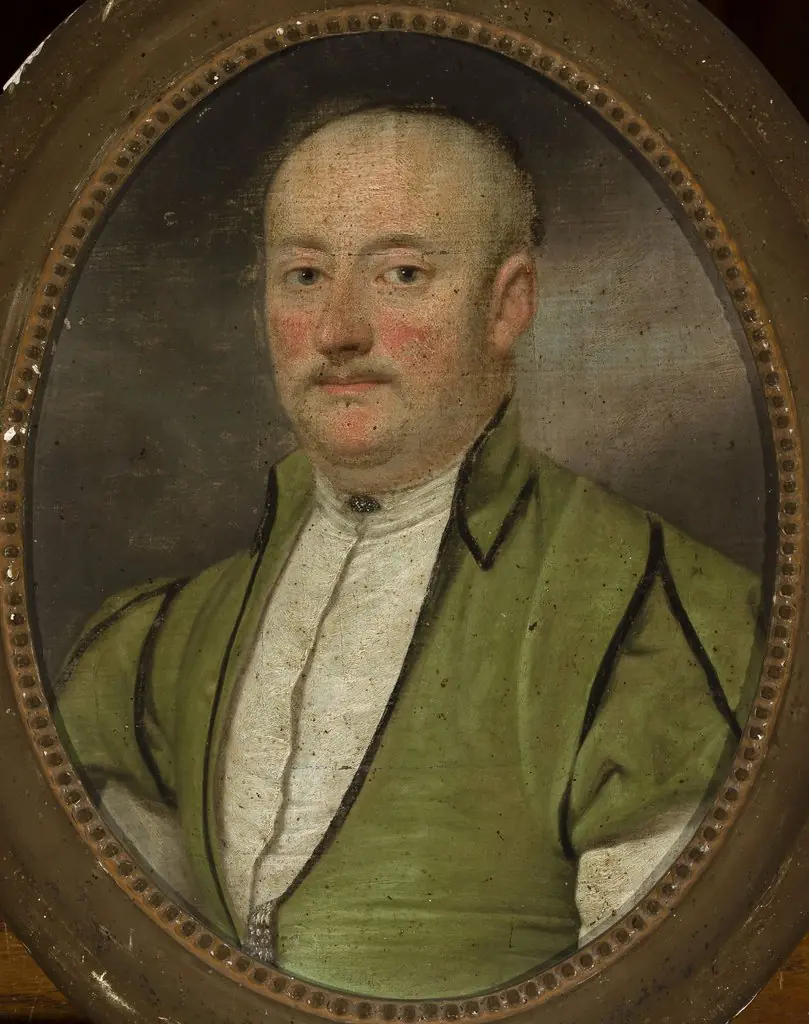 Portrait of Karol Węgliński
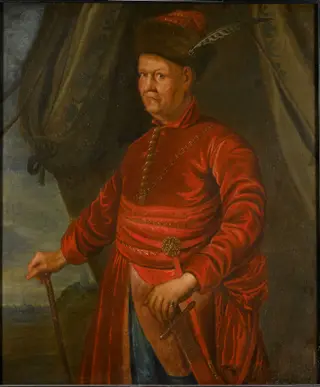 Portrait of Johann Ludwig Hektor Duke of Isolani
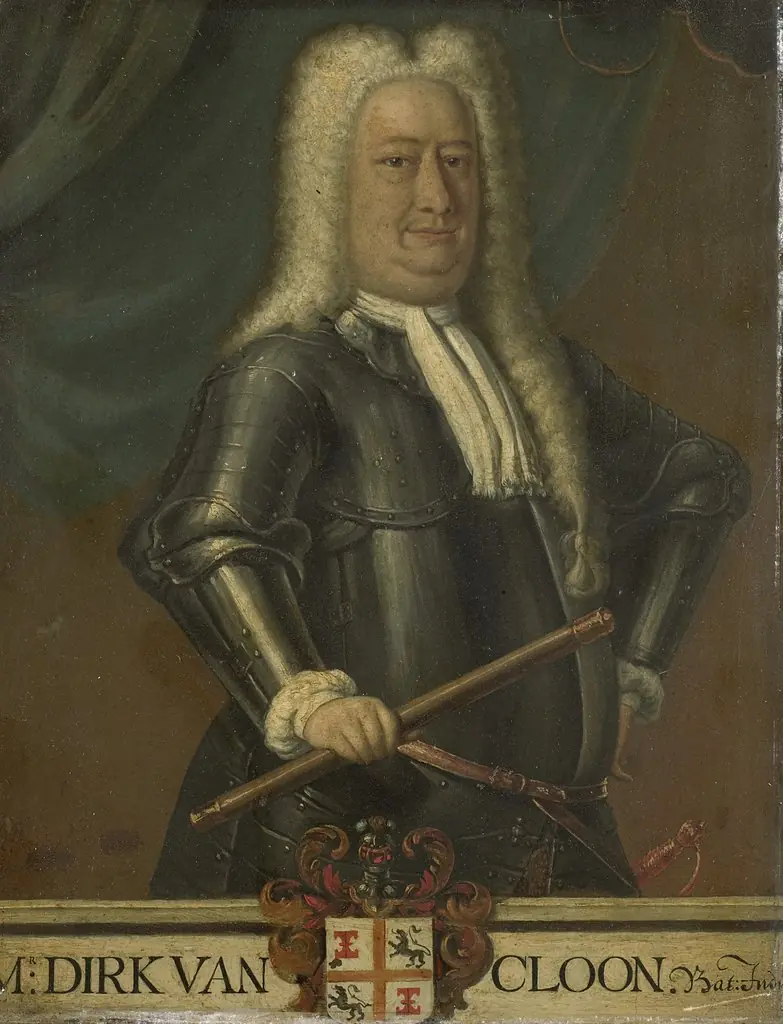 Dirk van Cloon (1684-1735). Gouverneur-generaal (1730-35)
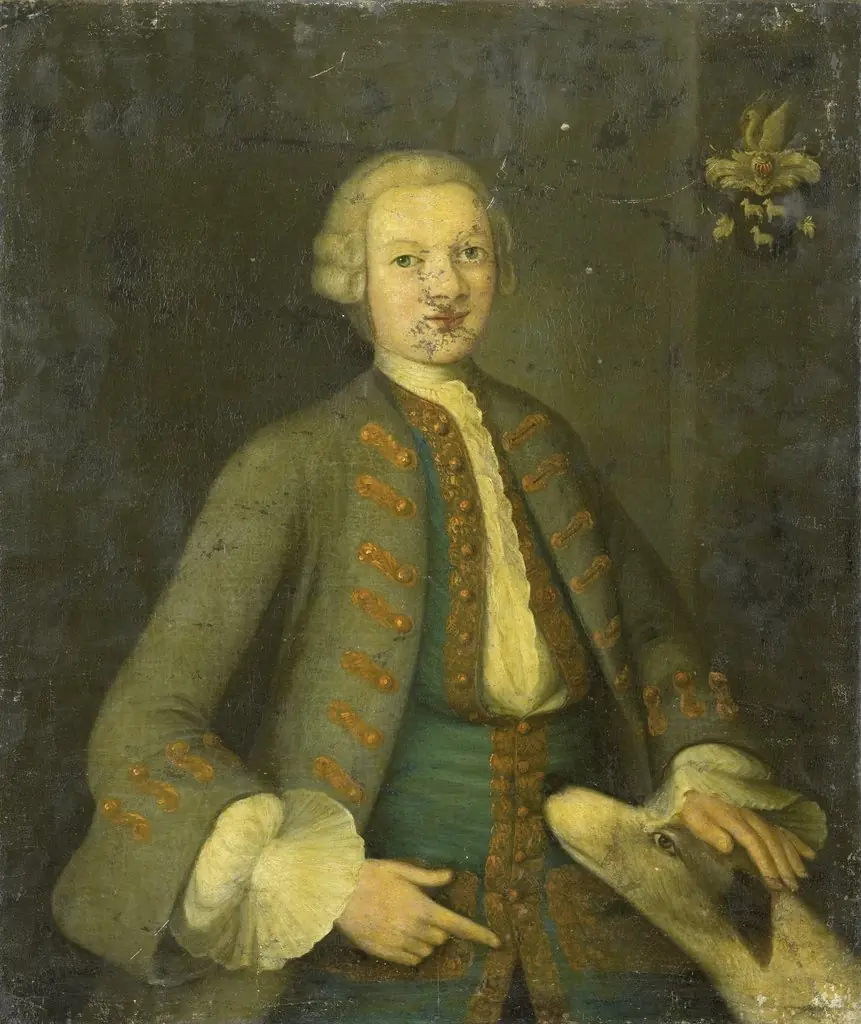 Portret van een man
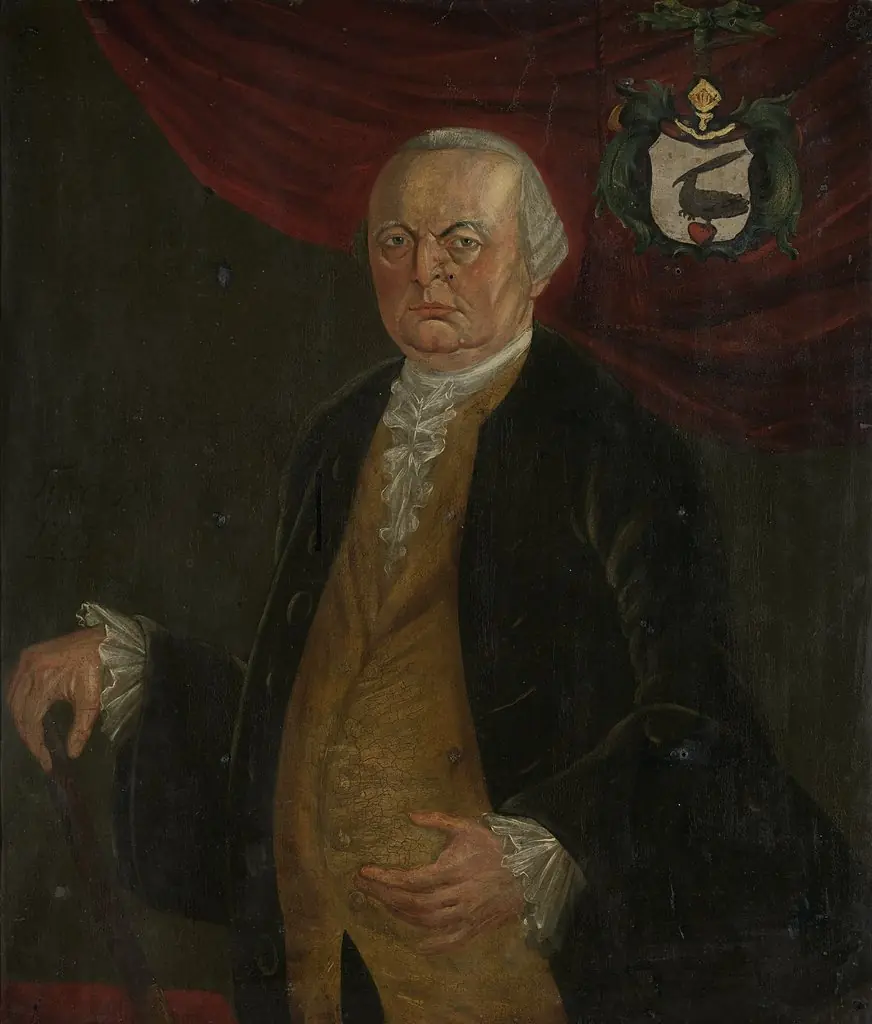 Portrait of Reinier de Klerk (1710-80), Gouverneur-generaal (1777-80)
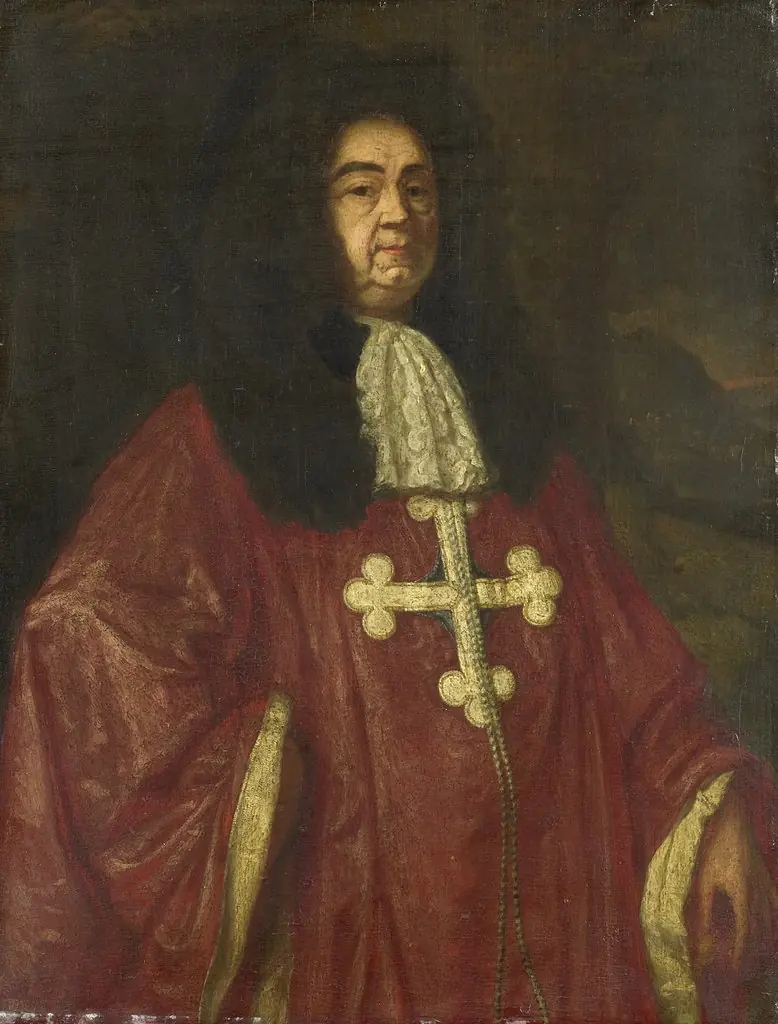 Portrait of Johannes Camprich van Cronefelt, Knight of the Order of St. Maurice and St. Lazarus, Imperial German Ambassador to The Hague