Artwork
Abraham van Riebeeck (1653-1713). Gouverneur-generaal (1709-13)
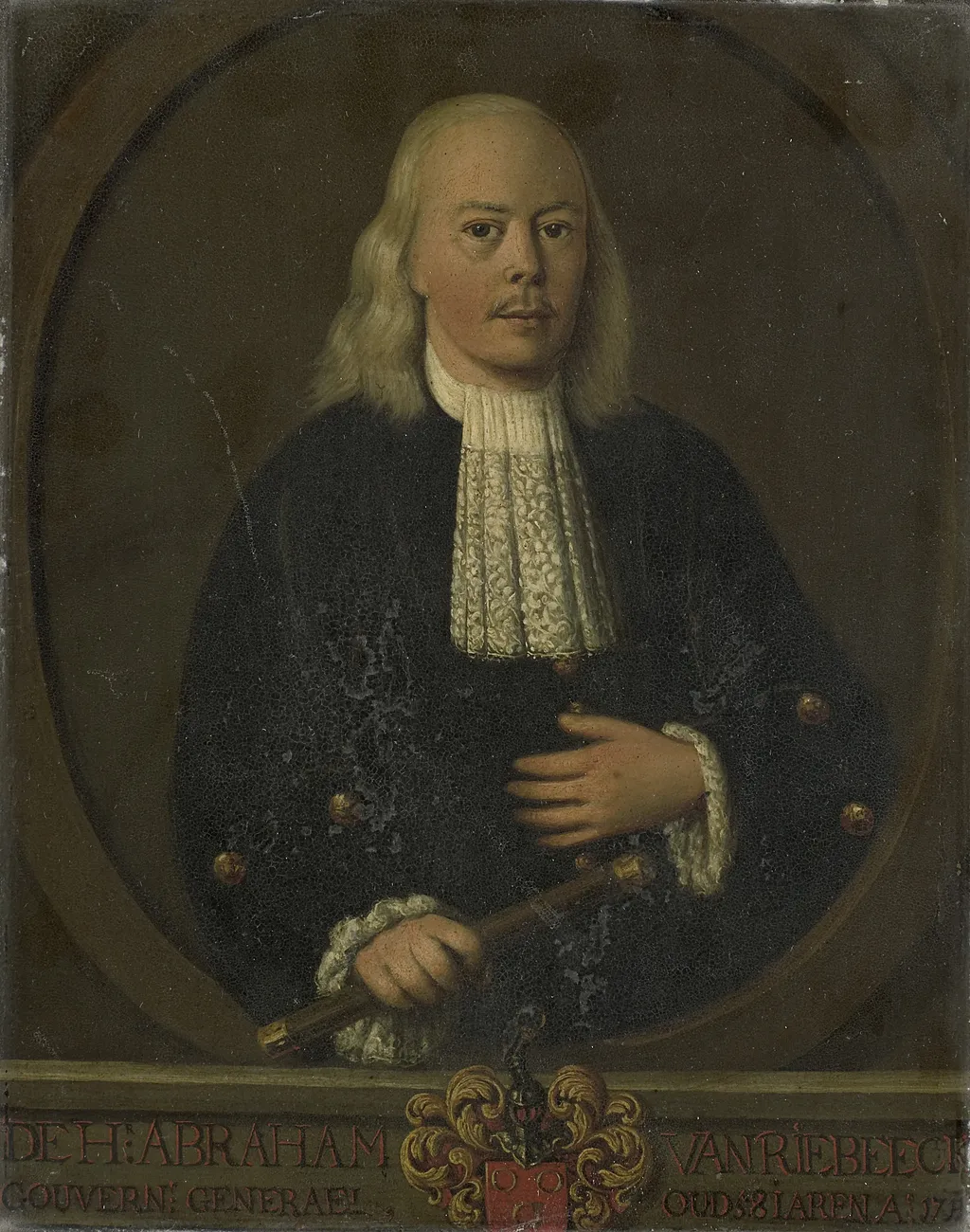
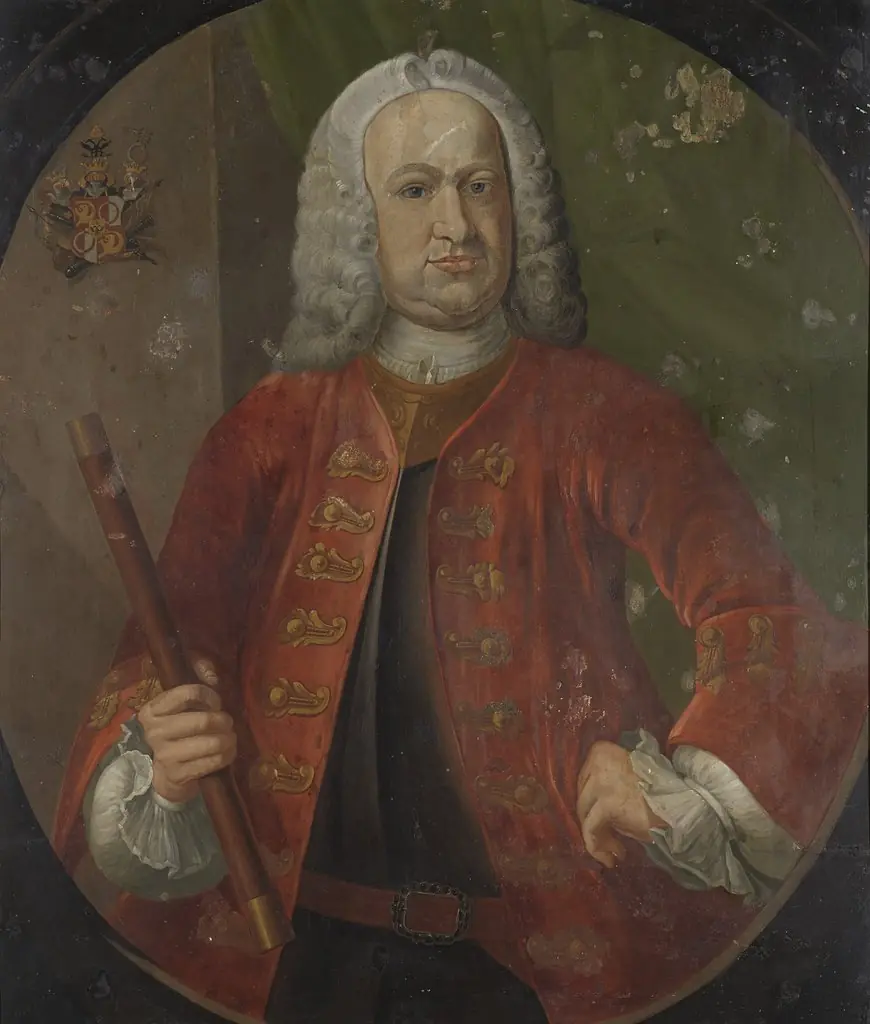
Abraham van Riebeeck (1653-1713). Gouverneur-generaal (1709-13) is an oil painting. It dates from 1775 and is held in the collection of the Rijksmuseum. This 18th-century copper painting portrays Abraham van Riebeeck, who served as Gouverneur-generaal from 1709 to 1713.
About this work
This painting depicts a man with long, light-colored hair, dressed in a dark jacket over a white lace shirt.
This painting depicts a man with long, light-colored hair, dressed in a dark jacket over a white lace shirt. He holds a sword in his right hand, resting it on a decorative object in front of him. The man's attire and the sword suggest a formal or ceremonial setting.
The painting's style and the subject's clothing indicate it was created in the 18th century. The level of detail in the man's face and clothing suggests a high level of skill on the part of the artist.
Subject & Meaning
The work is a portrait that depicts Abraham van Riebeeck, who served as the Governor-General of the Dutch East Indies from 1709 to 1713. As an anonymous painting created in 1775, the piece focuses entirely on the individual rather than illustrating a specific narrative scene or allegorical event. The subject is presented as the main figure, capturing the likeness of the historical administrator without additional symbolic elements or contextual iconography described in the available records. The composition serves to memorialize the official role and identity of van Riebeeck within the colonial administration.
Technique & Style
The portrait of Abraham van Riebeeck was executed in oil paint on a copper support, measuring 34.5 cm in height and 27 cm in width, and was created in 1775. The work was classified as a portrait and is part of the Rijksmuseum collection, where it remains on display. Its formal qualities reflect the conventions of 18th-century Dutch portraiture, emphasizing precise rendering of the subject’s attire and dignified posture.
History & Provenance
The portrait of Abraham van Riebeeck was produced in 1775, more than six decades after the sitter's death in 1713, indicating it is a posthumous commemorative work rather than a life study. It was executed in oil on copper, a technique associated with finely detailed small-scale portraits of the period. The painting entered the holdings of the Rijksmuseum, where it remains part of the collection.
No information on the original commissioner, the artist responsible for the design, or the successive private owners through whom the panel passed before reaching the museum is documented in the available sources. Likewise, the chain of custody prior to its acquisition by the Rijksmuseum is not recorded.
Overview
This 18th-century copper painting portrays Abraham van Riebeeck, who served as Gouverneur-generaal from 1709 to 1713. The subject is depicted in formal attire, holding a sword, indicating a ceremonial or official context.
Context
The work reflects the Dutch colonial presence in the East Indies during the early 18th century, capturing the image of a key figure in this historical context.
Artist & collection

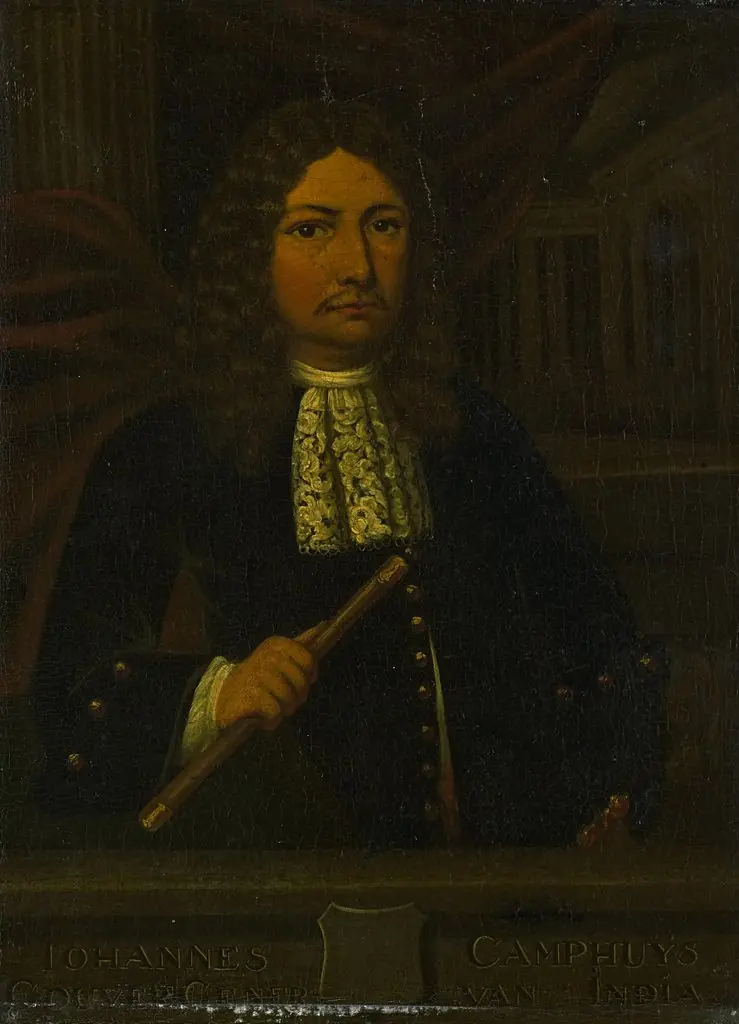 Portrait of Johannes Camphuys (1634-95), Gouverneur-generaal (1684-91)
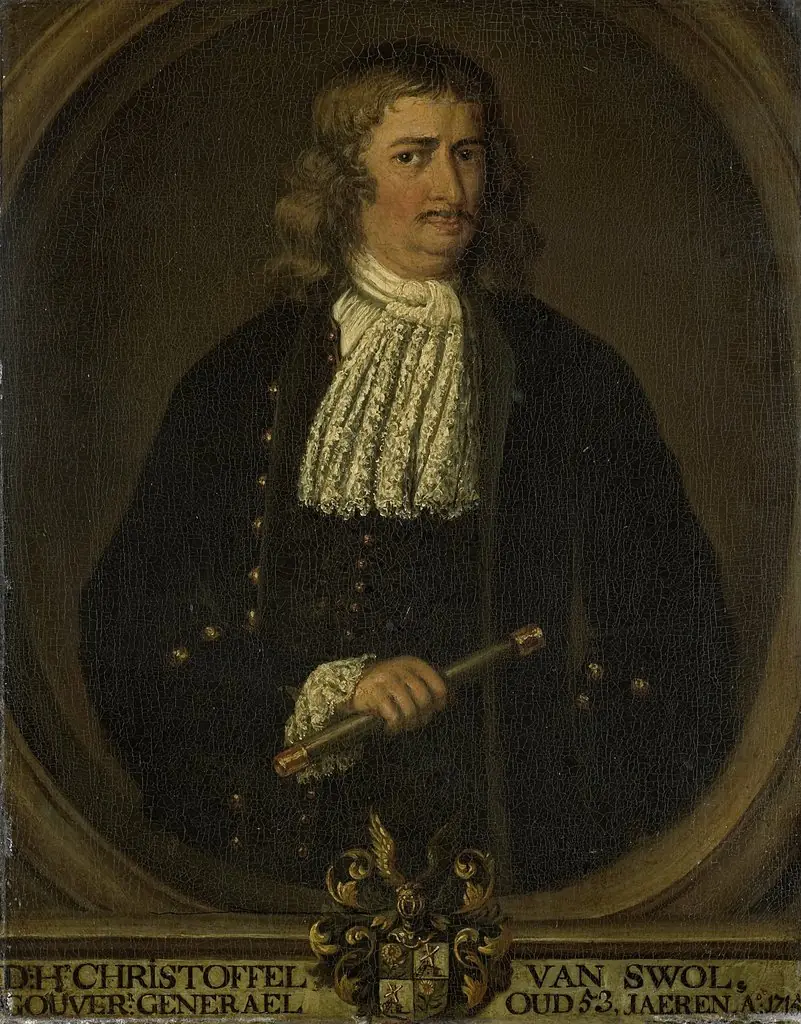 Portrait of Christoffel van Swoll (1662-1718)
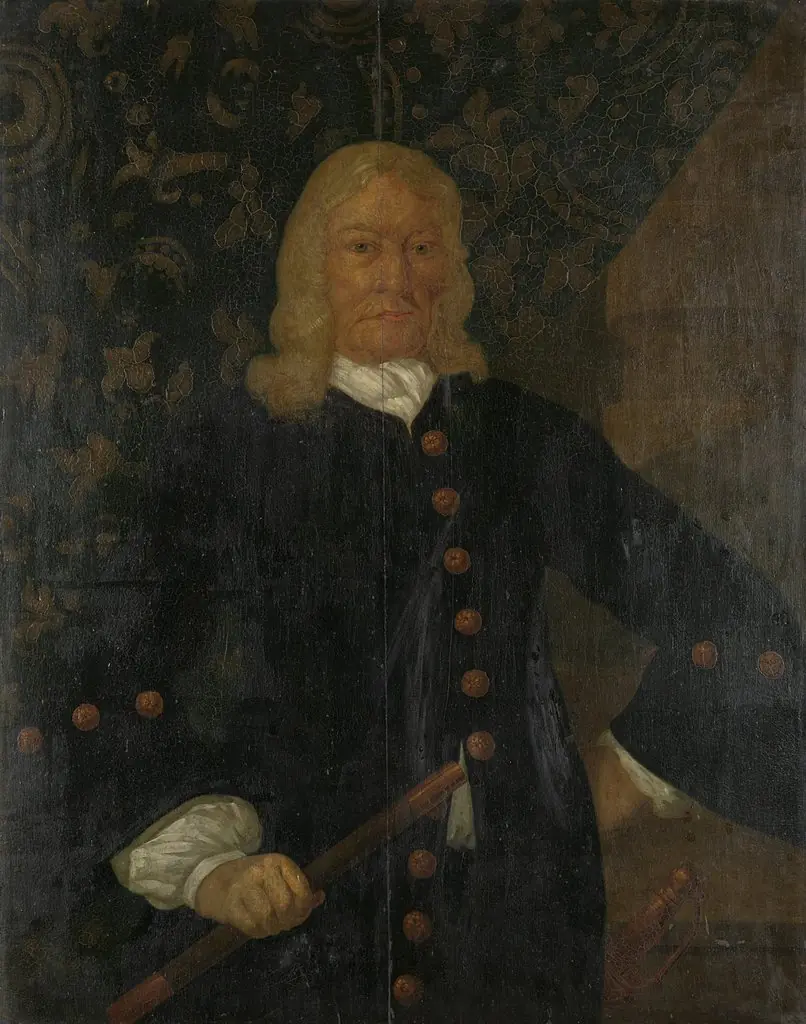 Portrait of Willem van Outhoorn, Governor-General of the Dutch East Indies
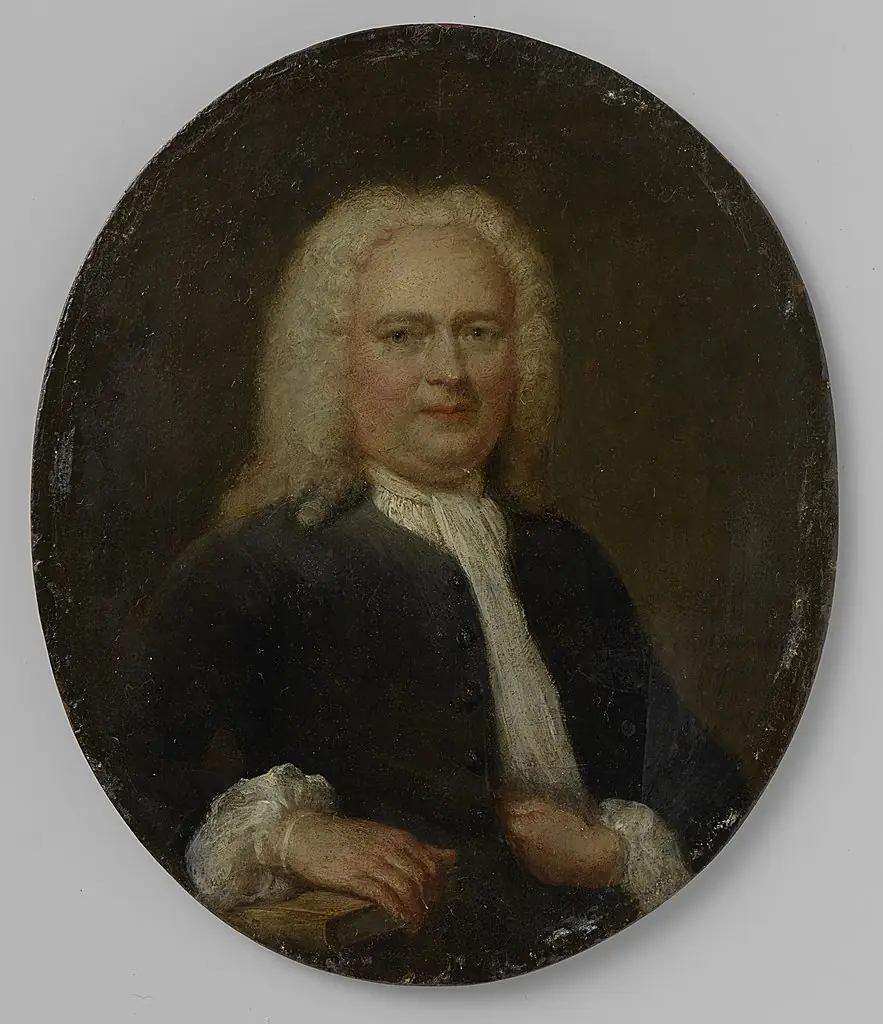 Portrait of a Man, perhaps a Member of the Klinkhamer Family
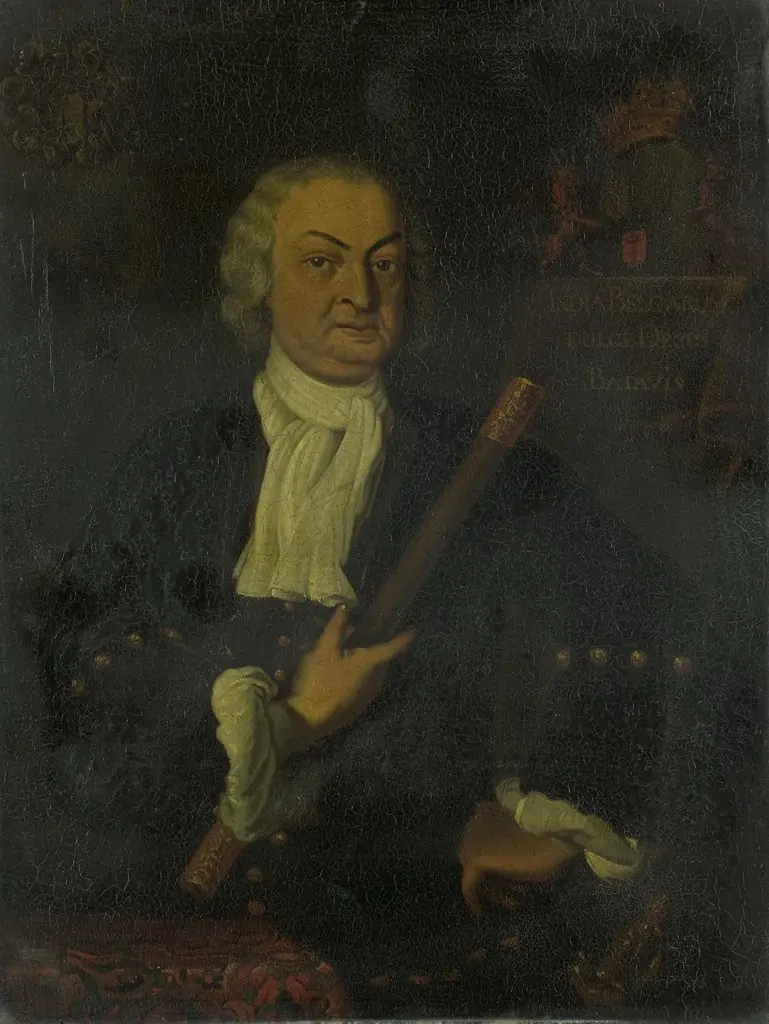 Hendrik Swaardecroon (1667-1728). Gouverneur-generaal (1718-25)
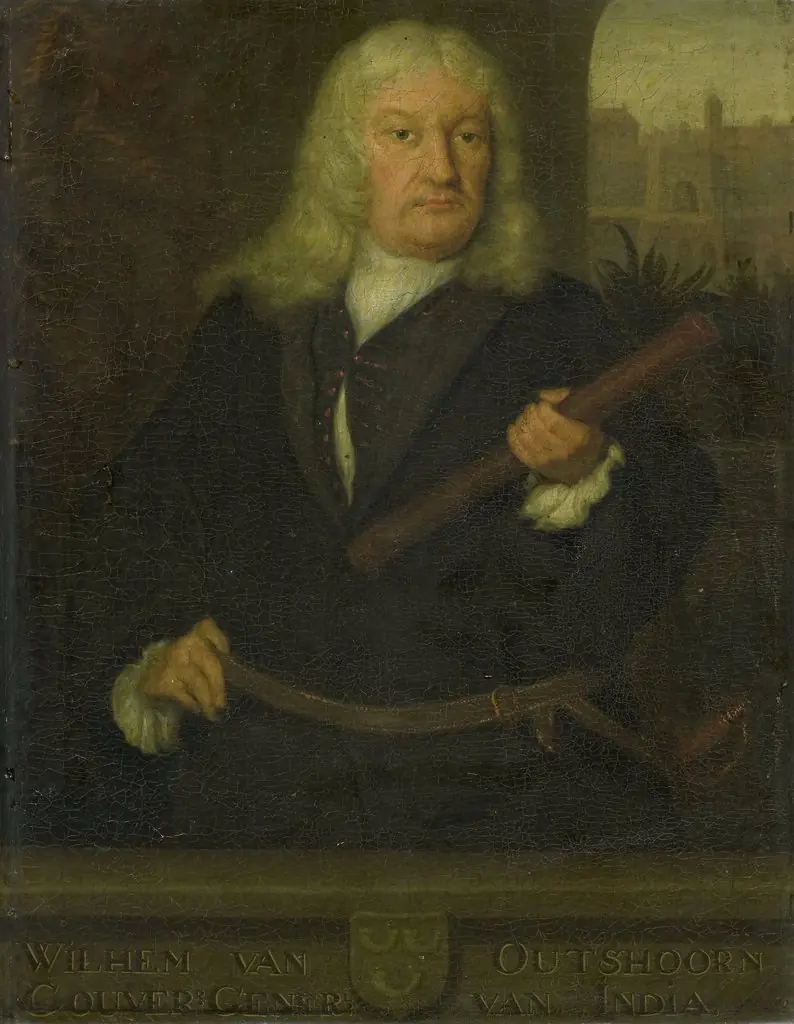 Portrait of Willem van Outhoorn, Governor General of the Dutch East Indies
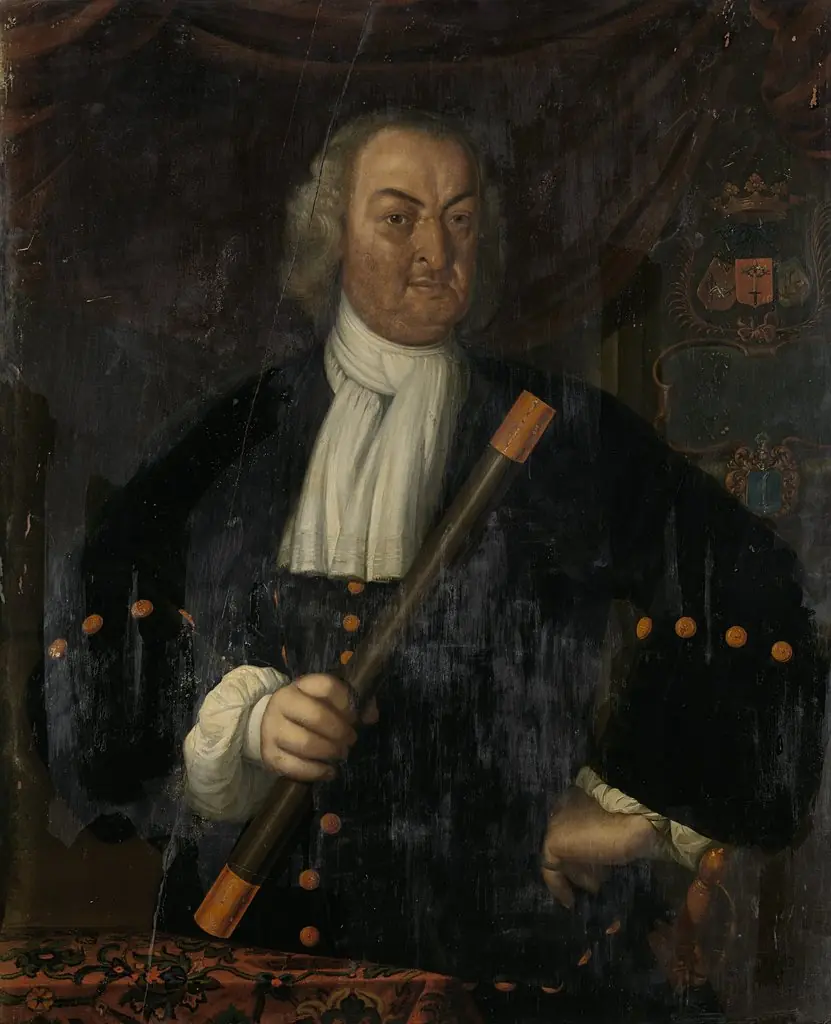 Portrait of Hendrik Swaardecroon (Hendrick Zwaardecroon), Governor General of the Dutch East Indies
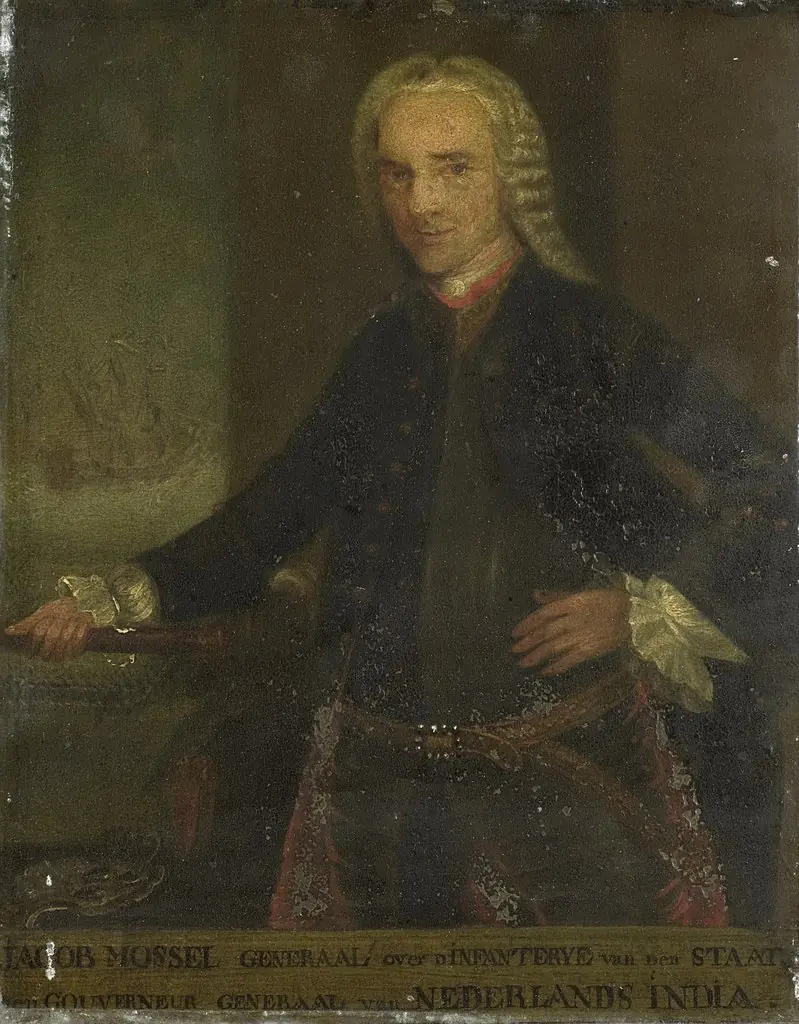 Portrait of Jacob Mossel (1704-1761)
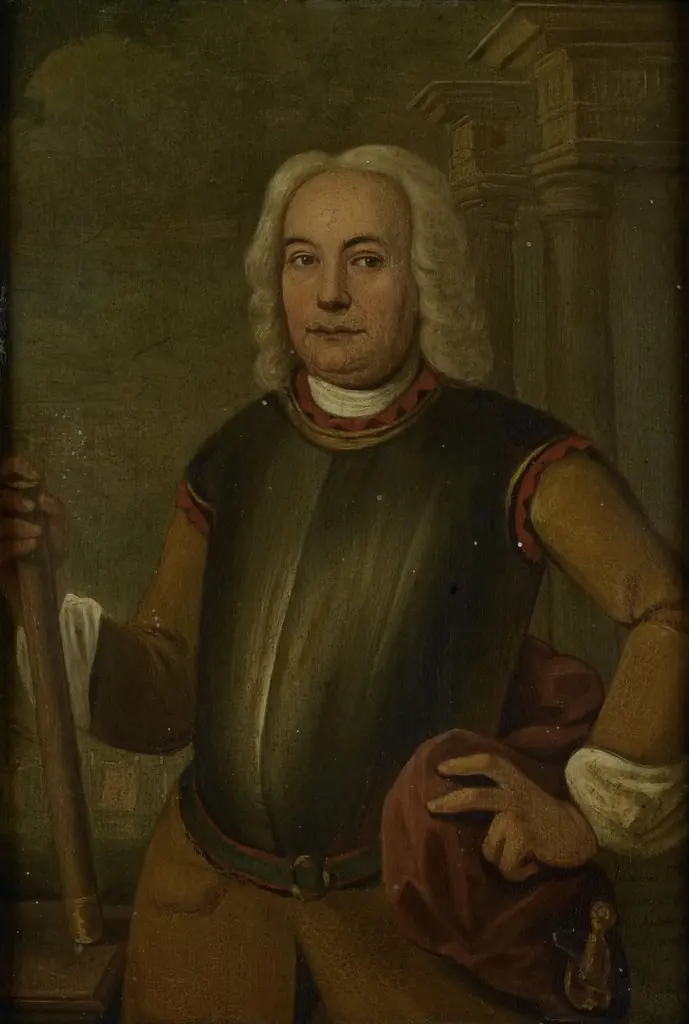 Portrait of Johannes Thedens (1680-1748). Gouverneur-generaal (1741-43)
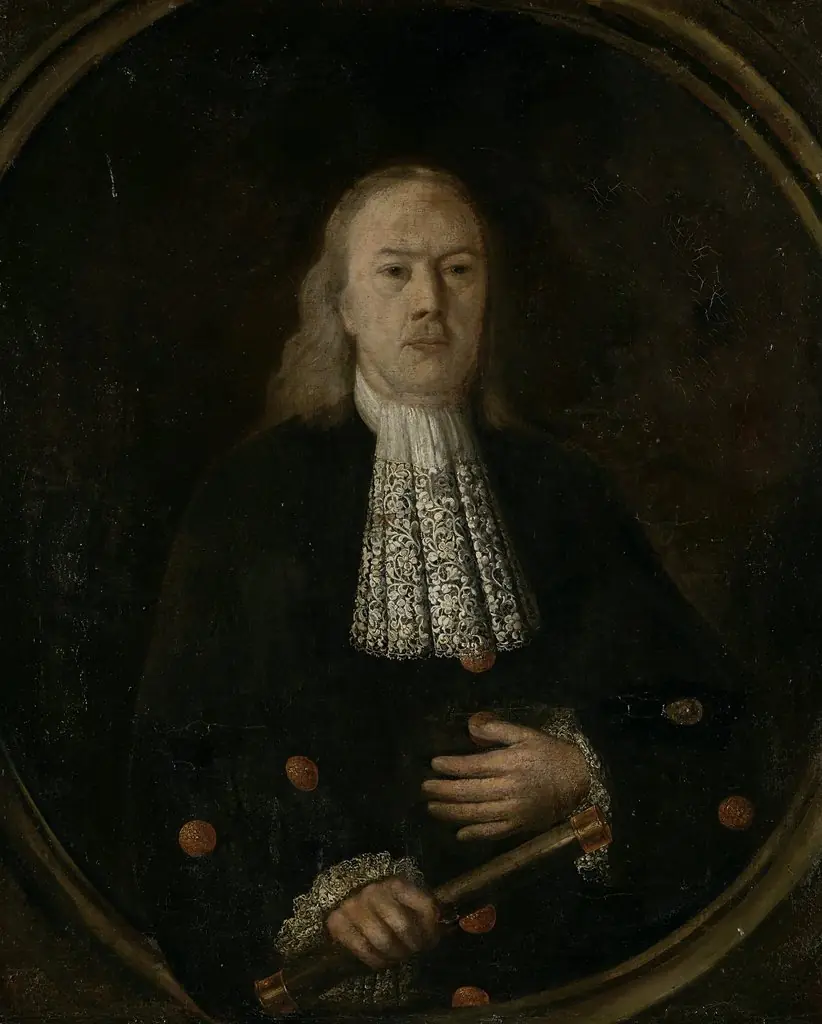 Abraham van Riebeeck (1653-1713). Gouverneur-generaal (1709-13)
 Portrait of Gustaaf Willem, Baron van Imhoff, Governor-General of the Dutch East India Company
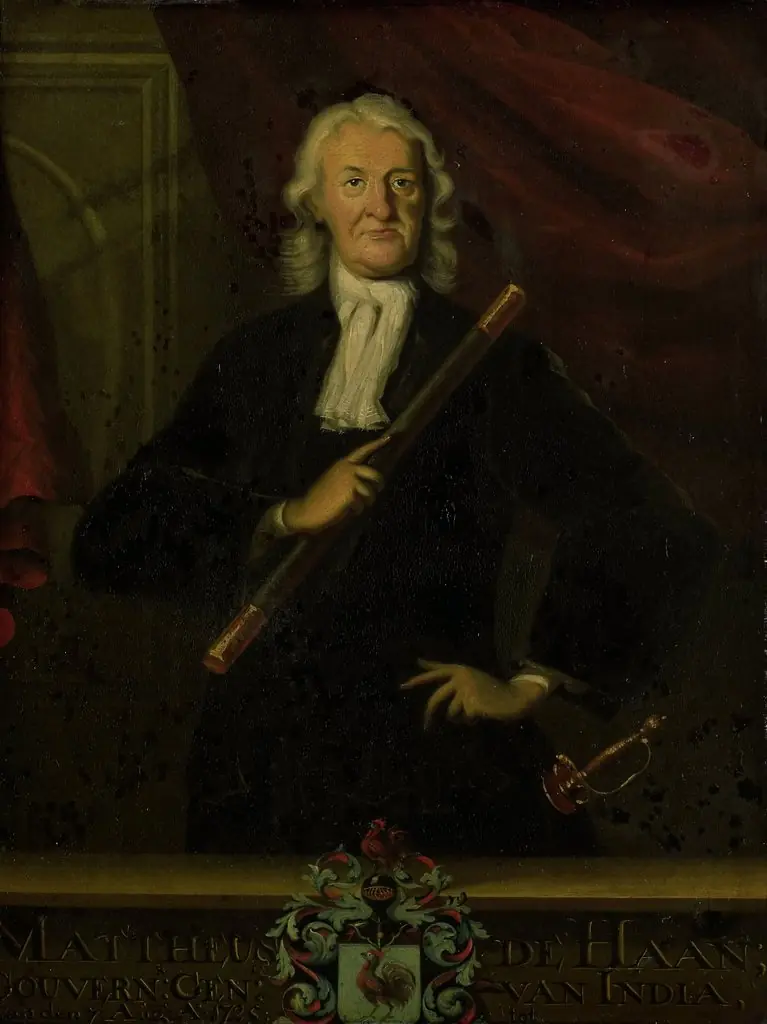
- Mattheus de Haan (1663-1729). Gouverneur-generaal (1725-29)