Artwork
Portraits of Surinamese girls
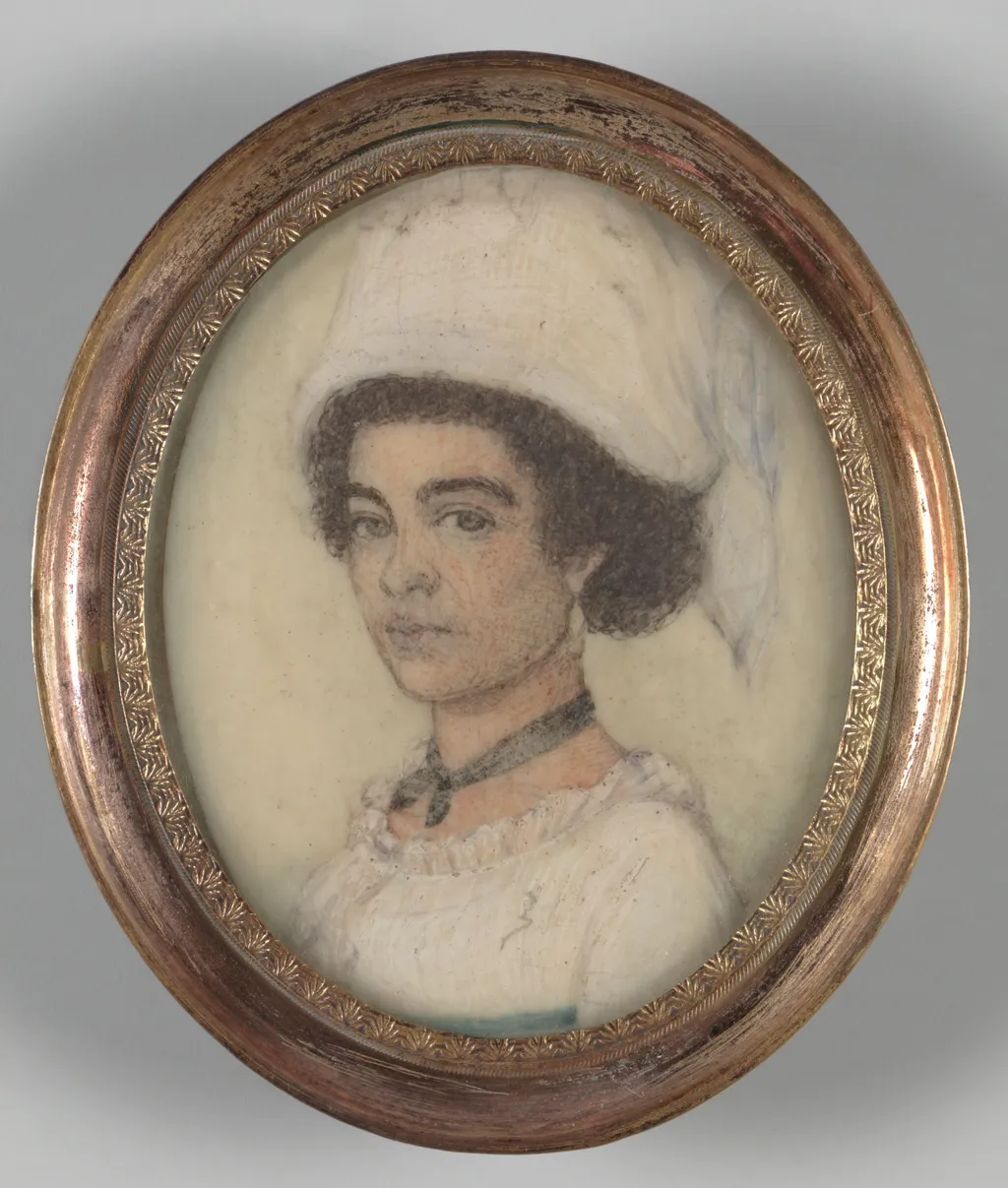
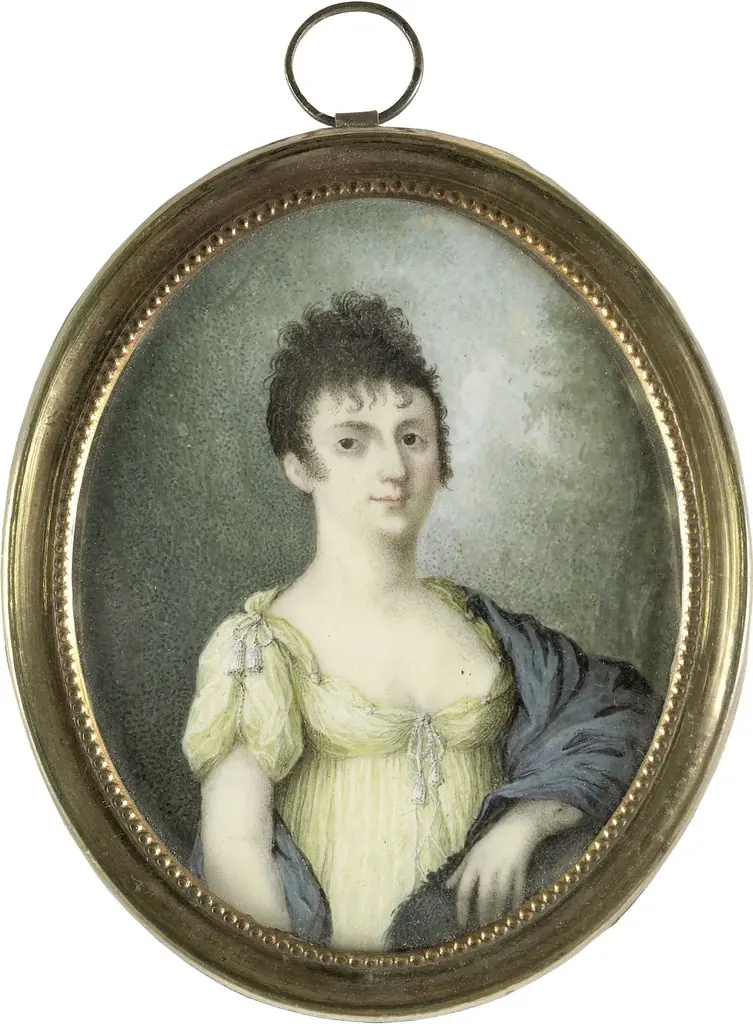
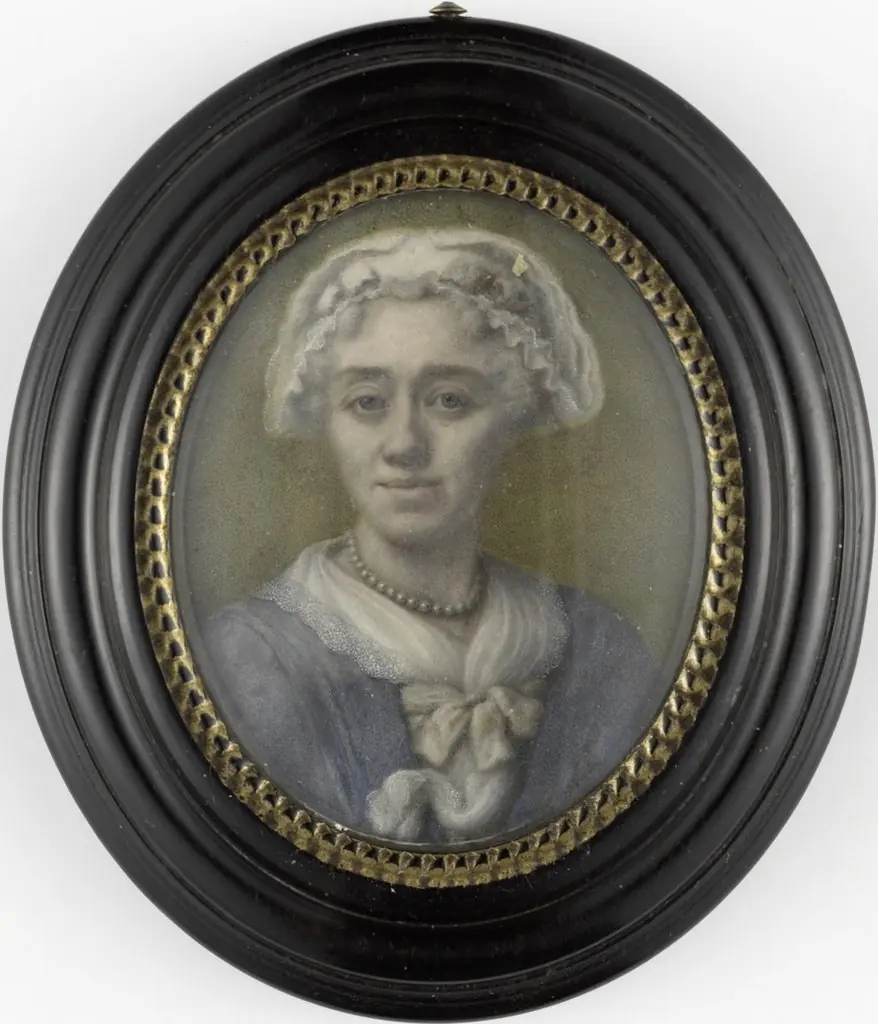
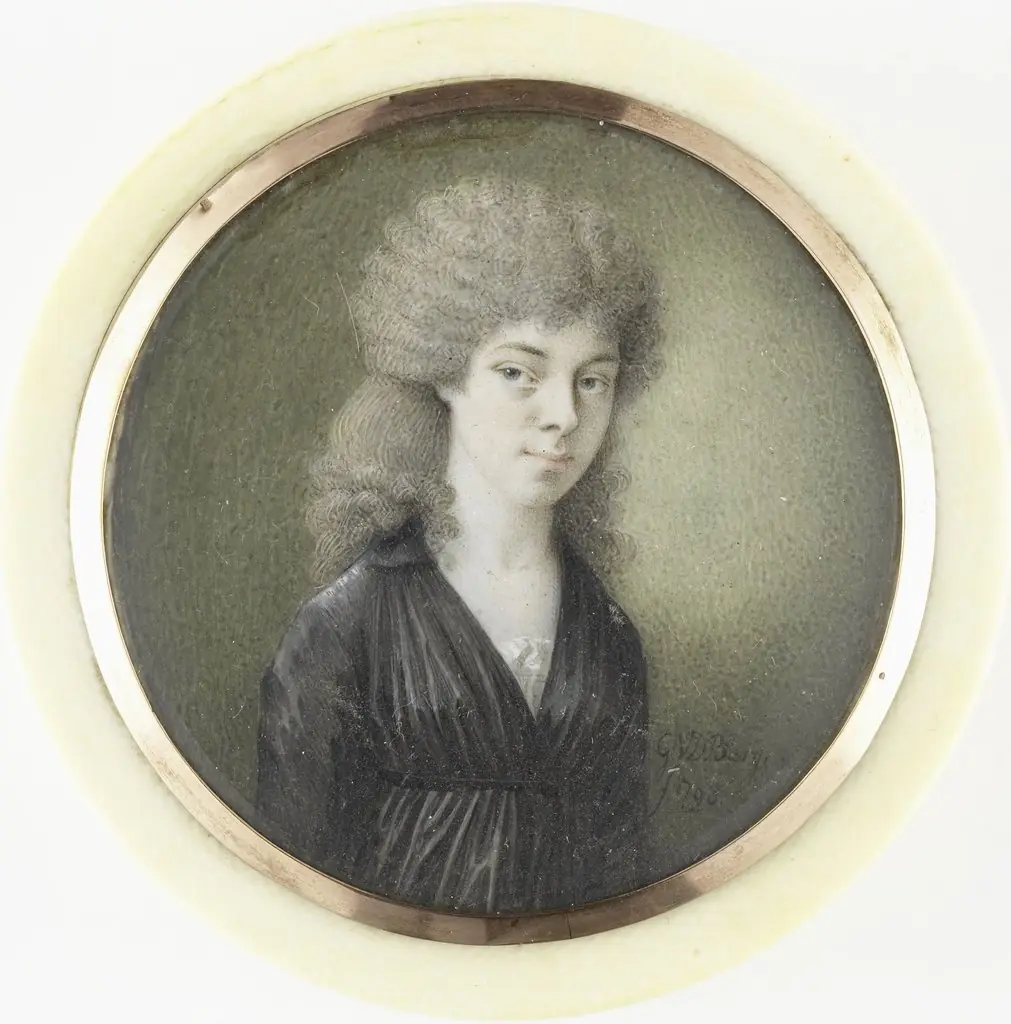
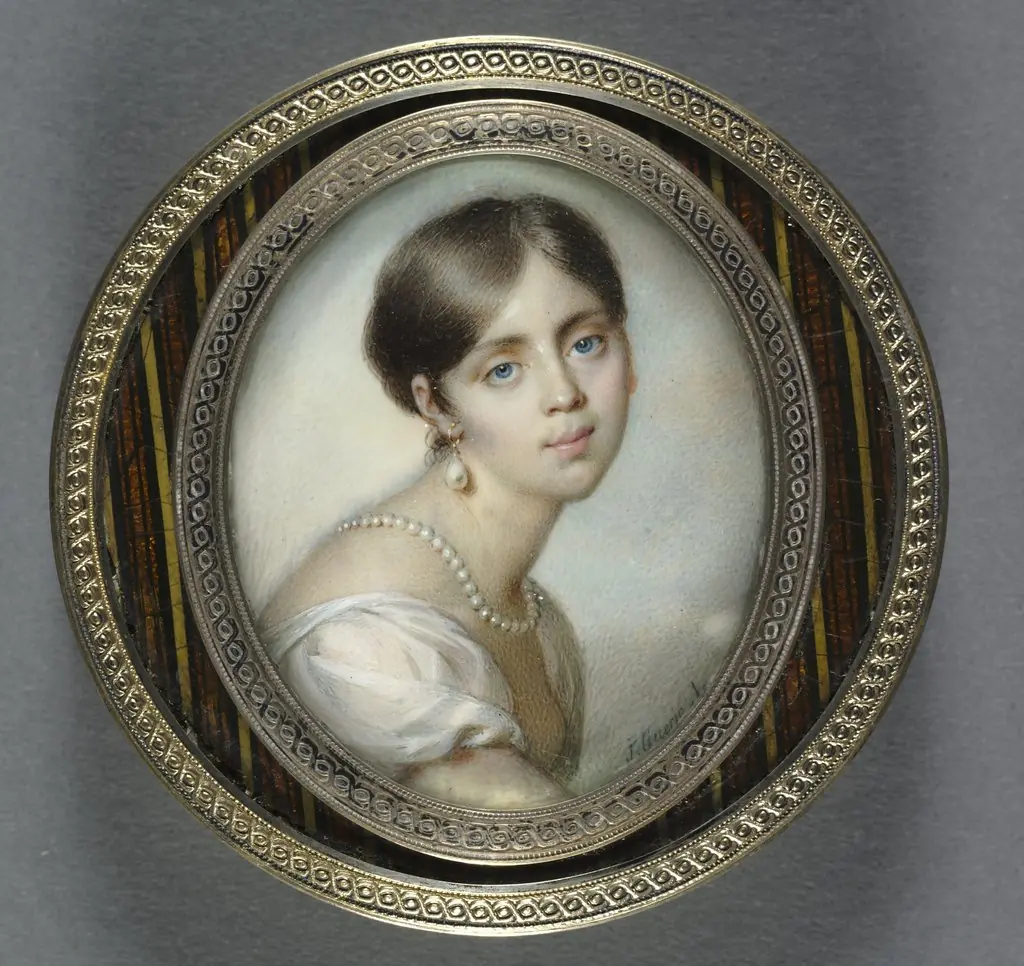
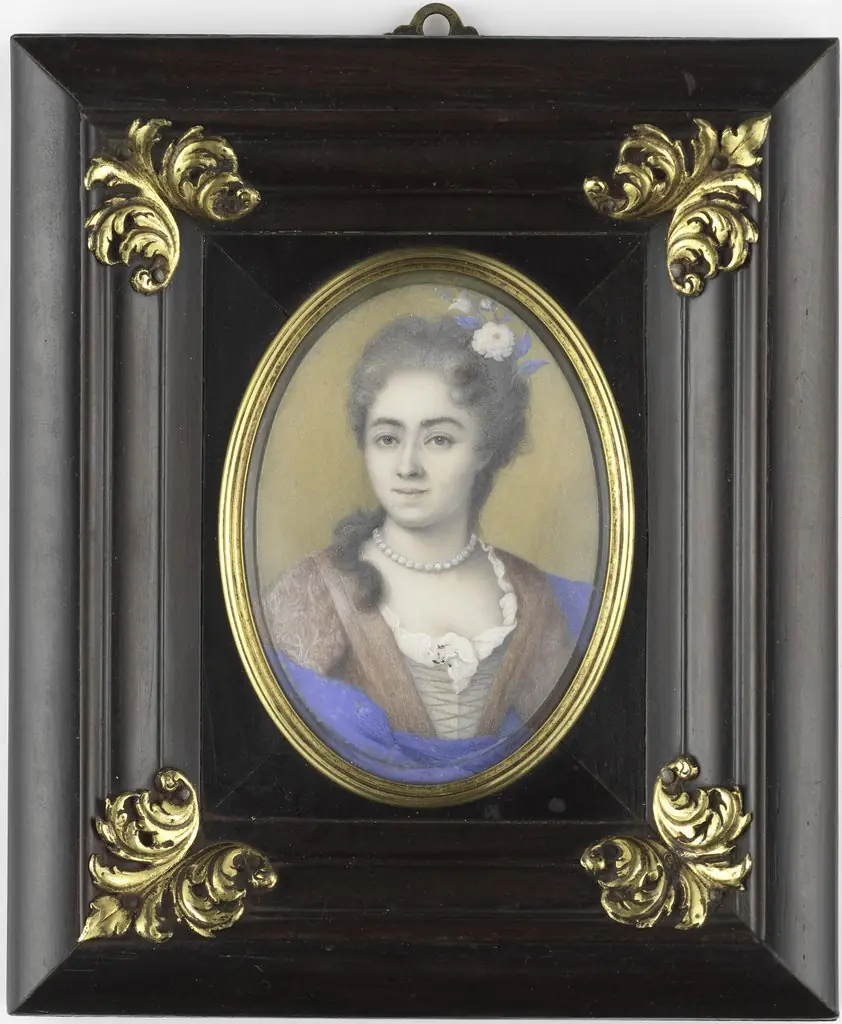
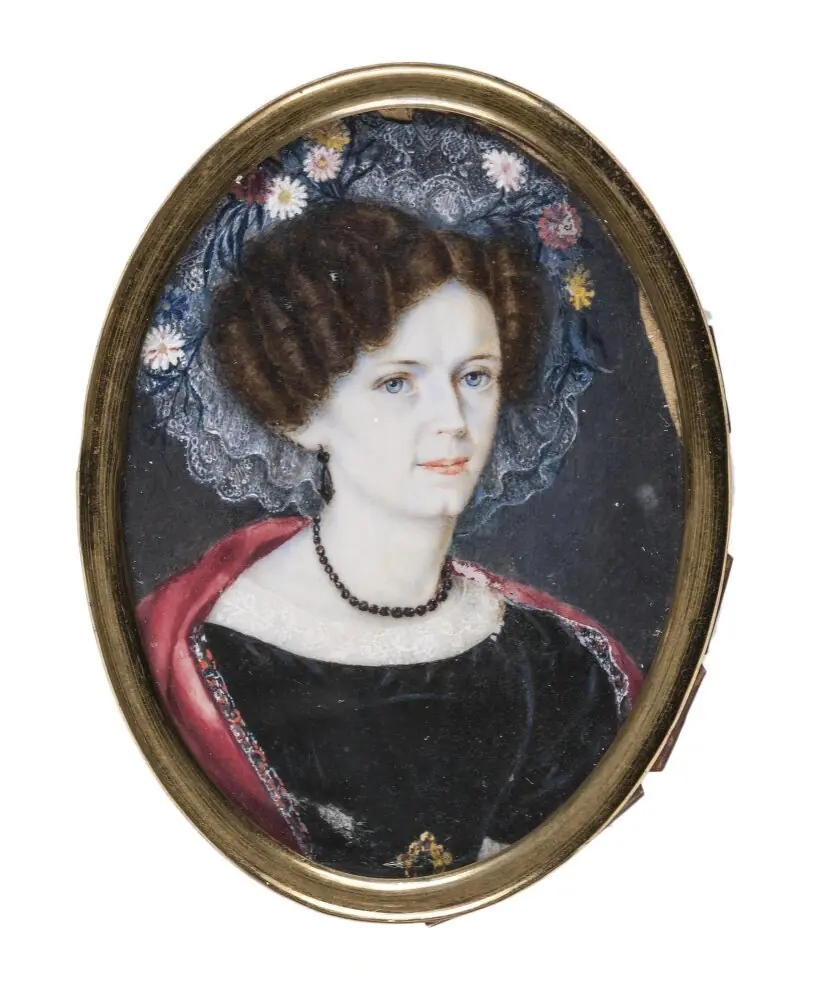
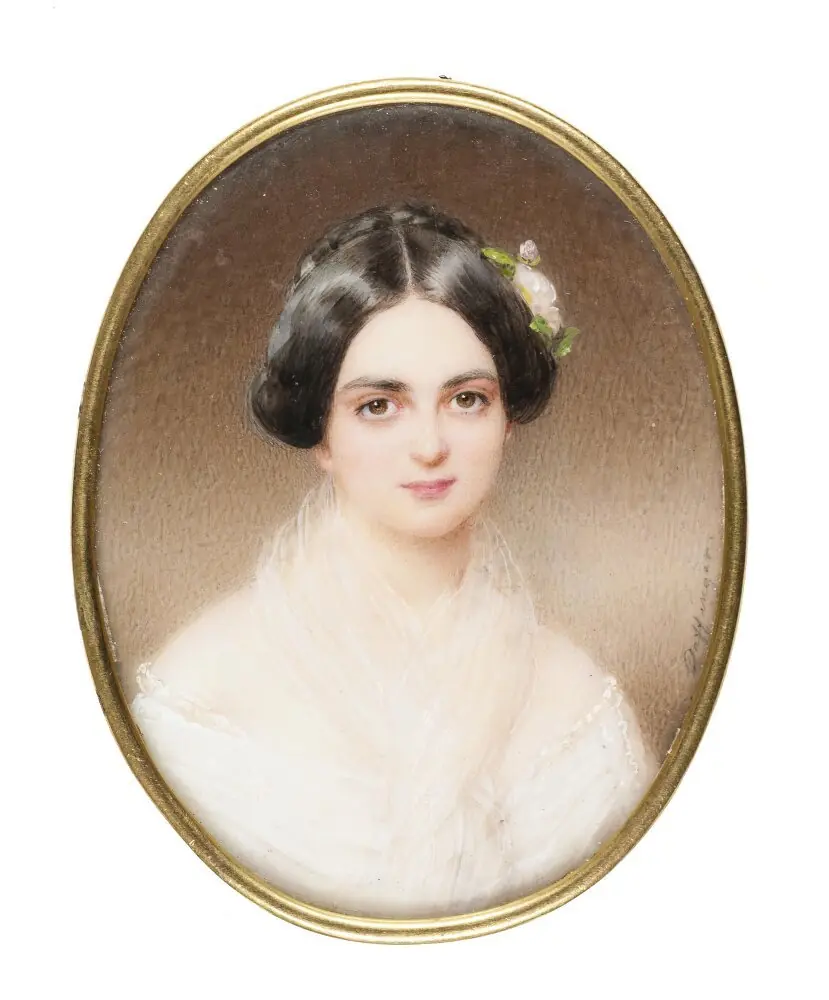
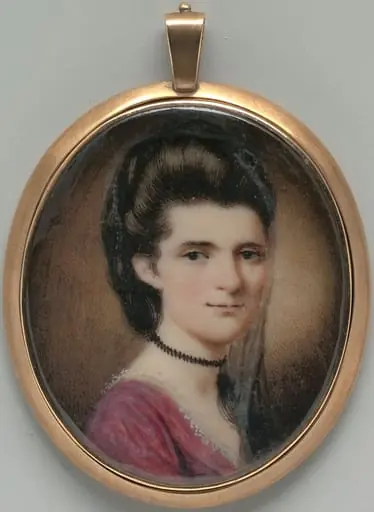
Portraits of Surinamese girls is an ivory painting by Unknown. It dates from 1805 and is held in the collection of the Rijksmuseum. This diminutive work is a carved portrait executed on a fragment of ivory.
About this work
Technique & Style
The Portraits of Surinamese girls are classified as paintings executed on ivory, a support consistent with the small-scale portrait format of the period.
The Portraits of Surinamese girls are classified as paintings executed on ivory, a support consistent with the small-scale portrait format of the period. According to the cataloguing, the work measures 5.7 cm in height by 4 cm in width, indicating a miniature format suited to the delicate ivory surface.
Stylistically, the piece falls within the portrait genre, depicting a girl as its subject. The combination of ivory support and miniature dimensions points to the refined, finely detailed handling typical of early nineteenth-century portrait miniatures, though the sources do not specify further details of brushwork, pigment, or current condition.
History & Provenance
The Portraits of Surinamese girls were created in 1805, according to the work's cataloguing data. The anonymous portraits are executed on ivory, with each miniature measuring 5.7 cm in height by 4 cm in width. No information is provided regarding the identity of the sitters, the circumstances of the commission, or the artist responsible for the works.
The portraits are held by the Rijksmuseum in Amsterdam, where they are catalogued under the object number SK-A-2461. The sources do not document an earlier ownership chain, acquisition history, or details of how the works entered the museum's collection.
The portrait is held by the Rijksmuseum in Amsterdam, where it is catalogued under inventory number SK-A-2461. The work is classified as an anonymous painting on ivory, measuring 5.7 cm in height by 4 cm in width, and is dated to 1805.
No exhibition history is documented in the available sources.
Overview
This diminutive work is a carved portrait executed on a fragment of ivory. It depicts a young woman of Surinamese origin, her dark hair gathered back and her attire consisting of a light‑toned dress accented by a dark collar. The background is unadorned, while the surrounding frame bears a modest decorative motif.
Subject & Meaning
The figure represents a Surinamese girl, rendered with individualized facial features that suggest a focus on personal identity rather than generic exoticism. The simplicity of the setting and the restrained dress may reflect contemporary notions of modesty and the desire to present the sitter in a dignified, approachable manner.
Context
During the era of Dutch colonial activity in Suriname, artworks depicting local inhabitants were produced for both documentary and decorative purposes. Ivory, a material sourced from the colonies, was prized for its smooth surface and capacity for fine detail, making it a suitable medium for intimate portraiture of colonial subjects.
Legacy
These portraits contribute to the visual record of Surinamese individuals in the 18th‑19th centuries, offering insight into cross‑cultural representation and the material culture of colonial art. Their preservation in museum collections allows ongoing study of how European artists engaged with and portrayed peoples from overseas territories.
Artist & collection