Artwork
Profira Prăjescu
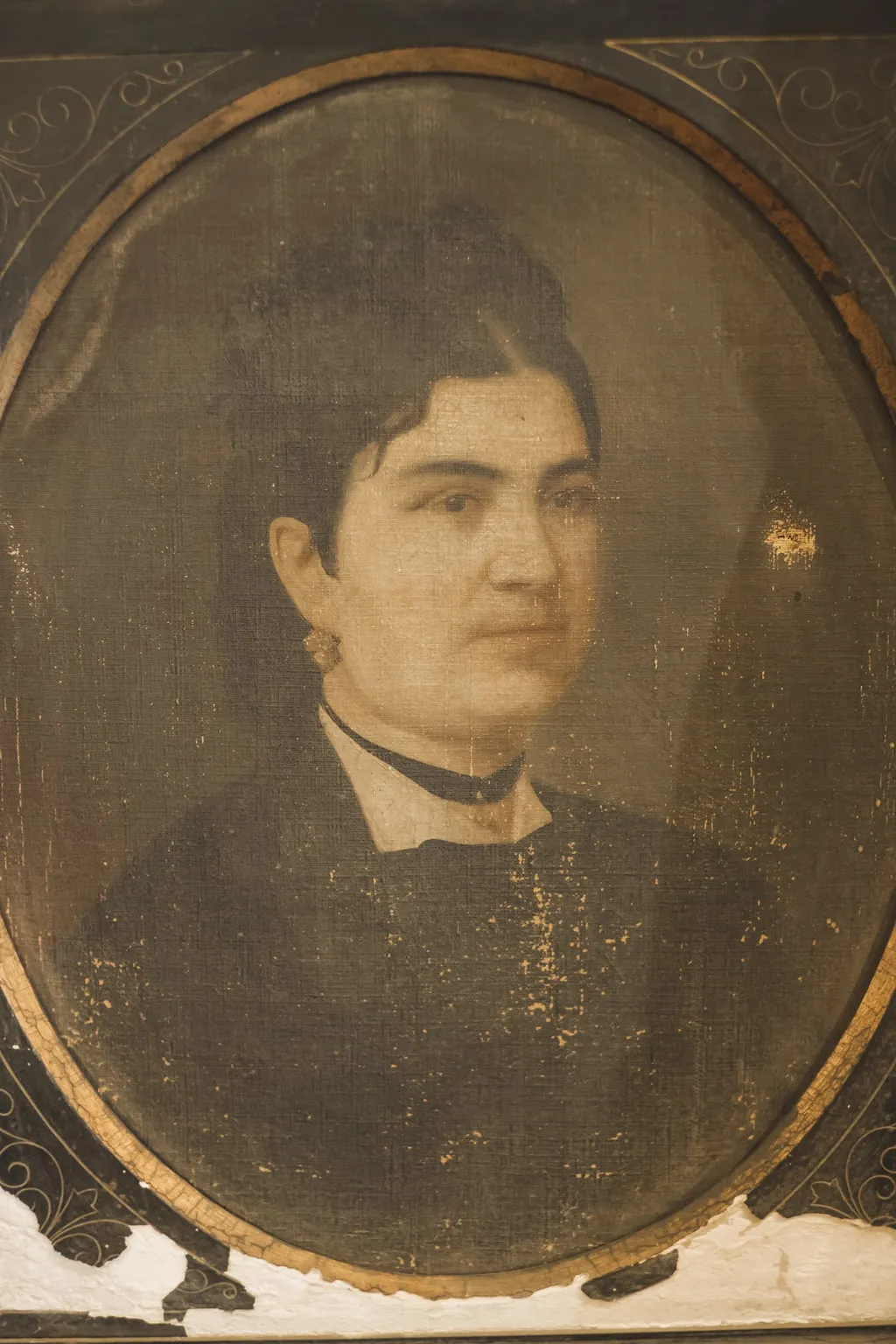
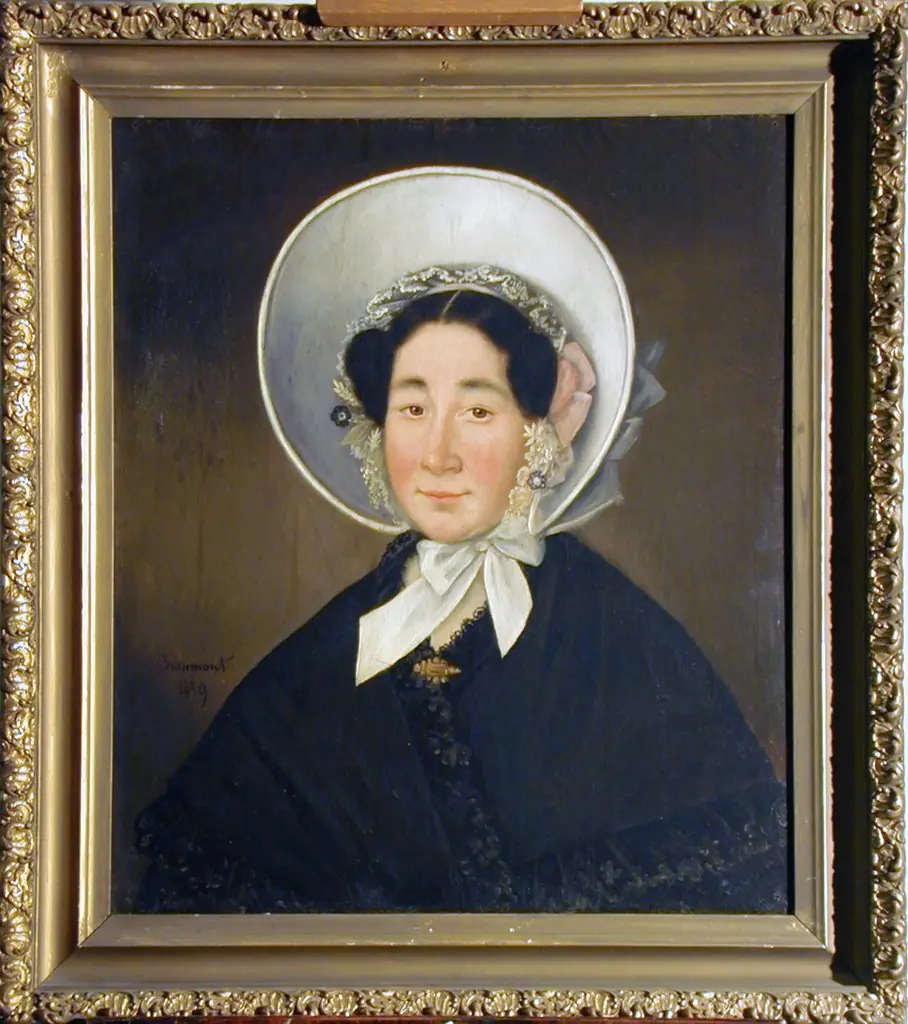
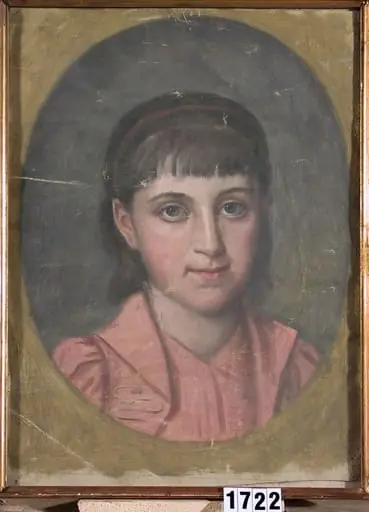
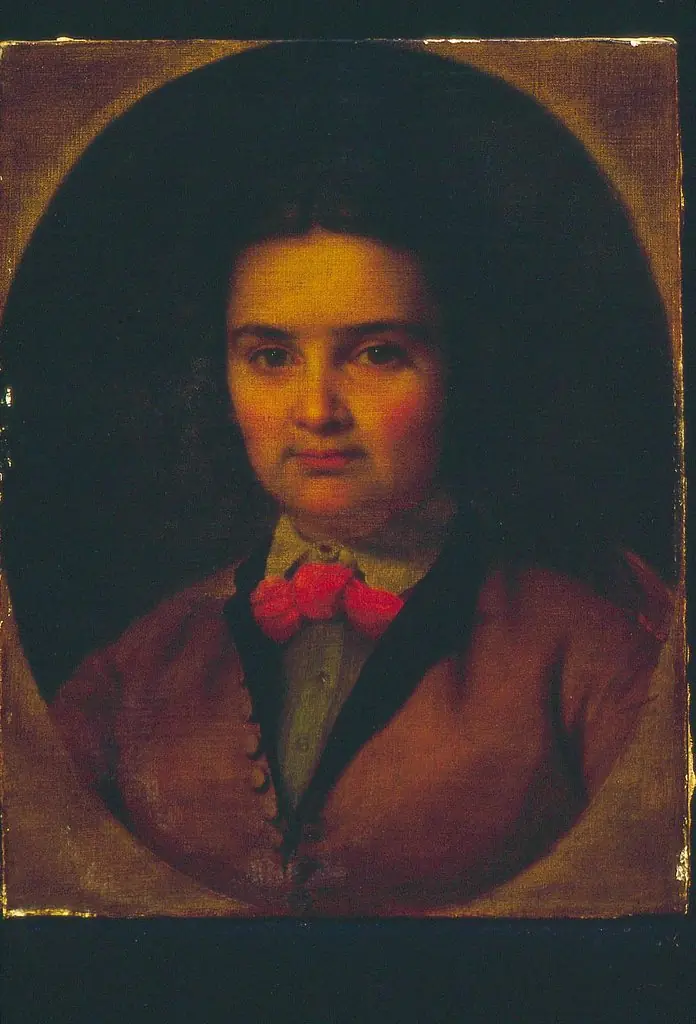
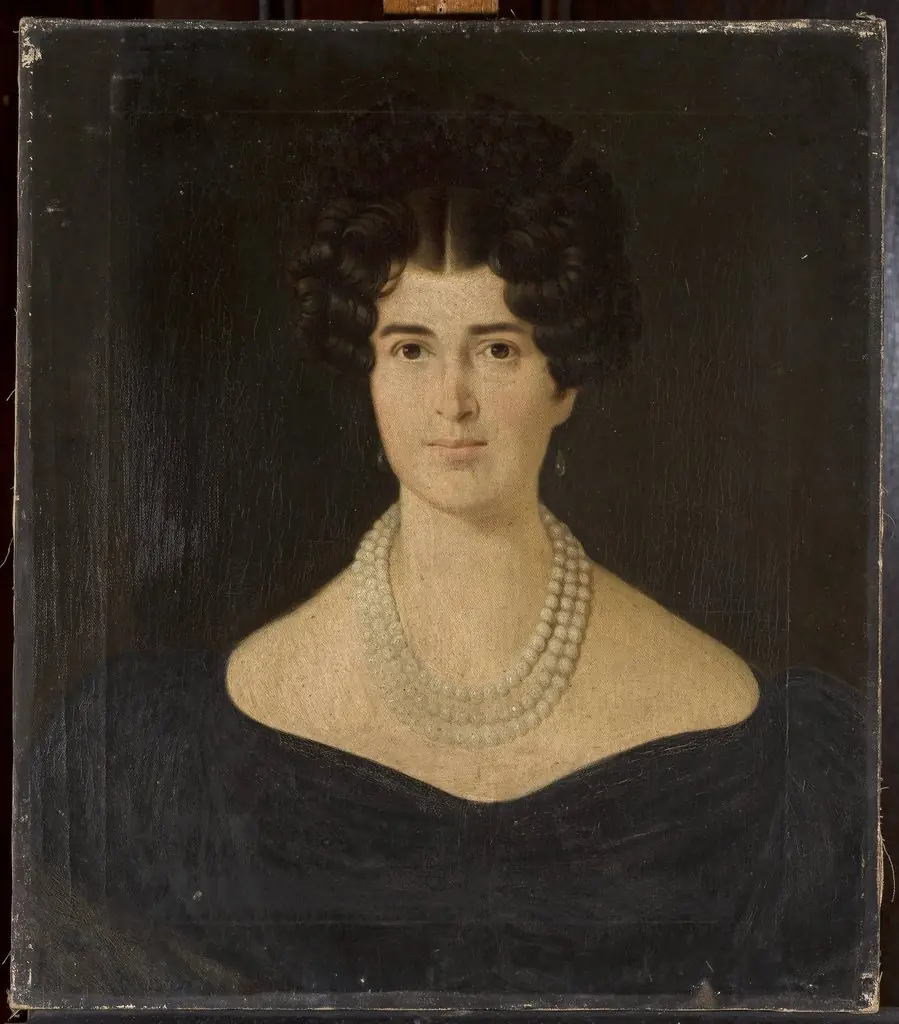
Profira Prăjescu is an unspecified painting by the Byzantine icon painting artist Unknown. It dates from 1850 and is held in the collection of the Moldova National Museum Complex.
About this work
Overview
The paint surface shows signs of age, with subtle fading and a muted tonality that suggests time and possible environmental exposure.
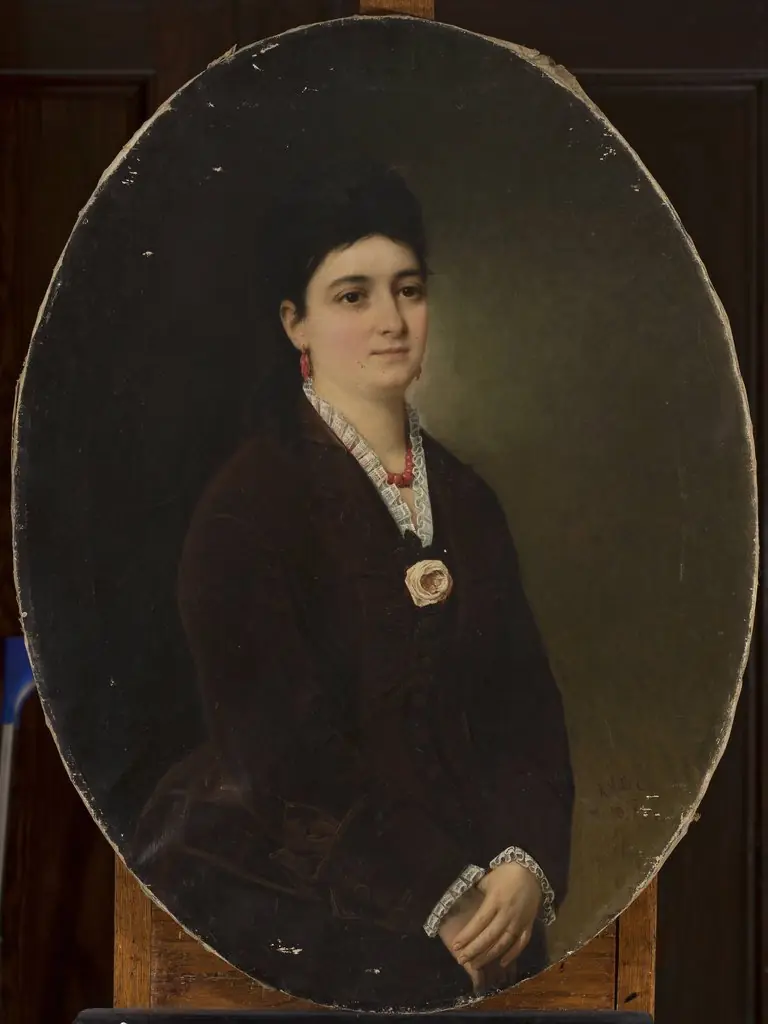
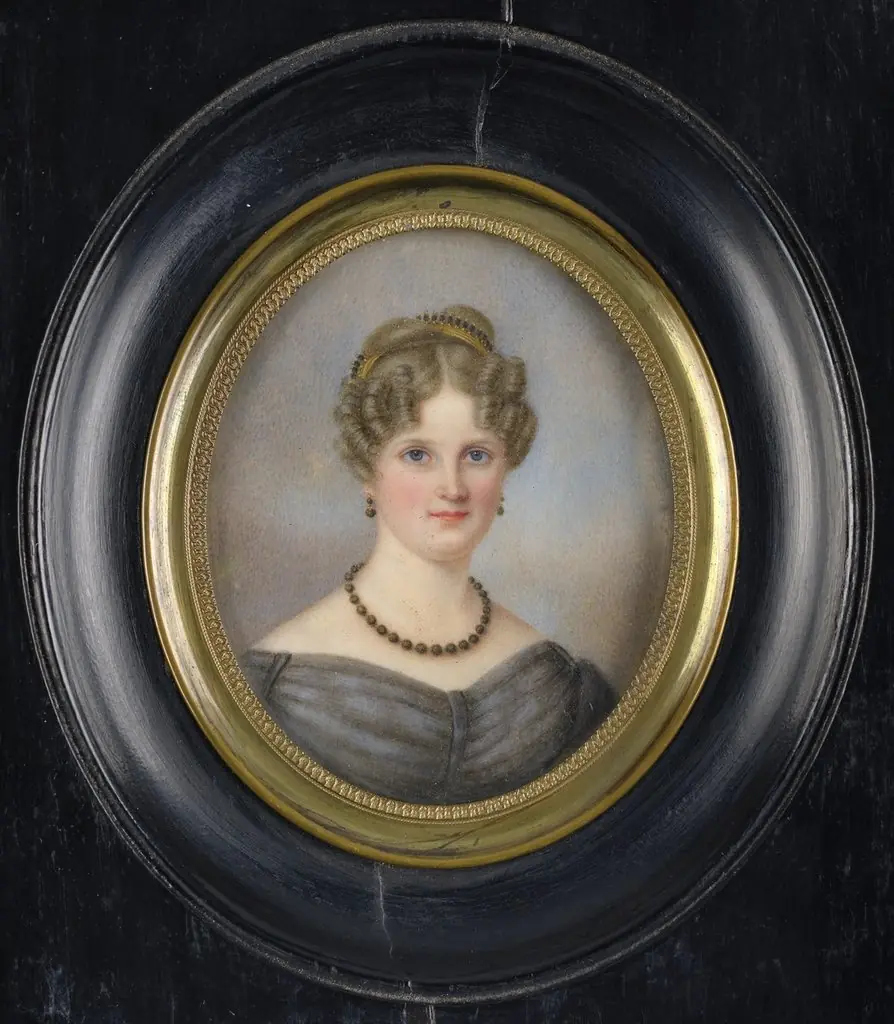
This portrait is painted on a circular panel, known as a roundel, a format frequently used in early 19th-century portraiture for its intimate, focused composition. The subject, identified as Profira Prăjescu, is rendered with restrained realism against a neutral background. The paint surface shows signs of age, with subtle fading and a muted tonality that suggests time and possible environmental exposure.
Subject & Meaning
The sitter, Profira Prăjescu, is depicted with a composed, solemn expression, typical of formal portraiture of the period. Her high collar and modest earrings indicate a middle- or upper-class status, while the absence of elaborate props or setting emphasizes personal dignity over social display. The image conveys quiet individuality rather than public prominence.
Technique & Style
The face is modeled in soft gradations of brown and white, using thin, layered pigments to suggest skin texture without sharp definition. The background is left unadorned, drawing attention to the figure. The roundel format demands compositional balance, which the artist achieves through centered alignment and careful attention to the contours of the head and collar.
History & Provenance
The painting’s origin and early ownership remain undocumented. Its style and material suggest it was created in the early 1800s, likely in Eastern Europe, but no records confirm the artist, commission, or prior collection. The faded state implies prolonged exposure to light or humidity, though no restoration history is known.
Context
During the early 19th century, roundel portraits were popular among families seeking personal likenesses outside grand courtly traditions. They were often displayed in private homes or family altars. This work reflects a regional adaptation of broader European portrait conventions, prioritizing simplicity and emotional restraint over ornamentation.
Legacy
As an unattributed work with limited documentation, this portrait contributes to the broader understanding of domestic portraiture in Eastern Europe during the post-Enlightenment era. It stands as a quiet testament to the personal and cultural values of its time, preserved through material endurance rather than historical fame.