Artwork
Roundel with Lazarus at the House of Dives
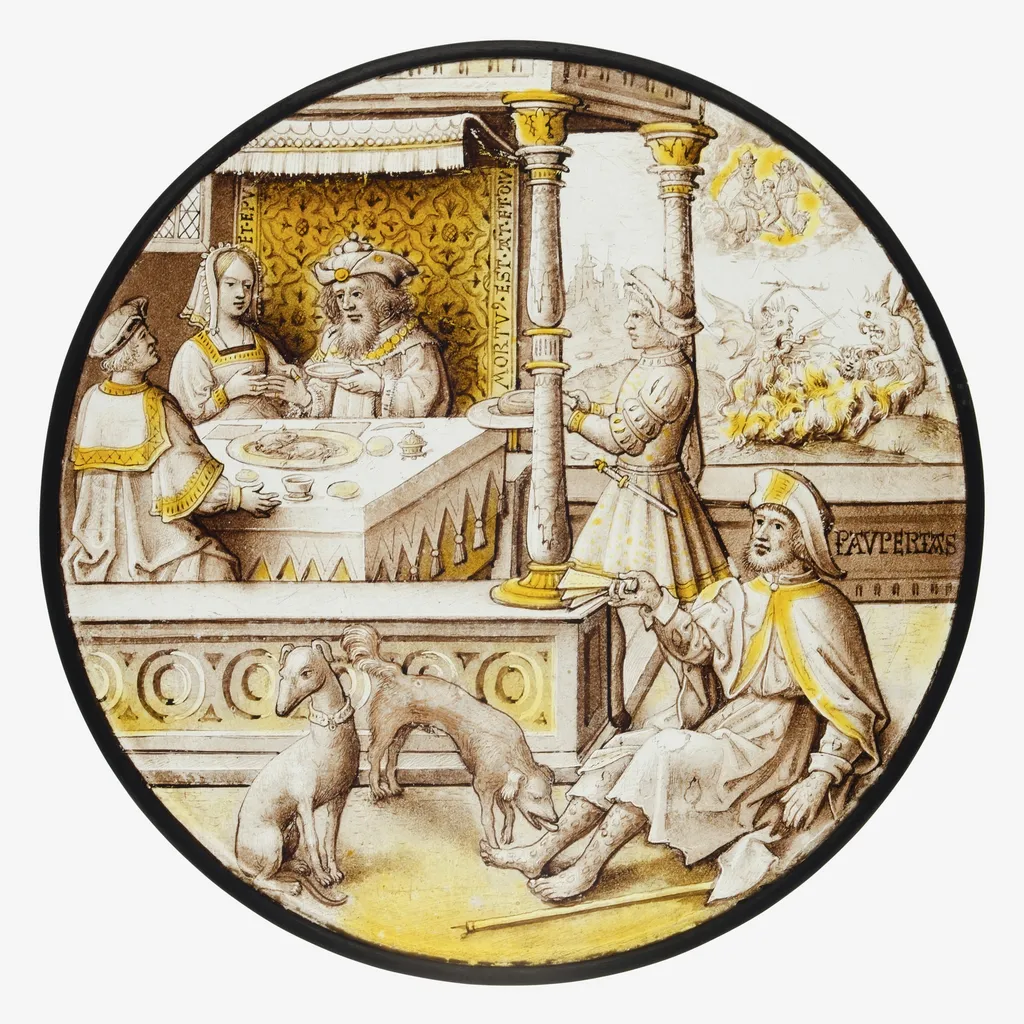
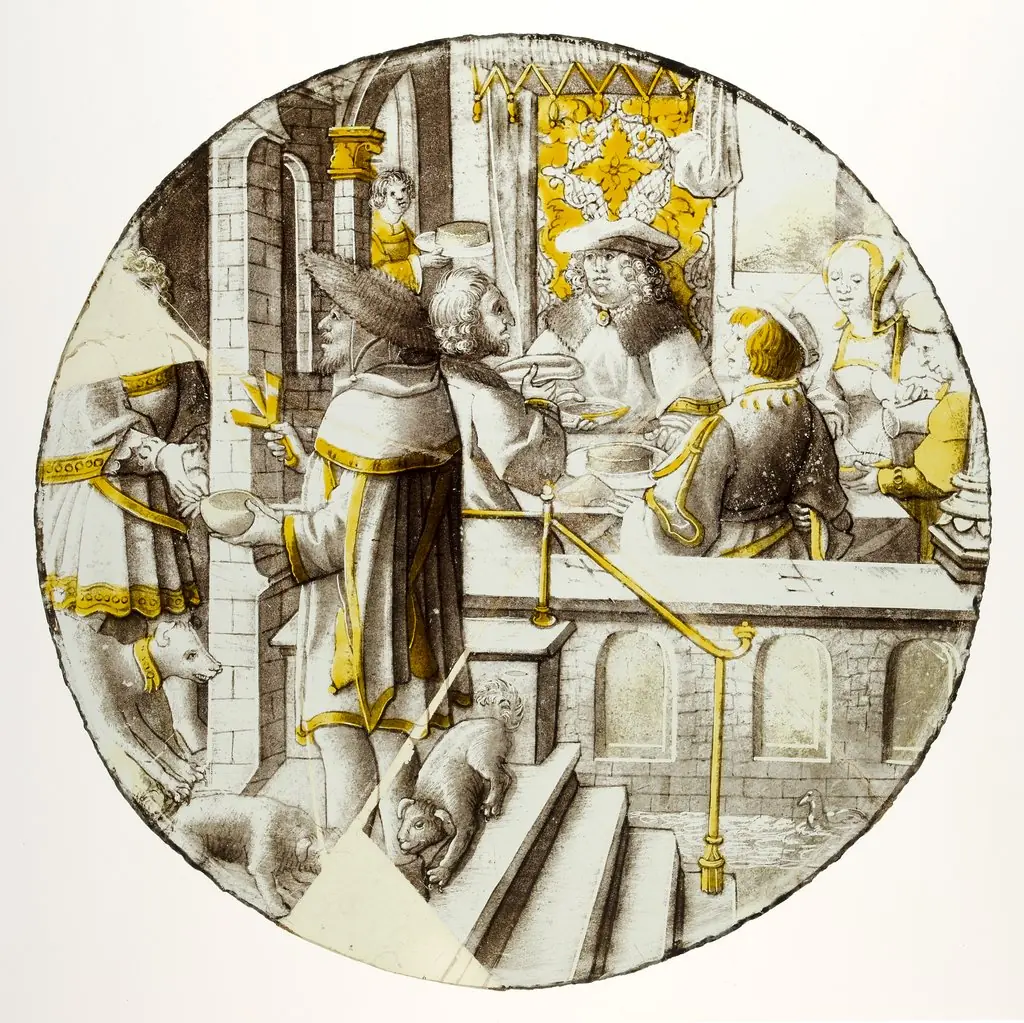
Roundel with Lazarus at the House of Dives is an unspecified painting. It dates from 1520 and is held in the collection of the Metropolitan Museum of Art. This round painting depicts a biblical parable through a stark visual division.
About this work
Subject & Meaning
The painting depicts a scene from the biblical parable of Lazarus and the rich man, specifically illustrating the beggar Lazarus at the house of the wealthy Dives. Created in 1520 as a work of religious art, the roundel visualizes the moral and spiritual themes of the parable, contrasting the plight of Lazarus with the opulence of Dives. This visual representation underscores the religious genre's function in conveying scriptural stories and ethical lessons regarding charity, humility, and the afterlife to a sixteenth-century audience.
History & Provenance
The work is catalogued in the museum's holdings as a 1520 religious painting, and its current location is the museum's galleries in New York.
Roundel with Lazarus at the House of Dives is part of the Metropolitan Museum of Art's collection, listed under accession number 32.24.38. The work is catalogued in the museum's holdings as a 1520 religious painting, and its current location is the museum's galleries in New York. The available records do not mention any prior exhibitions or loan history, indicating that no documented exhibition history is associated with this piece in the provided sources.
Overview
This round painting depicts a biblical parable through a stark visual division. On one side, a wealthy man enjoys a lavish meal within an opulent setting, while on the other, a destitute figure struggles outside, attended only by dogs. The artwork employs a circular format to present these two contrasting realities simultaneously, emphasizing the disparity between comfort and hardship. This dual narrative invites contemplation on themes of wealth, poverty, and moral responsibility.
Technique & Style
Rendered as a roundel, the painting employs a clear compositional split to juxtapose its two distinct scenes. The artist meticulously details the luxurious interior of Dives's dwelling, from the rich fabrics to the abundant feast, creating an impression of material excess. Conversely, the exterior scene of Lazarus is depicted with sparse elements, emphasizing his deprivation.
This deliberate visual contrast, contained within the circular frame, serves as a powerful storytelling device, reinforcing the moral message of the parable.
Artist & collection

- Roundel with Lazarus at the House of Dives
 Roundel with Sacrifice in the Temple
 Roundel with Adoration of the Kings
 Roundel with Return of the Prodigal Son
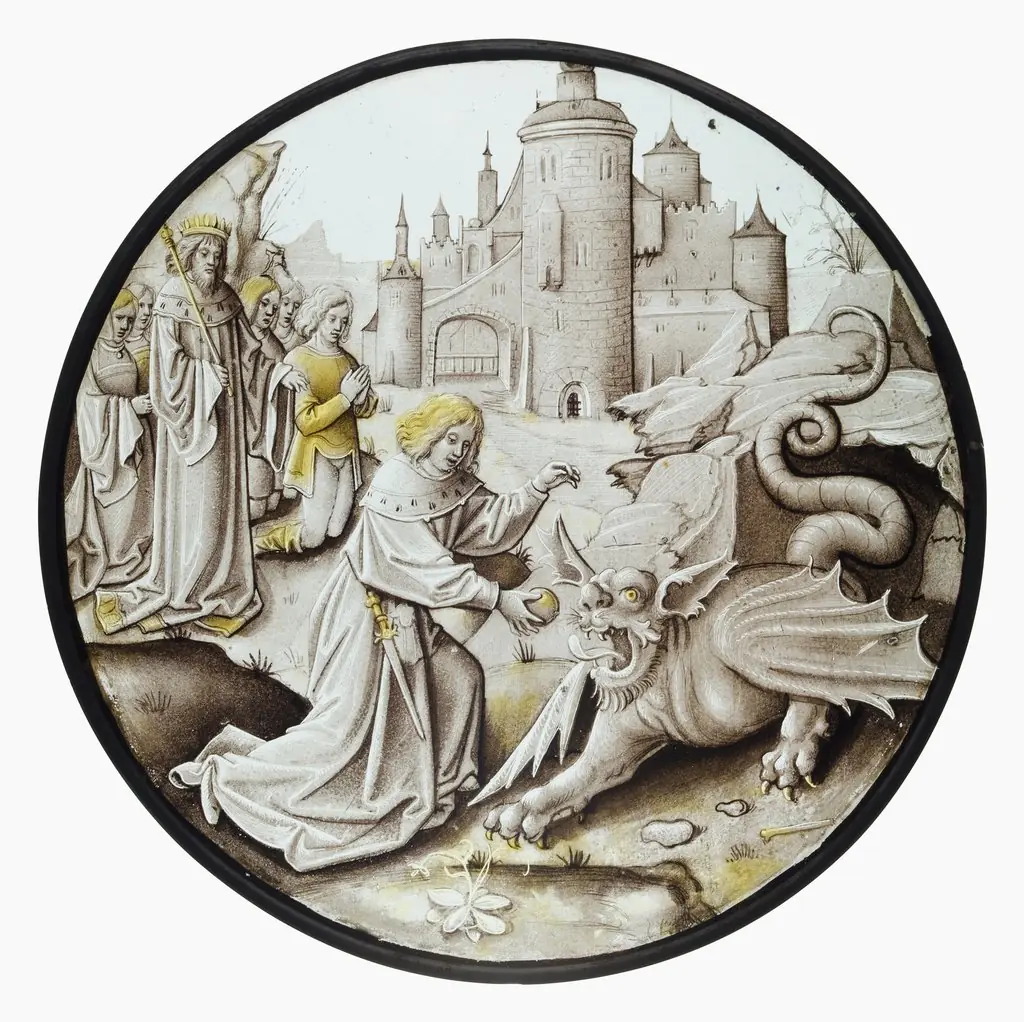 Roundel with Daniel Slaying the Dragon
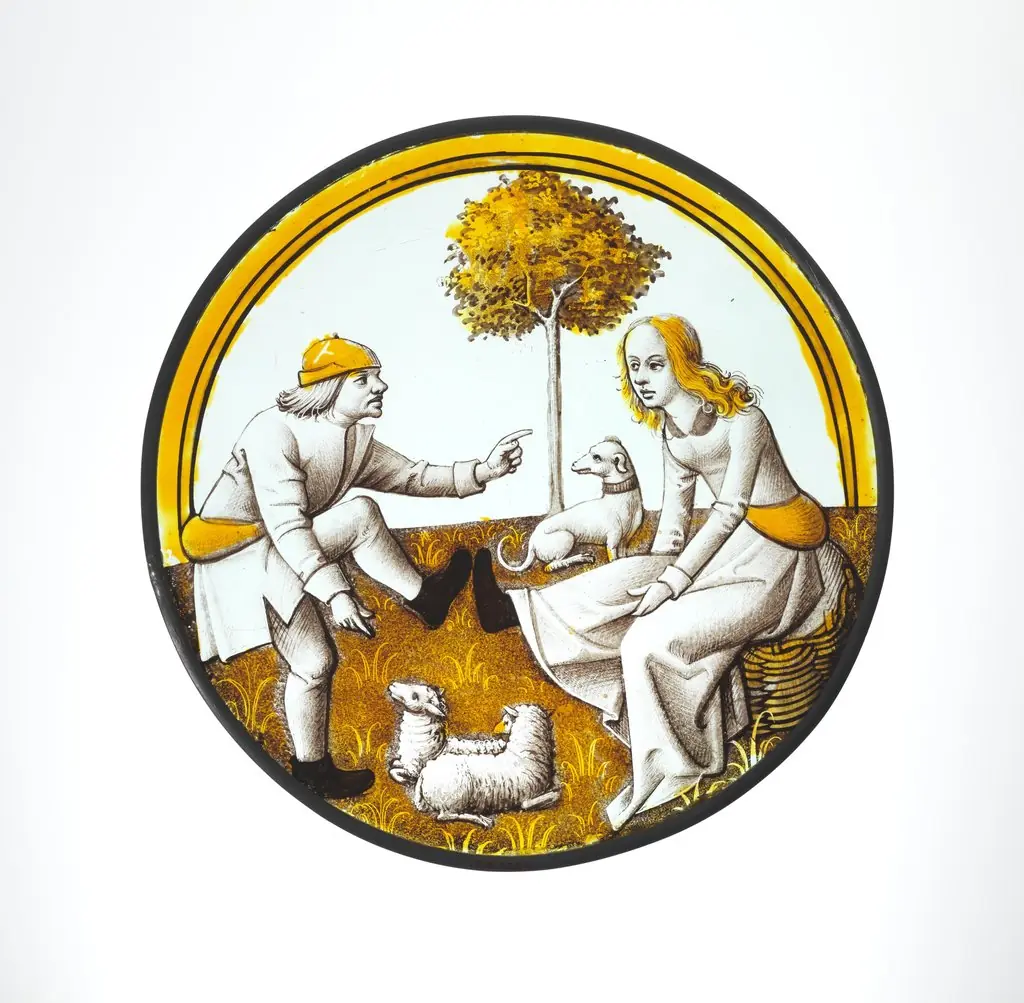 Roundel with Playing at Quintain
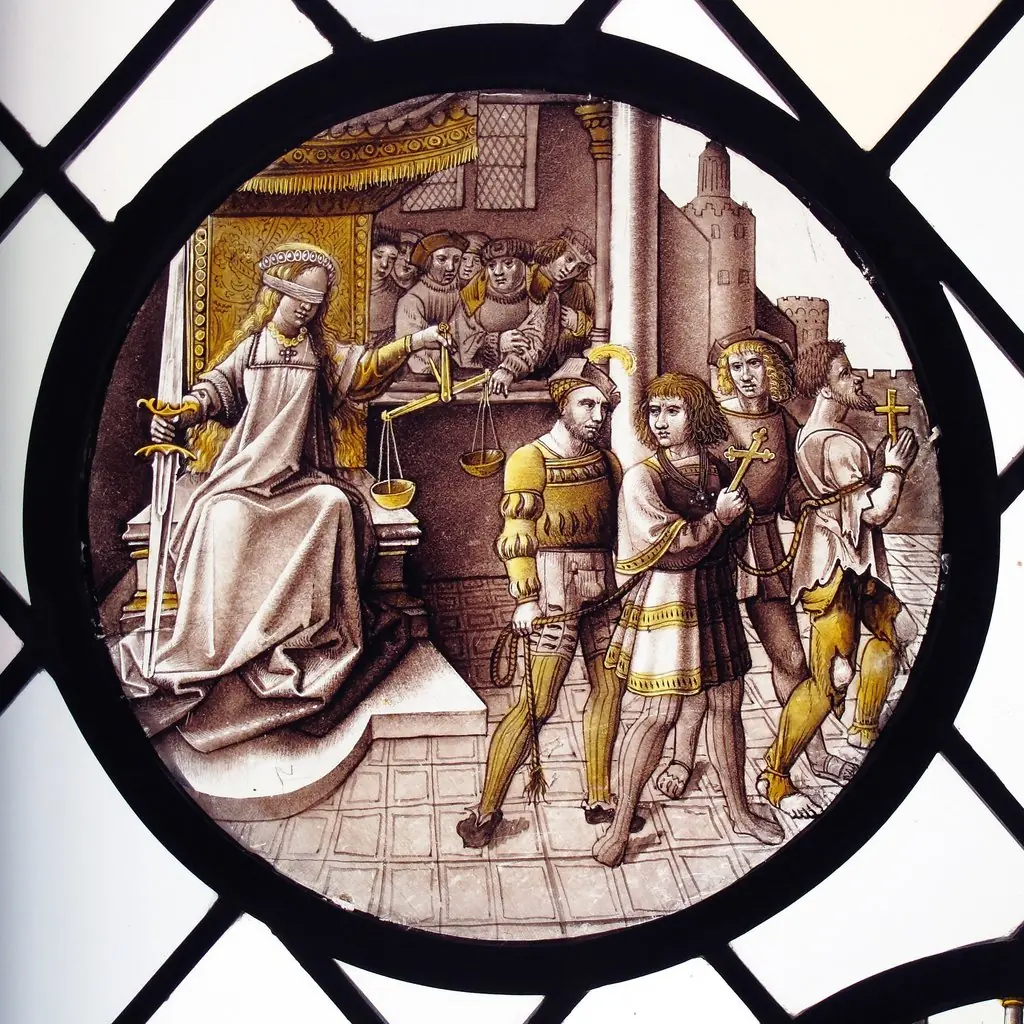 Roundel with Justice
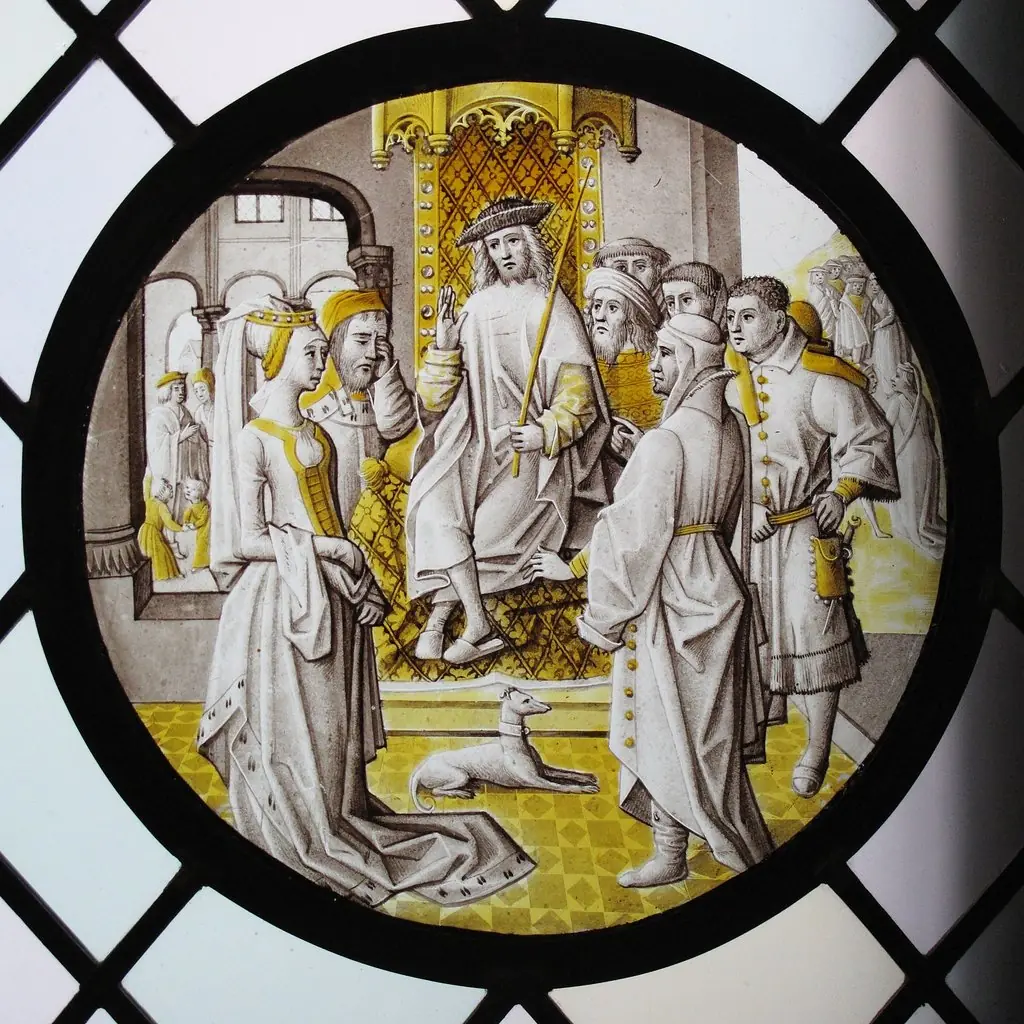 Roundel with Susanna In Judgement
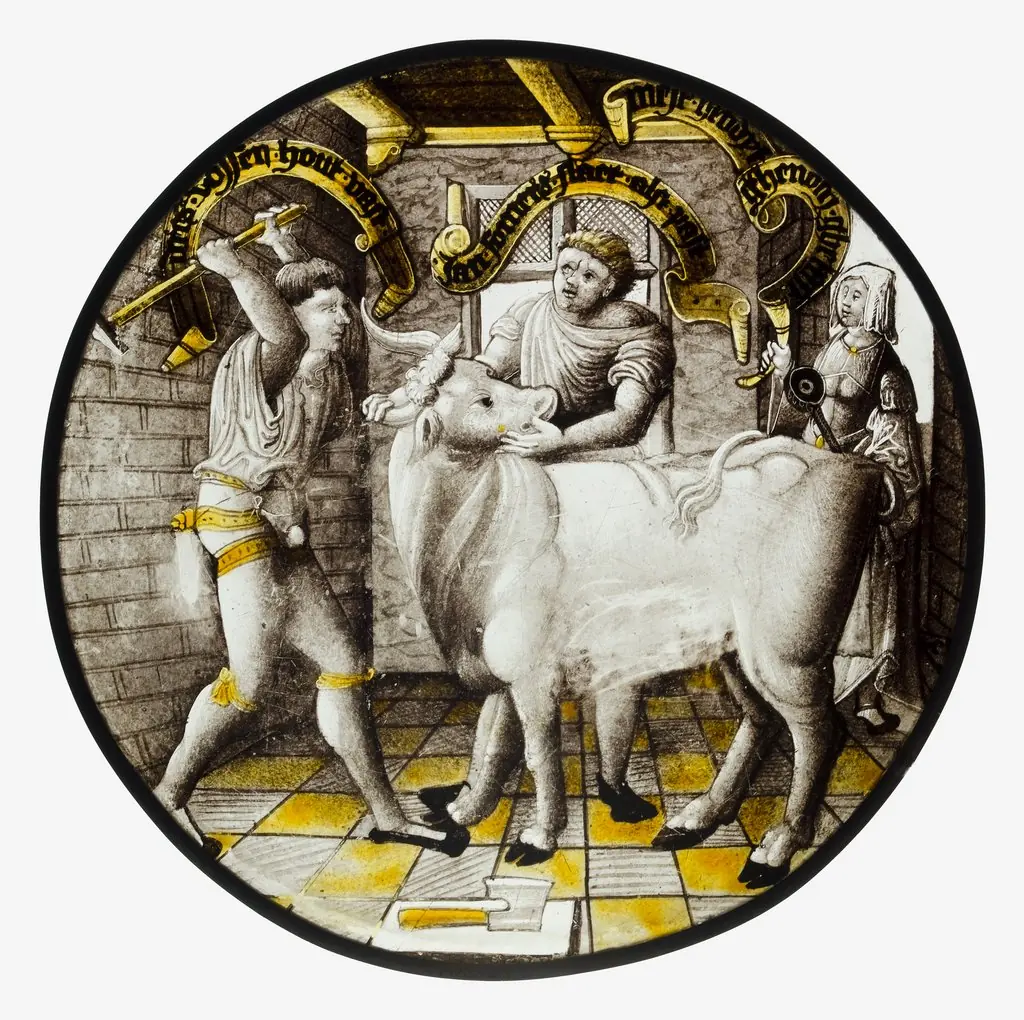 Roundel with Killing of the Ox (December)