Artwork
Samuel Verplanck
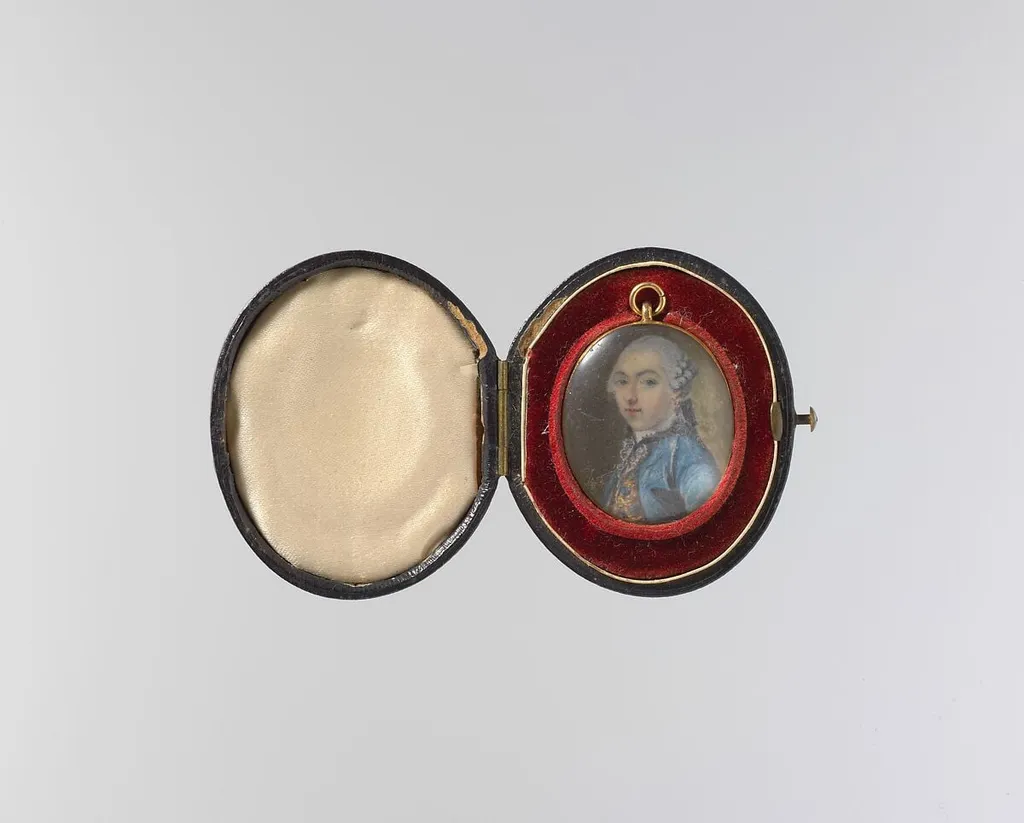
Samuel Verplanck is a watercolor painting. It dates from 1760 and is held in the collection of the Metropolitan Museum of Art.
About this work
Subject & Meaning
The work is a 1760 watercolor portrait executed on ivory and set within a gold locket, classified in The American Wing as a portrait of an unidentified man.
The work is a 1760 watercolor portrait executed on ivory and set within a gold locket, classified in The American Wing as a portrait of an unidentified man. Its depiction of a solitary male sitter, rendered with delicate brushwork, functions as a visual record of personal identity and social standing in the mid‑eighteenth‑century Atlantic world. The use of ivory and a sealed locket suggests a private, commemorative object rather than a public likeness, emphasizing intimacy and the preservation of memory.
As a portrait, the piece symbolizes the sitter’s presence and the artist’s intent to capture likeness, while the gold setting underscores the value attributed to the individual within contemporary elite circles.
Technique & Style
Created in 1760, this portrait miniature utilizes watercolor applied to an ivory support. The work is housed within a gold locket, integrating the painting with a precious metal setting. Physically, the piece is diminutive, measuring approximately 3.2 by 2.9 units, a scale characteristic of personal jewelry intended for close viewing.
As an anonymous work, the specific brushwork or stylistic handling of the unknown artist cannot be attributed to a named individual, though the medium and format align with eighteenth-century conventions for portable portraiture. The combination of translucent watercolor layers over the smooth, luminous surface of the ivory creates the soft tonal transitions typical of the genre, while the gold frame serves both a protective and decorative function.
History & Provenance
The portrait Samuel Verplanck is held by The Metropolitan Museum of Art, where it is catalogued as part of its American Wing collection (accession details are not specified in available sources). Executed circa 1760 in watercolor on ivory within a gold locket, the miniature measures approximately 3.2 cm in height and 2.9 cm in width. The work has been identified as an anonymous portrait in the museum’s holdings, aligning with the genre and date recorded in both internal and public documentation.
Overview
This miniature portrait depicts Samuel Verplanck, rendered in watercolor on a small piece of ivory. Encased within a gold locket, the artwork served as a personal keepsake during the 18th century. It captures Verplanck in a red coat with a powdered wig, showcasing the meticulous detail characteristic of this intimate art form. The piece is part of The American Wing collection.
Context
During the 1700s, miniature portraits like that of Samuel Verplanck functioned as portable, cherished possessions. They were frequently worn or carried in pockets, serving as tangible reminders of family members or close acquaintances. This practice highlights a period before photography, when such finely detailed, intimate artworks were the primary means of personal visual remembrance and connection.
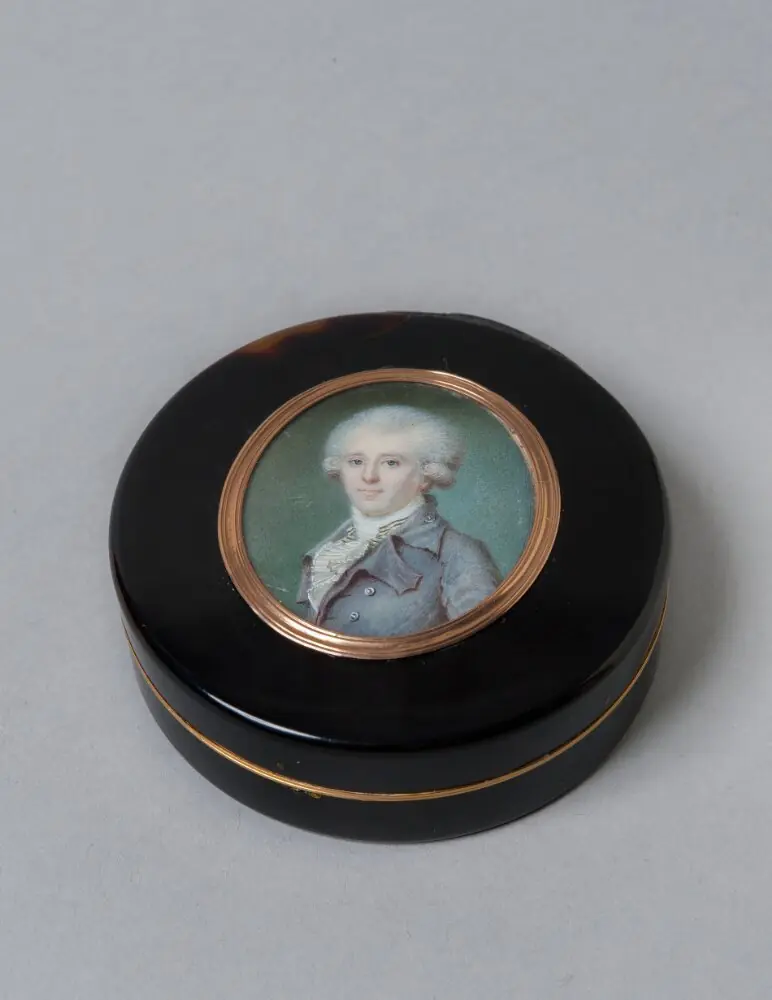
Artist & collection

- Edmond-Charles-Edouard Genet (1763-1834), franskt sändebud i USA
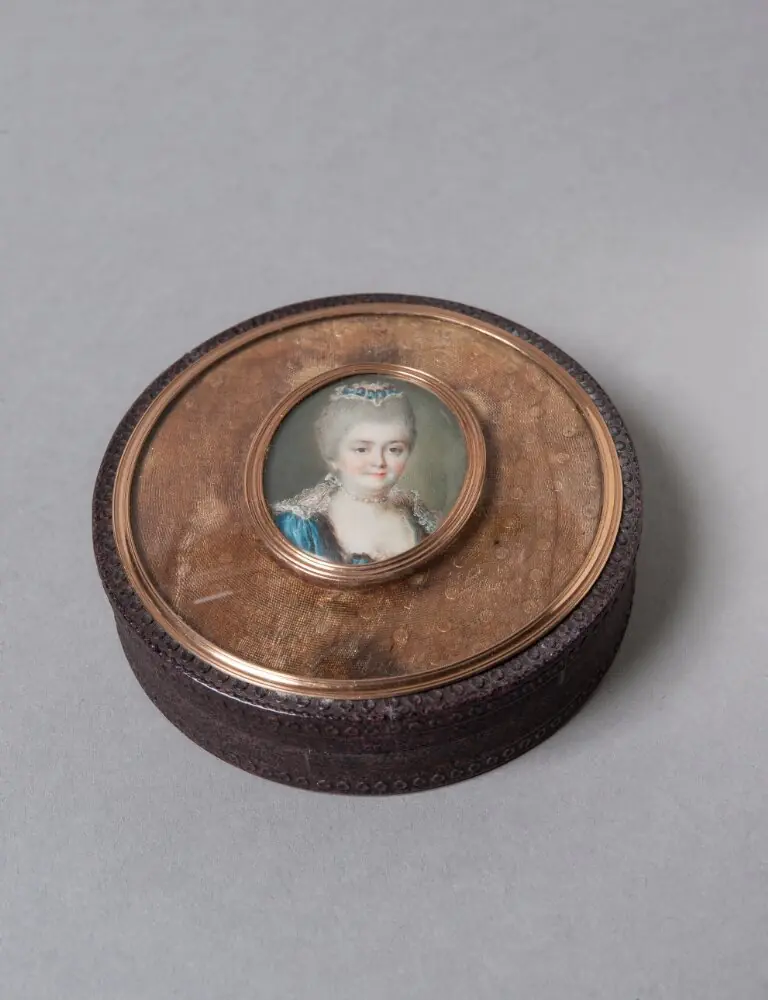 Marie-Ann-Louise Cardon-Genet
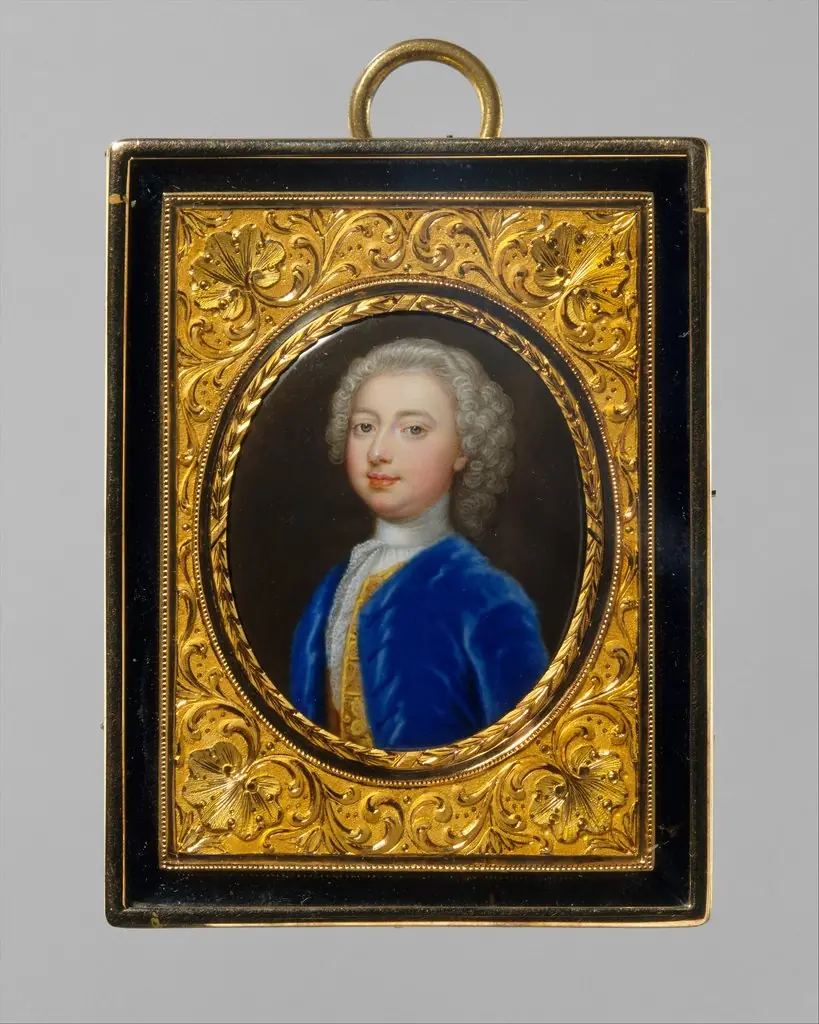 Portrait of a Young Man
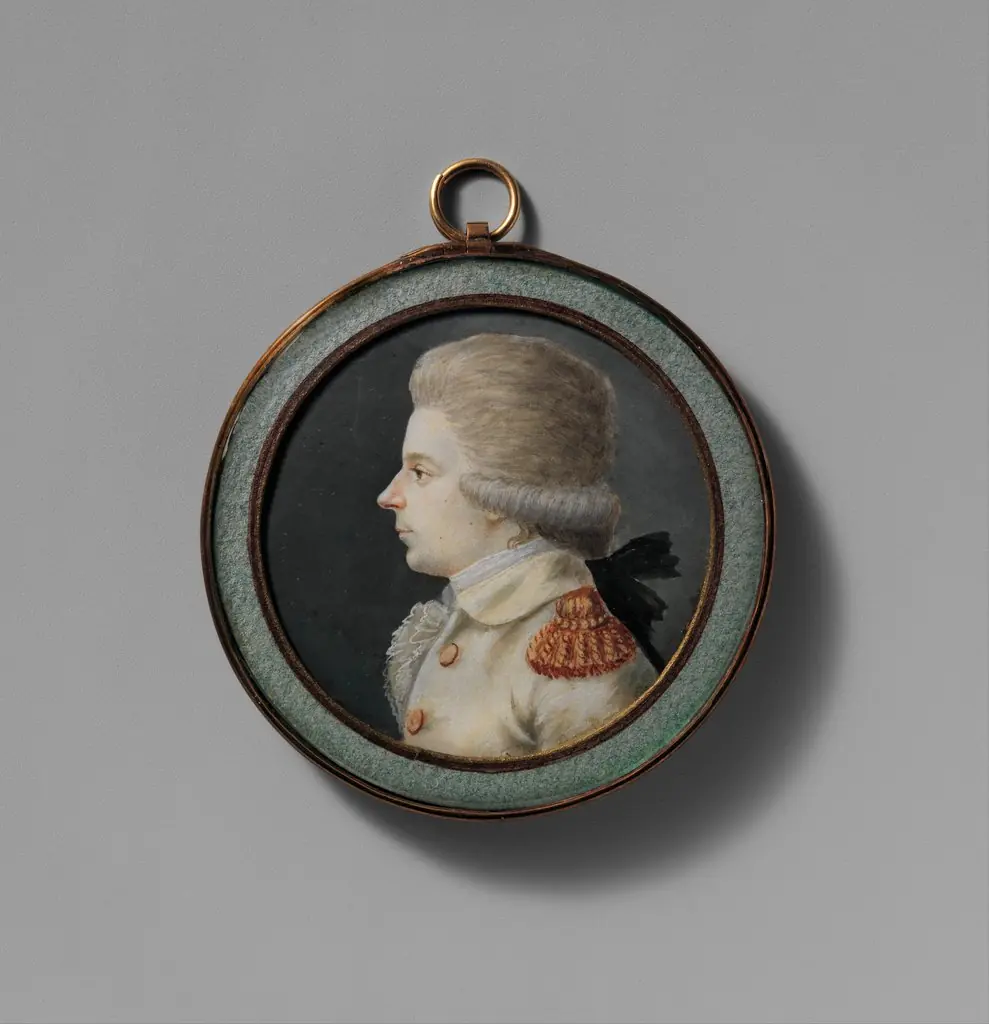 Portrait of a Man
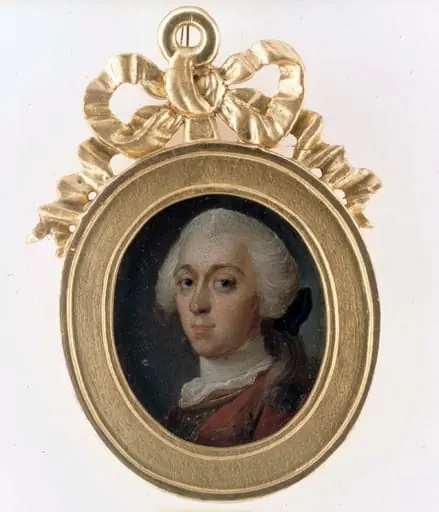 Valtaneuvos Clas Ekeblad
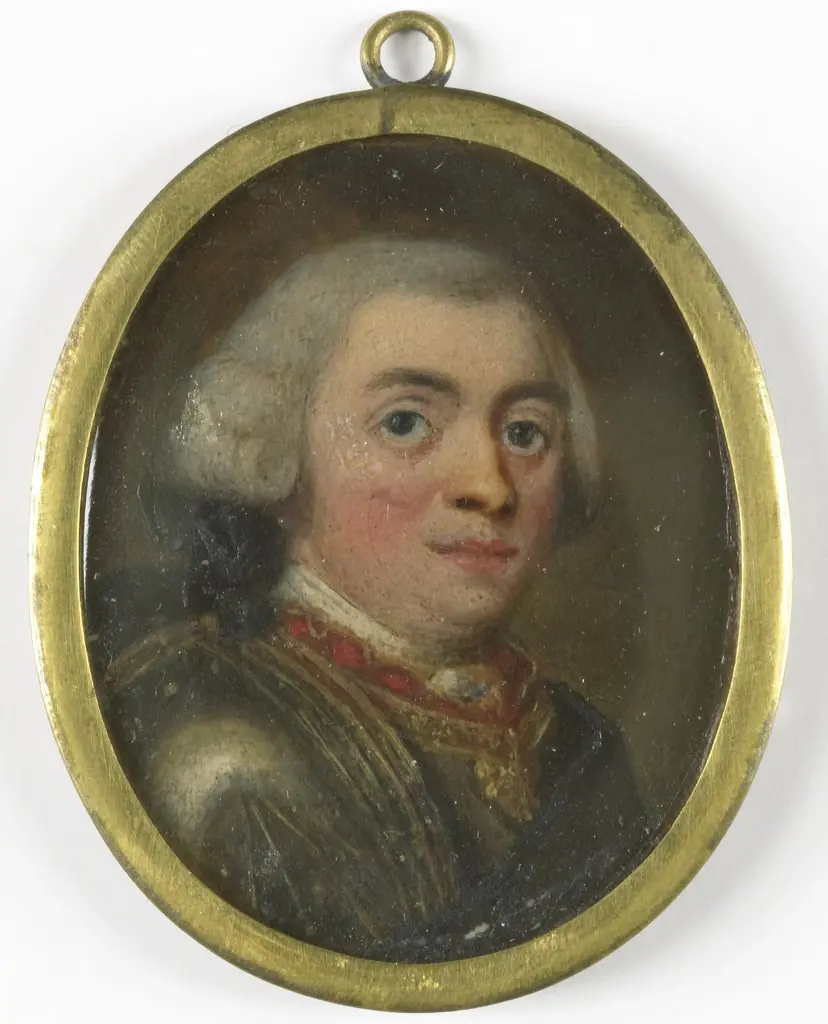 Willem IV (1711-51), prins van Oranje Nassau
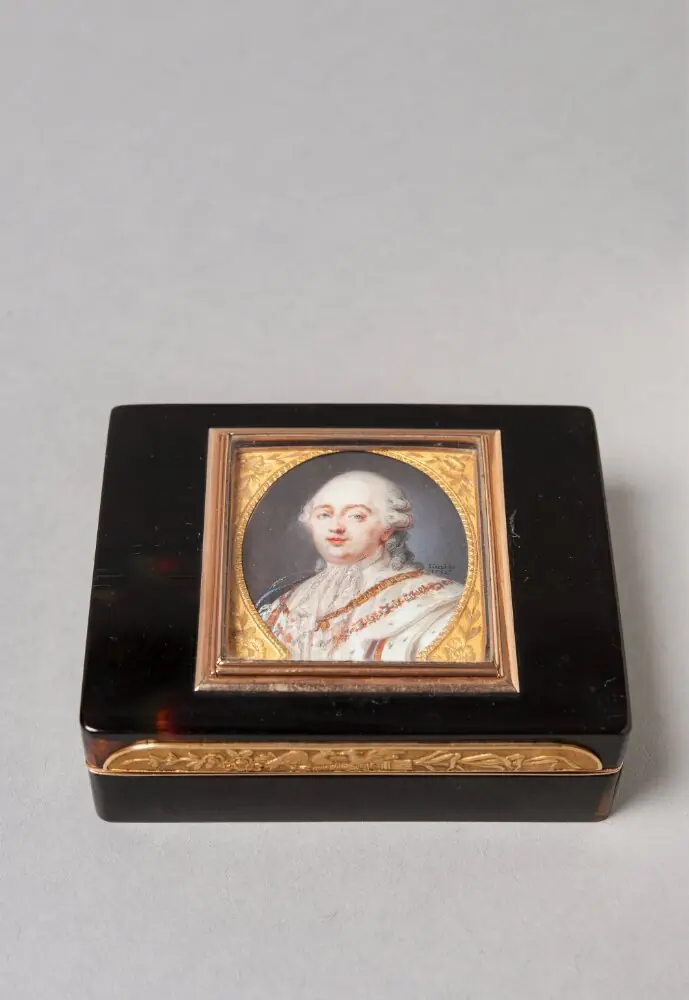 Louis XVI, King of France
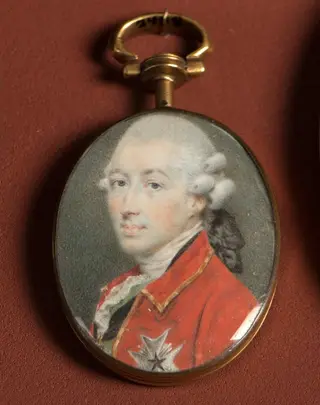 Baron Gustaf Adam von Nolcken
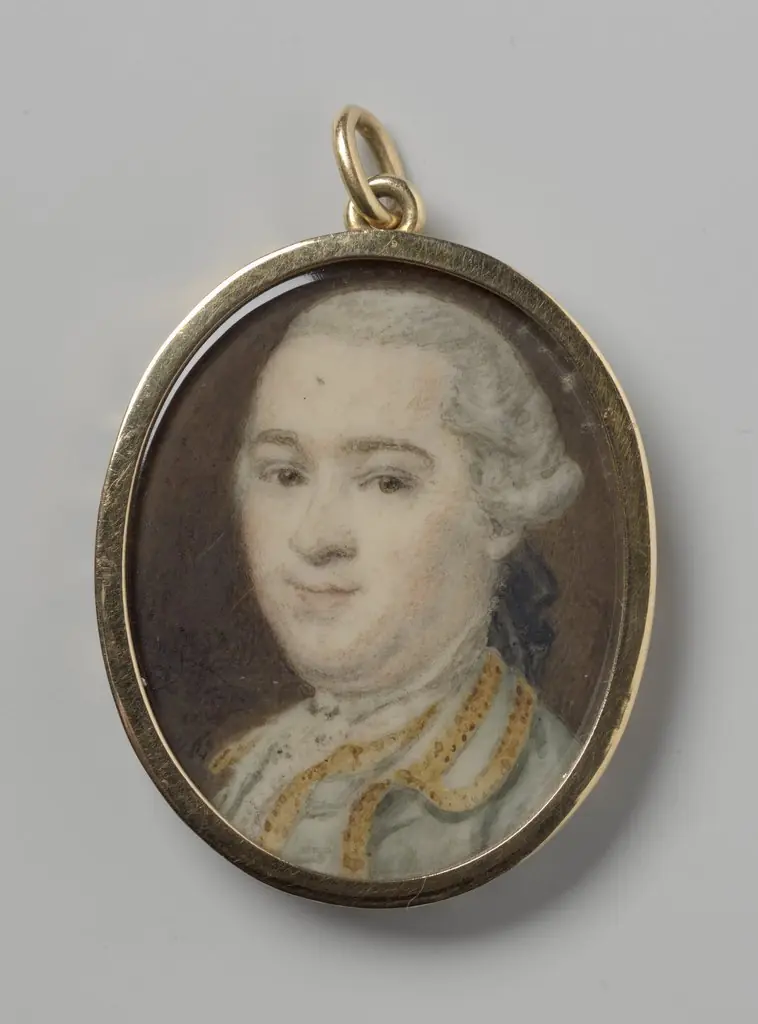 Portret van een man
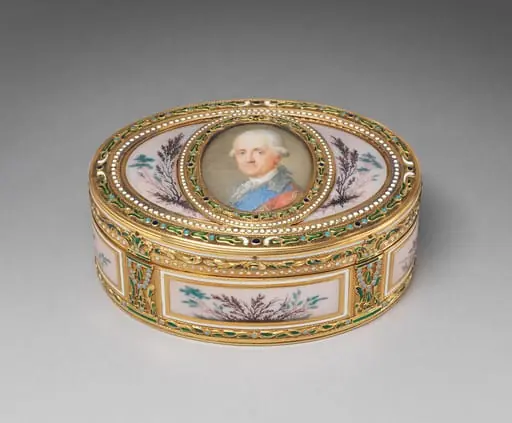 Snuffbox with portrait of a man, probably Prinz Karl von Sachsen (1733–1796)
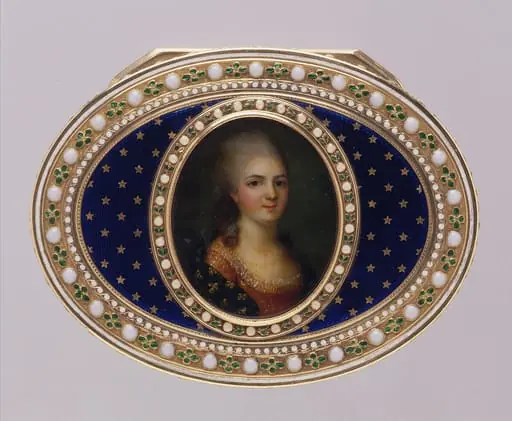 Snuffbox with portrait of a member of the French royal family, probably a daughter of Louis XV
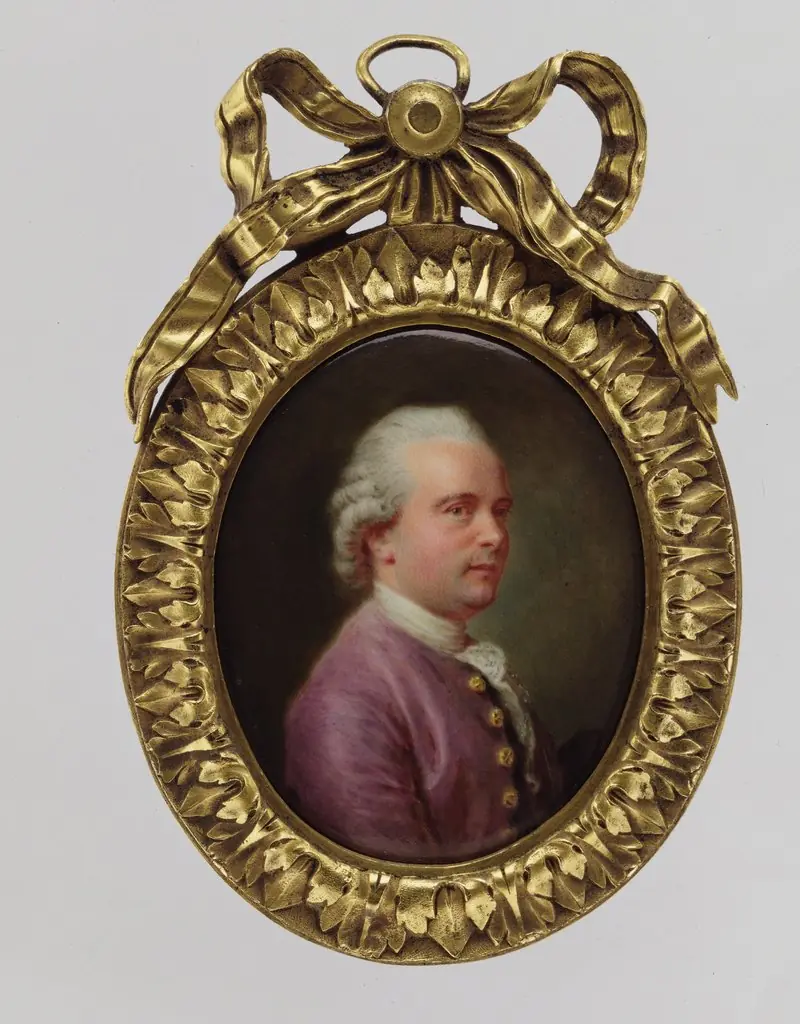 Abbé Charles Bossut (1730–1814)