Artwork
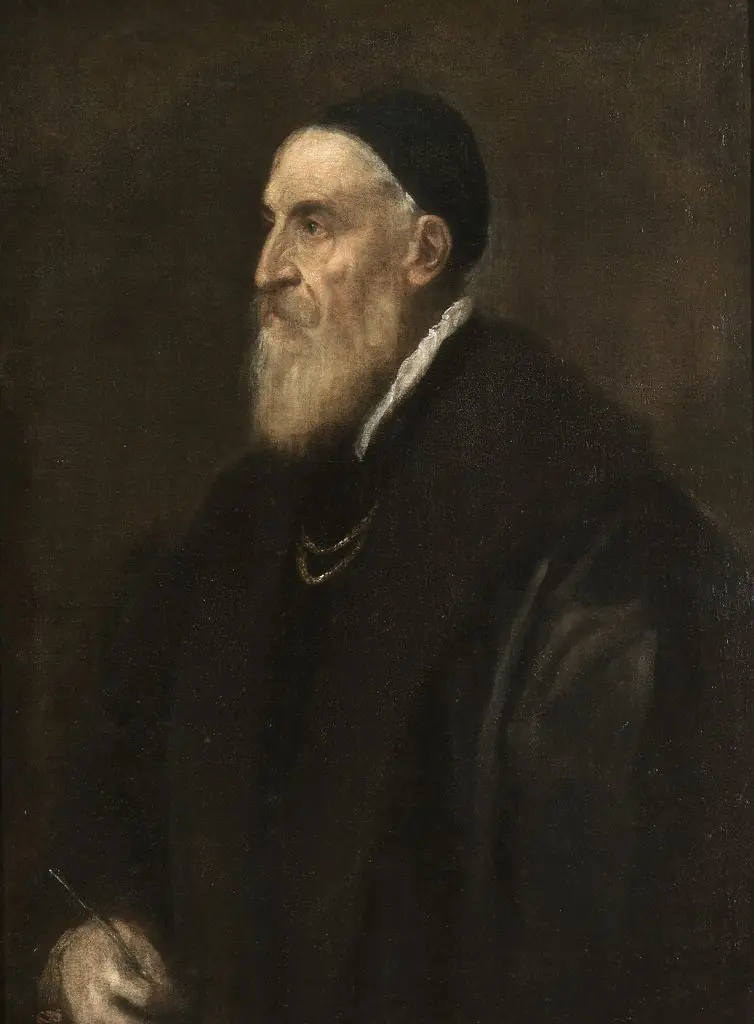
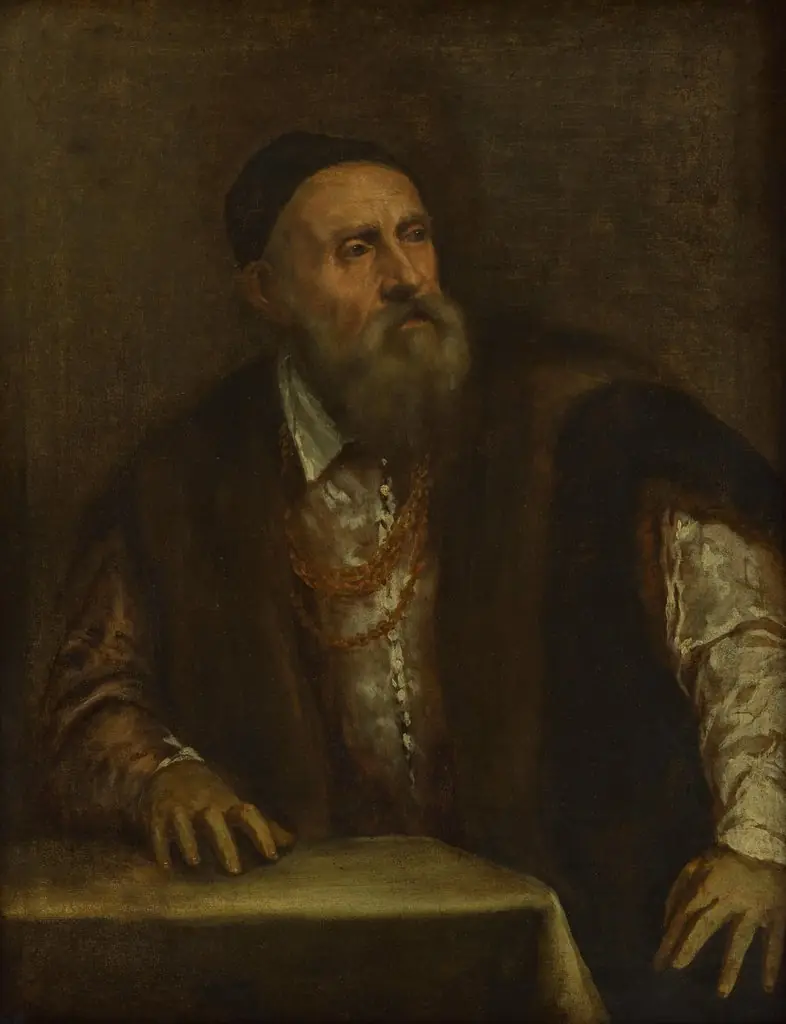
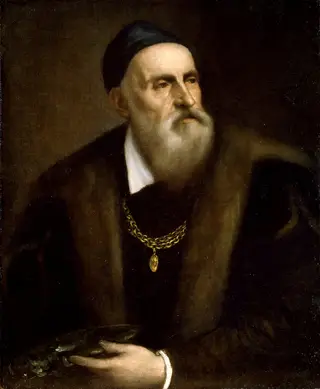
Self-portrait of Titian
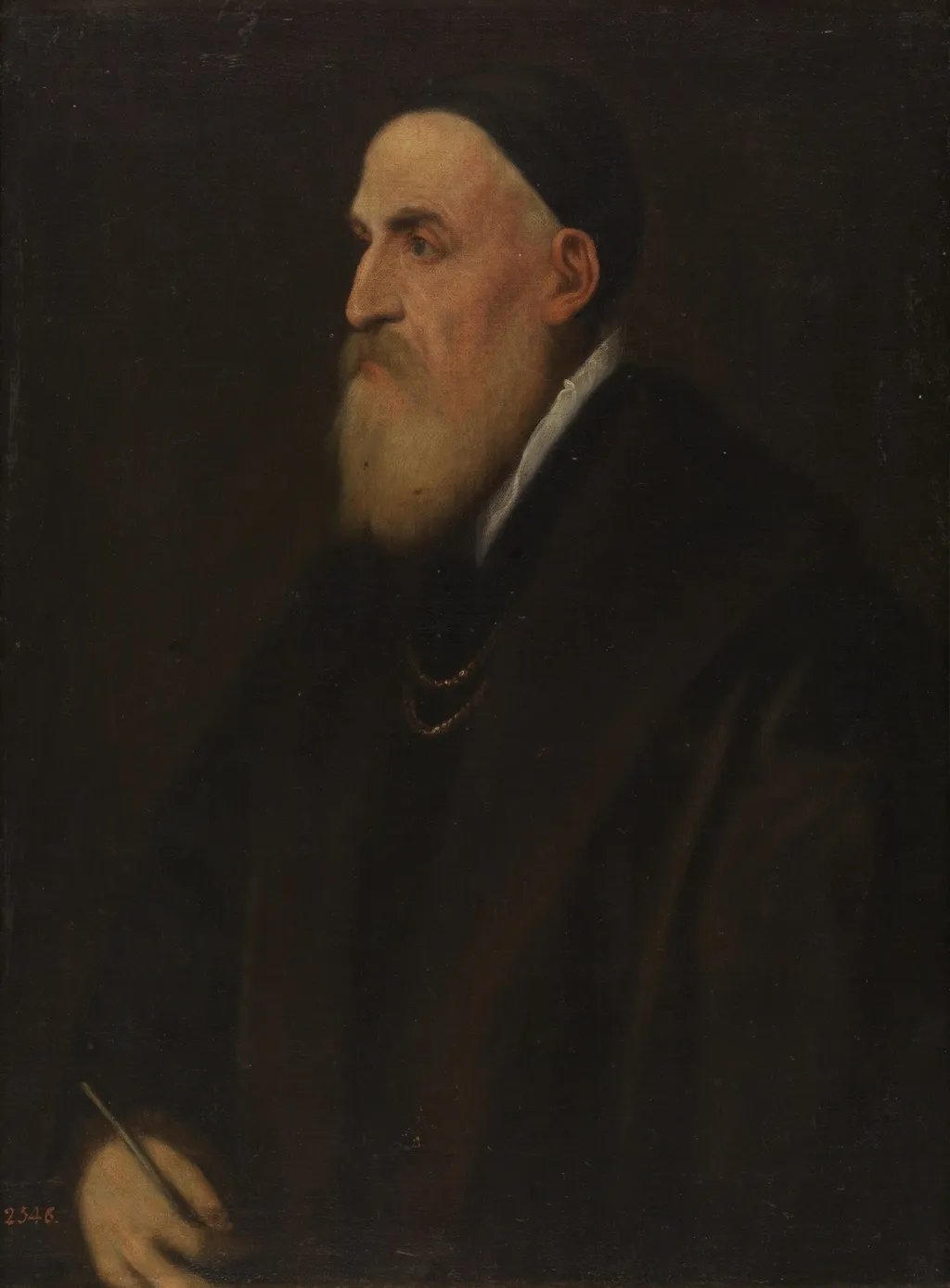
Self-portrait of Titian is an oil painting. It dates from 1726 and is held in the collection of the Museo del Prado.
About this work
Technique & Style
The work is executed in oil paint on canvas, reflecting the conventional materials of 18th‑century portraiture. Its formal composition presents Titian in a direct, unadorned pose that emphasizes facial expression and brushwork over elaborate setting, aligning with the stylistic traits of self‑portraiture in the period.
History & Provenance
The Self-portrait of Titian is an oil-on-canvas work dated to 1726, attributed to an anonymous artist working after Titian rather than to Titian himself.
The Self-portrait of Titian is an oil-on-canvas work dated to 1726, attributed to an anonymous artist working after Titian rather than to Titian himself. The painting, measuring 82 by 62 cm, is held in the collection of the Museo del Prado, where it is currently located. It is based on an earlier Self-Portrait by Titian, functioning as a later copy or adaptation rather than an autograph original.
No information regarding a specific commission, prior ownership chain, or intermediate provenance before the Museo del Prado's acquisition is documented in the available sources.
The work is held in the collection of the Museo del Prado in Madrid. It is cataloged as a painting by an anonymous artist created after Titian, depicting the master in a self-portrait format. The inventory entry records the piece as an oil on canvas measuring 82 cm in height and 62 cm in width. The artwork is dated to January 1, 1726, and remains part of the museum's permanent holdings.
Legacy
The self-portrait attributed to Titian has shaped scholarly discourse on Venetian portraiture and influenced later interpretations of the master’s self-representation. Contemporary catalogues note its role in redefining the genre of self-portrait within the 18th-century artistic tradition, particularly through its technical execution in oil on canvas and its presence in the Museo del Prado collection. The work’s provenance and material details have informed studies on artistic imitation and the legacy of Titian’s visual identity, as documented in museum records and academic analyses.
Overview
This self-portrait by Titian depicts the artist in later life, characterized by a long white beard and dark hair, set against a somber, dark background that accentuates his facial features.
Subject & Meaning
The subject is Titian himself, portrayed with a serious expression, holding an unidentified small, round object in his left hand. The overall demeanor conveys a sense of gravity and introspection.
Context
The work reflects the artistic trends of its time, particularly the Venetian school's emphasis on expressive lighting and shadow. The somber attire and serious pose may also hint at the cultural and social norms of portraying dignity and wisdom in age.
Artist & collection