Artwork
The Man of Sorrows with Two Angels
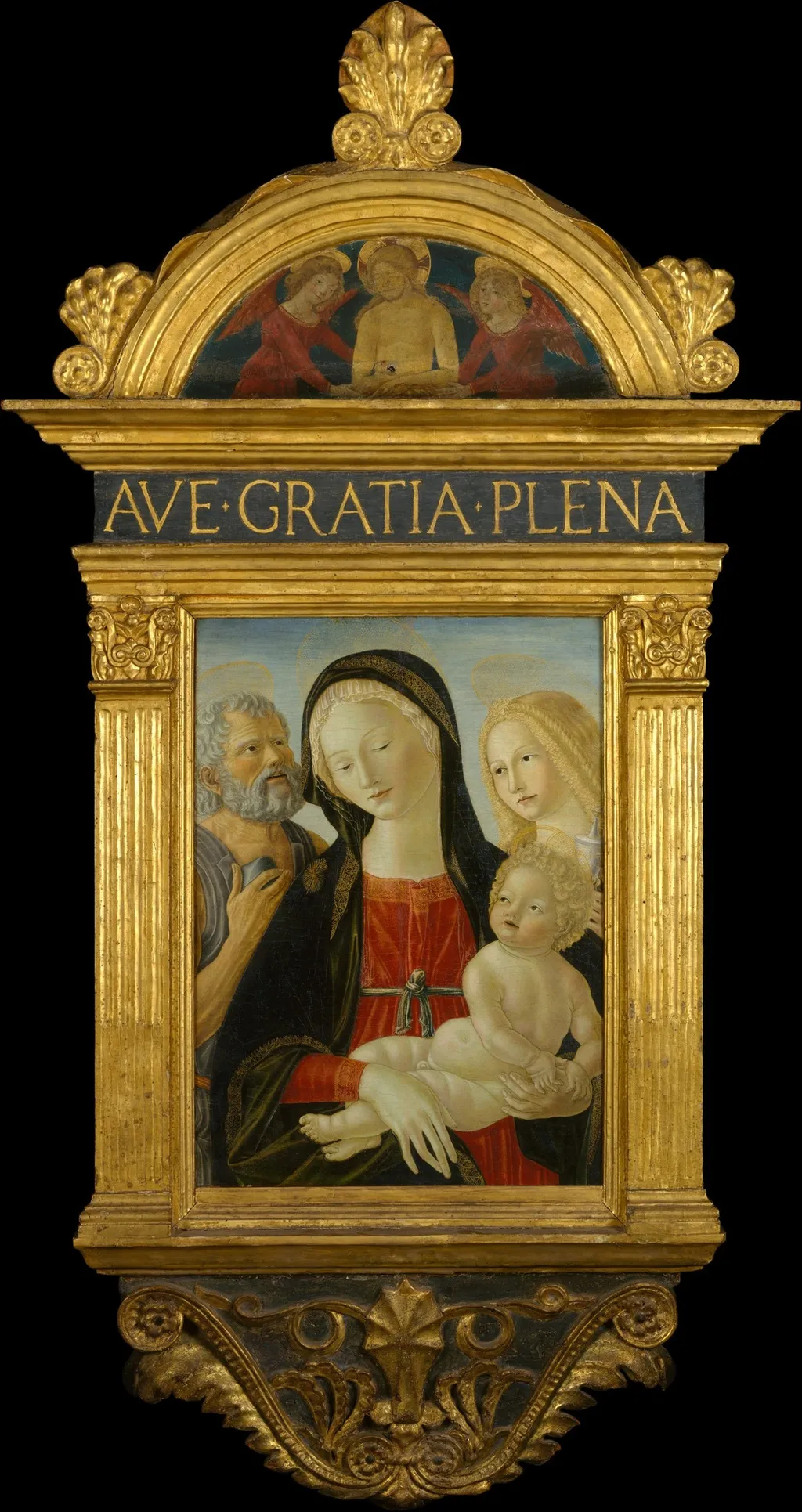
The Man of Sorrows with Two Angels is an unspecified painting. It dates from 1470 and is held in the collection of the Metropolitan Museum of Art.
About this work
Technique & Style
The surface shows signs of age but remains structurally sound, reflecting careful handling and preservation.
The work is an oil painting executed on a wooden panel, characteristic of early Renaissance religious art. It measures 17.5 cm in height by 46.4 cm in width and was created circa 1470 in the workshop of Francesco di Giorgio Martini. The composition depicts Christ in the moment of Passion, flanked by two angels, with a restrained palette and delicate modeling that emphasizes emotional gravity and spatial clarity. The surface shows signs of age but remains structurally sound, reflecting careful handling and preservation.
History & Provenance
The work titled The Man of Sorrows with Two Angels was created in 1470 within the Workshop of Francesco di Giorgio Martini. It measures 17.5 centimeters in height and 46.4 centimeters in width. The painting entered the collection of the Metropolitan Museum of Art, where it remains on display.
Overview
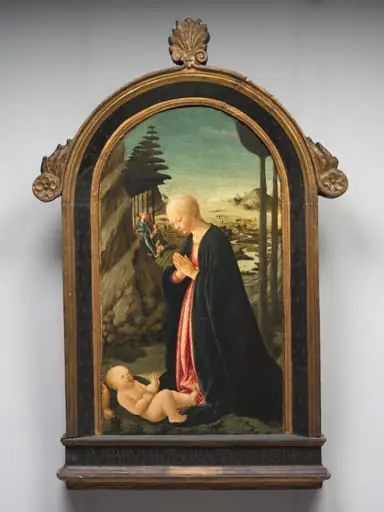
The work, titled The Man of Sorrows with Two Angels, presents a central figure surrounded by celestial beings within a gilded architectural frame. A woman in a red garment cradles a sleeping infant, while a standing child accompanies her. An elderly man with a flowing white beard looks upward to the left, and three diminutive angels hover above, inscribed with the Latin phrase Ave gratia plena.
Subject & Meaning
The composition juxtaposes earthly tenderness with divine intercession. The mother’s pale, luminous visage and the infant’s near‑white skin evoke purity, while the older man’s contemplative gaze suggests reverence. The angels, positioned within a gold‑framed arch, reinforce a sacred atmosphere, linking the domestic scene to a broader spiritual narrative of grace and salvation.
Context
Depictions of the Man of Sorrows accompanied by angels were widespread in religious art, serving as visual meditations on Christ’s suffering and divine mercy. The inclusion of a mother and child reflects a synthesis of the Virgin’s sorrow with everyday human experience, a motif that resonated with contemporary viewers seeking personal connection to sacred themes.
Artist & collection

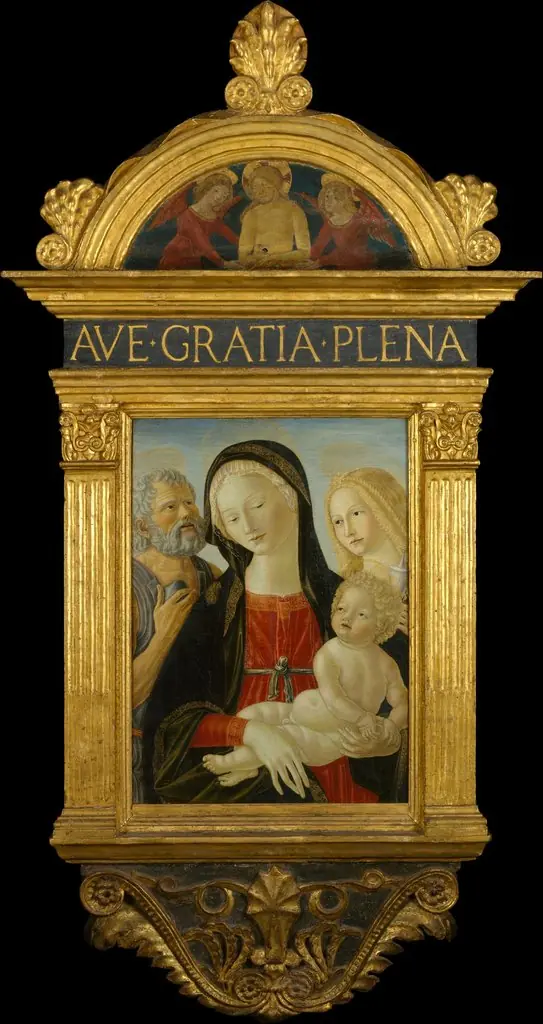
- Madonna and Child with Saints Jerome and Mary Magdalen
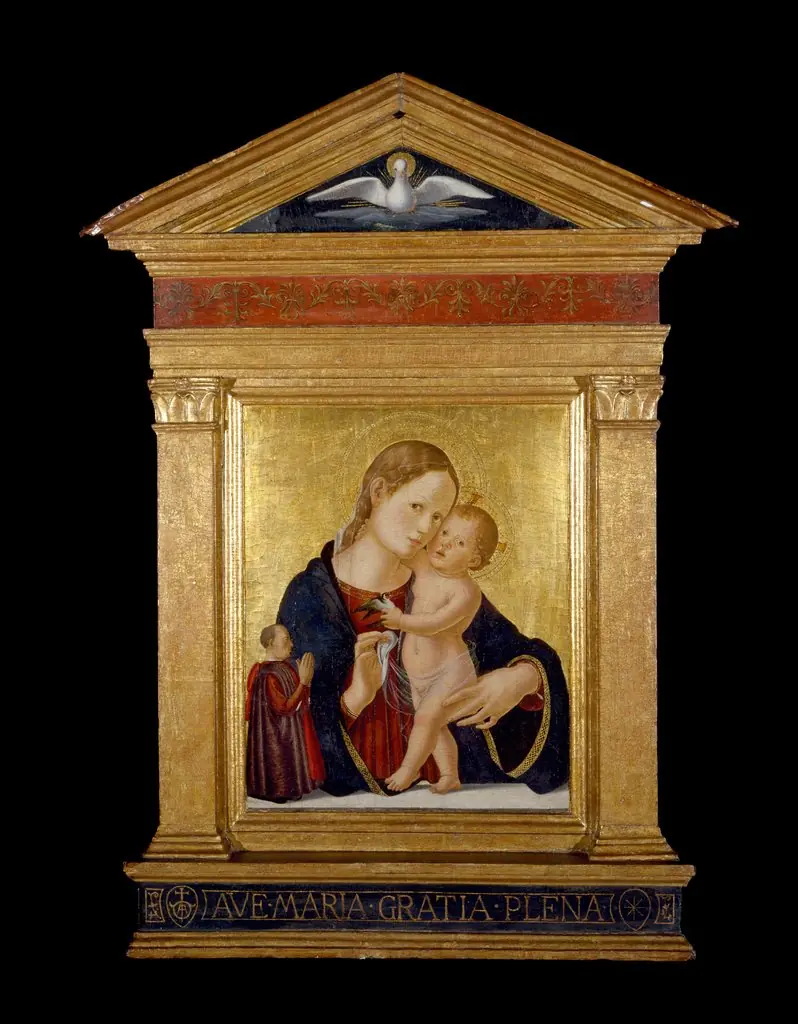 Virgin and Child with Donor
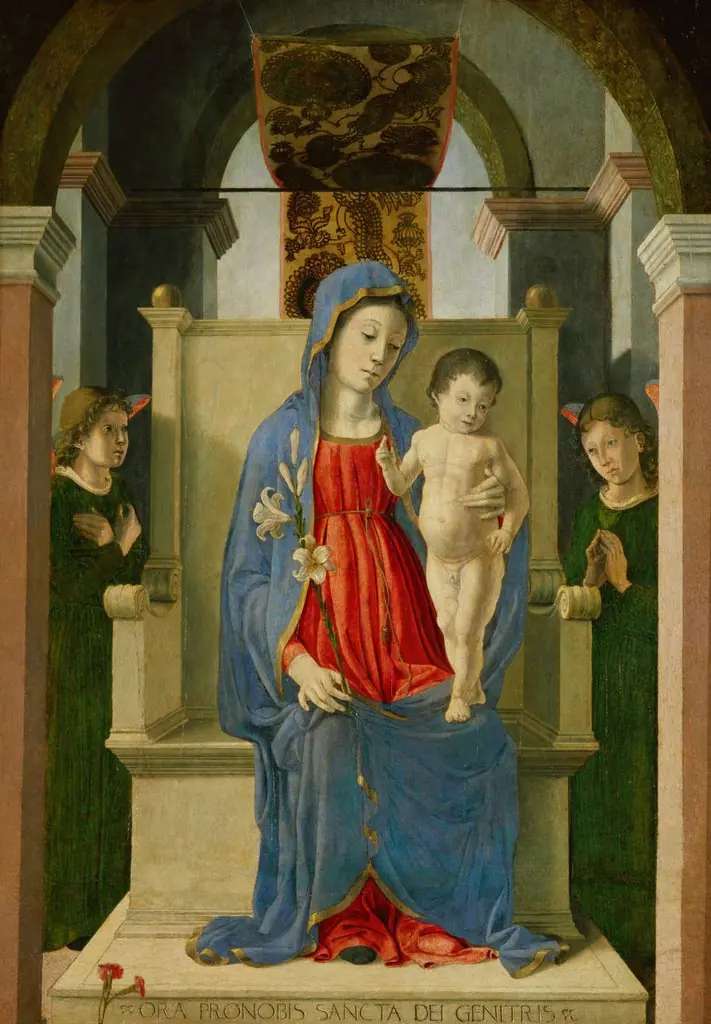 Virgin Mary with lily flowers
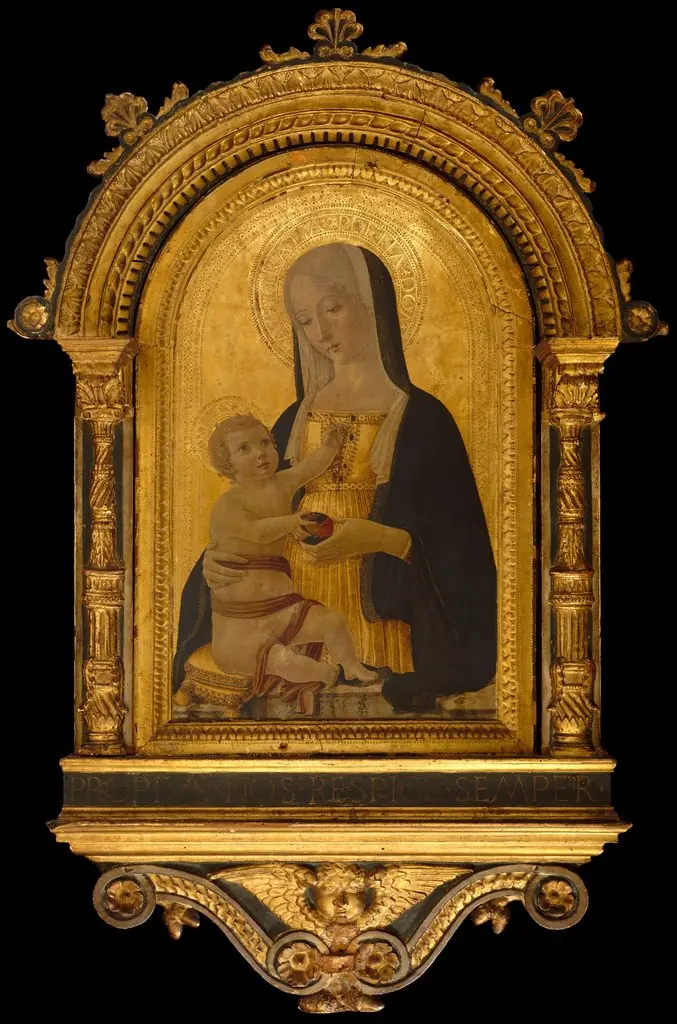 Madonna and Child
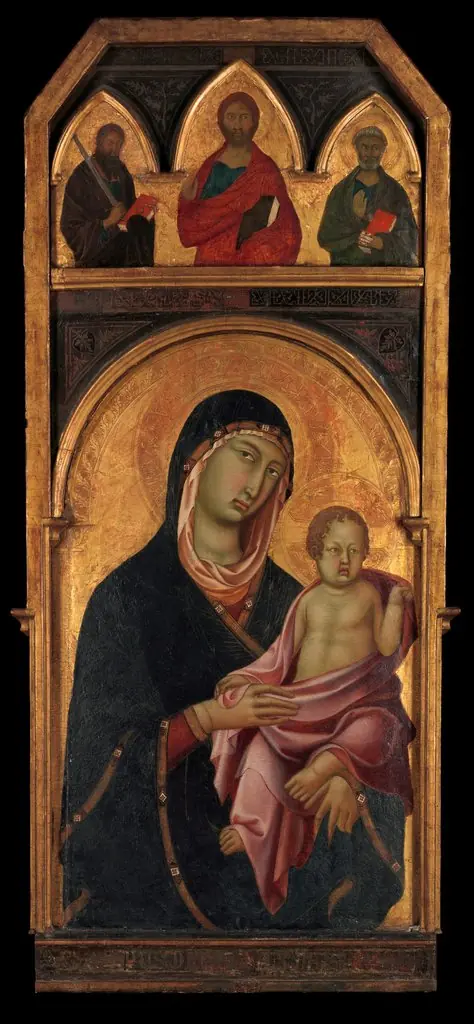 Madonna and Child
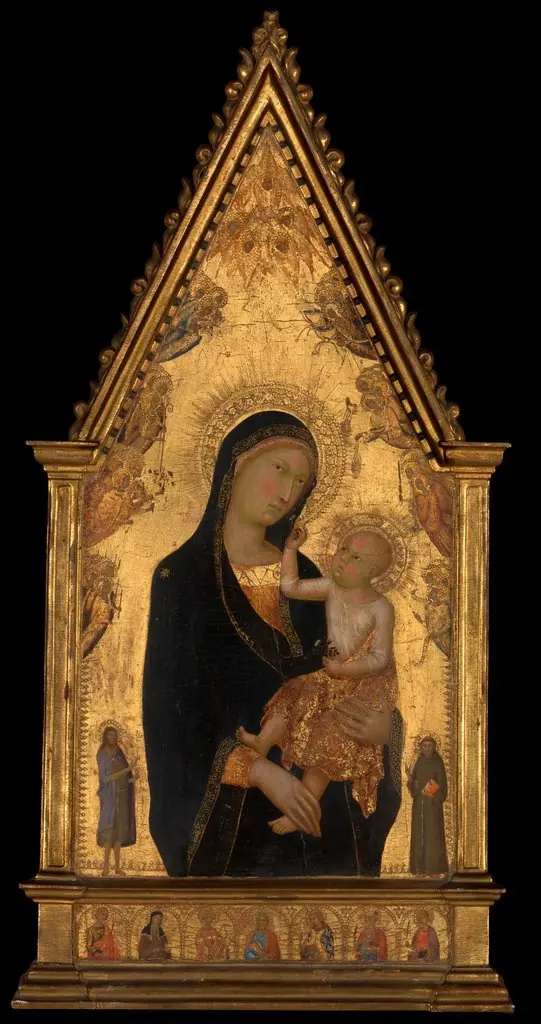 Madonna and Child with Saints and Angels
 Virgin and Child
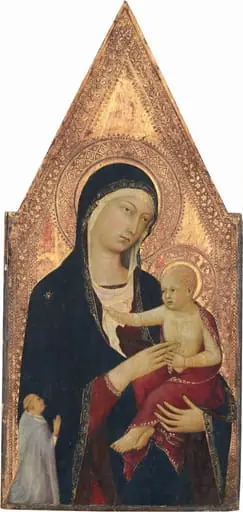 Madonna and Child with Donor
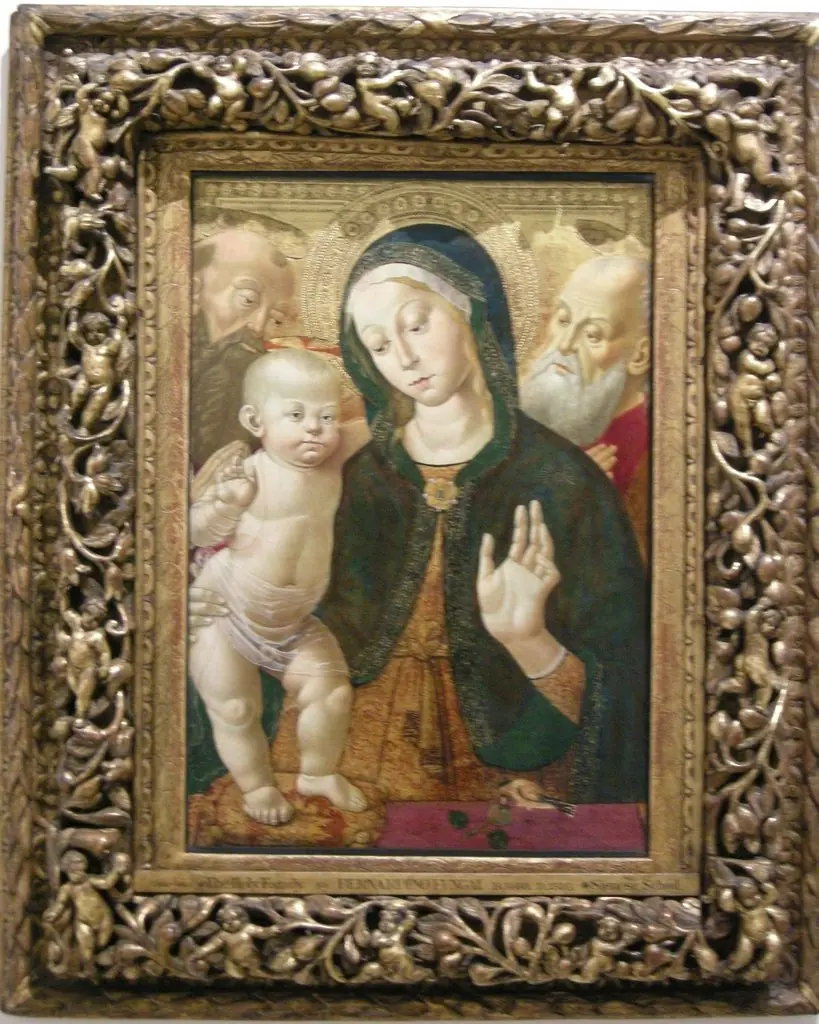 Madonna mit Kind
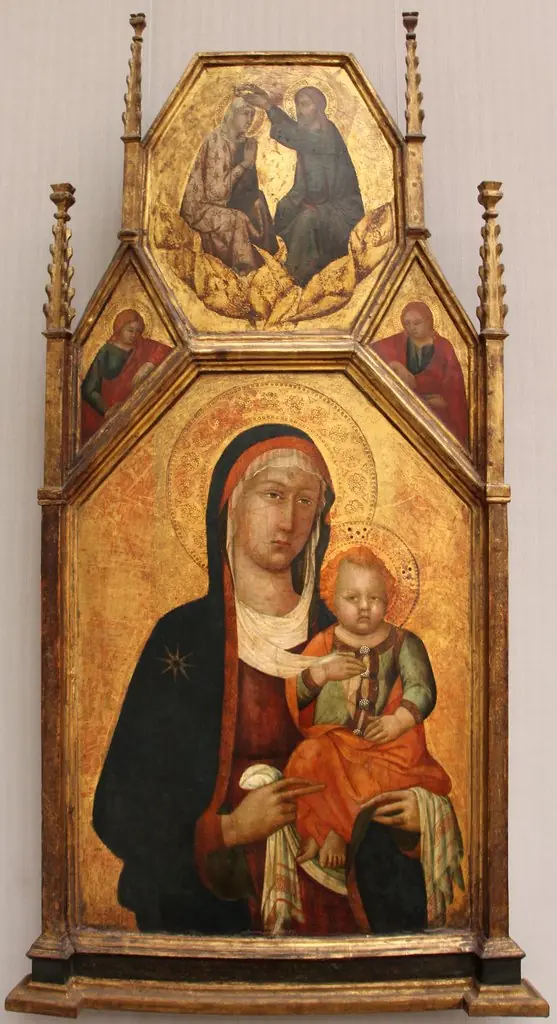 Maria mit dem Kind
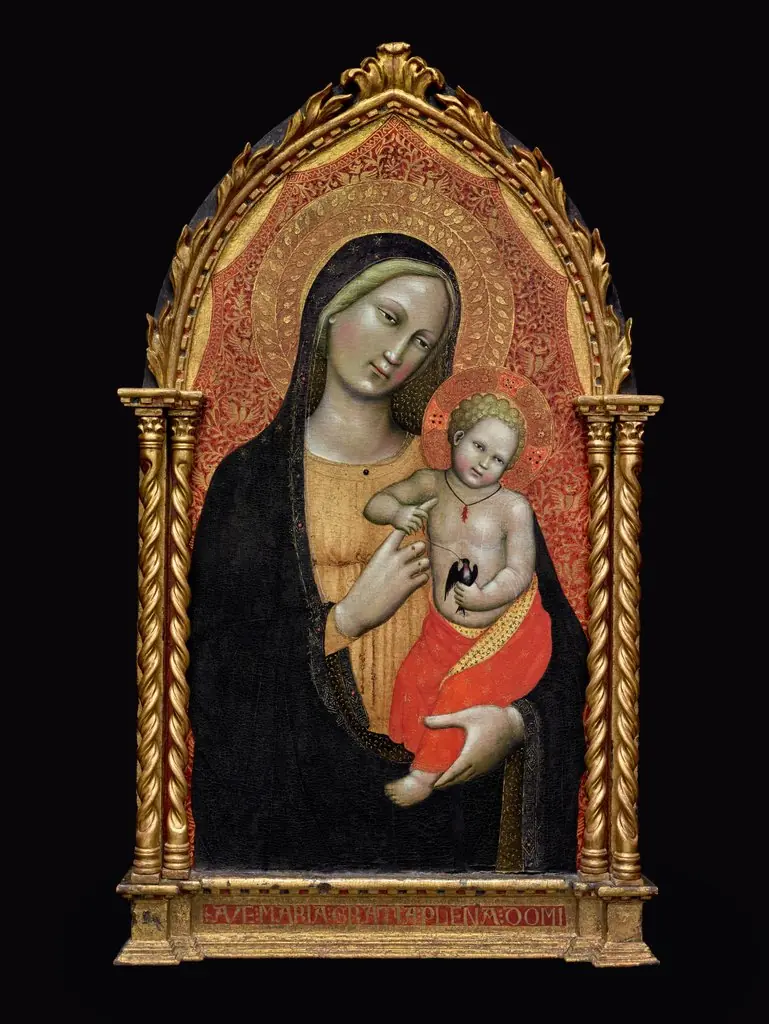 Virgin and Child
 Madonna and Child with Tobias and the Angel Raphael