Artwork
The Youth Seitaka (Seitaka Dōji)
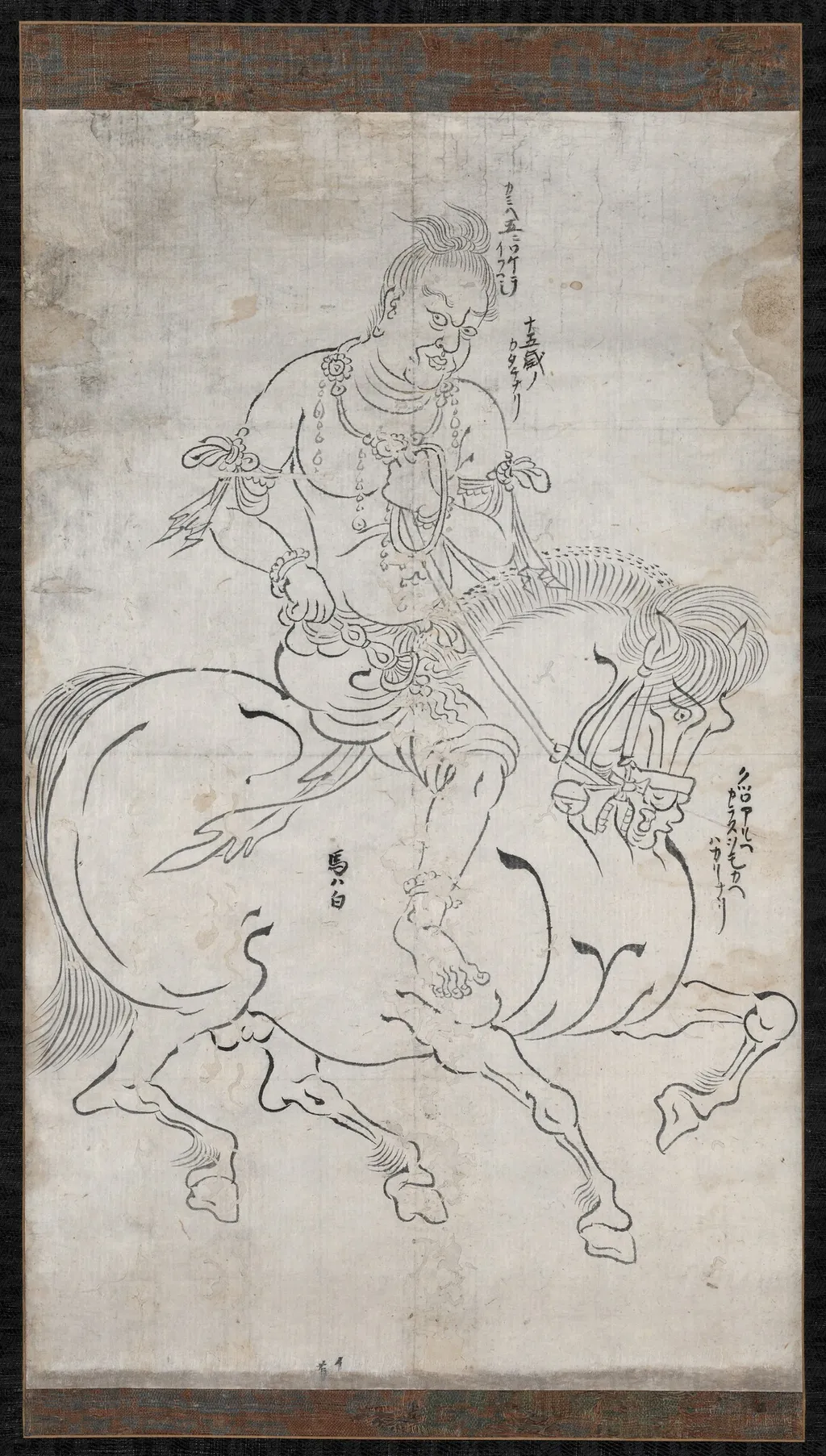
The Youth Seitaka (Seitaka Dōji) is an unspecified painting. It dates from 1164 and is held in the collection of the Cleveland Museum of Art.
About this work
History & Provenance
No further details about earlier ownership, commission, or specific creation circumstances are provided in the available sources.
The Youth Seitaka (Seitaka Dōji) is a religious painting dated to 1164, as indicated by its inception year. The artist is unknown. The work entered the collection of the Cleveland Museum of Art and bears the accession number 1972.162, indicating its acquisition by the museum in 1972. No further details about earlier ownership, commission, or specific creation circumstances are provided in the available sources.
The painting The Youth Seitaka (Seitaka Dōji) is held in the collection of the Cleveland Museum of Art in Cleveland. The work is cataloged under the accession number 1972.162. Created in 1164, this religious painting has been part of the museum's holdings since its acquisition, though specific details regarding its exhibition history are not provided in the available records.
Legacy
The Youth Seitaka (Seitaka Dōji) is recognized as a 12th‑century religious painting, documented in 1164 and classified within the genre of religious art. Its inclusion in the Cleveland Museum of Art’s collection has positioned the work as a reference point for scholars studying early Japanese Buddhist visual culture.
The museum’s catalog entries highlight the piece as an exemplar of early religious painting, contributing to ongoing discussions of Buddhist iconography in museum displays. As a result, the work’s legacy is primarily maintained through scholarly citation and exhibition within the museum’s permanent displays.
Overview
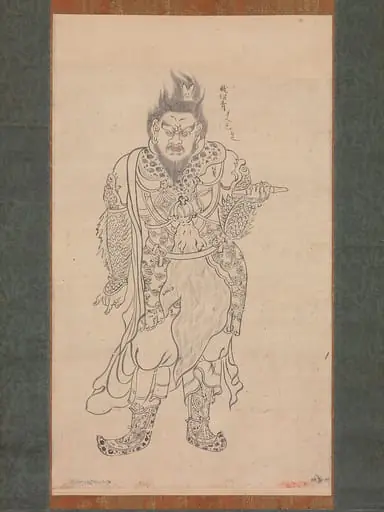
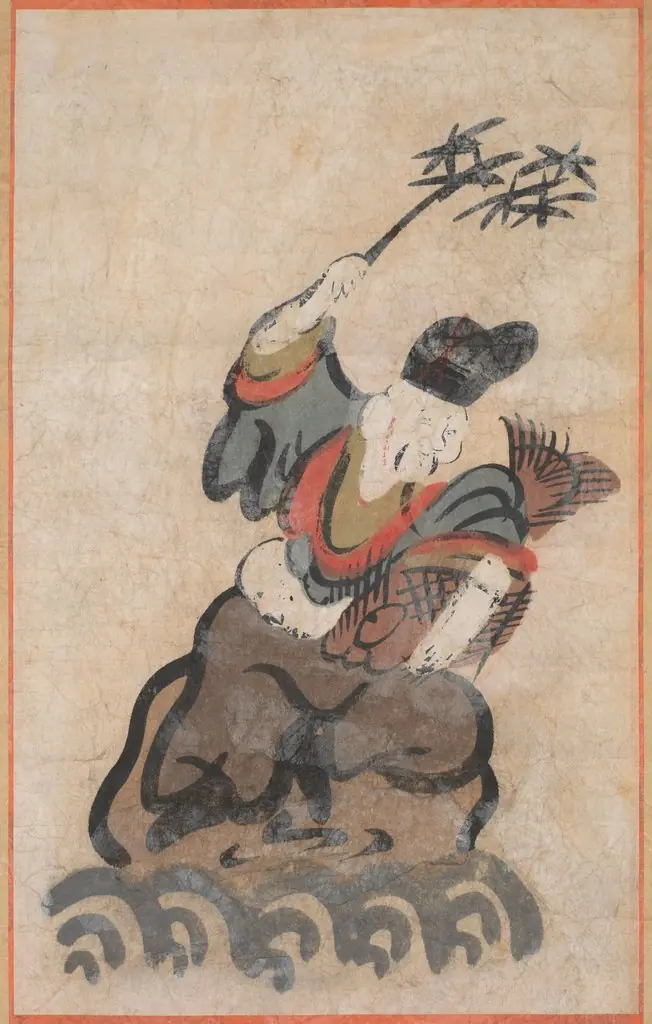
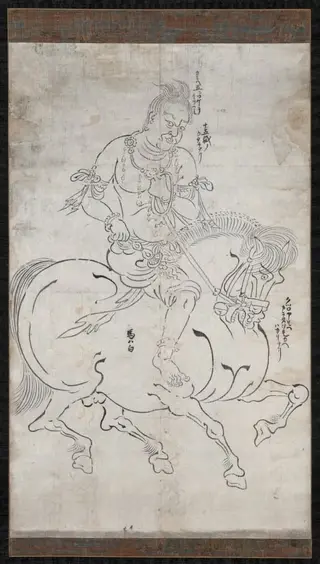
This painting, titled The Youth Seitaka (Seitaka Dōji), depicts a vigorous young man astride a powerful tiger. Executed with black ink on light paper, the artwork emphasizes dynamic movement through its stark lines and composition. The figure, identified as Seitaka Dōji, is shown with wild hair and a drawn bow, while the tiger's open mouth and swirling fur suggest intense motion against a sparse background of clouds.
Subject & Meaning
The artwork portrays Seitaka Dōji, a prominent attendant of the Buddhist deity Fudō Myōō, known for his youthful appearance and strength. His wild hair and bow symbolize his energetic and protective nature. Riding a tiger, a creature often associated with power and ferocity in East Asian iconography, further emphasizes Seitaka's formidable attributes and his role in subduing obstacles to enlightenment.
Technique & Style
The artist utilized simple black ink on light paper, creating sharp contrasts that define the forms and convey a sense of immediacy. Quick, swirling lines delineate the tiger's fur and musculature, while the rider's tense posture contributes to the overall impression of rapid motion. Despite the two-dimensional medium, the drawing effectively communicates the raw energy and potential for action of both the youth and the beast.
Artist & collection