Artwork
安底羅大将図像(付.裏書)|Anchira-taisho Jochi
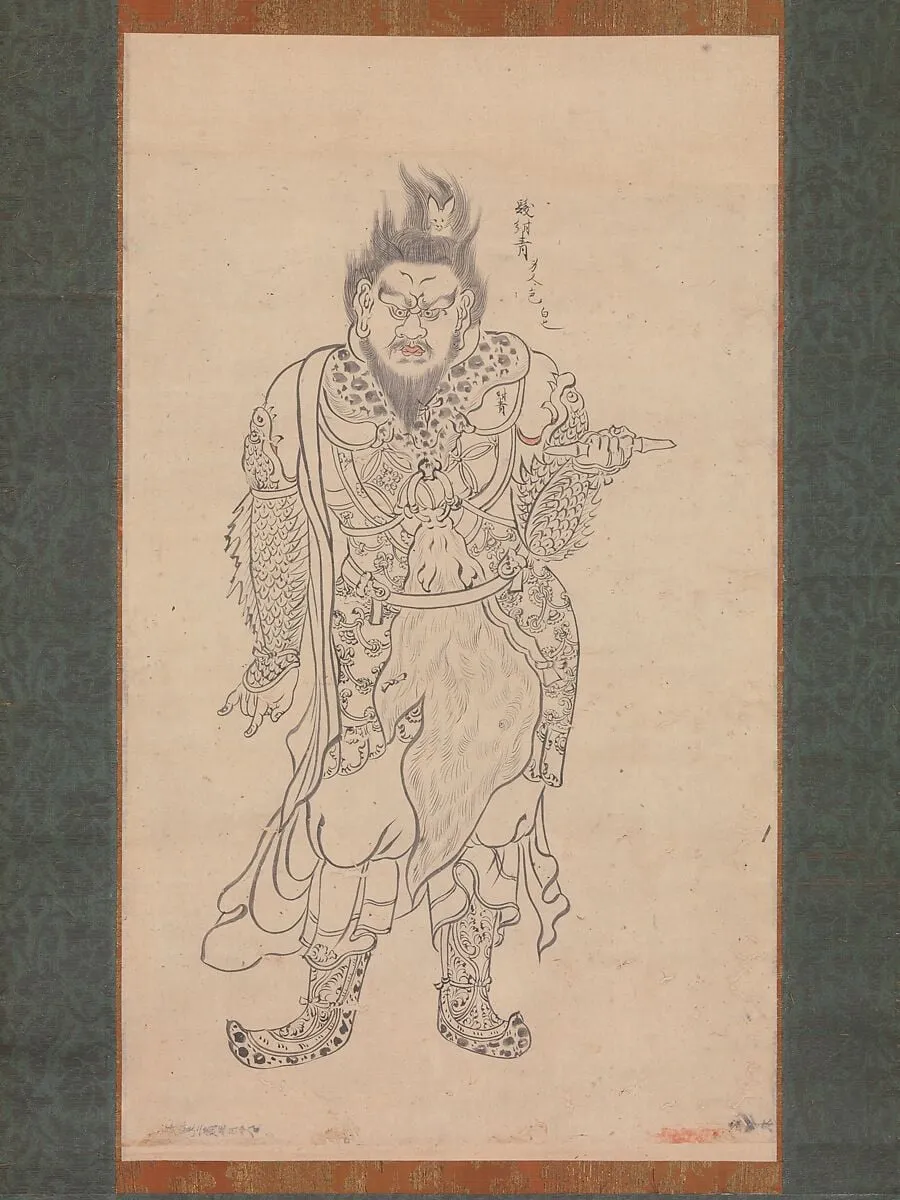
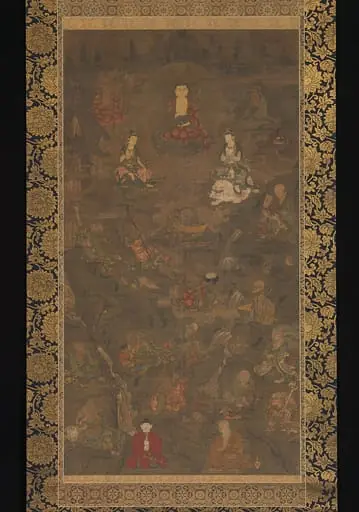
安底羅大将図像(付.裏書)|Anchira-taisho Jochi is an ink painting. It dates from 1164 and is held in the collection of the Metropolitan Museum of Art. The work titled Anchira-taisho Jochi consists of a pair of ink paintings on paper, presented as hanging scrolls.
About this work
Subject & Meaning
As a work of religious art, the image functions as a representation of spiritual power and protection, embodying the role of the general in Buddhist cosmology.
Created in 1164, this pair of Japanese hanging scrolls depicts Anchira-taishō, a divine general within Buddhist tradition. The iconography centers on a male figure, identified as the general, who is accompanied by a rabbit. While the specific attributes of the figure are not detailed in the available records, the presence of the rabbit serves as a key symbolic element associated with this deity.
As a work of religious art, the image functions as a representation of spiritual power and protection, embodying the role of the general in Buddhist cosmology. The pairing of the human form with the animal suggests a specific narrative or attribute unique to Anchira-taishō's identity, distinguishing this depiction within the broader context of Japanese religious painting.
Technique & Style
The work is executed as a pair of hanging scrolls, employing ink on paper as both medium and support; the ink wash technique yields delicate line work that defines the figurative composition. The anonymous painter rendered a man accompanied by a rabbit within a religious narrative, a motif typical of Japanese Buddhist iconography of the mid-12th century. As hanging scrolls, the pieces would have been displayed vertically, allowing controlled handling and periodic rotation to mitigate wear. Stylistically, the restrained brushstrokes and compositional balance reflect the aesthetic conventions of contemporary religious painting in Japan.
History & Provenance
Created in Japan in 1164, this pair of hanging scrolls depicting the deity Anchira-taishō was executed by an anonymous artist using ink on paper. The work, which includes an attached endorsement on the reverse, belongs to the religious genre and features imagery of a man and a rabbit. While the specific circumstances of its original commission and the identity of the patron remain unrecorded in the available documentation, the piece has entered the collection of the Metropolitan Museum of Art.
The dating to the mid-twelfth century establishes its historical context within Japanese religious art production of that era.
Overview
The work titled Anchira-taisho Jochi consists of a pair of ink paintings on paper, presented as hanging scrolls. Dating back nearly nine centuries, this piece represents one of the earliest extant portraits from Japan. It depicts a figure in traditional attire, accompanied by a symbolic animal, rendered with direct and confident brushwork, offering a glimpse into early Japanese artistic traditions.
Artist & collection

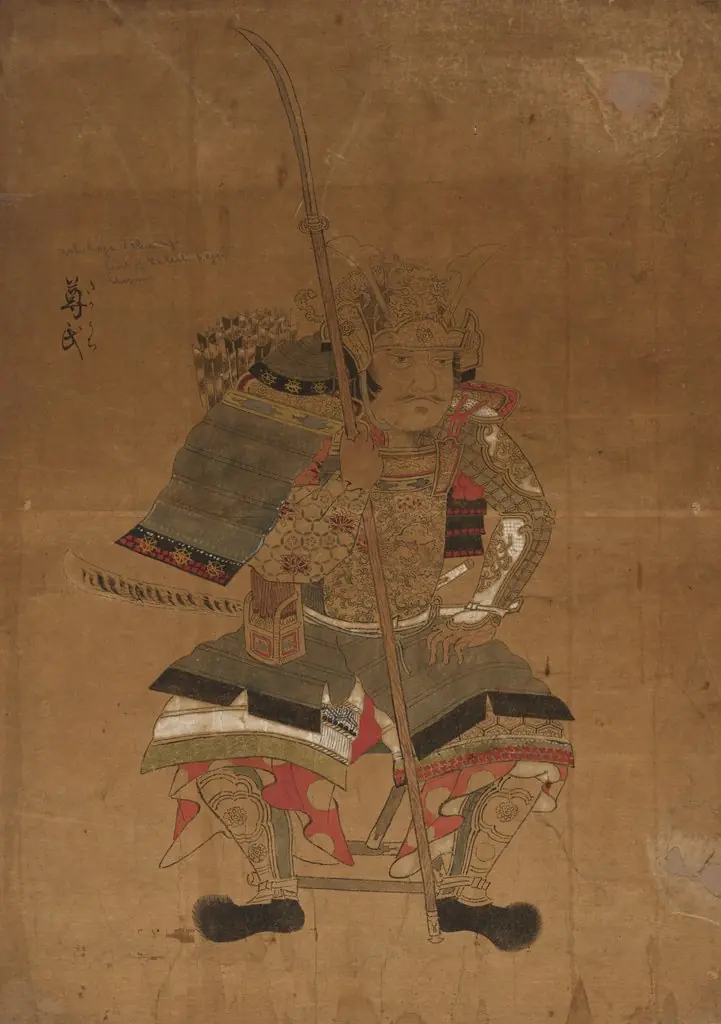
- Sketch Model for Portraits of Ashikaga Takauji
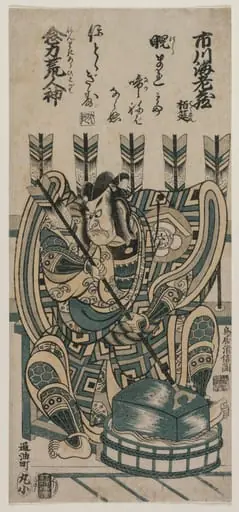 Ichikawa Ebizo III as Yanone Goro in Nenriki arahitogami
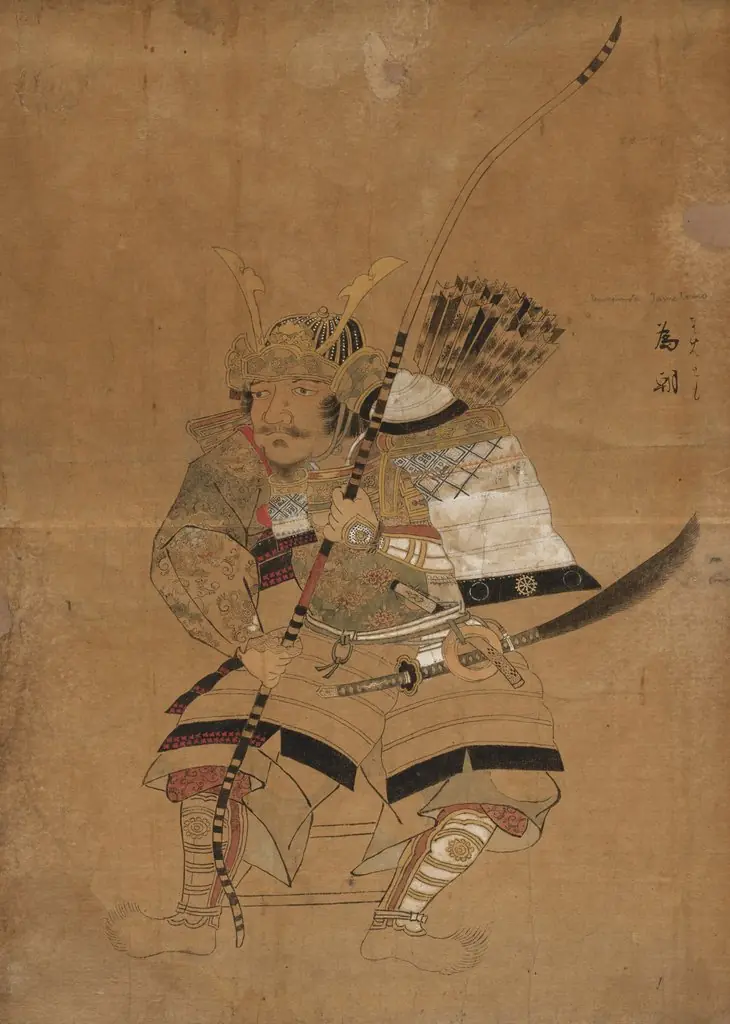 Sketch Model for Portraits of Minamoto Tametomo
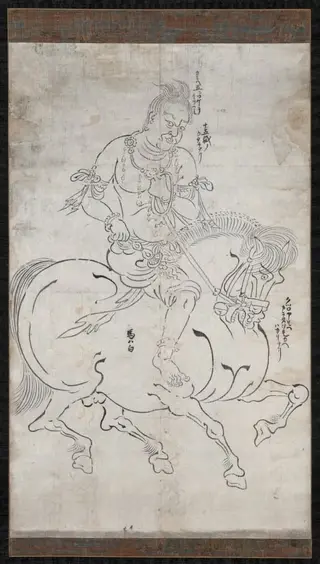
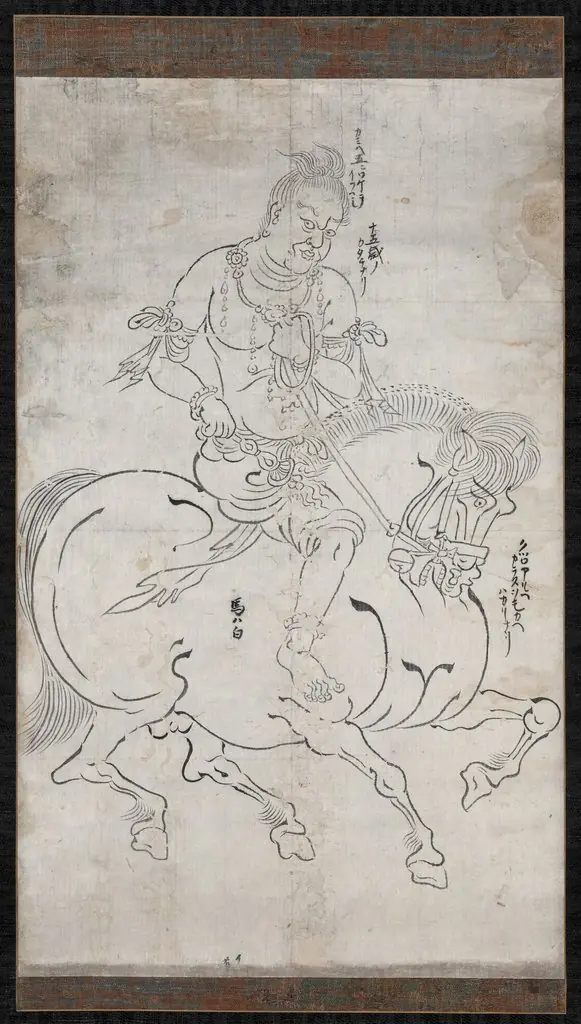 The Youth Seitaka (Seitaka Dōji)
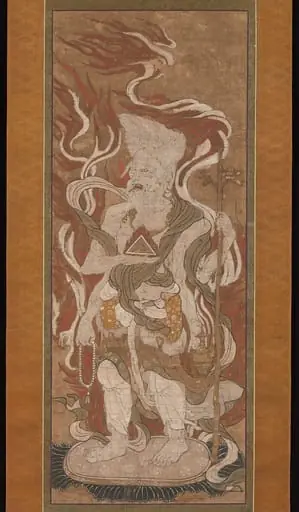 十二天像(火天)|One of the Twelve Devas: Katen
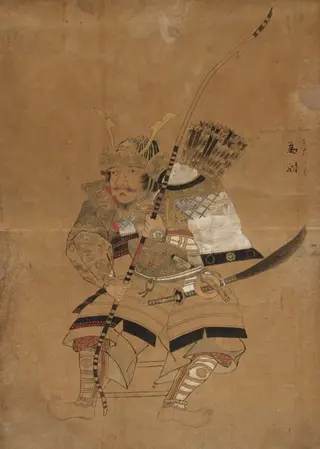 Sketch Model for Portraits of Minamoto Tametomo
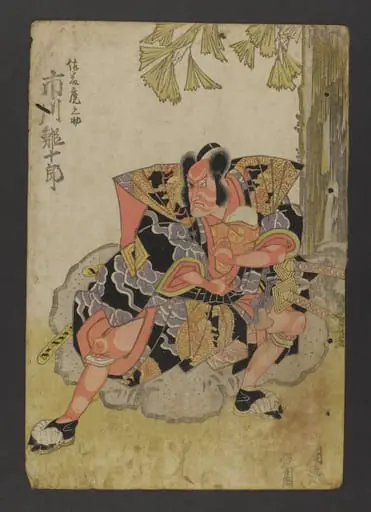 H Beard Print Collection
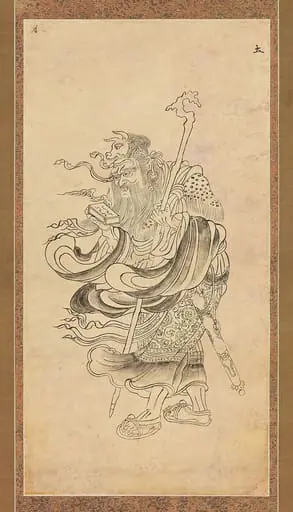 土曜図像|Iconographic Drawing of Saturn
 龍湫周沢写 不動明王二童子像|Fudō Myōō and Two Attendants
 Untitled
 The Youth Seitaka (Seitaka Dōji)
 Untitled